
Social Media
Yes, Quit Twitter
I don’t like where Twitter is going and here’s why.
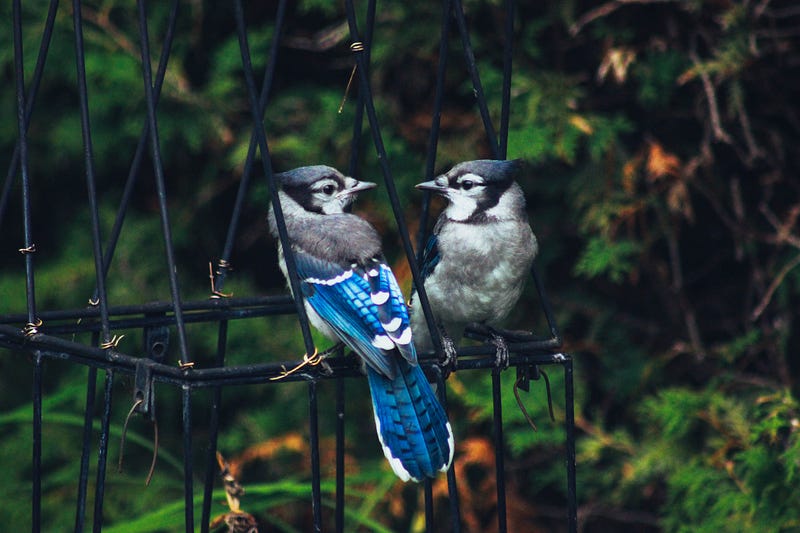
Twitter makes me nervous. It’s been around since March 21, 2006 and has grown to nearly 330 million users. And while it’s fun to participate in all kinds of conversations, hear celebrity perspectives, and acquire new ideas from quirky bedfellows, I question Twitter’s motives and whether they’re helping. I think you should quit it.
Twitter is a social platform where people identify with and participate in conversations about any, and I mean any, topic. You can find videos of Fauci, follow Jimmy Fallon, see photos from DIY guys, read tweets from this guy, and react to cancel culture vultures.
While the first four serve a purpose, kind of, it’s that fifth one that makes me nervous. I hear about it and ask why does online opine put pressure to impact and influence what happens offline. Why is it that the destruction of one’s life, a sinister act, seems like a social sport?
The Importance of Context
Social to me means you follow the rules of civil discourse regardless of the degree to which you agree or disagree with the opinion before you. It means endearing, pragmatic self-expression so as not to infringe on someone’s personal space.
This doesn’t mean you have to be politically correct. Tweeters cannot expect everyone to like what you read no matter how you write it; Tweetees can’t expect to like everything they read no matter how it’s presented. Expression and consumption takes emotional intelligence and discipline. It is a social responsibility.
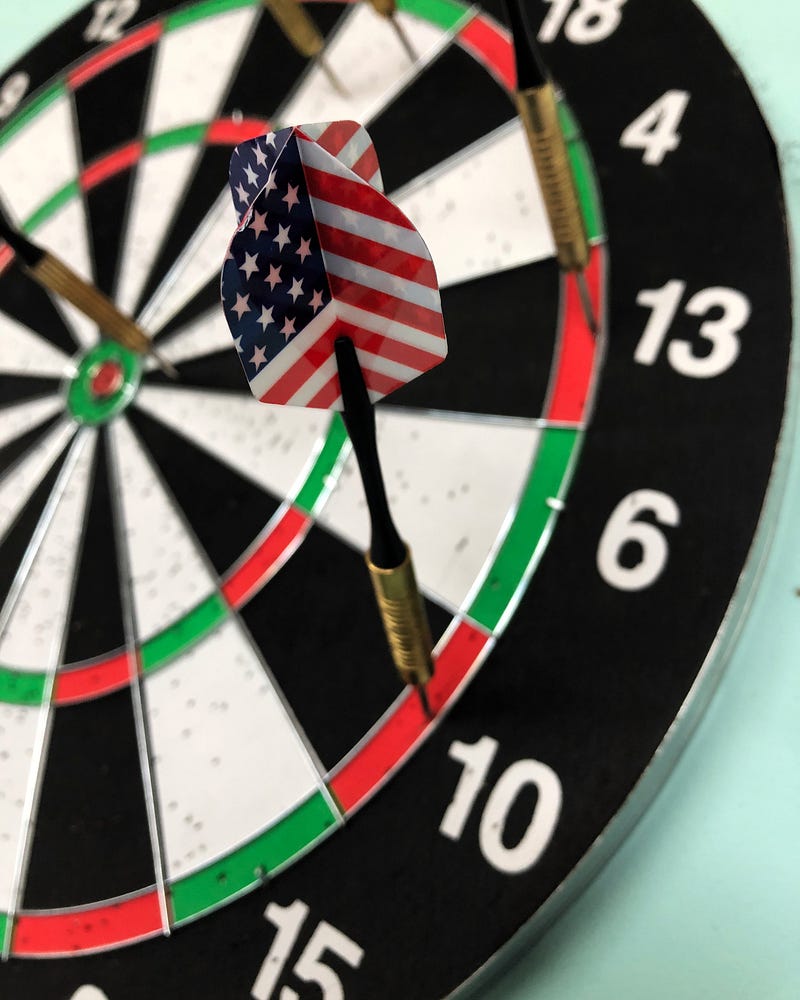
Throw a dart into history and you’ll find these underpinnings are thee one true symbiotic social contract-the same contract that consecrated our founding documents, the Civil Rights Act, nuclear treaties, and the NBA bubble.
And when it comes to our historical record, do I believe Twitter can foster social change? Of course I do. Yet, it’s the quality of Twitter’s debates and campaigns that test our nation’s morality every day like never before. Love him or hate him, John Lewis’s brilliance and legacy is his non-violent protests that changed the world. He withstood many beatings, bled, and almost died sticking up for civil treatment for African Americans. On Twitter, it doesn’t matter who you are. One wrong tweet or outing and you’re a target for a social, professional, and even economic beating.
You can argue that other social platforms aren’t much better, but I’m not so sure about that.
If we consume media this way, why use Twitter if we cannot have civil discourse. We cannot solely react and not listen all because there’s no regulating body that says hey there, you need to check yourself and listen up. If we don’t understand one another, how much value does Twitter provide?
For instance, Facebook is geared toward personal connections like new friends, BFFs, neighbors(if you dare), and those you haven’t seen in thirty years and won’t see for thirty more. The premise is you have something in common with your “friend” whether it be work friends, college zoommates, or a crazy uncle. These common threads are what establishes “the line” you don’t cross.
LinkedIn, on the other hand, is for your professional network. It’s one giant community chest bump over career success. LinkedIn is excellent at boasting about promotions, job changes, accolades, ideas, and group chats. If you lose your job, this is where you set up shop to network and get ahead.
Aare Facebook and LinkedIn perfect? Heck no!
Facebook, for instance, won’t take down offensive material. You can post Mark Zuckerberg is a bonehead with a freaky, spockish bowl cut and they’ll leave it up for everyone to “like”.
Meanwhile, part of advancing on LinkedIn is requesting recommendations which feels cheap. Proprietors just trying to pay the bills must ask their customers to leave a glowing review. You know, something like, “Hi Reader, I hope you’re well. Say, can you please clap, comment, and become a fan if you like this article? I’m trying to grow my fan base, grow my revenue stream, and keep the lights on. If there’s anything you ever need written, I’m your man.”
It’s crude, right? However, Facebook and LinkedIn are relatively civil compared to Twitter because they exist in context, and the context provides the structure for civil discourse to exist. Twitter does not have this.
The Danger Behind Twitter
Twitter absolutely provides a social service. Theatre nerds can hear from the Nathan Lanes of the world, the Paula Deans can tweet recipes she created while banned from society, and you can follow whose the latest contestant to leave the White House in real-time.
But this doesn’t make Twitter a digital Utopia. Anyone who logs on enters a giant feast where the main course is your opinion with supporting facts a side dish. And yeah, try and say this is how I serve it, “no substitutes”, but others substitute them anyway to make their own perspective more palatable. This is dangerous dialogue.
All this begs the question: in what context does Twitter exist? Where are the guardrails? Because, right now, Twitter is like a living, breathing entity that only seems to rage, lose it, and fawn. Twitter acts less like a cage of birds and more like toddler eating alligators.
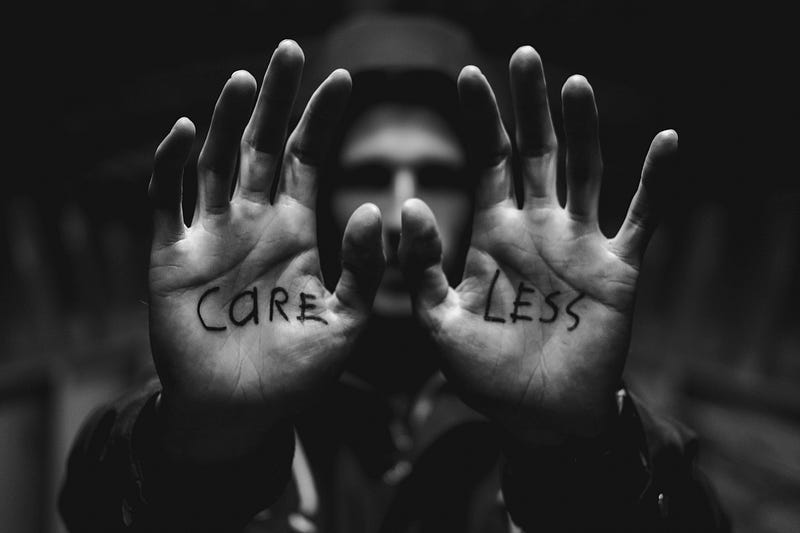
Twitter lacks a premise and that allows for too much freedom-like Lou Williams ditches the NBA bubble for lunch at a strip club kind of freedom. He didn’t listen, care, and was irresponsible. And so goes the tweets.
If we consume media this way, why use Twitter if we cannot have civil discourse. We cannot solely react and not listen all because there’s no regulating body that says hey there, you need to check yourself and listen up. If we don’t understand one another, how much value does Twitter provide?
I do think Twitter has a role to play. Theatre nerds can hear from the Nathan Lanes of the world, the Paula Deans can tweet recipes she created while banned from society, and you can follow whose the latest contestant to leave the White House.
Ever been around someone who talks about themselves, and only about them themselves? Their disinterest in your life is absolute. In fact, they only ask you how you’re doing to redirect the conversation back to them. Let’s say they ask about your summer. You say it’s not so good because the dog ran away and, thanks to my mask, I’m woozy from breathing in hot carbon dioxide. They say well my boyfriend ran away and, thanks to my mask, I’m no longer hyperventilating.
Does that relationship hold any value? No, and it takes a while to see it before you say I’m done. This is how I feel about Twitter.
A Better Flight Path
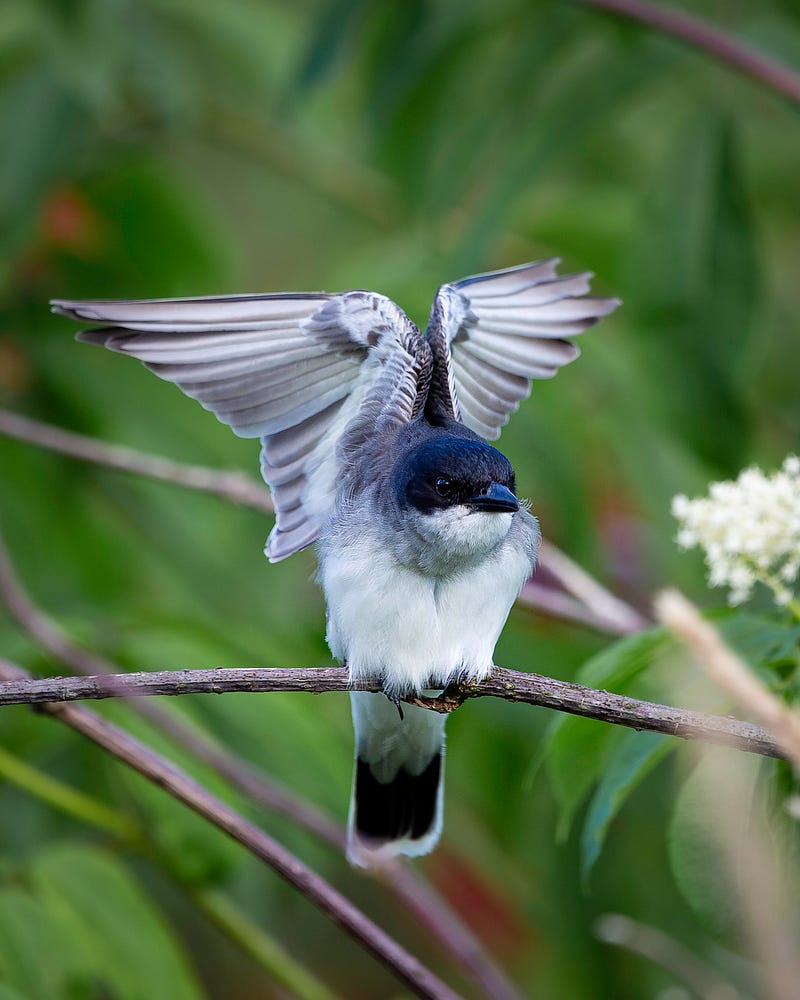
Twitter is an odd bird. It’s a mass palette of painted and tainted opinions so random and erratic the brain cannot possibly process the steady stream of tweets with any sense of comprehensibility. It exhausts, overwhelms, dumbs down, confuses, and drains a person’s cognitive capabilities. I do not think I’m alone believing Twitter is particularly bad for the mind, and, ultimately, bad for society. I think context can help Twitter.
Without boundaries, your brain explodes. In one tweet, JMAz writes, “Happy Birthday President Obama”, the next, you-know-who tweets, “People are not happy that players are not standing for our National Anthem”, followed by TMZ’s shocker, “Ellen DeGeneres sleeps with men”. Wait, what?
And it goes on and on-random with questionable truthiness(Steve Colbert’s word, not mine).
So ask yourself, is all of this gibberish worth the exhaustion just like reading this article. Does this render the color commentary meaningless and gray? Under Twitter’s current construct, do you feel it’s a platform that allows you to reach your full potential to be socially constructive?
Twitter Will Fly into the Future(not a picture window)
I think Twitter would do itself a favor if it had some semblance of social structure, not just technical. People like structure; they like an alpha; they like someone who says “Google it”. Twitter doesn’t trend like this and they should.
Whatever happened to the old adage “In this world, there are leaders and there are followers.” Twitter has no leaders, just lots of followers. People who follow people who follow people who follow people.
Tweeters cannot expect everyone to like what you read no matter how you write it; Tweetees can’t expect to like everything they read no matter how it’s presented. Expression and consumption takes emotional intelligence, discipline, and is a social responsibility.
If you follow me, follow me by logging off Twitter more often than not. Enjoy the peace, quiet, and anonymity. Enjoy not reading the twisted and the scathing that freak you out. It’s a beautiful thing because you can’t unknow what you read and you’re responsible to do something constructive with whatever feelings come up for you thereafter. If you read “employers see gray hair as a red flag”, that sparks dread and fear into the aging unemployed and they need to deal with that. Twitter won’t help, not that they use Twitter.
That’s why I say get off Twitter. Who knows, maybe you’ll dodge a bullet point and realize you have books to read, it’s a beach day, or your grass is too high, Believe you me, high grass has influence and a CTA.
Look, you’ll hear it here first: my argument has flaws with gaping holes. But again, in these days of a pandemic, tomorrow is an uncertain beast. And I wonder how, and even if, Twitter will help or hurt the future. Truth be told, #Idontknow. I can only hope so.
More Marketing & Social Media Stories
These Simple Marketing Plans Take Social Pressure off Introverts
Why You Shouldn’t Quit Twitter
Other Articles & Ideas
Dear Medium, Are You Addicted To Statistics Too
At Home Dads Are Good Parents Too
How I Motivate My Kids to Exercise
I Pushed My Kids To Exercise. Here’s What I Learned
After The Pandemic, Who Will You Be? What Will You Do?
The Election Is Over. The Winner Is Mobile Voting
Whatever You Do, Don’t End Relationships At Her Parents House


