
The Culture of Beauty
What’s Attractive & Who Decides
On Body: Image & Trends
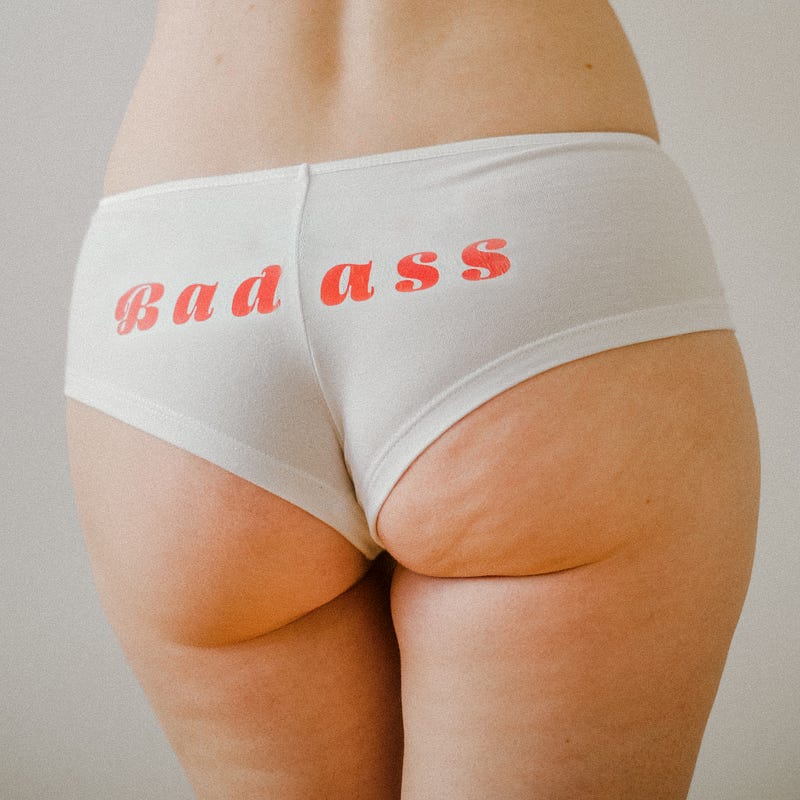
There are many physical standards of attraction within our society, and these standards are dynamic in nature. Many of us have even witnessed these shifting standards of physical attractiveness within our society, but it seems that one constant remains — specifically for Western Society: slim is better.
However, voluptuous and curvy bodies are increasingly becoming more accepted, desired, and standard (another example of the shifting beauty trends in mainstream society).
Body Trends — Skinny Vs. Voluptuous, or Both
Since the beginning of time, there have been varying specifications for what is considered physically attractive for the human body.
In America, slim was and still has been the go-to trend for what a female body should look like. However, being curvy and voluptuous has also been a growing trend throughout the years (e.g., Marilyn Monroe, Christina Hendricks, Beyonce, and Jennifer Lopez).
Another growing trend is the combination of both a small frame plus curves. I am not sure who came up with these trends, but you can always learn the most popular trends from music and media. Also, you can tell what some of the trends are by the way clothing brands design their clothes. What sizes are these brands making their clothes, and what shapes and sizes of women are these brands catering to?
Despite these trends, it is important to do what is best for yourself.
- What do you desire your body to look and feel like?
- What is the most attractive look for your body, in your opinion?
This is essentially what matters most. Society will always have guidelines and physical trends for the body that will make claims and opinions on what is considered most attractive, but it doesn't really matter at the end of the day.
The Obsession With Physical Attractiveness
At a granular level, being physically attractive may open some doors for you, get you more friends, and provide some other shallow perks, but being physically attractive isn’t worth much at the end of the day.
However, many women spend most of their life and time being concerned with their physical appearance. Many women aim and aspire to look like the perceived “perfect” celebrities they see in the media consistently.
Learn how to decide for yourself what is attractive and leave it at that. Live a healthy and balanced lifestyle that maximizes your body and ignore what is classified as attractive and beautiful according to societal standards.
Body Acceptance
If you have a naturally thick body, accept it. If you have a naturally slim body, accept it. If you have a naturally curvy body, accept it. If you have an out-of-shape body or you feel overweight or want to shed some extra pounds to feel and look healthier, accept where you are currently while you make some healthy changes at the same time. If you have a muscular body, accept it.
All of us have unique and different shapes that we must appreciate. We do not need to give the media the power to decide if our bodies are attractive or not attractive.
Physical Attractiveness — Who Decides?
There is no such thing as “The One Perfect Body” or “The Most Attractive Body.” There are so many different types of attractiveness and so many different body types. Everyone is attractive and perfect in someone’s eyes, but we must consider ourselves attractive and perfect without external validation from others.
If you do not believe your physical appearance is already perfect (which, in my opinion, = good the way it is), then it can be easy to get caught up in believing what society believes and conveys. If you don’t pay attention, you will find yourself on a never-ending train of trying to attain the “perfect look” or “perfect body,” which is not always reasonable or even healthy. Many people get caught up on the plastic surgery train and look worse than before they got plastic surgery; they don’t know when to stop perfecting themselves and end up with bodies overdone.
It is consequential that you take responsibility for your own self-image; create and nurture your own self-image by consistently feeding yourself positive affirmation and love. If you love how you appear and look, then most likely others will too (not everyone, but many people will) but remember it doesn’t matter what others think about the way you look. Also, the more you take care of yourself physically, the more your self-image and self-esteem will develop and grow.
What You Need To Remember
Remember that there is no such thing as the perfect body. You only need to remember that you are exactly the way you are supposed to be, and by taking care of your body, internally and externally, you will learn that you truly are ideal in your own unique light. The more you learn and accept that you are unique and ideal as you are, the more you will develop unconditional love and respect for yourself; moreover, the media will not be able to influence your body image, self-esteem, or self-image.
The Culture of Beauty Series
- What Is The Culture of Beauty?
- Are You Interested In Plastic Surgery?
- The Perilous Cosmetic-Beauty Industry
- The Secret To Building Your Best Body — Naturally
- What’s the Deal With Hair Texture & Shaving?
- Women: Race, Skin Color, Exoticism
- The Fountain Of Youth Doesn’t Exist
Destiny S. Harris is a writer, poet, entrepreneur, teacher, and techie who offers free books daily on amazon. Destiny obtained three degrees in political science, psychology, and women’s studies. Follow her on Instagram, Facebook, or @ destinyh.com


