
What is a skill?
The difference between skill and knowledge
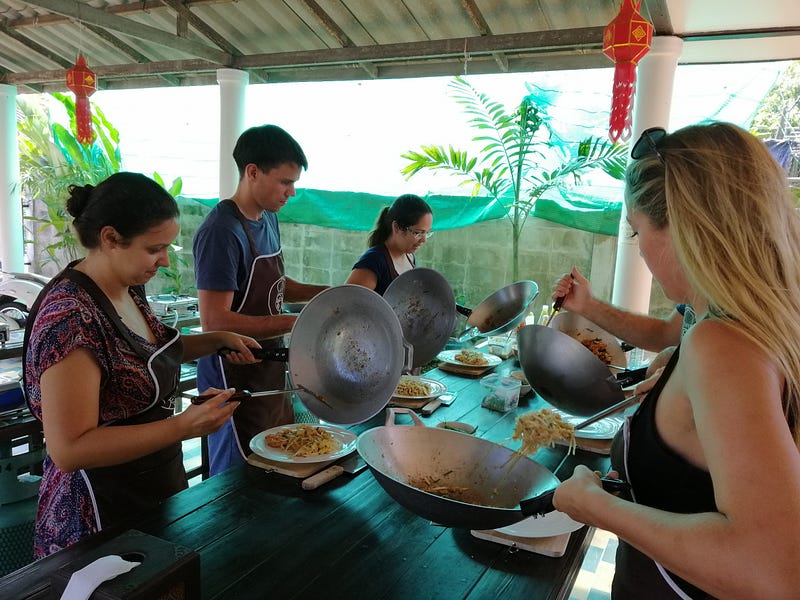
‘A skill’ can be many types of activities. For example, juggling, dancing, playing chess, speaking a language, cooking, giving a massage or playing tennis.
‘To have skill’, is to perform a particular activity very well, with accuracy, speed and a low number of errors.
To get skills you need to learn them. ‘Skill acquisition’, is the act, process, or experience of gaining skill. When you acquire a skill, you improve your ability to perform a specific task. It is the changes associated with practice or experience, that determine a person’s capability for responding or producing a motor/cognitive skill.
Complex skills
‘A complex skill’ can be broken down into many sub-skills that affect performance. Playing tennis consists of executing various shots such as forehands, backhands, volleys, serves, and drop-shots. But being good at tennis also involves footwork, reading the play, shot selection, and the ability to disguise shots. All these sub-skills contribute towards the performance in the complex skill.
In the same way, the skill of cooking can be broken down into technical skills such as chopping, shredding, parting and skinning. You have to master techniques such as boiling, frying, steaming, and baking. And it also involves understanding how various principles such as heat, salt, acidity, fat, texture and presentation affect the taste and sensation of food.
Each sub-skill contributes towards the performance in a complex skill, and it is often necessary to master many or most of the sub-skills to be regarded as highly skilled in the complex skill.
But it is also possible to focus and refine a specific set of sub-skills and do them very well. Think of restaurants that specialise in one type of food. Or athletes that are excellent at playing in a specific position.
Knowledge
In contrast to a skill, we have knowledge, which you can acquire through reading, listening or watching. A skill is something that you can’t just read about to develop. You need to practice it. You will not become a good tennis player by reading about the correct technique or by watching Roger Federer play.
But knowledge is still often required to perform a skill well and can help you when developing a skill to a higher level.
In my writing, I will focus mainly on the development of complex skills. And I will discuss how we can practice several sub-skills and put them together to perform well at the overall skill.
Thanks for reading, following and sharing ! :)
If you liked this article, you may also like:


