
Universal Lessons From a Survivor
Apply these healing lessons from trauma to wherever you are in life

As an adolescent around 12 years old, a kid with a fiery and compassionate spirit who refused to be beaten down even after a short lifetime that included every type of child abuse that one can encounter, I remember how, after one incident of brutal abuse without warning, I sat on my bed in the aftermath, bleeding, suffering, crying, scared, and angry. I asked God, the universe, the eternal, the spirit of love, “Why on earth would you send me here, or any child to experience this? Why? Why? What on earth is the point?”
And a resounding answer came back.
“You will know peace. You will end this intergenerational child abuse.” Yes, I thought, this stops here, right now, with me. I will never do to another what has been done to me. Never. It’s not in me, and it never will be.
As I sat on my bed, I began to visualize cement and brick walls encasing my heart, protecting it from the torments of abuse and the pain in my soul. I saw each dusty, gray cinder block with which I had been abused, but changing from a device of torture to one that offered the ultimate protection and safety.
It was my wall behind which I could hide, but which had no top, so that one day I could grow taller than the wall and free myself through healing, compassion, love, and tenacity of spirit.
This was how I protected my soul, my mental health, and my sanity, while I let my body take the brunt of the abuse and cruelty. And although this was a hard choice to make, I’m glad that I did, because what good is a shell for the spirit if the spirit is damaged beyond repair?
To clarify, I’m done with all of that. It happened to me. It was horrific, brutal, and cruel.
But it’s not who I am, and I’m proud to say that I’ve risen above that wall that I built in the early 1980s, and have reparented myself to quell the deep suffering that I felt inside.
I’ve done a lot of therapy, and even earned a degree in psychology just so that I could study the brain’s functioning (or rather, the abnormal functioning) to make sense of the chaotic life that I experienced for so long.
With each peaceful family dinner, I healed. You can, too.
With each tender hug to my son and husband, I healed. You can, too.
With each heartfelt conversation, I healed. You can, too.
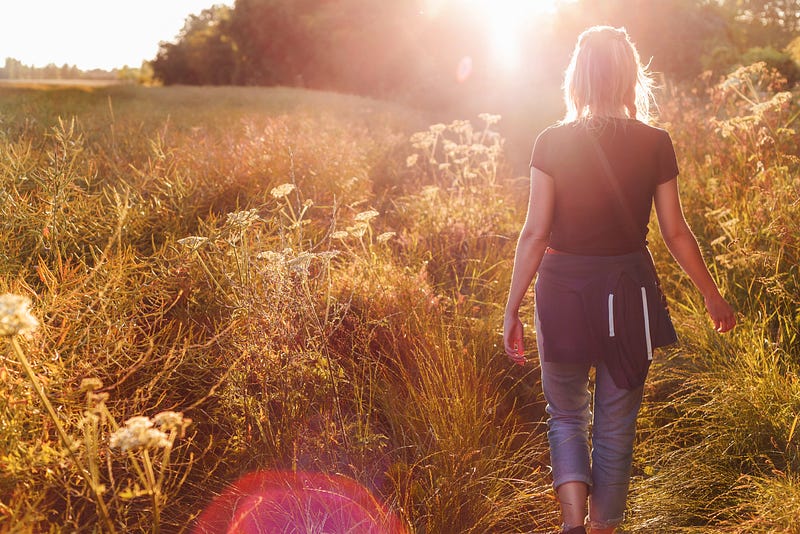
With each long walk in nature, I healed. You can, too.
With each loving embrace from my animal pack, I healed. You can, too.
With each move farther from my childhood home, I healed. You can, too.
With each kind person whom I let into my life, I healed. You can, too.
With forgiveness, both for myself and others, I healed. You can, too.
With each page written here or elsewhere, I healed. You can, too.
With each song that I sang from the depths of my soul, I healed. You can, too.
With kindness, love, compassion, and a fierce and loving spirit, I healed. You can, too.
I survived, I healed, and if you are reading this and feel pain, please know that you can and will, too. I believe it, and I believe in you.
This doesn’t mean that I am 100-percent perfect and healed completely. And I know that I will likely have more skills and tools to learn as I learn to continually let go of the terror and anger that lived inside my brain and heart for far too long.
But it does mean that I will never forget my promise to myself, to God, to the universe, to the world, and to the future generations of my family and others: to let the abuse stop with me. And it has.
From these experiences, here are five powerful lessons that we all can use:
1. We are allowed to feel whatever we feel.
Anything that we feel is okay — even if our feelings seem chaotic and complex. And naming our feelings, speaking them out loud, and exploring them with those whom we love are all good ways to utilize them for further growth.
2. Feelings aren’t an excuse for bad behavior.
This constantly affirms the coexistence of self-expression and respect for self and others. It’s okay to be angry, but it’s never okay to hurt someone.
3. Other people are different from us — and just as complex as we are.
In a time when people from every political persuasion dread family holidays with each other in equal measure, we’re hyper-aware of differences between ourselves and others. Our choices of media consumption, curated social media feeds, and even in-person relationships lock us into silos of agreement, where it’s easy to demonize and oversimplify those with whom we disagree. But however tempted we may be to call others “bad,” and however tempted we may be to call ourselves “good,” all of us are more complex than we seem.
4. It’s our responsibility to care for the most vulnerable.
Think about those in your life who are the most vulnerable, whether immigrants with few liberties, children with no control over their circumstances, or animals who are tortured on a daily basis, just to name a few. It breaks my heart, and I know it breaks most peoples’ hearts. So why on earth does this continue to happen? The truth is that it doesn’t have to continue, but only if each of us stands up and takes steps to change things for the better.
5. We can work to make a difference right where we are.
Marching, writing, calling, sharing, and organizing are all good ways to make change, and remind us that we can work for the well-being of the most vulnerable wherever we may be, in whatever work we do. In other words, there are many ways to say “I love you,” “I care,” and “you matter.”


