avatarAE

Free AI web copilot to create summaries, insights and extended knowledge, download it at here

3748

Abstract

’ve seen you do it before.”</h2><p id="4042">Remind them of when they have been successful in the past. This will give them the confidence they need to try and try again.</p><h2 id="9f7b">7. “You are very capable.”</h2><p id="21b6">As parents, our words become the internal dialogue in the minds of our children. We know that our kids are capable of a lot, so let your words match this belief. Avoid saying things like, “Don’t fall” or “You are going to hurt yourself”. Let your language and tone communicate confidence.</p><h2 id="e5cb">8. “That was so brave.”</h2><p id="7496">Sometimes we need to instill confidence just by saying things aloud, such as acknowledging when we see that our children are being brave. When we point out that our kids are being brave, they begin to notice it too.</p><h2 id="1e57">9. “You’ve got this.”</h2><p id="7d61">You know that they have the necessary skills, and your voice of confidence will give them that extra bit of conviction that they need to succeed.</p><h2 id="d6c6">10. “How did you challenge yourself today?”</h2><p id="95e6">Start a conversation about taking risks and growing. With each challenge and accomplishment, the sense of self-esteem will grow.</p><h2 id="ddf2">11. “Repeat this after me: ‘I can do it.’”</h2><p id="a42c">Positive affirmations are important, and can actually rewire the brain. When we teach our children to use positive affirmations from a young age, they will reap the benefits as they grow.</p><h2 id="a1a8">12. “You are always enough.”</h2><p id="0433">It doesn’t matter what happens; they need to know that they are always enough just the way they are.</p><h2 id="ccc5">13. “You make me so proud.”</h2><p id="7bc1">This is one of my favorites because every one of our children’s accomplishments is worth celebrating.</p><h2 id="5cfb">14. “Even when we get frustrated, we still love each other.”</h2><p id="cb4b">It’s normal to feel frustrated, angry, and sad, and despite these big emotions, we will always give our children unconditional love.</p><h2 id="6249">15. “What do you think would happen if…”</h2><p id="f349">Try to instill a sense of wonder and curiosity by thinking aloud about the possibilities.</p><figure id="822a"><img src="https://cdn-images-1.readmedium.com/v2/resize:fit:800/1*zBSMAe9d2hzaOAT6EtLr9Q.jpeg"><figcaption>Image by Hai Nguyen Tien from Pixabay</figcaption></figure><h2 id="99bf">16. “Do you know what resilience means?”</h2><p id="661d">Children love learning new words. Teach them about<a href="https://readmedium.com/25-transformative-quotes-on-willpower-and-mental-toughness-1cfe3cb683"> grit, resilience, compassion, and perseverance</a> to help them reach their goals.</p><h2 id="db71">17. “Want to hear a story?”</h2><p id="dc13">Share stories about times when you personally overcame challenges, met your goals, and dreamed big.</p><h2 id="d7e0">18. “Do you want to try something crazy/silly?”</h2><p id="0431">Challenge your children to think outside the box and strive for things that they think are insurmountable or out of reach.</p><h2 id="e27e">19. “Sometimes new things can seem scary, but they can be exciting, too.”</h2><p id="91b0">Children tend to cling to people and places that are familiar. But by emphasizing how fun and exciting new experiences can be, we encourage the confidence to try new things and grow.</p><h2 id="07ff">20. “I know you tried your hardest and I am very proud of that effort.”</h2><p id="7c5d">When we see them working diligently, recognize their effort. Life is about the journey, not the destination.</p><h2 id="66c5">21. “That sounds amazing. Can you tell me more?”</h2><p id="4747">Routinely ask your child to elaborate on their newest endeavors, challenges, and experiences. Then hear the

Options

joy in their voice when they tell their story.</p><h2 id="64b4">22. “How can I help?”</h2><p id="f5e8">If they get stuck on a particular challenge, show your support. Let them know that you are there to help if they need it. All they have to do is ask.</p><h2 id="82a4">23. “Give it your best try.”</h2><p id="d668">Even though we can’t do everything, we can always try our very best. This is a great lesson to instill confidence.</p><h2 id="f312">24. “Let’s take a closer look.”</h2><p id="f7e8">Encourage them to seek out new information and experiences while retaining their sense of wonder and curiosity.</p><h2 id="c62d">25. “Sometimes we make mistakes, and that’s OK. It’s how we learn.”</h2><p id="226a">Have a dialogue about <a href="https://readmedium.com/illuminating-lessons-from-my-30-day-writing-challenge-e6ef3dfa777d?source=---------21------------------">taking risks</a> even if success isn’t guaranteed. Let them know that it’s OK to make mistakes. You could also give them an example by sharing how you made a mistake and how it ultimately was a good thing.</p><p id="f35d">Engaging children in activities that remind them of their abilities, strengths, and their self-worth is far more effective than getting them to read a book or listen to a lecture on confidence and self-worth.</p><p id="1f3f">Remember that, as the parent, you have a great influence on your children. Use that influence to help them feel great about themselves. Recognize that working through the inevitable mistakes is the most effective tool for building a positive sense of self.</p><figure id="7f41"><img src="https://cdn-images-1.readmedium.com/v2/resize:fit:800/1*tErh5K4UlgPzDYhNYCPZGA.jpeg"><figcaption>Shutterstock ID: 1653736015</figcaption></figure><h2 id="a474">Connect with me on Twitter and LinkedIn</h2><h2 id="eb60">Read more:</h2><div id="9636" class="link-block"> <a href="https://readmedium.com/jane-hirshfields-masterpiece-of-resolve-against-hatred-ad3368f59f5e"> <div> <div> <h2>Jane Hirshfield’s Masterpiece of Resolve Against Hatred</h2> <div><h3>A renewal of lifelong intention to cultivate compassion and awareness</h3></div> <div><p>medium.com</p></div> </div> <div> <div style="background-image: url(https://miro.readmedium.com/v2/resize:fit:320/1*q-jsgExWm4To-vOMrg97OA.jpeg)"></div> </div> </div> </a> </div><div id="e08d" class="link-block"> <a href="https://readmedium.com/20-simple-secrets-for-living-a-happier-life-3a9230c8b574"> <div> <div> <h2>20 Simple Secrets For Living a Happier Life</h2> <div><h3>Like anything else, it takes practice to cultivate happiness.</h3></div> <div><p>medium.com</p></div> </div> <div> <div style="background-image: url(https://miro.readmedium.com/v2/resize:fit:320/1*eKDUAoHC5BrvjySsjNv7Fg.jpeg)"></div> </div> </div> </a> </div><div id="11ef" class="link-block"> <a href="https://readmedium.com/how-to-forgive-yourself-and-release-the-past-ce1710e3ece4"> <div> <div> <h2>How To Forgive Yourself And Release The Past</h2> <div><h3>Six ways to life live on your own terms</h3></div> <div><p>medium.com</p></div> </div> <div> <div style="background-image: url(https://miro.readmedium.com/v2/resize:fit:320/0*vtcKf2yDMiaE6qey)"></div> </div> </div> </a> </div></article></body>

25 Ways To Inspire Confidence In Your Child

Surround yourself and your child with people who accept and celebrate you, just as you are

Image by Bessi from Pixabay

Earlier today, I read Cathy Domoney’s The Magic Is Inside You: Powerful and Positive Thinking For Confident Children, the main premise of which is that children learn the tenets of self-esteem from their parents and the world around them — and I agree fully. With healthy self-esteem, our children are far more likely to flourish. And in a time where kindergarten is the new first grade, children are being pushed to develop academic skills from a young age. Yet all the intellectual skills in the world are of little value without the confidence to put them to use. This is why, as a parent, we should prioritize building healthy self-esteem and confidence first and foremost.

Self-esteem is the reputation we acquire with ourselves. — Nathaniel Branden

“I can’t be a soccer player. I’m not fast enough”. “I can’t get good grades. I feel bad about myself.” If these statements sound familiar, then you are not alone. Parents everywhere have to deal with their child’s self-esteem issues at one time or another in their lives.

And every child is different. Self-esteem may come easier to some kids than others. Some kids face things that can lower their self-esteem. But even if a child’s self-esteem is low, it can always be raised.

Photo by Terricks Noah on Unsplash

Here are 25 pieces of encouragement that you can use to grow confidence and increase the self-esteem of your children:

1. “I believe in you.”

As the parent, you have faith in your child’s abilities. When you directly communicate that belief, it will inspire the same within them.

2. “You can do the hard things.”

When the going gets tough, the challenges can seem endless. So this phrase will tell them what they need to hear — recognizing that this is difficult work and that they are capable of doing the hard things in life.

3. “No matter what, I always love you.”

Our children thrive on words that communicate unconditional love. That means giving reassurances of our love, no matter the result.

4. “Let’s try it together.”

We all need a helping hand sometimes, so make sure that they know that you will be there for them, no questions asked.

5. “How did you do that?”

Always ask questions. When you see them do something challenging, say, “How did you do that? Can you do it again?”

6. “I know it’s difficult, but I’ve seen you do it before.”

Remind them of when they have been successful in the past. This will give them the confidence they need to try and try again.

7. “You are very capable.”

As parents, our words become the internal dialogue in the minds of our children. We know that our kids are capable of a lot, so let your words match this belief. Avoid saying things like, “Don’t fall” or “You are going to hurt yourself”. Let your language and tone communicate confidence.

8. “That was so brave.”

Sometimes we need to instill confidence just by saying things aloud, such as acknowledging when we see that our children are being brave. When we point out that our kids are being brave, they begin to notice it too.

9. “You’ve got this.”

You know that they have the necessary skills, and your voice of confidence will give them that extra bit of conviction that they need to succeed.

10. “How did you challenge yourself today?”

Start a conversation about taking risks and growing. With each challenge and accomplishment, the sense of self-esteem will grow.

11. “Repeat this after me: ‘I can do it.’”

Positive affirmations are important, and can actually rewire the brain. When we teach our children to use positive affirmations from a young age, they will reap the benefits as they grow.

12. “You are always enough.”

It doesn’t matter what happens; they need to know that they are always enough just the way they are.

13. “You make me so proud.”

This is one of my favorites because every one of our children’s accomplishments is worth celebrating.

14. “Even when we get frustrated, we still love each other.”

It’s normal to feel frustrated, angry, and sad, and despite these big emotions, we will always give our children unconditional love.

15. “What do you think would happen if…”

Try to instill a sense of wonder and curiosity by thinking aloud about the possibilities.
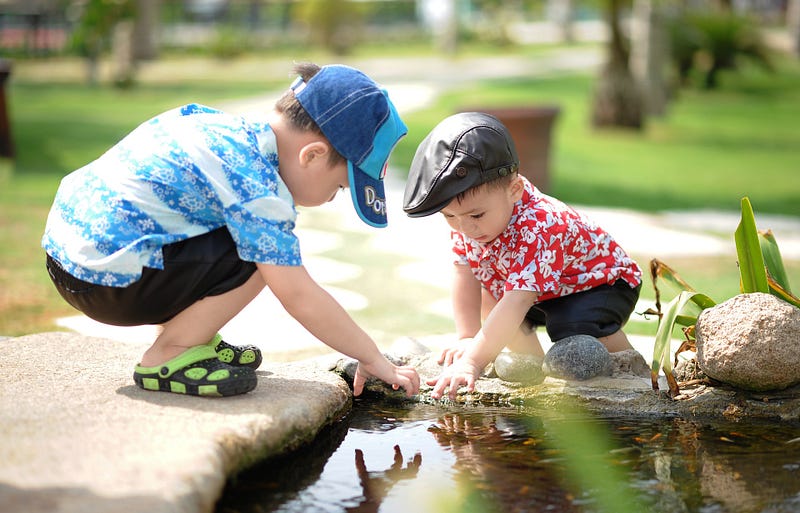
Image by Hai Nguyen Tien from Pixabay

16. “Do you know what resilience means?”

Children love learning new words. Teach them about grit, resilience, compassion, and perseverance to help them reach their goals.

17. “Want to hear a story?”

Share stories about times when you personally overcame challenges, met your goals, and dreamed big.

18. “Do you want to try something crazy/silly?”

Challenge your children to think outside the box and strive for things that they think are insurmountable or out of reach.

19. “Sometimes new things can seem scary, but they can be exciting, too.”

Children tend to cling to people and places that are familiar. But by emphasizing how fun and exciting new experiences can be, we encourage the confidence to try new things and grow.

20. “I know you tried your hardest and I am very proud of that effort.”

When we see them working diligently, recognize their effort. Life is about the journey, not the destination.

21. “That sounds amazing. Can you tell me more?”

Routinely ask your child to elaborate on their newest endeavors, challenges, and experiences. Then hear the joy in their voice when they tell their story.

22. “How can I help?”

If they get stuck on a particular challenge, show your support. Let them know that you are there to help if they need it. All they have to do is ask.

23. “Give it your best try.”

Even though we can’t do everything, we can always try our very best. This is a great lesson to instill confidence.

24. “Let’s take a closer look.”

Encourage them to seek out new information and experiences while retaining their sense of wonder and curiosity.

25. “Sometimes we make mistakes, and that’s OK. It’s how we learn.”

Have a dialogue about taking risks even if success isn’t guaranteed. Let them know that it’s OK to make mistakes. You could also give them an example by sharing how you made a mistake and how it ultimately was a good thing.

Engaging children in activities that remind them of their abilities, strengths, and their self-worth is far more effective than getting them to read a book or listen to a lecture on confidence and self-worth.

Remember that, as the parent, you have a great influence on your children. Use that influence to help them feel great about themselves. Recognize that working through the inevitable mistakes is the most effective tool for building a positive sense of self.

Shutterstock ID: 1653736015

Connect with me on Twitter and LinkedIn

Read more:

Personal Development
Psychology
Children
Confidence
Personal Growth
Recommended from ReadMedium