
TRAVEL WRITING CHALLENGE
The Largest Inactive and Intact Volcanic Caldera
The A to Z of my favorite travel destinations
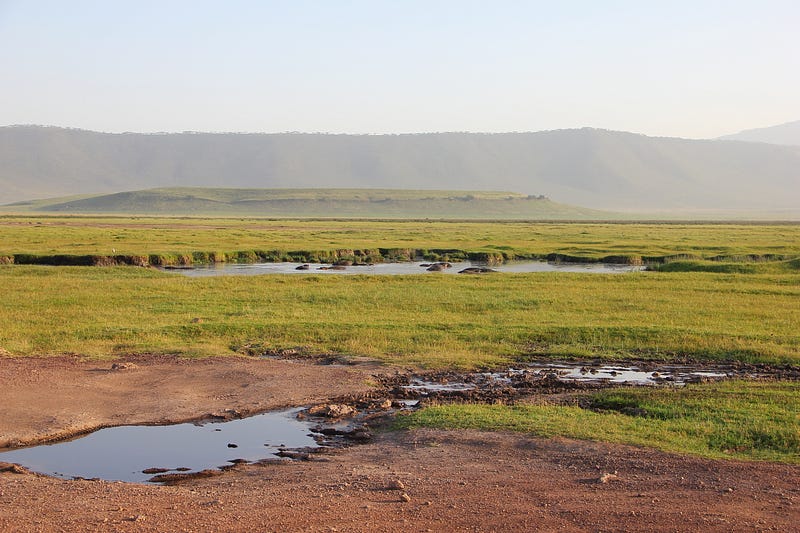
It was freezing cold in the morning. I barely slept that night and might have forgotten for a moment I was in Africa. The birds were singing and the large crater opened up in front of me revealing the beauty of a very unique ecosystem.
I was debating between three destinations for the letter ‘N’. Norway was the first one that came to my mind but I’ve only been to Oslo. That could be an article for the next letter.
Then there was Nungwi, a tropical beach town on Zanzibar and the Ngorongoro Crater. A volcanic landscape second to none. Both of the places were rather crowded and touristy when I visited them in 2015 but still, they made up for incredible memories.
My decision was made.
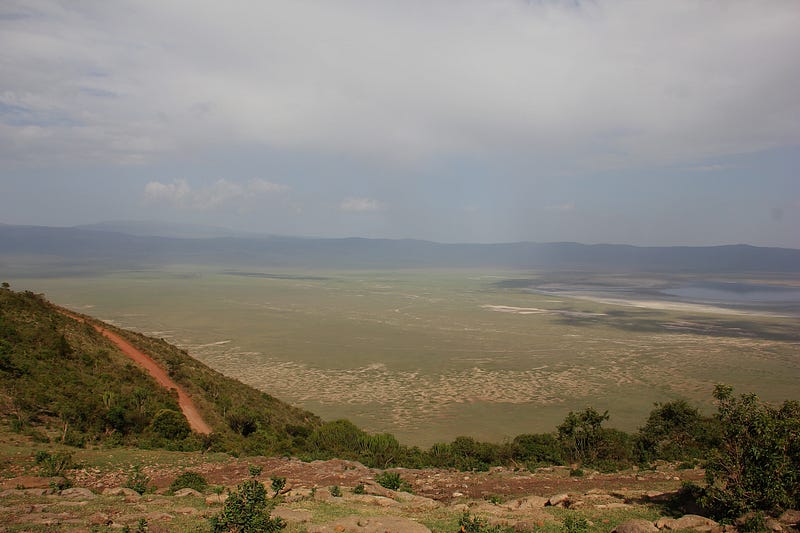
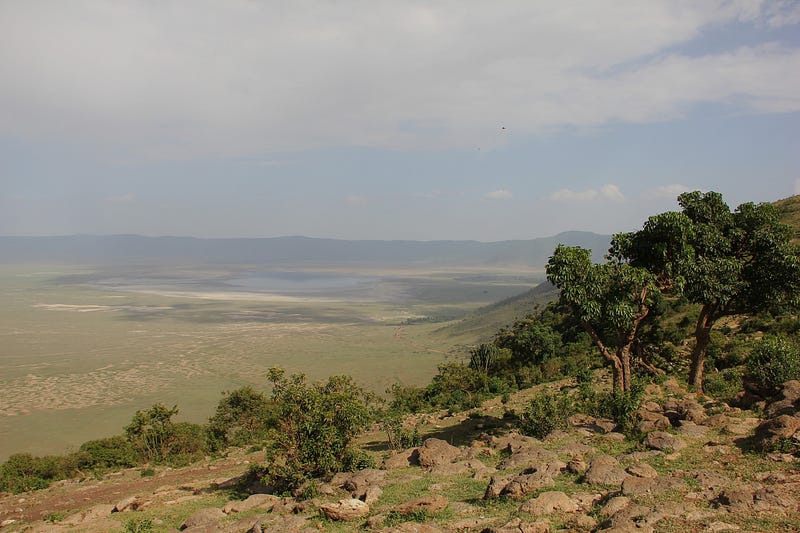
Ngorongoro Crater
The crater is located in northern Tanzania, East Africa. It is on the Eastern end of the Great Rift Valley and is a World Heritage Site due to its unique environment.
“The Ngorongoro Conservation Area is a vast an untouched protected area teeming with the densest wildlife populations on earth, breathtaking landscapes, mountains, world’s largest unbroken caldera, history of human evolution, and so much more.” — NCAA
Ngorongoro Crater is the world’s largest caldera and spans across a 14-kilometer-long deep ravine. It has global importance to biodiversity conservation as it is home to threatened species such as the black rhino. The density of wildlife in general is incredibly high compared to the surrounding plains.
“The caldera measures between 10 and 12 miles across and has an area of 102 square miles. Its heavily forested rim rises 2,000 feet above the caldera’s floor to an elevation of 7,500 feet. Ngorongoro is thought to have formed about 2.5 million years ago from a large active volcano whose cone collapsed inward after a major eruption, leaving the present vast, unbroken caldera as its chief remnant.” — Britannica
On a 5-day budget safari in 2015, I visited the crater after two nights in the famous Serengeti. We arrived in the afternoon at the edge of the crater, where we set camp and got visitors from the wilderness.
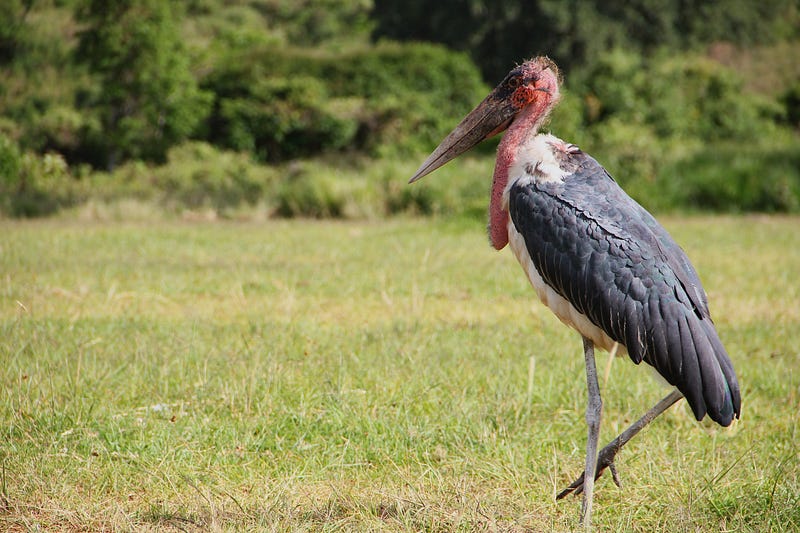
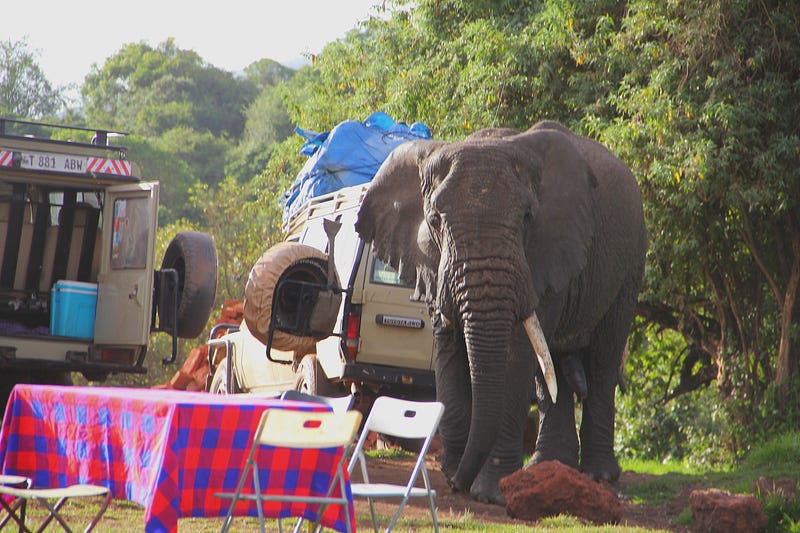
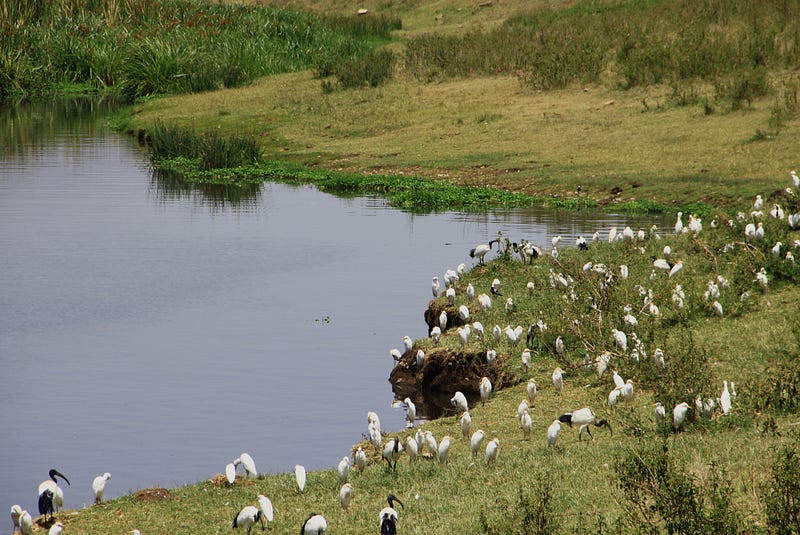
While the birds might have been huge, they didn’t scare us. The elephant walking in between our dinner tables, did, however. He just made his way through to get to the water tank. Once he had quenched his thirst, he disappeared again into the wilderness leaving no damage behind.
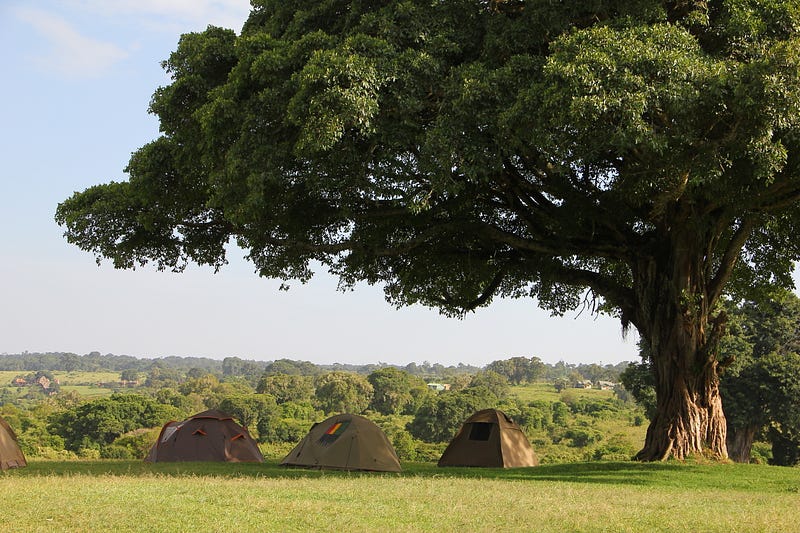
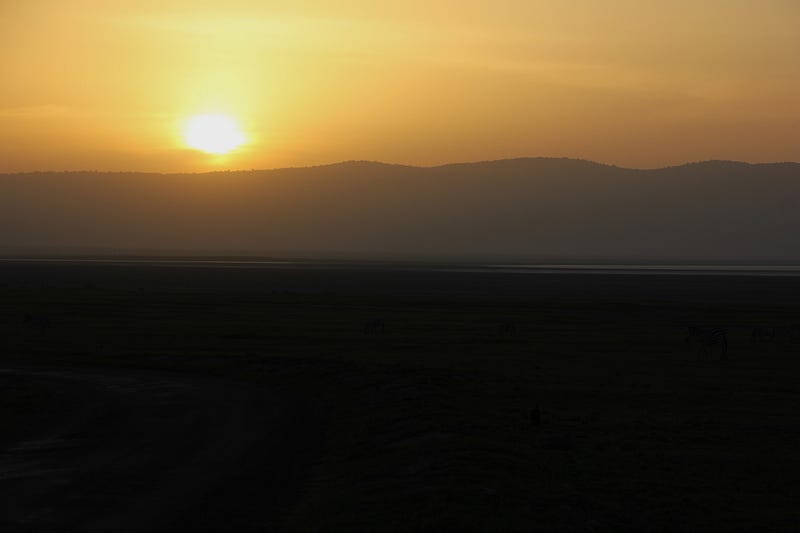
After the coldest night of my life (because I didn’t have a proper sleeping bag) we headed out before sunrise. A long day of game viewing in the park.
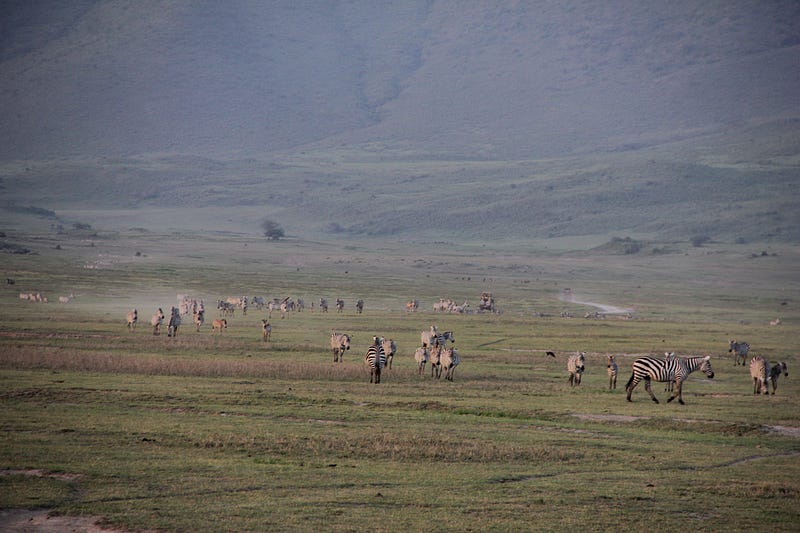
Zebras and wildebeest weren’t anything special for the group of backpackers in the safari vehicle. Not anymore. We had seen big herds of them in the days leading up to the visit to the park.
However, I did not put any wildlife sightings on the low bar and cherished every animal we saw. This is what our planet has to offer. Thanks to conservation efforts, we see these animals in the wild.
Seemingly unimpressed, a lone elephant bull crossed the plain in search of food or water. I was wondering if it was the same animal that visited us last night. These creatures cover huge distances every day, so it would be possible.
But as I am comparing pictures, I can see those are two different animals, as the one from last night had only one tusk.
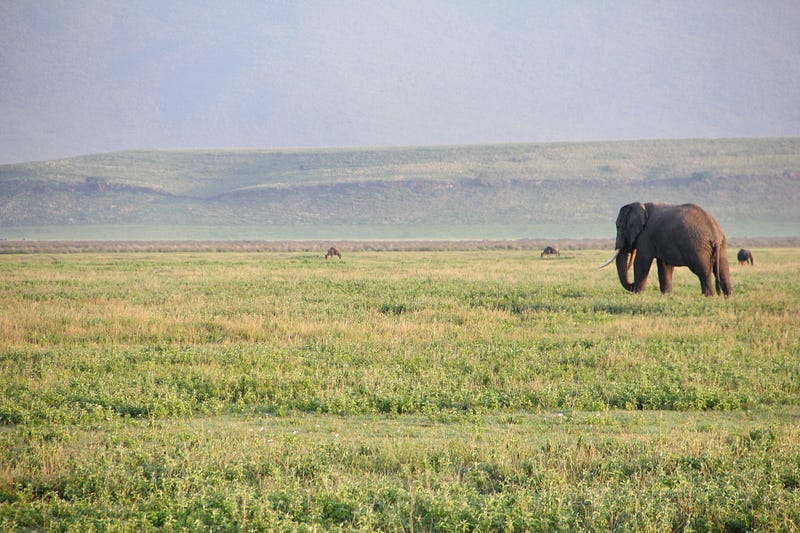
We were still covered in sleeping bags inside the vehicle as the temperatures were freezing cold when we spotted the two rhinos from afar.
We heard their calls as the sun was slowly rising on the horizon. Birds were picking in the meadow and every animal down there was just minding their own business.
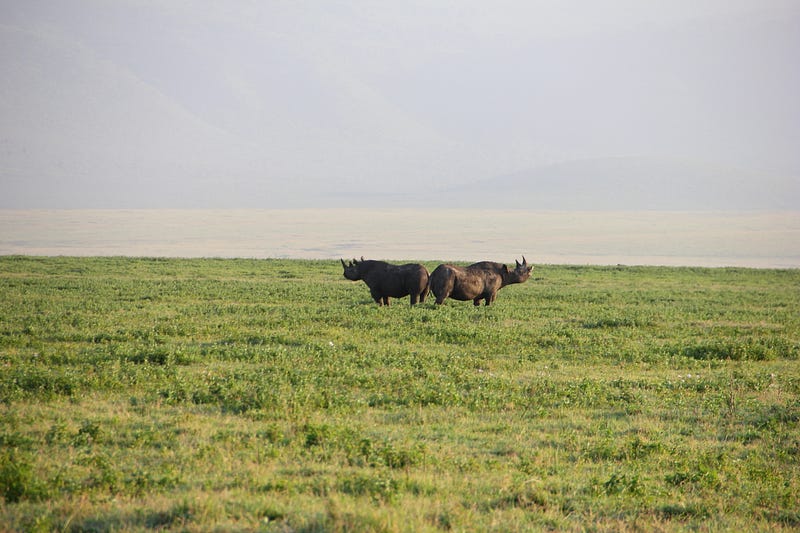
Even the hippos were still very sleepy hanging out in the pools at the base of the mountains.
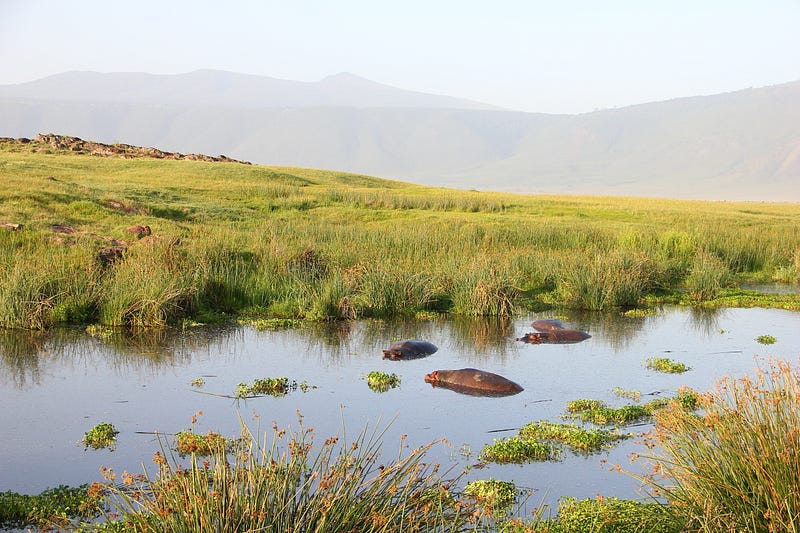
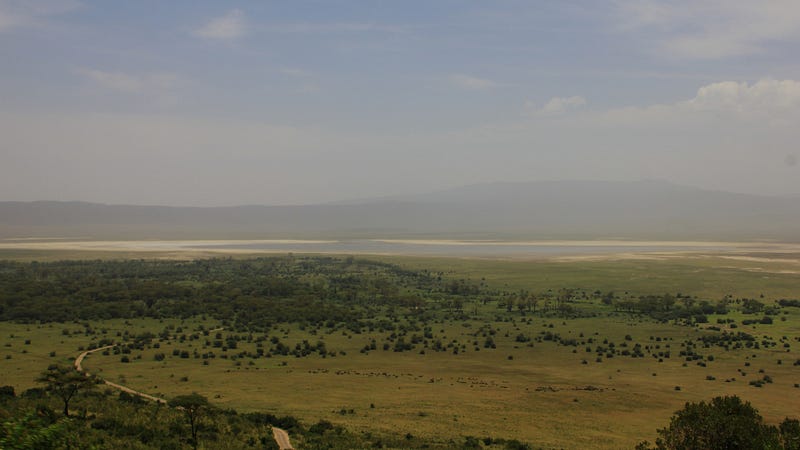
The landscape was mindblowing. Breathtakingly beautiful. Those high mountain slopes on the sides of the crater covered in forest and an almost endless plain filled with all wildlife species one can think of in the middle of it all.
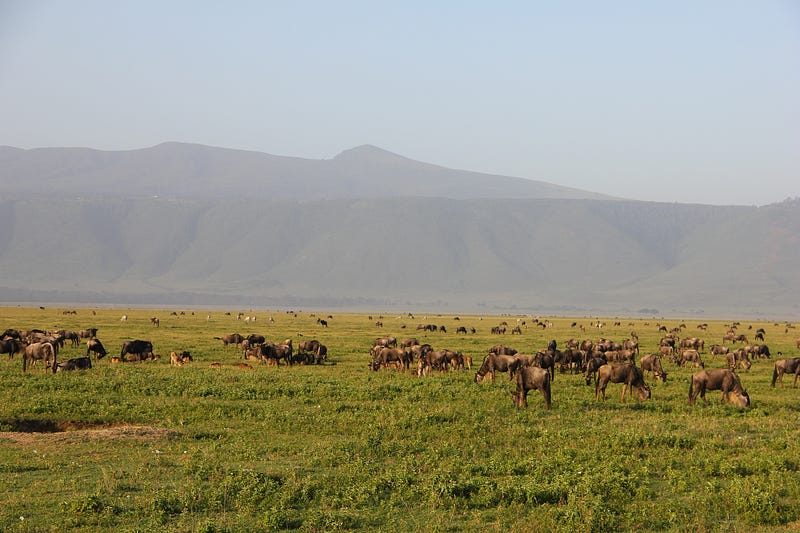
It was barely impossible to get only one species into a picture. There was always more than one of them mingling together.
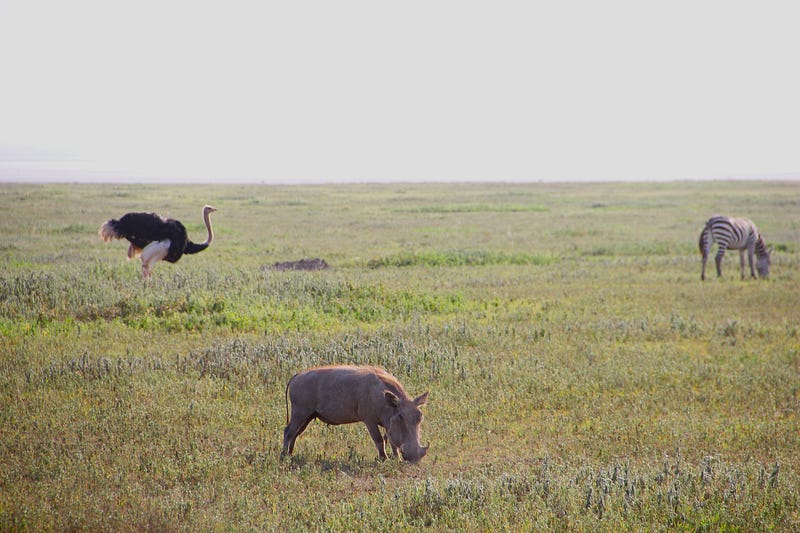
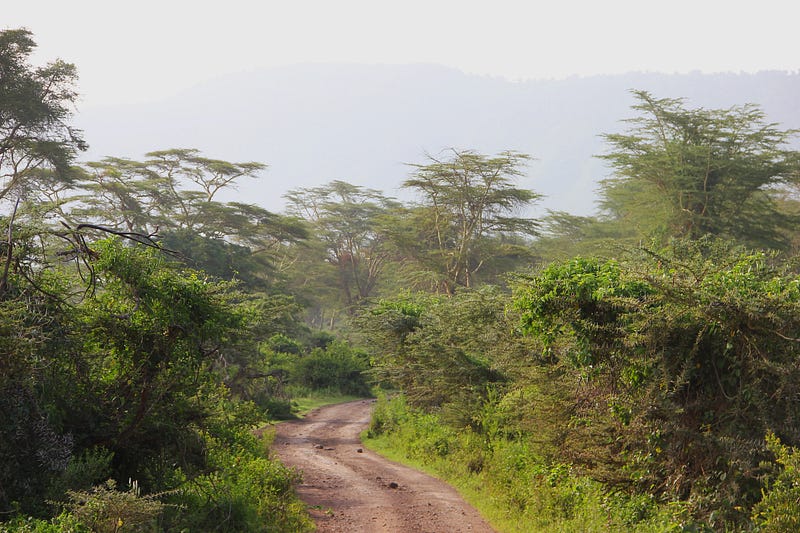
While the center of the crater is treeless, we entered a dense forest at the edge of the caldera.
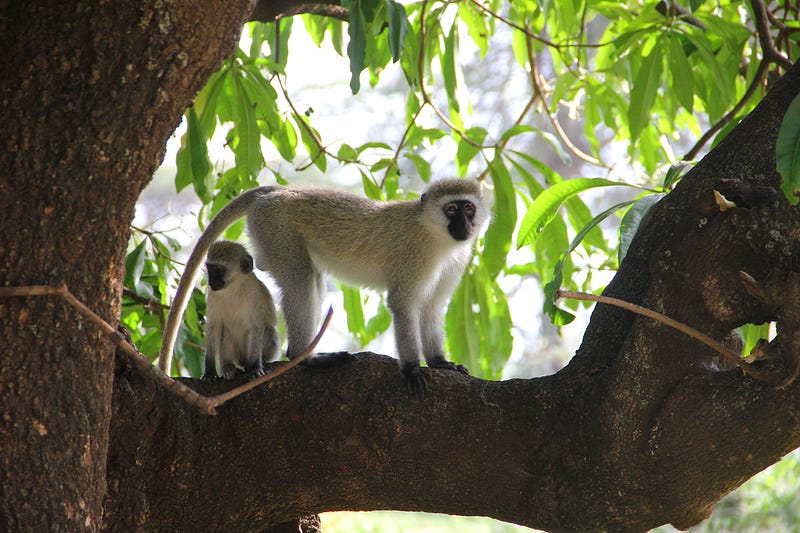
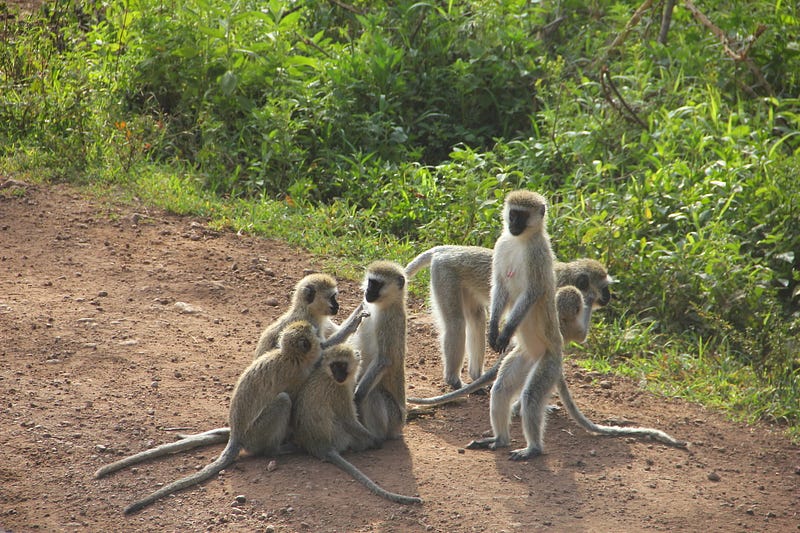
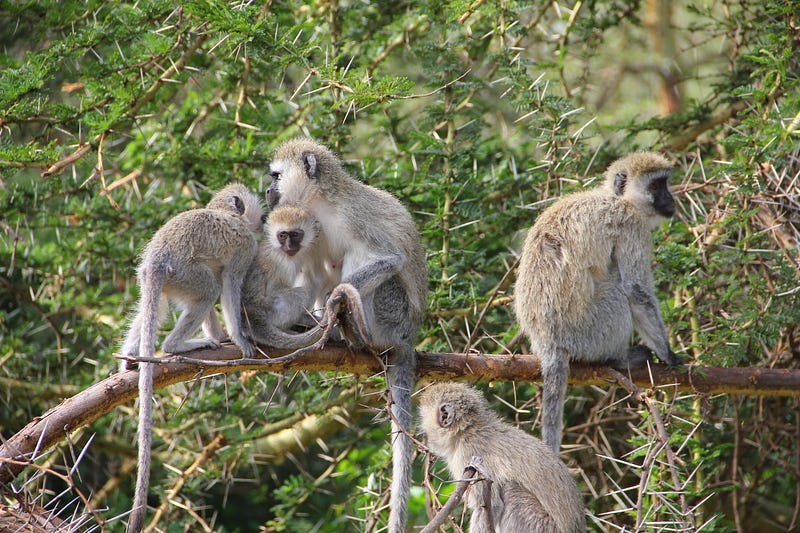
Setting up the breakfast on the bonnet of the car, we ate next to a family of monkeys.
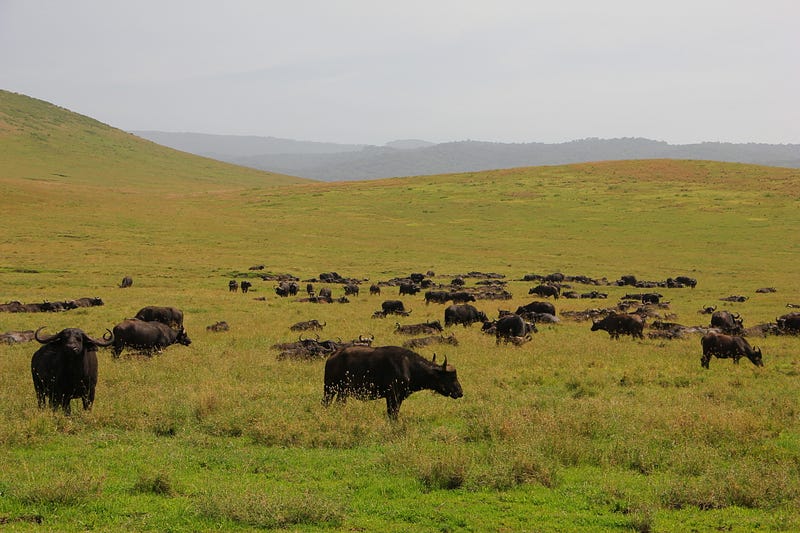
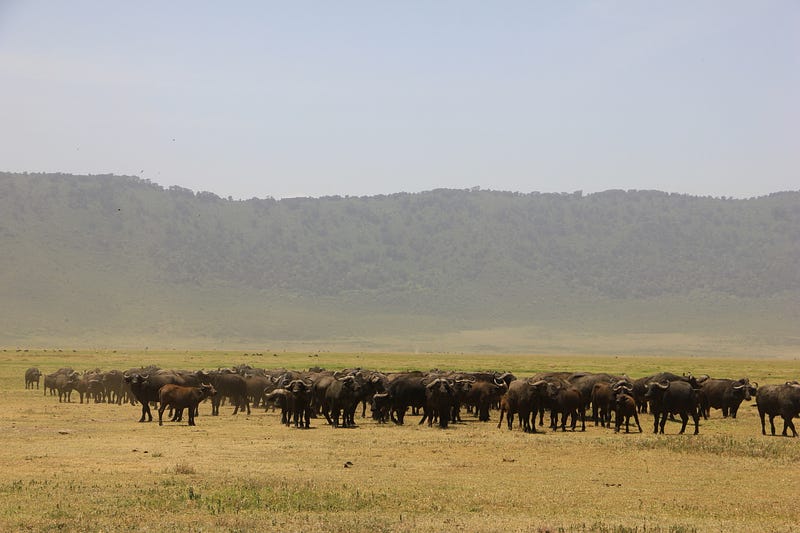
Next up was a huge water buffalo herd blocking the road ahead. We knew we were in the minority and waited for them to cross before moving on.
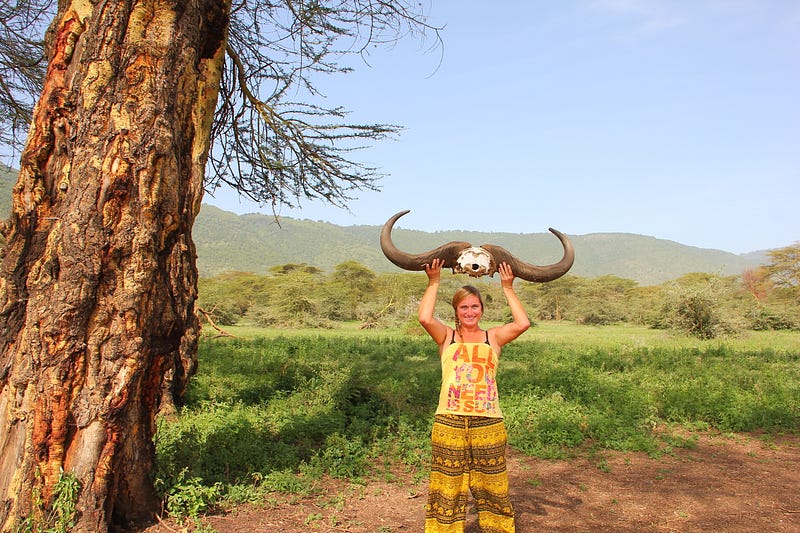
This was where we did another quick stop and were allowed to get out of the car. Lifting the skull of a Buffalo, I must admit, those horns are incredibly heavy.
And looking at my shirt, no, the sun is not all you need. You do need rain as well.
Back out in the open, we found ourselves not only among a herd of wildebeest but also in between a few beautiful African cranes.
“The grey crowned crane (Balearica regulorum), also known as the African crowned crane, golden crested crane, golden crowned crane, East African crane, East African crowned crane, African crane, Eastern crowned crane, Kavirondo crane, South African crane and crested crane, is a bird in the crane family, Gruidae. It is found in eastern and southern Africa, and is the national bird of Uganda.” — Wikipedia
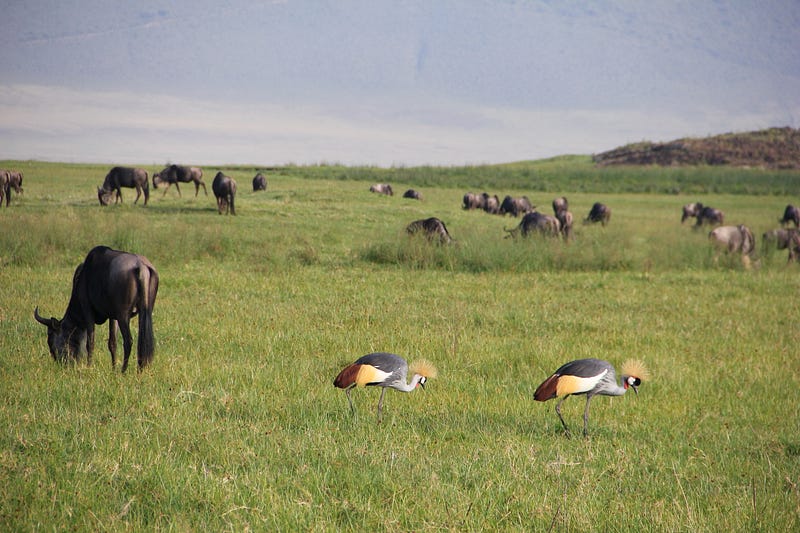
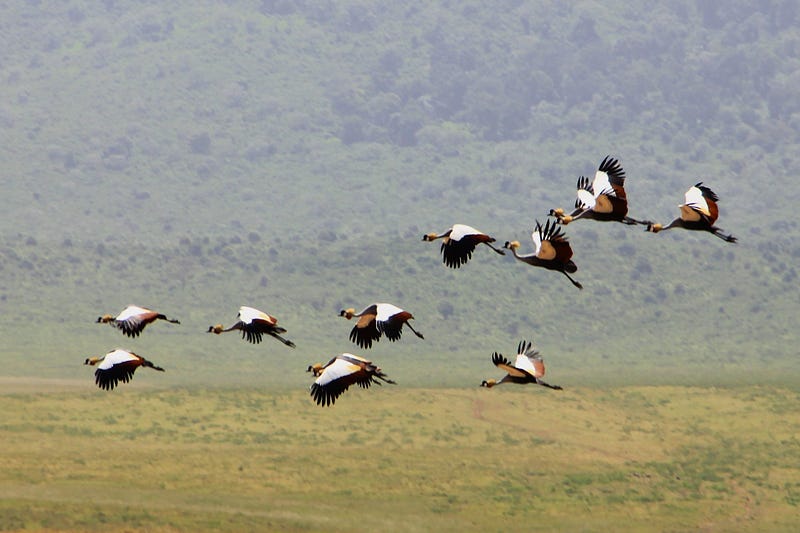
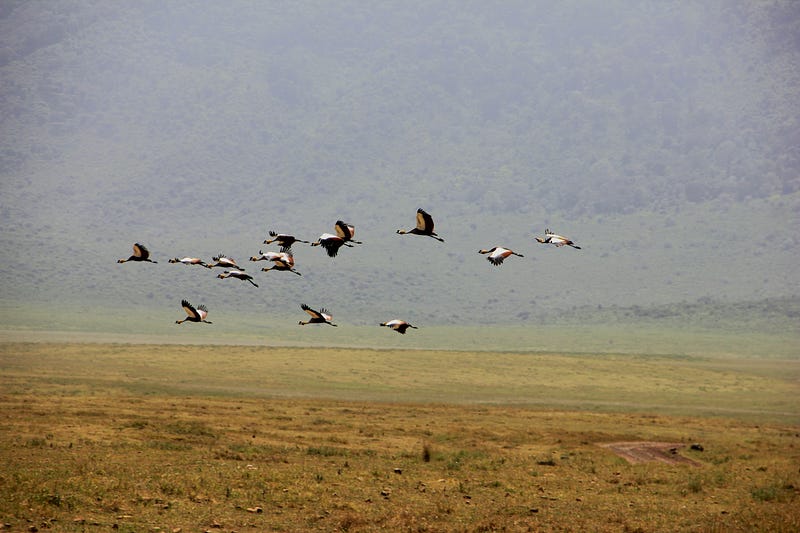
Yes, the crater isn’t just filled with large wildlife species but is also a bird paradise. This was probably the first time in my life I took more than one picture of a certain bird.
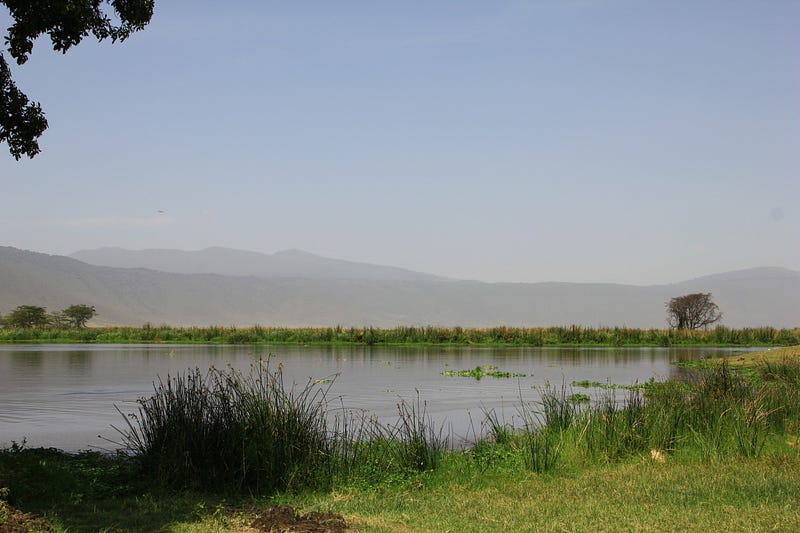
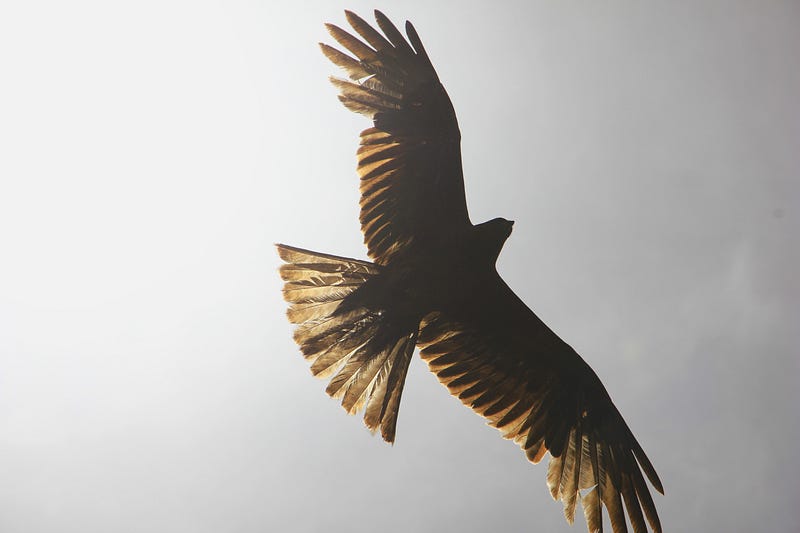
But the highlight was yet to come. While I am always talking about the abundance of wildlife in this park, there was also an abundance of safari vehicles.
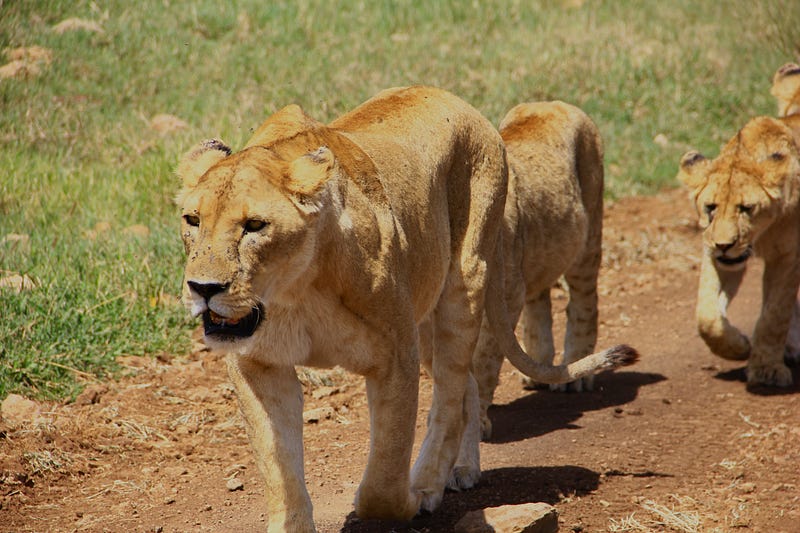
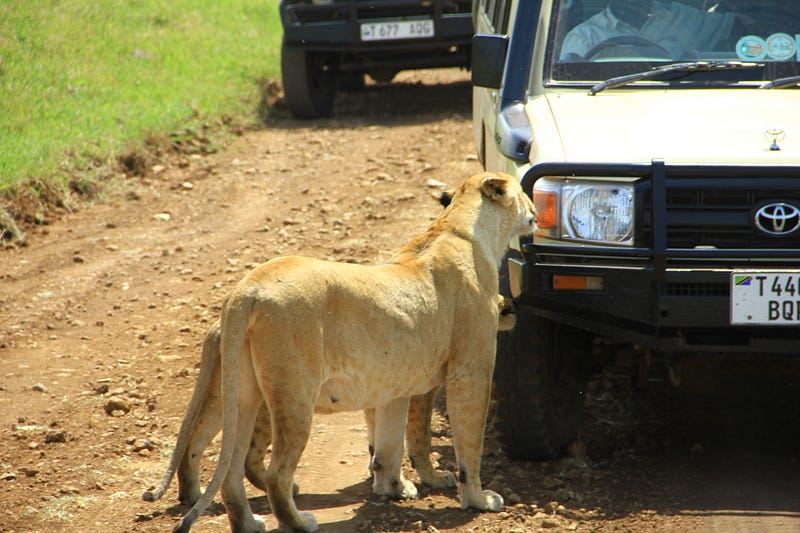
And those vehicles got all together when a large pride of lions decided to walk on the road. Unimpressed by our presence, they just went about their way.
Anyhow, I could feel the tension. The tension between the local guides but also the tension within the pride. It was silent. The engines were switched off and nobody was talking. All I could hear was the clicking of the cameras. And the breathing of the lions. Yes, we were that close. I could hear the lioness breathing as she walked past our vehicle followed by her teenage cubs.
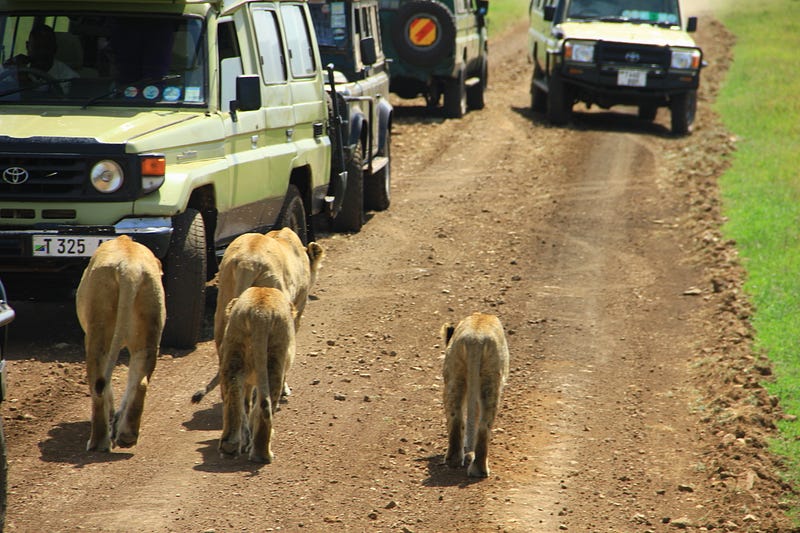
So yes, we experienced the full load of adventure in Ngorongoro Crater. Yes, there were many vehicles around but there was also an abundance of wildlife. Sometimes, there is a good reason why a place is crowded with tourists. Because it’s worth it.
This is a response to a writing prompt started by Sam Millichap and many have participated since. I’m so happy to see the community is growing. So many amazing destinations coming up. We welcome anyone to join the fun. Write your own alphabet of your favorite travel destinations.
Sam Millichap with “My Dearest Destination Beginning with N”
Adrienne Beaumont with “Nantua”
Robert G. Longpré with “Nanning, China”
Darren Weir with “Nir David — Life On A Kibbutz”
Michael Rhodes with “ Joshua Tree National Park”
Dan Carlson | Meandering Naturist with “G is for Gavdos, Greece”
Jerry Dwyer with “London”
Jillian Amatt — Artistic Voyages with “G is For Greece”
Nishan Fuard with “Anaheim: I Remember the Parking Lot from the Hotel Window”
Ronald Smit with “A is for … Ada Foah”
You can find the full series of the “A to Z of my favorite travel destinations” in the reading list here. And these are my latest ones:
J — “St. Jakob in Tyrol — Another Childhood Travel Destination”
K — “Sleeping in a Floating Cottage — Khao Sok National Park”
L — “Langbinsi — Where Donkeys Walk on Sandy Roads”
M — “Magnificent Moments in Mozambique”
Join my email list here if you would like to read more travel essays or sign up for the Medium membership to receive unlimited access to my and other writers’ stories out here (I will receive a commission fee in return).
WordPress | Shutterstock | Instagram | YouTube | Mailchimp | Amazon


