
TRAVEL WRITING CHALLENGE
Langbinsi — Where Donkeys Walk on Sandy Roads
The A to Z of my favorite travel destinations
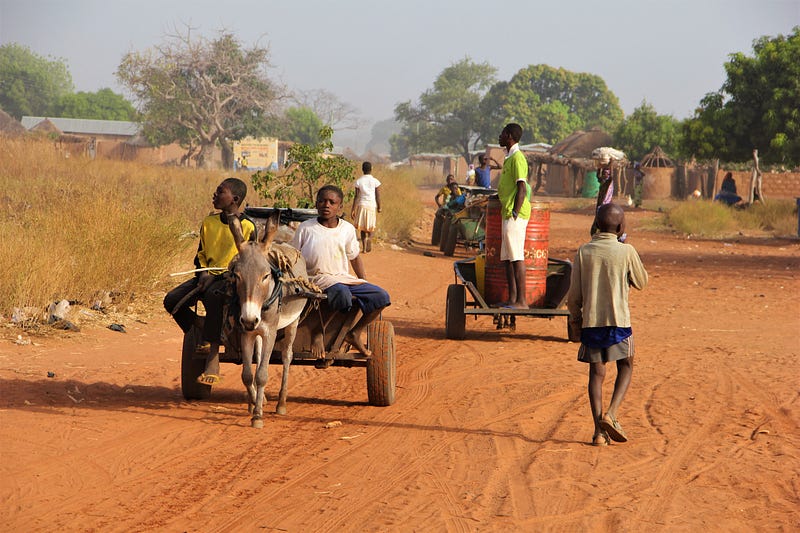
I had to be home by 6 pm because by 6:30 it was pitch black. African dark. This village had no lamp poles. The only lights at night you’ll see are the stars and the moon if he shines.
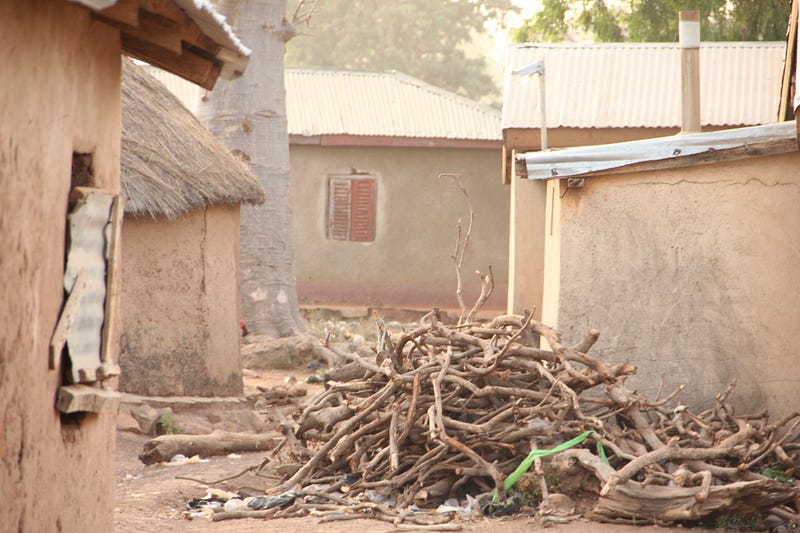
Langbinsi is a small village in the North of Ghana. It is somewhere in the countryside. It’s rural. Very rural. Some inhabitants do think there’s no world outside of the edge of town.
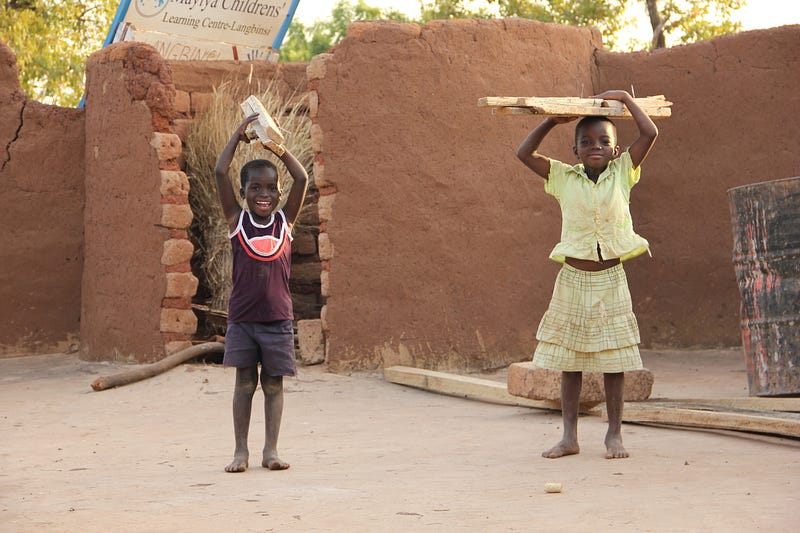
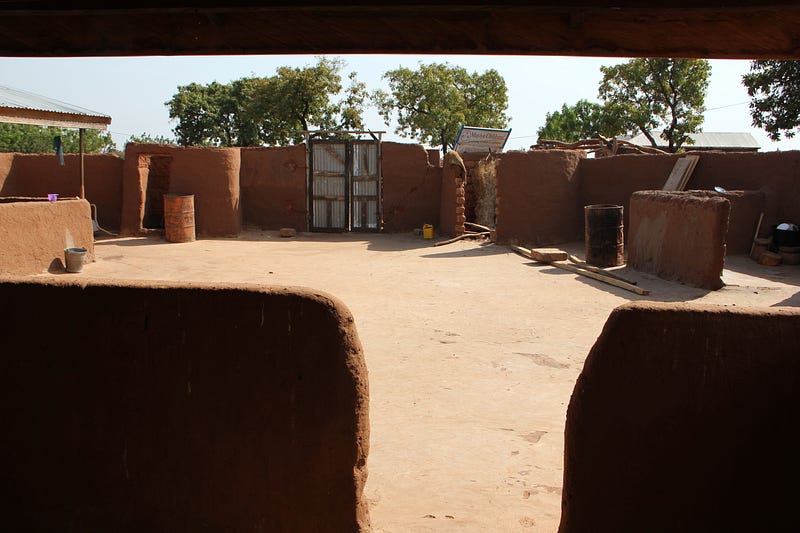
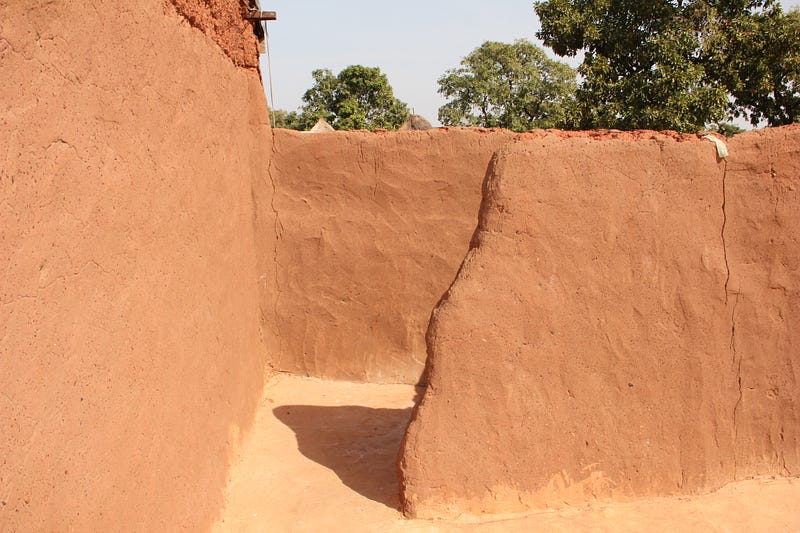
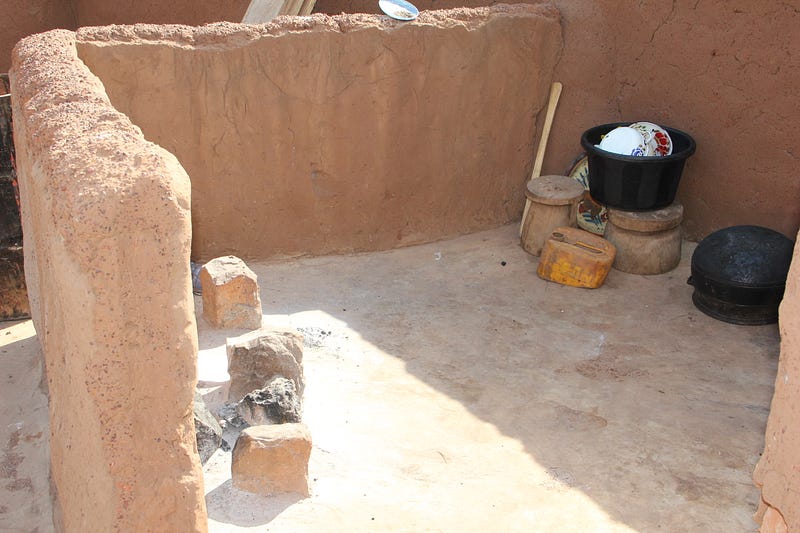
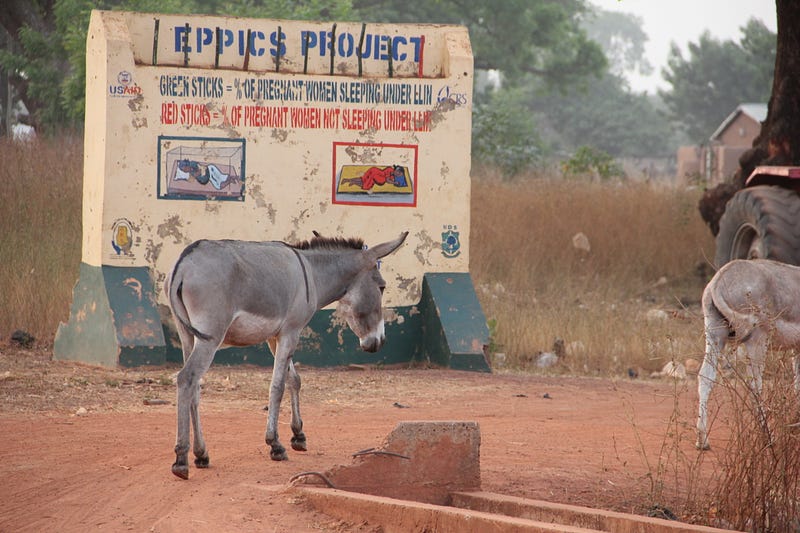
There is more dust and sand than you’ve ever seen. The houses are built of mud. There is no running water. But every home has a TV. Bicycles are the mode of transport for those who can’t afford a scooter. Some still have carriages. Everyone has at least a donkey.
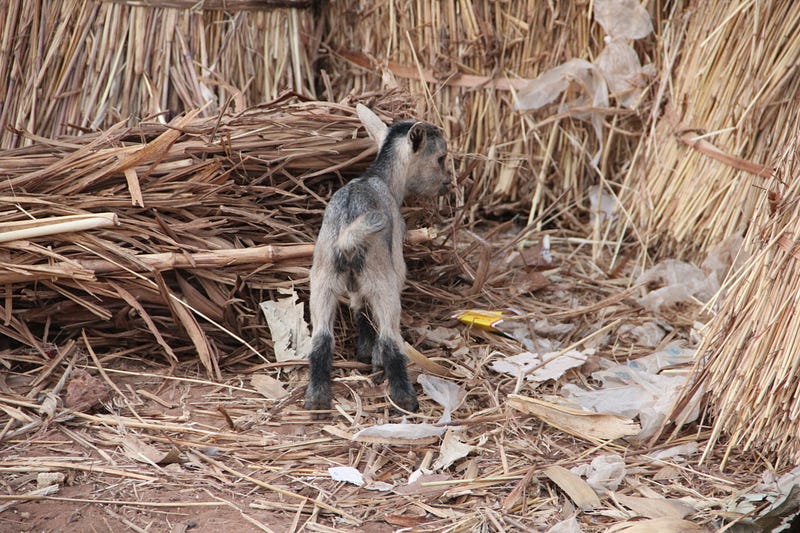
Donkeys are moving freely around between the homes. So do goats and chickens. Don’t ask me how they find back to their houses every night. I guess they just know.
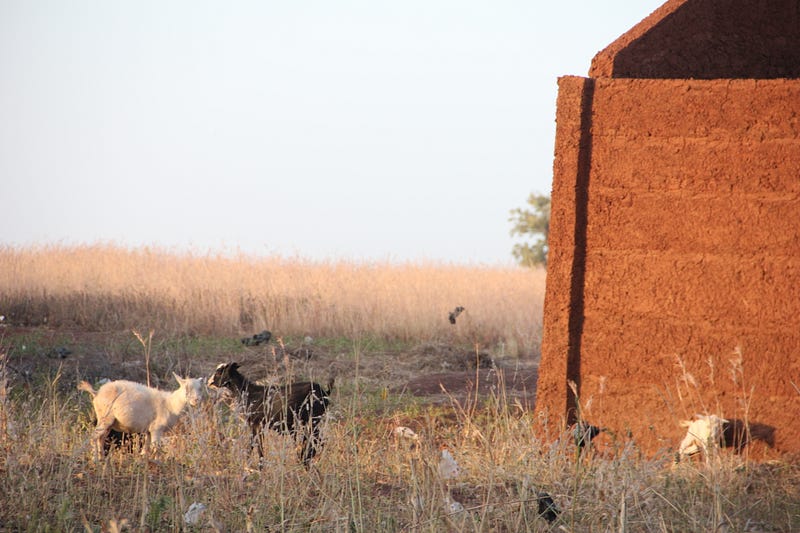
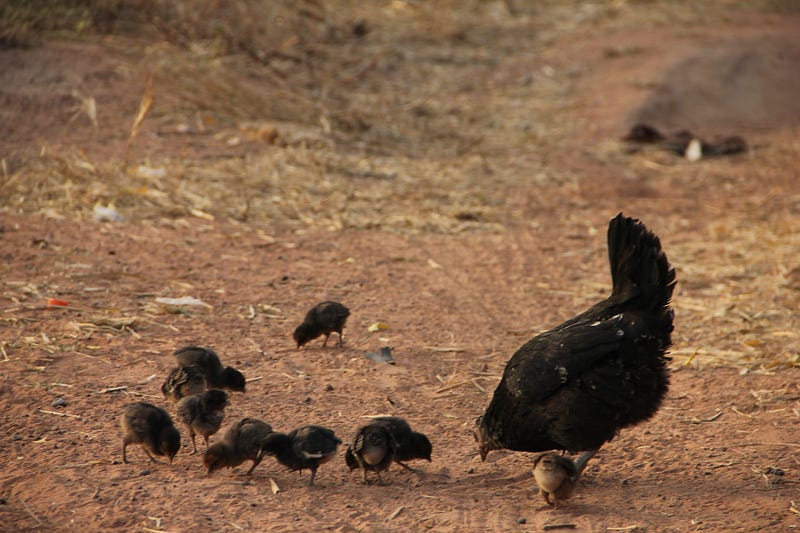
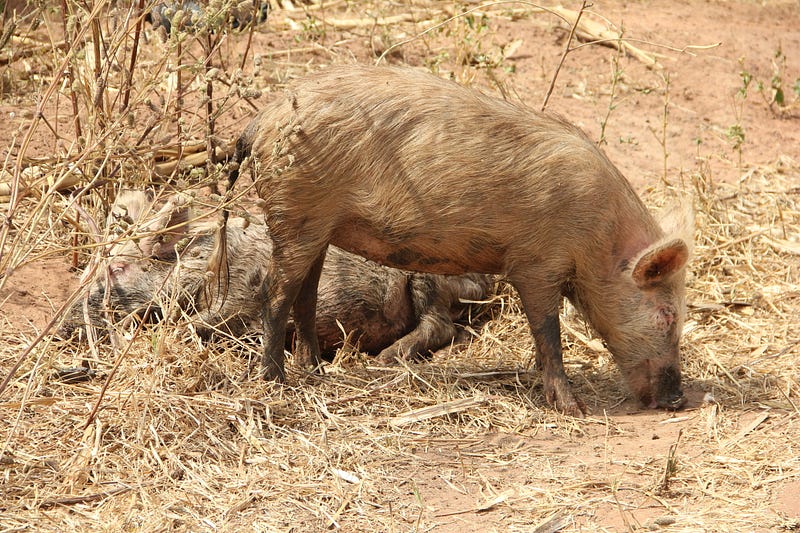
I woke up every night by 4 am when the guinea fowls had to greet the new day. They were sleeping on the walls of the non-finished rooms of the house.
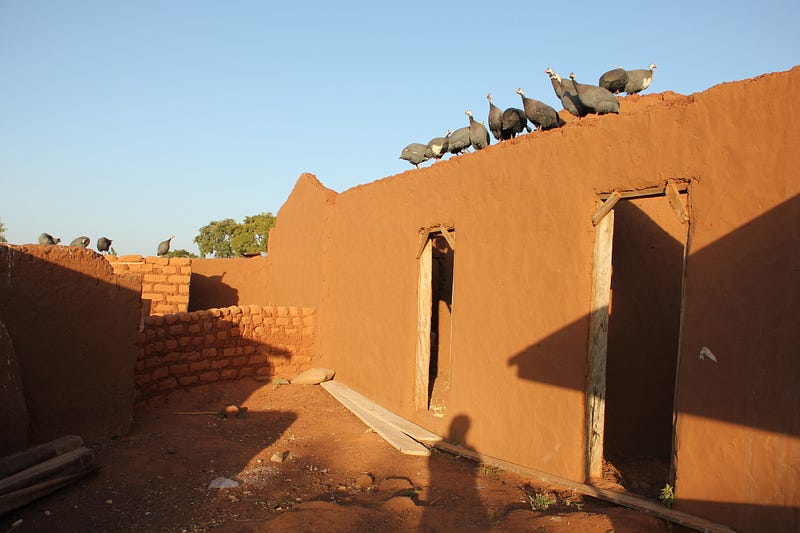
I slept on the floor. In the yard. I decided there are fewer critters outside than inside the room that was provided for me. Instead, I had chickens walking over my body every morning. Don’t know if they can’t see but they would always walk over my body and the mattress.
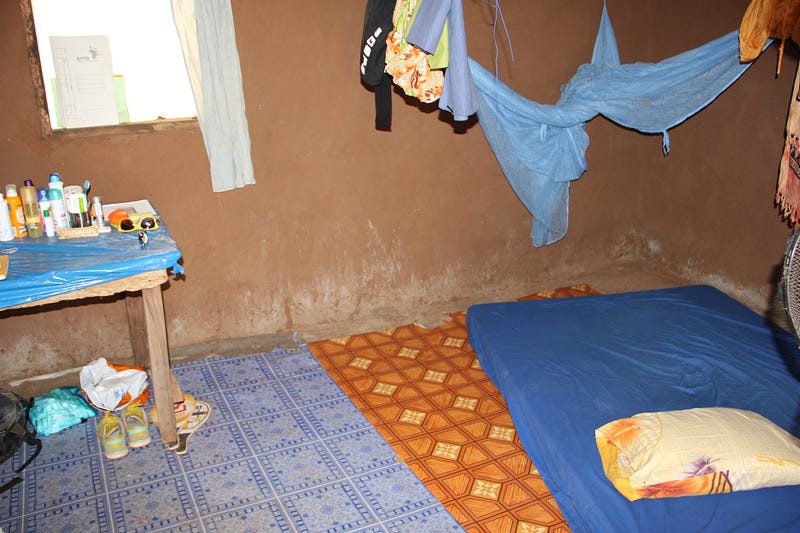
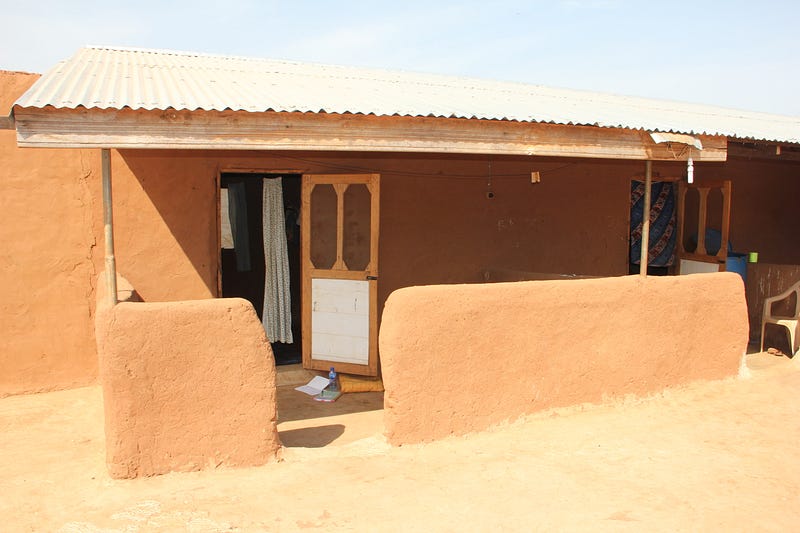
Langbinsi is different. Langbinsi is poor. Langbinsi is behind most of the world. But the people in Langbinsi are happy. They have the prettiest smiles I’ve ever seen.
Langbinsi has taught me a lot about life. How little you need. How much a cold bucket of water can mean to you. Langbinsi has taught me there are children in this world who crave nothing more than to learn from your knowledge.
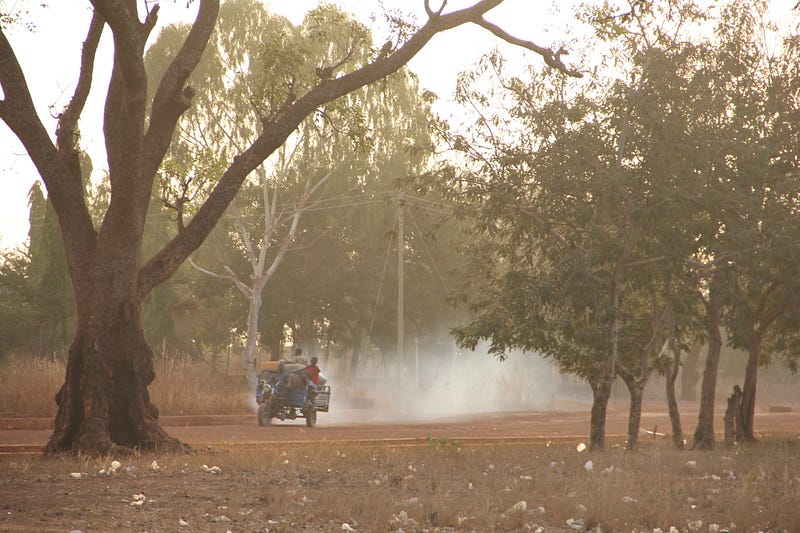
In 2014 I moved to Langbinsi while volunteering in Ghana. Originally I was placed in a different project. I was looking after orphans under the age of 2 years.
It’s a whole different story but you can read about it here why I will never volunteer in an orphanage again.
But once I heard about this school in rural Ghana that was teaching the poorest of the poorest kids how to write, read and speak, I knew I had to go there.
The school had no teachers and no volunteers coming due to the Ebola pandemic in West Africa. Yes, I was in Ghana, West Africa, during the pandemic.
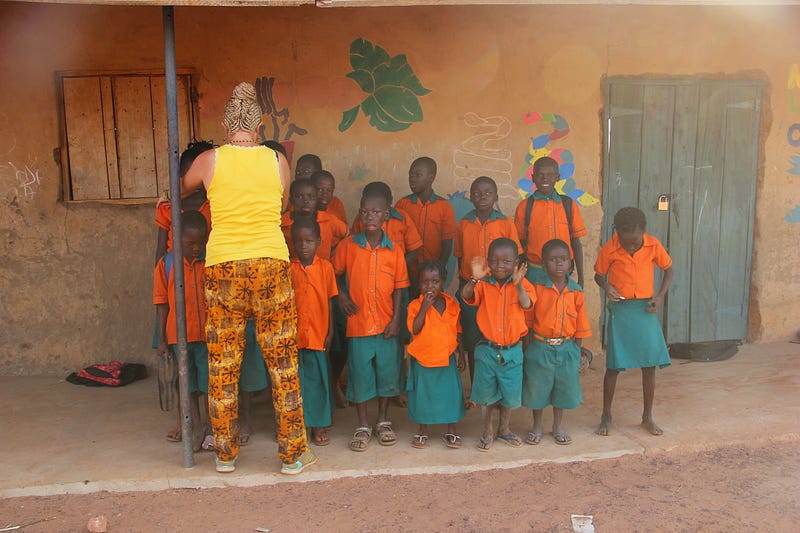
I ended up living in Langbinsi for a few months. I taught children from the age of 3 until 15. Sometimes I was the only teacher. Sometimes there were two others. I never knew in the morning who would show up.
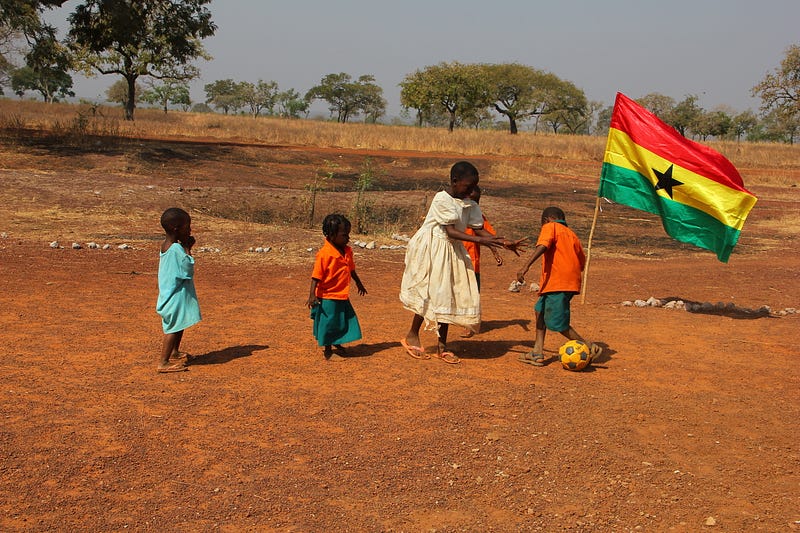
I introduced morning routines such as brushing the teeth. I split the kids into three classes but actually had as many different learning levels as I had children.
I tried my best to teach them all as much as I could. Sometimes I felt like I had achieved something. Some days felt like a failure. On other days I was acting as a nurse. Treating wounds, cuts, and diseases I didn’t know.
I know it’s like you’ve heard it from everyone volunteering in some job but I sure did grow over the capacity of my skills.
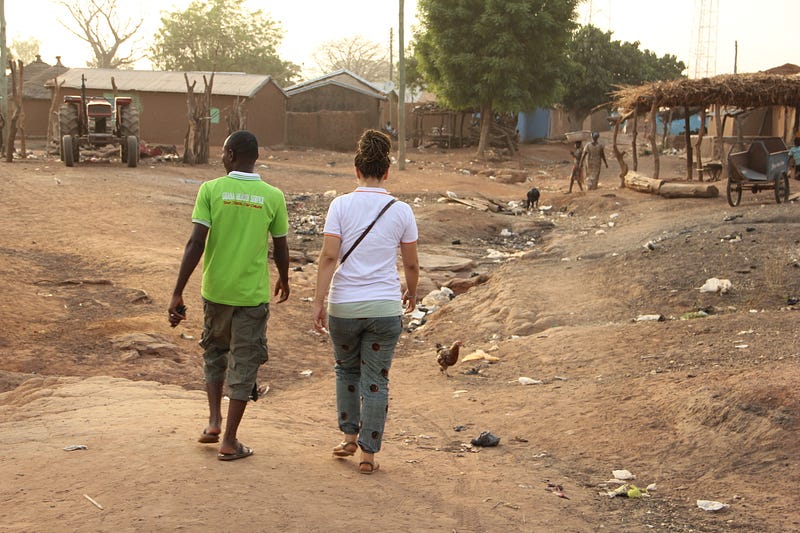
But there was more to Langbinsi than just the school I was teaching in. There was a market where I bought fresh vegetables and other necessities.
One time an old lady who was selling me a bracelet also gave me ring to put on my finger so men would think I’m married and stop proposing to me. She knew my real problems as a white girl in this rural village in Ghana. I will never forget her.
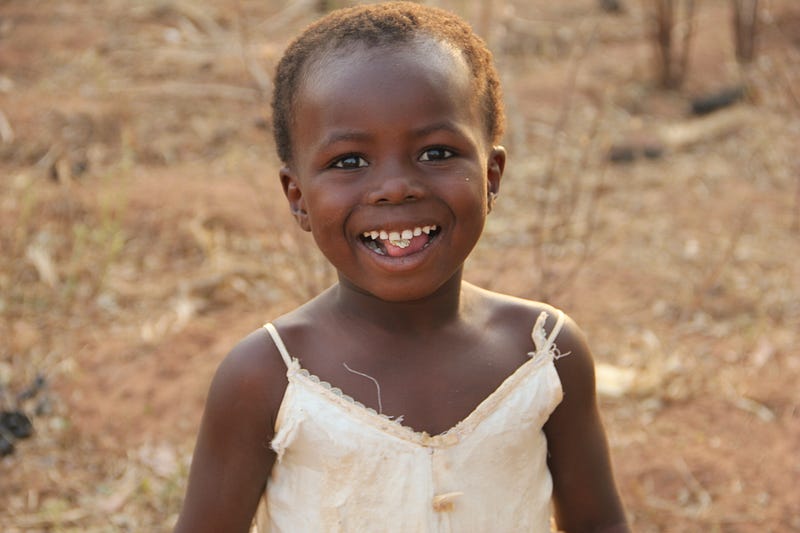
I also still remember the “hairdresser” I would go to once a week to get some braids done. There wasn’t much to do in Langbinsi so I would enjoy this task.
Getting braids done isn’t just about your appearance and looking pretty. The process of getting those braids is a lesson in patience. Just sitting in the shade of a tree for an hour or even two or three waiting until the girl(s) is/are done with my hair teaches you a lot.
Often children would come by and sit on the floor around me. Neighbors would stop and chat. And I would talk to people. In a mixture of English and their local language.
Ghana has 66 acknowledged languages. Not dialects but languages.
I first learned Twi, the one mostly spoken in the south. Then I moved to Kumasi and then to the North and in every village they spoke again another one. Not so easy for a foreigner if not even the locals from two villages can communicate with each other.
My host father could speak English and helped me with most tasks and challenges in this for me foreign culture. My host mother couldn’t speak any word of English, so I spoke to her in the local language with the words my host father taught me.
I was happy once I could finish the greetings with her. Greetings are a big part of the culture and take time.
I also did spend time with the children after school. Some of them came to my host father’s property and we’d sit together and chat. I would give them food even though I wasn’t allowed to.
Some of those children were alone. A 12-year-old fending for his two younger brothers for example. Some of them were orphans, others were neglected by their family members and left alone. They often came to school hungry.
Lunch I would get at the house. I knew I wasn’t allowed to give my food away, it would make my host father angry. But we were a good team. One of the kids would stand in the corner checking if my host father came and the hungry ones inhaled my plate of food.
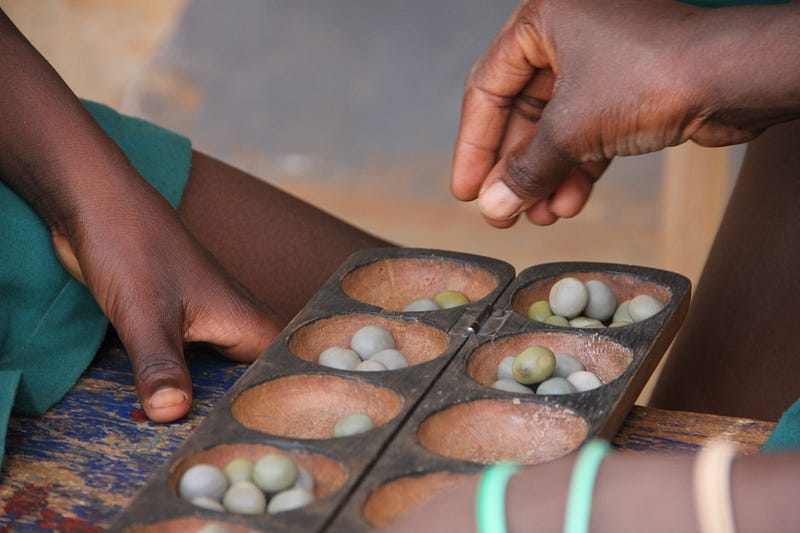
Some afternoons I would meet the older girls on the market or on the streets. They were selling tomatoes or sweets in small buckets they were carrying on their head.
I’d buy some of the things and test their math skills by making them calculate the price and the change I’d get.
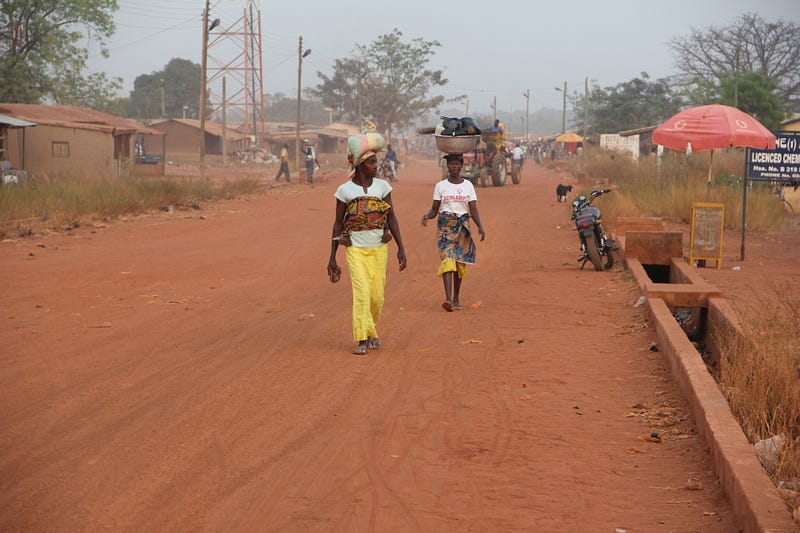
On other days I was just strolling through the streets.
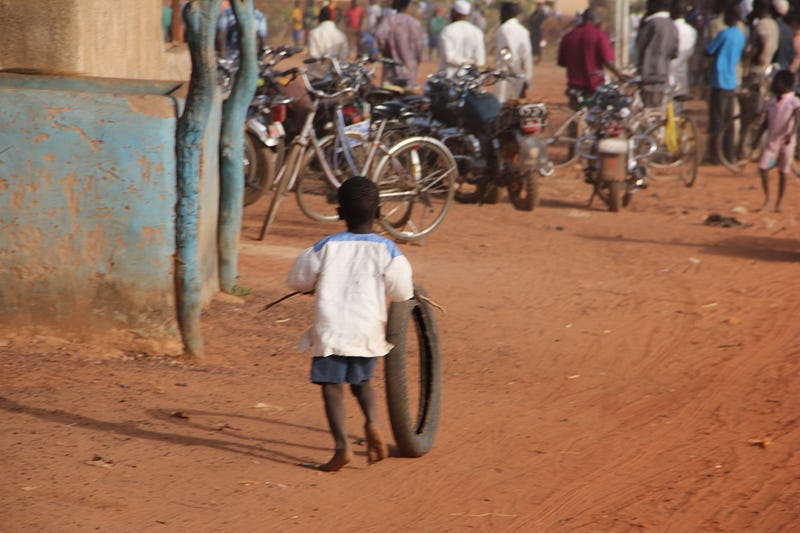
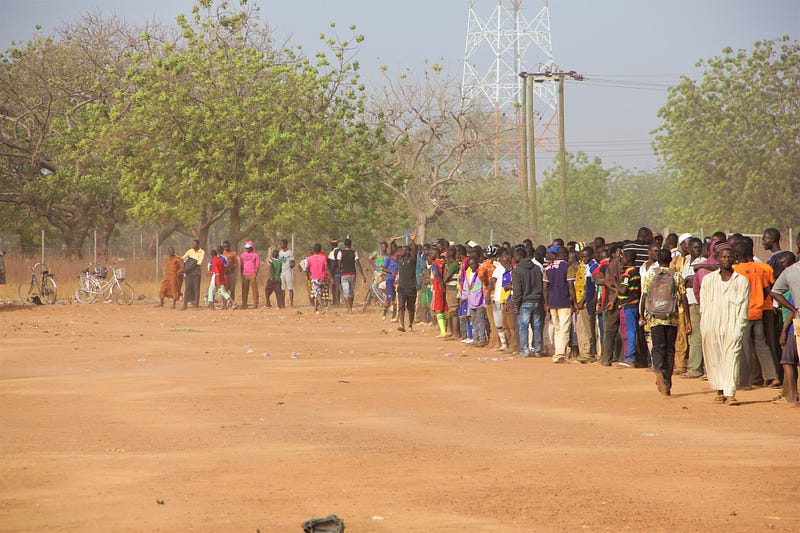
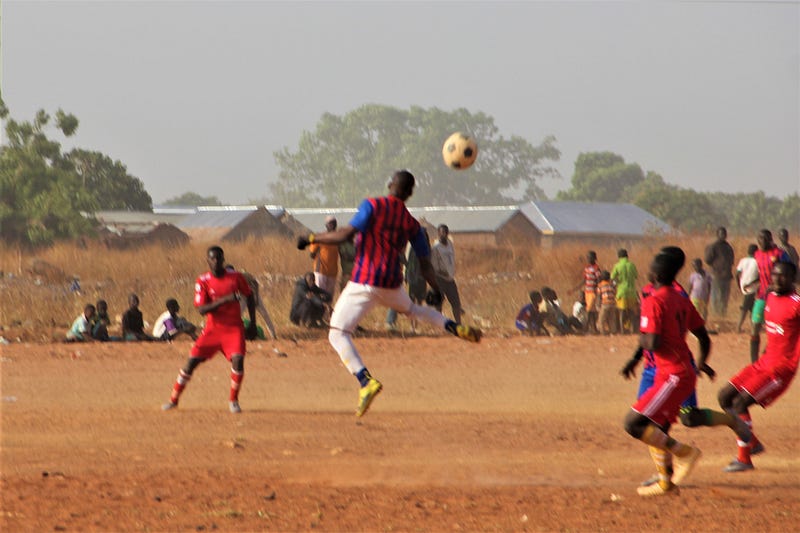
One day I didn’t know what was happening. A large crowd was standing at the edge of the field. Only when I came closer I identified the place as a soccer field. A game was being played and everyone in town came to watch.
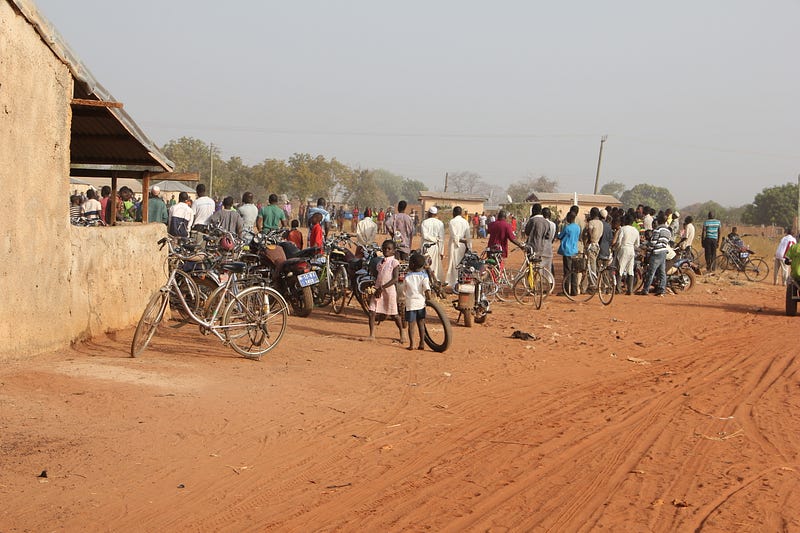
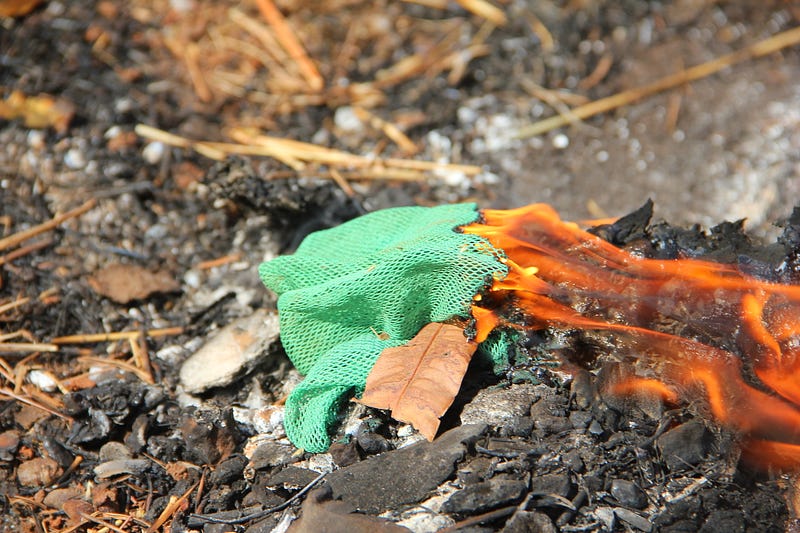
While modern plastic packaging has reached this town in rural Ghana, no recycling trucks ever did.
One day I decided to clean up the grounds around the school together with the children but didn’t think about what I would do with all the trash collected afterward.
That was the day I almost burned down a village.
As little as this village had to offer in terms of development and facilities, it had so much for me. I will never forget my time in Langbinsi and am forever thankful for the experience I made working in that school.
You can read more about my adventures in Ghana in this collection of stories:
This is a response to a writing prompt started by Sam Millichap and many have participated since. I’m so happy to see the community is growing. So many amazing destinations coming up. We welcome anyone to join the fun. Write your own alphabet of your favorite travel destinations.
Sam Millichap with “How To Visit London Without Spending Lolly”
Adrienne Beaumont with “Ljubljana”
Michael Rhodes with “Desert Trip”
Jerry Dwyer with “Carson City”
Robert G. Longpré with “C is for Cusco”
Jillian Amatt — Artistic Voyages with “Banff, Bali, & Bahamas”
Nishan Fuard with “Anaheim: I Remember the Parking Lot from the Hotel Window”
Ronald Smit with “A is for … Ada Foah”
Darren Weir with “Angkor Wat — The Heart and Soul of Cambodia”
You can find the full series of the “A to Z of my favorite travel destinations” in the reading list here. And these are my latest ones:
I — “Italy — Without a Doubt”
J — “St. Jakob in Tyrol — Another Childhood Travel Destination”
K — “Sleeping in a Floating Cottage — Khao Sok National Park”
Join my email list here if you would like to read more travel essays or sign up for the Medium membership to receive unlimited access to my and other writers’ stories out here (I will receive a commission fee in return).
WordPress | Shutterstock | Instagram | YouTube | Mailchimp | Amazon