
The A-Z of My Favorite Travel Destinations — Joshua Tree National Park
Our National Parks are Special to me, and this one is unique and was the site of an unauthorized cremation of Gram Parsons from the group “The Byrds”
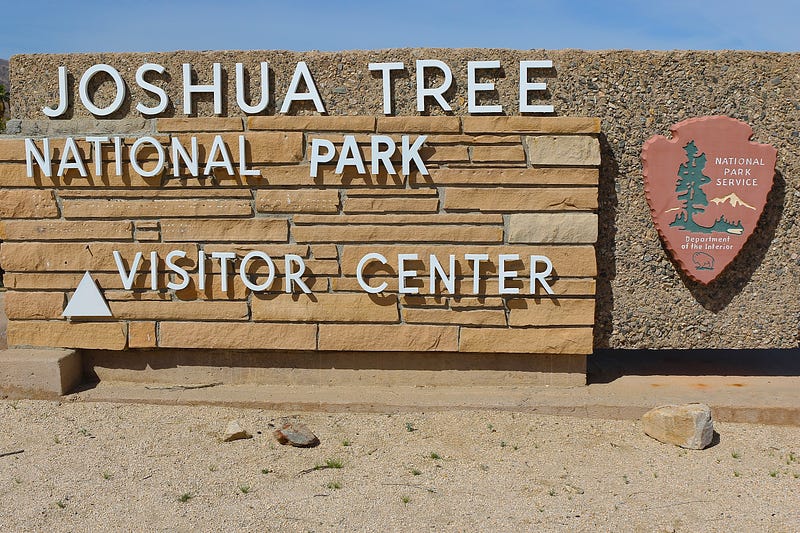
My A to Z travel destination for the letter “J” is Joshua Tree National Park.
For me, it’s a mystical, soul-cleansing, anagogic destination that sits at the junction of two desert ecosystems. The Mojave desert and the Colorado desert merge here, creating a surreal geologic and plant wonderland.
I grew up living in the Mojave desert north of here in the small towns of Boron, Mojave, and Rosemount.
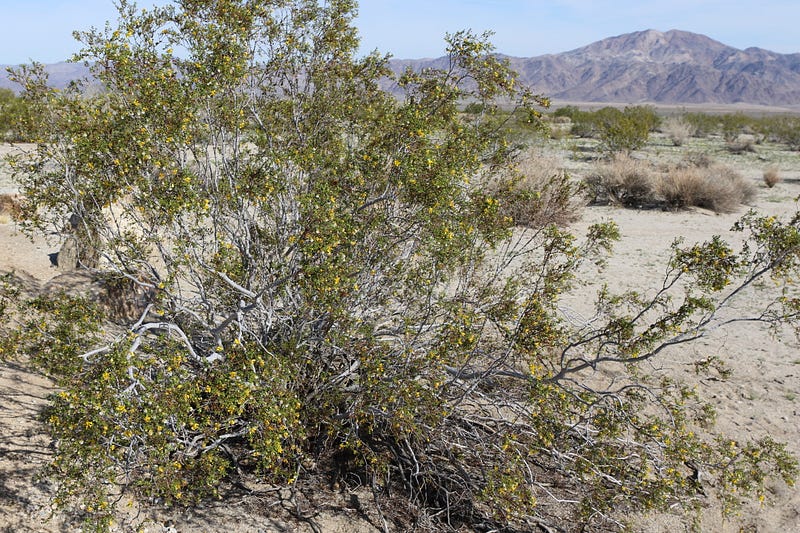
When I was younger, I didn’t find deserts as mystical or soul-cleansing. I saw them as a wasteland of nothing, a place to get away from.
I always wondered why anyone would live there on purpose.
But, I believe you need some age on you to really appreciate the deserts around us. Maybe it’s an acquired taste that comes with age.
The famous Georgia O’Keeffe lived in New York most of her life, but she moved to the deserts of New Mexico and spent her latter years painting animal skulls and desert flowers and came to appreciate her desert surroundings. She fell in love.
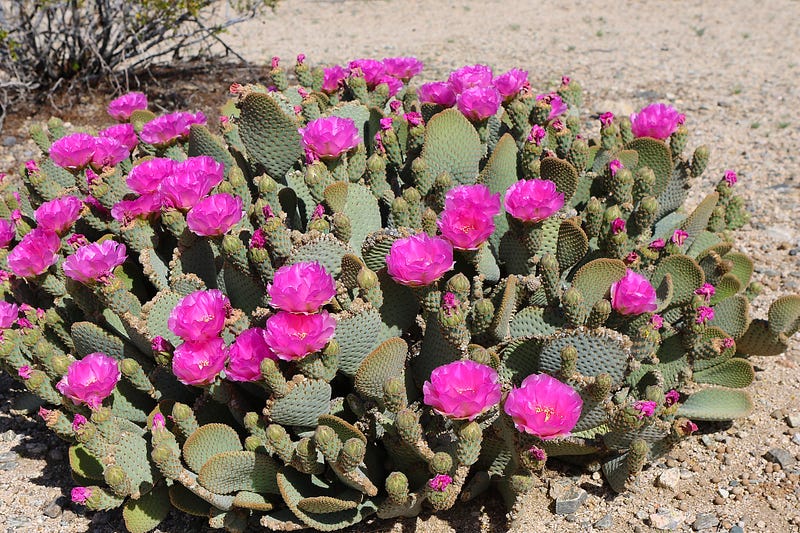
My first trip to Joshua Tree National Park wasn’t for the great landscape, the desert flowers, or even the famous Joshua trees.
It was for the sky.
Specifically the night sky.
I bought an expensive Canon “L” lens, and I was on a quest to take pictures of the night sky in its celestial wonder.
Pictures that could capture the Milky Way or stars streaking in curves under time-laps, or detailed pictures of the moon.
While the night sky can be a glittering dome of stars, planets, and passing meteors — I couldn’t see them where I live.
In suburban city settings, artificial lighting and atmospheric pollutants wash out the light of the stars.
For millennia, our ancestors experienced a dark night sky.
Only in the past few generations have humans been denied the chance to stand in awe of the heavens.
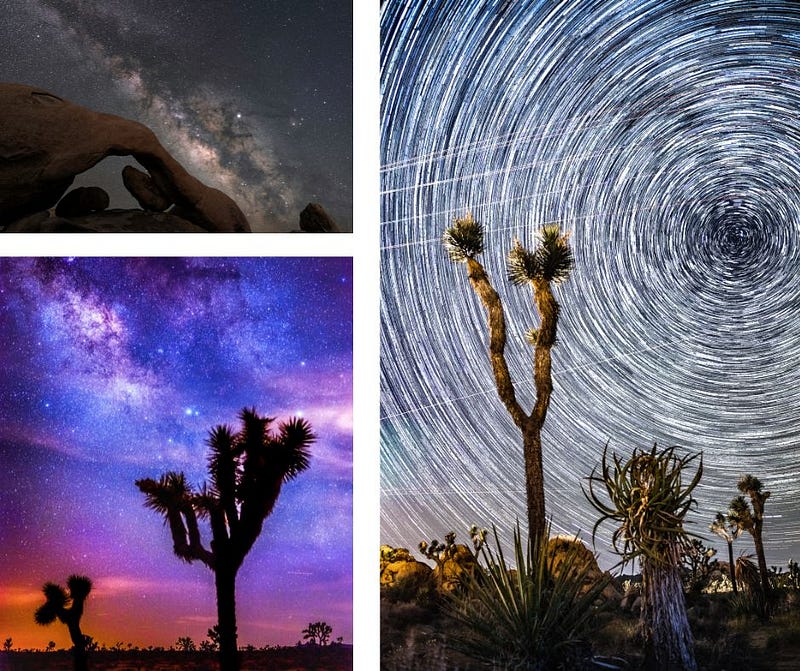
But Joshua Tree National Park is famous for one of the darkest night skies in Southern California.
So with my camera and a new lens in hand, along with camping gear and a reservation for a campsite in Cottonwood Campground, I was on my way.
My first attempts at celestial photography were dismal. All I can say is that it’s hard to get National Geographic-quality night sky pictures. Damn hard.
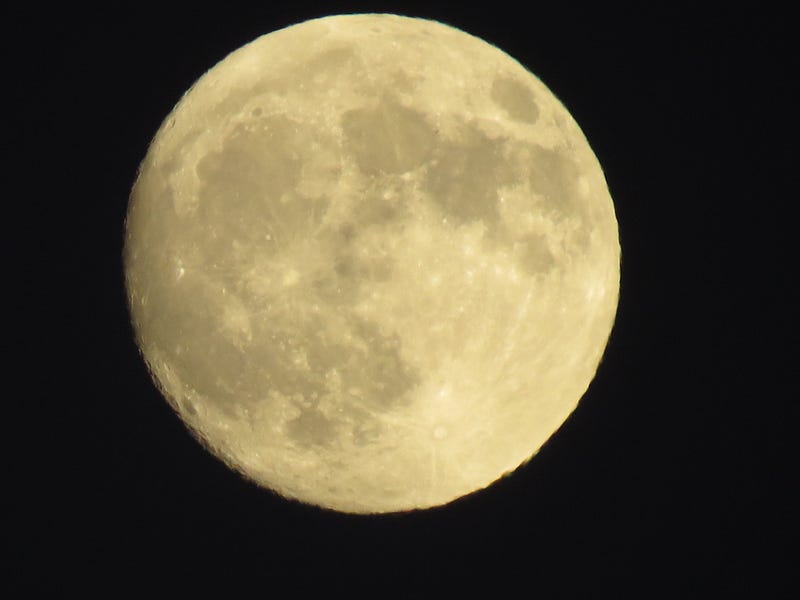
I did get some decent pictures of the moon, but that was it. The beautiful time-laps of stars (which takes hours) were blurry and useless.
To make matters worse, I dropped my “L” lens and dented the outer ring. The lens still worked but no more using filters. Dropping a lens that costs more than the camera makes your heart skip a beat.
But as the sun rose, my attention shifted from the sky to the horizon and everything between me and the horizon.
The golden tones of light on the smoothly sculpted rock formations were indeed magical and even spiritual. A new day on the desert floor in the quiet and stillness is really something.
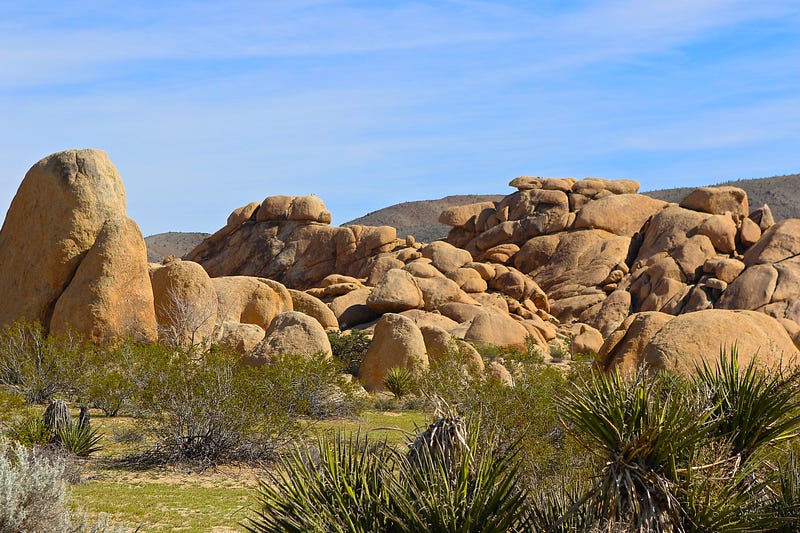
In a few hours, that stillness is replaced by wind, and lots of it sometimes. Blowing dirt isn’t exactly magical or spiritual, but that was for later.
Right now, at this moment, with coffee in hand and a new day starting, I can understand what Georgia O’Keeffe saw in her moments like this in her New Mexico desert. And why she fell in love.
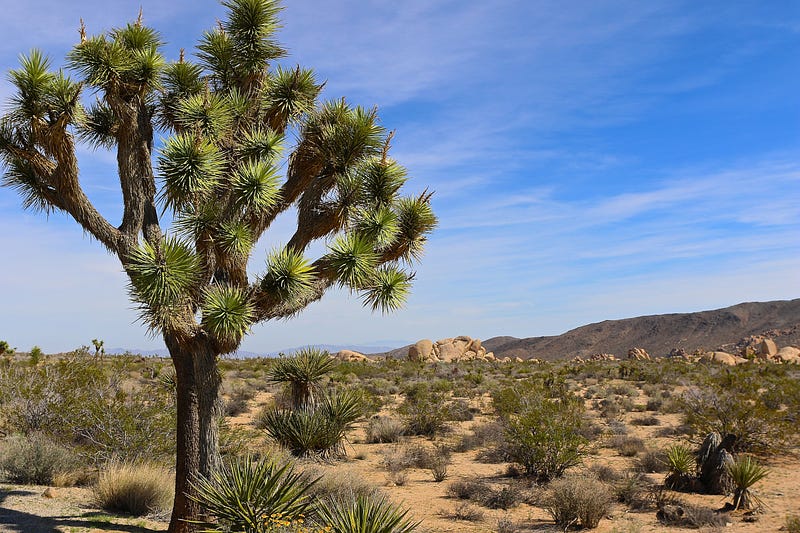
The desert can be magical and Joshua Trees casting their long early morning shadows across the sand are special.
But Joshua Trees haven’t had an easy go-of-it, in the evolutionary scheme of things.
The early American explorer John C. Fremont once called the Joshua tree “the most repulsive tree in the vegetable kingdom.”
That’s not really fair; they do look strange, but they are not even trees — they’re succulents, like cacti.
They are also very rare; this is the only place where they grow in the world.
They are craggy, looking like an old man with too much time in the sun — short and dumpy with almost dangerous spiked leaves.
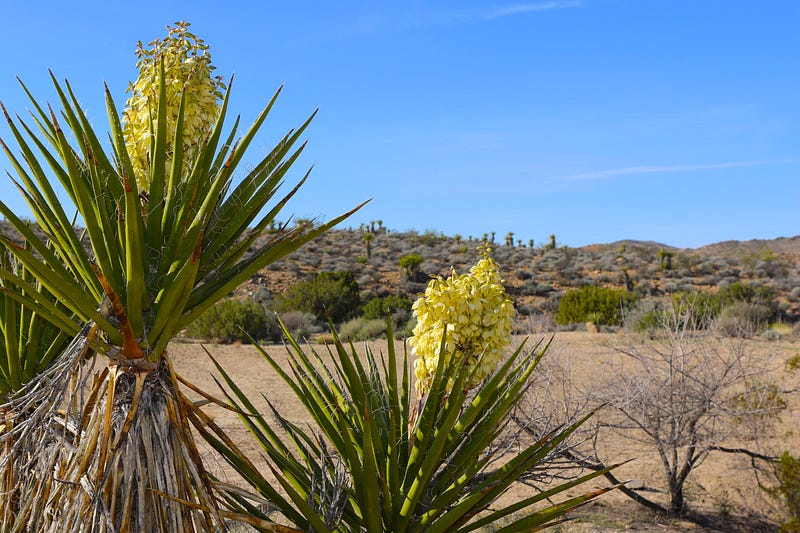
Joshua trees grow to be about 40 feet, but 15 feet is a normal size. They can be as much as 500 years old, and it takes decades for the first arm to grow.
Besides their unusual looks, Joshua trees have the distinction of relying on a single type of moth for the survival of their entire species. Only the female pronuba moth can pollinate a yucca tree — without it, there would be no Yucca trees or Joshua trees.
And no Joshua Tree National Park.
So the Joshua trees were on shaky evolutionary ground anyway, but then the gold miners show up and started cutting them down and burning them for fuel.
Trees that took hundreds of years to grow were used for cooking stew, beans, or whatever gold miners ate.
If that wasn’t bad enough, People in southern California liked to landscape with cacti, which makes sense because it’s not exactly a great place to plant a good lawn in a land without water.
I have artificial grass at my place. It does very well without water. Our water is getting to be as expensive as electricity.
So poachers started digging up the cacti and Joshua Trees, and we are not talking about a couple of families but businesses who were digging up truckloads of them.
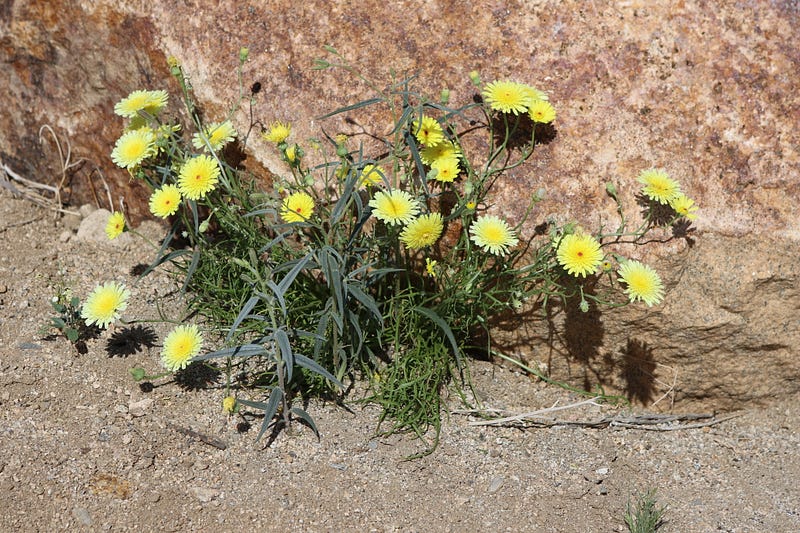
The poaching continued well into the 1930s when Franklin Roosevelt signed the proclamation that made Joshua Tree a protected national monument.
Gram Parsons
One of Joshua Tree’s most famous residents was Gram Parsons, the American singer, songwriter, guitarist, and pianist who recorded with the Band “The Byrds.” Later a solo career with Emmylou Harris.
In the late 1960s, Parsons became obsessed with Joshua Tree and began vacationing there. He would frequently take his motorcycle to remote areas of Joshua Tree, where he used psychedelics and reportedly experienced several UFO sightings.
He later overdosed on morphine at the Joshua Tree Inn.
But before his death, Parsons stated that he wanted his body cremated at Joshua Tree and his ashes spread over Cap Rock, one of the many rock formations.
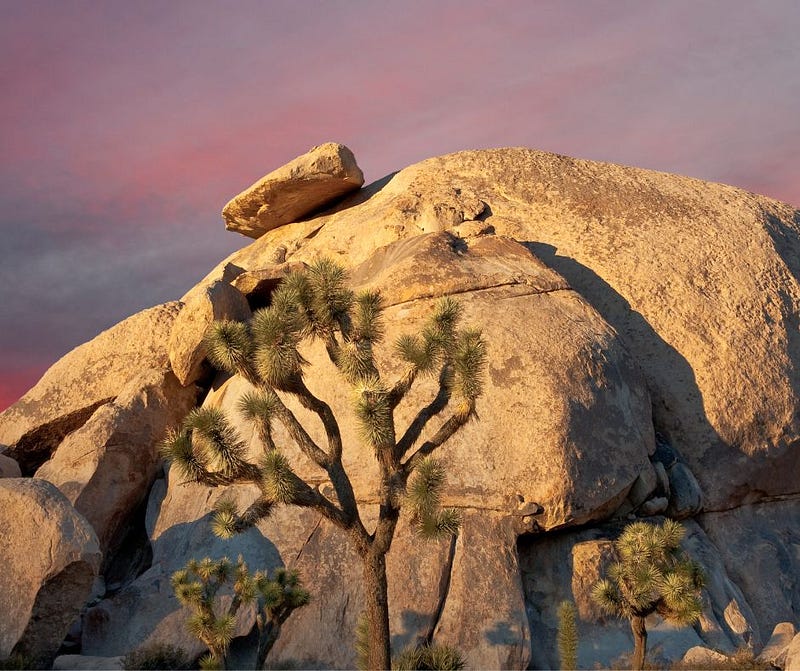
Getting a permit to burn a body in a National Park isn’t something one can do nowadays.
The below quote is from Wikipedia.
“To fulfill Parsons’ funeral wishes, Kaufman and a friend stole his body from Los Angeles International Airport, and in a borrowed hearse, they drove it to Joshua Tree. Upon reaching the Cap Rock section of the park, they attempted to cremate Parsons’ body by pouring five gallons of gasoline into the open coffin and throwing a lit match inside. What resulted was an enormous fireball. The police gave chase, but, as one account puts it, the men “were unencumbered by sobriety,” and they escaped.”
Cap Rock is one of the most visited places in the park today. But one I missed as I only heard about this story recently.
Another cool resident of Joshua Tree is Ocotillo.
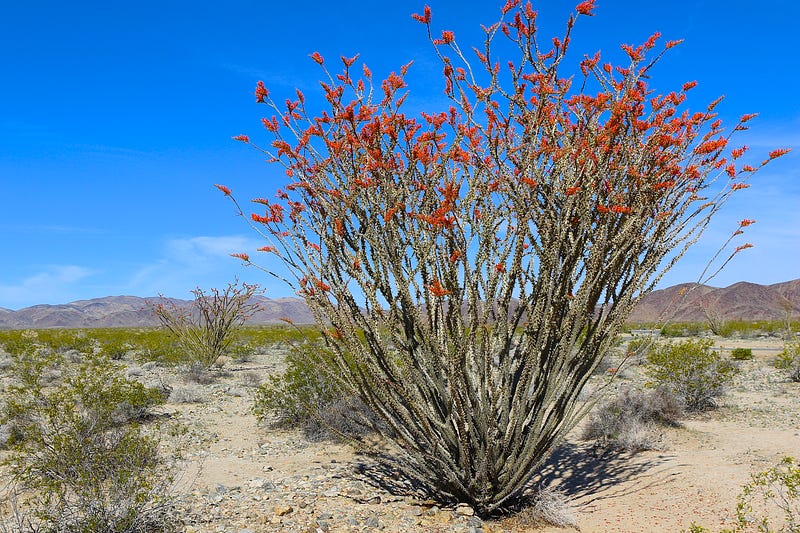
A conspicuous plant across the park, and definitely one of the oddballs in many respects. At first glance, Ocotillo looks like a large shrub that died — just a cluster of gray stalks without signs of life.
With dangerous half-inch spines. This bare-bones appearance is actually part of ocotillo’s desert survival strategy.
All plants lose most of their water through the thin, flat leaves during photosynthesis. Ocotillos adapted to desert life by moving photosynthesis into their stems.
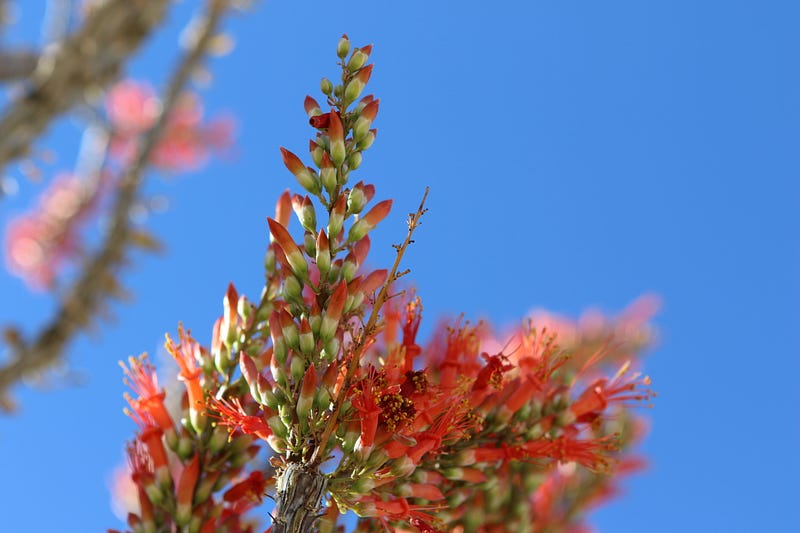
But in the spring, around March or April, the dead-looking plants burst into bloom with red-orange flowers visible as an orange haze hovering above the plant when seen from a distance.
The Cholla Cacti, or as I like to call them, the dreaded cacti. Only grow in a small section of the Park. They also have the nicknames Teddy Bear Cacti and Jumping Cholla Cacti.
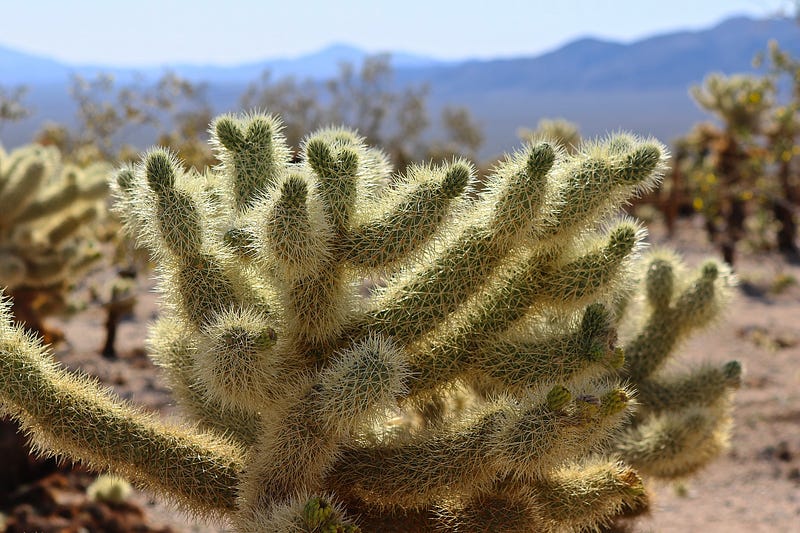
They are beautiful to look at, and when the light catches them a certain way, they can look fuzzy, almost cuddly. Which is where the nickname Teddy Bear Cacti comes from.
But trust me, they are not cuddly, and I’m more familiar with the term Jumping Cholla. People would get spines in them or on their clothes, and the image of spines jumping off the plant came about.
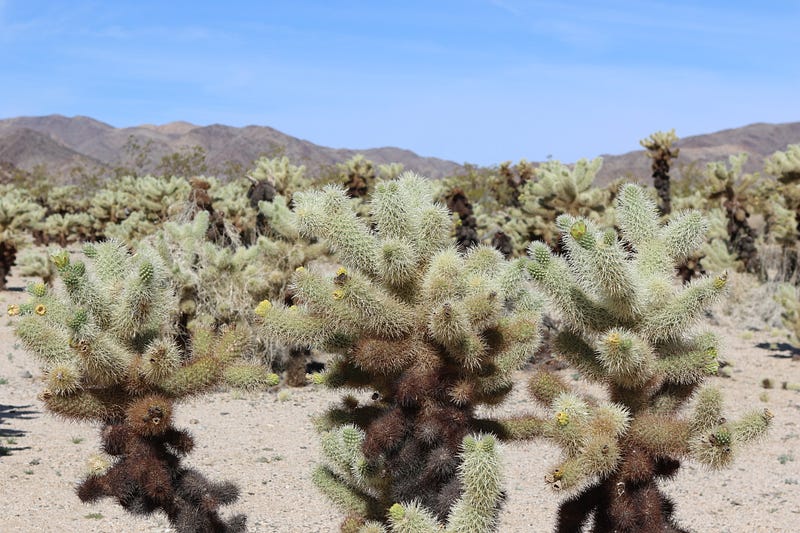
I was walking in the area where I took these pictures and had the spines all over my shoes and the lower part of my pants. I ended up getting some in my hand and lower legs.
The spines break off as you pull away, leaving the spine inside the skin. They have microscopic barbs and are hard to pull out. Some of the spines fall off and are on the ground. When the wind blows, they can be blown against your skin or clothing even if you're not close to the plant.
Walking anywhere near them with sandals or open-toed shoes is a huge mistake. One made daily by tourists, the Park Ranger tells me.
Conclusion
So while my celestial photography was a bust, I have come to enjoy Joshua Tree for many other reasons and have visited several times over the years.
I completed another 5K race many years ago; it was done early morning before the heat hit triple digits — we camped under the stars a couple of times.
All the desert flowers in my pictures are only in bloom for a very short period of time. I was glad that I caught them on one visit and that Mother Gaia allowed me the privilege of viewing them.
Over the years, I’ve noticed the feel of the park is changing as more and more people flood to the park from LA.
More traffic, more car lights at night, more noise, oftentimes unruly behavior, litter, drug use, graffiti on the beautiful rocks, and even destruction of property.
Glamping is now a big thing, and numerous Luxury Yurts are springing up around Joshua Tree’s perimeter.
So many people on the weekends that the campsites are fully booked even months ahead.
While it’s wonderful that people want to get out of LA and return to nature, I just wish they would do it in a more respectful way.
References:
Plant Life — U.S. National Parks Website found here
Gram Parsons — Wikipedia Website found here
Here is another A-Z story also about the desert and not far from Joshua Tree by Dan Carlson | Meandering Naturist where he provides insights into a wonderful resort.
Here is an A-Z story brought to you by the letter “J” from Jerry Dwyer and some amazing adventures in Juneau.
If I haven't lost count, there are ten other Globetrotters working on the A-Z travel challenge, which was started by Sam Millichap, who has completed the journey.
Others include: Anne Bonfert , Adrienne Beaumont , Jerry Dwyer , Nishan Fuard , Jillian Amatt - Artistic Voyages , Robert G. Longpré - [he/him] - Canadian métis , Darren Weir , Dan Carlson | Meandering Naturist, Ronald Smit
Thanks for reading, Happy Travels, and Happy Trails.
Always remember to “pack out what you bring in.”
