avatarTimothy James Lambert

Free AI web copilot to create summaries, insights and extended knowledge, download it at here

3342

Abstract

l; it produced fruit up toward heaven, some sixty times as much and some a hundred and twenty.”</i></p><p id="dafc">Again, not much different from the synoptic versions, except for the quantities given. Thomas gives only two quantities, from smaller to larger, so matching Mark in that regard, except one of the quantities is completely different.</p><p id="091b">Thomas gives the quantities as sixty (60) and one hundred and twenty (120).</p><p id="ceab">Let us assume that Thomas implies a third unstated quantity of thirty (30) at the beginning of the sequence, just as Luke implies the two unstated quantities of thirty (30) and sixty (60) while only explicitly mentioning the last quantity.</p><p id="91f0">That gives us the Thomasine sequence of thirty (30), sixty (60), and one hundred and twenty (120).</p><p id="b58a">This sequence is an obvious progression based on doubling the quantities. Thirty (30) doubled is sixty (60). Sixty (60) doubled is one hundred and twenty (120). That seems simple enough.</p><p id="9da2">As I have mentioned in a previous <a href="https://readmedium.com/thats-not-a-promise-it-s-a-threat-6ae4464b6787">article</a>, the<i> Gospel of Thomas </i>often works by highlighting what the original text doesn’t say.</p><p id="317d">The progression from 30 to 60 and then ending in 120 is clear and logical. But what of the progression found in the synoptic versions of the parable that doubles 30 to get 60 and then adds 40 to get 100?</p><p id="535f">Before we can hope to understand this progression, we need to first reduce these numbers by their greatest common factor, which is 10. We then divide 30, 60, and 100 by 10, which leaves us with 3, 6, and 10. Let’s go ahead and assume that the sequence begins with a 1, representing the initial seed.</p><figure id="27af"><img src="https://cdn-images-1.readmedium.com/v2/resize:fit:800/1*LzMbP0k9yLUPBWq6p_e41g.jpeg"><figcaption></figcaption></figure><p id="212c">The reason that progression might seem unusual is that it is based on triangular numbers.</p><figure id="ba5d"><img src="https://cdn-images-1.readmedium.com/v2/resize:fit:800/1*BWF2qTLtpn2VaUNi5fA75w.jpeg"><figcaption></figcaption></figure><p id="c488">Thanks to Euclidean geometry, we are quite familiar with square numbers. But this familiarity has made us blind to triangular numbers. Every square number is actually the product of two consecutive triangular numbers.</p><figure id="264a"><img src="https://cdn-images-1.readmedium.com/v2/resize:fit:800/1*LdDWslcsNgmqyOfrDCJT4w.png"><figcaption></figcaption></figure><figure id="12b7"><img src="https://cdn-images-1.readmedium.com/v2/resize:fit:800/1*YlQuBQVEBs74n6beuAmvuA.jpeg"><figcaption></figcaption></figure><p id="855a">Returning to the parable in question, our new understanding of the quantities being used allows us to merge the various situations' descriptions with the corresponding quantities.</p><figure id="0c8c"><img src="https://cdn-images-1.readmedium.com/v2/resize:fit:800/1*io7y4QJ6DE8DZhYFT9K0ww.jpeg"><figcaption>By the author</figcaption></figure><p id="b138"><i>4 And it came to pass, as he sowed, some fell by the way side, and the fowls of the air came and devoured it up. (Mar 4:4 KJV)</i></p><p id="d27b">Each seed is a single isolated sphere.</p><figure id="314b"><img src="https://cdn-images-1.readmedium.com/v2

Options

/resize:fit:800/1*WCP7D8uMYkZzeyEhLr2Y0w.gif"><figcaption>By the author</figcaption></figure><p id="1ea2"><i>5 And some fell on stony ground, where it had not much earth; and immediately it sprang up, because it had no depth of earth: 6 But when the sun was up, it was scorched; and because it had no root, it withered away. (Mar 4:5–6 KJV)</i></p><p id="f9a1">1 + 3 = 4</p><p id="e9b4">Here we have a four-sphere structure representing the seed's limited growth potential after it fell on stony ground.</p><figure id="f63d"><img src="https://cdn-images-1.readmedium.com/v2/resize:fit:800/1*Y_20cFVox7mUi_wCysEtoQ.jpeg"><figcaption>By the author</figcaption></figure><figure id="a76b"><img src="https://cdn-images-1.readmedium.com/v2/resize:fit:800/1*UvvbhHX8fY9nxStghpvHKw.jpeg"><figcaption>By the author</figcaption></figure><figure id="736a"><img src="https://cdn-images-1.readmedium.com/v2/resize:fit:800/1*ewo-tF4dpS57DZ4gv8tW8g.jpeg"><figcaption>By the author</figcaption></figure><p id="50ec">Here is my attempt to dramatize the destiny of the seed that fell among thorns and how its growth was restricted.</p><p id="6864"><i>7 And some fell among thorns, and the thorns grew up, and choked it, and it yielded no fruit. (Mar 4:7 KJV)</i></p><p id="35cf">The choked-seed structure is formed from 10 spheres.</p><p id="6758">1 + 3 + 6 = 10</p><figure id="d7da"><img src="https://cdn-images-1.readmedium.com/v2/resize:fit:800/1*4eYH6Z-8XkeeHWsgw4WOMg.jpeg"><figcaption>By the author</figcaption></figure><p id="df75">Until finally, a seed finds a good spot to land.</p><figure id="aec5"><img src="https://cdn-images-1.readmedium.com/v2/resize:fit:800/1*HM9hUDwUvFgsQtJ8nB4mOw.jpeg"><figcaption>By the author</figcaption></figure><p id="37d3">1 + 3 + 6 + 10 = 20</p><p id="ef22"><i>8 And other fell on good ground, and did yield fruit that sprang up and increased; and brought forth, some thirty, and some sixty, and some an hundred. (Mar 4:8 KJV)</i></p><p id="4c27">That pyramid-like shape is called a tetrahedron (Greek <i>tetraedros</i>, four-sided), and this photo is of the first four tetrahedral numbers: 1, 4, 10, and 20.</p><p id="b82e">Apparently, the authors of the synoptic Gospels used a system that encoded information using figurative numbers. In other words, numbers have shapes, and those shapes have meaning.</p><p id="c796">This will become more important as we continue to work through the <a href="https://readmedium.com/the-forgotten-map-to-forbidden-knowledge-29f330293dfc">list of parables</a> in the articles to come.</p><ol><li><a href="https://www.gospels.net/thomas">https://www.gospels.net/thomas</a></li></ol><div id="d033" class="link-block"> <a href="https://timothyjameslambert.medium.com/membership"> <div> <div> <h2>Join Medium with my referral link - Timothy James Lambert</h2> <div><h3>As a Medium member, a portion of your membership fee goes to writers you read, and you get full access to every story…</h3></div> <div><p>timothyjameslambert.medium.com</p></div> </div> <div> <div style="background-image: url(https://miro.readmedium.com/v2/resize:fit:320/0*LO2tKPbtXGpLFJ4T)"></div> </div> </div> </a> </div></article></body>

Sown Seeds Yield Structure and Form

Figurate numbers and the parable of the sower
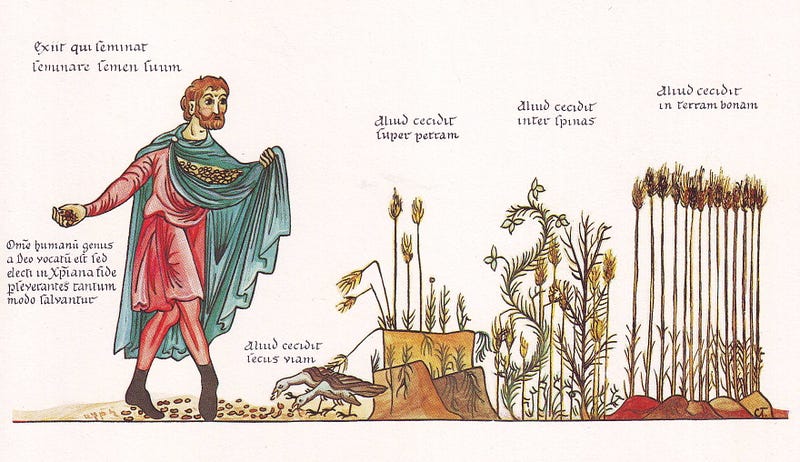
The parable of the sower showing birds eating the seed, the seed that fell on stony ground, the seed that was choked by thorns, and the seed that fell on good ground — Image Credit

Apparently, the authors of the synoptic Gospels used a system that encoded information using figurative numbers. In other words, numbers have shapes, and those shapes have meaning.

This is the third and final article dealing with the four possible parables that could be identified by the label: The Seed. The first article can be found here, and it deals with the parables The Growing Seed and The Weeds. The second article is here and focuses on the parable of The Mustard Seed.

These articles are all based on one in which a list of seven parables was presented. Each of those seven parables supposedly possesses a secret meaning which can be discerned through careful study. The Seed was the second parable from that list of seven.
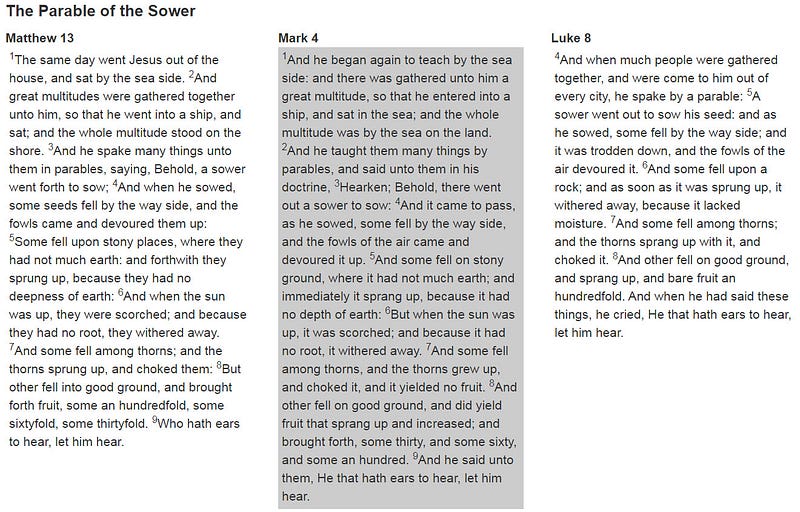
Here we see that this parable is in all three synoptic gospels. All three end with the exhortation for those with ears to hear. This is a clear indicator that this parable contains a hidden meaning of some sort.

All three versions are nearly the same. Mark and Matthew are really close, while Luke just couldn’t really be bothered, it seems.

The only real differences among the three versions are the quantities of the increase. Mark lists them from smallest to largest; thirty (30), sixty (60), and a hundred (100). Matthew goes from largest to smallest; a hundred (100), sixty (60), and thirty (30). Luke gives the largest quantity; a hundred (100).

So the only differences are the order of the quantities given though the quantities are the same. Okay, noted, but that isn’t a lot to go on.

As I mentioned in my previous piece, the Gospel of Thomas often provides clues to difficult to decrypt sections with its own synoptic parallels.

Saying 9: The Parable of the Sower¹

Jesus said, “Look, a sower went out, took a handful of seeds, and scattered them. Some fell on the roadside; the birds came and gathered them. Others fell on the rock; they didn’t take root in the soil and ears of grain didn’t rise toward heaven. Yet others fell on thorns; they choked the seeds and worms ate them. Finally, others fell on good soil; it produced fruit up toward heaven, some sixty times as much and some a hundred and twenty.”

Again, not much different from the synoptic versions, except for the quantities given. Thomas gives only two quantities, from smaller to larger, so matching Mark in that regard, except one of the quantities is completely different.

Thomas gives the quantities as sixty (60) and one hundred and twenty (120).

Let us assume that Thomas implies a third unstated quantity of thirty (30) at the beginning of the sequence, just as Luke implies the two unstated quantities of thirty (30) and sixty (60) while only explicitly mentioning the last quantity.

That gives us the Thomasine sequence of thirty (30), sixty (60), and one hundred and twenty (120).

This sequence is an obvious progression based on doubling the quantities. Thirty (30) doubled is sixty (60). Sixty (60) doubled is one hundred and twenty (120). That seems simple enough.

As I have mentioned in a previous article, the Gospel of Thomas often works by highlighting what the original text doesn’t say.

The progression from 30 to 60 and then ending in 120 is clear and logical. But what of the progression found in the synoptic versions of the parable that doubles 30 to get 60 and then adds 40 to get 100?

Before we can hope to understand this progression, we need to first reduce these numbers by their greatest common factor, which is 10. We then divide 30, 60, and 100 by 10, which leaves us with 3, 6, and 10. Let’s go ahead and assume that the sequence begins with a 1, representing the initial seed.
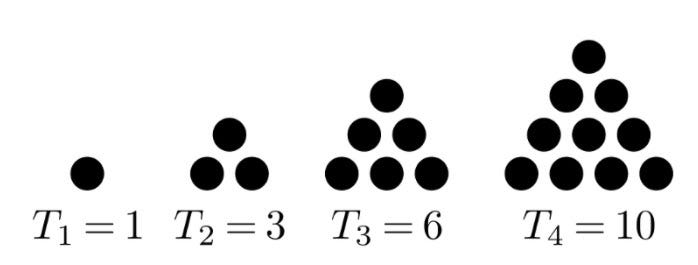
The reason that progression might seem unusual is that it is based on triangular numbers.
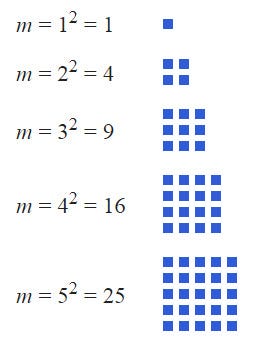
Thanks to Euclidean geometry, we are quite familiar with square numbers. But this familiarity has made us blind to triangular numbers. Every square number is actually the product of two consecutive triangular numbers.

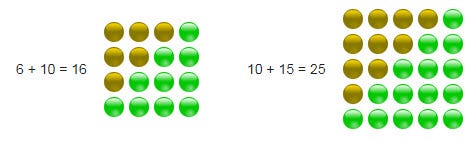
Returning to the parable in question, our new understanding of the quantities being used allows us to merge the various situations' descriptions with the corresponding quantities.

By the author

4 And it came to pass, as he sowed, some fell by the way side, and the fowls of the air came and devoured it up. (Mar 4:4 KJV)

Each seed is a single isolated sphere.

By the author

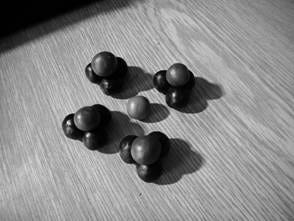
5 And some fell on stony ground, where it had not much earth; and immediately it sprang up, because it had no depth of earth: 6 But when the sun was up, it was scorched; and because it had no root, it withered away. (Mar 4:5–6 KJV)

1 + 3 = 4

Here we have a four-sphere structure representing the seed's limited growth potential after it fell on stony ground.

By the author
By the author
By the author

Here is my attempt to dramatize the destiny of the seed that fell among thorns and how its growth was restricted.

7 And some fell among thorns, and the thorns grew up, and choked it, and it yielded no fruit. (Mar 4:7 KJV)

The choked-seed structure is formed from 10 spheres.

1 + 3 + 6 = 10
By the author

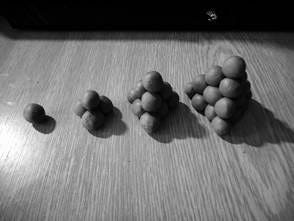
Until finally, a seed finds a good spot to land.
By the author

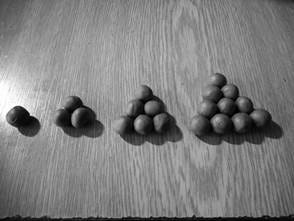
1 + 3 + 6 + 10 = 20

8 And other fell on good ground, and did yield fruit that sprang up and increased; and brought forth, some thirty, and some sixty, and some an hundred. (Mar 4:8 KJV)

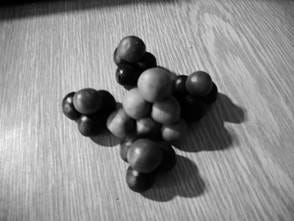
That pyramid-like shape is called a tetrahedron (Greek tetraedros, four-sided), and this photo is of the first four tetrahedral numbers: 1, 4, 10, and 20.

Apparently, the authors of the synoptic Gospels used a system that encoded information using figurative numbers. In other words, numbers have shapes, and those shapes have meaning.

This will become more important as we continue to work through the list of parables in the articles to come.

  1. https://www.gospels.net/thomas
Esoteric Christianity
Number Theory
Christianity
Sphere Packing
Parables Of Jesus
Recommended from ReadMedium