
Seven Types of Toxic Relationships
How to recognize if you are in a toxic relationship, understanding trauma bond, and how to break free
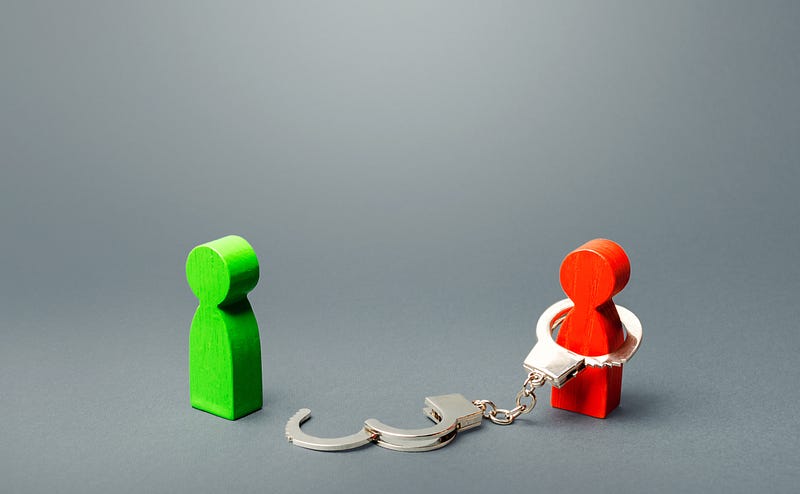
Being in a toxic relationship does not mean you are a bad or toxic person. Recognizing it simply means you are aware enough to see that as a couple you do not work well together, and you and your partner may very well bring out the worst in each other. In some cases, one partner causes the toxicity, such is the case with a narcissist. In some cases when both partners agree they are committed to making the relationship work they can seek professional help and resolve the problems, but in most cases, it is best to break-up and move on. In any case it is good to be educated even if you are single so that you can spot the red flags when and if they do occur.
Seven Types of Toxic Relationships
1. The Abuser: Abuse of any kind cannot and should not be tolerated. Physical abuse is straight forward. Do not allow anyone to lay a hand on you or harm you in any way. Verbal and emotional abuse is sometimes harder to spot, but it is equally as damaging to the soul. Withholding or controlling finances is also abusive. Sexual power should not be abused in any relationship either.
2. The Needy/Insecure: Someone who is always looking for compliments is someone who is lacking self-confidence. This person does not have a secure attachment. They likely have abandonment fears as well as fears of rejection. They have traits of jealousy and will be overly controlling, perhaps not at first, but it will most likely happen.
3. The Score Keeper: this person is overly competitive and may seem fun at first but will constantly be trying to one-up you. You will feel like you are never good enough.
4. The Gaslighter: Gaslighting is emotional manipulation that causes you to question your sanity. This person will have you questioning yourself even when you know you are correct.
5. The Liar and or Cheater: If you know your partner is lying to friends and family, he/she is most likely also lying to you. Cheating includes emotional, physical, and also financial which could be withholding or hiding money from you. This person is hard if not impossible to trust. Lying and cheating are character flaws and big red flags.
6. The Negative Nilly: Someone who is constantly seeing the worst-case scenario will drag you down and drain your energy. They will look for things to complain about and make you miserable.
7. The Narcissist: The narcissist will be very charming on the front end of the relationship; however, they are extremely manipulative and once they feel they have you roped in they become patronizing and demanding. They tend to speak poorly of past people they were in relationships with, refuse to take blame, need constant validation, and belittle others.
“The people in your life should be a source of reducing stress not causing more of it.” ~The Good Vibe.com
How to Recognize a Toxic Relationship
You will know you are in a toxic relationship if you continue to have the same argument with zero resolution. If your partner drains your energy, there is prolonged negativity, or he/she cuts you down. If you feel you are walking on eggshells constantly and cannot so anything right your relationship is probably toxic. If there is passive aggressive behavior or one person plays victim, you are likely in a toxic relationship.
Breaking Free From a Toxic Relationship
Often, after being in a toxic relationship, especially long term, we lose our sense of autonomy. It is best to take some time and prepare mentally before leaving the relationship, unless you are in imminent danger.
- Seek professional counseling or coaching
- Surround yourself with a group of positive supportive people
- Engage in new hobbies and learn to get to know yourself again
- Build your self-esteem
- Practice self-care
“Trauma bonding makes you physiologically ddicted to abuse. This explains why going no contact feels like you are coming off a drug.” ~ Melanie Tonia Evans
Trauma Bond
If you are in a relationship with a narcissist or someone who gaslights you, you may have a trauma bond. It can be very confusing and you may think you have the most passionate relationship of your life. Brianna Wiest perfectly describes a trauma bond relationship and all of its illusions in her well written article. A trauma bond is a brutal emotional attachment that is very difficult to break because it is intermittent cycles of reinforcement of validation and love followed by abuse. Leaving a trauma bonded relationship has been likened to someone stopping opioid drugs- it is that difficult.
The brain vascillates between pumping out oxytocin, our bonding hormone, and cortisol, our stress hormone. The instability of this chemical cocktail breeds a hurricane in your mind flooding you with confusion and frustration. Being in a trauma bonded relationship is extremely detrimental for your well-being. It is very important to seek professional help. It will be very important to work on connecting with your higher self and also building your emotional intelligence.
In addition to professional help here is what to do when you leave a trauma bonded relationship:
- Block the contact. Have zero contact. Block all phone and social media.
- Do not look at photos.
- Make a list of all the reasons your relationship was toxic and read it daily this will help reinforce the fact that you do not want to return to this person no matter how tempted you may be. Also, make a list of your partners negative character traits. This will also help reinforce why you do not want to return.
- Next, make a list of your positive character traits
- Say positive daily affirmations such as “I am strong enough to face my fears” “With each breath I become calmer, stronger, and more confident” and “I have the power to control my thoughts and emotions”
- Spend time alone before entering another relationship
“Healing is weird. Some days you’re okay and you’re doing fine. Other days it it still hurts like it is fresh. It’s a process with no definitive time frame. You just have to keep going and know that when it is all said and done, you’re going to be okay.” ~Unknown Author
I am Libby Shively McAvoy and I have survived both physical and emotional abuse. I deeply believe in using emotional intelligence to help my coaching clients overcome their self-limiting beliefs and achieve their desires. I appreciate you taking the time to read this. I hope if you are in an abusive relationship you will seek help immediately call the National Domestic Violence Hotline 1–800–787–3224. You are worthy of all you desire, please never let anyone dull the light of your soul.
Please subscribe to my email and stay in touch with me! I would also love for you to comment and interact. Your feedback means a lot to me.


