
Here’s Why Diets Should Not Cause Divorce and Burden Innocent Children
Negotiating opposing diets in parenting for the well-being of kids
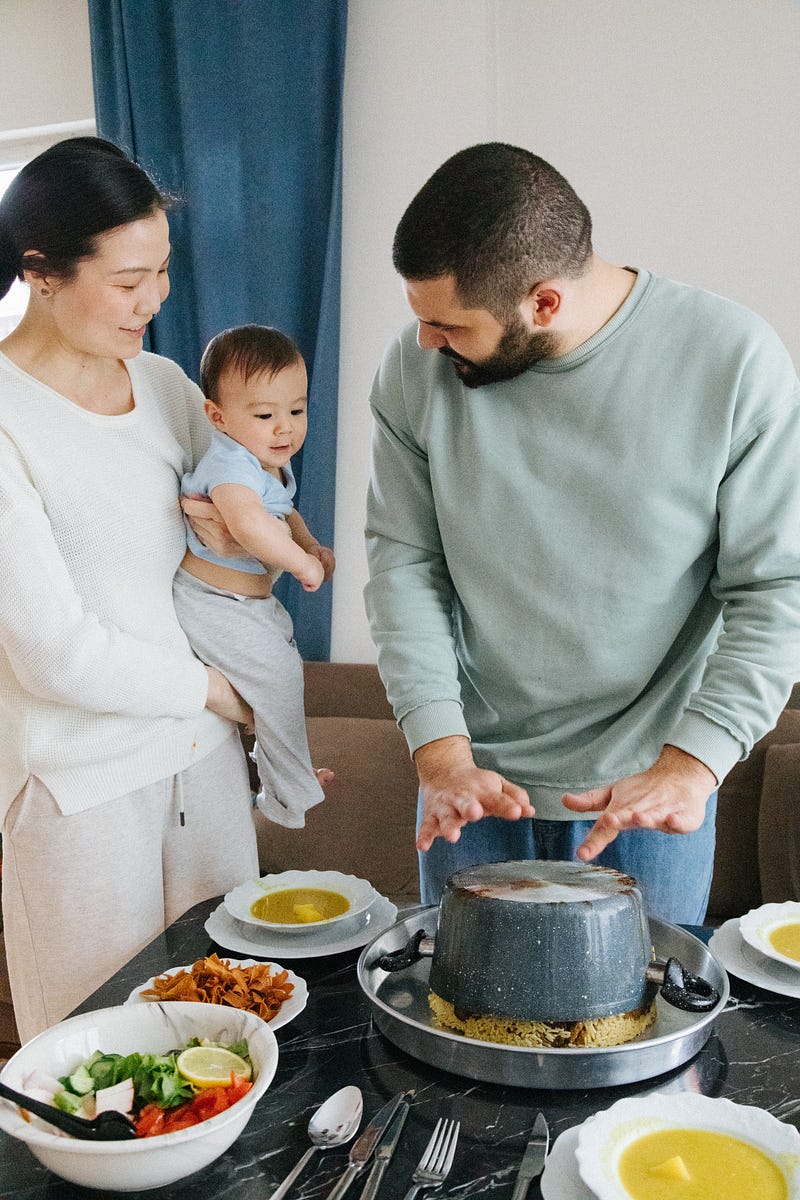
What If a Partner Threatens Another to Divorce Due to Feeding Kids With Their Opposing Dietary Choices
Yesterday a friend sent me a link to a dramatic story from a local paper prompting me to provide my logical perspective as the poignant story deeply affected him. Although I have not personally encountered such a situation in my life, I endeavored to empathize with the emotions experienced by each parent involved in the story.
It is a typical conflict in human relationships. Thus, after reading the story, I took a deep breath, and I did not judge instantly, as dramas do not yield sustainable solutions. I focussed my attention on understanding the perspective of each parent and interpreting the situation as an independent observer but also wearing my childhood and parenthood hats.
Conflicts have been inevitable as part of human nature since our existence on this planet. They arise from multiple factors like thoughts, emotions, moods, principles, neural wiring, genetics, diverse perspectives, and cultural experiences. Conflict management is an essential skill for parents.
Taking on the roles of both the father and the mother in my imagination, I attempted to understand their distinct viewpoints, approaching the scene as a concerned parent and an impartial observer. My visualization session gave me some insights I want to share transparently in this story.
The title of the story in the Daily Mail is “DEAR JANE: I’ve secretly been feeding my vegan toddler meat behind my wife’s back — but she found out and is now threatening to DIVORCE me”
You can read Jane’s response in that linked story. My thoughts resemble hers. Yet, I’d like to neutrally enhance Jane’s points to make this a valuable piece for parents by giving some thoughts to ponder.
As diet is a personal matter, I respect the choice of people. Everyone has the right to customize their diets based on their values and circumstances. However, I have a different perspective regarding how children are involved in this equation which is the critical point of my story.
While diet is the main focus of my story, it is worth noting that the principles explored here can also apply to other lifestyle choices in parenting, like sleep, exercise, and the importance of incorporating fun and enjoyment during childhood.
A Thoughtful Exploration of the Couple’s Conflict
When I placed myself in the father’s shoes in my visualization session, I could sense his distress regarding the possibility that his child might not receive the essential nutrients.
Growing literature informs that plants alone might not provide a complete nutritional profile, despite the resourcefulness of vegans who find creative ways to bridge the gaps through supplements and guidance from qualified healthcare professionals like dieticians and nutritionists who inform them.
As a former vegan in my younger years, I experienced nutritional deficiencies like missing Vitamin B12, which led me to an anemic situation. Low-fat, high-carb diets also caused nightmares for me. However, it was not the diet's fault but my lack of knowledge and inexperience with nutritional biochemistry in those years.
Likewise, when I considered the mother’s perspective as a former vegan who once grappled with consuming meat due to ethical concerns, I acknowledged her anguish. Her situation reminded me of a personal story close to my heart when I was thrown out of an Airbnb house. My transition from a plant-based to an animal-based diet was rocky, as I documented in a previous story.
Ethical and cultural considerations often shape our beliefs, which, in turn, influence our behaviors. Both parents have valid points, as their emotions and beliefs collide — a natural occurrence.
Yet, I firmly believe eating meat or plants shouldn’t be associated with ethics or spirituality. Humans evolved as omnivores, as evident in our biology and overwhelming anthropological studies. We cannot fight against nature and evolution.
Nevertheless, let us pause and contemplate for a moment what truly matters from the children’s standpoint. This was the question my omnivorous friend struggled with. His wife also advocates for raising their children as vegans, motivated by ethical, cultural, and environmental considerations.
While I was reluctant to offer advice, I wanted to present valuable perspectives for my friend to consider and start an open dialogue with his wife. I touched on both the biological and psychological aspects of the situation.
Biological Perspective
From a biological standpoint, I offered him to contemplate the nutritional biochemistry required for optimal development of children and discuss it with his partner logically when they are in a good mood.
As adults, we can tailor our diets to suit our needs, whether herbivorous, omnivorous, or carnivorous. This can be challenging for children, who necessitate specific nutrients in appropriate quantities and qualities to support their growth.
Notably, the brain, nervous system, and endocrine system demand certain nutrients like healthy fats, essential amino acids, and micronutrients like vitamins and minerals for maturation.
Psychological Perspective
On a psychological level, both parents maintain different lifestyles, necessitating understanding and negotiation based on agreed-upon criteria. I presumed that an agreement on the biological aspect might open potential channels to find ways to reach a consensus on psychological factors.
My friend acknowledged that parents must refrain from imposing their lifestyle choices on their children regarding dietary preferences. However, his parental and personal emotions clouded the clarity of his thoughts.
I helped him to understand that diet is a subjective matter. In reality, some people thrive on plant-based diets, while others find sustenance in animal products, and some strike a balance between the two. Highlighting this fact might help the couple to look at the issue more objectively.
A Prompt to My Friend to Add Clarity to His Thoughts
I encouraged my friend to reflect on his own childhood and consider the hypothetical scenario of one of his parents imposing dietary restrictions upon him. He smiled at my response and turned the question back to me.
Drawing upon my own experiences as an adult, I shared that if one of my parents had followed a vegan lifestyle while the other embraced a carnivorous diet, and they had enforced their dietary choices upon me, it would have left me feeling conflicted and uncomfortable.
In this hypothetical scenario, I recognized the emotional impact that such restrictions could have had on my development and well-being.
Fortunately, I did not personally encounter this particular dilemma during my formative years, as my parents embraced an omnivorous approach, providing us with a variety of plant-based and animal-derived foods, mainly in organic forms, in those days.
Their flexibility allowed us to make choices based on our own preferences and tolerances. However, I am aware that many children face this very dilemma. Therefore I have strong empathy and compassion for disadvantaged and vulnerable children.
I emphasized that the importance of this discussion must be discussed by recognizing the potential impact on children’s emotional and psychological health when dietary restrictions are imposed on them without consideration for their individual needs and preferences.
They need to approach this issue with empathy and understand the long-term implications it may have on children’s relationship with food, their body, and their overall sense of autonomy.
This approach is vital for the child’s nutritional needs to be met while facilitating biological, emotional, and psychological development.
My friend agreed to recognize and empathize with the experiences of children who grapple with dietary dilemmas imposed by their parents. He took a deep breath and started thinking logically.
The Balance for Better Results
He rephrased my points, saying it should be the children’s prerogative to decide their dietary preferences as they mature, ensuring they have the freedom to align their choices with their own nature and lifestyle.
I reemphasized my point that imposing restrictions on children, whether about plant-based or animal-based food groups, will not be helpful.
He read my mind by saying that human nature has shown that banning something will most likely enhance its allure, even transforming it into a profound desire.
In essence, this conflict between the parents highlights the significance of nurturing the children’s well-being while acknowledging and respecting the diverse perspectives and needs of both individuals involved in this situation.
I believe that by engaging in open and compassionate dialogue, guided by professionals well-versed in the biological, psychological, and emotional aspects of child development, these parents can find a harmonious resolution that ensures their child’s health, happiness, and autonomy.
Thoughts to Ponder for Parents
In this section, I summarize the key points of my conversation with my friend to give him a helpful perspective. He said there is much work to be done to improve his inner dialogue and communication with his wife.
I told him about the situation's complexity and encouraged him to delve into his subconscious mind before starting the dialogue with his partner.
The complexity of this story can trigger emotional reactions influenced by our individual belief systems. It is natural for some to instinctively side with the father, while others align with the mother.
However, allowing ourselves to be swayed by such judgments might hinder our growth and impede our ability to find sustainable and amicable solutions.
To navigate this situation effectively, we must shift our focus and consider the perspective of the most important stakeholders — the children involved.
By placing ourselves in the children’s shoes, we can gain valuable insights that transcend personal biases. Their well-being should be our paramount concern, guiding us toward a resolution prioritizing their optimal development and happiness.
We must rise above our initial reactions (ego) and approach this issue, willing to understand, empathize, and collaborate (higher self).
Rather than engaging in divisive debates, we should strive for a compassionate and inclusive dialogue that nurtures mutual respect and understanding.
By striving for common ground and embracing shared goals, we can find ways to reconcile the differing viewpoints and values the parents hold.
This approach can open up possibilities for sustainable solutions that address the children’s nutritional needs and the ethical or cultural considerations of their upbringing.
Recognizing the inherent complexities of this situation, it is essential to obtain guidance from professionals who possess expertise in the relevant fields.
For example, dieticians, nutritionists, child psychologists, and family counselors can provide invaluable insights and tools to support parents in making informed decisions that holistically address the children’s survival, development, and well-being.
By embracing the children's perspective, parents can collectively work towards a resolution that respects the diverse beliefs and values of the partners while ensuring the children’s growth, health, and emotional fulfillment.
The story of this couple’s conflict gives us an opportunity to reflect on the importance of approaching such situations holistically and unselfishly, with the well-being of all parties involved at the forefront.
By shifting our focus from a win-lose mentality to a win-win perspective, we can explore mechanisms and find strategies to solve these types of complex problems.
The bottom line is that conflicts arising from lifestyle, ethical, and cultural differences are inevitable and common in human relationships.
Thus, instead of passing judgment, we must understand the perspectives of stakeholders, acknowledging the emotions, beliefs, and values that underpin their choices.
By welcoming a holistic perspective that considers the well-being of all parties involved, we can transform seemingly insurmountable conflicts into opportunities for growth and positive change with logic, intuition, empathy, and compassion.
This holistic approach might lay the foundation for open and respectful communication, paving the way for finding common ground and solving problems more efficiently and sustainably.
The Real Meaning of This Story
Beyond the immediate impact on this particular family, this story holds broader implications for society as a whole. It highlights the importance of embracing diversity and respecting personal choices.
To transform such situations into a win-win outcome, it is essential to prioritize children’s welfare above all else.
Engaging the expertise of relevant professionals can provide valuable insights and guidance in addressing the biological and psychological aspects of the child’s development.
By embracing a comprehensive understanding of the nutritional requirements for optimal growth and the importance of psychological well-being, parents can make informed decisions that meet children’s needs while respecting their individuality.
In seeking a resolution, it will be valuable to adopt a collaborative mindset, where both parents actively participate in the decision-making process.
By establishing agreed-upon criteria and engaging in thoughtful negotiations, they can arrive at compromises that honor their differing perspectives while ensuring children’s health and happiness.
By facilitating an environment of tolerance and acceptance, we may create space for people to express their beliefs and make decisions that align with their values. This inclusive mindset can promote a harmonious coexistence where differing lifestyles and choices can thrive side by side.
Ultimately, the transformative power exists within our willingness to approach conflicts with empathy, understanding, and a shared commitment to finding win-win solutions.
Rather than succumbing to immediate judgments or engaging in divisive debates, we need to embrace a compassionate and inclusive dialogue.
Through open communication and a willingness to listen, empathize, and find common ground, we can bridge the gap between different perspectives and values.
Such a holistic and collaborative approach can empower us to explore sustainable solutions that uphold the children’s best interests while respecting the beliefs and choices of all involved.
In the spirit of unity, I encourage my readers to rise above initial reactions and work together towards a resolution that transcends personal biases.
By enabling an environment of understanding, empathy, and respect, we can create a foundation for long-term harmony and growth in our relationships.
Through our collective efforts, we can transform such complex situations into shining examples of how prioritizing our children’s welfare can lead to a future filled with collaboration, respect, and mutual understanding.
Takeaways
My goal in writing this piece is to highlight an important lesson: regardless of our own lifestyle choices, it is crucial to support our children in their journey of exploration and decision-making by providing them with diverse options.
We must recognize that children are unique with their own preferences, needs, and paths to self-discovery. By offering them choices and allowing them to explore different dietary options, we may empower them to make decisions that align with their own values and sense of well-being.
Nurturing an environment of inclusivity and open-mindedness can boost their autonomy, self-expression, and personal growth. It can encourage them to develop a deeper understanding of their own bodies, preferences, and the world around them.
By honoring the individuality of our children and granting them the freedom to navigate their own dietary paths, we equip them with valuable skills and confidence to make informed choices throughout their lives.
Our role as parents, caregivers, and teachers is to provide guidance, support, and education while respecting their emerging autonomy.
By embracing such a holistic and supportive approach, we enable our children to build a healthy relationship with food, cultivate a sense of empowerment, and develop the ability to make choices that align with their own values and needs.
In essence, when we provide our children with a range of diverse options and breed an environment that encourages exploration and decision-making, we empower them to embrace their individuality and carve out their own unique paths.
Our children, being the most precious assets in our lives, deserve our uncompromising love and support as they steer their journey of self-discovery.
Let us cherish the inherent power of parenthood and utilize it to nurture their growth, guiding them toward a future filled with possibilities and the freedom to flourish.
Thank you for reading my perspectives. I wish you a healthy and happy life.
As a new reader, please check my holistic health and well-being stories reflecting my reviews, observations, and decades of experiments optimizing my hormones and neurotransmitters.
Petechiae, ALS, Metabolic Syndrome, Type II Diabetes, Fatty Liver Disease, Heart Disease, Strokes, Obesity, Liver Cancer, Colorectal Cancer, Autoimmune Disorders, Homocysteine, Lungs Health, Pancreas Health, Kidneys Health, NCDs, Infectious Diseases, Brain Health, Dementia, Depression, Brain Atrophy, Neonatal Disorders, Skin Health, Dental Health, Bone Health, Leaky Gut, Leaky Brain, Brain Fog, Chronic Inflammation, Insulin Resistance, Elevated Cortisol, Leptin Resistance, Anabolic Resistance, Cholesterol, High Triglycerides, Metabolic Disorders, Gastrointestinal Disorders, Thyroid Disorders, Anemia, Dysautonomia, cardiac output, Neuromuscular Dysfunctions, and urinary track disorders.
I also wrote about valuable nutrients. Here are the links for easy access:
Lutein/Zeaxanthin, Phosphatidylserine, Boron, Urolithin, taurine, citrulline malate, biotin, lithium orotate, alpha-lipoic acid, n-acetyl-cysteine, acetyl-l-carnitine, CoQ10, PQQ, NADH, TMG, creatine, choline, digestive enzymes, magnesium, zinc, hydrolyzed collagen, nootropics, pure nicotine, activated charcoal, Vitamin B12, Vitamin B1, Vitamin D, Vitamin K2, Omega-3 Fatty Acids, N-Acetyl L-Tyrosine, Cod Liver Oil, and other nutrients.
More stories like these are on EUPHORIA.
Disclaimer: My posts do not include professional or health advice. I only document my reviews, observations, experience, and perspectives to provide information and create awareness.
I publish my lifestyle, health, and well-being stories on EUPHORIA. My focus is on cellular, mitochondrial, metabolic, and mental health. Here is my collection of Insightful Life Lessons from Personal Stories.
You are welcome to join my publications on Medium as a writer by sending a request via this link. 21K writers contribute to my publications. You may join Medium with my referral link to enjoy unlimited content.


