
Narcissistic Abuse: Why You Feel Numb Inside Afterwards
And the truth is, no one will ever love you like the narcissist will.

If you’re reading this, and the title has resonated with you because perhaps you feel dead inside right now. I am truly sorry you are feeling this way.
It will pass.
It does get better.
The pain does subside.
But not for a while… and with time, support and even therapy you will heal.
So before I instill in you determination that there is hope, right now in this moment I want you to know that I get it.
I know what it feels like, and geez some days are worse than others.
It’s like this empty void that can’t be filled. You may not feel anything. No emotions whatsoever.
You may feel so empty, that you may be wondering whether it will ever get better or if you will ever feel happiness again.
Then other times, the emptiness is filled with sadness and anger. Because what did you ever do to deserve to be treated like crap by a narcissist.
Nothing.
You did nothing to deserve it.
The Relationship You Felt With The Narcissist
After working with men and women who have been affected by a narcissist, there is often this one question that is continually raised.
Was the relationship with the narcissist even real?
After your relationship with the narcissist ends, you may ask yourself the question — if any part of this relationship was real or not?
If you have ever wondered if any part of your relationship was real, just keep in mind you are probably one of thousands who have asked the same question.
What Part of The Relationship Was Real
Let’s make an assumption here (gosh I hate assumptions!), let’s assume that the narcissist did use you. Let’s believe if just for a moment that the narcissist didn’t love you at all, and in fact all they were doing was using you. Maybe for your money, or your status, maybe you were fantastic in the bedroom, or they just thrived off the attention and validation that made them look great.
If you thought the narcissist used you, what do you feel they used you for?
So in keeping with the ‘using’ theory, perhaps the narcissist felt no feelings for you whatsoever. Nothing. Nada. Just used you for the sake of it.
So then we ask ourselves, if the narcissist didn’t truly love me and just used me, then what part of the relationship was real?
⬇️Here are some things that were real in your relationship⬇️
- The love you felt in the relationship
- Your feelings for them
- The effort that you put into the relationship
- Any children, pets or family that you gained in the relationship
- You compromising
- Your empathy and compassion for your person
- The intimacy and connection that you experienced
Do you see the pattern yet? These are to do with YOU, not hem.
Whilst the relationship with them may not feel real now to you, because of the lies and betrayal, all those experiences that you had in the relationship were.
Just as they would have been if you experienced them with someone else. The only difference is that in this case your relationship was with a narcissist, and it has ended leaving you with a traumatic experience.
The Relationship Leaves you Feeling Hollow
It’s true. After the ending of a relationship with someone who has narcissism, you are bound to feel emotionally hollow. It’s like someone has scooped up your insides, and you’re left with this gaping hole that you can’t possibly fill with friendships or fun activities.
And please, don’t tell me that you fill that void with alcohol and drugs.. there are other ways to feel better.
Not the point though. You are often left still holding onto the question of ‘why didn’t I see their behaviour earlier?” coupled with “I just want to get closure.”
The truth is that you were not meant to see the behaviour earlier, and you most likely won’t get the closure you are looking for.
And don’t expect an apology!
They Thrive on Manipulation
I’m telling you now, don’t even bother trying to get closure. It’s not worth the headache or the paper that it is written on.
You already know that the narcissist was highly skilled at manipulating you, and probably those around you. The truth is that if they didn’t care about your emotional well-being then, then they likely don’t care about it now. Searching for answers of what went wrong or how they could be so evil and continue to hurt and exploit others will never be answered.
If you are going to try and get closure, ask yourself why you need it so badly? Are you just trying to get answers? Is it because you want to confront them? Are you trying to get them back in your life?
You don’t need closure. You need to move on.
Sociopath vs Psychopath
For those who don’t know the difference between a sociopath and a psychopath here are some key points:
Sociopath often engages in antisocial behavior as a result of social or environmental factors, such as upbringing, trauma, or learned behavior. They may have shallow or inconsistent emotions and may be more prone to outbursts or impulsivity.
Sociopaths may have difficulty forming and maintaining genuine relationships but can sometimes exhibit superficial charm or manipulation to achieve their goals.
— — — — — — — — — — — — — — — — —
Psychopath is associated with a more innate, biological predisposition towards antisocial behavior, often linked to genetic factors or abnormalities in brain structure or function. They are more controlled and calculated demeanor, with a lack of emotional depth or empathy that is consistent across situations.
Psychopaths are skilled manipulators who can mimic emotions and social cues convincingly, enabling them to blend into society while exploiting others for personal gain.
So Back to Feeling Dead Inside
Depending on how long you were with the narcissist, over time the constant invalidation, emotional manipulation and criticism will cut into your self esteem. You will find yourself doubting and questioning yourself and your perceptions.
So when the relationship ends, you are still left and even more so questioning yourself. Even to the point of questioning your relationship choices. This can leave you feeling completely disconnected from your feelings.
Over time, with the narcissist, you will lose touch with your sense of self identity, thoughts and feelings as you have for so long been navigating a toxic environment created by the narcissist.
Eventually you will feel lifeless and numb inside.
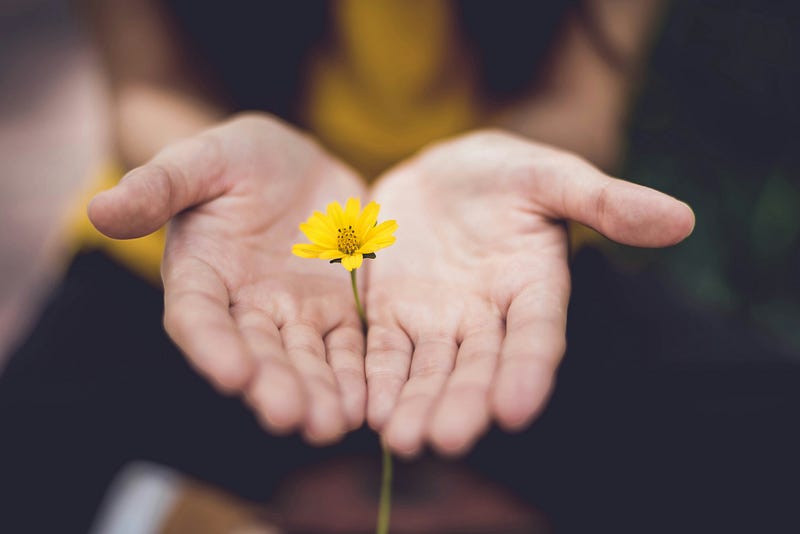
Finding Hope After Narcissistic Abuse
So here comes the hope spiel.
I know I say it a lot, but after working with hundreds of men and women I can assure you that there is hope after narcissistic abuse.
Here are some things that you can look forward to:
➡️ Meeting new people and developing healthier relationships. You WILL know a narcissist when you see them now.
➡️Feeling happier inside through rediscovering yourself. It may be a slow process, but you will begin to find things that bring you joy.
➡️ Reconnecting with old friends who you shut out due to having the narcissist around.
➡️ Loving yourself again. Maybe you didn’t love the person you became with the narcissist, now is the time to rediscover loving yourself again.
➡️ Better choices and decisions. No longer will the decisions of the narcissist hang over you, you can now make better choices and decisions without them.
Do you have a question to ask about narcissists? Please submit your question to [email protected] I am looking for questions to answer in my next blog!
Lastly, here are some things that I encourage you to do after leaving:
✅ Get yourself a support network, this could even be a support group
✅ Have at least 1-2 counselling sessions to talk about in depth what happened for you, so you can get some validation. It’s also a great idea to dump hat happened onto someone you don’t know. You can do this with me, a licensed counsellor or with another mental health professional.
✅ Get yourself a good mental health routine. Maybe waking up doing some yoga, meditation or listening to music. A nice walk, some exercise, healthier eating. I will try and post a 30 day mental health challenge for you guys soon!
✅ Journal your feelings however you see fit.
✅ Reconnect with loved ones who you were forced to push away because of the narcissist.
I hope you have enjoyed this article, and please give it some claps and follow me for more. I am a narcissistic abuse recovery counsellor and coach based in Sydney, Australia. I have a passion for helping people move forward and find hope after being with a narcissist.
Recovering from the emotional devastation time and patience. It involves rediscovering and reclaiming your sense of self, rebuilding your self-esteem, and establishing healthy boundaries to protect yourself from future harm.
Through therapy, self-reflection, and surrounding yourself with supportive relationships, you can begin to heal from the trauma of narcissistic abuse and rediscover the joy that hung over from the narcissists’ darkness.
Hi, I’m Annette. Single parent of two beautiful children. My journey as a single mum has had its’ ups and downs, meeting many narcissists along the way over the last 11 years. My mission to make a positive impact in the lives of others who have experienced narcissistic abuse, trauma and domestic violence. You can donate here by purchasing me a virtual coffee, 2 or more. Your support, whether big or small, becomes a lifeline, offering comfort during these tough times.
Your contribution not only helps with immediate financial burdens but also ensures Annette can continue her heartfelt work, providing assistance and understanding to those affected by narcissistic abuse. Consider a $5 donation as a gesture of compassion, joining in solidarity with Annette’s heartfelt mission to make a difference in the lives of those she touches.


