Ecological Practice Design: The Affordances of Mirror and Lifeway
A tiny action for learning Lifesystem-based Innovation
On May 17, 2022, I edited a book (draft) titled Ecological Practice Design: The Lifesystem Approach to Everyday Life Innovation.
I started developing the Ecological Practice Approach in 2019 and the Lifesystem framework was born in Oct 2020. In the past four years, I wrote several books (in drafts) about the approach:
- Curativity: The Ecological Approach to General Curation Practice (2019)
- After Affordance: The Ecological Approach to Human Action (2020)
- Platform for Development: The Ecology of Adult Development in the 21st Century (2021)
Some readers may know that Creative Design is one of my career themes. My early career was designing newspaper ads and corporate identity. Later, I moved to digital interaction design. Now, I am working on activity analysis and service design.
Though the Ecological Practice Approach and the Lifesystem framework were not developed for discussing Design, they could apply to the field of Design, especially everyday life innovation.
This article aims to encourage you to take a tiny action for learning Lifesystem-based Innovation.
The Perspective of Affordance
The Ecological Practice Approach is inspired by Ecological Psychology. One of the significant ideas of Ecological Psychology is the notion of Affordances which is an important theoretical concept for understanding human—material engagement.
What’s Affordance? Let’s have a look at the original definition made by James J. Gibson:
The affordances of the environment are what it offers the animal, what it provides or furnishes, either for good or ill. The verb to afford is found in the dictionary, but the noun affordance is not. I have made it up. I mean by it something that refers to both the environment and the animal in a way that no existing term does. It implies the complementarity of the animal and the environment. (p.119)
Though the core of Gibson’s theory is visual perception, we can see the whole “Perception-Affordance-Action” loop as a theory of action and apply it to new fields. Perceiving affordances is for taking actions, taking actions has an impact on the environment and changes the affordances of the environment. I draw the diagram below to visualize this loop.
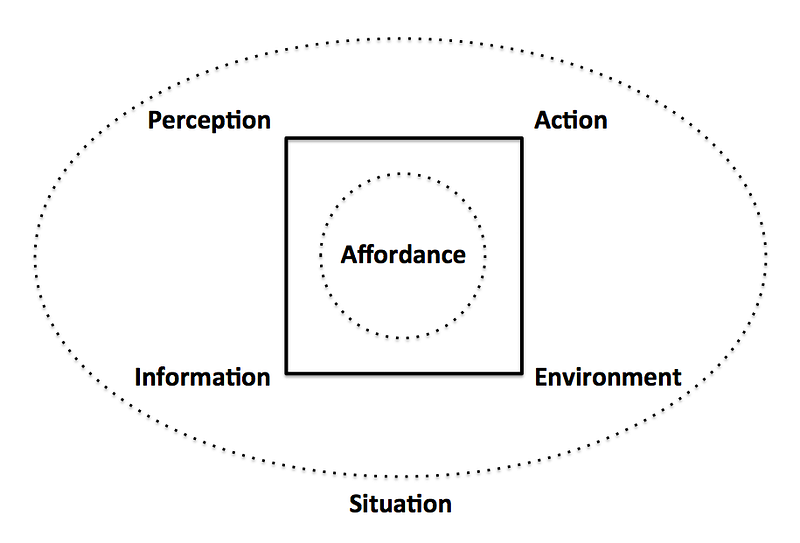
If we adopt Gibson’s version of Affordance, then we can pay attention to the Immediate Experience of human—material engagement. For the Lifesystem framework, we can use the perspective of Affordance to guide our observation of real-life research.
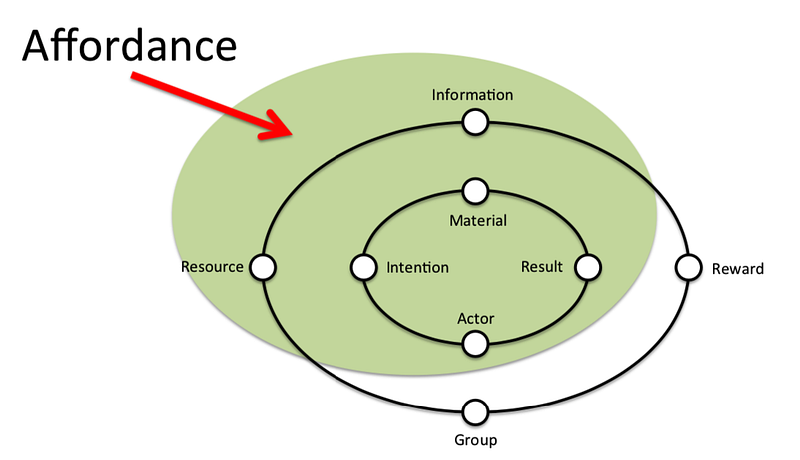
The above diagram shows the perspective of Affordance for Lifesystem study. The perspective focuses on an Actor, not the Group which is defined as the social context of the Actor. It doesn’t consider Reward because Immediate Experience is about a particular moment while Reward is about an outcome of a long-term activity.
We can start with the following simple question:
How does a person use a material thing and act with a particular environment?
I use “material thing” because I want to remove cultural meaning from the thing. This is the essential point of Affordance theory because it is about the Perceive-Affordances-Action loop.
Anthropologist Tim Ingold (1993) argued a distinction between tools and artifacts: “A tool, in the most general sense, is an object that extends the capacity of an agent to operate within a given environment; an artefact is an object shaped to some pre-existent conception of form” (p.433) Ingold’s view focused on “non-designed” or “designed”.
Ecological psychologist Harry Heft (2001) suggested that it’s better to use “Found Tools” to refer to “non-designed” tools. He gave many examples, “…found tools, are identified and selected because of the suitability of their affordance properties in support of some action. Long grasses or stripped branches employed as probes in feeding at insect nests; broad, rigid leaves used to shovel insects into the mouth; stones used as hammers for cracking hard shells of nuts are examples. ” (p.341)
Another distinction is “Immediate use” and “Conventional use” as suggested by Heft, “…in addition to learning about how to use an object, the individual learns the meaning of the object itself within the practices of the culture. To the extent that this possibility has merit, it is an important step in understanding how objects take on conventional or culturally prescribed meaning beyond their immediate use functions.”(p.345)
“Immediate use” can be “designed use” or “found use”. I think the most important idea behind “immediate use” is resourcefulness or everyday creativity while Heft used the distinction to highlight the aspect of social learning. A designer can get an insight from his own creative “immediate use” or observe others’ creative “immediate use” and turn the insight into a “designed use” which could be turned into a “conventional use” by the distribution of a newly designed artifact.
For example, the following photos are about a carpool hangtag.
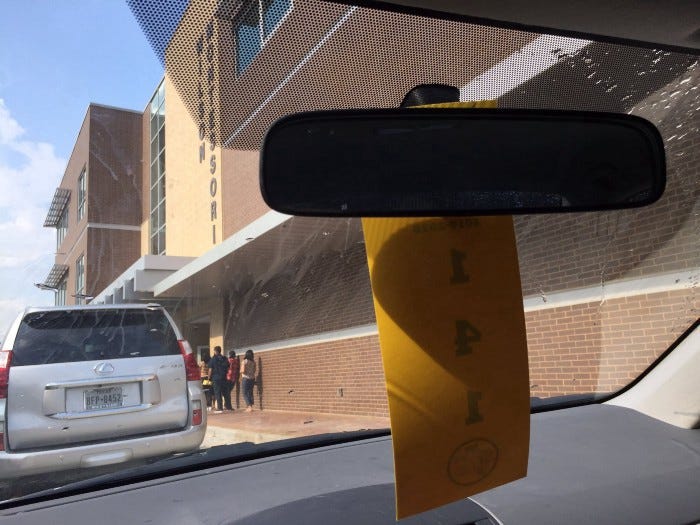
From the perspective of affordance, the part of the mirror (not the mirror) affords hanging something.
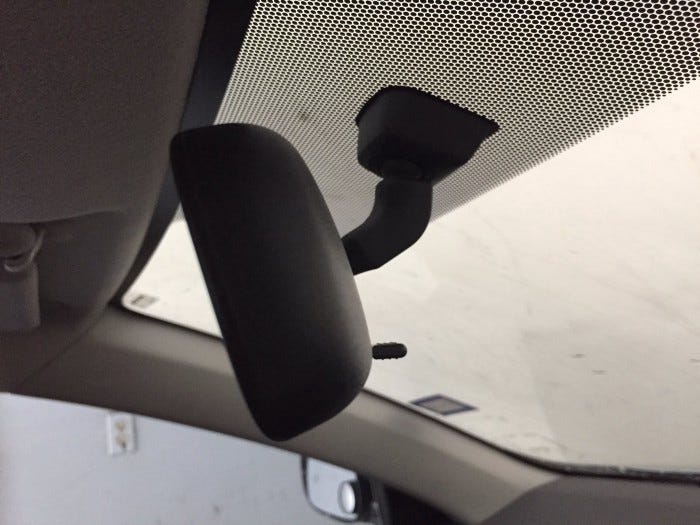
I don’t know the first person who found this “found use” and made a carpool hangtag.
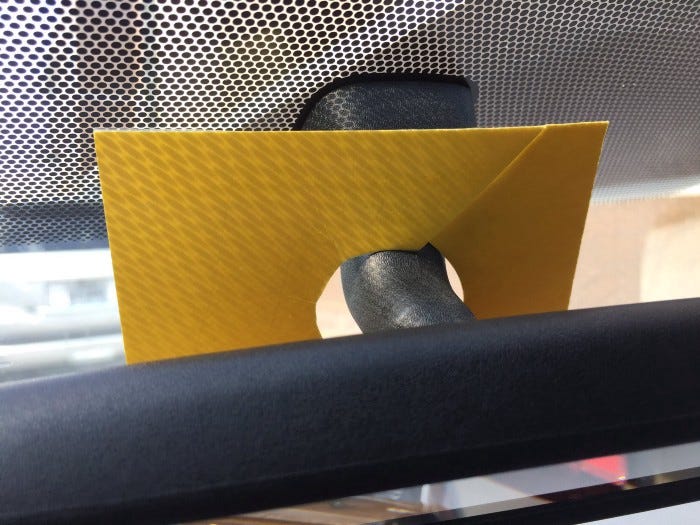
Now it is a “conventional use” by many of us. For some people, it is a meaningful business.
A simple way to adopt the perspective of Affordance is by taking pictures in a real-life world and writing notes. I roughly call this approach Ecological Interaction Analysis. You can find an example of Ecological Interaction Analysis here.
The Concept of Lifeway
The Lifesystem framework is designed with two ideas: the pair of concepts of “Lifeway — Lifeform” and Life Coordinate.
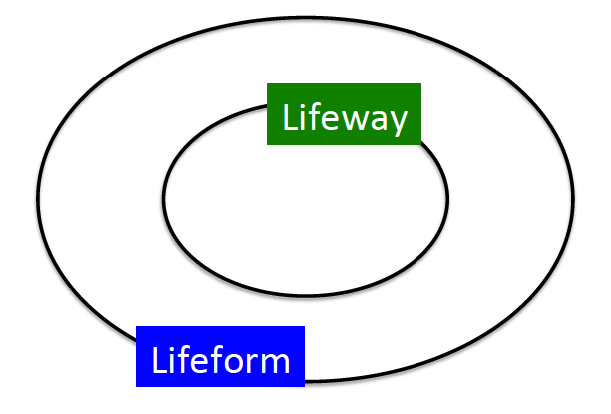
The term “Lifeway” is inspired by the ecological psychologist James. J. Gibson’s writing: “The natural environment offers many ways of life, and different animals have different ways of life.” I use the term “Lifeway” to refer to the “human—material” engagement which is related to physical environment and affordance.
The term “Lifeform” is inspired by the philosopher Ludwig Wittgenstein’s writing: “It is easy to imagine a language consisting only of orders and reports in battle…And to imagine a language means to imagine a form of life…Here the term ‘language game’ is meant to bring into prominence the fact that the speaking of language is the part of an activity, or a form of life.” I use the term “Lifeform” to refer to the “human-human” engagement which is related to social environment and supportance.
This article focuses on the concept of Lifeway and the human — material engagement. You can find more details about the Lifesystem framework in Lifesystem: Theory-based Reflection.
Perceiving Similarities and Differences
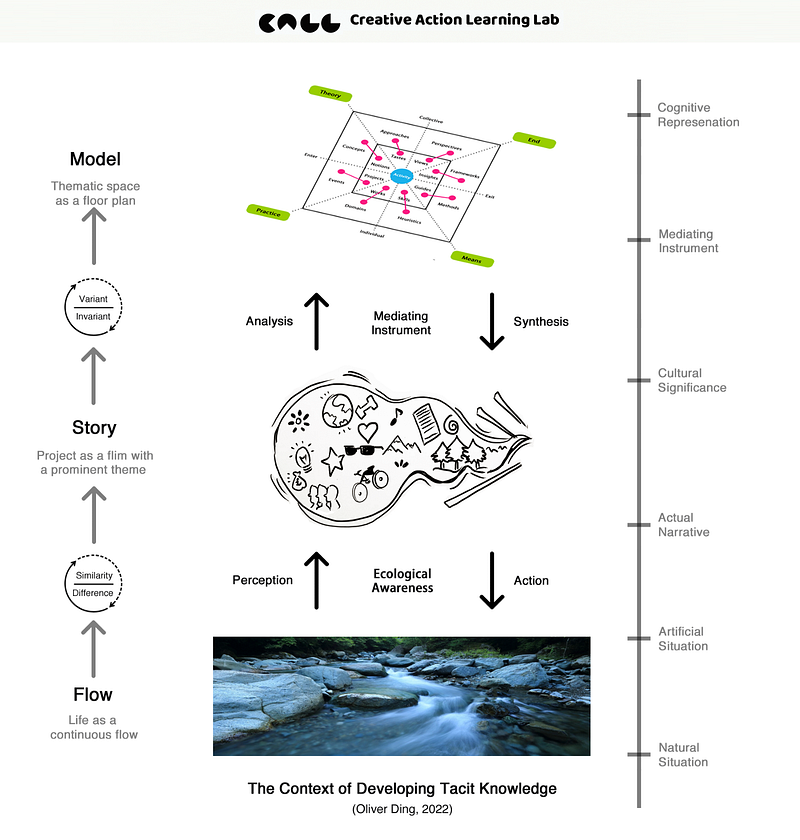
There are two ways to learn the concept of Affordances, one is by reading articles and books about it and understanding its conceptual meaning, and the other one is by perceiving things in your real-life world and understanding its ecological meaning.
This article aims to encourage you to take the second way of learning by perceiving similarities and differences.
I also use the diagram below to discuss the context of developing tacit knowledge. I use “Ecological Awareness” to describe the “Perception-Action” loop.
Many friends ask me to develop a course about Lifesystem-based innovation. You can consider this article as a tiny sample of the possible course.
I will use Mirror as an object for this tiny exercise.
The “Person — Mirror” Engagement
In Lifesystem: Modeling Ice Skating and Other Social Practices, I used Ice Skating to introduce the Lifesystem framework.
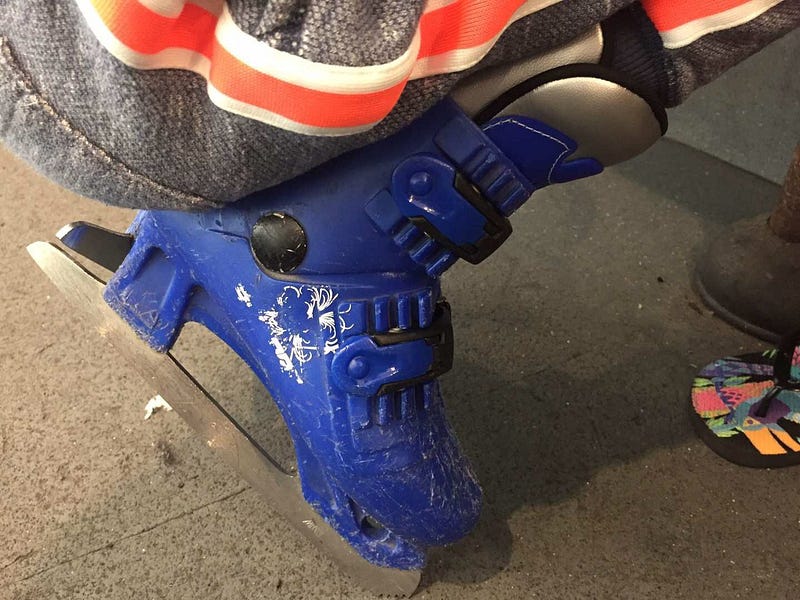
Since Lifeway is defined as “human—material” engagement, we need to distinguish Primary Materials from Secondary Materials. For example, the primary materials are Ice Skates and the Surface because they define Lifeway. However, we should notice that there are other materials such as helmets, knee pads, gloves, etc. We can consider these things as secondary materials because Lifeway is not defined by them. In other words, secondary materials are optional, not essential.
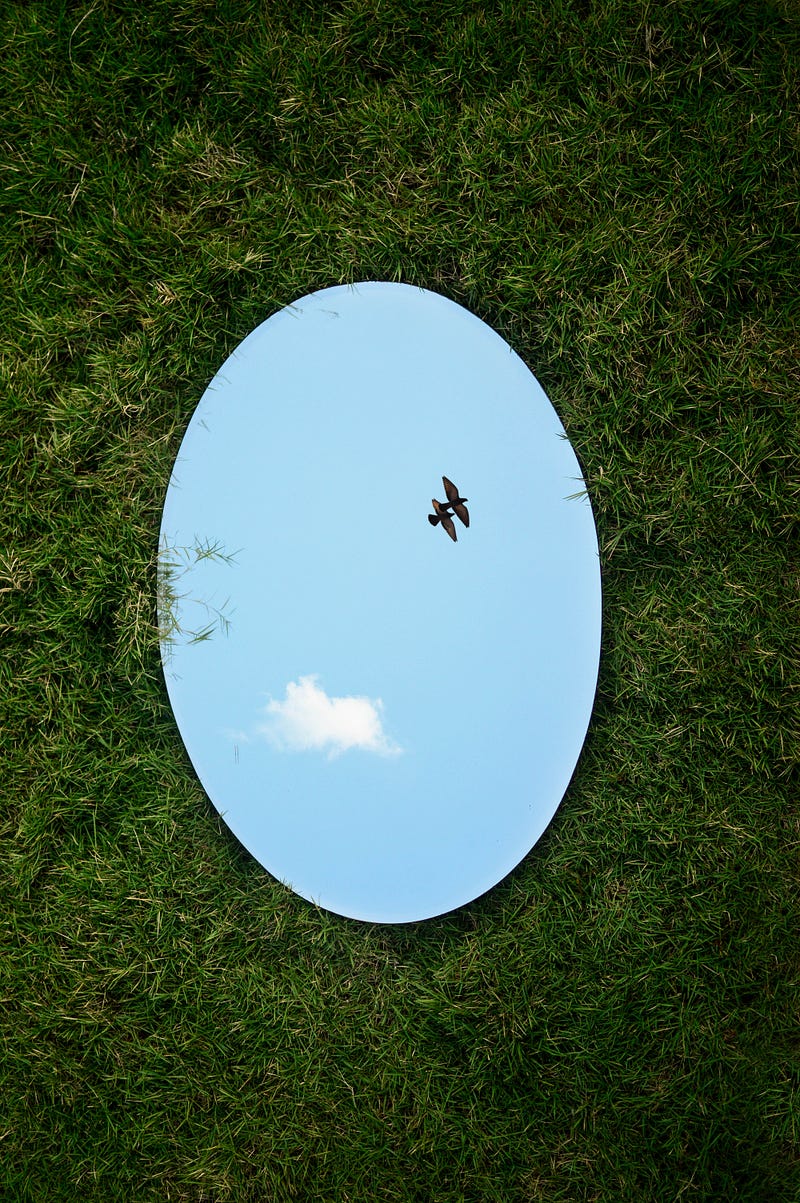
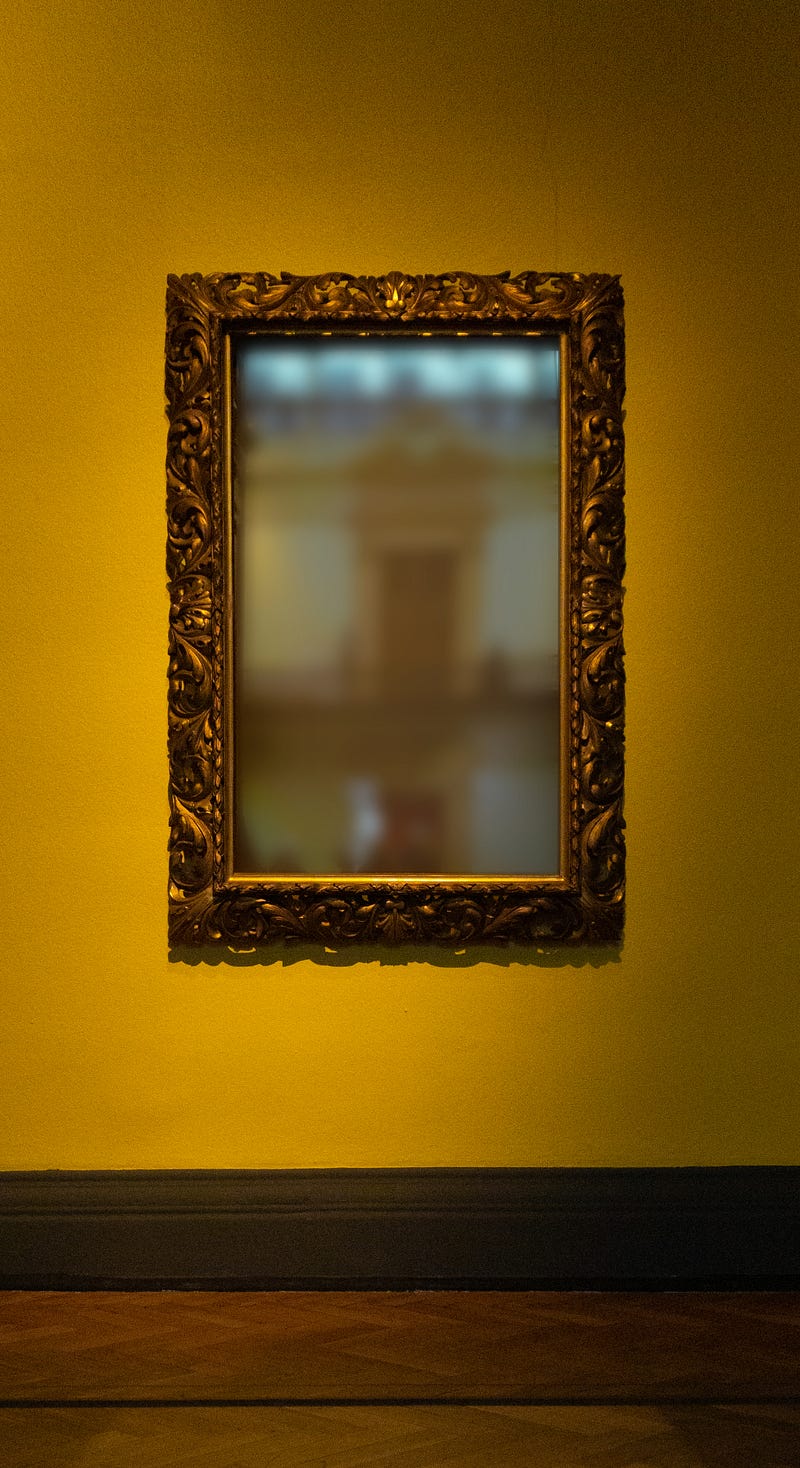
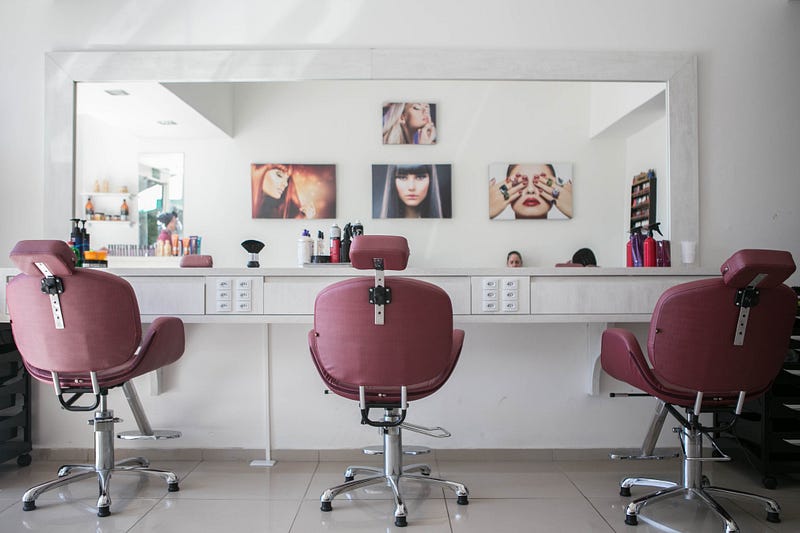
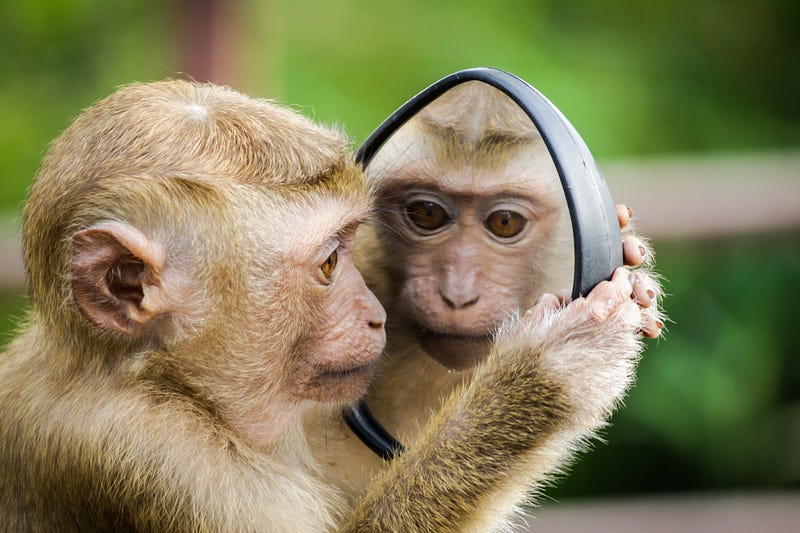
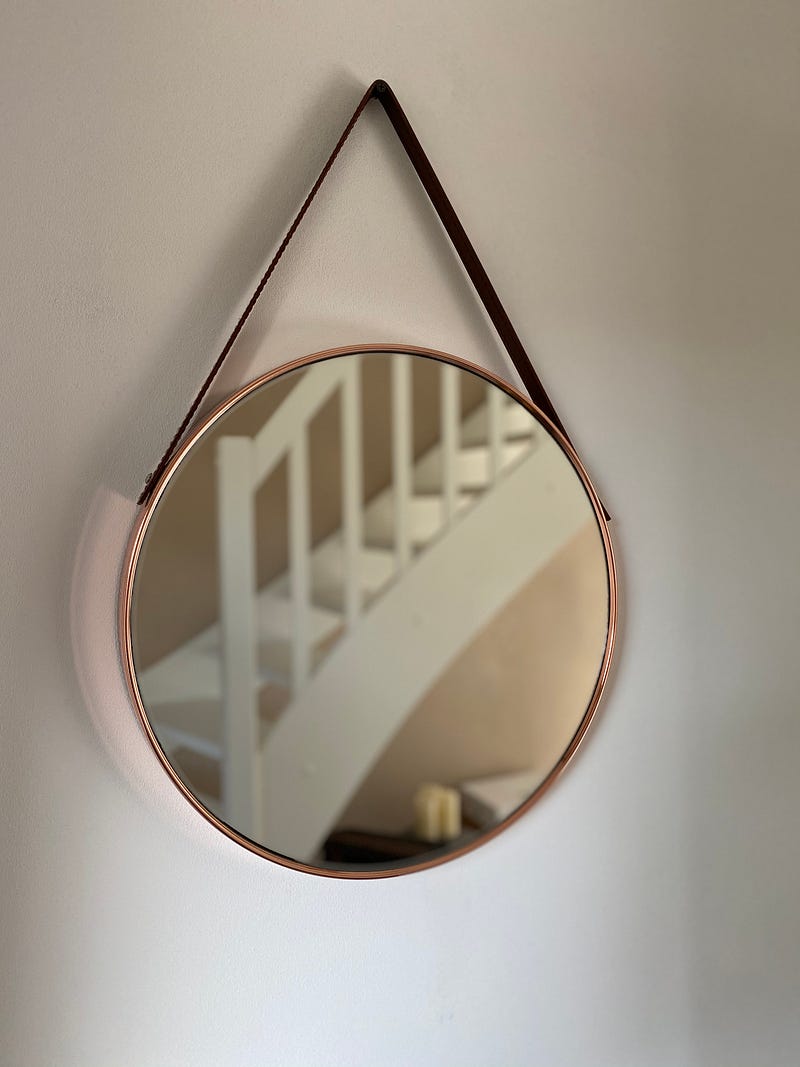
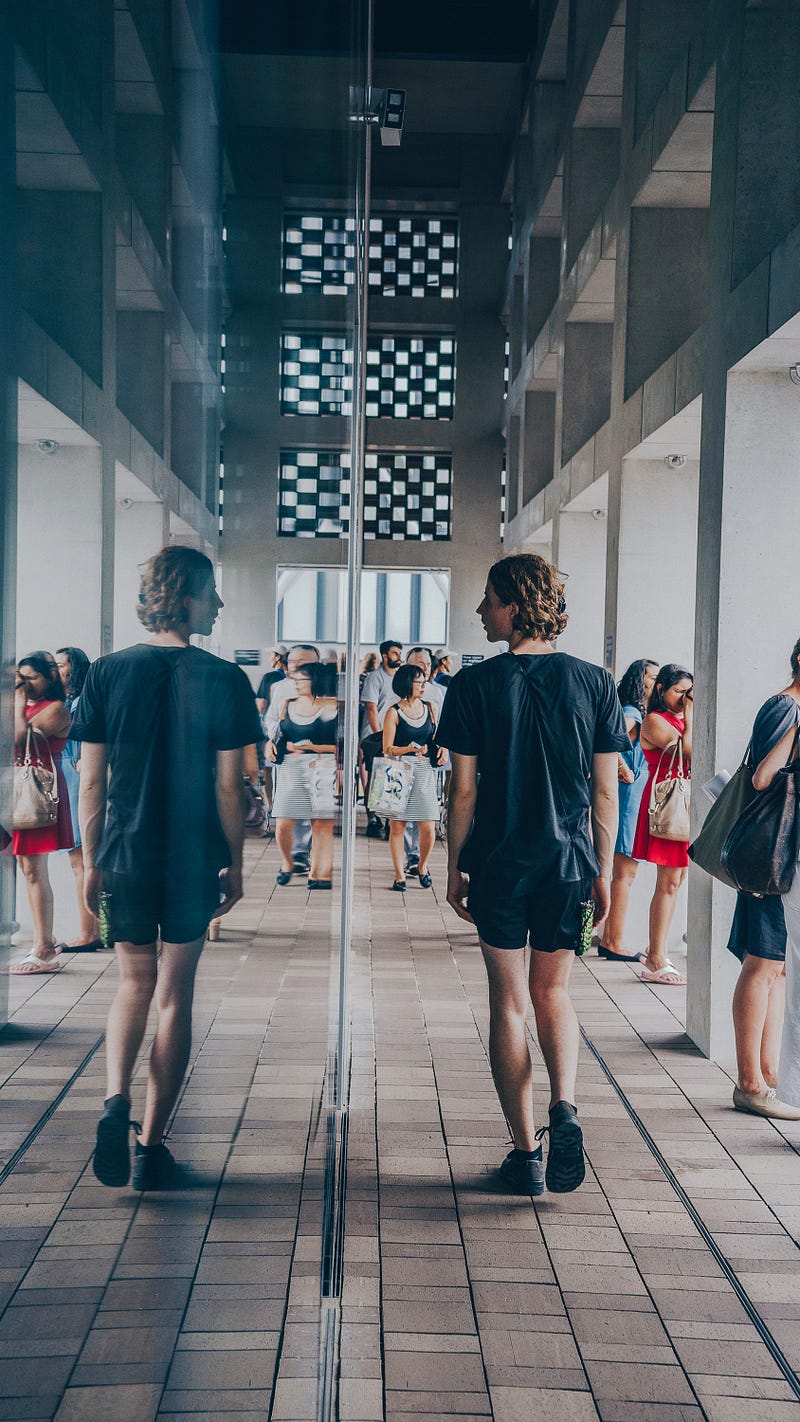
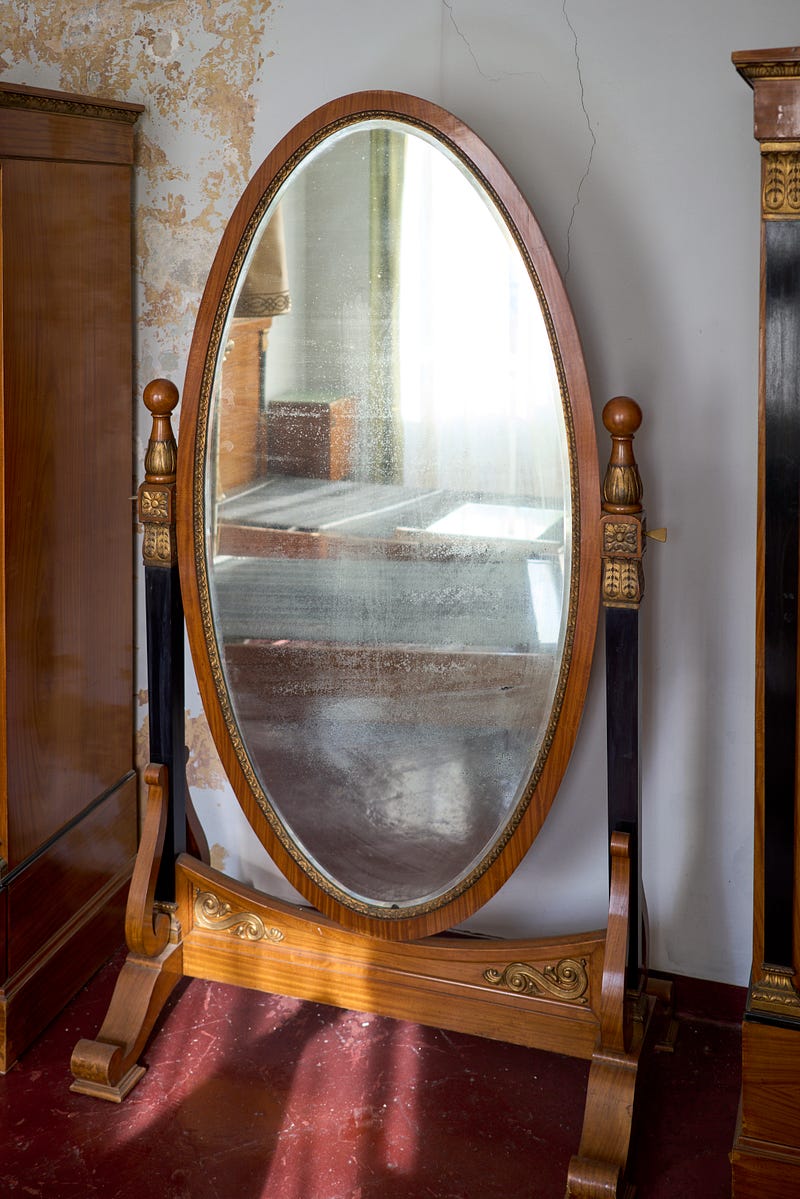
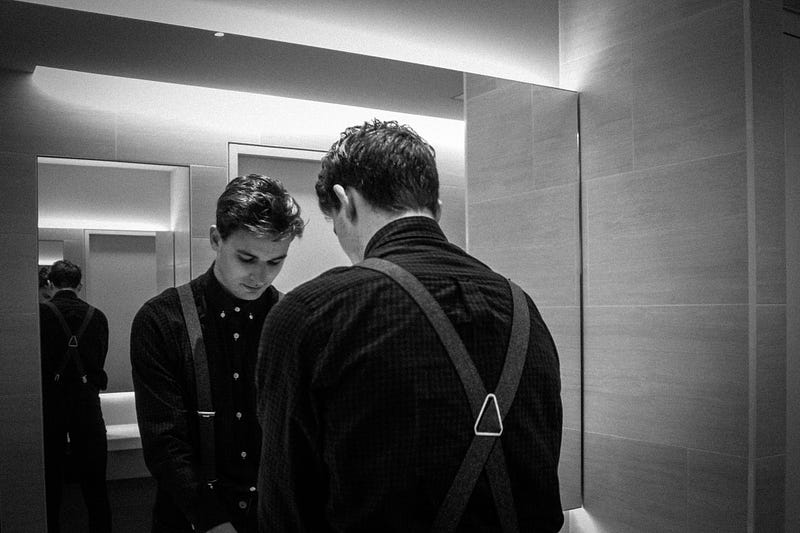
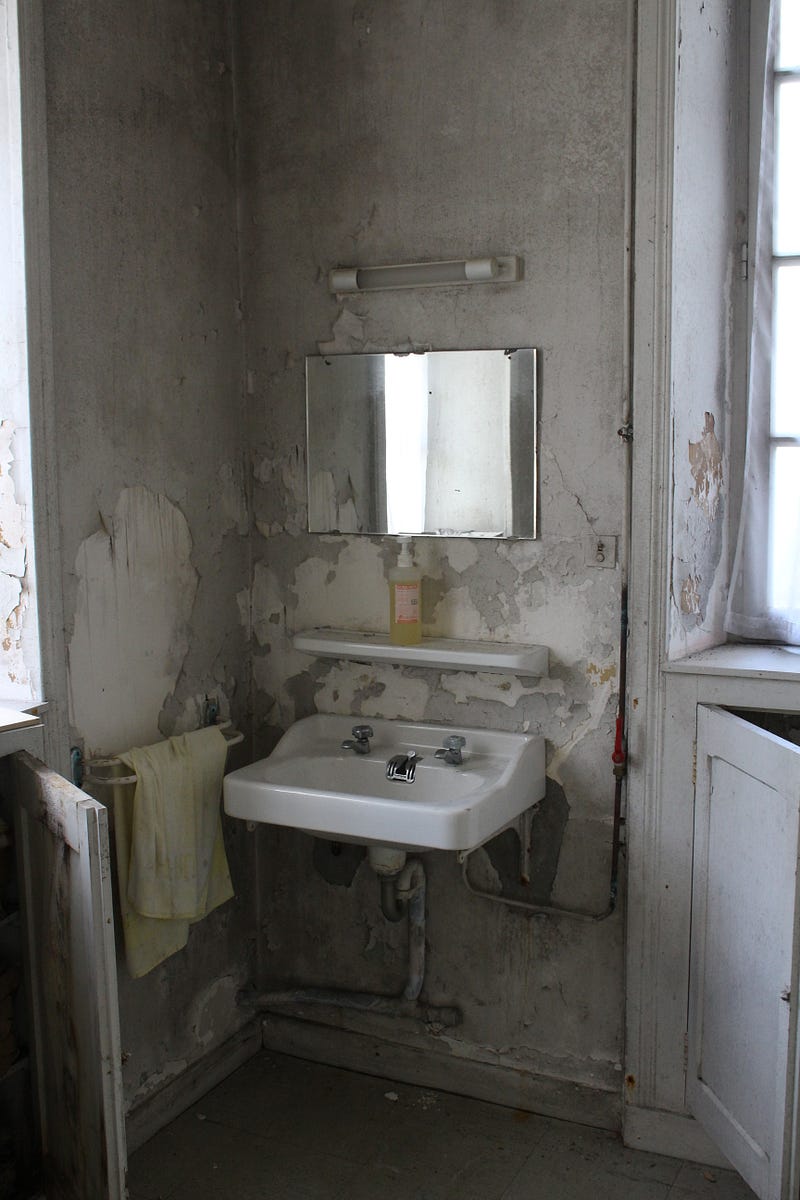
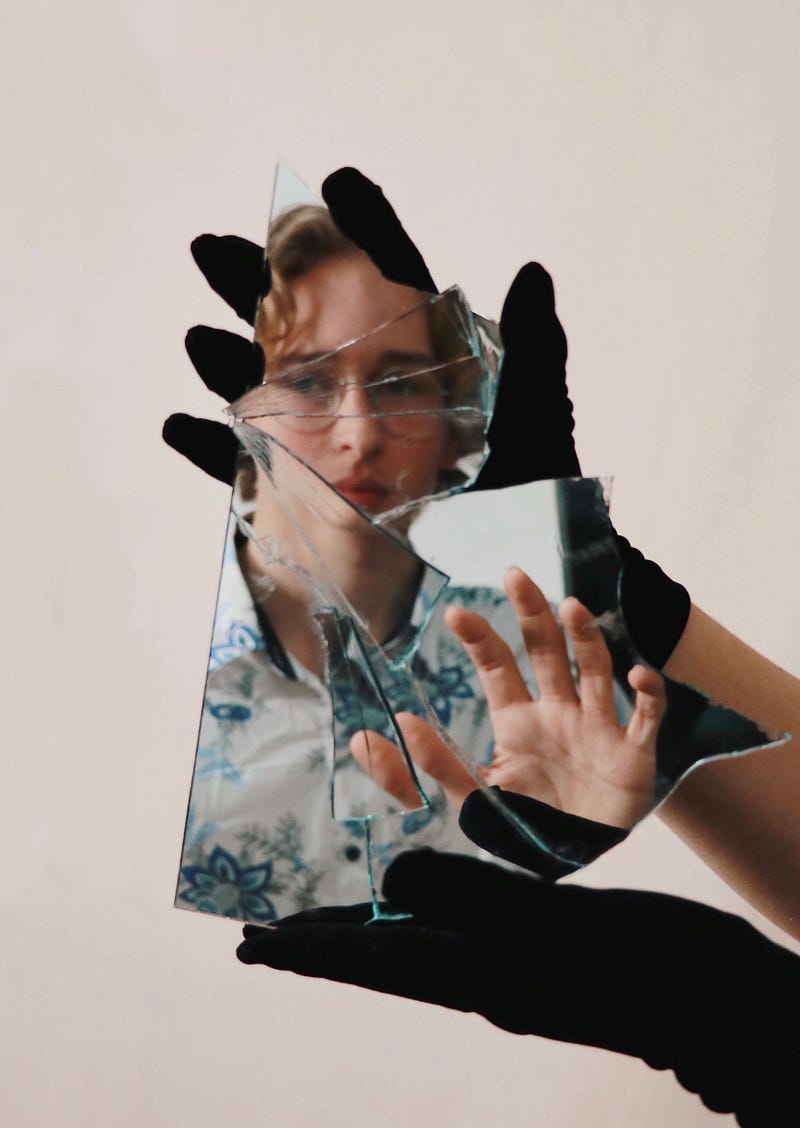
The rest of the article will present a set of pictures that shows different kinds of “Person — Mirror” Engagement. As an exercise, your tasks are:
- 1) perceiving similarities and differences from these pictures. You should see all pictures and compare them.
- 2) imaging about a Lifeway behind each picture. You can pick one or more for your exercise.
You can leave comments or write a new post and share the link to your post.
#01

#02

#03

#04
#05

#06
#07
#08

#09

#10

#11
#12

#13

#14

#15

#16

#17
#18

#19

#20
#21

#22
#23

#24

#25
#26

#27

#28
#29
#30