
Minolta W.Rokkor-PI 21mm f4.5 — Biogon type Rangefinder ultra wide-angle lens (Part II)
Excellent in the image quality, deformation control, sharpness
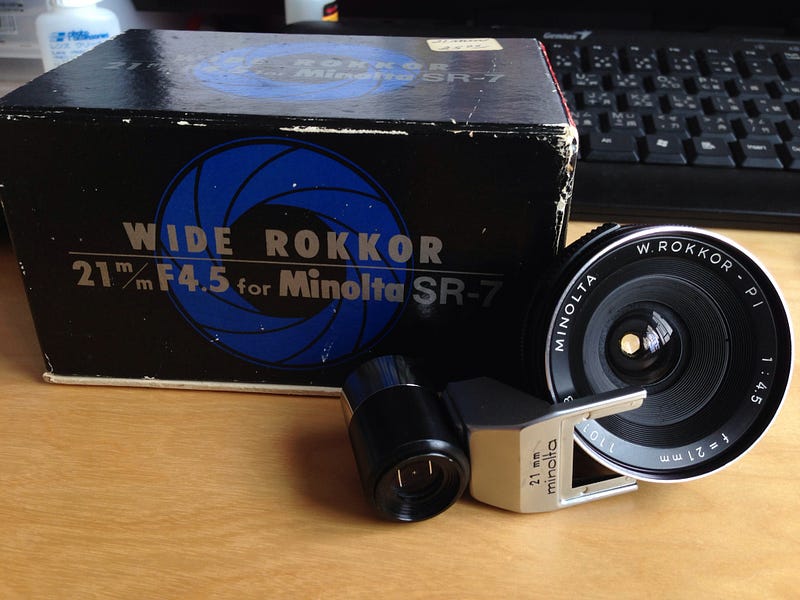
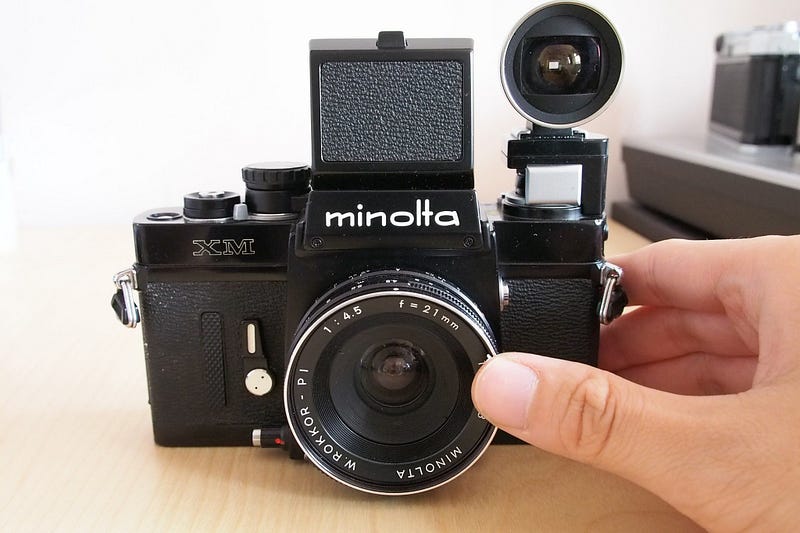
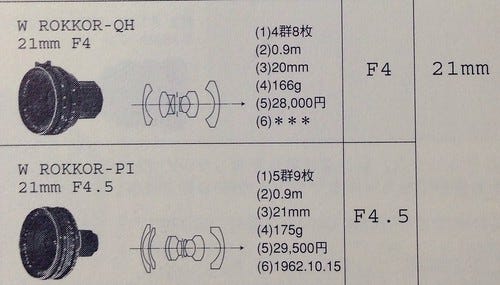
Minolta produced two 21mm ultra-wide lenses in the early 1960s, both of which required the same technique for the ultra-wide rangefinder camera. Although these two lenses are very similar in appearance, their optical structures are very different. Unfortunately, there is no introduction to these two lenses on the Internet, so I have two of them in my possession and can briefly introduce them.
Operation:
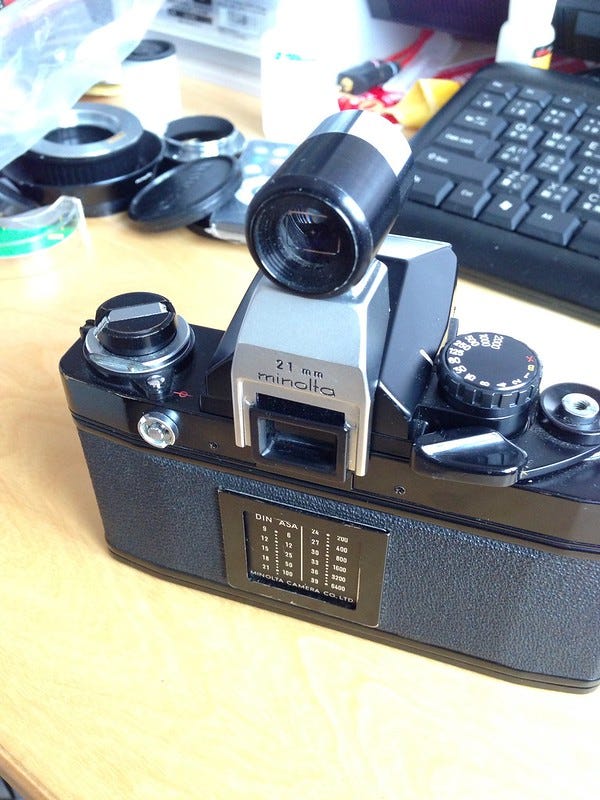
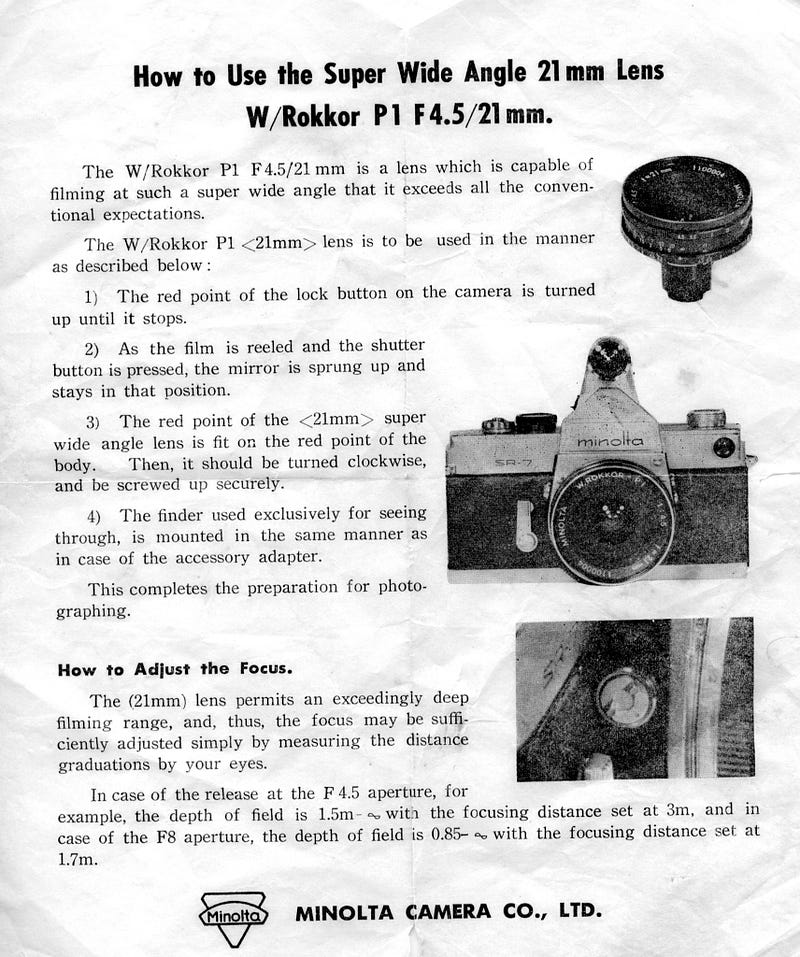
The most important feature of this lens is that it can only use mirror lock models, such as the Minolta srt, sr7 and XK, and requires an external 21mm viewfinder. The lens feels similar to the Minolta 21/4 in hand and uses a 55mm calibre. The closest focusing distance is 0.9m, which is a little farther for a 21mm lens. Because of the need to use a pre lift mirror, no image can see from the viewfinder, and an external viewfinder is required. The lens also operates similarly to a side-by-side lens, with a handle in the focus ring for easy focusing, and it feels very similar to an RF lens. The lens does not have any linkage, but as long as the aperture is closed to around f5.6, there is enough depth of field to go to infinity after 1.2m, which means there is no need to focus. When using the CLE, as the rear lens is too close to the metering unit, the metering value may need to be compensated by +1EV.
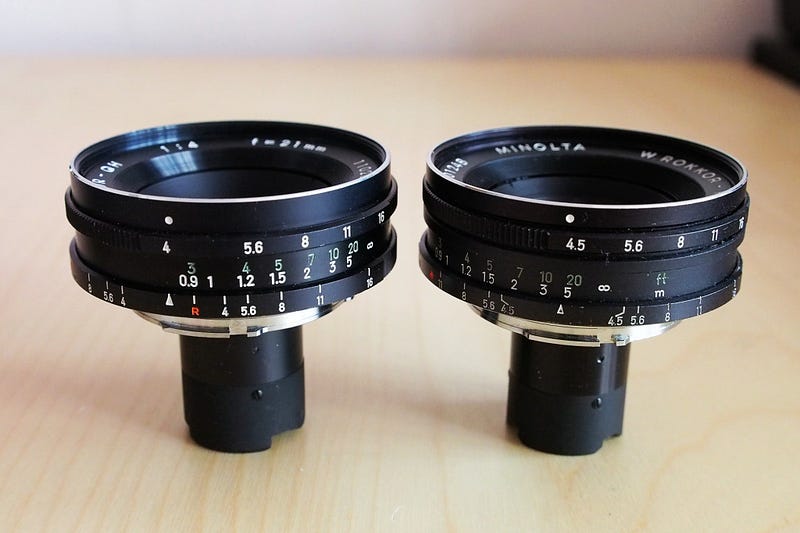
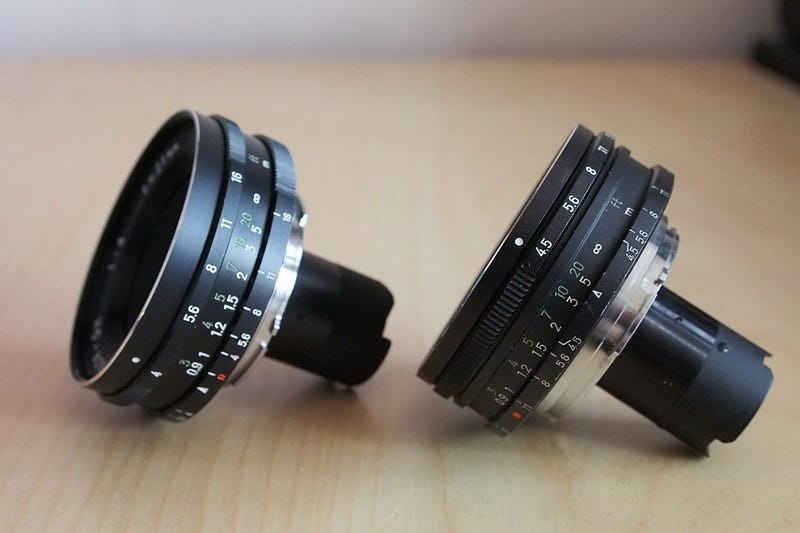
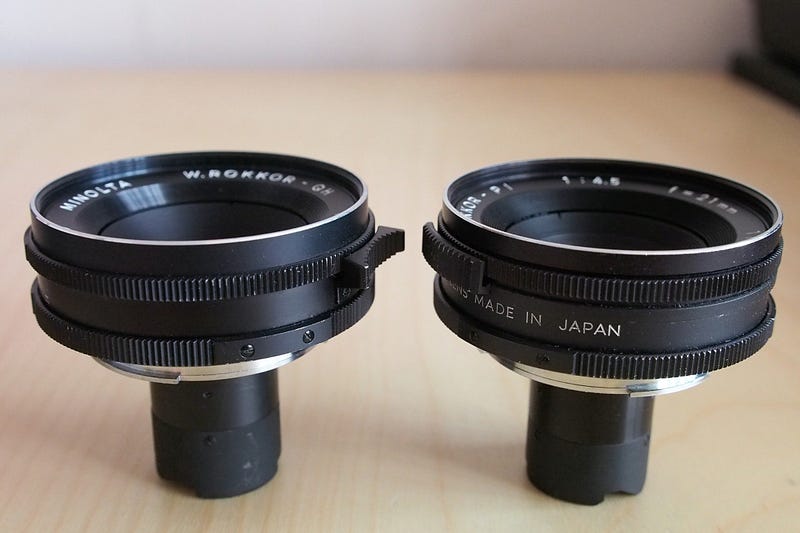
Another Minolta W.Rokkor-QH 21mm F4
Image performance and experience.
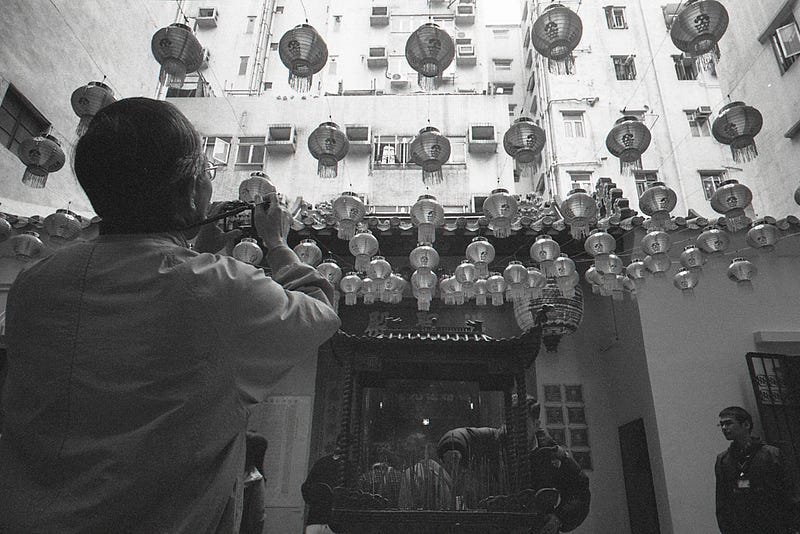
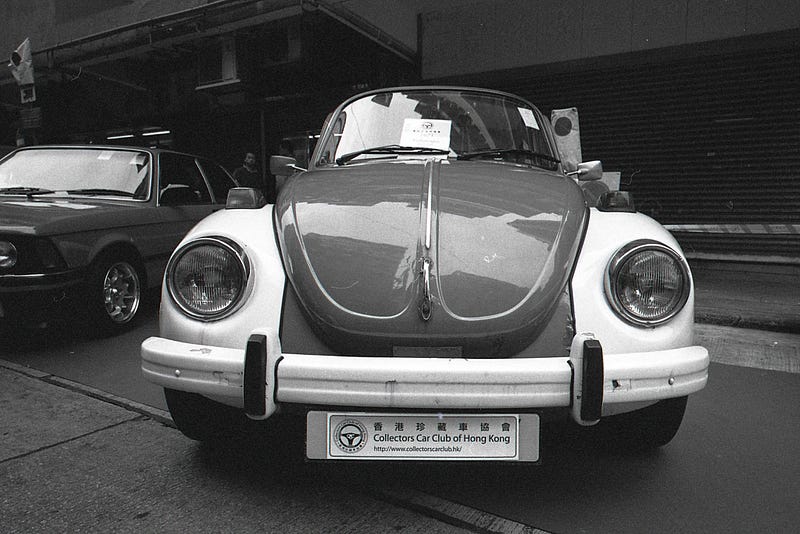
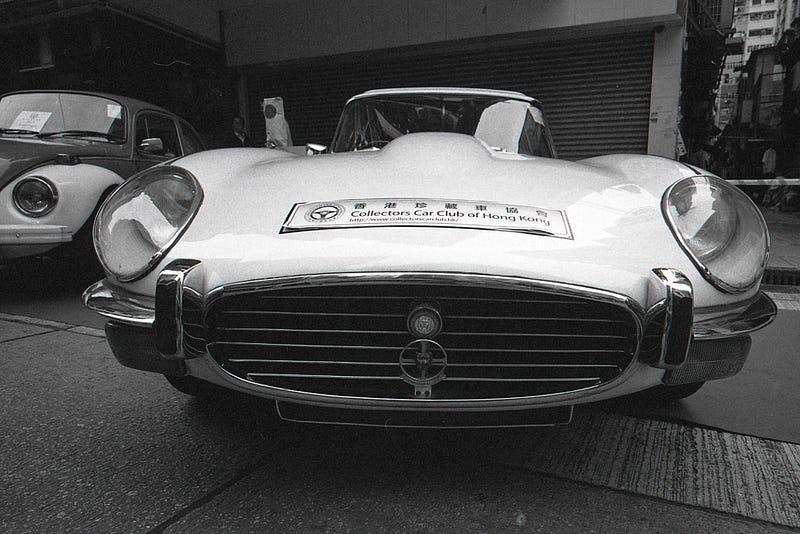
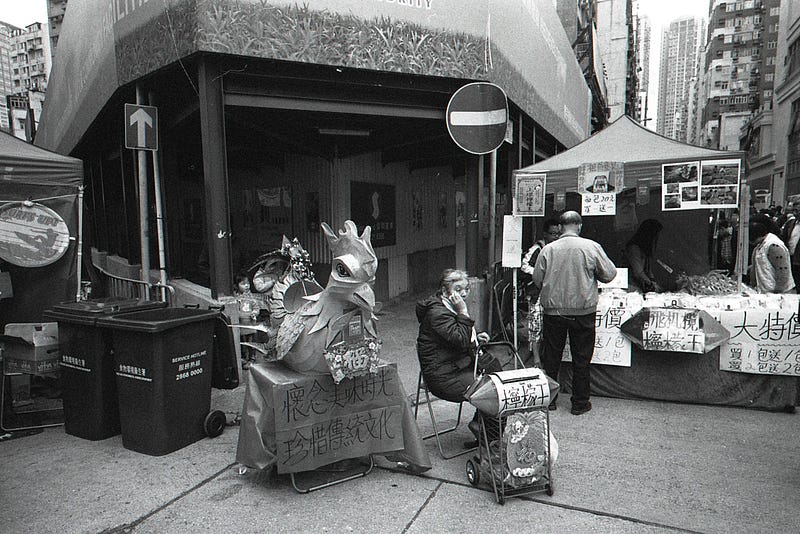
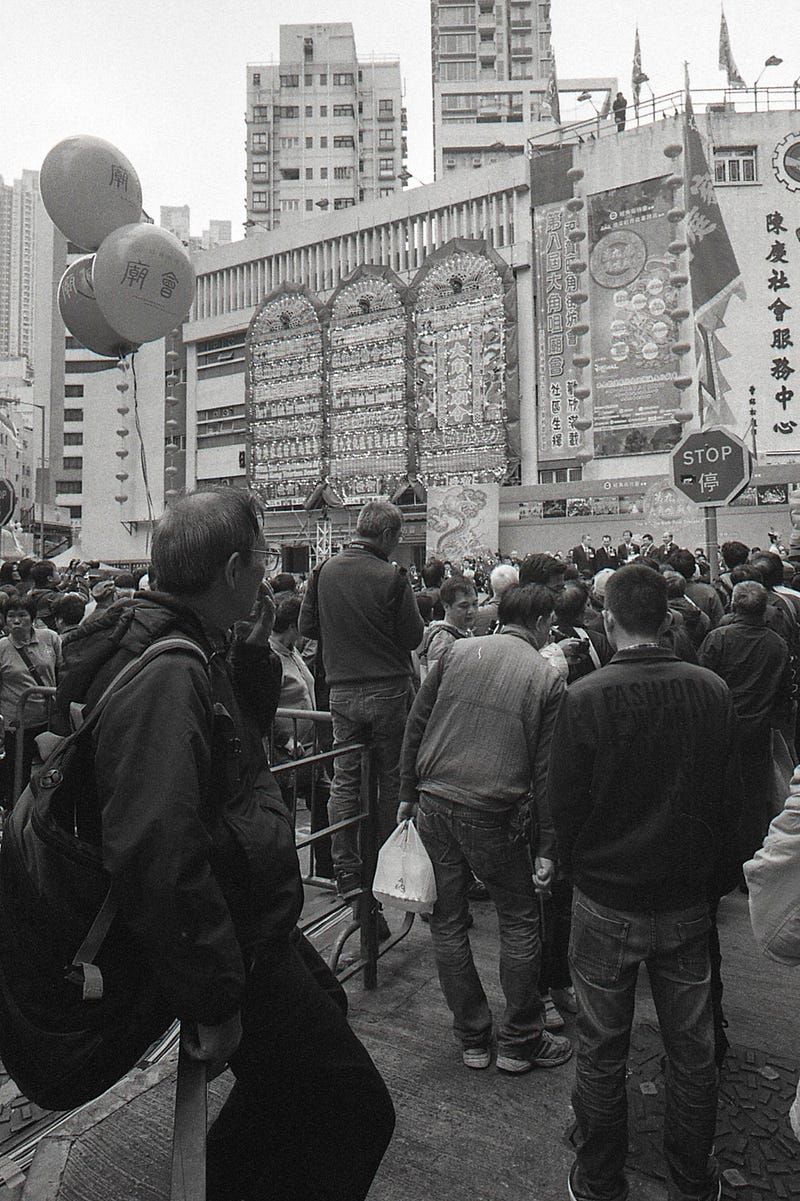
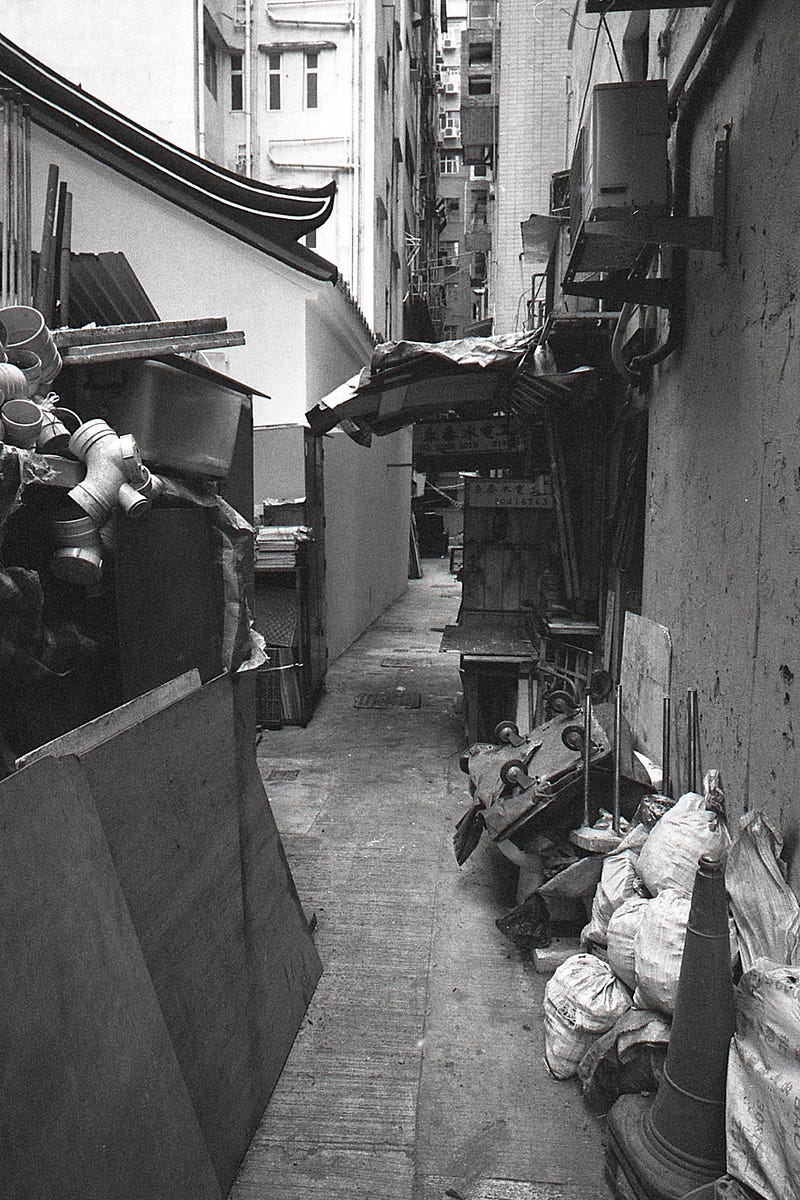
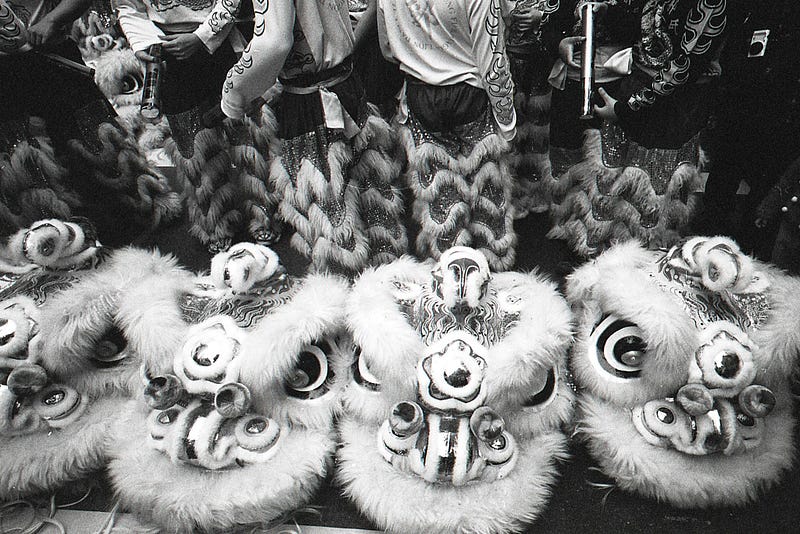
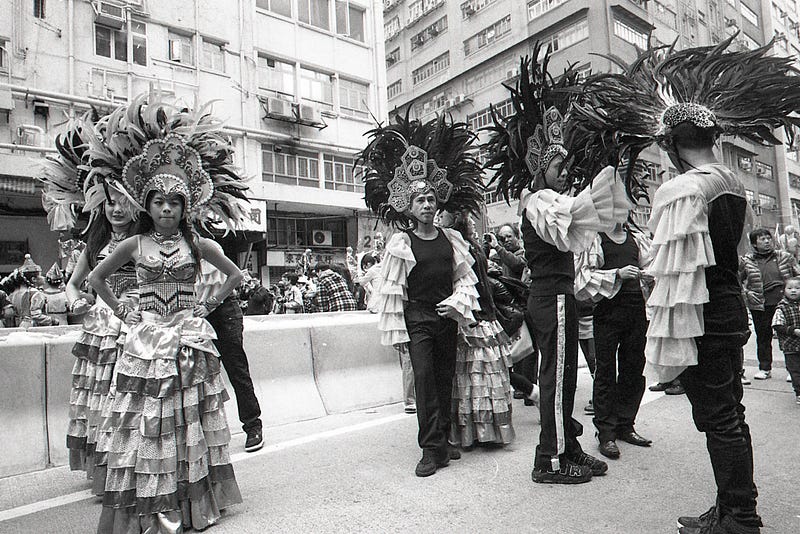
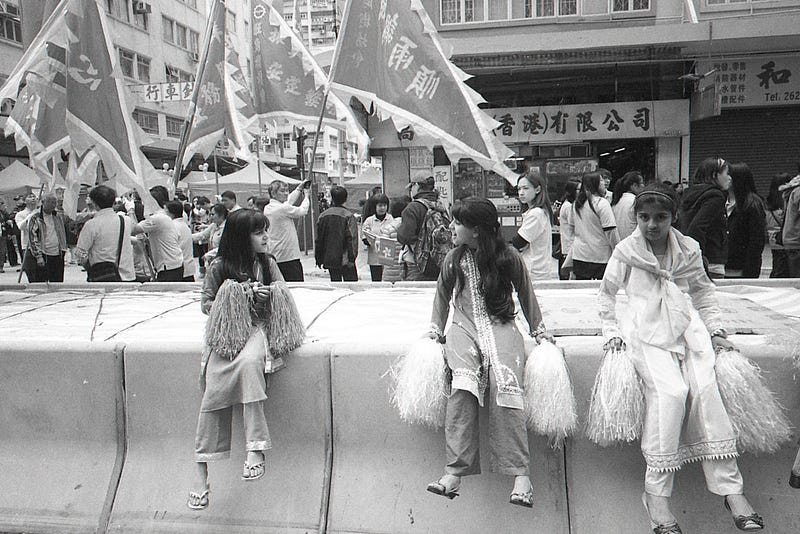
Although not many samples were taken, the lens is still very close to the negative due to the Biogon optical design, and the distortion control is excellent. The lens has low contrast and retains more detail, making it ideal for black and white photography. On the other hand, this lens is very close to the sensor so that the digital image will become scattered, and the contrast is not good, making it a lens for the negative era.
Conclusion.
Although the time spent with the lens is not too long, the overall result is still satisfactory, except that this lens is mostly aimed at collectors. As there are only a few Minolta cameras with mirror lock function, it is not suitable for novice users as it is inconvenient to use.
Minolta W.Rokkor-PI 21mm f4.5, Minolta XK, Kodak ProFoto XL /2013
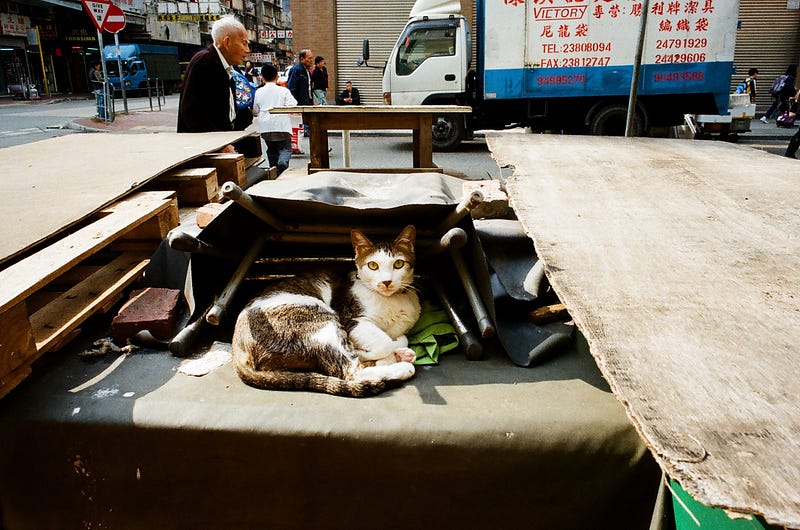
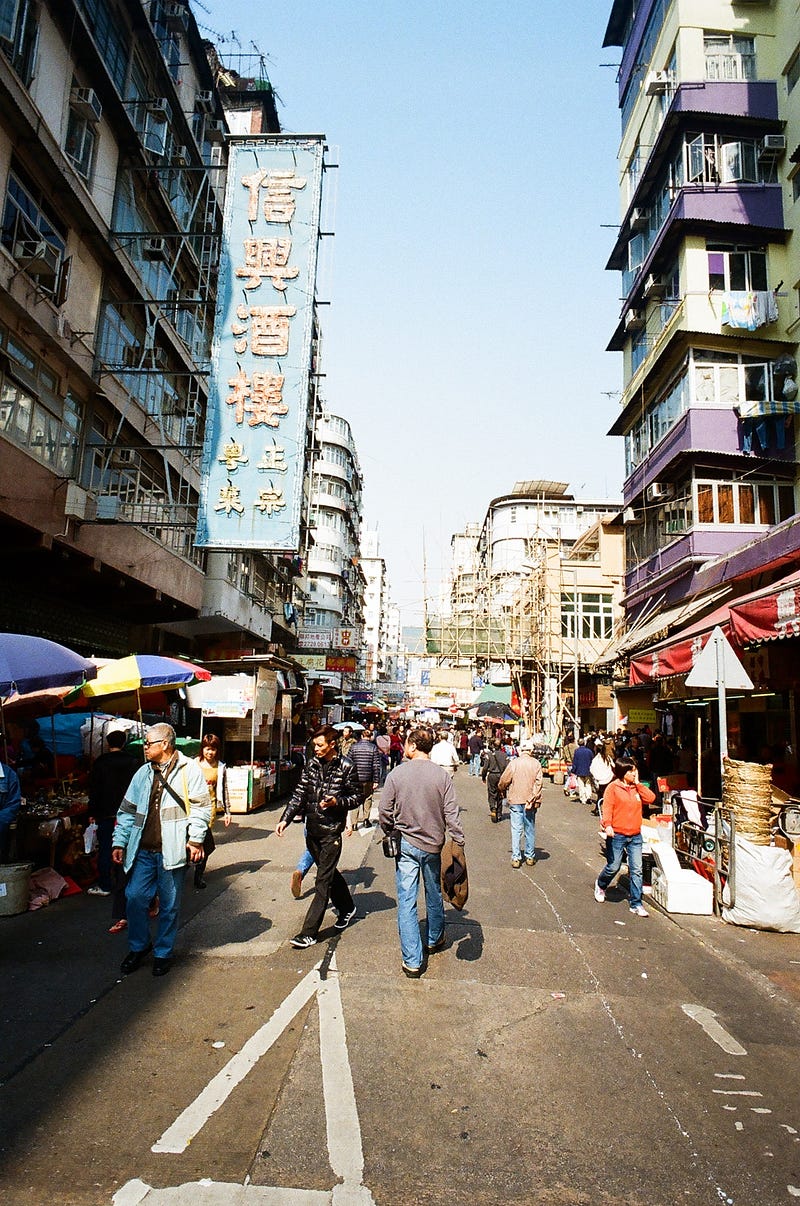
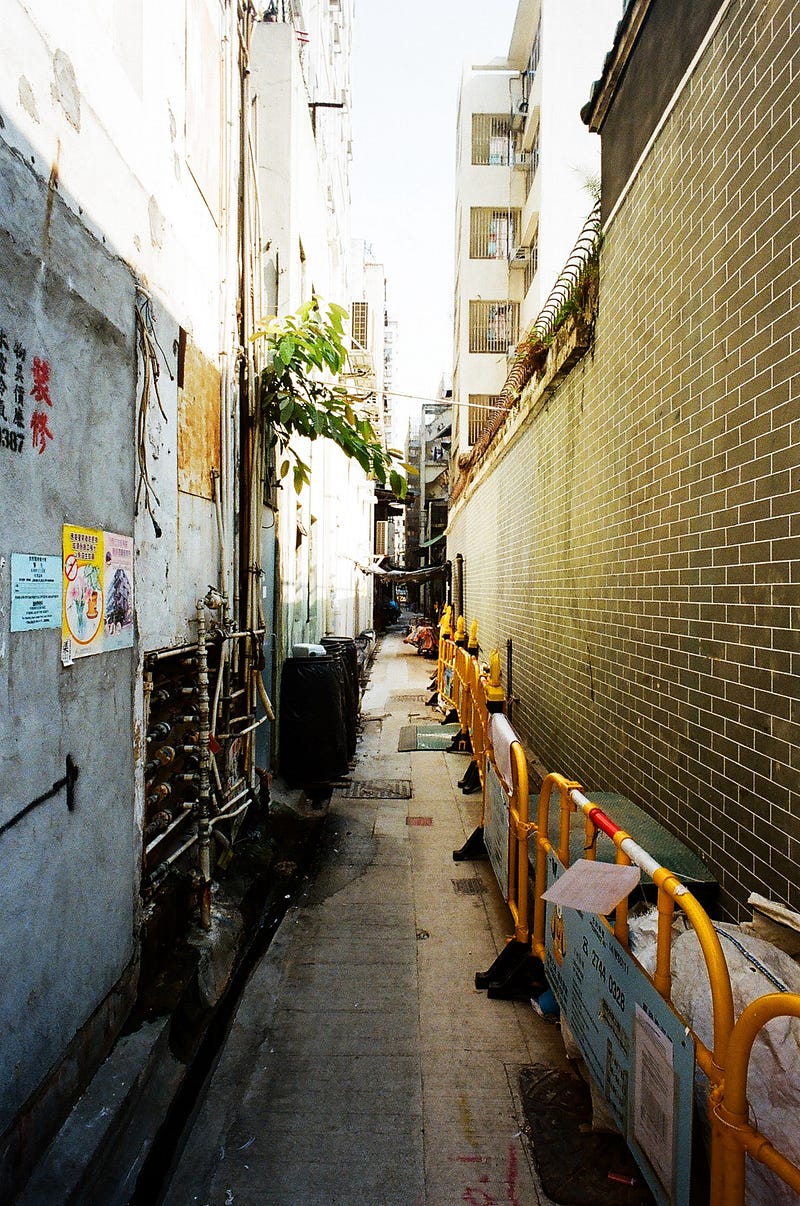
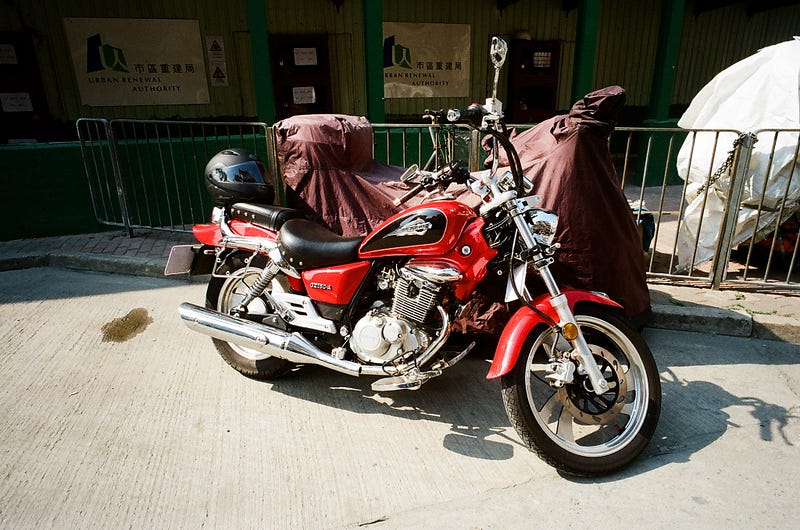
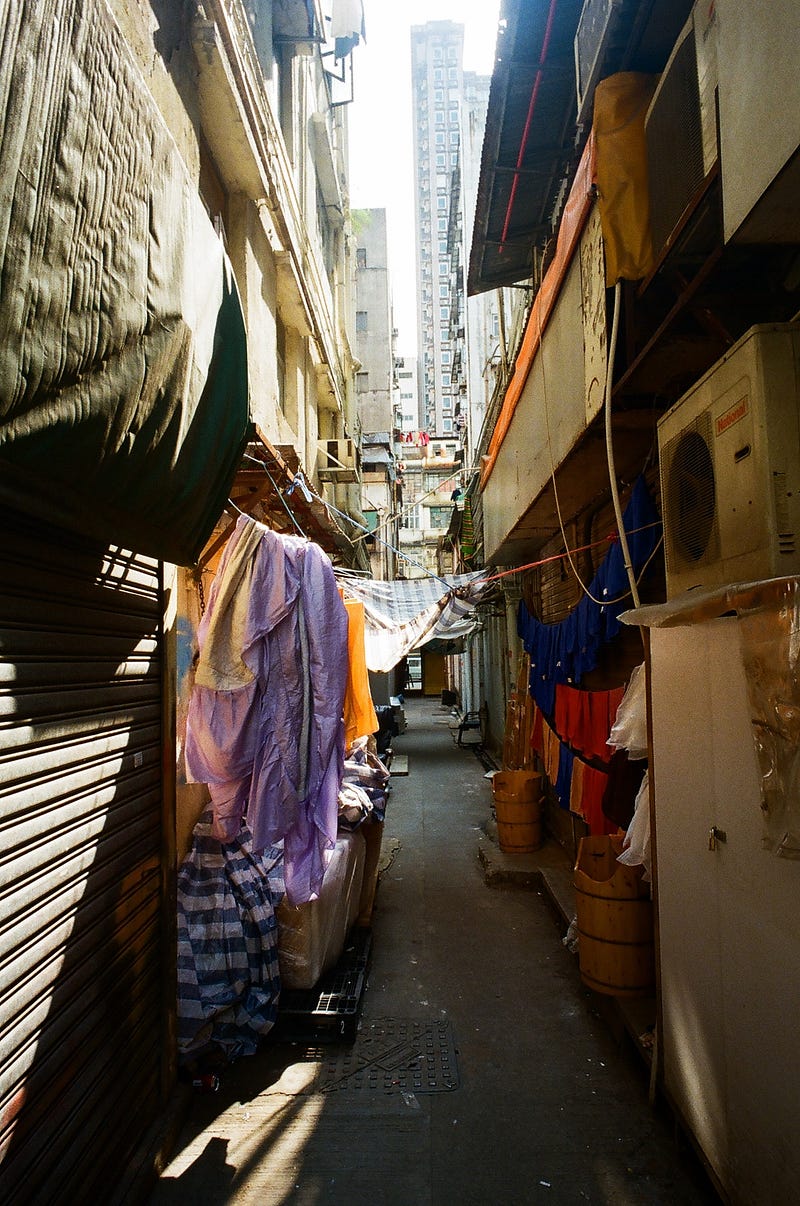
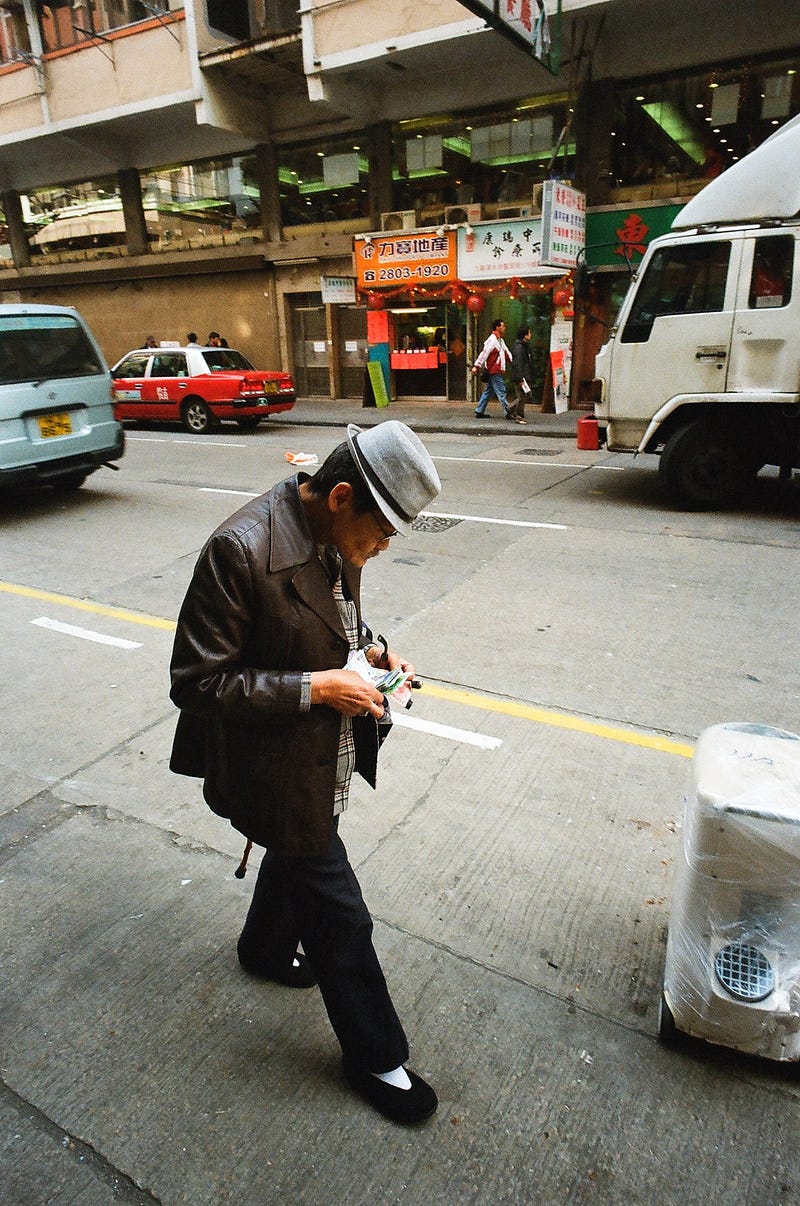
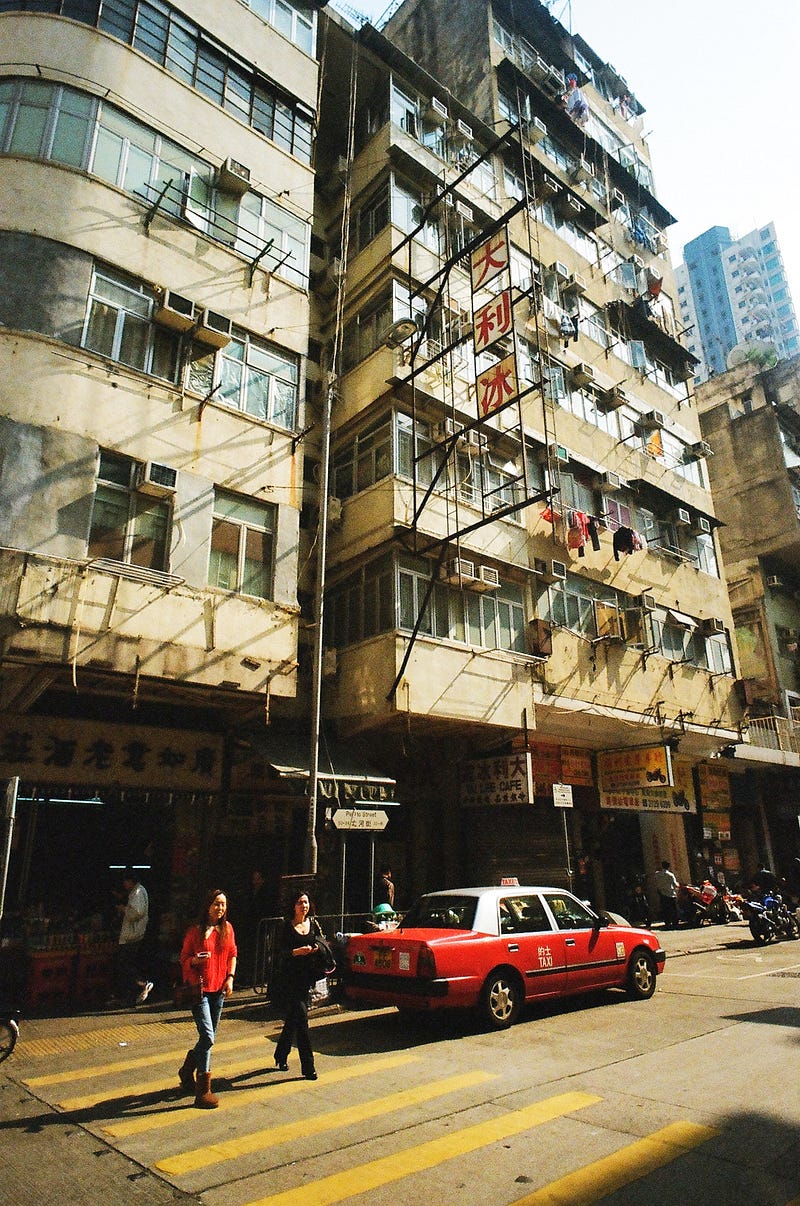
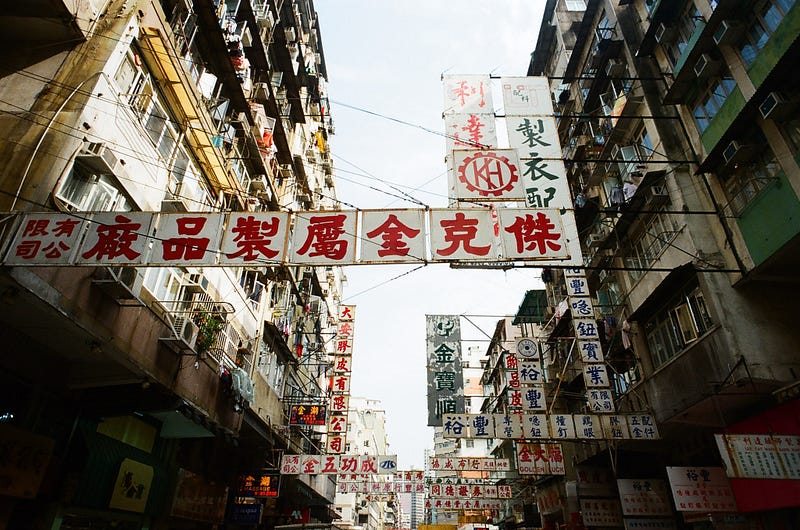

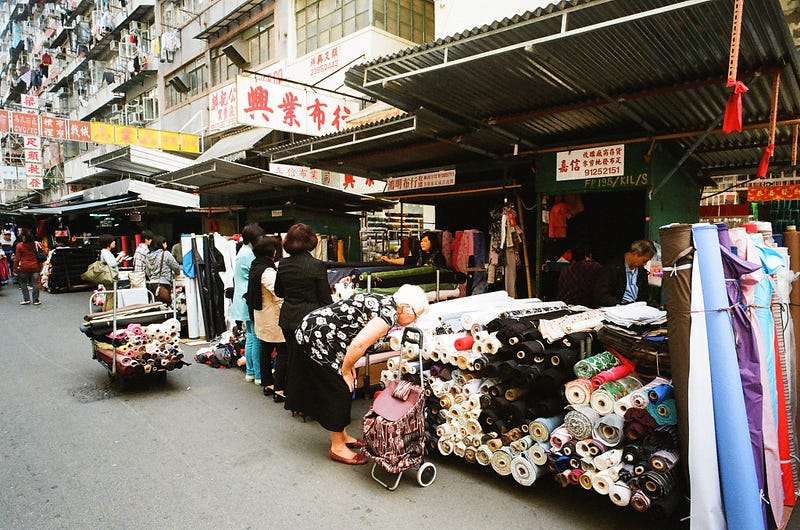

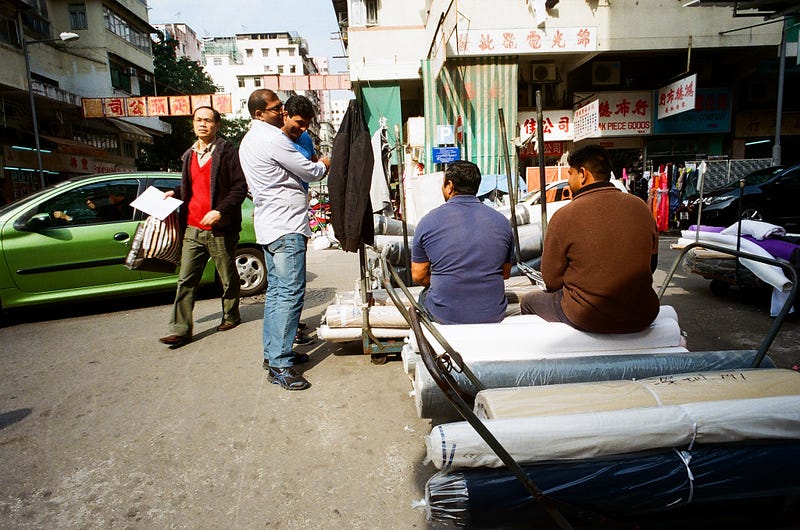




The author is used to using early lenses with higher saturation and contrast negatives, which gives a more pleasing result. The matching of lens and negative is also a kind of post-production/colour management, so don’t believe too much in the direct from the negative, there are too many ways to change the colour of the lens.
Minolta W.Rokkor-PI 21mm f4.5, Minolta XK, Neopan 400 / 2013



IF you Like my reviews, please support me by buying me a coffee.

Rokkorx’s Blog | Facebook https://youpic.com/photographer/samleehk/ https://www.flickr.com/photos/rokkorx/ https://www.instagram.com/samlee.hk/
here are my another camera/lens reviews
The Film style files used in this article:
If you like this post, feel free to give me a pat on the back and let me know you like it too XD
Rokkorx’s Blog | Facebook https://youpic.com/photographer/samleehk/ https://www.flickr.com/photos/rokkorx/ https://www.instagram.com/samlee.hk/
You can also follow me by pressing the Follow button, but unfortunately, you can’t set up a sneak preview XD. If you are willing to pay USD 1 per month for a cup of coffee, you can support me in my “Words are worth it, photos are worth it”. I have been writing blogs for more than ten years so that you may have read my Minolta articles, other equipment and photo tips in the past. It is not easy to maintain this interest in blogging. Today, many photographers like to shoot youtube or use pictures instead of writing, so in-depth introduction and evaluation may be a chore for many people. Still, I believe that words and photos have a specific value. I have many more pictures and photographs that I would like to share with you, and a little financial contribution from you would help me go further or write.
If you are interested in paying for a cup of coffee every month, subscribe to the author Patreon at:
Rokkorx’s Blog | Facebook https://youpic.com/photographer/samleehk/ https://www.flickr.com/photos/rokkorx/ https://www.instagram.com/samlee.hk/


