
Minolta CLE ~Compact and handy small Rangefinder camera
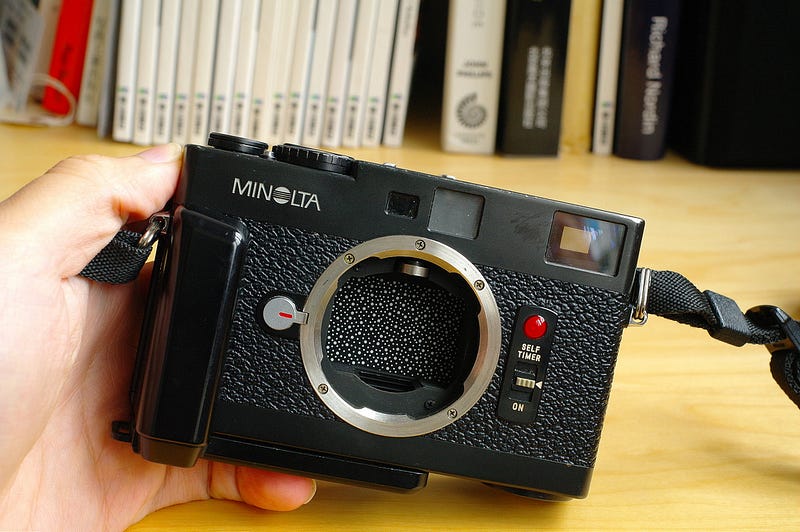
For many Leica fans, the Minolta CLE has never been a mainstream favourite, or indeed, not for many Leica fans. However, the Minolta CLE is an excellent camera for street photography and travel.
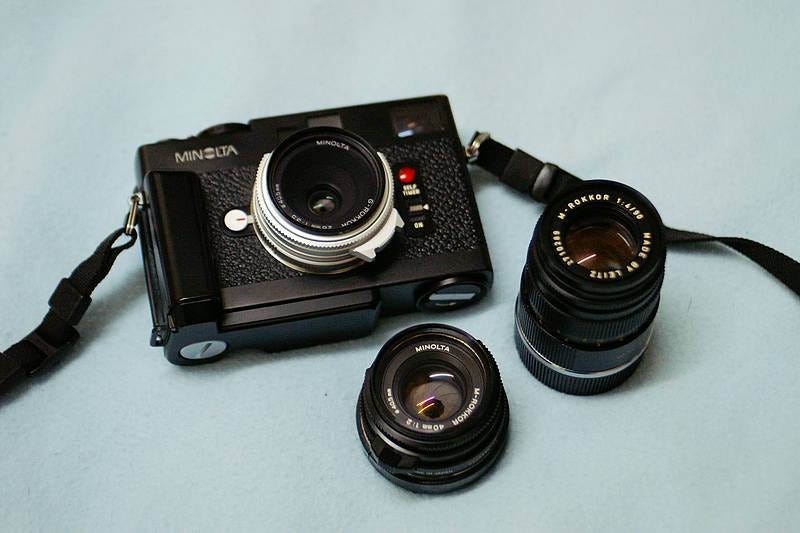
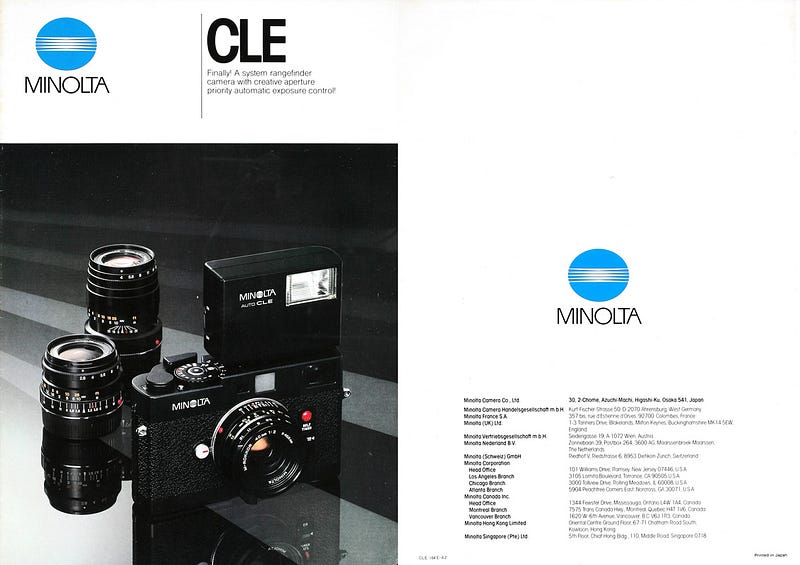
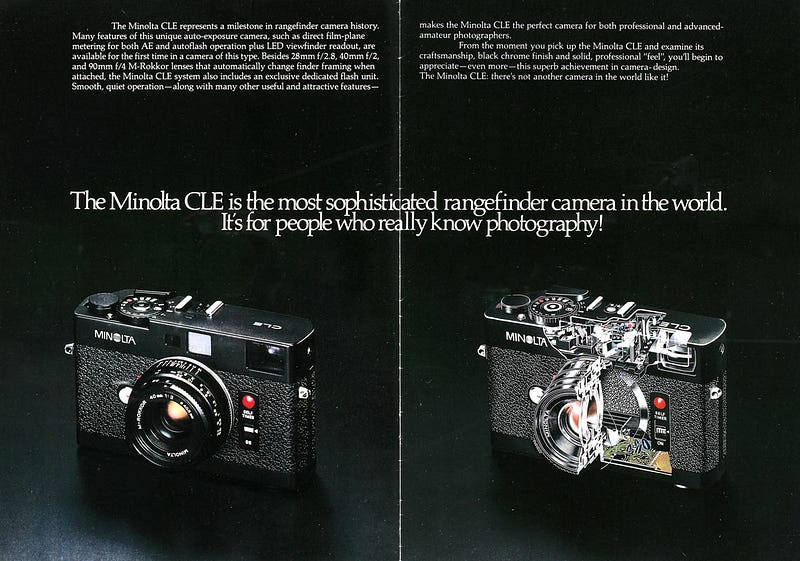
The introduction of the Minolta CLE began in 1973 when Minolta and Leitz jointly developed the Leica CL/Leitz Minolta CL. The small body of the CL offered good functionality, but unfortunately, the CL was discontinued after only three years of production. Perhaps because of the success of the Leica CL, Minolta continued to use the CL as a base after production ceased. With the addition of the electronics of the then XG-M, developed the Minolta CLE (CL Electronics), which improved many of the features of the Leica CL. The Minolta M-rokkor 28mm f2.8, together with the Minolta M-rokkor 40/2, M-rokkor 90/4 and, of course, the later Minolta G-rokkor 28mm f3.5, made for a very good small side RF system.
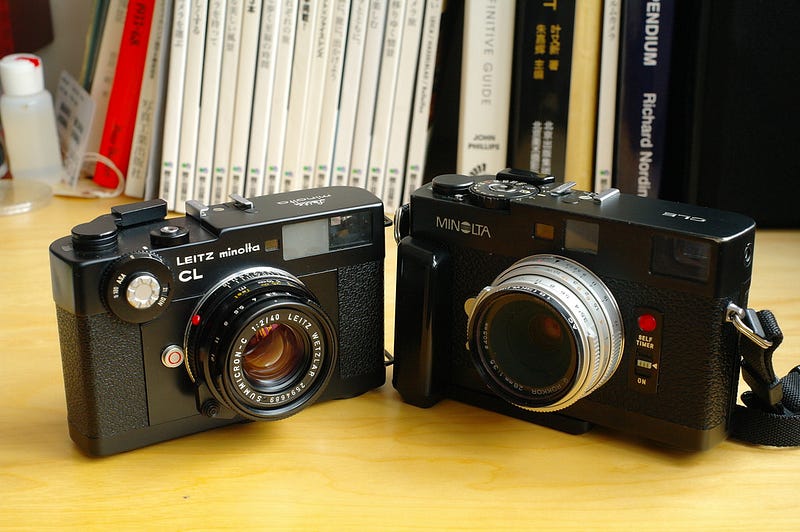
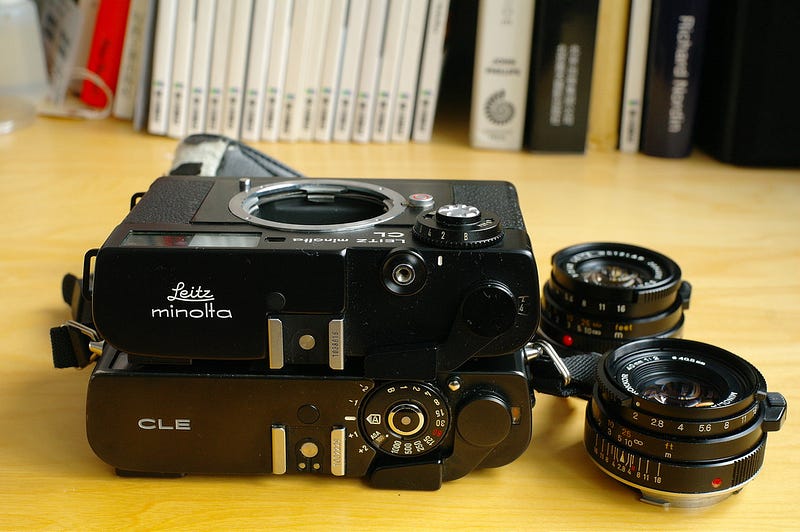
IF you Like my reviews , please suport me by buying me a coffee.

After Use and Tips
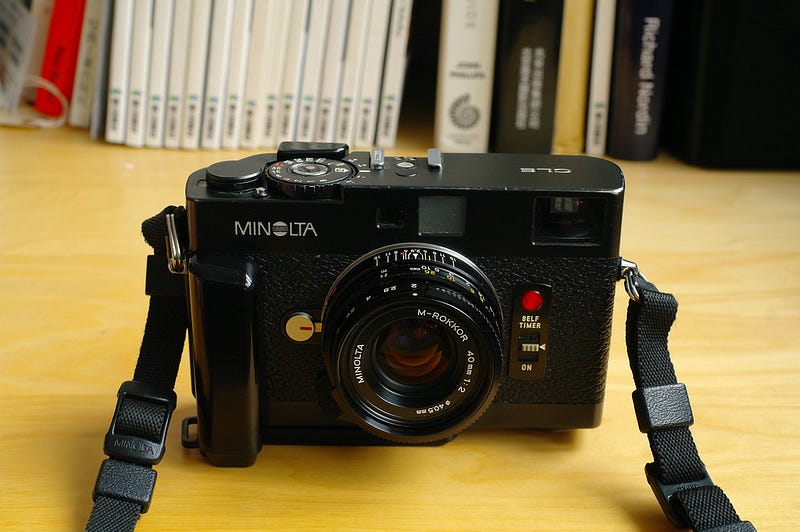
The Minolta CLE’s most significant selling point is probably its lightweight body with an aperture-priority M Mount camera.
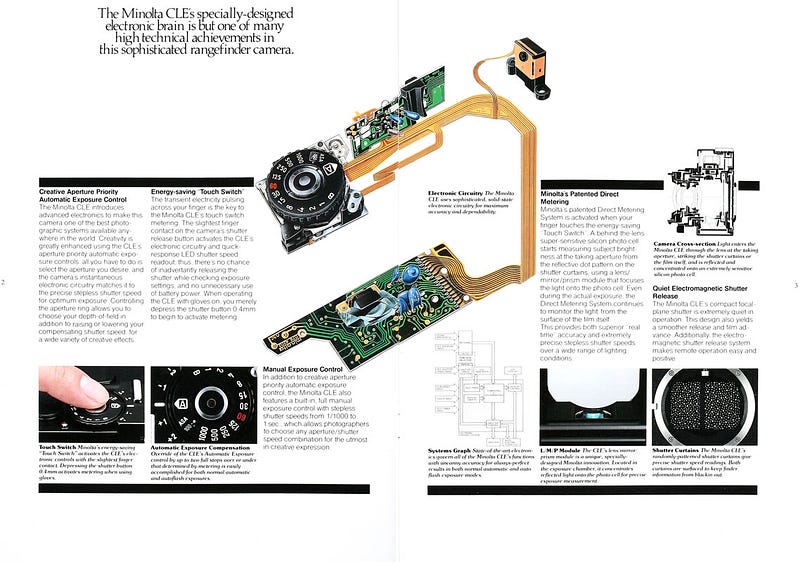
The Minolta CLE is equipped with an innovative aperture-priority mode, the first electronic shutter, and a behind-the-lens metering system (the metering mode is similar to that of the Leica M6 with approximately 40% reflective metering). From practical experience, the metering is ready and reliable even in complex light conditions.
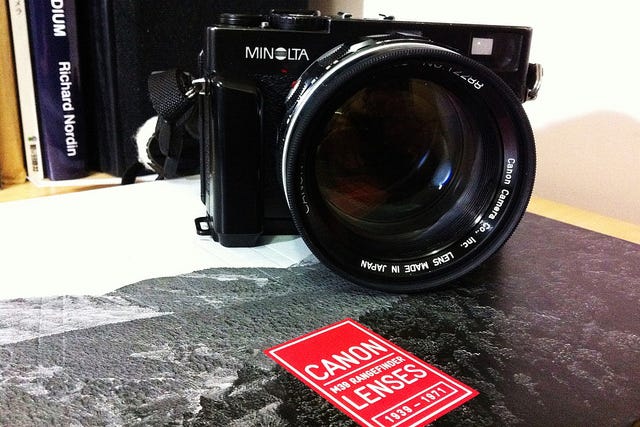
The small size of the camera body is better suited to a short lens, personally I think the best choice is a 28mm lens or an ultra-wide angle 15mm or 21mm.
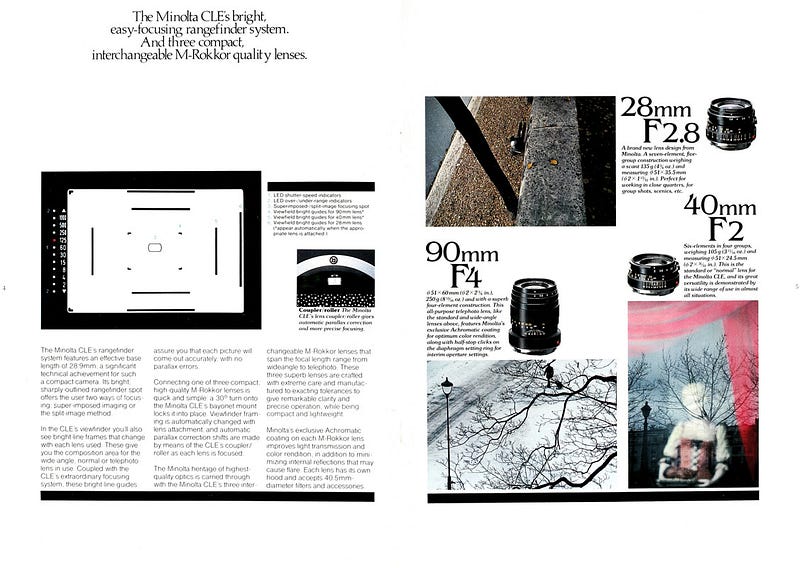
With the CLE interior viewer at 28mm, it is very comfortable to use almost the entire frame, both in composition and focus. With the G-Rokkor 28/3.5, the CLE becomes a TC-1 with interchangeable lenses.
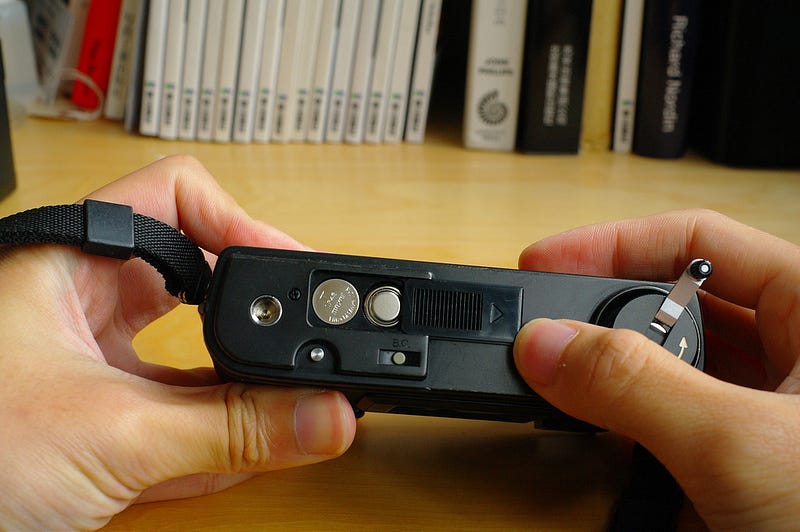
Whenever I travel, I like to shoot with a 15MM or 21MM hyperfocal distance, with the lens aperture at f8 or more, the depth of field covering 1m to no receding distance. The eyes only look at the external viewfinder, and I only concentrate on composing the picture, leaving the metering to the camera body and pressing the shutter with a light touch. Compared to the Leica M series red dot body, the CLE, with its toy body casing or low-end appearance, is more convenient for walking into crowds and shooting, making it an excellent tool for street photography.
Body operation
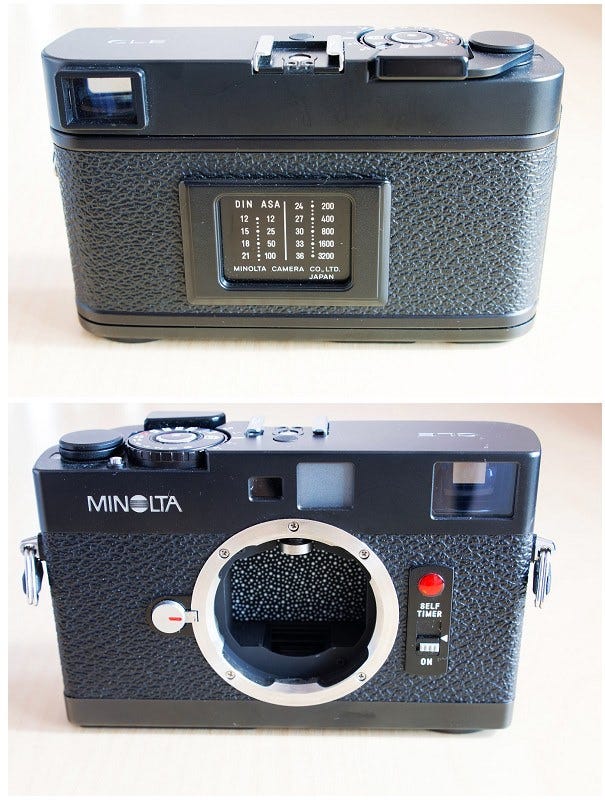
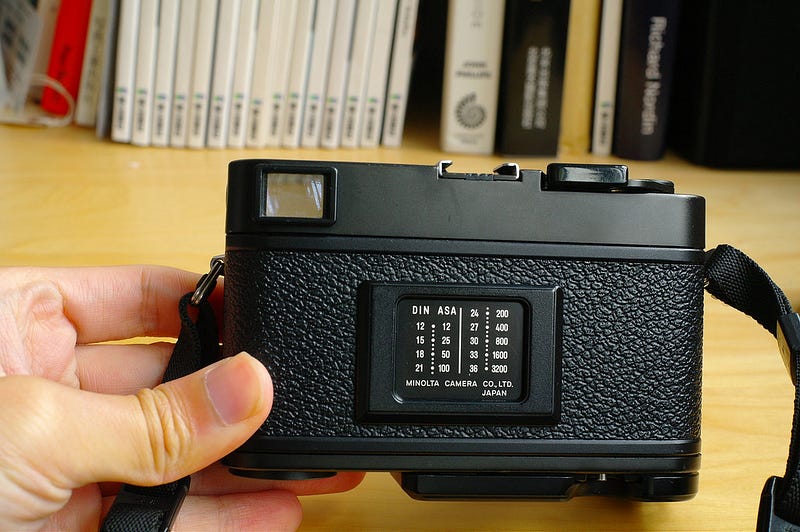
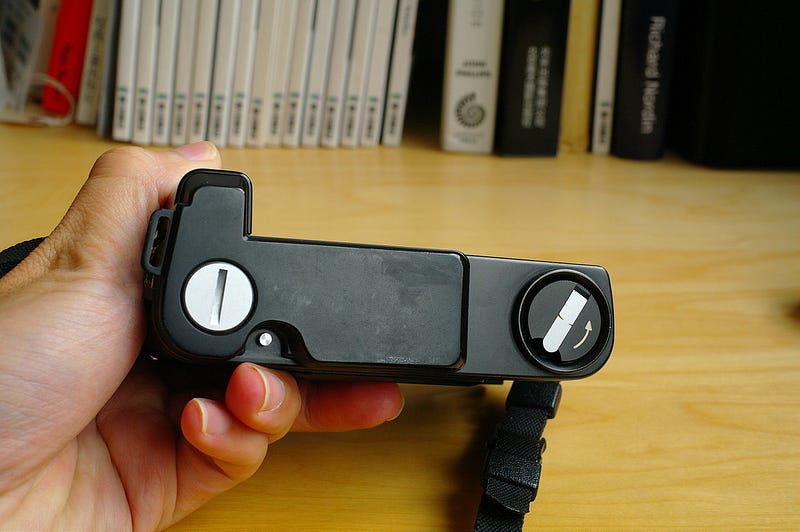
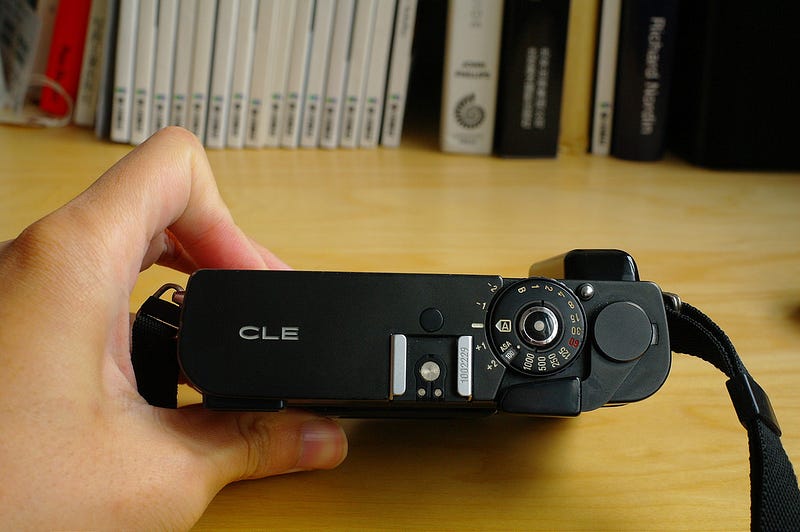
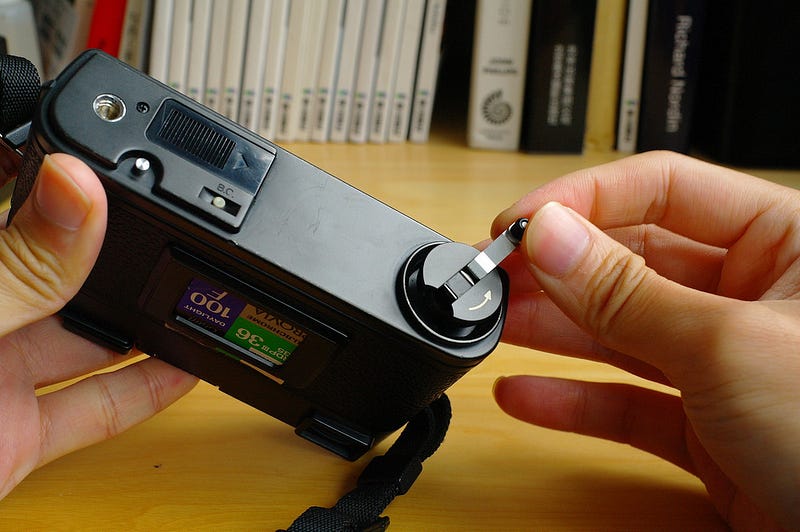
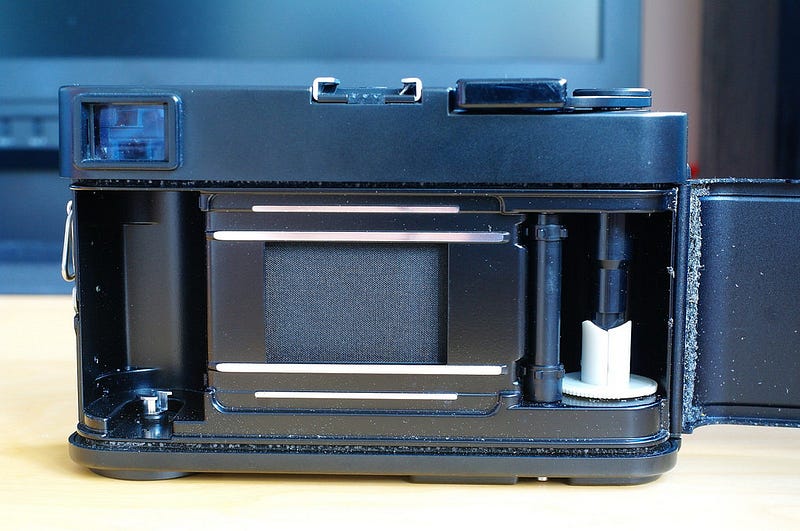
There are many misconceptions about Minolta CLE bodies in the market. Misconception 1: CLE electronic bodies are very prone to problems, and no parts are available for repair.
According to my experience of using CLE for many years and receiving many CLEs, even after a long period of use, more than 90% of the body operation is normal, the durability of the body is still very reliable. It is not as good as the Leica CL general body dent, the phenomenon of the dead light meter.
The Minolta CLE is most commonly found with mould on the viewfinder. However, even with mould, it can still be focused. Only the zero-sound meter has the problem of ageing and the meter jumping abnormally after measurement, but this is very unlikely.
Although SONY has stopped maintaining the CLE or there are no more parts available, the CLE shutter unit and metering unit are based on the Minolta XG series, so for those who are afraid of running out of parts, they can keep a Minolta XG camera as a spare part.
I’m an ultra-utilitarian myself, and the TC-1 I have is more prone to problems than the CLE, so instead of worrying about the camera breaking down, I’d rather use it as much as I can.
Misconception 2: The number of lenses that can be attached to the CLE is not enough.
Perhaps because many people have read on the internet that CLE does not support about a dozen Leica M lenses, they think that there are not many lenses attached to CLE.
In practice, however, it is possible to use more than 90% of the L39 lenses with the addition of a ring, even with older Leica L39 models such as the Leica Summitar 50/2 and Leica Summaron 35mm f3.5.
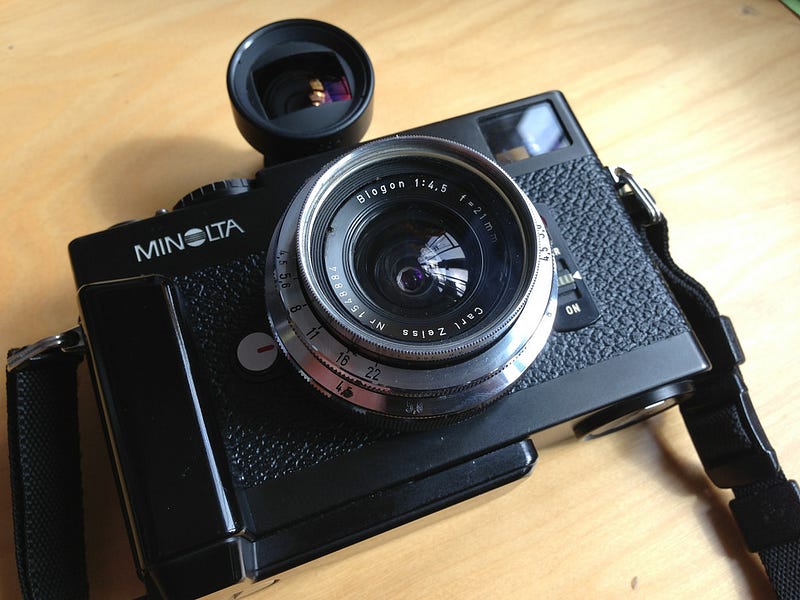
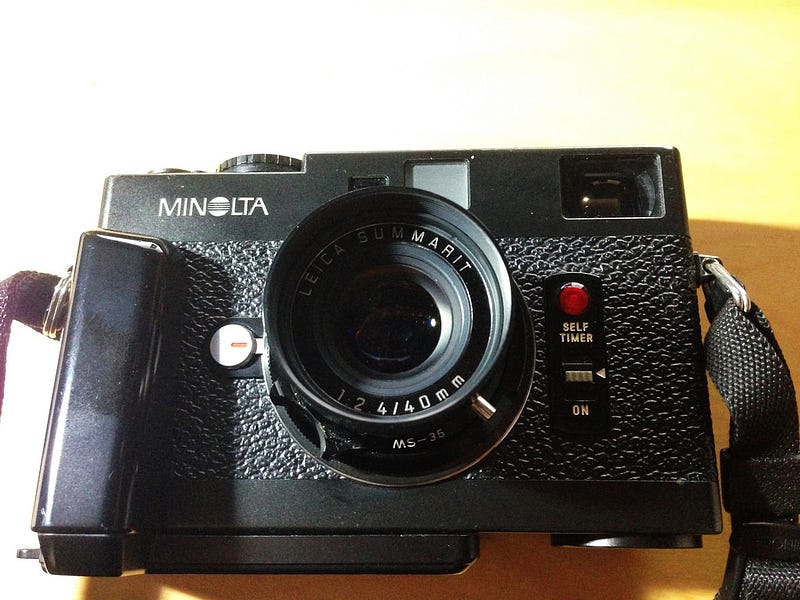
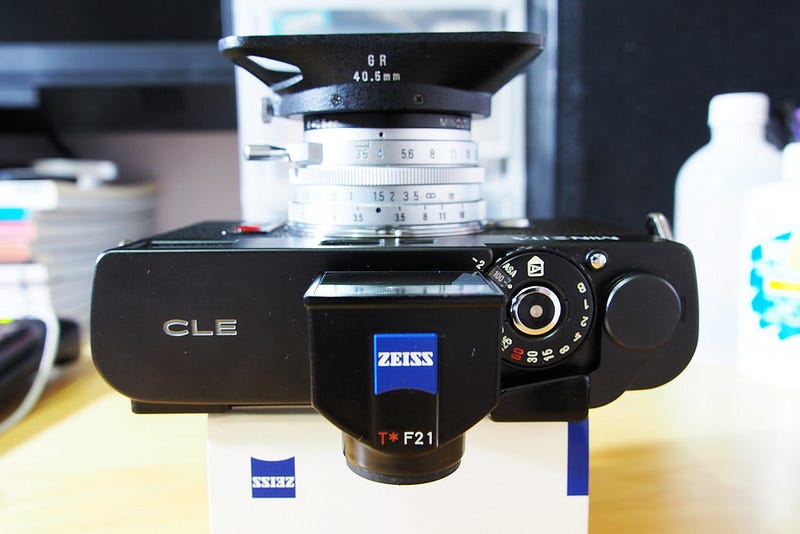
There is still a wide range of 28mm or 40mm lenses to choose from, with the Minolta/ Leica M-Rokkor 40mm f2 being the top choice at 40mm, as well as the Rollei 40mm f2.8 and Voigtlander 40mm f1.4. The first choice for 28mm is the G-rokkor 28mm f3.5, followed by the M-rokkor 28mm f2.8, Voigtlander 28mm f1.9/2.0, Ricoh GR28mm f2.8, Canon, Nikon, Topcor and leica LTM lenses. I have played with all the major Japanese, old Leica LTM and post-2000 Leica M ASPH mount lenses with CLE. I believe there are about 100 lenses available, so I think the actual number of lenses available is more than a few hundred.
CLE Deficiencies.
As an electronic camera, it cannot be operated without a battery.The in-camera frame options are only available in 28/40/90mm, which may be inconvenient for those who primarily use 35/50mm.Although the Minolta CLE does not have a long RF baseline, the F1.2 aperture or telephoto lens is not as accurate as it could be.Conclusion.
The Minolta CLE body has come down to a very reasonable and inexpensive condition, and it doesn’t cost much to find a good quality one. The simple CLE with the affordable M-Rokkor 40mm f2 can definitely take photos that are better than any 135mm side camera system and are very suitable for newcomers to the Leica M side camera. However, the Minolta CLE is not ideal for those who love the softness of the shutter and the craftsmanship of the Leica M cameras.
Practical photography




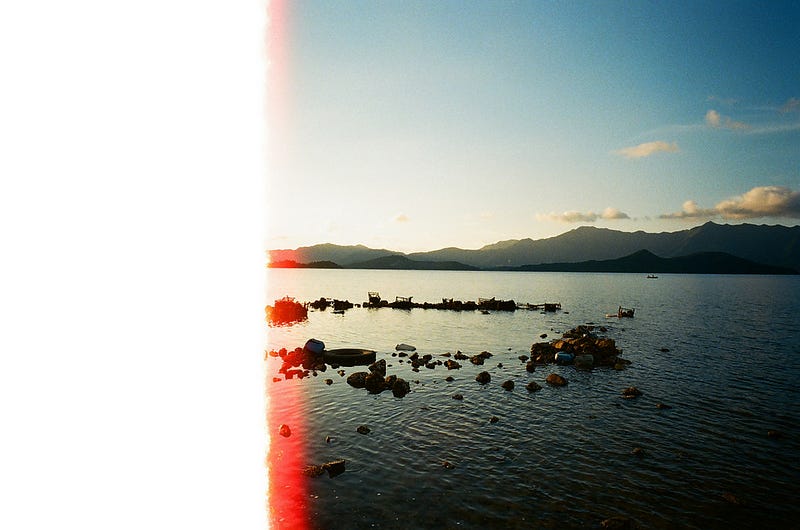

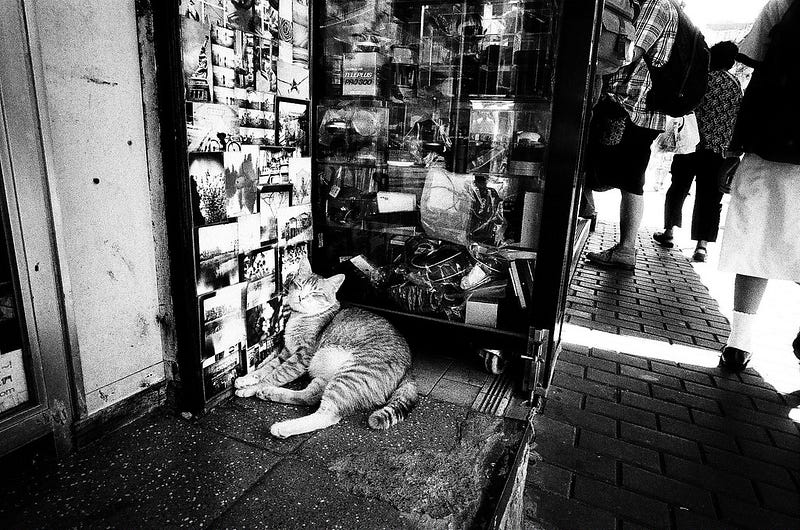

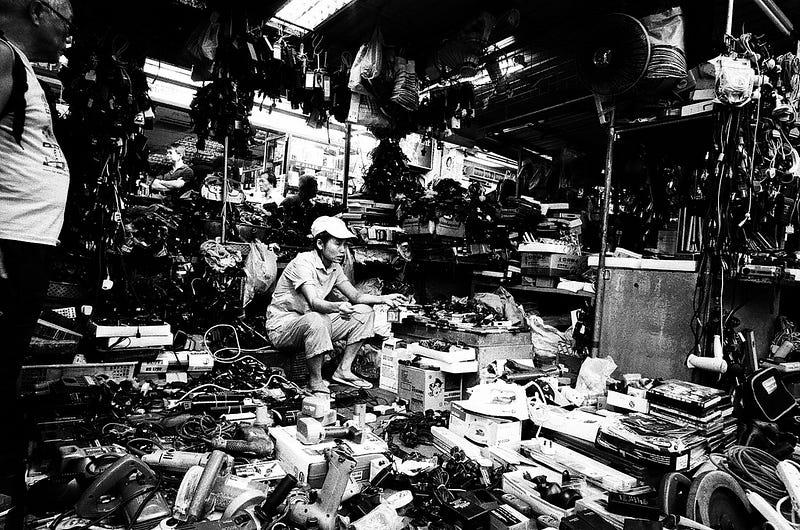
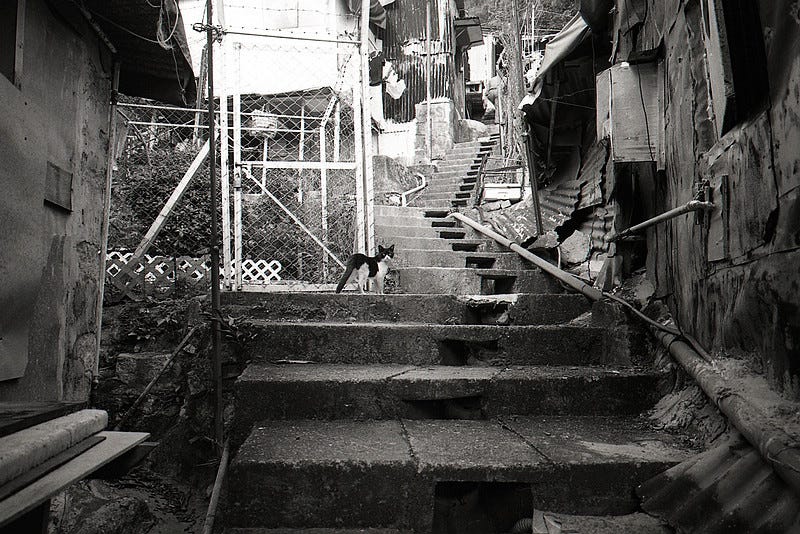

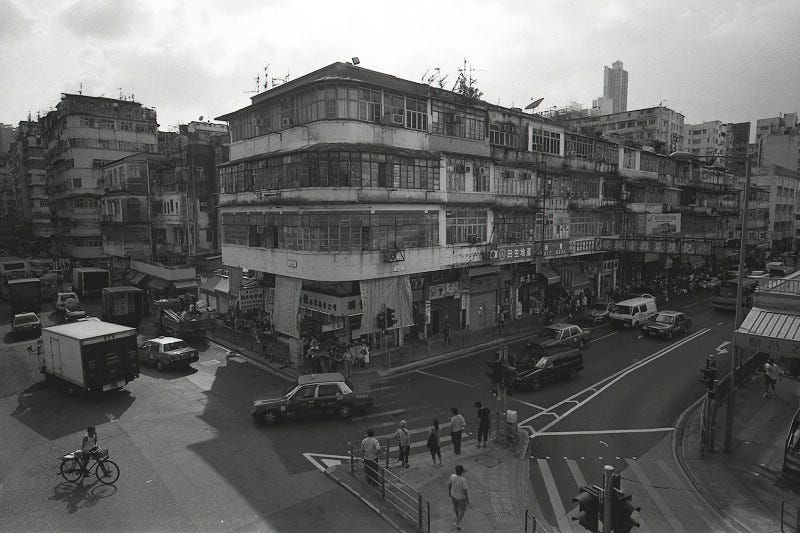
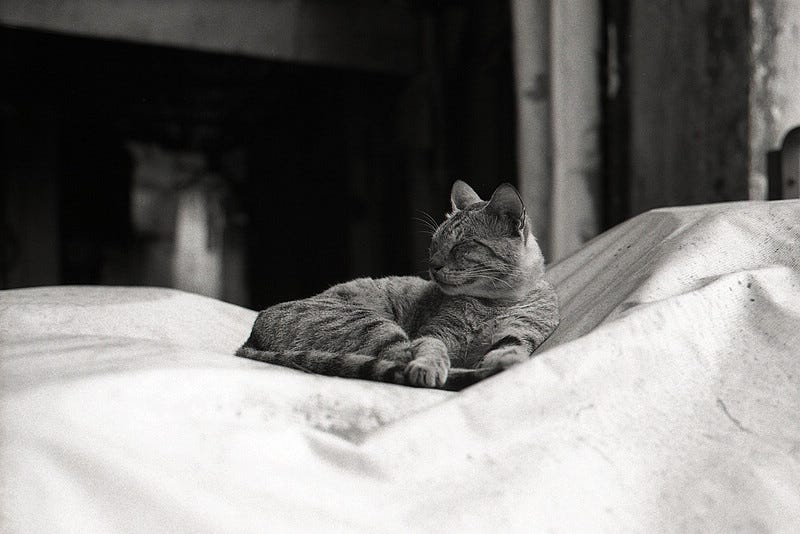
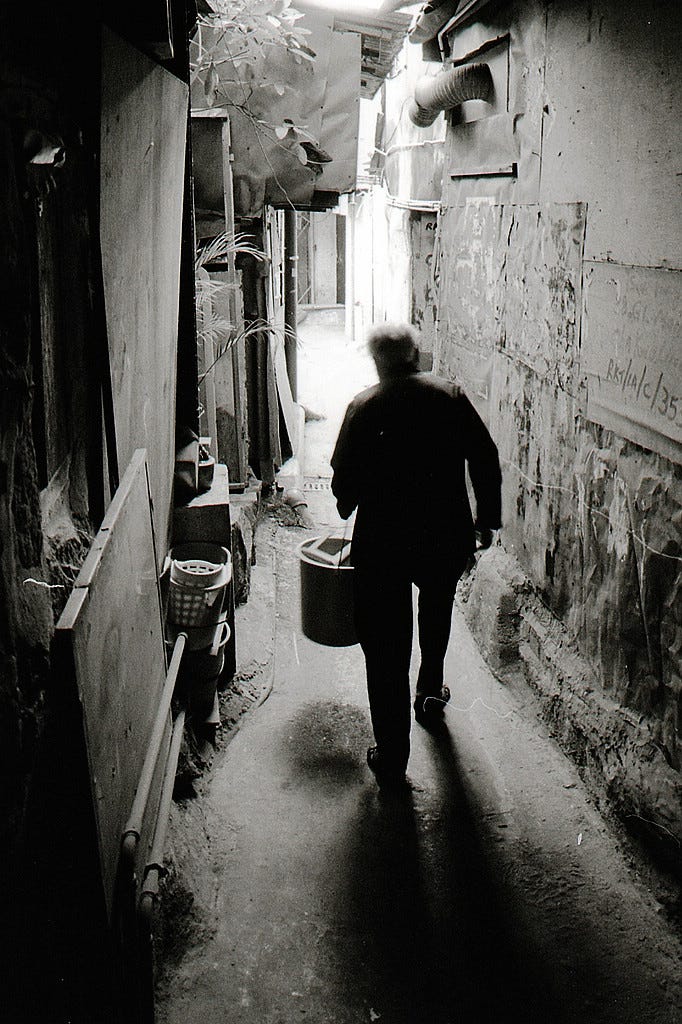
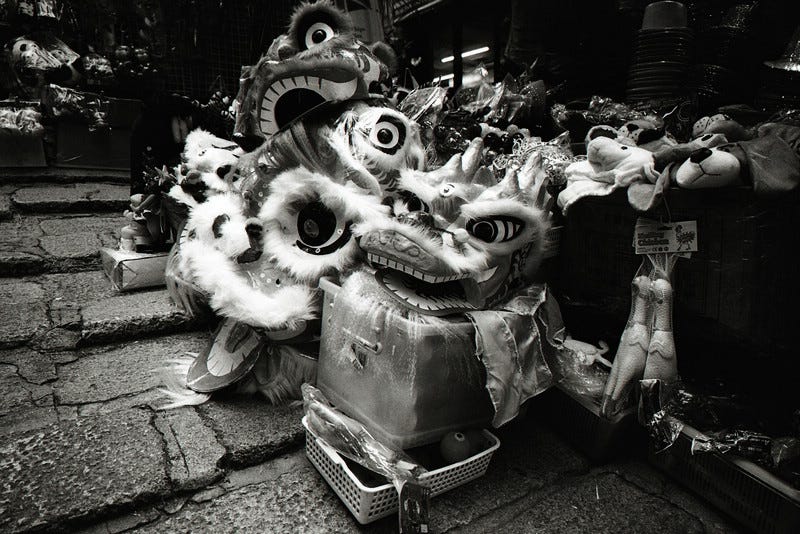

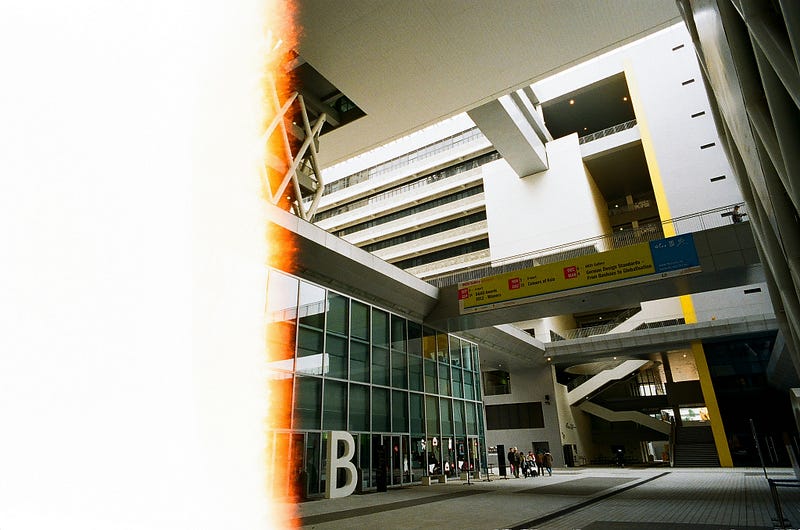
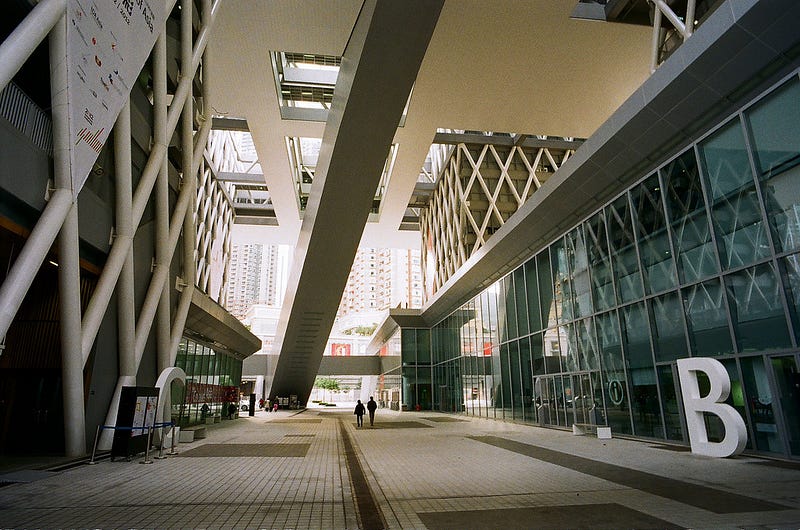
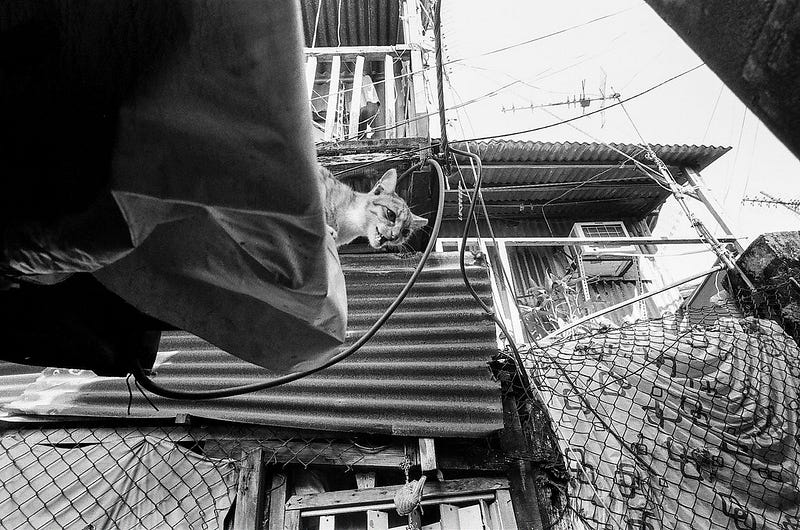
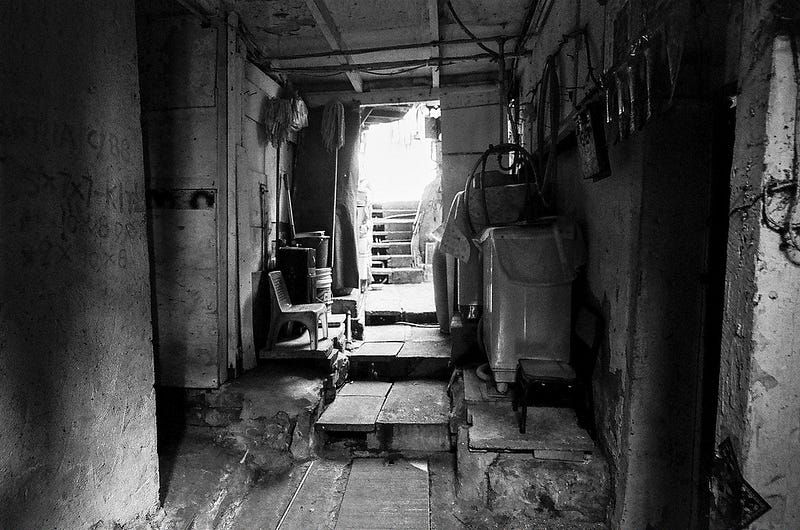

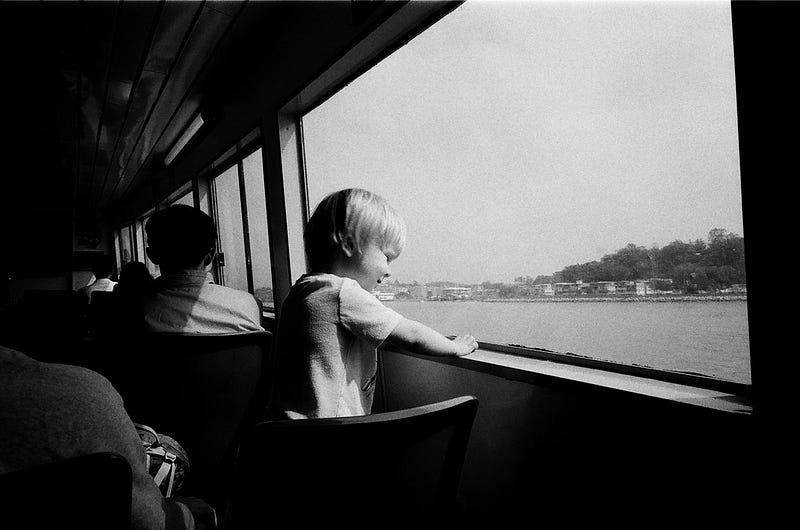

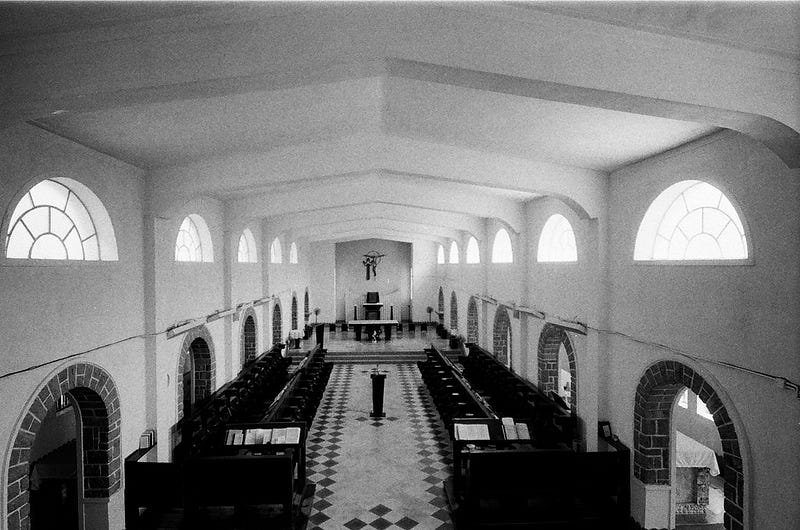


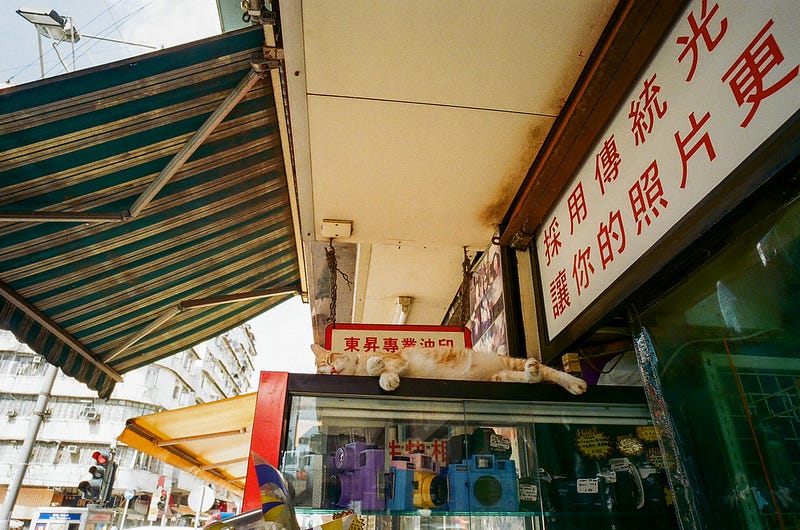


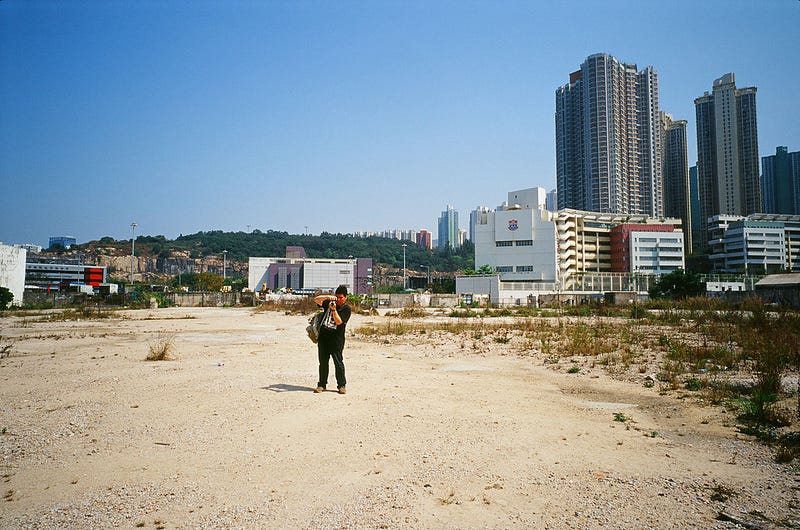



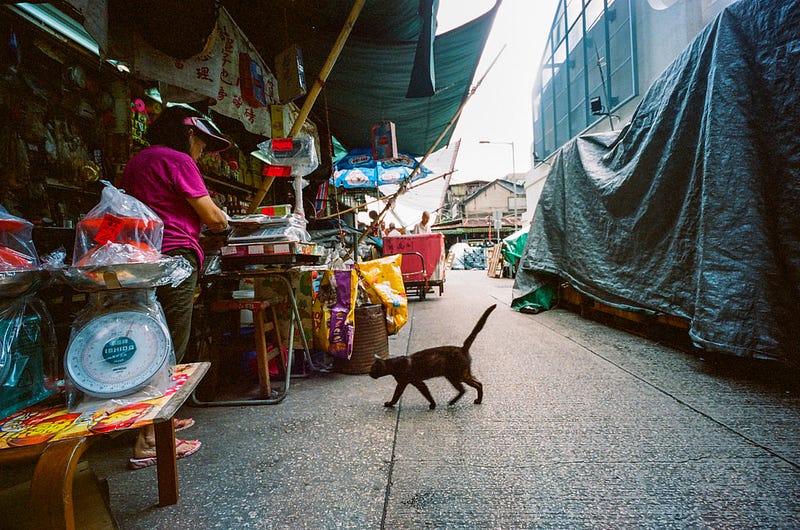


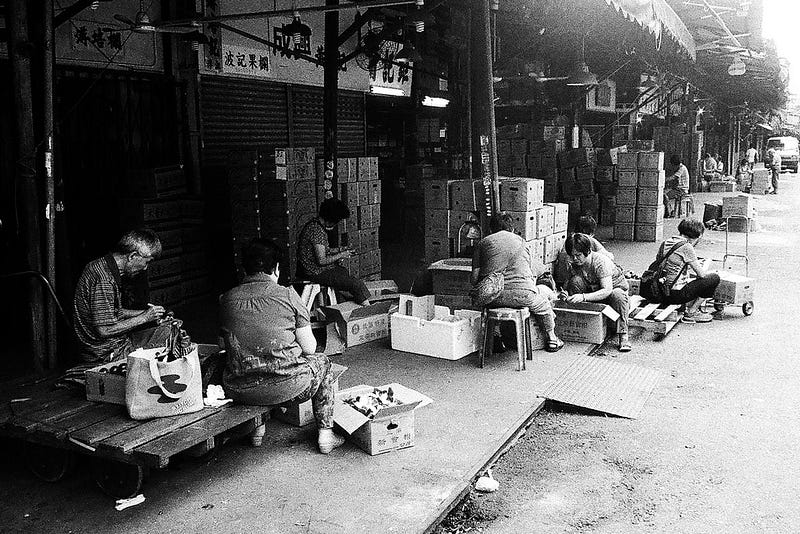
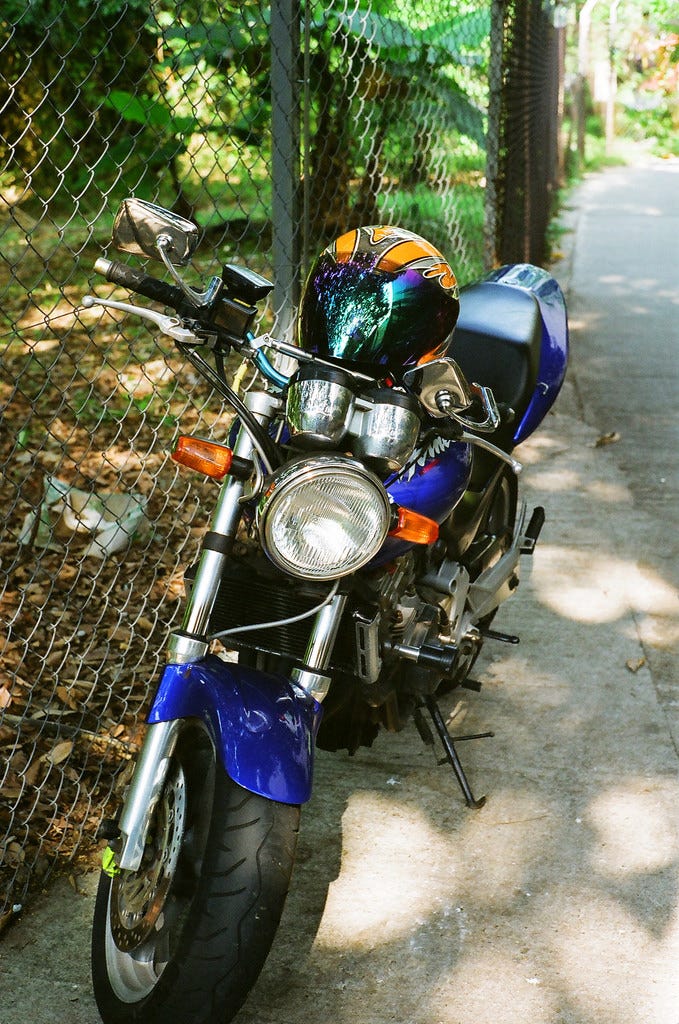


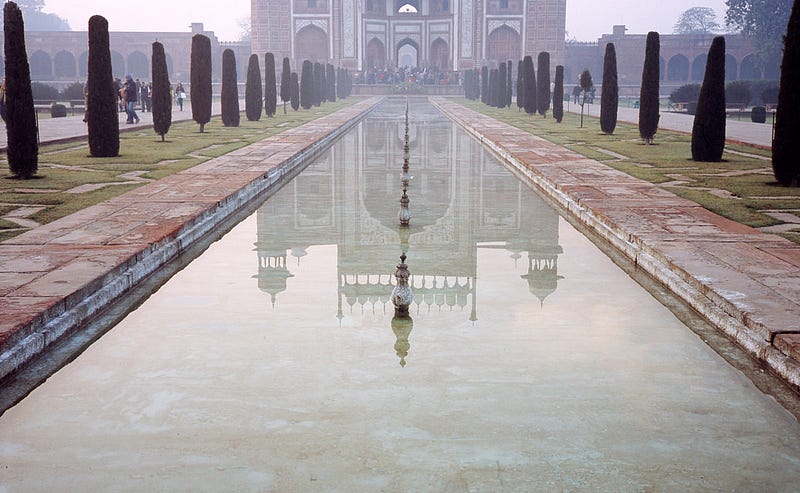


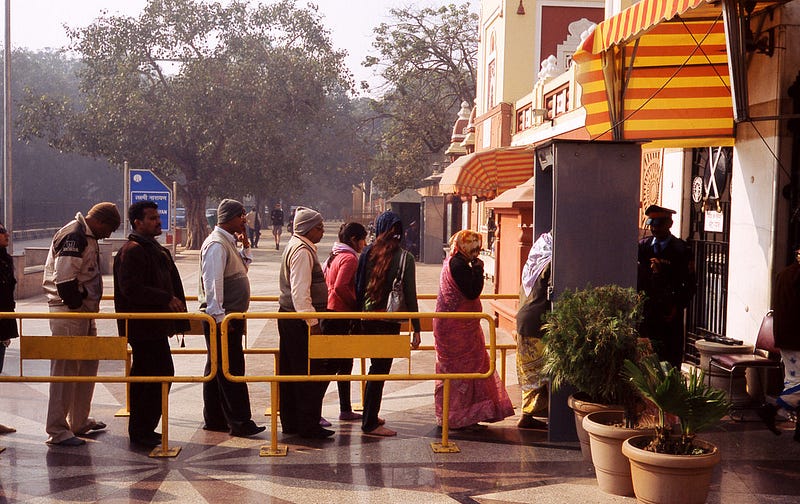
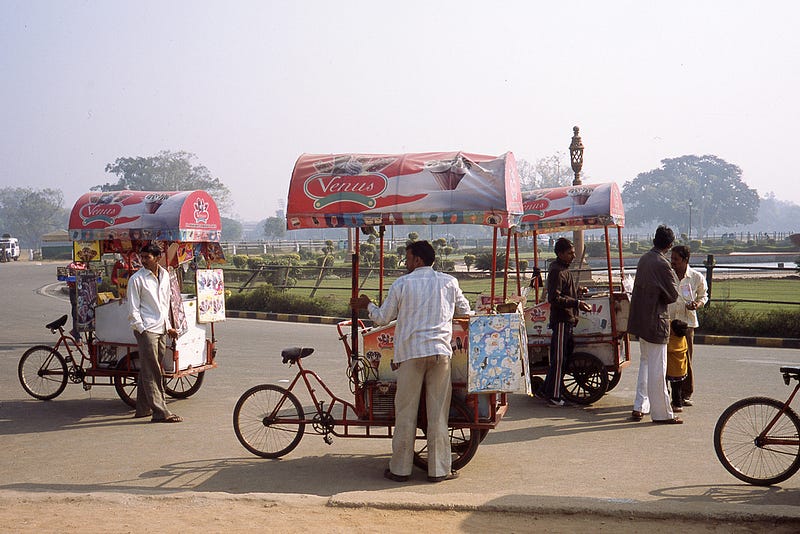
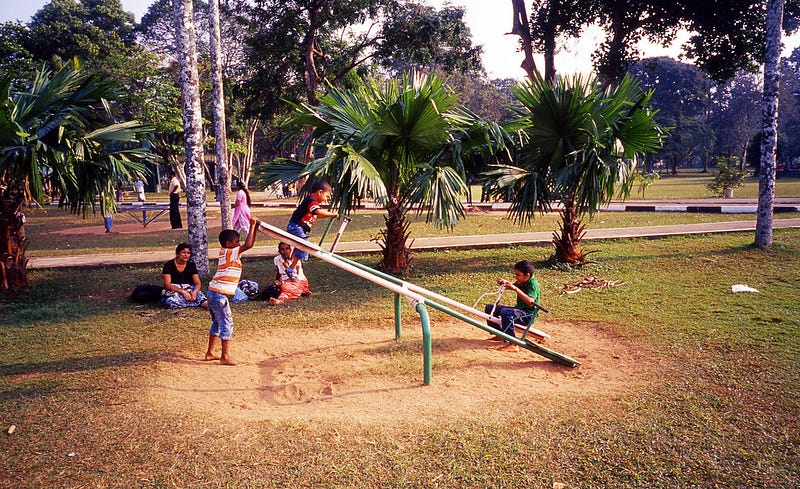
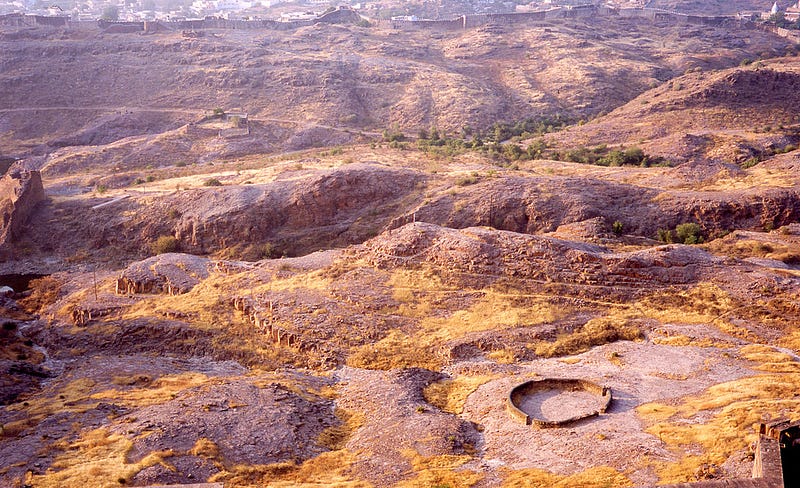

Conclusion
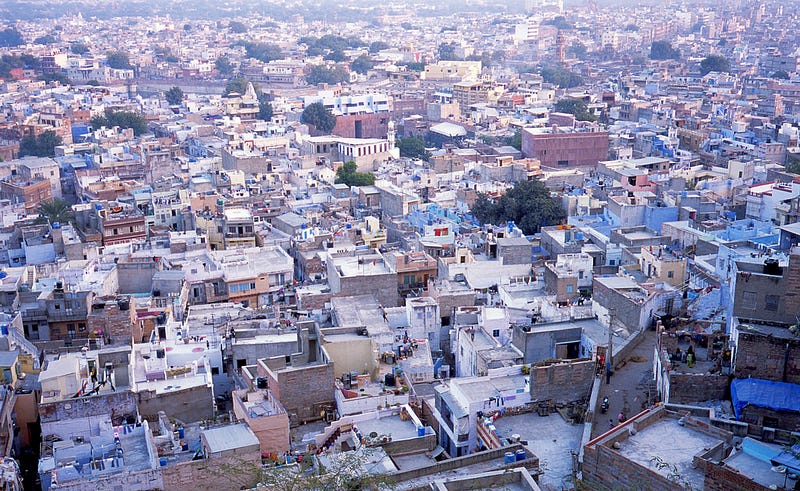
When I look at the CLE again after many years, I find that most of my shots are still taken with the 21mm lens, so perhaps the aperture-driven, lightweight and low-profile body of the CLE is really suitable for street photography. There is no psychological burden to use it. All you need to do is hyperfocus, compose and press the shutter. I don’t think you’ll find any of the LEICA’s softness, solid construction or high level of craftsmanship. For me, the CLE is a good tool and a good camera for me.
2018 . 12 冬
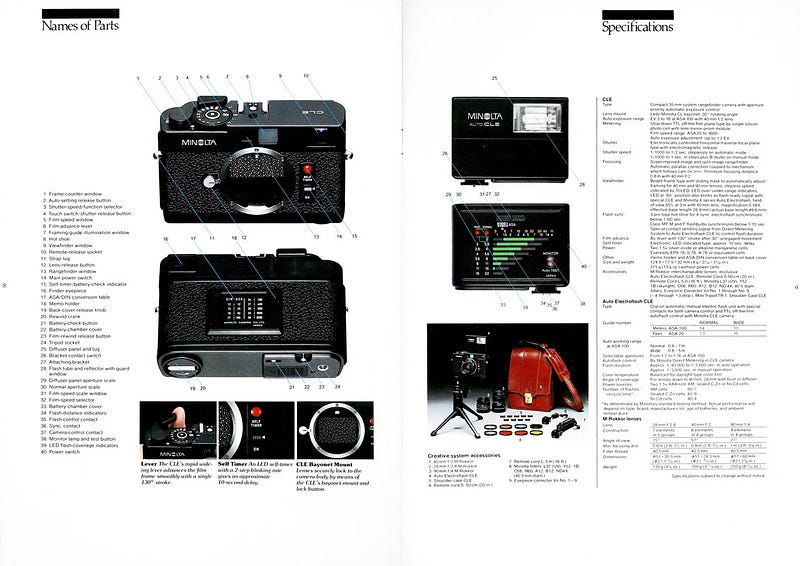
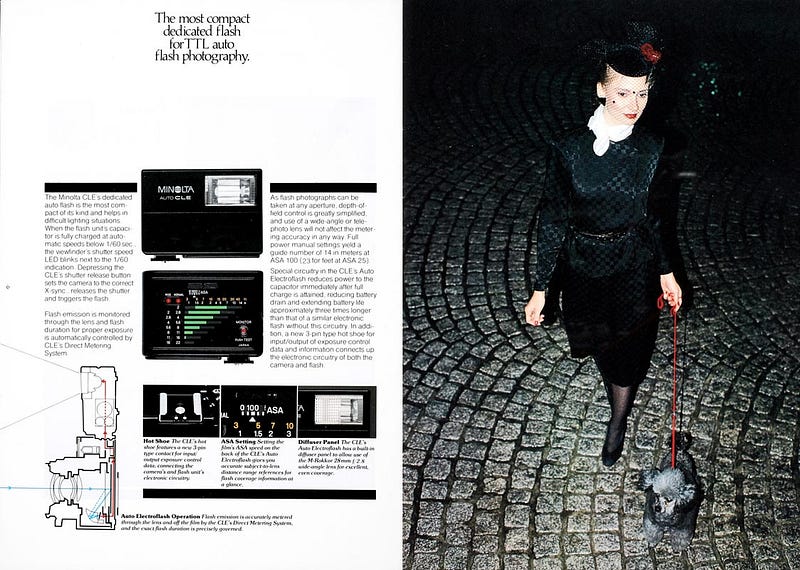
Minolta CLE leaflet. All right reserved by Minolta
Rokkorxblog — Rokkorxblog — Medium
Rokkorx’s Blog | Facebook https://www.flickr.com/photos/rokkorx/ https://www.instagram.com/samlee.hk/
IF you Like my reviews , please suport me by buying me a coffee.
Thank for watching: here is my another camera/lens reviews
If you like this post, feel free to give me a pat on the back and let me know you like it too XD
You can also follow me by pressing the Follow button, but unfortunately, you can’t set up a sneak preview XD. If you are willing to pay USD 1 per month for a cup of coffee, you can support me in my “Words are worth it, photos are worth it”. I have been writing blogs for more than ten years so that you may have read my Minolta articles, other equipment and photo tips in the past. It is not easy to maintain this interest in blogging. Today, many photographers like to shoot youtube or use pictures instead of writing, so in-depth introduction and evaluation may be a chore for many people. Still, I believe that words and photos have a specific value. I have many more pictures and photographs that I would like to share with you, and a little financial contribution from you would help me go further or write.
If you are interested in paying for a cup of coffee every month, subscribe to the author Patreon at:
You can also sponsor me to write a one-off article through Payme

Thank you for reading.
Rokkorx’s Blog | Facebook https://www.flickr.com/photos/rokkorx/ https://www.instagram.com/samlee.hk/


