
DATA DRIVEN ART
Machine Learning adapted for Art
ML in the Creative Industries
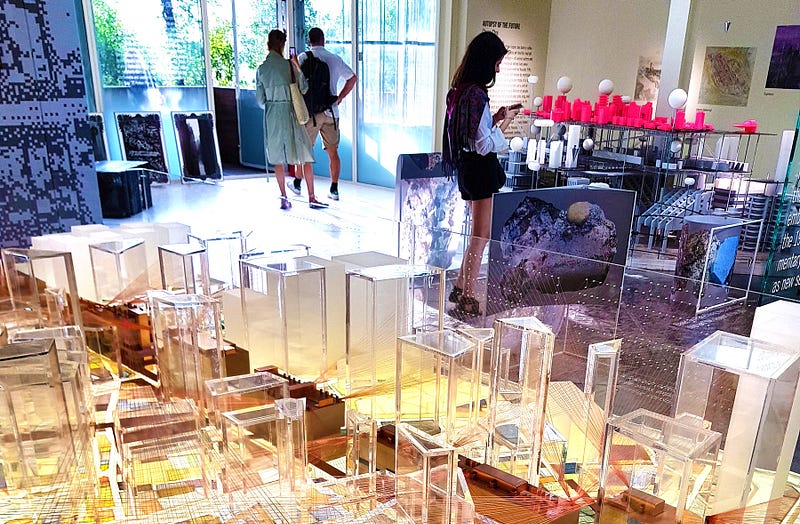
The creative process is changing, and AI will be involved in it, for better or worse. So keep clicking on this article to read how AI can help you create digital artwork without needing to put your artistic skills to the test!
Machine Learning. The digital revolution has not spared the art world either. Artificial intelligence, the new “king” of technological progress, is increasingly involved in its development and promotion. Intelligent algorithms allow us to learn more about how we perceive aesthetics and color combinations, adjust work mood to demand requirements, or even automate various business processes in this industry. As a result, more interested parties rush to enter this space: galleries, art agencies, and even private individuals. However, experts warn that “artificial intelligence” faces numerous challenges that prevent its full development.
Artificial intelligence (AI) is changing the ART world as we know it. It encompasses various applications such as machine learning systems (ML), natural language processing (NLP), perception, simulation, and more. These are processes that allow computers to learn new things about the world, which means improving their performance over time. AI also involves using algorithms that can scan an artist’s artworks or analyze a piece of data to find patterns, all to perform specific tasks.
the most powerful AI solution for creative industries in 2026:
1. Cloudsponge — a PaaS solution that organizes videos using AI. 2. Clap — an AI assistant for creatives. 3. Copycopter — an AI-powered tool to copy anything. 4. Turing’s nose — measure the temperature of a work of art 5. Devil’s Pie — an automatic graphic design assistant. 6. Dialoguccio — an AI assistant for artistic projects. 7. Ficus — an AI-powered platform to create art projects. 8. DeepVR — a tool for artists and designers
Machine Learning solutions for the creative industries change the reach and quality of the creative space. These machine learning solutions allow developers to create artistic projects from a format that would otherwise take a lot of time and effort in an era of big data. This is especially useful for small business owners who want to make a profit from their work. The limitations of AI in the creative industry are the same as in any other industry: it can be applied to various tasks, but it does not consistently achieve perfect results for each scenario. For example, when AI identifies a piece of art in a museum or a gallery, it does not always find the ideal piece that perfectly fits the needs of collectors. Researchers have often noted that they have to identify similarities in certain situations, especially when they have no prior experience. This is where the role of the human is essential. Thus, one of the most critical challenges in artificial intelligence is identifying an art that will remain for many years.
The world of AI and ML solutions for the creative industries is really young, and it has a lot of potentials. Yet, certain limitations can’t be ignored. Namely, specialized solutions for creative use often need to be developed because what works for one project does not always work for another. Thus, AI is still no replacement for creativity — which is why people like artists will always have their place in the world as long as they continue to create something unique and beautiful.
Data-Driven Art is the future. It’s about time that you jumped into it.
Join us, with my referral link, to support all talented writers on medium
I am an Art Curator, founder at EvArtology, and ML consultant at MLearning.ai. I advise companies and institutions in the creative industries on using AI tools in their daily work. Human collaboration with ML models can be very creative and bring huge benefits. The new era begins now.


