
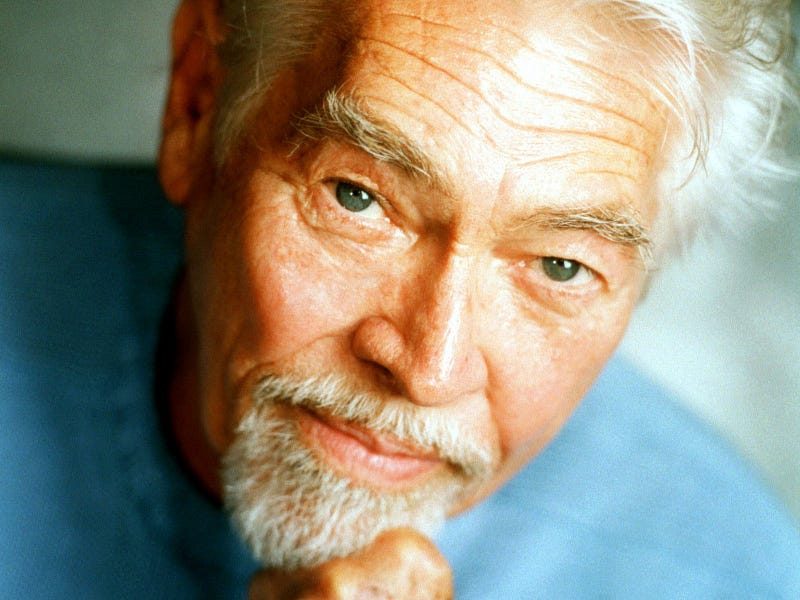
Love was the answer for hipster cowboy James Coburn
‘Love is an action. It’s not something you get. It’s something you do, and it manifests into something greater than you are. Which is perfect.’ Robyn Coburn, the 1999 Academy Award victor’s daughter-in-law, untethers a wealth of absorbing nuggets from ‘Dervish Dust.’
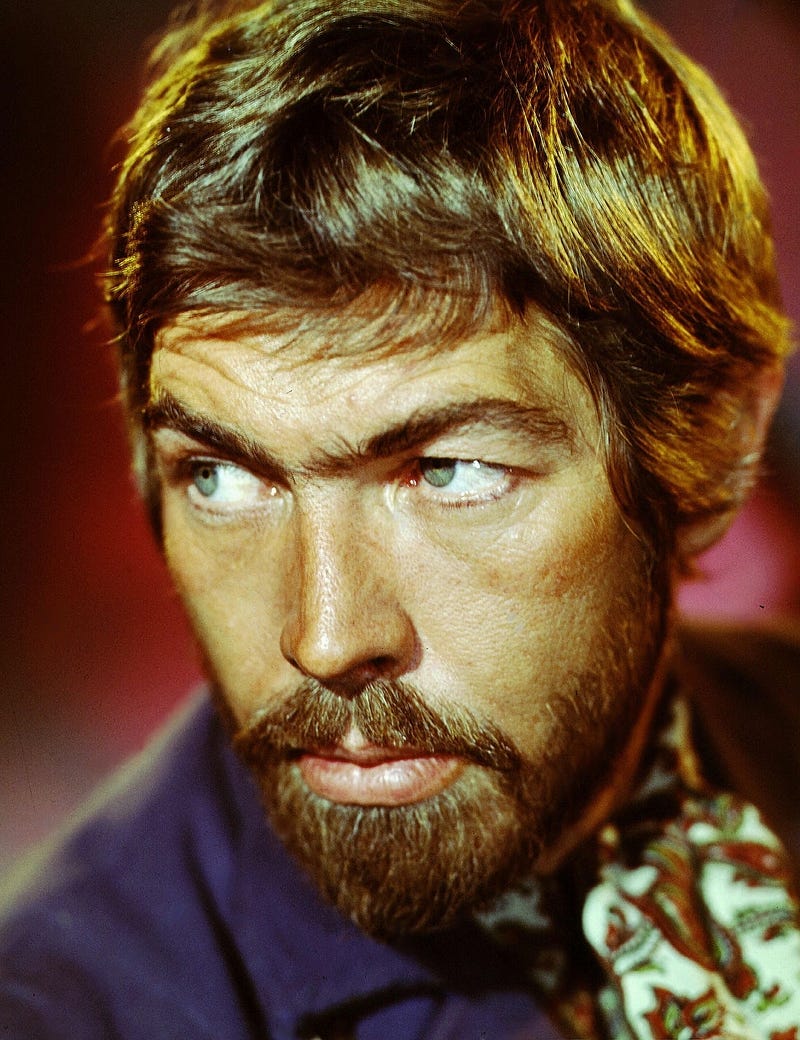
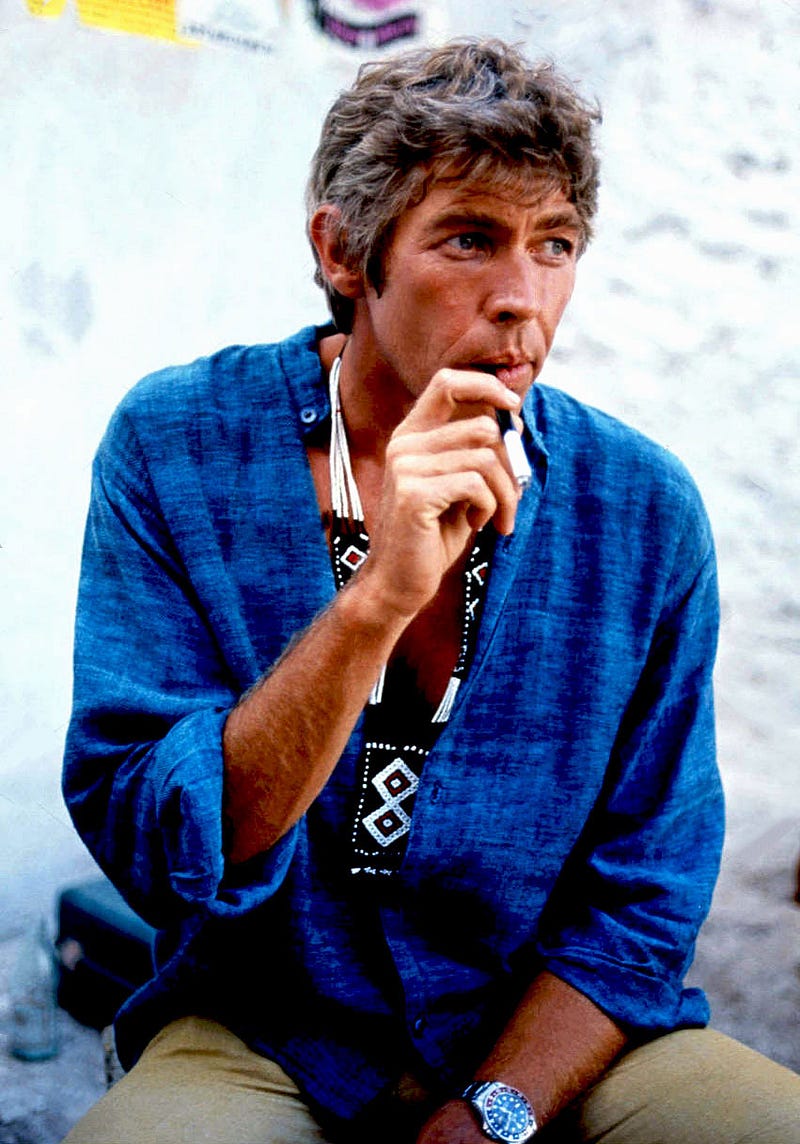
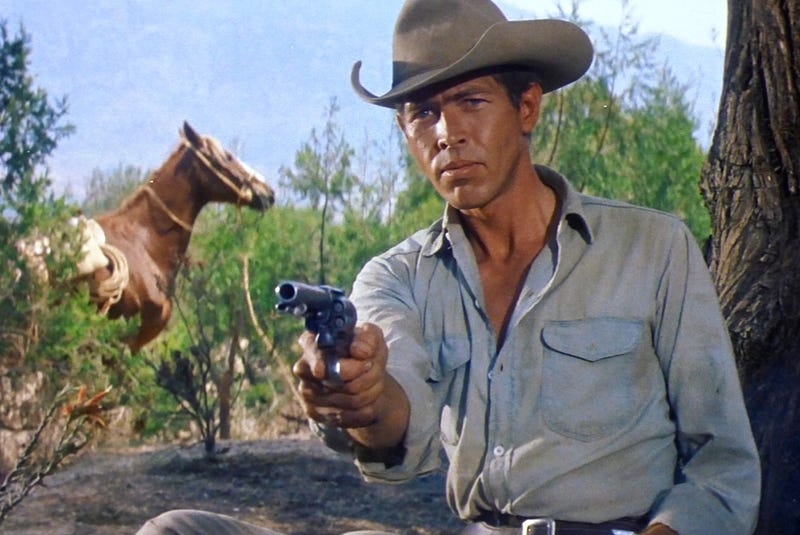
Affectionately tagged “the philosopher” by martial arts master Bruce Lee, James Coburn shot to fame as ladykiller spy Derek Flint in two tongue-in-cheek action movies in the swinging ’60s and counted Steve McQueen, Charles Bronson, and Sam Peckinpah as mates. Equally at home on the range — The Magnificent Seven, Sergio Leone’s Duck, You Sucker! and Pat Garrett & Billy the Kid are archetypal westerns — by the late ’80s the cool cat was in danger of fading from memory because of debilitating rheumatoid arthritis, a rancorous divorce, and questionable celluloid choices. Relegated to supporting turns as “the man in the suit,” Raging Bull scriptwriter Paul Schrader cast Coburn as an alcoholic grump antagonizing son Nick Nolte in Affliction. Then the Academy of Motion Picture Arts and Sciences acknowledged what fans had long known — Coburn could act. Robyn Coburn, who penned the estate-blessed Dervish Dust: The Life and Words of James Coburn [a discount code is also up for grabs from the publisher], ventures into the weeds for an exclusive, far-reaching conversation about her late father-in-law who urged fellow travelers to “go bravely on.”
The Robyn Coburn Interview
Name some of James Coburn’s biggest box office hits.
A film is usually defined as a hit based on its domestic box office relative to its budget if it makes back some percentage more than was spent. Our Man Flint and In Like Flint were hits by that definition. I don’t think the Sam Peckinpah films [Major Dundee, Pat Garrett & Billy the Kid, and Cross of Iron] were particularly successful in their first runs, but they have become more popular today. Stanley Donen’s Charade ended up not making as much money because of a mistake in copyright at the time allowed anyone to show or broadcast it. Jim’s films were often more popular in Europe than domestically.
Favorite Coburn films?
Charade [1963, Coburn supporting Cary Grant and Audrey Hepburn], A High Wind in Jamaica [1965, costarring Anthony Quinn], and Harry in Your Pocket [1973, teamed with Michael Sarrazin]. My husband James Harrison Coburn IV [Coburn’s only son] and I love seeing Jim’s movies and guest appearances on television series before he became a household name. We get a kick out of seeing him appear so young on Perry Mason [“The Case of the Envious Editor” and “The Case of the Angry Astronaut”] and The Twilight Zone. His Rod Serling-scripted episode, “The Old Man in the Cave,” is an awesome classic.
What is your day gig?
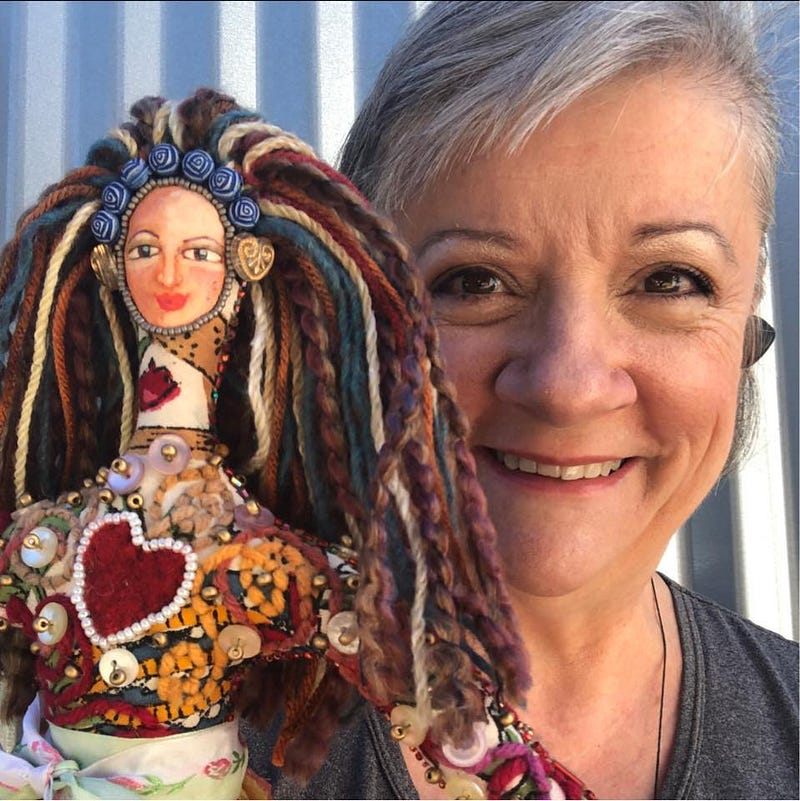
I’m a writer and artist. Plus I help people with their entertainment industry resumes and job search. Every now and then I work as a production designer and teacher. My website WorkInProduction paints a more thorough picture of what I do. My husband is a college professor [a production sound instructor at the New York Film Academy’s Los Angeles campus since 2015].
Did Nancy Mehagian attempt to write Coburn’s authorized biography? Mehagian has published a memoir, Siren’s Feast: An Edible Odyssey, and is a Los Angeles massage therapist who accompanied Coburn’s Last of the Mobile Hot-shots composer Quincy Jones on the road in addition to the Eagles on their record-shattering Hell Freezes Over reunion tour in the mid-‘90s.
Nancy had begun preparing transcripts and paraphrasing the tapes. I believe the intention was to write Jim’s memoir together as a series of conversations. There are about 40 hours of recordings conducted by Jim and Nancy over 4 or 5 months in 2002. They might have spoken more about the last movies that Jim did [e.g. Missing Pieces, Intrepid, Proximity, Walter and Henry, The Man from Elysian Fields, Monsters, Inc., Snow Dogs, and American Gun] had he not ran out of time [from a massive heart attack at age 74 on Nov. 18, 2002].
What’s the long story of how you came aboard as Coburn’s lone biographer?
Another couple of writers had been contracted to write a book and make some kind of biographical documentary, but without using the recordings conducted by Nancy. The results of their writing project were not acceptable to the James and Paula Coburn Foundation or its executive director, Lynda Erkiletian.
Their project sat in a box for a long time. Lynda asked the family to read the draft and give their opinions, but it took awhile to get to it. And then we all agreed that it was not salvageable.
At that point I asked Lynda if I could have a go at it, using the tapes as the foundation, and after a bit of writing, we all decided to proceed. My husband encouraged me from the start.
All the research had to be done again by me, and there was a lot more in the world by then — digitized newspapers and other books. Friends and family who had not been willing to speak to strangers were willing to speak to me, as a family member, especially Frank Messa [a drummer, flutist, handyman, artist, and Coburn’s dearest confidant], Jerry and Karen Chapman [first wife Beverly Coburn’s half-sister], and Josette Banzet-Roe [a Golden Globe recipient for the miniseries Rich Man, Poor Man who eventually married “Dizzy” bubblegum singer Tommy Roe and counted Coburn as a pal]. Frank shared wonderful stories.
So, it was about three years from when I started writing it until it was completed and edited in I want to say late 2018, and the Foundation started seeking an agent. After a year of no movement, I suggested that I should try. I first reached out to agents and had positive feedback but no takers at first. Then one agent was interested, but she and the Foundation couldn’t come to an agreement.
Lynda was still hoping for a Big 5 publisher [i.e. Hachette Book Group, HarperCollins Publishers, Macmillan Publishers, Penguin Random House, and Simon & Schuster], but I was able to persuade her that this was not the right approach. That biographies are rarely giant money spinners was the message I was given over and over from agents. But a small press or university press is the right kind of publisher for this type of well-researched work, and I had already made some connections at a writers’ conference a couple of years earlier. Plus they generally accept unagented queries.
So, I initially reached out to the University of Nebraska imprint Potomac Books, as having a connection with Jim — Nebraska — and reminded them of my conversation with them at the conference. And it was Thanksgiving weekend of 2019 when they called me to say they were interested in publishing the book.
Potomac was a great help with the footnote formatting and trimming the bibliography. I read more than I ever quoted. They had a few tiny word choice questions. I sometimes write in Australian English, and most of the time the editor’s questions helped me clarify my meaning. But the book was substantially completed at purchase.
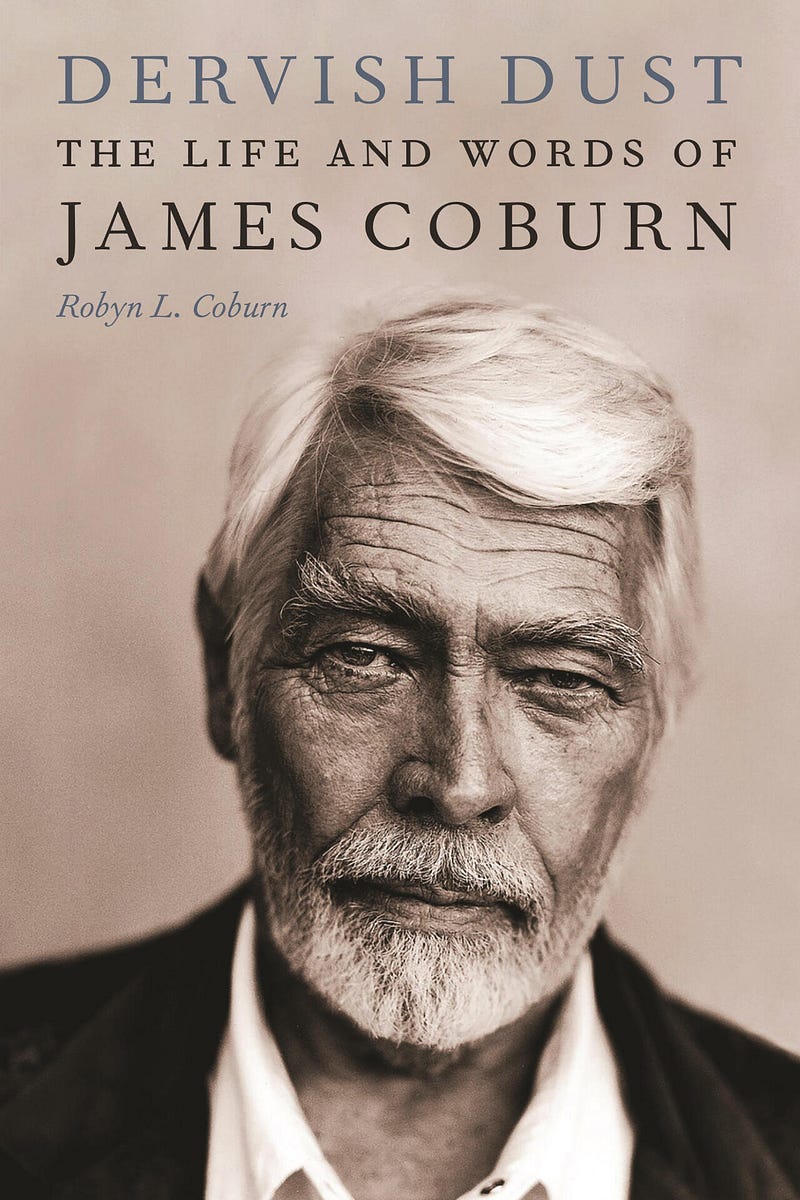
What went into the decision to have Coburn grace the cover of Dervish Dust in his twilight Affliction years rather than during his classic star-ascending era?
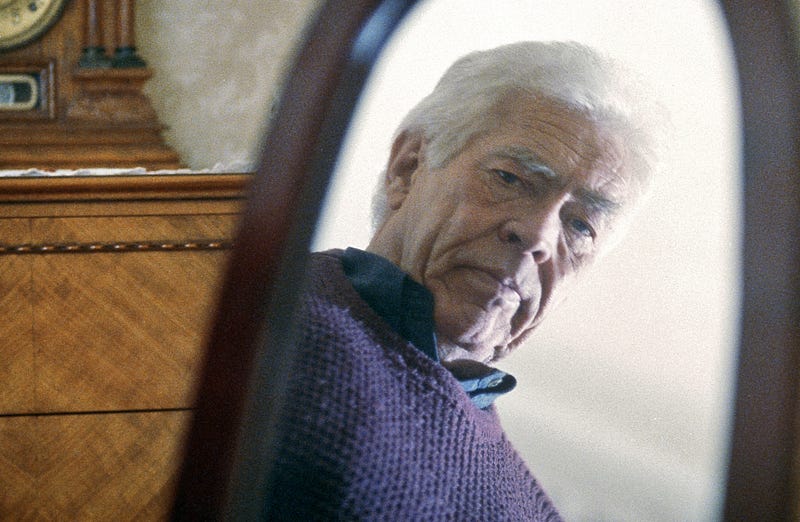
Potomac found and chose the cover photo. We had no input on the design beyond some general ideas and the desire to use a black and white image. Lynda Erkiletian and I like the chosen image [as does yours truly]. James doesn’t. I’m not sure what Lisa’s opinion is [the daughter of Beverly and previous husband Leon Goldner, Coburn legally adopted the three-year-old in 1960].
What were the most difficult and easiest aspects of Coburn’s life and career to research?
The hard parts were the ones Jim had not spoken about, or obscure films with little information. I noticed that often his recollection of exactly when something may have occurred was fuzzy, even though he remembered the events themselves clearly. I looked for primary sources and written documentation — e.g. passport stamps, film production sheets — that confirmed or pinpointed when an event occurred.
The easiest parts were his young adult life because he talked a lot about it and returned to those stories often.
As time passed did Coburn wear rose-colored glasses, or did he stick with his original feelings?
Since I was not interviewing him, this is hard to answer. He had a collection of stories that he repeated a lot in interviews over his lifetime — that did not change. But he was prompted by Nancy to delve into additional stories and memories.
What was especially tough to corroborate?
Jim’s life with second wife Paula Murad [1990–2002]. I had to rely on what was in Nancy’s tapes and other people’s recollections because there was very little written material outside of interviews connected with the Oscars.
How much has Laurel, Nebraska, changed since Coburn was a boy?
I’ve never been to Laurel. Jim never got back there [however, it was not for lack of trying; according to pages 268–269, while on location in Sioux City, Iowa, for the 1992 ABC movie-of-the-week Crash Landing: The Rescue of Flight 232, aka A Thousand Heroes, during an off day Jim and Paula “set off after breakfast in a rented car, driving along country roads through the farmland of gentle rolling hills, largely fields of alfalfa and pasture. ‘There’s not many roads that go there,’ said Jim. After a while the rural roads all started looking very much the same. They passed a sign that read ‘Laurel — 12 miles.’ They knew they were close. ‘But we couldn’t find it. It was like it had disappeared. It was the strangest thing. We drove all around the area. I never got to it. Very strange. We asked everybody, and they would point us in a direction; we’d go in that direction. We drove through it or around it, but we couldn’t find it.’ They were even pulled over by a highway patrol officer for speeding…Jim told him that they were looking for Laurel. It turned out it was back about 40 miles the way they had come. They were almost back to Sioux City, and it was getting late. They decided they had to give up and return for the sake of the early call the next morning…”].
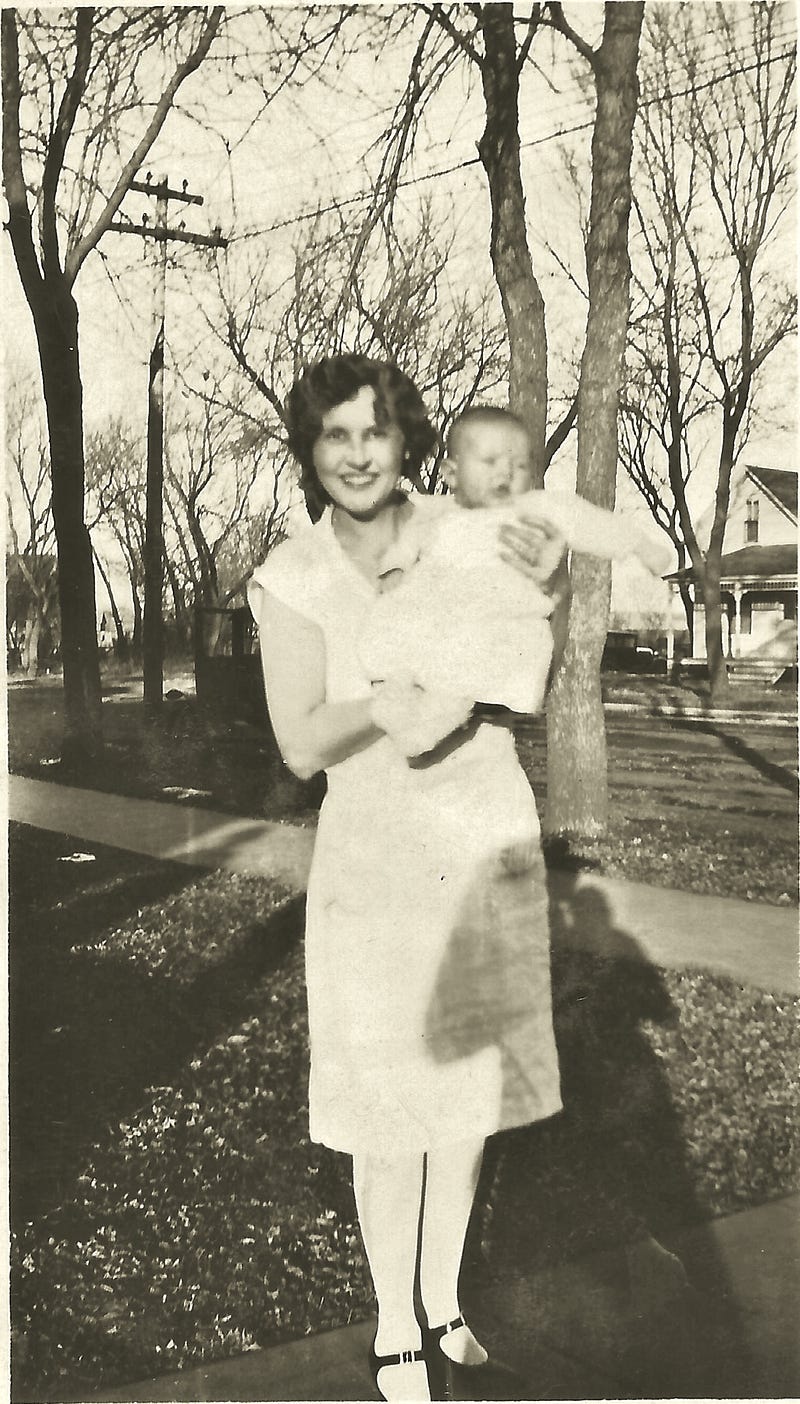
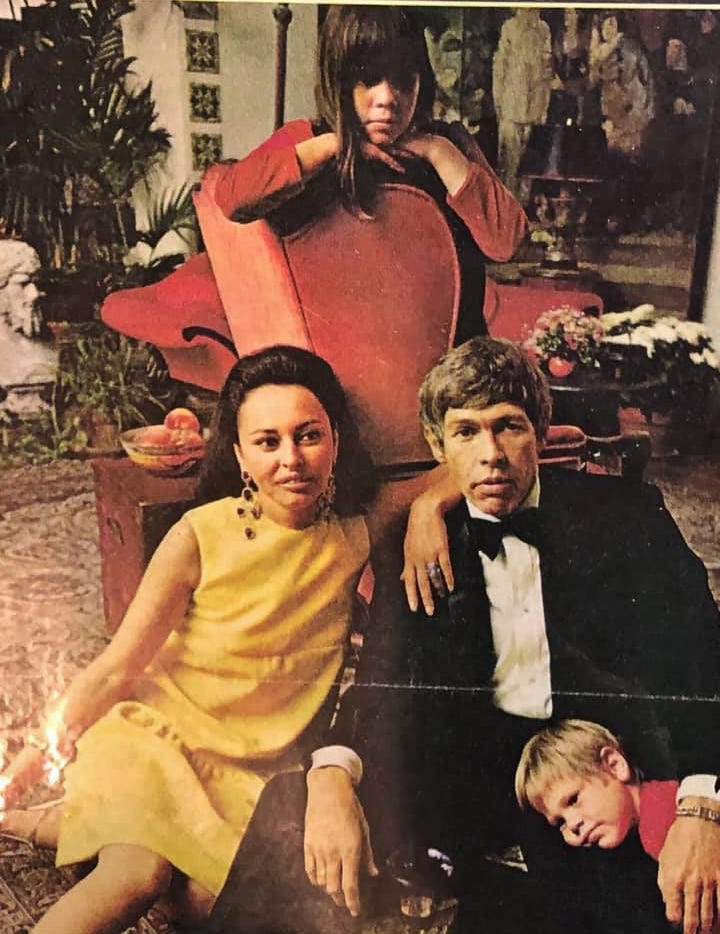
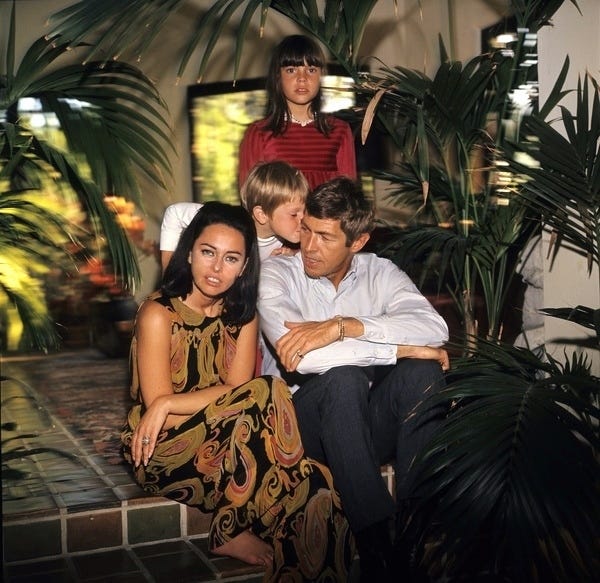
How did serendipity rule Coburn’s life?
The three that stand out are his first job in New York that came about because his friends at their weekender spot on Fire Island happened to know an agent casting an industrial for the U.S. Rubber company and Jim happened to know some golf [circa September 1955].
He happened to meet Robert Vaughan at Los Angeles City College who later helped him into The Magnificent Seven to play Britt, the man with a knife. Jim only had 11 lines in the movie, but he had presence.
Eva Gabor happened to be the star of the “Ah There, Beau Brummel” episode of his first serious TV audition in Los Angeles [May 1958, the Ronald Reagan-hosted General Electric Theater, costarring Hume Cronyn, who mentored Coburn in their couple of days together on set], and they had just worked together in a summer stock production in Detroit.
One could also say meeting Beverly was serendipitous, too [from page 56 — “It was at one of these late 1958 Hollywood parties that a mutual friend introduced diminutive Beverly Kelly to tall, lanky, up-and-coming actor Jim Coburn. There was an immediate sizzle between them. They left the party together, and took off and drove to Joshua Tree, in the California high desert, where they spent all weekend under the stars, as she says, ‘smoking, drinking, and f*****g’”].
If Coburn was still among the living, what would you ask him about?
More details from some of the movie projects that I could only find from press interviews. More about his time in New York [where Coburn obtained his Screen Actors Guild card, studied acting with Brando’s teacher Stella Adler, and did some off-Broadway plays and live dramatic TV anthologies between 1955 and 1958].
I do wonder what he and Beverly said to each other in Greece during the summer of 1975 while Coburn was shooting Sky Riders [from page 208 — “Jim met a pretty, young Greek woman named Angela and embarked on a serious affair that would have long-term repercussions in his marriage. Angela was a public relations person at the Athens hotel where the company stayed…according to Lisa, her parents had developed an understanding once Beverly stopped coming to sets. She didn’t want to know what happened while her husband was alone on location, provided he was discreet and didn’t involve his family…somehow Beverly learned of the shenanigans…”]
Who’s a speaker from Coburn’s public memorial service at Paramount Studios on Dec. 18, 2002, that seized upon the essence of what made him tick?
I did not attend, but I have transcripts of people’s remarks. Herbie Kretzmer, who was a lyricist and the theater critic for the Daily Express in London, had insights as a friend rather than ever having been a colleague [from page 88 — “For the last 41 years I have pretty regularly picked up my telephone and heard that wonderful, instantly recognizable voice announcing the identity of its owner in a single unadorned word, ‘Coburn,’” remembered Kretzmer. “And then I knew Jim was in town again, and it was almost always playtime”…and from page 272 — “We actually went with Paula and Jim on their honeymoon in 1993, and you can hardly carry friendship farther than that…in the small, crowded souks of Morocco, Jim stood out a mile and was unfailingly courteous to all who approached him, responding with characteristic modesty and friendliness, even to those who were convinced that he was Lee Marvin”].
Since Coburn expressed humility and appreciation when amongst the public, what’s a memorable fan encounter?
The best story comes late in the book from the attendee at Sundance [from page 293 — “Cinematographer Alan J. Sutovsky wrote a letter to Variety speaking of Jim’s warmth and charm on The Man from Elysian Fields’ Q&A panel in January 2002: ‘Strong yet humble, he expressed himself in the manner of the intelligent and thoughtful artist that he was,’ then met up with him again, by chance, the next day. ‘Coburn’s openness and willingness to engage me in conversation was more than enough to make the entire Sundance trip worthwhile…he reached out and shook my hand. Warmth, fortitude, and conviction radiated from this man; it was all there in his hands, his voice, his smile’”].
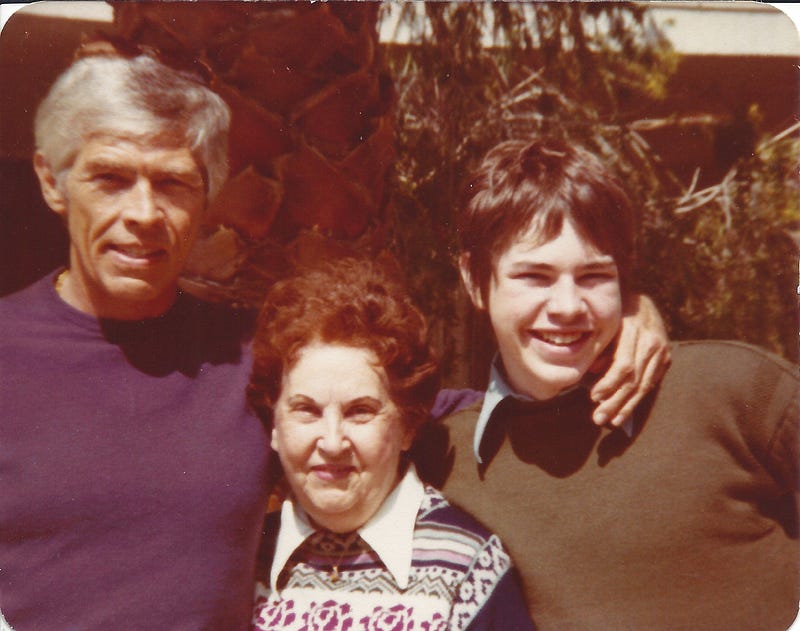
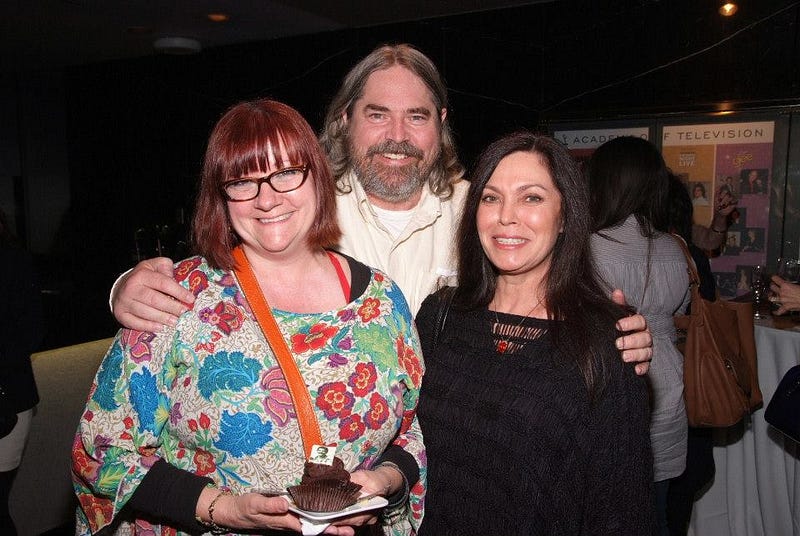
Did Coburn visit his son during his Zimbabwe residency?
No. Only the odd phone call I believe. Family friend James Logan kept up correspondence with Beverly, and I suspect info traveled via Frank Messa and accountant Rob Harabedian [from pages 232–233: “James graduated from Beverly Hills High School, class of 1979, but had no clear vision of his own future. Jim gave him a round-the-world airline ticket to allow him to escape what was shaping up to be a nasty fight between the parents. James set off, getting as far as Africa, where he stayed for the next several years with Logan. James worked for a canoe safari company and as an actor in some local English-language films, most under the name of Harrison Coburn. In South Africa he did commercial voice-overs and was a radio producer”].
Was Coburn’s philosophy of eschewing nepotism well-founded?
No. Nepotism is a commonly accepted practice in the industry, if sometimes taken too far for some individuals who are not competent. No one worries about it if the kid turns out to be good at their job, only if their promotions seem undeserved. Competent people soon move beyond how they got their start.
However, Jim didn’t refrain from helping James because he didn’t like nepotism. It was because he did not consider a boom operator, as James was initially, to be a prestige job and he didn’t trust that James would be any good. It’s a shame that they never worked together because all of Jim’s concerns would have been put to rest [from page 306 — “Certainly Jim was very pleased once James became a full-time production sound mixer. Jim told me, ‘It was better than…’ and made a gesture of lifting both fists over his head. I often wonder if he would have changed his mind had he ever seen his son at work and witnessed the elegance and efficiency James brought to booming. I guess he forgot his own lowly start cleaning the bathrooms at the movie theater in Compton, California”].
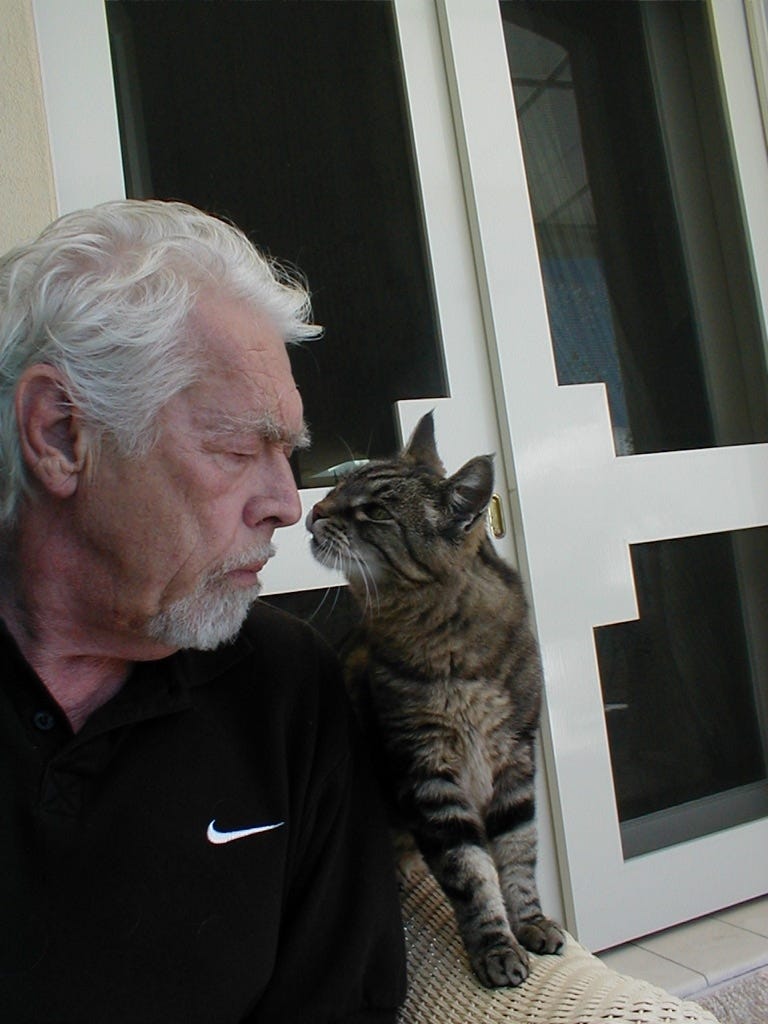
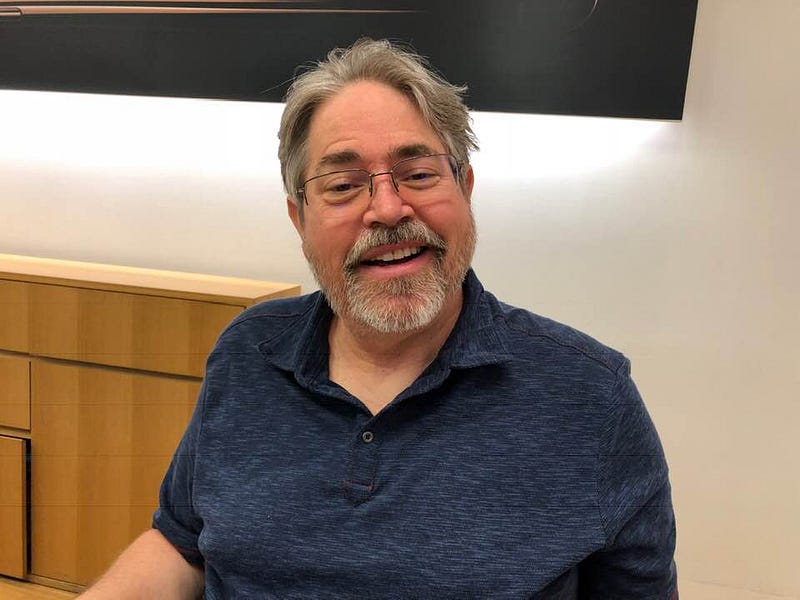
How does James remind you of his father?
They both love cats, and their cats love them.
In spite of Coburn being “curmudgeonly about kids,” you successfully engineered a brief photo opp of him seated on a couch with your daughter Jayn Holly. How come it’s not in the book?
It was too low quality to print properly.
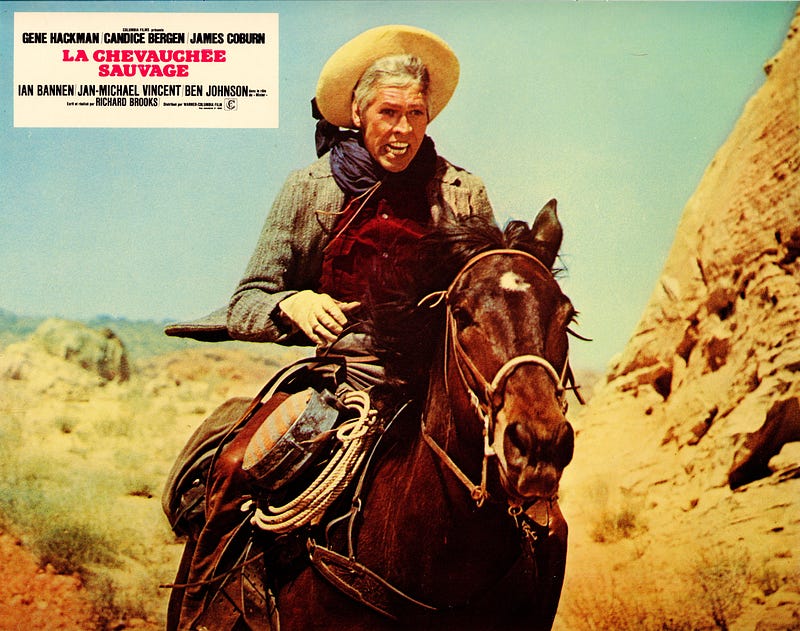
A rugged western individualist, Coburn was at ease in the saddle.
I’m not a huge western movie fan, but Jim learned to ride visiting his paternal cousins on their Nebraska farm as a boy [the six-year-old and his parents relocated to Compton, about 10 miles south of downtown Los Angeles, in 1935 and settled in with his mother’s brother Emanuel Johnson and his large family]. I quoted a memo from producer Jerry Bresler to Peckinpah where Jim enthusiastically committed to practice riding with one arm in preparation for his role as part-Indian scout Samuel Potts, supporting Charlton Heston’s title character in Major Dundee. He also exhibited exceptional horsemanship in Richard Brooks’ Bite the Bullet.
Is there a Coburn episode or film that is unwatchable?
I think Waterhole #3 [produced by Blake Edwards, costarring Carroll O’Connor, Claude Akins, and Bruce Dern, 1967] has not aged well, but that is down to the script and not Jim [from page 117 — “‘The problem lies principally in the presentation of the rape, as well as the reprise of it in this serial-comedic style,’ wrote Hays Code President Geoffrey Shurlock…today’s audiences would likely find the same part of the movie, including the dismissive attitude from the rape victim’s father, to be discomfiting and certainly not funny. It’s as if the filmmakers couldn’t decide if Waterhole #3 was a caper film, a buddy road film, or yet another satire about stupid military brass”].
I find Hard Contract [1969] slow moving, but other people seem to like it [from page 140 — “Jim portrays a cynical hit man transformed by the love of a blasé woman (Lee Remick), who happens to be traveling with his next, and final, target” (Sterling Hayden)]. But neither film is “unwatchable.”
I have never actually seen Looker, but the stories are pretty damning [from pages 241–242 — Looker is “another prescient sci-fi picture written and directed by Michael Crichton.” According to the future Jurassic Park mastermind, “‘Looker was bought as a sexy comedy and somehow it became clear that the Ladd Company really wanted a suspense picture…the movie turned out to be what nobody wanted’…Jim spoke derisively in the press as well, saying that viewers felt confused by the story because the editing ‘eliminated the entire justification for the film…I thought a reel was missing.’ Oddly he was convinced that it was intentional sabotage because the ‘villains’ motivation for their dirty work…was their desire to manipulate the media, and thus manipulate the presidency.’ He suspected that somebody had ordered the filmmakers to eliminate the scenes that might have reflected badly on the real presidency”].
Is there a Coburn performance you wish you could track down?
I feel like Last of the Mobile Hot-shots [based on a Tennessee Williams play, scripted by Gore Vidal, and directed by Sidney Lumet, 1970] would be a hoot given all the bad reviews [from page 145 — “People were decidedly uncomfortable with the vague, implied suggestions of homosexual incest and the generally unsympathetic characters. At first it seemed to be a satire on the cultural dysfunction of the tv generation, but soon it became a wordy misfire. Time magazine called it ‘difficult — or impossible — to sit through.’ The most interesting review came from the New York Times describing Jim’s character as a ‘man who seems oddly muscular for someone suffering from terminal cancer of his one lung’”].
Larry Gelbart’s Mastergate [Coburn emblazons Major Manley Battle; from page 270 — “This 1992 production, made for rising cable network Showtime, was a timely political satire depicting the hearings around a fictional scandal similar to the Iran-Contra affair. Mastergate lives squarely in the same bailiwick as The Americanization of Emily and The President’s Analyst”]. If I had to select Jim’s funniest performance, I’d go for Mastergate or the Flint movies.
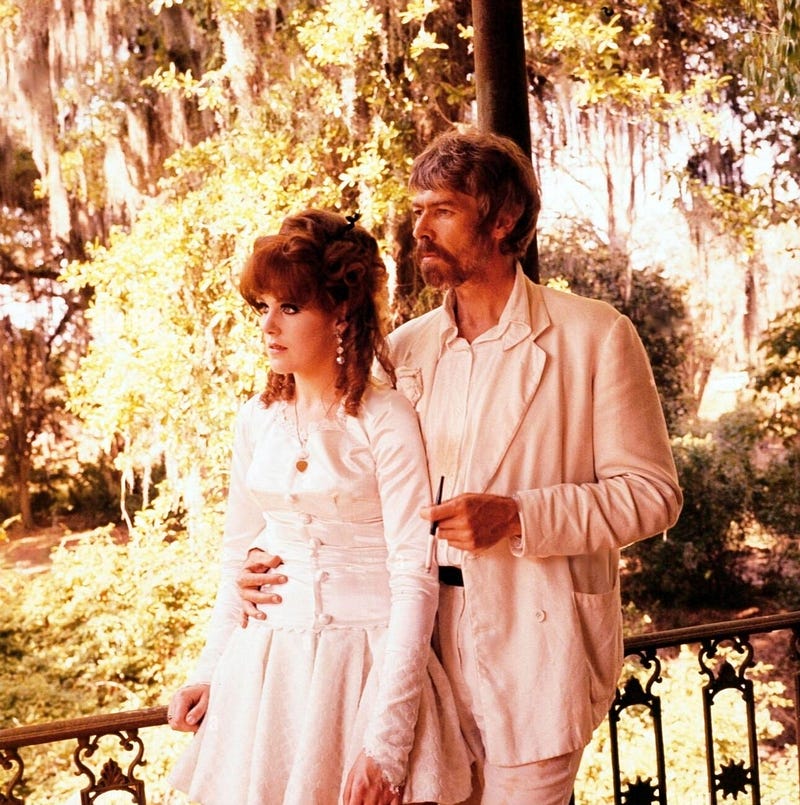
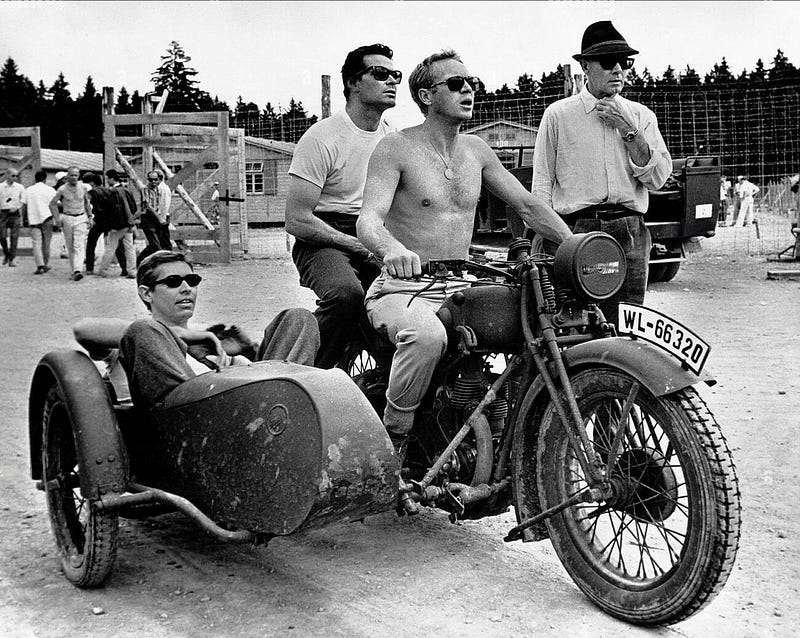
Besides helming The Rockford Files fan-favorite episode “Irving the Explainer” from season four in late 1977, why did Coburn’s “long-held aspiration” of being a director never materialize? On page 226 you wrote, “James Garner had offered him the job as a favor after they appeared together by chance on a talk show and Jim mentioned his long-held aspiration. Jim accepted the job with gratitude and appreciated the little bump in publicity the episode gained, but stepping into an existing company of many seasons, a well-oiled machine with established characterizations, was disappointing. Jim shrugged about it and said, ‘You walk up behind the cinematographer and he sets it up.’”
Mostly Jim was busy acting. I suspect he liked the idea of directing and working creatively with actors more than the actual work of finding the gigs and taking that time away from his acting. Plus while he was suffering with rheumatoid arthritis it was hard to do anything at all.
In reference to the 1978 CBS miniseries The Dain Curse, on page 227 you opined, “This situation of starting a project keenly, only to have the enthusiasm wane once the reality of the project became apparent, was a new pattern for Jim that would manifest more visibly over the new few years.” Could directing or producing projects himself have provided a remedy for the creative malaise affecting Coburn?
I can’t speculate. Hilly [manager Hillard Elkins, who also repped Steve McQueen, Robert Culp, Mel Brooks, and later ventured into film production with Alice’s Restaurant] had some remarks about Jim’s interest in producing which was more having creative control over a project for himself to star in.
[On page 179 Elkins was quoted as saying, “I tried to capitalize on the entrees that were available. But producing wasn’t Jim’s joy. He liked putting ideas together. But then he wants to go away, have someone write it and get on the stage and do it. Basically, he did not want to be a producer. Jim was very happy being an actor who occasionally produced”].
“Rather than take stock of his own choices, in terms of the scripts he was accepting, Jim turned his disappointment outward to blame the studios, the publicists, the moneymen, or the editors for the flops. Then as soon as he started working somewhat regularly in television, he switched his criticism to the network executives” [page 245]. Did Coburn lose a part because of his frankness with the press?
Not that we know of specifically. It just seemed a trend in hindsight.
Did Coburn turn down roles in his final years?
Jim didn’t do any more old alcoholics in the same vein as Pop Whitehouse [Coburn won his lone Oscar for Best Supporting Actor as Nick Nolte’s dad in Affliction, written and directed by Paul Schrader, 1997], so he must have turned those down.
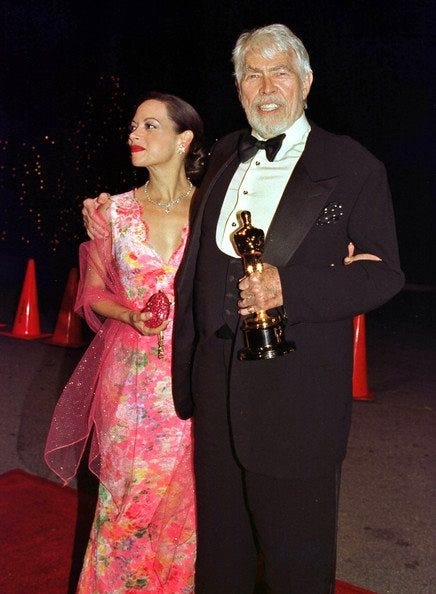
Was Coburn’s Academy Award a curse insofar as the non-mainstream roles that were subsequently recommended to him?
Jim told me that he was being offered angry old man roles. I don’t think it was a curse, as he did have some very interesting roles towards the end [Mel Gibson’s Payback, the Hallmark/Showtime production Walter & Henry, Faye Dunaway’s digital short The Yellow Bird, Andy Garcia and Mick Jagger’s The Man from Elysian Fields, and American Gun], but it didn’t have a big positive effect. He was glad to have won his Oscar.
Did you attend the 1999 Oscars ceremony or visit Coburn on a movie set?
We were not invited to the Oscars or any awards. I never visited one of his sets, but James spent about a week in Calgary, Alberta, on his father’s penultimate film, Disney’s Snow Dogs [from page 291 — “James was there in the days before the pivotal reconciliation scene, set when the father and son (Cuba Gooding Jr.) characters are trapped in a snow cave. Jim rehearsed the scene, running lines with James, adding a rather beautiful piquancy to the situation”].
Let’s show some love for Coburn’s last film.
I enjoy American Gun very much, from the twist at the end to all the performances [e.g. Virginia Madsen, Mission: Impossible’s Barbara Bain, and even Paula Coburn as a kidnapped motorist who annihilates her would-be attacker]. I think in part it suffers from having the same title as a 2005 crime drama with Marcia Gay Harden, Forest Whitaker, and Donald Sutherland. That one tends to pop up first in searches. But it makes me happy to know that Jim was genuinely the lead in his final movie, with a real story and character [a flashback-laden parable of a grief-stricken World War II Army veteran searching cross-country for the previous owners of a .357 Magnum that killed his daughter at Christmastime], rather than cast in some minor/cameo role for nostalgia’s sake.
Steroids were briefly prescribed to combat Coburn’s hereditary heart problems in 2000. Did you witness his bad moods exacerbated by the steroids, or were those outbursts mostly directed at Paula?
I didn’t see Jim much during that time, with an infant. It had been resolved by Thanksgiving that year, when we all gathered at a hotel in Dana Point to celebrate. So it was just Paula who suffered, as far as I know. Other servants maybe?
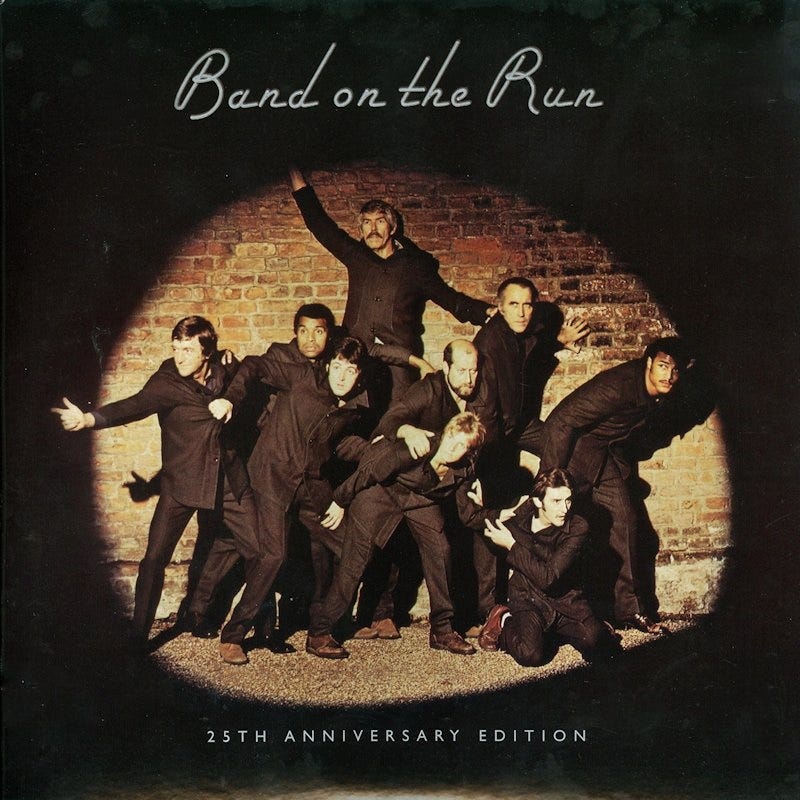
Coburn graces the cover of Paul McCartney and Wings’ iconic Band on the Run as a mustachioed, black-clad, jail breakin’ inmate. So, who were the artists on that Thanksgiving playlist that Coburn was arranging before he suddenly passed away from a massive heart attack?
I don’t know. That is what Paula said he had been doing that night [Robyn posted on Facebook, “It gives me some comfort to think that one of the last things that Jim must have heard was some of the music he so loved. He was a lifelong aficionado of jazz, big band swing, and classical music”].
Is there anything that could have been done differently to prolong Coburn’s life?
James believes that his father gave up on his physical therapy and in-the-pool exercises too soon, and that Paula didn’t push him to do it enough. But Jim was stubborn enough to make his own choices.
Are there other instances where Coburn’s stubbornness cost him dearly?
Perhaps his divorce proceedings, if he had not sought to fight so hard early on, maybe — big maybe — Beverly would not have been so demanding.
[From page 234 — “It was during the shoot of Loving Couples with Shirley MacLaine and Susan Sarandon that the divorce really started to turn ugly. Beverly’s demands had been extreme, Jim’s reaction rather petty. According to a show cause petition filed by Beverly on Nov. 1, 1979, he had been refusing to pay her living expenses, mortgage, or insurance since October 1 and had declared his intention to not pay any of her bills during the ongoing divorce proceedings. She claimed that he was engaging in diversion and deferment to make his income look ‘considerably lower than his true economic earning ability.’ Beverly also asserted that he had excluded her from the day-to-day operations of their companies, Panpiper and Pyx, leaving her unable to pay her regular bills or keep track of his earnings. But perhaps the greatest insult (from her point of view) was that, in what sounds like a Hail Mary of sorts, he — or his lawyers — apparently tried to contend that their marriage itself was invalid in 1959, to avoid California’s community property laws. He also wanted to insist on the 1976 separation date — despite using Tower Road as his address of record on more than one subsequent movie project. Then he claimed certain gifts he had given Beverly to be community property”].
Post-divorce, did Coburn acknowledge how Beverly had been such an integral part of his career choices?
Only as far as I quoted him in the book — so not really. They also had no contact and did not reconcile before Jim’s passing [from page 235 — “Beverly was greedy,” Jim remembered. “And she was a nasty, selfish b***h. She hangs on to things. The arthritis started just around the time of the divorce and about two years after I moved out. It was really hard on me because I was stupid. I could not admit that I was being eaten up by this thing. The negative emotion brought on the arthritis. I did not admit I was raging inside because she got the house and all the good art, and I got nothing. I was busting my ass, and I didn’t have any bread. She kept everything, and I just wanted to get out. I gave it all away. And she thought it was fair. She still owes me six Oriental rugs. But I’ll never get them”].
Coburn wisely advised, “When there is something eating at you, unless you get it out right away, it’s going to continue to grow and eat like a cancer. Broken hearts lead to a lot of ailments.” [page 294]. What negative emotion was on Coburn’s mind?
I believe Jim was referencing his divorce and possibly other girlfriends [e.g. Lisa Alexander, a dancer and aspiring screenwriter from New York who lived with Coburn in the ‘80s].
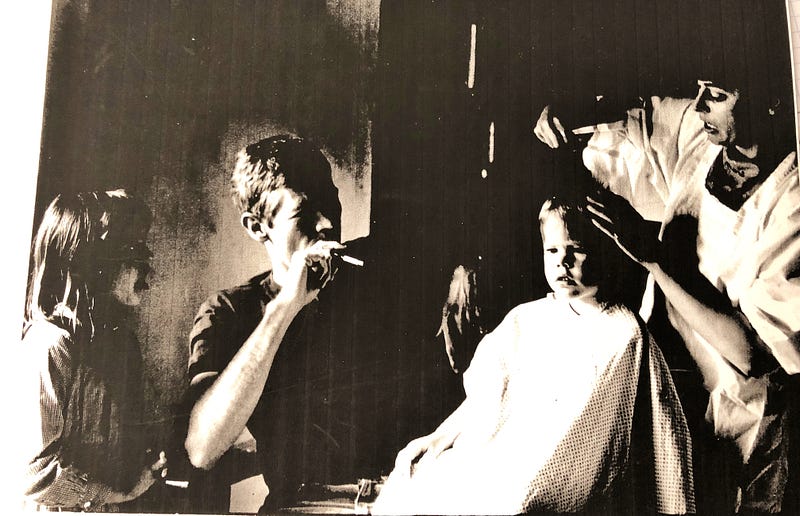
“Beverly had been a trusted adviser and part of the behind-the-scenes schmoozing, networking, and deal making that helped create Jim’s opportunities. Beverly had always sat in on meetings with directors and producers, contributing ideas and astute opinions” [page 245]. Did Coburn come close to finding another partner who held such sway over the direction of his career? Or did he intentionally date, and eventually marry, women who would not take an active role in his professional decisions?
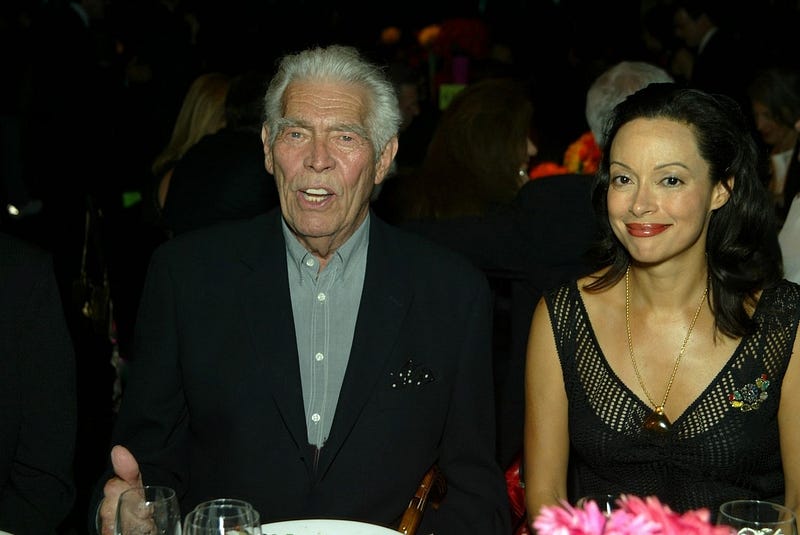
Jim was happy when he found Paula, who focused most of her attention on being a support for him and his career. I don’t know how helpful Paula was in offering opinions or script insights, but she was a nice host at parties.
Did Paula rebound after Coburn’s passing and start dating, or is it possible that his death affected her so that it may have inadvertently led to her health taking a nosedive?
Paula almost certainly already had the cancer in her before Jim died, given that she died so soon after [on July 30, 2004, at only 48 years old]. It had already metastasized from her lung to brain by the time it was diagnosed. She did not start dating to my knowledge, but she was seeing her female friends and doing belly dance parties. Paula busied herself organizing the archives and the Foundation.
Steve McQueen, Coburn’s friend and costar in The Magnificent Seven, Hell Is for Heroes, The Great Escape, and three episodes of Wanted: Dead or Alive, also went to Mexico for alternative cancer treatment. Did Paula’s decision prove beneficial?
No benefits whatsoever. Going to a Mexico clinic was a mistake because it impinged on Paula’s ability to speak, plus prevented her from seeking other treatment during that time.
Paula kept her malady a closely guarded secret, so how did you find out?
One of Paula’s doctors let James know and explained the seriousness.
Are the estate and the Foundation separate entities?
The James and Paula Coburn Foundation [also on Facebook] owns and runs the entirety of their estate, with the goal of making disbursements to various charities. Jim’s image is owned by Panpiper — his production company — but the two entities are enmeshed somehow that I don’t understand.
Other than working for the Foundation organizing the archive, and eventually distributing the paper items from the archive to the Margaret Herrick Library — where they are now being sorted and catalogued — James and I are not involved in any decision-making capacity. Here’s a tidbit — the Foundation licensed Jim’s name to a breeder to name a racehorse in the United Kingdom.
How much memorabilia was in Coburn’s archive?
Jim kept nothing from his movies other than stills and the rare garment that he could wear. No scripts alas. It was mostly press, magazines, and a lot of photographs. His mother Mylet made a scrapbook.
To collect an autographed copy of Dervish Dust would start where?
If you email me via DervishDust.com, I will supply my mailing address. Send me a stamped self-addressed envelope, and I will return you a signed bookplate and a James Coburn trading card.
What are the chances of you tackling another biographical subject?
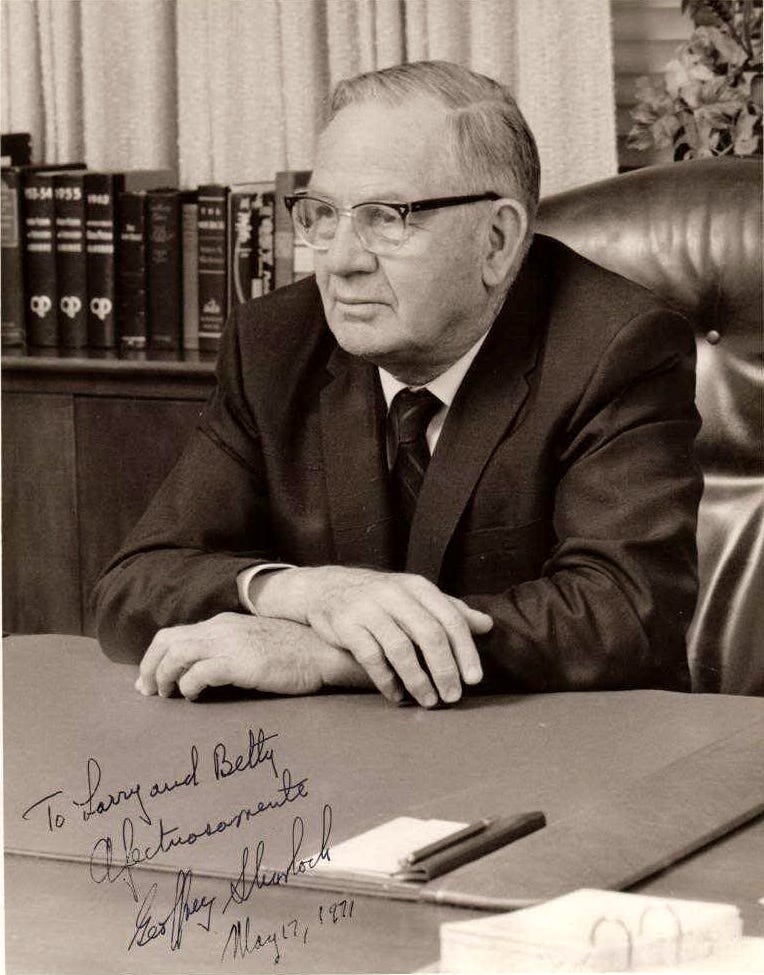
I would love it! I’m thinking about working up something on Geoffrey Shurlock, the last censor. He led the Hays Office during the last gasp of the Motion Picture Production Code that was in the process of being broken, including by a few of Jim’s movies [Our Man Flint, Dead Heat on a Merry-Go-Round, Waterhole #3, and The President’s Analyst]. However, Shurlock started out on the other side as a writer. I was struck by his evident desire to help the producers solve the issues with scripts. I saw the phrase “Shurlock says no” scrawled across memos a lot. That’s my title.
I’m also fascinated by Jim’s ancestors [from page two — “The Coburn family had first come to Laurel, Nebraska, in 1894, when it was booming thanks to the new railway junction. Jim’s great-grandfather J. H. Coburn and grandfather Daniel Dutton Coburn (always called D.D.) were astute businessmen, buying into the town’s general store. By 1910 the family owned several buildings in the town and land nearby. Then D.D. saw the potential in the new technological marvel — automobiles — and started a car dealership in 1911. Within 10 years the town streets were lined with Coburn Fords.” All was well until “slowly but surely the Great Depression took hold in Laurel”]. I would be glad to be approached for a project, too.
Since the publication of Dervish Dust, has crucial info come to light?
Nope. Every now and then someone shares a remembrance, work, or fan story, but nothing of substance.
Does Dervish Dust contain your final words about your father-in-law?
I have nothing else to add. There are very few incidents left out in Dervish Dust. I really included almost everything Jim said on the tapes.
I do have one light story up my sleeve about an event he and Beverly attended that had to do with the Gurdjieff Society and its president, a British businessman called Lord Pentland [Coburn subscribed to the Armenian philosopher’s “Fourth Way” and “Food of Impressions” diagram which documented his “21-year journey throughout Eastern Europe, the Middle East, and North Africa beginning in 1888”]. This Gurdjieff tale could be suitable for an article.
What was Coburn’s legacy at the time of his death, where does it stand over two decades later, and in what ways would you like to see it intensify in the coming years?
This is the question Dervish Dust was intended to answer. Jim’s legacy is the body of work that he left, some of which were more innovative or culturally significant [e.g. breaking the code] than people realize. Jim’s legacy is the esteem in which his fans hold him. I hope that his work will be rediscovered, especially some of the more quirky projects. However, he is fading from memory.
Jim had useful things to say about acting and working in film. He understood the system.
The coming years are anyone’s guess. Really Jim only comes to the fore when someone wants to remake one of his classics. We are hoping that former Daily Show host Trevor Noah returns to wanting to do his remake of The President’s Analyst [announced in March 2021].
How much trial and error did you confront before settling on Dervish Dust’s epilogue? [slightly condensed from page 301 — “Love is the answer. But when you get right down to it, what is love? Where does it come from, where does it go, and how do you direct it? It’s an emotion; it’s not an emotion. It’s something. But it’s got to be real. It’s not mother love. It’s not love of country. It’s pure love and how to do it. There are some people who can really do it, and you’ve met them. They sit in that seat of love, in the glory of it, and can be whatever the f**k they want to be. Love is an action. It’s not something you get. It’s something you do, and it manifests into something greater than you are. Which is perfect”].
None! I loved that quote and wanted to end on that upbeat note. It was in the final tape that Jim recorded too, when he was being very philosophical.
© Jeremy Roberts, 2023. All rights reserved. The Robyn Coburn interview was sequenced cohesively. To touch base, email [email protected] and mention which story led you my way. I appreciate it sincerely.