
Imaginative Play and Role Play Helps Develop Empathy
We must not deny our preschoolers the gift of play, else we risk seriously damaging society
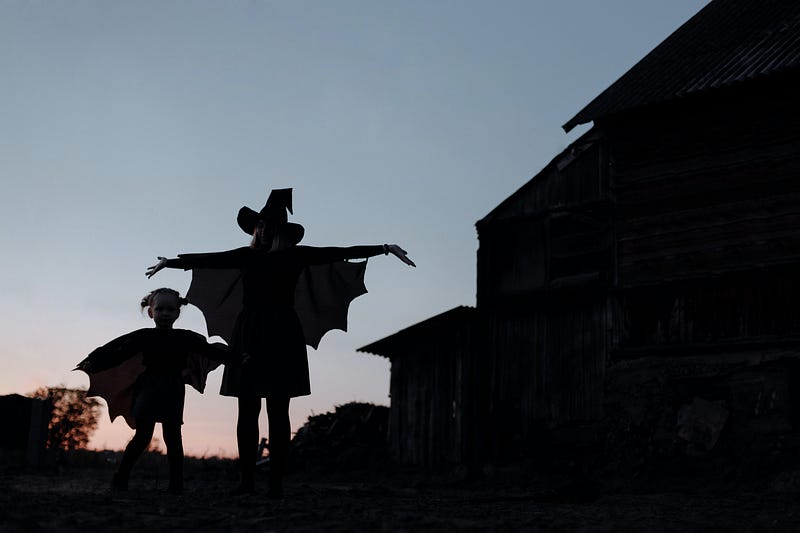
Role play and imaginative play can be powerful tools for preschoolers to develop empathy. These types of play involve taking on the perspective of another person, whether it be a character in a story, a family member, or a friend. By doing so, children begin to understand what it might be like to be in someone else’s shoes, and to consider how their actions might impact others.
In role play, children often take on specific roles or characters, which can help them to explore different emotions and perspectives. For example, a child might pretend to be a doctor, and imagine what it feels like to have a patient who is scared or in pain. By taking on this role, the child can begin to understand the emotions and experiences of others, and develop empathy for their patients.
Similarly, imaginative play can help preschoolers to explore different social situations and relationships. For example, children might pretend to be a family, with one child taking on the role of the parent and another taking on the role of the child. By playing out these scenarios, children can begin to understand the roles and responsibilities of different family members, and develop empathy for their parents and siblings.
Role play and imaginative play can also help preschoolers to practice social skills, such as communication, cooperation, and problem-solving. By working together with others in these types of play, children can learn to understand and respect different perspectives, and to negotiate conflicts in a respectful and empathetic way.
Overall, role play and imaginative play can be valuable tools for preschoolers to develop empathy, social skills, and a greater understanding of the emotions and experiences of others. By encouraging these types of play, parents and caregivers can help to foster empathy in young children, which can lay the foundation for positive relationships and social interactions throughout their lives.
