
How Missing Grandparents Might Be Changing The World For The Worse
Family structures have changed significantly over time, particularly in the last few centuries.
One of the biggest shifts has been from extended families living together and working as a unit, to nuclear families with separate households. This has resulted in a decline in the extended family support network and an increase in individualism.

Throughout history and across cultures, extended families have played a crucial role in supporting immediate families and children. Extended families typically include grandparents, aunts, uncles, cousins, and other close relatives who live in close proximity or regularly interact with one another. While the structure and composition of extended families can vary widely, they often provide important social, emotional, and financial support that helps to strengthen and stabilize families.
One of the key benefits of extended families is their ability to act as a backup system for immediate families. When a family is facing a crisis or a single point of failure issue, such as the death or illness of a parent, extended family members can step in to provide support and care. For example, grandparents may take on a larger caregiving role for their grandchildren if their parents are going through a divorce or are struggling with addiction. Similarly, aunts, uncles, or older cousins may offer emotional support and guidance to younger family members who are dealing with bullying, family conflict, or other challenges.
Extended Family as a Safety Net for Kids
In addition to providing backup support, extended families also serve an important role in helping to prevent neglect and abuse of children. When extended family members are involved in the lives of children, they can often detect signs of neglect or abuse more quickly than outsiders. They may be more attuned to family dynamics and aware of underlying issues that may be contributing to neglect or abuse. In some cases, extended family members may be able to intervene and provide support or protection to children who are at risk.
Another benefit of extended families is their ability to offer a wide range of resources and support to immediate families. Grandparents may provide childcare or financial assistance to their children or grandchildren, while aunts or uncles may offer tutoring or mentorship to younger family members. Cousins may serve as playmates or confidants, offering a sense of belonging and connection that can be difficult to find elsewhere.
Extended families also play an important role in passing down cultural traditions, values, and beliefs from one generation to the next. When grandparents and other older family members share their knowledge and experiences with younger family members, they help to preserve important aspects of family history and culture. This can help to create a sense of continuity and identity that is essential for a child’s healthy development.
Extended families have long played a crucial role in supporting immediate families and children. By providing backup support, preventing neglect and abuse, offering a range of resources and support, and passing down cultural traditions, extended families help to strengthen families and promote healthy development. While the structure and composition of families may be changing in modern society, the importance of extended families should not be underestimated.
With the decline in extended families this support system is more often missing, and as it covers such a broad range of things it can be particularly difficult for parents to replace.
An Example From Dr. Bruce Perry
In their book “Born for Love: Why Empathy is Essential and Endangered” Bruce D. Perry and Maia Szalavitz explore the importance of empathy and how it is essential for healthy human development.
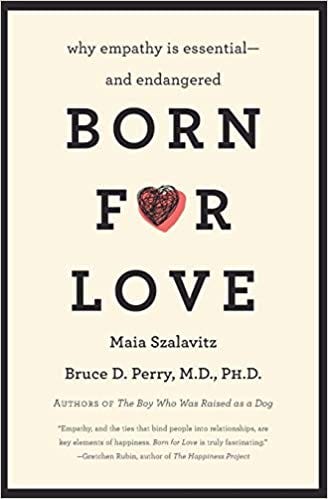
They use a real world example of the two brothers, the older child had the benefit of social support from extended family during his early years. This support likely provided a stable environment and consistent care that helped him develop a secure attachment style, which is associated with positive outcomes in social and emotional functioning. In contrast, the younger child did not have the same level of support, which resulted in neglect and an insecure attachment style.
The long-term consequences of early neglect can be severe, and individuals who experience neglect in childhood may be at increased risk for mental health problems such as depression, anxiety, and borderline personality disorder. The presence of empathetic caregivers and social support, however, can help mitigate the negative effects of early neglect and promote healthy development.
In his book “Born for Love: Why Empathy is Essential and Endangered,” Dr. Bruce Perry explores the vital role that empathy plays in human development and how its absence can lead to severe consequences. He provides a poignant example of the stark contrast between two brothers who grew up under different circumstances, highlighting the impact of empathy and support and the role that extended family can providing it in providing it in early childhood.
The older brother grew up with the support of their extended family during his early years, which provided him with a nurturing environment and protection from neglect. In contrast, the younger brother was born after their family had moved away from their extended family, leaving him vulnerable to neglect and without anyone to step in and provide support.
The outcomes of their lives and mental health were significantly different. The older brother was able to form healthy relationships and had a successful life, while the younger brother struggled with emotional and behavioral issues, leading to a tumultuous life.
This example illustrates the critical importance of empathy in human development. When children are neglected or lack supportive relationships, their emotional and cognitive development can be significantly impacted, leading to long-term consequences.
Dr. Perry argues that empathy is not only critical for individual well-being but is also essential for building strong and healthy communities. Empathy allows us to understand and connect with others, creating a sense of shared experience and commonality. It also plays a vital role in developing social and emotional intelligence, which is essential for navigating complex social situations and building healthy relationships.
However, Dr. Perry also highlights that empathy is becoming increasingly endangered in our society. He points to many factors that are having an impact on the reduction of empathy in society, losing the safety net that was traditionally provided by extended family is one factor.



