avatarVibrant Jellyfilsh

Free AI web copilot to create summaries, insights and extended knowledge, download it at here

4652

Abstract

acha: <a href="https://www.pexels.com/photo/poor-ethnic-children-playing-in-yard-of-village-6918508/">https://www.pexels.com/photo/poor-ethnic-children-playing-in-yard-of-village-6918508/</a></figcaption></figure><h1 id="b54e">No Need To Force Play</h1><p id="11b9">It’s important to note that children don’t need to be forced to play. In fact, many parents and caregivers may feel that they need to entertain their children constantly or provide them with structured activities. However, children are naturally curious and imaginative, and given the time and space to explore, they will create their own play. This may involve building a fort, playing dress-up, or engaging in a game of make-believe with friends.</p><p id="04d5">Children have an innate desire to explore and learn about the world around them and play provides them with the opportunity to do this in a way that is fun and engaging. When children are given the time and space to play, they naturally begin to create their own games and activities, using their imaginations to explore and discover new things.</p><p id="3db9">Even in emergency situations such as refugee camps, children will find ways to play if given the opportunity. Play is a natural and essential part of childhood, and it can help children cope with stress and trauma.</p><p id="8c8d">Despite the challenges they face, children in refugee camps and other emergency situations often display remarkable resilience and creativity in finding ways to play. They may create games using found objects or use their imaginations to turn everyday objects into toys. These activities not only provide a source of joy and entertainment, but also help children build social and emotional skills that can be important for their future well-being.</p><figure id="8d4a"><img src="https://cdn-images-1.readmedium.com/v2/resize:fit:800/1*gEeRqSxrwdRQv-wXSp36rw.jpeg"><figcaption>Photo by Quang Nguyen Vinh: <a href="https://www.pexels.com/photo/cheerful-asian-siblings-spending-time-together-in-countryside-and-riding-cart-4544208/">https://www.pexels.com/photo/cheerful-asian-siblings-spending-time-together-in-countryside-and-riding-cart-4544208/</a></figcaption></figure><h1 id="e959">How Play is Essential for Society</h1><p id="7456">Play is a crucial aspect of a child’s development, and it provides numerous benefits that carry over into adulthood. It is often through play that children learn to understand and navigate the world around them, and develop social, emotional, cognitive, and physical skills. Play is not just a pastime, but it is essential for healthy development, and it has significant implications for building functional adults and a functional society.</p><p id="4720">To promote empathetic and socially competent adults, it is crucial to provide children with the time and space to create play themselves.</p><p id="7b25">Empathetic and socially competent adults play a crucial role in creating a healthy society. When individuals possess empathy, they are able to understand and connect with others, which leads to positive relationships and social cohesion. Social competence allows individuals to effectively navigate social situations, communicate their needs and desires, and cooperate with others.</p><p id="9398">In a healthy society, individuals are able to work together towards common goals, respect each other’s differences, and support one another during times of need. Empathetic and socially competent adults are more likely to contribute to this type of society by treating others with kindness and respect, communicating effectively, and solving conflicts peacefully.</p><p id="1775">In contrast, a society lacking in empathy and social competence may experience increased conflict, isolation, and distrust among individuals. This can lead to a breakdown in communication and cooperation, and may result in negative outcomes such as increased crime rates and decreased overall well-being.</p><p id="f770">Therefore, the development of empathy and social competence through childhood play and social experiences is crucial for creating a healthy and functional society.</p><p id="d88c">Play is not just a fun and enjoyable activity for children, it is also essential for their healthy development and for building strong and healthy communities. We must recognize the importance of play and ensure that children have ample opportunities to engage in it, both at home and in educational settings. By doing so, we can help children develop the skills and values they need to become happy, healthy, and productive members of society.</p><figure id="0376"><img src="https://cdn-images-1.readm

Options

edium.com/v2/resize:fit:800/1*mvN1EqeMeX3NI8M1x66-KA.png"><figcaption></figcaption></figure><p id="1a12">If you enjoyed this article and would like to support me while becoming a medium member and being able to read unlimited medium, Please consider becoming a member via my affiliated link:</p><div id="c031" class="link-block"> <a href="https://medium.com/@valuable_mindaro_jellyfish_659/membership"> <div> <div> <h2>Join Medium with my referral link - Vibrant Jellyfilsh</h2> <div><h3>Read every story from Vibrant Jellyfilsh (and thousands of other writers on Medium). Your membership fee directly…</h3></div> <div><p>medium.com</p></div> </div> <div> <div style="background-image: url(https://miro.readmedium.com/v2/resize:fit:320/0*wE4vNvlpxNvX4HMo)"></div> </div> </div> </a> </div><figure id="649f"><img src="https://cdn-images-1.readmedium.com/v2/resize:fit:800/1*mvN1EqeMeX3NI8M1x66-KA.png"><figcaption></figcaption></figure><p id="86cb">More of my stories you may like:</p><div id="0c4c" class="link-block"> <a href="https://readmedium.com/maslows-hierarchy-of-needs-self-actualization-is-a-need-not-an-end-state-b79b2d61e563"> <div> <div> <h2>Maslow’s Hierarchy of Needs: Self Actualization is a Need not an End State</h2> <div><h3>Maslow’s Hierarchy of Needs is a widely recognized theory of human motivation that outlines five levels of basic needs…</h3></div> <div><p>medium.com</p></div> </div> <div> <div style="background-image: url(https://miro.readmedium.com/v2/resize:fit:320/1*lkBqaBwPFkcgHktBqve8BQ.png)"></div> </div> </div> </a> </div><div id="99da" class="link-block"> <a href="https://readmedium.com/how-exercise-helps-cognition-and-why-missing-recess-is-a-counterproductive-punishment-3bc77a9a299d"> <div> <div> <h2>How Exercise Helps Cognition and Why Missing Recess is a Counterproductive Punishment</h2> <div><h3>One of the most challenging aspects of modern life for students and adults alike is maintaining focus and concentration…</h3></div> <div><p>medium.com</p></div> </div> <div> <div style="background-image: url(https://miro.readmedium.com/v2/resize:fit:320/1*TGpOyoo_ljHTfLYrxF2hgg.jpeg)"></div> </div> </div> </a> </div><div id="fe3b" class="link-block"> <a href="https://readmedium.com/how-missing-grandparents-might-be-changing-the-world-for-the-worse-8d324f36a13b"> <div> <div> <h2>How Missing Grandparents Might Be Changing The World For The Worse</h2> <div><h3>Family structures have changed significantly over time, particularly in the last few centuries.</h3></div> <div><p>medium.com</p></div> </div> <div> <div style="background-image: url(https://miro.readmedium.com/v2/resize:fit:320/1*vpXV1mPBx3wY1BQXlXepnA.jpeg)"></div> </div> </div> </a> </div><div id="5762" class="link-block"> <a href="https://readmedium.com/all-about-octopus-part-1-fe794ad849b"> <div> <div> <h2>All About Octopus! (part 1)</h2> <div><h3>Octopuses are fascinating creatures that belong to the class Cephalopoda, which also includes squids, cuttlefish, and…</h3></div> <div><p>medium.com</p></div> </div> <div> <div style="background-image: url(https://miro.readmedium.com/v2/resize:fit:320/1*sb4P38SQEiA2qcjqGLeN-g.jpeg)"></div> </div> </div> </a> </div><div id="5f8d" class="link-block"> <a href="https://readmedium.com/10-free-things-you-can-do-to-help-others-e9a516b6346c"> <div> <div> <h2>10 free things you can do to help others</h2> <div><h3>10 more to add to the 50 here.</h3></div> <div><p>medium.com</p></div> </div> <div> <div style="background-image: url(https://miro.readmedium.com/v2/resize:fit:320/1*CmkAiBUgfU7_rjot8VRGpA.jpeg)"></div> </div> </div> </a> </div></article></body>

We Can Not Deprive Children of Play or We Risk Destroying Society

There is a growing body of evidence that supports the importance of play in child development.
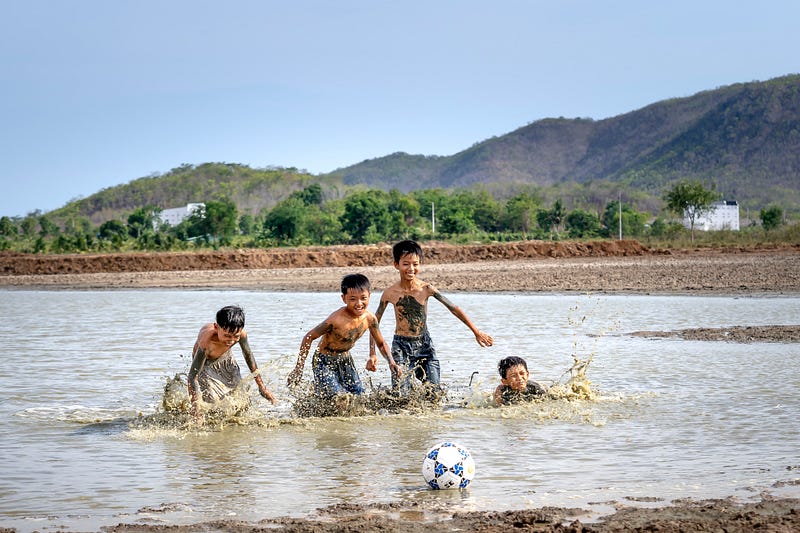
Photo by Quang Nguyen Vinh: https://www.pexels.com/photo/smiling-asian-boys-playing-with-ball-on-river-6711734/

Benefits of Play

Play provides opportunities for children to explore, learn, create, and problem-solve in a safe and supportive environment. It also helps children develop important social and emotional skills, such as empathy, cooperation, and communication.

Research has shown that play deprivation can have negative consequences on child development, including increased aggression, decreased social competence, and impaired emotional regulation. In extreme cases, play deprivation can even lead to mental health problems.

One of the benefits of unstructured play is that it allows children to take risks and make mistakes in a safe environment. This is important because it helps children develop resilience and the ability to cope with failure. In a world where success is often valued above all else, allowing children to fail and learn from their mistakes is essential.

Unstructured play also provides children with the opportunity to learn how to work together and resolve conflicts. When children engage in play with others, they must learn to communicate effectively, negotiate, and compromise. These skills are essential for success in adulthood, and unstructured play provides an ideal environment for children to practice and develop them.

Play is so important for child development that it is one of the children's rights created by the UN

The United Nations Convention on the Rights of the Child recognizes play as a fundamental right of all children. The convention emphasizes the importance of play in promoting the physical, cognitive, emotional, and social development of children. Article 31 of the convention states that “the right of the child to rest and leisure, to engage in play and recreational activities appropriate to the age of the child and to participate freely in cultural life and the arts” should be respected and protected by governments and societies. This recognition of the importance of play highlights its significance in fostering healthy development and well-being in children.

Furthermore, play is not just important for individual children but also for society as a whole. Through play, children learn how to work together, negotiate, and resolve conflicts. They also learn important values such as fairness, honesty, and respect. These skills and values are essential for building strong and healthy communities.
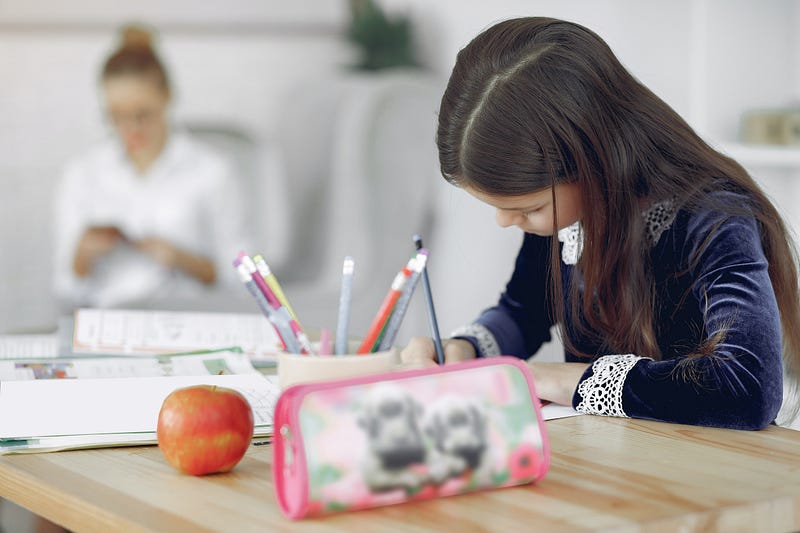
Threats to Play

Unfortunately, in recent years, there has been a trend towards reducing or eliminating play in children’s lives, particularly in educational settings and also with an increase in structured extracurricular activities. This is often driven by a belief that more academic instruction will lead to better outcomes. However, this approach overlooks the important role that play has in child development and risks harming children’s overall well-being.

Academic pressures, such as an increased focus on standardized testing and homework, have resulted in less free time for children to engage in unstructured play. Many parents feel that academic success is the key to future success for their children, and as a result, prioritize academic activities over playtime.

Structured extracurricular activities, such as sports teams or music lessons, also take up a significant amount of children’s time. While these activities can have many benefits, if overscheduled they can leave little time for unstructured play.

While some of these activities can be educational or social, they do not provide the same opportunities for creativity, problem-solving, and social-emotional development that unstructured play does.
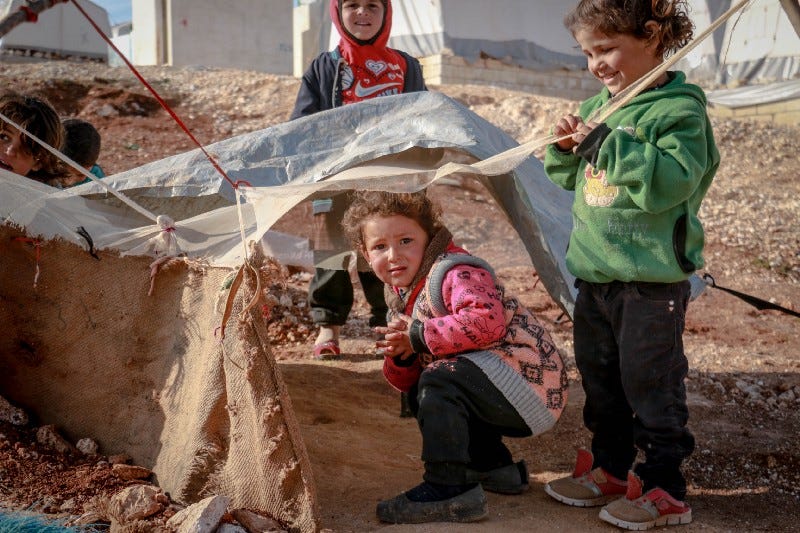
Photo by Ahmed akacha: https://www.pexels.com/photo/poor-ethnic-children-playing-in-yard-of-village-6918508/

No Need To Force Play

It’s important to note that children don’t need to be forced to play. In fact, many parents and caregivers may feel that they need to entertain their children constantly or provide them with structured activities. However, children are naturally curious and imaginative, and given the time and space to explore, they will create their own play. This may involve building a fort, playing dress-up, or engaging in a game of make-believe with friends.

Children have an innate desire to explore and learn about the world around them and play provides them with the opportunity to do this in a way that is fun and engaging. When children are given the time and space to play, they naturally begin to create their own games and activities, using their imaginations to explore and discover new things.

Even in emergency situations such as refugee camps, children will find ways to play if given the opportunity. Play is a natural and essential part of childhood, and it can help children cope with stress and trauma.

Despite the challenges they face, children in refugee camps and other emergency situations often display remarkable resilience and creativity in finding ways to play. They may create games using found objects or use their imaginations to turn everyday objects into toys. These activities not only provide a source of joy and entertainment, but also help children build social and emotional skills that can be important for their future well-being.
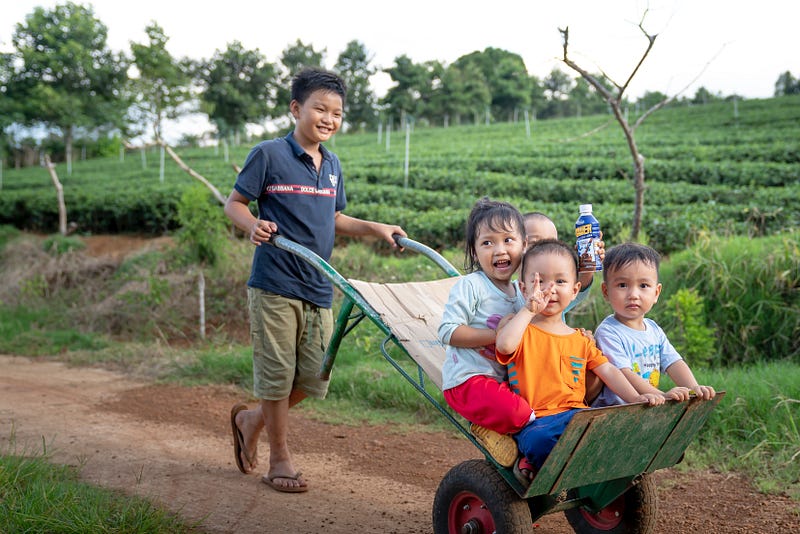
Photo by Quang Nguyen Vinh: https://www.pexels.com/photo/cheerful-asian-siblings-spending-time-together-in-countryside-and-riding-cart-4544208/

How Play is Essential for Society

Play is a crucial aspect of a child’s development, and it provides numerous benefits that carry over into adulthood. It is often through play that children learn to understand and navigate the world around them, and develop social, emotional, cognitive, and physical skills. Play is not just a pastime, but it is essential for healthy development, and it has significant implications for building functional adults and a functional society.

To promote empathetic and socially competent adults, it is crucial to provide children with the time and space to create play themselves.

Empathetic and socially competent adults play a crucial role in creating a healthy society. When individuals possess empathy, they are able to understand and connect with others, which leads to positive relationships and social cohesion. Social competence allows individuals to effectively navigate social situations, communicate their needs and desires, and cooperate with others.

In a healthy society, individuals are able to work together towards common goals, respect each other’s differences, and support one another during times of need. Empathetic and socially competent adults are more likely to contribute to this type of society by treating others with kindness and respect, communicating effectively, and solving conflicts peacefully.

In contrast, a society lacking in empathy and social competence may experience increased conflict, isolation, and distrust among individuals. This can lead to a breakdown in communication and cooperation, and may result in negative outcomes such as increased crime rates and decreased overall well-being.

Therefore, the development of empathy and social competence through childhood play and social experiences is crucial for creating a healthy and functional society.

Play is not just a fun and enjoyable activity for children, it is also essential for their healthy development and for building strong and healthy communities. We must recognize the importance of play and ensure that children have ample opportunities to engage in it, both at home and in educational settings. By doing so, we can help children develop the skills and values they need to become happy, healthy, and productive members of society.

If you enjoyed this article and would like to support me while becoming a medium member and being able to read unlimited medium, Please consider becoming a member via my affiliated link:

More of my stories you may like:

Play
Society
Schools
Child Development
Empathy
Recommended from ReadMedium