
I Sabotaged My Career in Fashion Before It Even Started
Why body shaming and one standard of beauty must end quickly and now
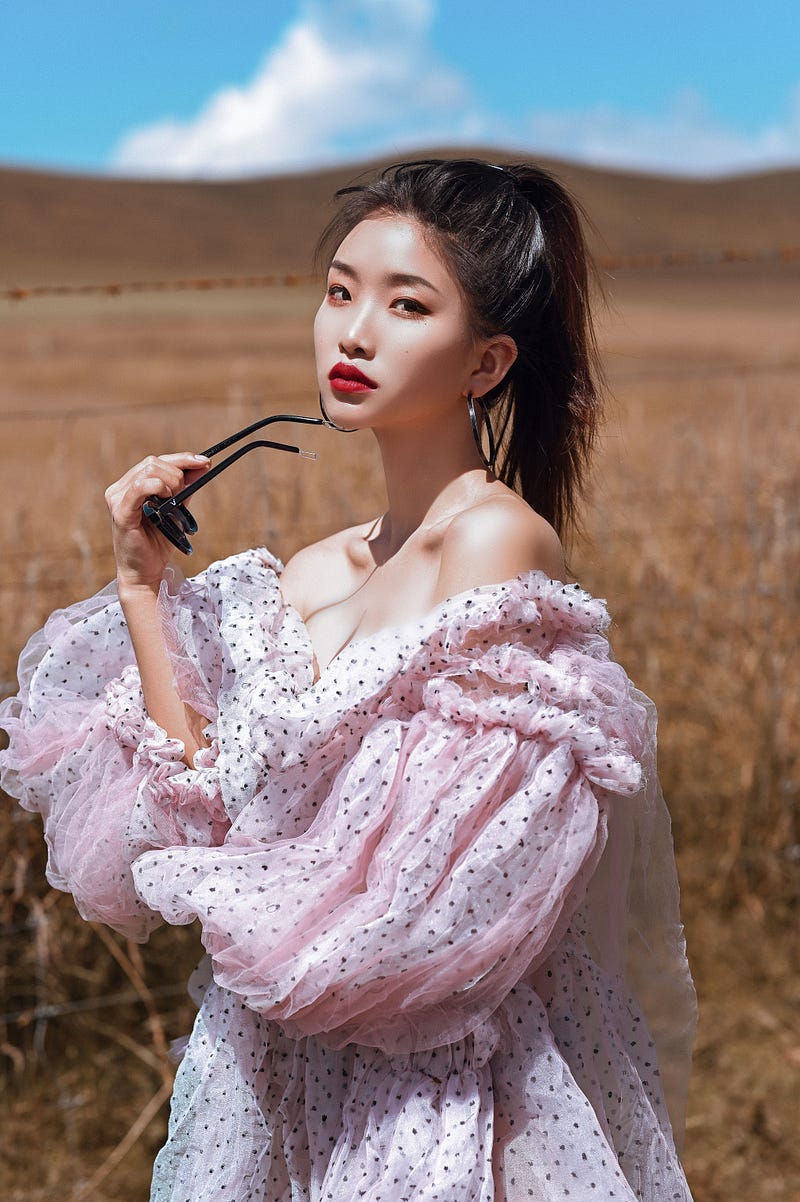
It might come as a surprise to people who know me personally that I adore fashion. Most of them would describe my fashion style as ‘grandma’, ‘masculine’ or ‘nonexistent’, depending on the weather and how overworked I am.
But truth be told, my favourite TV channel was Fashion TV since a young age, the website I am always on was The Satorialist and I know the histories by-heart for most big fashion houses.
The problem is I was too fat, or I was considered too fat.
As I continue to build a lifestyle focusing on healing and intentions, I wanted to look at the effects of body shaming on my life, how I am putting a stop to this non-sense and truly embrace fashion that represents myself.
After all, we have to put on clothes every day, might as well make it an uplifting experience.
Where does the standard come from?
To discuss body shaming, we must understand how we can body shame in the first place. The answer is with the use of “standards”.
There was only one standard of beauty across the world until recently — fair skin, skinny, blonde, and feminine, a slight deviation from it means it’s sub-par, flawed, and has room for improvement.
The concept of the standard comes from the need to have an undisputed way to measure something. The earliest standard was referenced in the Mayan Calendar to measure time and space, and the length of King Henry I of England’s arm, in the unit of “ell”, was one of the first standards for measuring length.
As the industrial revolution sped up specialisation, production, and globalisation, helpful standards are provided to aid standardisation and achieve productivity. Further standards were established over time to catered for technological advancements and complex structures, such as legal and financial reporting standards, safety and hygiene standards, etc.
So the aim of a standard is always to reduce variances. For hundreds of years we have governed the society with more and more standards, there is a standard for every profession and issue, this way of measuring the world is imprinted in our minds. And of course, it has also extended to how we view beauty, and body shape.
False standards, false applications
Whilst beauty standard is largely applied to women, I don't think men are immune from being judged by standards. In particular, masculinity is as narrowly defined as the beauty standards.
This provides insights into how alpha and extroverted white straight men, which have dominated the industrial and globalisation process, have also shaped the evaluation of everything with standards that are largely biased to their tastes and experiences.
You’d be surprised to that this product: Lux White Impress Skin Whitening Bar Soap is still advertised on Amazon right now (albeit no longer available). Advertisements from the 1900s have shown how racist and sexists standards have been in the beauty industry.
There are also numerous academic studies of how African and Asian continue to use products to whiten/bleach their skin in response to “colourism — social hierarchy based on gradations of skin tone within and between racial/ethnic groups” (Evelyn Nakano Glenn, 2008). My mum just sent me some skin whitening face masks (honestly).
Of course, this standard of beauty is wrong and politically incorrect. But it wasn’t considered this way in the past, and the important point is how can we change this forward.
How I sabotaged my career in fashion
Growing up in Hong Kong, a colony of white Britain, the beauty standard was of course fundamentally rooted in this sexist/racist complex. In addition to this, the stereotype that Asian people are smaller in size has created an even more narrowly defined standard of beauty of Asian women, applicable until today.
My height, body shape, boob size, skin colour and even the shape of my eyes have been judged throughout my life for being “not Asian enough”. Especially when I moved to the UK and dated white guys, people, including my mother have commented that it makes sense white guys like me because I’m too tall and my skin is not fair enough for Asian men.
What?
Fast forward to me attending university in London, I was carrying this body of shame, every day. I decided to bury myself in baggy clothes and flat shoes, which happened to be popular in Shoreditch, London in the 2010s.
I recall joining the university’s Fashion Society. On the day of the first meeting, I put on my best outfit — a leopard print coat and a pair of washed vintage skinny jeans (very Alexa Chung). When I arrived at the venue, I saw many better-looking girls with platinum blonde hair, skinnier waist and more expensive bags.
Guess what, I didn’t go in. I didn’t attend the first meeting or any activities after. Some of the girls I know from that society has gone on to work for fashion houses, or become fashion Youtubers.
And I am, until today, still hiding behind my words, baggy hoodies and gigantic scarfs.
I will stop normalising false standards
I am hurrahing to the increase in diversity from fashion houses, magazines and brands, and rise of activism and voices such as Jameela Jamil.
The world is changing this stupid standard and it has to happen faster both industrially and individually. Here’s my declaration:
I was ashamed by a stupid beauty standard but I will embrace my body and be empowered by my clothes now.
As an individual, here are the small steps I will do to embrace my body positively going forward (and I invite you to write your own and if you wish, grateful if you could share with me in the comment section below):
- Wear a sleeveless top and post it on Instagram (yes I have never worn one without covering my “fat” arms with a cardigan)
- Wear a bikini to the beach
- Stop using filters to alter reduce my waist size before I post on social media
- Wear the secret outfit that I never wore out of my bedroom door
- When being complimented, I will accept with thanks rather than other self-deprecating non-sense
This article originates from my need to build a capsule wardrobe for my storage-scarce van life. I recall my personal journey on body images, question what items spark joy and how can I embrace fashion again in this video:
Here are more articles I’ve written about embracing ourselves for who we are, for everyone who needs considering positivity:


