
What I Have Learned from Wearing Fitbit for a Week
We can all be healthy without trying too hard
There’s a mystery about my body that I’m happy about but never understand why.
How did I maintain the same body shape for the past decade without making any effort?
I am a UK size 10 (so US 6), my BMI is bang-on in the middle, and I’m still wearing the non-stretch suit trousers I bought when I was 18 years old. I’m not the most toned, but also not fat.
I eat whatever and never missed office snacks, and I drank quite a bit of alcohol. Swimming sometimes, the gym never, hated running.
Since the pandemic locked us indoors, my weight fluctuated massively due to my anxiety disorder (so the weight dropped) and not moving (so the weight increased).
As I wrote here, I have finally regained the momentum to motivation and living healthily. To monitor my progress and give me more data about my wellbeing, I also bought a Fitbit Inspire 2 (this is not an ad).
After one week, I have learned a lot about myself, solved the above mystery and became really hopeful about not only our future. Here’s a message about health to all the people who like me, can’t become a gym bunny.
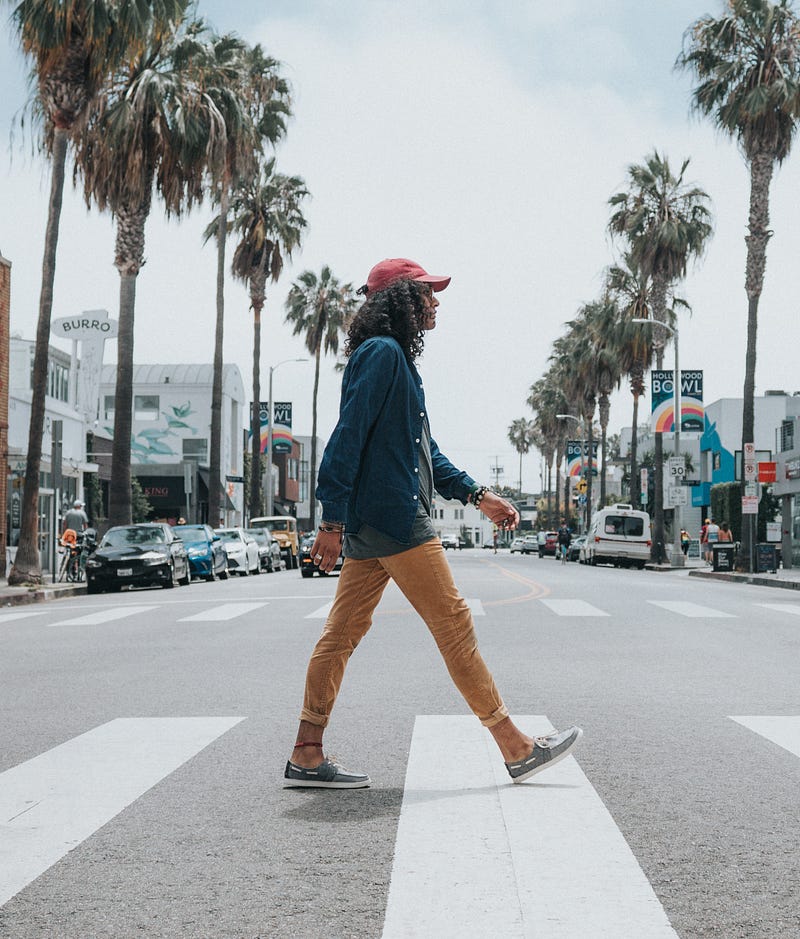
How easy it is to walk 10,000 steps a day
During this week, my Fitbit tells me I’ve hit 10,000 steps almost every day.
I have changed from working from home to working at a co-working space, so I started walking to work again. I also have a walk at lunchtime and take a detour to the supermarket when I go home. Plus loo and coffee run, that’s enough to help me hit my target.
I’ve burned over 2,000 calories by walking 10,000 steps per day.
How easy is that?! During the lockdown, although we can get outside of the house, apart from going to the supermarket, I didn’t feel like it. Yes, I’m that lazy but also because I feel that walking without a destination is a little pointless.
I realised that when pre-Covid, I have been active unconscious because London is very suitable for walking. Not only is the city very flat, but also the buildings are usually so old that people are used to taking the stairs rather than the lifts. The transport cost is also so high that if you’re familiar with the city enough, you know you can save £2 per trip by walking it.
My tip: If you can’t get too active, try walking with a destination in mind, it’s easy and impactful.
How sleeping changes everything
Having a good night sleep doesn’t only help us to be rested but also regulate our weight. Poor sleep disrupts the levels of neurotransmitters, which can make us more hungry!
I found the cause and effect between the evening activities and quality of sleep very obvious. Just last night, I had a nightcap and immediately I was tossing and turning a lot, my sleep score drops tremendously.
Getting a pre-sleep digital detox also helps, the night I binge-watched Bridgerton, my sleep score wasn’t great (or is it because of the racy sex scene that caused my insomnia?).
Pre-Covid, my sleep was disrupted by work and night out occasionally. But generally, I managed to sleep regularly due to a regular work schedule. However, during the lockdown, the physical boundary between work and private life blurred, which extended my screen time and this might have contributed to my weight gain too.
Period cycle tracking
I always wonder why my mood keeps changing. I used to attribute it to my romantic writer’s temperament (LOL) but turned out it’s just my menstrual cycle.
Before, when my mood was low and I didn’t understand the reason behind, I’m more prone to emotional eating, drinking and even smoking. Especially during the lockdown, there was less social interaction and I was even more reactive to the mood-swing.
Tracking the period helped me understand why I’m feeling the way I feel, and provide more scientific explanations than star signs and the moon. Psychologically, I didn’t feel I need a glass of alcohol or a chocolate bar anymore. It is not a mental thing but a physical thing!
Caring about womb health is important for women. It’s been a big part of our life since we hit puberty, and we should know our womb and take care of ourselves properly.
If you don’t have a Fitbit, there are also many other apps that track your period.
What I wish Fitbit can also track
That’s gut health.
Fitbit tracks our heart rate and with the app, we can log our food diaries. But I don’t think it allows us to log our poop and urine (please let me know if it does!).
Gut health is extremely important, some even call it our second brain because there are many neurotransmission in the enteric nervous system (i.e. our gut) operates independently from our brain and spinal cord, the central nervous system that extensive research has been done.
There is an immediate and direct link between our gut health and our mental health, immune system, skin conditions, cancers and many other things. This might be why many nervous performers need the loo before they perform!
The University of Chicago found that Fitbit’s tracker can provide valuable insights and warnings for inflammatory bowel disease such as Crohn’s disease. However, from my experience, it doesn’t give you a very direct warning or a report.
If Fitbit can provide more explicit reminders and trackers for gut health, it would help us to shape our diet and spread the gospel of gut health. It’s not only for weight loss but also beneficial to our overall wellbeing.
In the meantime, I have downloaded one of the gut health apps called Cara Care — let’s see how it goes!
Conclusion
What’s most important for me after wearing my Fitbit for a week is that moderation and mild movements have a real impact on our health.
As my swimming pool closes, I lost my motivation to even leave my bed. Our daily habits have changed, then let’s change for the better. The device (or any other app) can provide valuable insights that the smaller effort we have made does make an impact. This is very motivating.
Small changes like switching from poor diet to a healthy diet, from sedentary to marginally active, from screen addiction to pre-sleep digital detox, are enough to rebalance our lives.
The physical presence of the Fitbit on my wrist also helps me to remind myself I’ve made the investment in myself. Every time I was about to order a greasy takeaway, I see the Fitbit on my wrist and click exit app (for real!).
I’m happy with the purchase so far.
More articles about shaping our lives for healthy, intentional living here:


