
What Covid-19 Tells Me about My Emotional Diet Patterns
4 tried-and-tested tips to rebuild our relationship with food from an ex-bulimic
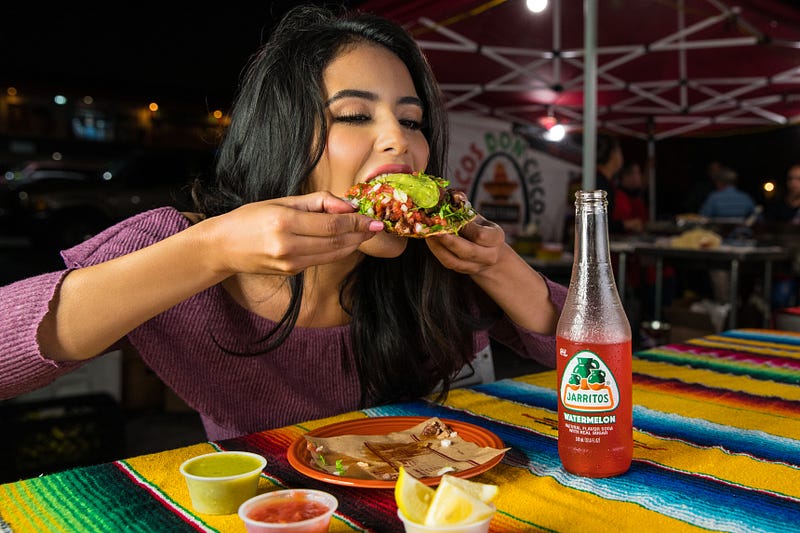
Honestly, my readers might think I’m a decent writer and thinker, but like all Chinese, I’m a born foodie (also cueing Italians and French). It’s not only the food, but meals are also opportunities to network and to care about others.
The pandemic has taken away the lifestyle we have taken for granted. At first, we coped with life by baking sourdough and banana bread, but now, I don’t want to cook. I don’t even know if I want to eat anymore.
Wow, that’s worrying but also interesting.
Our relationship with food
The west has a more complicated relationship with food than we’d like to admit. Obesity and eating disorders are worsening problems, also the argument between meat-eaters and vegans. Our eating habits are interfered with by inconclusive scientific researches which is manipulated by marketers to promote their products (breakfast cereal is one classic case).
People also eat emotionally when they are stressed, dissatisfied, and lonely. It’s as much of an addiction as shopping, drinking, and smoking.
Food evolves from a necessity for survival to being excessive as signs of prestige and frustration. There are diet apps that focus primarily on the psychology of eating, which claims to have better results on weight loss than exercising.
So it’s not surprising that from our diets during the past 11 months of Covid-19, we can see a thing or two about our mental wellbeing, and from that, we can be clearer about how to live healthily both mentally and physically.
During the past 10 months of the pandemic
As a Londoner (and a Chinese), eating out for business, networking, and friendship reasons was a norm. Spending a night out at a popular new restaurant signifies multiple things: cure loneliness, boost self-esteem, being seen as a cool Londoner, feel good to have money, and also enjoying great food. Enjoying food is only one of the many reasons we eat out.
The pandemic has taken away my ability to eat out, a big part of my life.
From a ‘curated life’ perspective, this is fine, because everyone is suffering from it. So we switched to making our own recipes and ordering fancy Michelin star deliveries and share them online.
What’s not ok, is how lonely I feel when having a meal.
I live alone, and I am eating with nobody. No one cares if I cook well and no one knows if I’m eating well. I can just eat whatever takeaway is available or even skip dinner. Whatever is the easiest.
I couldn’t be bothered anymore.
From making cool dishes to post online, to not bothered cooking, they are all motivated by the acute sense of loneliness. The reality of my friends are not there and I’m dining alone watching Bridgerton has become fricking clear. It’s cruel.
The rise of Mukbang
But loneliness and weird diets are not a new story.
A few years ago, a new type of Youtube/live-streaming channel called Mukbang became very popular. It involves a Youtuber eating a shocking amount of food live. They eat and chat about nothing special, and people love putting it on as a background and also when they are having meals alone.
The rise of mukbang in Korea was mainly because young people in the cities tend to eat by themselves. With the long working hours and exhaustion, watching someone eat great food whilst you are swallowing a bowl of instant ramen was entertaining and healing.
I never used to watch mukbang, but the pandemic has locked me in enough I started binge-watching it. I watch people eat in Hong Kong because I miss my hometown terribly. I could just watch these videos all day long and feel nostalgic, happy, and escapist.
The outcome for me was to skip meals, but for many, it means eating unhealthily because fast food is usually the most popular mukbang videos, and with Deliveroo an iPhone away…
Is the issue about diet?
Just like the cause of eating disorders is not really about the food but a person’s self-esteem and mental health, I believe poor diet, accentuated by the pandemic, is not truly linked to our relationships with the food itself.
If we dig deeper I think eating(and not eating) represent our frustration, loneliness, and hopelessness with this never-ending agony.
Just like the beginning of alcoholism is the belief that a pint of beer or a shot of whiskey can rid us of our sorrow in reality. Food is doing the same job for many who want an escape from shit in life. It’s true. When our attention is diverted to very yummy food (be it in your mouth or on the screen), we are distracted to a happy place.
It’s time to really understand that our worsening relationship with food has something to do with our mental state. When we are able to acknowledge this unlikely causal link, that’s the first step to rebuild a healthy eating habit.
Let’s detach the automatic, unconscious link between food and happiness.
How I healed my bulimia and how we can heal ourselves now
Around 12 years ago I won the battle with bulimia using the same method. I believe some of us can benefit from my experience now, including myself.
Here are four tips to rebuild a healthy eating habit:
- Observe our craving for food: When does that tend to happen and what emotions you have when the craving comes? For me, the more frustrated I am about the current state of life, the more outrageous my food craving becomes. I swallowed six Mars bars and then purged them all out once before a stressful exam.
- Take a moment to pause: At the peak of craving, say before we open the fridge or search for snack bars, focus on the present moment and pause. I used to pray and that worked very well. But we can also apply mindfulness or a mini breathing exercise/meditation. This too shall pass.
- Substitutes: We can prevent eating crap by having no naughty snacks at home, and more importantly, replacing them with something better. It could be fruit, but it can also be a walk. One of my favourites is to replace food with speed running on the spot. It changes my energy and removes my craving, and you just did some quick cardio.
- Relearn portion sizes and meal times: As I had bulimia, which means I had an uncontrolled appetite when the craving came (binging), I have to standardize my shopping list, everyday meal (content, portion, and time). I have a handful of recipes that are tried-and-tested (and yummy). The aim is to make food a neutral, non-emotional event.
The pandemic is not a restriction but an opportunity. Some online supermarkets even remember what you’ve ordered last and can reorder the same things for you.
It’s a time to reset, to become conscious again, about our mental health and food.
Best of luck!
Other relevant articles from me (Midori by the Sea):
- I Have Never Loved My Fat So Much: How I Healed from Negative Body Image and Shame that Destroyed My Life the Past 20 Years
- Wise Words from a Cat: Let me tell you something about wisdom that only cats know
- My 530 Square Feet Home is Not Enough for Me to Work From Home
- Moving in the Middle of a Pandemic: Ways to make friends in a new place when all social activities are on hold


