avatarAnthony Li

Free AI web copilot to create summaries, insights and extended knowledge, download it at here

10117

Abstract

oto by <a href="https://unsplash.com/@ts_imagery?utm_source=medium&amp;utm_medium=referral">Trent Szmolnik</a> on <a href="https://unsplash.com?utm_source=medium&amp;utm_medium=referral">Unsplash</a></figcaption></figure><p id="e793">After the inventions, Chinese didn’t find ways to massively improve but other countries learnt from them and treasured them. The foreigners tried their hardest to make them even better.</p><div id="8bc7"><pre>Oh, there was also <span class="hljs-keyword">an</span> invention <span class="hljs-keyword">in</span> ancient China <span class="hljs-built_in">to</span> detect seismic activities but no improvements were made <span class="hljs-keyword">after</span> that. It couldn’t even tell people <span class="hljs-keyword">the</span> magnitude <span class="hljs-keyword">of</span> <span class="hljs-keyword">the</span> earthquakes. It only tells <span class="hljs-keyword">the</span> direction <span class="hljs-keyword">of</span> <span class="hljs-keyword">the</span> epicentres <span class="hljs-built_in">relative</span> <span class="hljs-built_in">to</span> that apparatus.</pre></div><p id="5832">Looking back in history, a lot of similar events happened again and again. Eunuchs interfered politics in many dynasties. Bad rulers ruined the country, some of them spent too much on infrastructure. A lot of monarchs did not care about the governance and focused on a consort instead.</p><p id="2af4">Those were partly the reasons Chinese people rebelled a lot throughout history. But strangely, a lot of Chinese nowadays still think that they only need to wait for a good leader to come and the country would be great. (And they think Xi Jinping is a great leader.) Did they really learn history? Good leaders never came from you waiting.</p><p id="6918">As a “southern barbarian (南蠻)”, I am very annoyed by China keeping on mentioning them being the longest living civilisation. China only talks about their past, but there is nothing left to say about the present. They don’t and aren’t willing to learn from the past.</p><h2 id="9aae">Money animals</h2><p id="d0bc">It has long been told in China, that doing business was ranked the lowest in the society throughout history. But is business really that unimportant?</p><p id="72fb">It was unavoidable for China (and every other civilisations) to develop currencies throughout the time as trading got more and more complicated.</p><figure id="8727"><img src="https://cdn-images-1.readmedium.com/v2/resize:fit:800/0*IZAZ75QB195J4rl6"><figcaption>Photo by <a href="https://unsplash.com/@stairhopper?utm_source=medium&amp;utm_medium=referral">Alex Holyoake</a> on <a href="https://unsplash.com?utm_source=medium&amp;utm_medium=referral">Unsplash</a></figcaption></figure><p id="eff2">Since the Silk Road developed, international trading started and the western civilisations loved China’s silk and porcelain. What were in return? The other countries’ valuables, which includes lots of jewelleries.</p><p id="5427">A lot of people studied because they wanted to live better lives. However, tuition wasn’t cheap either. During Confucian times, tuition was some specific kind of meat, and the fee became more expensive later on when it could be more easily quantified.</p><p id="07c3">Sadly, quite a number of people who had studied and then worked for the government could not stand against the lure of money. Many of them made names to get more money from the other people, such as asking the peasants to pay more taxes (which were food), and accepting bribes from the businessmen.</p><p id="5892">Bribery was/has always been a great problem to be fixed in the country. Even some Chinese idioms imply inappropriate use of money. One says, “Money can get a ghost move a grind. (有錢使得鬼推磨)”</p><p id="91f5">I doubt it if you tell me Chinese aren’t money animals. Chinese people really love keeping money for themselves and their own families. They don’t want to share it with the others.</p><p id="e8a0"><b><i>Wait. Why/How could the Chinese Communist Party work in China then?</i></b></p><h2 id="aef2">They embrace Confucianism, they say</h2><p id="b0df">Not only does China say they have a long history a lot, but the people also say Confucianism is an essential part of their lives and they obey Confucianism. Harmony is what Confucianism is about, they say.</p><figure id="971e"><img src="https://cdn-images-1.readmedium.com/v2/resize:fit:800/1*9pzfH3oktaZ8MUl7D2KeXQ.png"><figcaption>“和”, harmony, is the essence of Confucianism, China says. This word was also shown multiple times during the opening ceremony for the Peking Olympics back in 2008. Furthermore, Hongkongers had the strongest feeling as a Chinese in that period. Those were the times. Image capped from <a href="https://www.youtube.com/watch?v=bufV3EgyPGU">Olympic’s YouTube video</a>.</figcaption></figure><p id="8a98">Really?</p><p id="f54d">My <b>fail </b>in <i>Cultural Issues and Reading Programme</i> paper when I studied ASL Chinese Language and Culture for Hong Kong’s A-Level would tell you: yes and no. (So I mean don’t fully trust me in this.)</p><p id="2d3b">Yes, harmony is important in Confucianism. It is the ultimate goal of this ideology. But no, harmony is not what Confucianism is all about. In my opinion, Confucianism is, rather, about personal (mental/psychological) growth.</p><p id="aeb5">We must remember when this ideology came to life. It was the time of Warring States. Confucianism was a kind of anti-war ideas which was to promote harmony between and within states. A state/country cannot be established when there was no home, but a home consists of people. People should also realise that we have various roles to play in the society and we should act in sync with the roles.</p><p id="f727">For example, a father should act like a father, a kind and loving one; and a son ought to obey the father (父慈子孝). <b>Caveat</b>: The children have to be concerned about their parents as the parents will leave the children one day. The parents should also give the children moral lessons such that the children learn about how to be good persons themselves and in the society.</p><figure id="9110"><img src="https://cdn-images-1.readmedium.com/v2/resize:fit:800/0*6I2hngetgclgfdnB.gif"><figcaption>Tseng Shen (曾參, alternatively Tseng-tzu 曾子) who had to kill the pig was one of the best and famous students of Confucius. He brought the idea of self-reflection in the Confucian ideas. He was also mentioned many times in the <b>Analects of Confucius</b> (論語). Image from <a href="http://www.xcn-chinese.com/app/showarticle.asp?id=630&amp;includeid=&amp;siteid=">here</a>.</figcaption></figure><p id="5d05">In Chinese Language lessons, we should all have learnt a short story written in archaic Chinese about a student of Confucius who had to kill a pig for dinner because of his wife’s unserious promise to his son. Livestock was scarce and therefore very important in ancient times. Killing it was a serious matter. He said that he ought to keep the promise to the son as a moral lesson, or else he would be unable to teach the kid as a person.</p><p id="519e">I would think that Confucianism is about personal growth as a lot of sayings about Confucianism are relatively more personal than relating to the states. It is also said that we should try to be less harsh to others but the moral standard to ourselves should be higher (律己以嚴,待人以寬). I believe that a well-mannered person with good moral would attract a lot of followers because the followers can learn and see how they can become.</p><p id="21b7">China never stops brainwashing that one must obey the Chinese leader, even though the leader does so badly and is not like a reasonable person. The Chinese people think that it is your own fault to be caught for criticising the government because you don’t obey the leader.</p><div id="eee3"><pre>Hey, <span class="hljs-keyword">the</span> leader isn’t playing his/her role well, so why can’t I criticise them <span class="hljs-keyword">as</span> <span class="hljs-keyword">a</span> follower? Didn’t Confucius say that <span class="hljs-keyword">it</span>’s our moral duty <span class="hljs-built_in">to</span> criticise them <span class="hljs-keyword">for</span> their bad acts <span class="hljs-built_in">to</span> <span class="hljs-keyword">the</span> society? (Family is <span class="hljs-keyword">a</span> different matter, I remember this.)</pre></div><p id="78b3">You can also see that Confucius lived nearly 3000 years ago. He is long gone. Just like any books, the contents of what he said are up to people to interpret. <b>THIS IS THE PROBLEM.</b></p><h2 id="ba2c">This is just blinded patriotism</h2><p id="9e01">Moving on. Currently, a lot of people believe that Confucius told people to follow the leader whatever happens, and so Chinese ought to do so as Chinese follow his spirit.</p><p id="1661">If you read over the last session, you will know I don’t agree with that. Here is why this belief came out.</p><figure id="d2a2"><img src="https://cdn-images-1.readmedium.com/v2/resize:fit:800/0*SkdF0W6ffH031Wp7.png"><figcaption>You are not the author, you can’t think the same way as him/her. It’s similar as Confucius’s ideas: Our interpretations may not be what he originally meant. Image from <a href="https://me.me/i/what-the-what-your-author-english-teacher-thinks-meant-author-3156125">here</a>.</figcaption></figure><p id="4405">Several periods made Confucianism boom and reborn, such as Han, Sung, Ming and after the Cultural Revolution. Nevertheless, Confucianism was up to people to interpret (since Confucius and his students were all dead) such that it would be better for the rulers to use this ideology to manipulate the citizens.</p><p id="86bc">One of the interpretations eliminated most of the caveats in the ideology. It means the followers must follow the leader no matter what.</p><p id="9c81">The children must obey the parents even the parents do bad because they are never wrong. The monarch is always wise and even shit ideas would become great when people follow.</p><p id="7100">And now the Communi

Options

st Party, the ruler of the country, tells people that China is great and you need to follow the Chinese dream. You can’t judge or doubt it as “Confucius said that you ought to follow them”.</p><p id="6278">Well, as Confucianism is manipulated over time, do you really need to follow it?</p><p id="b3d4">Again, when you don’t self reflect and become a better person, I wonder how other people should believe and follow you.</p><p id="72ac">Also, the country is manipulating everything now so as to make their people love the country blindly by hating all other countries.</p><h2 id="13dd">Territories claimed since long ago?</h2><p id="fc87">If you have heard how China claims the disputed lands are theirs as well as how they are against separation of China, you will frown and/or roll your eyes.</p><figure id="ffb1"><img src="https://cdn-images-1.readmedium.com/v2/resize:fit:800/0*qNYPBcBjhfKSsZ59.jpg"><figcaption></figcaption></figure><figure id="96e2"><img src="https://cdn-images-1.readmedium.com/v2/resize:fit:800/0*-wOnpoIxFfNK0tiR.png"><figcaption>PRC says “China cannot miss a bit”(L)…And so I guess ROC can say that (R) too. Images from <a href="http://rmrbimg2.people.cn/html/items/wap-share-rmrb/#/index/home/0/normal/polymer/0_topic_99/topic/detail/video/3909_cms_1745497701188608">People’s Daily</a> (L) and <a href="https://lihkg.com/thread/906255/page/1">LIHKG</a> (R)</figcaption></figure><p id="ae84">They say Taiwan, Hong Kong, Tibet, Sinkiang, Senkaku Islands and all other weird places are Chinese territories because “they are all parts of China since ancient times”. “These territories are all sacred and inseparable”. Also, “any claims to separate the country will all fail”.</p><p id="f672">Alright.</p><p id="72cc">I think I should urge Mongolia to take over Hong Kong as our city was part of the Mongolian Empire. And yes, Mongolia should also claim the territories from Korean Peninsula to Middle East because “they are all parts of Mongolia since ancient times”. “These territories are all sacred and inseparable”. Also, “any claims to separate the country will all fail”.</p><figure id="e6c3"><img src="https://cdn-images-1.readmedium.com/v2/resize:fit:800/0*jG8PFPI9OC_ly-H5"><figcaption>I guess Mongols can say “Mongolia cannot miss a bit” like this? Image from <a href="https://www.facebook.com/readbeforeuspeak/photos/a.1490407691211380/2040891289496348/?type=3&amp;theater">東講西讀</a>.</figcaption></figure><p id="f2eb">When you look clearly, you will know what is wrong with it.</p><p id="c40a">I believe it is universal for each country to claim their own territories which are really theirs for very much of their history. However, is it easy for a country to ask the people to be proud of the nation when then lands are annexed?</p><p id="af4f">Sinkiang was claimed and lost many times by China. The first time should be Han dynasty, while there were only some tribes which were nearly no use to China back then. The most recent claim was Ming China which is inherited when dynasties changed. It proves that all through the times you can’t make it. Can you just give it up?</p><p id="9c80">Taiwan became a part of China in Ch’ing dynasty, but only the western part of the island was ruled by China. The whole island was lost to Japan later in the dynasty, and China got it back after Japan lost the world war. Now as PRC claims they are the successor, they say they own Taiwan. Hey, the Republic of China (Taiwan) is still here. If you really want to claim it, beat your “predecessor”.</p><p id="9ec1">Nobody really cared about Hong Kong before British took it, even though the land was ruled by China since like Ch’in dynasty. The British developed it, but then China claimed that the treaties were all unfair and so they could get back the city. The British were so kind to hand it over.</p><p id="2475">All in all, China wants all those disputed territories because they are useful to the country, maybe for economy, maybe for defence. They use history to claim that those are their lands, but the history they use is ambiguous. Sometimes the history is too short and local people cannot develop the identity as a Chinese. Sometimes the history is long but the place was let idle before someone else found its potential and then you want to take it back. Weird.</p><p id="abe1">China is encouraging a world war by these silly claims of territories, but it seems they don’t know they are doing it.</p><h2 id="c8b6">How China becomes Chinazi</h2><p id="65e4">Here I recommend you to have a glance of the history of China again.</p><p id="8ccd">This is a country separated and reunited many times. The people think they are the best race on Earth. Sadly, the country was ruled several times by barbarians but the people could always take back the rules. A life-long rival was always causing troubles to them.</p><p id="0f21">The country has gone through a period of shame because of massive losses in wars. They lost some territories because of the wars. However, their ultimate goal was that they could unite all the people of their race, their ethnicity, who speak their language, and become one giant power that can make the world kowtow to them.</p><p id="aab0">Inside the country, they used a lot of tactics to not let people speak anything against the government. The government also used propaganda to elicit patriotism, and made their people believe everything the government does to them are good and they should love the country no matter what.</p><p id="3e56">They also manipulated the non-Chinese population inside the country, those manipulated races are depicted as strange, violent and unfriendly. People should avoid contact with them.</p><p id="9176">This is how and why China becomes Chinazi.</p><figure id="cb0a"><img src="https://cdn-images-1.readmedium.com/v2/resize:fit:800/0*nE9_oE9j9eQ0-kxk"><figcaption>Image from <a href="https://www.reddit.com/r/HongKong/comments/d90lyx/say_no_to_chinazism/">Reddit</a>.</figcaption></figure><p id="0335">I always believe history repeats itself. Apart from the repetition of its own history, China seems to repeat the history of another country.</p><p id="ba9f">This time I am referring to Germany in late 19th century and before the Second World War ended.</p><p id="39f7">I don’t remember very well about the histories in that period, but I still remember that somebody united Germany. Then they tried to unite all the German-speaking people, and eventually started a great war which their people after the war believed that it was a period of shame. The people later believed that they were the best people on Earth, and grew into a dictatorship. Lastly, another great war could give them a lesson learnt.</p><p id="baf6">So now China is doing the same things as Nazi Germany. If nobody can stop them, catastrophe is coming up.</p><h2 id="cc91">Lastly, the name transcriptions</h2><p id="6bf5">If you learn Mandarin as a second language, you most probably learn Hanyu Pinyin which tells people how to pronounce Chinese words effectively in Mandarin. However, when you look at my previous articles, you would realise the city names, dynasty names, and most people’s names are spelt differently from the Hanyu Pinyin system.</p><figure id="7d63"><img src="https://cdn-images-1.readmedium.com/v2/resize:fit:800/1*WG5jyHcMcIx68qX7X-Cc7Q.jpeg"><figcaption></figcaption></figure><figure id="0ad0"><img src="https://cdn-images-1.readmedium.com/v2/resize:fit:800/1*Wtdgl9XOBhCBpq8axoMm_A.jpeg"><figcaption></figcaption></figure><figure id="41eb"><img src="https://cdn-images-1.readmedium.com/v2/resize:fit:800/0*ABR4wLEJL6Wk4o2D"><figcaption></figcaption></figure><figure id="697d"><img src="https://cdn-images-1.readmedium.com/v2/resize:fit:800/1*4Pd6rb4lLNh7GFCFb2J7pQ.jpeg"><figcaption>Some streets in Hong Kong still keep the postal romanisation in their street names when they refer to Chinese places. Here are some examples. Photos taken by Anthony Li in 2012 (for Hankow Road) and 2014 (for the rest).</figcaption></figure><p id="cb67">I believe you know my stance if you read my articles. Those spelt differently are the old Chinese word romanisation methods. I intentionally do this as a protest against communist China who implemented that system and abandoned all the other ones. The implementation of Hanyu Pinyin made the changes in English names in Canton City (now Guangzhou), Peking (now Beijing) and a lot others.</p><p id="51d3">I used the <a href="https://en.wikipedia.org/wiki/Chinese_postal_romanization">postal romanisation</a> for most place names and <a href="https://en.wikipedia.org/wiki/Wade%E2%80%93Giles">Wade-Giles romanisation</a> for most other names. I only used <a href="https://en.wikipedia.org/wiki/Pinyin">Hanyu Pinyin</a> for some names in communist China.</p><p id="facc">I am sorry for making a bit of confusion when reading my articles.</p><figure id="86d9"><img src="https://cdn-images-1.readmedium.com/v2/resize:fit:800/1*QXuxMFPiAvirxMqDQsMdsQ.jpeg"><figcaption>Hong Kong’s Lady Liberty on Lion Rock, the mountain which “shows our spirit”. Picture from <a href="https://www.facebook.com/LadyLibertyHongKong/">Lady Liberty HK</a>.</figcaption></figure><p id="48fb">I would like to sum it up by quoting myself when I was asked in late July / early August 2019 by my big boss in the UK during my working holiday about how Hong Kong’s protests would end. I said,</p><p id="6a17" type="7">“It wouldn’t end unless there’s a great war (against China).”</p><p id="6b57">I understand his concerns as he’s a baby-boomer, but China really never learns their lessons. It should be China who needs a massive lesson learnt which can sum up their 5000 years of lessons.</p><p id="482c">In order that China becomes successful, China only needs to do one thing: leave “Chinese” alone, keep it only as an ethnicity. China is too big to only have one culture. Regional differences are too big. Look at Singapore and Taiwan, whose ethnic Chinese won’t say they are Chinese, can you see how successful they are?</p><p id="010a">But again, I’ll be called a “separatist” in China.</p></article></body>

How China becomes Chinazi (IV)

My memories and reflection of what I learnt during Chinese History lessons in secondary school

This is the last part of the stories. If you haven’t read any of the previous ones you can find them below.

Thanks for bearing with me for 40+ minutes. As promised, here is the last part, which is my reflection over Chinese history and how China becomes Chinazi.

A self-centred country

Sinocentrism is a problem.
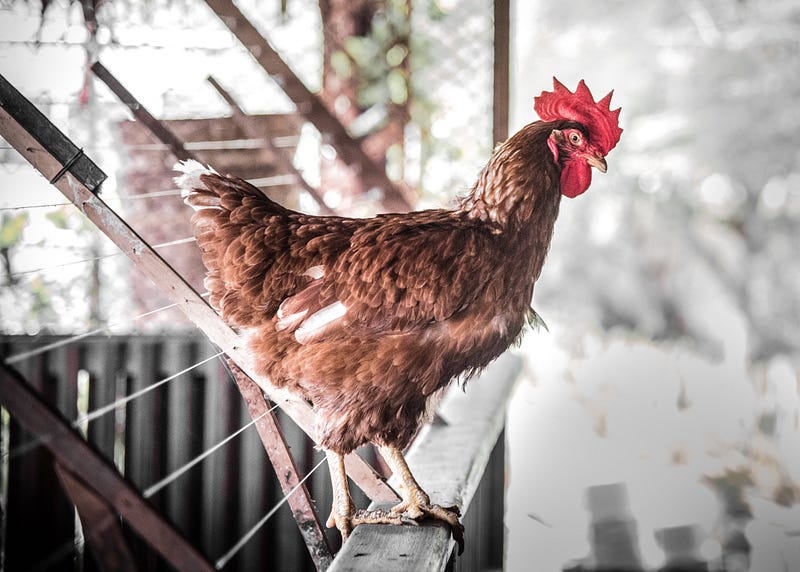
They say China looks like a chicken in a map, so here’s a “map of PR China”. Photo by Arisa Chattasa on Unsplash

All through the years, China have thought that they are in the centre of civilisation, and the surrounding tribes are all barbarians. The farther away they are from China, the less civilised they are. The less civilised should learn from China or China would go and give them a lesson. As time goes by, the centre of the Chinese civilisation moved towards the capitals of the country, and now it seems that the centre should be in Peking.

I have been wondering how a civilisation decides whether another is civilised. Doing things differently from you does not mean that they are not educated, especially in the distant past. We understand the resources and environments are different in all parts of world now, but people can learn that just by observation whenever it is.

Say now we understand why Japan works so well, especially in technology. It is partly because of their location on Earth which is prone to various natural disasters such as typhoons, earthquakes, tsunamis, snowstorms, to name a few. Their scarcity of arable land and other resources also led to some of them being pirates in the past.

People in a specific region just had to find a method to make good use of their resources in order to develop themselves. There is no need, and no use, to make another group of people do things as you do. They just cannot do it.
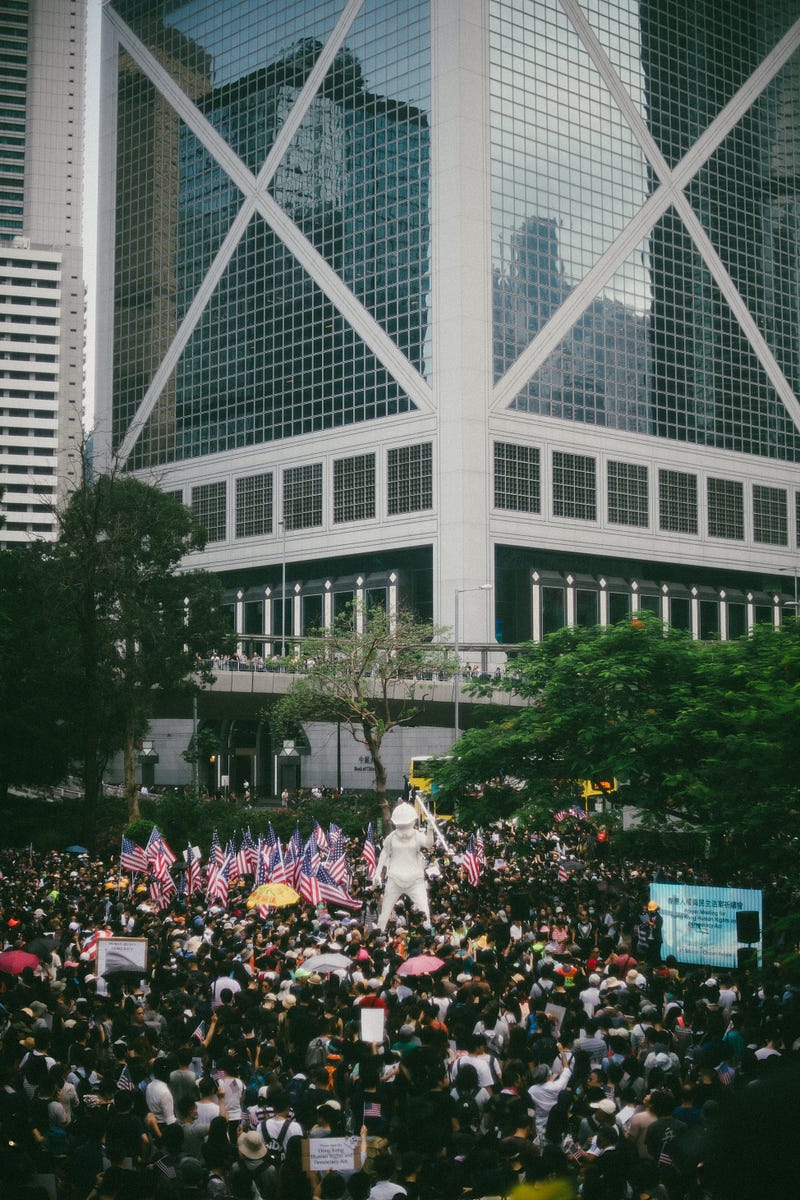
Central, Hong Kong. September 2019. Photo by Joseph Chan on Unsplash

The way of thinking pretty much leads to current problems in Sinkiang, Tibet, Hong Kong and Taiwan. You may see in the maps that the four places are pretty far away from Peking and Loess Plateau, the origin of the Chinese civilisation. Their geography are also distinctive from the capital. Therefore, China would think these four places are “less civilised” or “unlike them”.

Even the name of Inner Mongolia shows traces of Sinocentrism. Why is the country of Mongolia also called Outer Mongolia in China? Mongols' origin should be in "Outer" Mongolia but Inner Mongolia is just closer to China and its called "Inner" when they should be "Outer" relative to their origin.

Sinkiang’s “education camps” are a way of “giving lessons to the ‘uncivilised’ Uyghurs”. Hong Kong’s unrest is regarded as a rebellion / riot / colour revolution inside China can be seen as a “refusal to learn from the great and civilised China” and so “Hong Kong the naughty boy needs a big lesson learnt”.

Peking also tries to put their hands on a number of elections because the countries are “unlike them” and “those people need to learn from China’s greatness”.

But hey, who wants to become/be like a group of people who loves pooping in public? And talking with one another in the opposite side of the road using deafening roars? Can you just meet and talk tranquilly?

A country that lives in the past

Chinese often say China has 5000 years of civilisation.
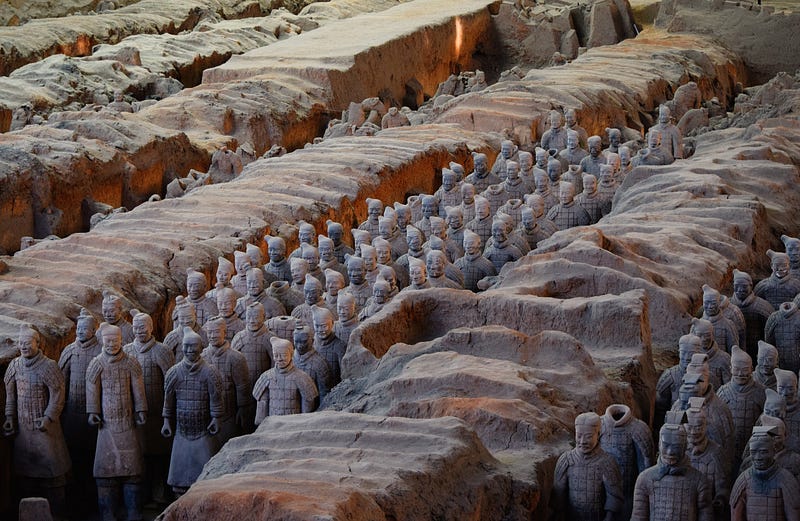
Photo by Aaron Greenwood on Unsplash

So? What’s the matter? Keeping this narrative only means that you have nothing good to tell people about present.

It is unanimous that Chinese are proud of the great times during Han and T’ang dynasties. You can see it from how the ethnicity of Chinese people are called: Han Chinese (漢族/漢人). Also, Chinatowns are sometimes called “Street(s) of T’ang people (唐人街)” in Chinese.

Chinese also loves bragging about their four greatest inventions: compass, gunpowder, paper making, and printing. However, after those inventions got to the west via the Silk Road, the west learnt them and used them way better than China.

China’s first compasses were like a cart, which was massive. Later innovations made compass used on a bowl of water. But when it went to the west and came back, it became more portable. Gunpowder was made by chance in China, and were used in cannons or fireworks for most of the time. However, the west made guns and greater cannons which beat China during late Ch’ing dynasty. The west also sped up the processes of paper making and printing, partly because of industrialisation.

Photo by Trent Szmolnik on Unsplash

After the inventions, Chinese didn’t find ways to massively improve but other countries learnt from them and treasured them. The foreigners tried their hardest to make them even better.

Oh, there was also an invention in ancient China to detect seismic activities but no improvements were made after that. It couldn’t even tell people the magnitude of the earthquakes. It only tells the direction of the epicentres relative to that apparatus.

Looking back in history, a lot of similar events happened again and again. Eunuchs interfered politics in many dynasties. Bad rulers ruined the country, some of them spent too much on infrastructure. A lot of monarchs did not care about the governance and focused on a consort instead.

Those were partly the reasons Chinese people rebelled a lot throughout history. But strangely, a lot of Chinese nowadays still think that they only need to wait for a good leader to come and the country would be great. (And they think Xi Jinping is a great leader.) Did they really learn history? Good leaders never came from you waiting.

As a “southern barbarian (南蠻)”, I am very annoyed by China keeping on mentioning them being the longest living civilisation. China only talks about their past, but there is nothing left to say about the present. They don’t and aren’t willing to learn from the past.

Money animals

It has long been told in China, that doing business was ranked the lowest in the society throughout history. But is business really that unimportant?

It was unavoidable for China (and every other civilisations) to develop currencies throughout the time as trading got more and more complicated.

Photo by Alex Holyoake on Unsplash

Since the Silk Road developed, international trading started and the western civilisations loved China’s silk and porcelain. What were in return? The other countries’ valuables, which includes lots of jewelleries.

A lot of people studied because they wanted to live better lives. However, tuition wasn’t cheap either. During Confucian times, tuition was some specific kind of meat, and the fee became more expensive later on when it could be more easily quantified.

Sadly, quite a number of people who had studied and then worked for the government could not stand against the lure of money. Many of them made names to get more money from the other people, such as asking the peasants to pay more taxes (which were food), and accepting bribes from the businessmen.

Bribery was/has always been a great problem to be fixed in the country. Even some Chinese idioms imply inappropriate use of money. One says, “Money can get a ghost move a grind. (有錢使得鬼推磨)”

I doubt it if you tell me Chinese aren’t money animals. Chinese people really love keeping money for themselves and their own families. They don’t want to share it with the others.

Wait. Why/How could the Chinese Communist Party work in China then?

They embrace Confucianism, they say

Not only does China say they have a long history a lot, but the people also say Confucianism is an essential part of their lives and they obey Confucianism. Harmony is what Confucianism is about, they say.
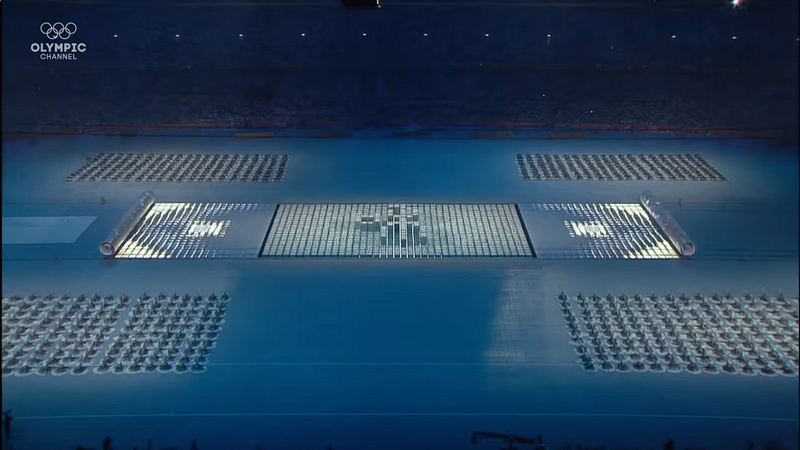
“和”, harmony, is the essence of Confucianism, China says. This word was also shown multiple times during the opening ceremony for the Peking Olympics back in 2008. Furthermore, Hongkongers had the strongest feeling as a Chinese in that period. Those were the times. Image capped from Olympic’s YouTube video.

Really?

My fail in Cultural Issues and Reading Programme paper when I studied ASL Chinese Language and Culture for Hong Kong’s A-Level would tell you: yes and no. (So I mean don’t fully trust me in this.)

Yes, harmony is important in Confucianism. It is the ultimate goal of this ideology. But no, harmony is not what Confucianism is all about. In my opinion, Confucianism is, rather, about personal (mental/psychological) growth.

We must remember when this ideology came to life. It was the time of Warring States. Confucianism was a kind of anti-war ideas which was to promote harmony between and within states. A state/country cannot be established when there was no home, but a home consists of people. People should also realise that we have various roles to play in the society and we should act in sync with the roles.

For example, a father should act like a father, a kind and loving one; and a son ought to obey the father (父慈子孝). Caveat: The children have to be concerned about their parents as the parents will leave the children one day. The parents should also give the children moral lessons such that the children learn about how to be good persons themselves and in the society.
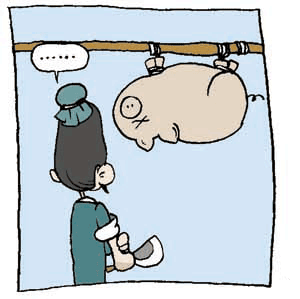
Tseng Shen (曾參, alternatively Tseng-tzu 曾子) who had to kill the pig was one of the best and famous students of Confucius. He brought the idea of self-reflection in the Confucian ideas. He was also mentioned many times in the Analects of Confucius (論語). Image from here.

In Chinese Language lessons, we should all have learnt a short story written in archaic Chinese about a student of Confucius who had to kill a pig for dinner because of his wife’s unserious promise to his son. Livestock was scarce and therefore very important in ancient times. Killing it was a serious matter. He said that he ought to keep the promise to the son as a moral lesson, or else he would be unable to teach the kid as a person.

I would think that Confucianism is about personal growth as a lot of sayings about Confucianism are relatively more personal than relating to the states. It is also said that we should try to be less harsh to others but the moral standard to ourselves should be higher (律己以嚴,待人以寬). I believe that a well-mannered person with good moral would attract a lot of followers because the followers can learn and see how they can become.

China never stops brainwashing that one must obey the Chinese leader, even though the leader does so badly and is not like a reasonable person. The Chinese people think that it is your own fault to be caught for criticising the government because you don’t obey the leader.

Hey, the leader isn’t playing his/her role well, so why can’t I criticise them as a follower? Didn’t Confucius say that it’s our moral duty to criticise them for their bad acts to the society? (Family is a different matter, I remember this.)

You can also see that Confucius lived nearly 3000 years ago. He is long gone. Just like any books, the contents of what he said are up to people to interpret. THIS IS THE PROBLEM.

This is just blinded patriotism

Moving on. Currently, a lot of people believe that Confucius told people to follow the leader whatever happens, and so Chinese ought to do so as Chinese follow his spirit.

If you read over the last session, you will know I don’t agree with that. Here is why this belief came out.
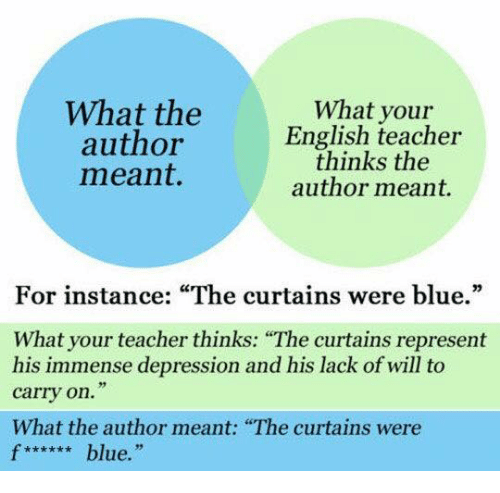
You are not the author, you can’t think the same way as him/her. It’s similar as Confucius’s ideas: Our interpretations may not be what he originally meant. Image from here.

Several periods made Confucianism boom and reborn, such as Han, Sung, Ming and after the Cultural Revolution. Nevertheless, Confucianism was up to people to interpret (since Confucius and his students were all dead) such that it would be better for the rulers to use this ideology to manipulate the citizens.

One of the interpretations eliminated most of the caveats in the ideology. It means the followers must follow the leader no matter what.

The children must obey the parents even the parents do bad because they are never wrong. The monarch is always wise and even shit ideas would become great when people follow.

And now the Communist Party, the ruler of the country, tells people that China is great and you need to follow the Chinese dream. You can’t judge or doubt it as “Confucius said that you ought to follow them”.

Well, as Confucianism is manipulated over time, do you really need to follow it?

Again, when you don’t self reflect and become a better person, I wonder how other people should believe and follow you.

Also, the country is manipulating everything now so as to make their people love the country blindly by hating all other countries.

Territories claimed since long ago?

If you have heard how China claims the disputed lands are theirs as well as how they are against separation of China, you will frown and/or roll your eyes.
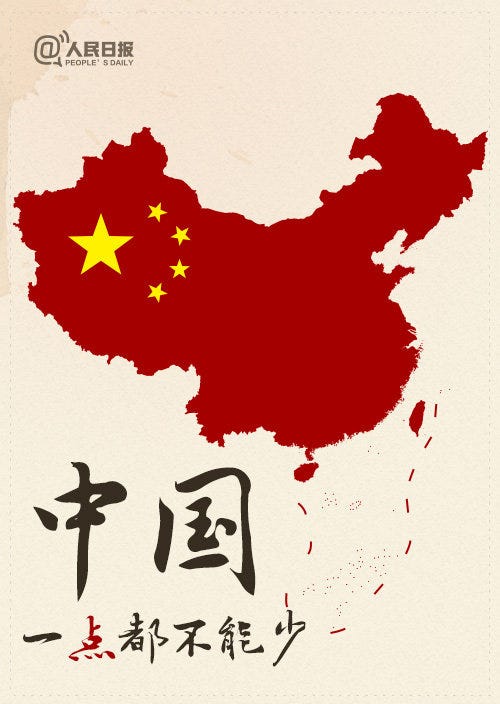
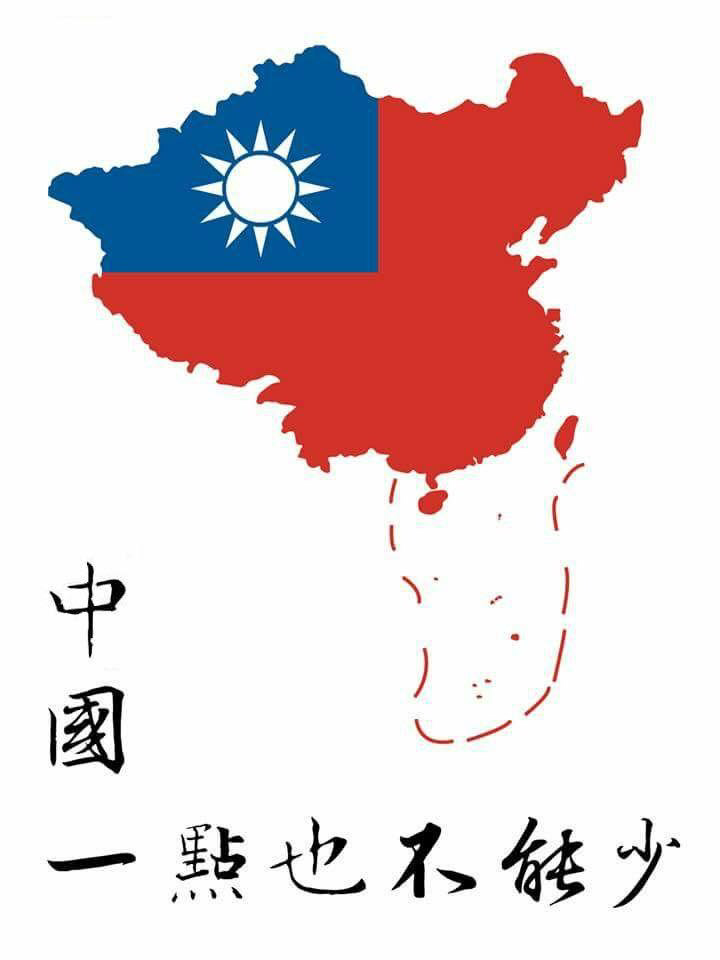
PRC says “China cannot miss a bit”(L)…And so I guess ROC can say that (R) too. Images from People’s Daily (L) and LIHKG (R)

They say Taiwan, Hong Kong, Tibet, Sinkiang, Senkaku Islands and all other weird places are Chinese territories because “they are all parts of China since ancient times”. “These territories are all sacred and inseparable”. Also, “any claims to separate the country will all fail”.
Alright.

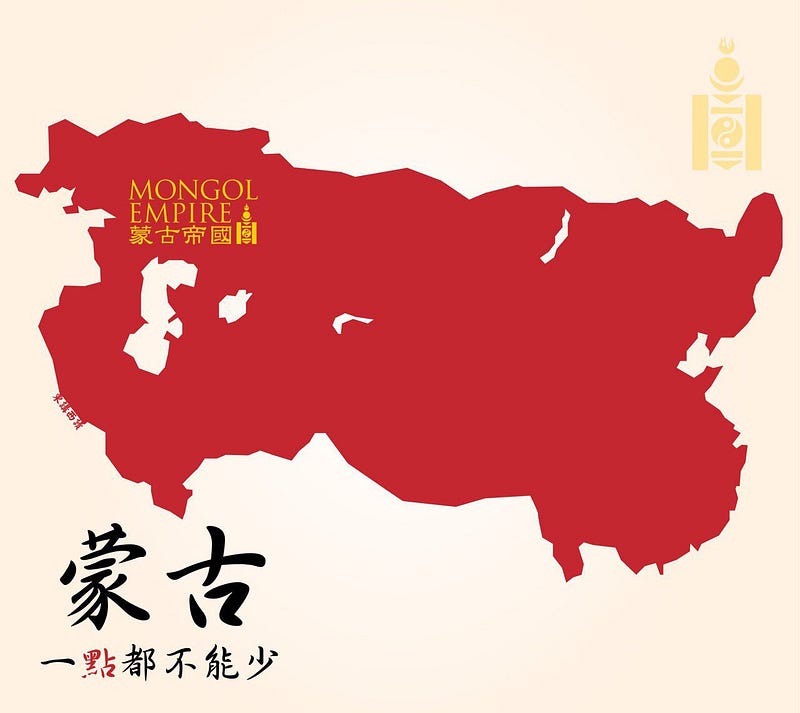
I think I should urge Mongolia to take over Hong Kong as our city was part of the Mongolian Empire. And yes, Mongolia should also claim the territories from Korean Peninsula to Middle East because “they are all parts of Mongolia since ancient times”. “These territories are all sacred and inseparable”. Also, “any claims to separate the country will all fail”.

I guess Mongols can say “Mongolia cannot miss a bit” like this? Image from 東講西讀.

When you look clearly, you will know what is wrong with it.

I believe it is universal for each country to claim their own territories which are really theirs for very much of their history. However, is it easy for a country to ask the people to be proud of the nation when then lands are annexed?

Sinkiang was claimed and lost many times by China. The first time should be Han dynasty, while there were only some tribes which were nearly no use to China back then. The most recent claim was Ming China which is inherited when dynasties changed. It proves that all through the times you can’t make it. Can you just give it up?

Taiwan became a part of China in Ch’ing dynasty, but only the western part of the island was ruled by China. The whole island was lost to Japan later in the dynasty, and China got it back after Japan lost the world war. Now as PRC claims they are the successor, they say they own Taiwan. Hey, the Republic of China (Taiwan) is still here. If you really want to claim it, beat your “predecessor”.

Nobody really cared about Hong Kong before British took it, even though the land was ruled by China since like Ch’in dynasty. The British developed it, but then China claimed that the treaties were all unfair and so they could get back the city. The British were so kind to hand it over.

All in all, China wants all those disputed territories because they are useful to the country, maybe for economy, maybe for defence. They use history to claim that those are their lands, but the history they use is ambiguous. Sometimes the history is too short and local people cannot develop the identity as a Chinese. Sometimes the history is long but the place was let idle before someone else found its potential and then you want to take it back. Weird.

China is encouraging a world war by these silly claims of territories, but it seems they don’t know they are doing it.

How China becomes Chinazi

Here I recommend you to have a glance of the history of China again.

This is a country separated and reunited many times. The people think they are the best race on Earth. Sadly, the country was ruled several times by barbarians but the people could always take back the rules. A life-long rival was always causing troubles to them.

The country has gone through a period of shame because of massive losses in wars. They lost some territories because of the wars. However, their ultimate goal was that they could unite all the people of their race, their ethnicity, who speak their language, and become one giant power that can make the world kowtow to them.

Inside the country, they used a lot of tactics to not let people speak anything against the government. The government also used propaganda to elicit patriotism, and made their people believe everything the government does to them are good and they should love the country no matter what.

They also manipulated the non-Chinese population inside the country, those manipulated races are depicted as strange, violent and unfriendly. People should avoid contact with them.

This is how and why China becomes Chinazi.
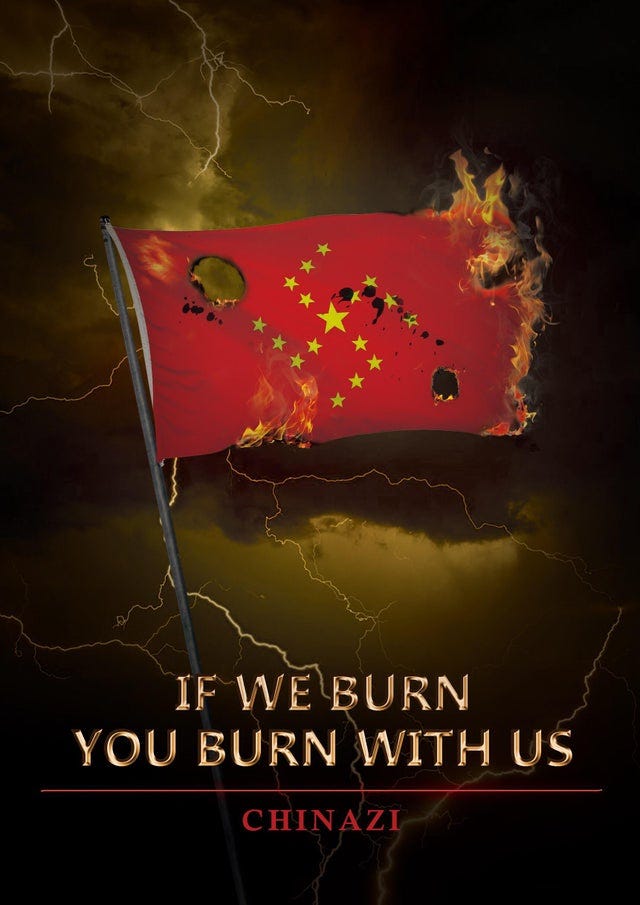
Image from Reddit.

I always believe history repeats itself. Apart from the repetition of its own history, China seems to repeat the history of another country.

This time I am referring to Germany in late 19th century and before the Second World War ended.

I don’t remember very well about the histories in that period, but I still remember that somebody united Germany. Then they tried to unite all the German-speaking people, and eventually started a great war which their people after the war believed that it was a period of shame. The people later believed that they were the best people on Earth, and grew into a dictatorship. Lastly, another great war could give them a lesson learnt.

So now China is doing the same things as Nazi Germany. If nobody can stop them, catastrophe is coming up.

Lastly, the name transcriptions

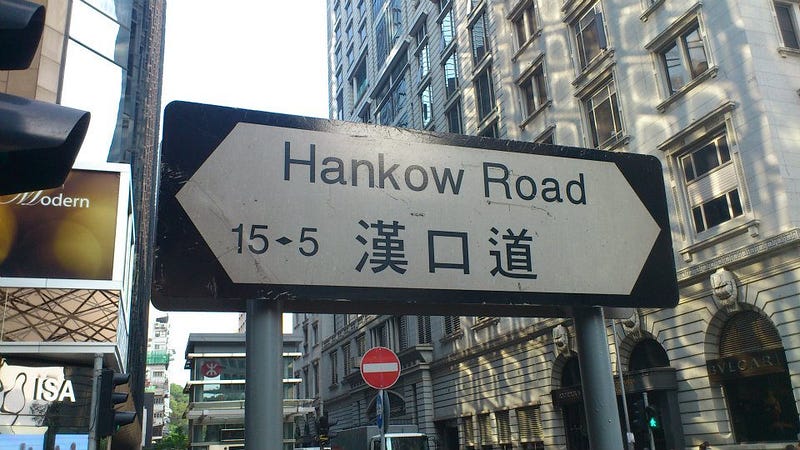
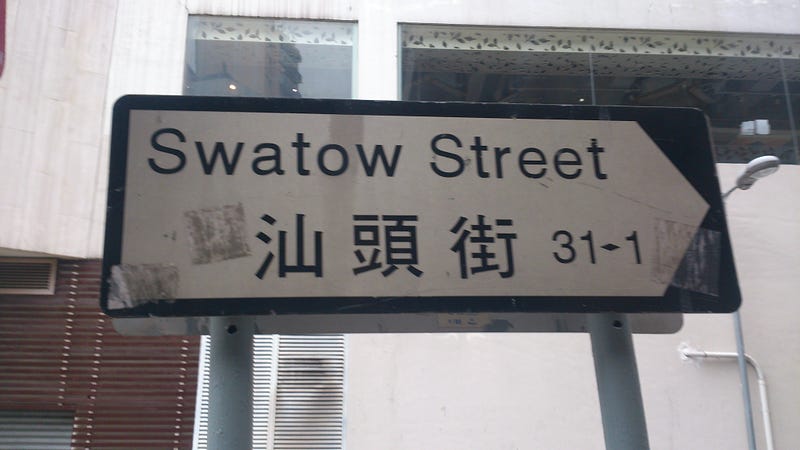
If you learn Mandarin as a second language, you most probably learn Hanyu Pinyin which tells people how to pronounce Chinese words effectively in Mandarin. However, when you look at my previous articles, you would realise the city names, dynasty names, and most people’s names are spelt differently from the Hanyu Pinyin system.
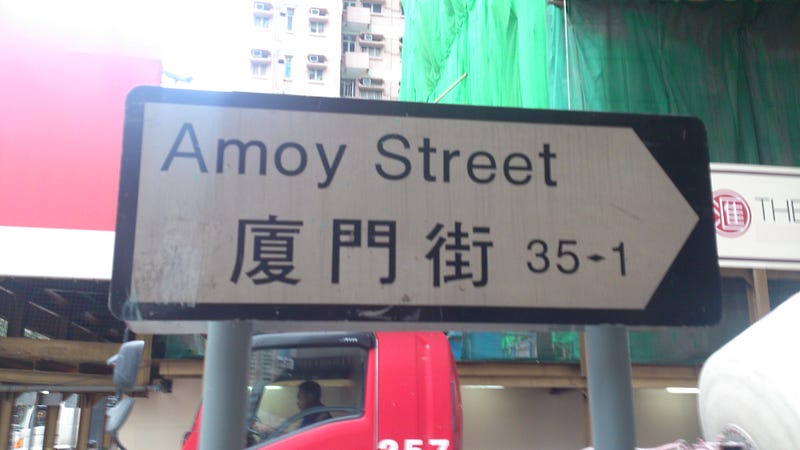
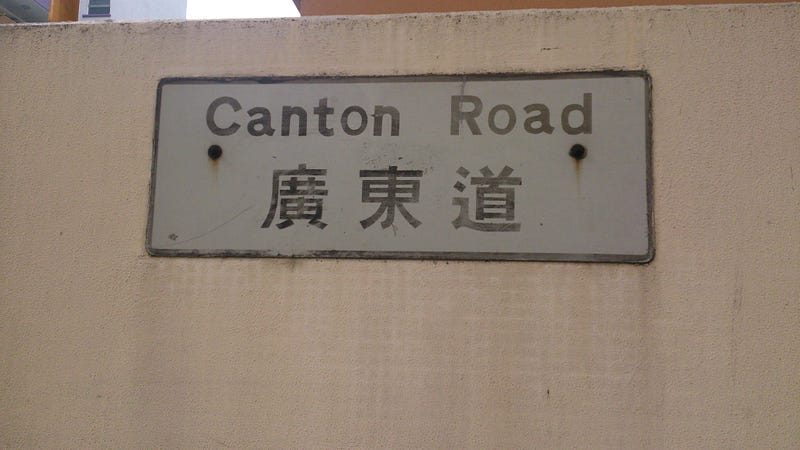
Some streets in Hong Kong still keep the postal romanisation in their street names when they refer to Chinese places. Here are some examples. Photos taken by Anthony Li in 2012 (for Hankow Road) and 2014 (for the rest).

I believe you know my stance if you read my articles. Those spelt differently are the old Chinese word romanisation methods. I intentionally do this as a protest against communist China who implemented that system and abandoned all the other ones. The implementation of Hanyu Pinyin made the changes in English names in Canton City (now Guangzhou), Peking (now Beijing) and a lot others.

I used the postal romanisation for most place names and Wade-Giles romanisation for most other names. I only used Hanyu Pinyin for some names in communist China.

I am sorry for making a bit of confusion when reading my articles.

Hong Kong’s Lady Liberty on Lion Rock, the mountain which “shows our spirit”. Picture from Lady Liberty HK.

I would like to sum it up by quoting myself when I was asked in late July / early August 2019 by my big boss in the UK during my working holiday about how Hong Kong’s protests would end. I said,

“It wouldn’t end unless there’s a great war (against China).”

I understand his concerns as he’s a baby-boomer, but China really never learns their lessons. It should be China who needs a massive lesson learnt which can sum up their 5000 years of lessons.

In order that China becomes successful, China only needs to do one thing: leave “Chinese” alone, keep it only as an ethnicity. China is too big to only have one culture. Regional differences are too big. Look at Singapore and Taiwan, whose ethnic Chinese won’t say they are Chinese, can you see how successful they are?

But again, I’ll be called a “separatist” in China.

China
Chinese History
History
Recommended from ReadMedium