How China becomes Chinazi (III A)
My memories and reflection of what I learnt during Chinese History lessons in secondary school
This time I’m going to tell you what I learnt about Chinese history during my time in Secondary 3. But let’s rewind what was told before if you need to.
Chinese History from My Memory (Continued)
Disclaimer: Once again, the following comes from my memory only. They may be wrong.Last time ended when Ming dynasty ended and Manchurians went into China to succeed the Chinese throne. That was similar to Mongols taking over China: A less civilised tribe overpowered a much more civilised China. How could Manchurians prevent Mongol’s mistakes?
Steal Your Hearts
Manchurians did a lot to steal the hearts of the Chinese people. The emperor decided to hold a glorious funeral for the last emperor of Ming who hanged himself for his country. Also, they promised the Chinese people that most of their ways of living remained unchanged. The emperor decided, furthermore, that the royalty must learn the Chinese language apart from their Manchurian one.
The Chinese people felt that they, being the more civilized, were respected. However, there were still some harsh rules for the people.
Shave or Death
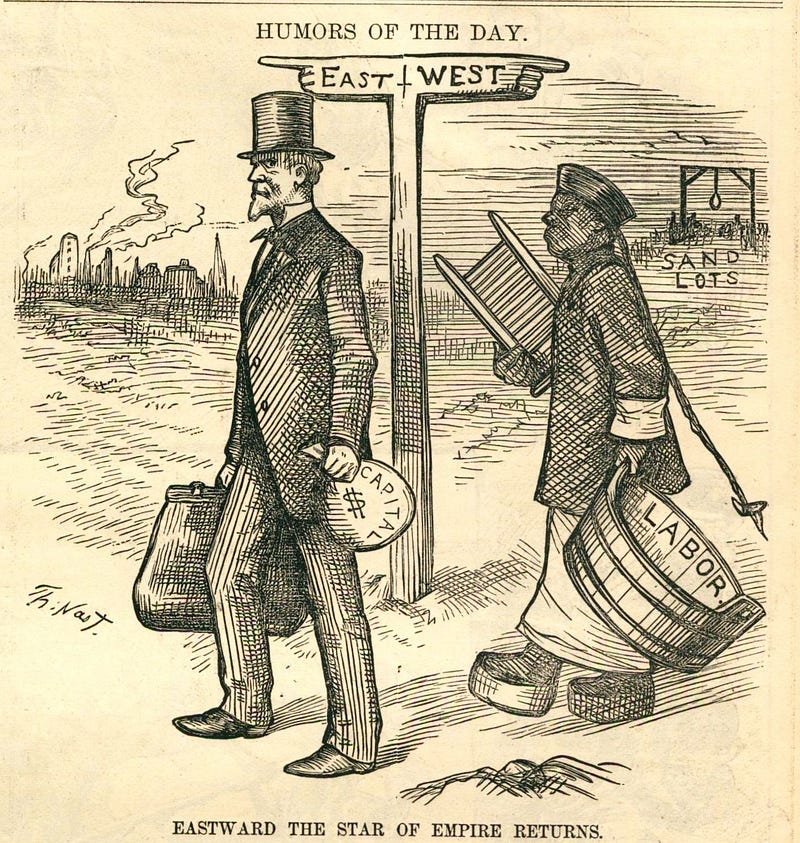
The stereotypical appearance of Chinese men in multiple western arts is the consequence of this harsh rule. Ch’ing emperors asked the Chinese men to keep the Manchurian hair style, or they would face a death penalty. (薙髮留辮/「留頭不留髮,留髮不留頭」)
This conflicts with a major ideology of the Chinese people which says, “From flesh to blood, from hair to skin, the whole body is a gift from our parents. We dare not damage it.” (「身體髮膚,受諸父母,不敢毀傷。」) Therefore, shaving the head as a law became a question of life and death.
There were more harsh laws than this. They adopted a law in Ming dynasty to look at the words people used. They could punish the people if the rulers found it suspicious. This kept people fearing of saying something wrong and being killed.
Make China Great (Season 4?): 135 Years
As the new empire was trying to maintain their power to the people, a catastrophe was coming. The emperor and some of the royal family infected smallpox.
Unfortunately, the emperor died of it.
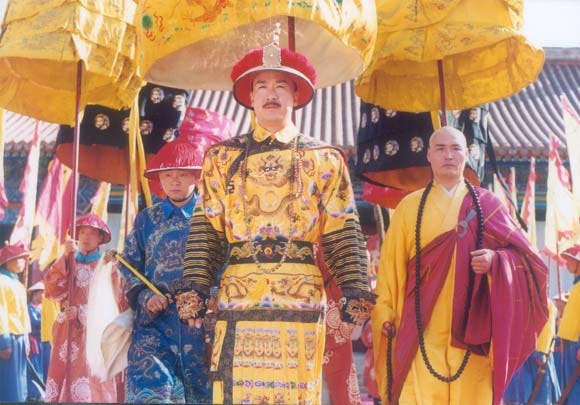
It was then nearly a civil war debating who should be the next emperor. Luckily, there was a solution. They chose the only prince who had survived smallpox.
This new prince rose to throne when he was just a kid, but he reigned for 61 years. During those 61 years, China prospered. The emperor ruled the country wholeheartedly when he became an adult and started his rule. He even asked his ministers to write the biggest Chinese dictionary in history.
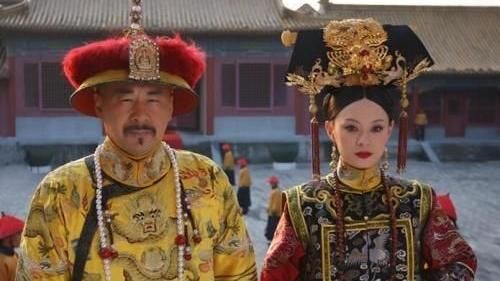
His fourth son who became the new emperor after the old emperor passed away was the most hard-working in the dynasty, if not the whole Chinese history. Historic documents say that this emperor started working since dawn, and did not stop until middle of the night. It is said that this emperor had the most documents read and replied, and of course the most words written during the reign. During his reign, corruption was in record low.
Sadly, the son became an emperor when he was in his forties, and he could only rule for 15 years. Coincidentally, the fourth son of this emperor became the new emperor.
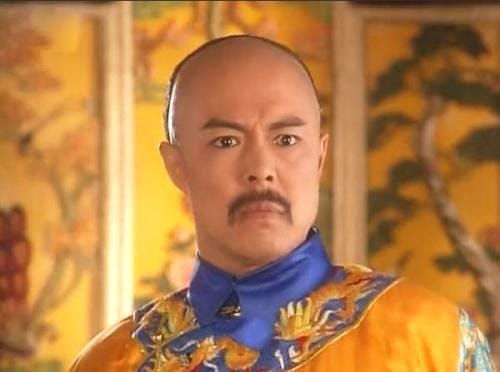
This fourth son of the fourth son was so much loved by his grandfather, the emperor who survived smallpox. He became the emperor when he was a young adult. He tried to replicate the success of his father and grandfather, and succeeded. He fought against rebellions, made arts flourish, and asked his ministers to write an encyclopedia during his reign, like his grandfather.
When the grandson became old, he called himself “Granny Perfect” (十全老人). He decided to give the throne to one of his sons after he reigned for 60 years in order to pay respect to his grandfather who reigned for 61 years. He lived two more years after his abdication.
Cultural Clashes
After Granny Perfect abdicated, the Chinese Empire was pretty poor. It was not only because Granny Perfect had spent too much to make China great, but it was also because one of his ministers bribed an awful lot. The new emperor had to sentence him to death to get back those money which doubled the revenue in the government.
Western gadgets were introduced during the great period, but China was like, “We have been a great power in the East, why do I need to learn from you?” We can see this attitude in a lot of incidents. For example, China was angry that the western ambassadors and missionaries refused to bow at the Chinese emperors, while some might have been sentenced to death.
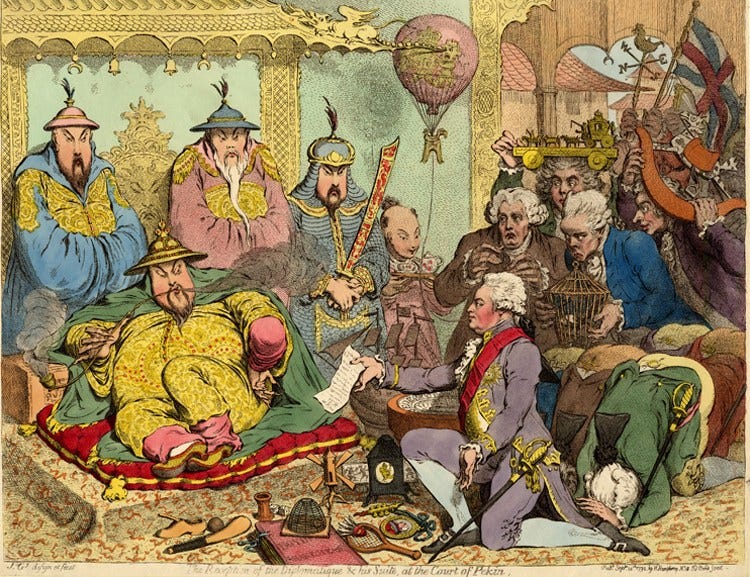
This kind of acts made the western powers discontented, but they acted as if there were nothing happened since they still wanted to have business with China. However, only few ports were open for foreigners and westerners were not allowed to leave the port cities, such as Canton City, far. A problem arose: Westerners wanted to have more business in mainland China.
The western powers felt that the Chinese had no will to trade anything with them. Chinese always felt that China was such a great country, a great power that they did not need anything outside.
Had the westerners read Chinese history, they would have had this evil act earlier because this thing helped them open the Chinese ports by force.
“Longevity Paste”
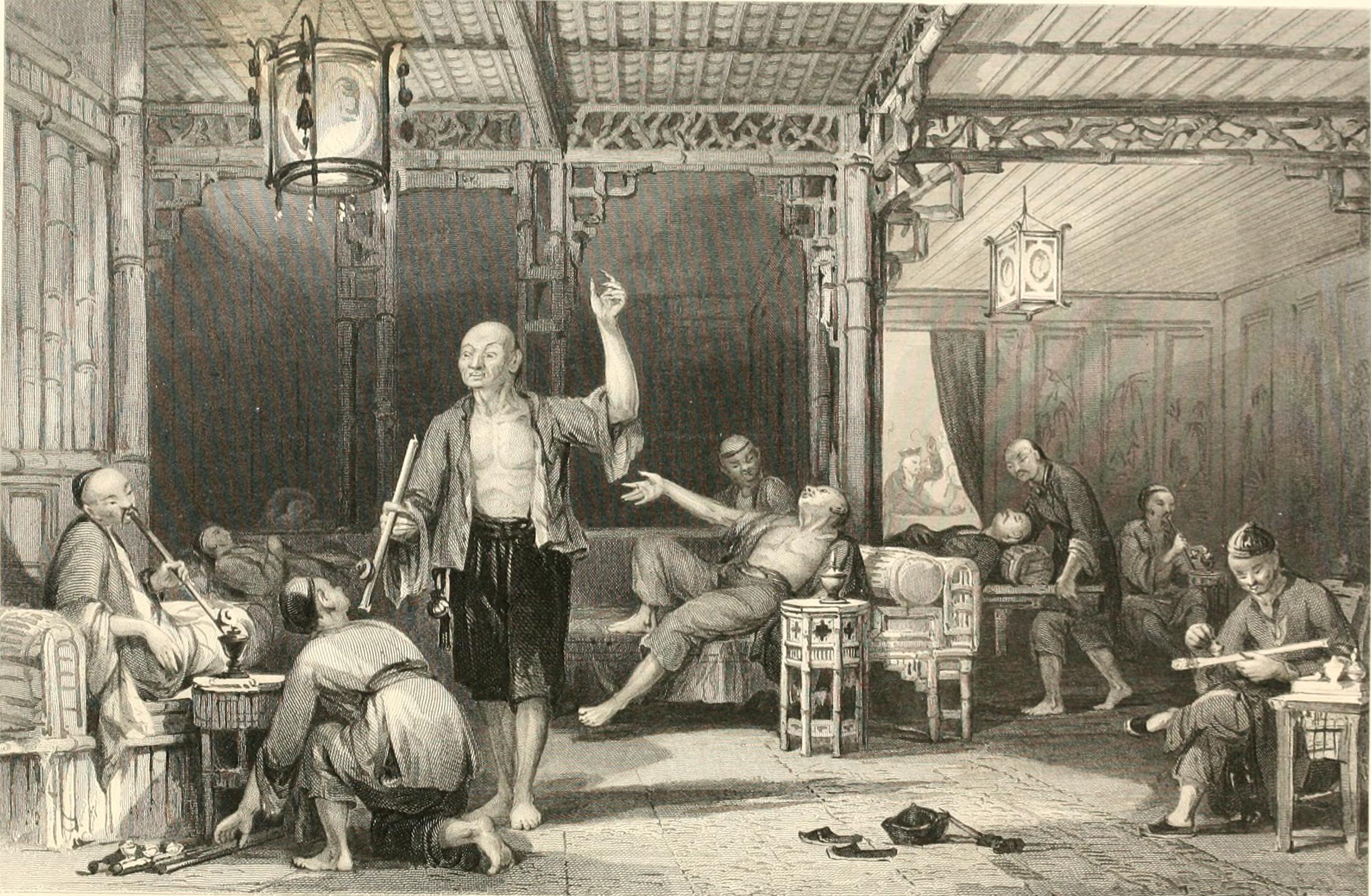
When reading Chinese history during Chin dynasty (of the North-South Divide), you would know that drug abuse had been a massive problem in China.
Well, drug abuse should be a lot earlier than Chin dynasty. It should be the period of the First Emperor of Ch’in who wanted to be immortal so as to rule China forever. Since then, the emperors loved to ask alchemists to make pills using furnaces. The emperor took those pills regularly and slowly killed themselves (because of the heavy metal inside the pills). And yes, those alchemists accidentally made gunpowder.Here came the Victorian British people who imported opium, a highly addictive drug, from India to China.
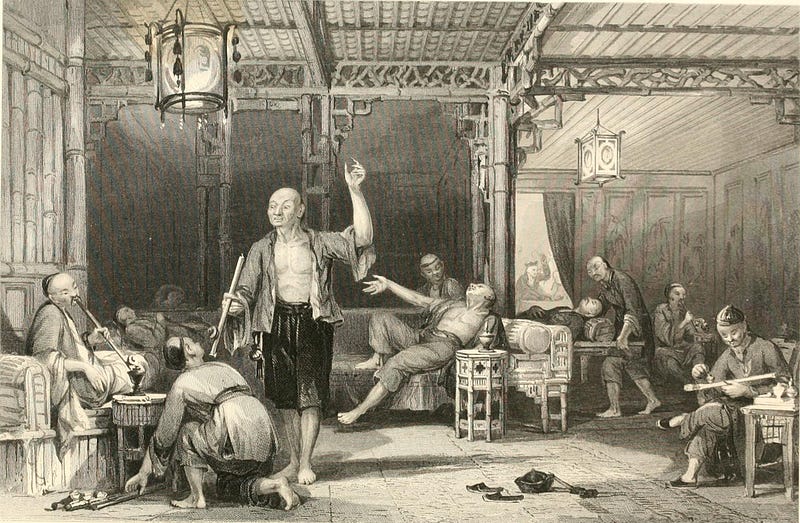
People had to make it into a paste before smoking it. Its branding made it so loved that a lot of Chinese people fell for it: Smoking opium could make people live longer. It was branded “Longevity Paste” (福壽膏). Who wants to live longer? Almost everybody. A lot of Chinese started smoking opium and then became addicted.
China finally realised this problem when it was too late. A lot of people became addicted, including the royalty and ministers.
After acknowledging the problem, they had to find a method to solve the problem. A minister, Lin Tse-hsu (林則徐) found a way: As opium was the main reason of the addiction, why not destroy all the opium imported?
The government approved.
Years of Shame
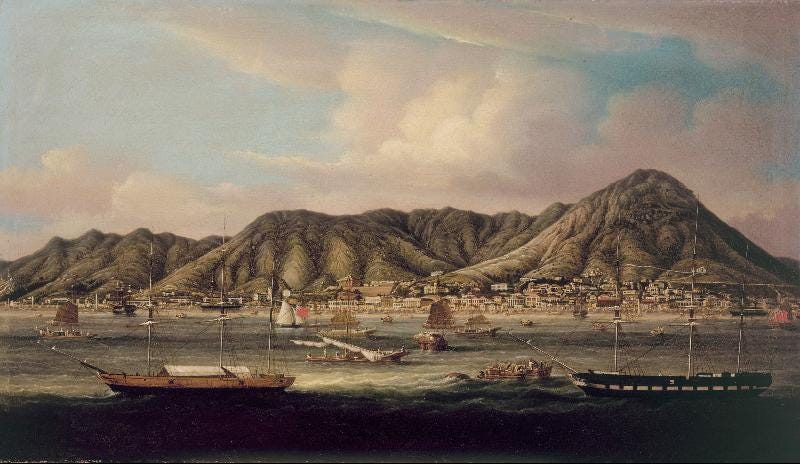
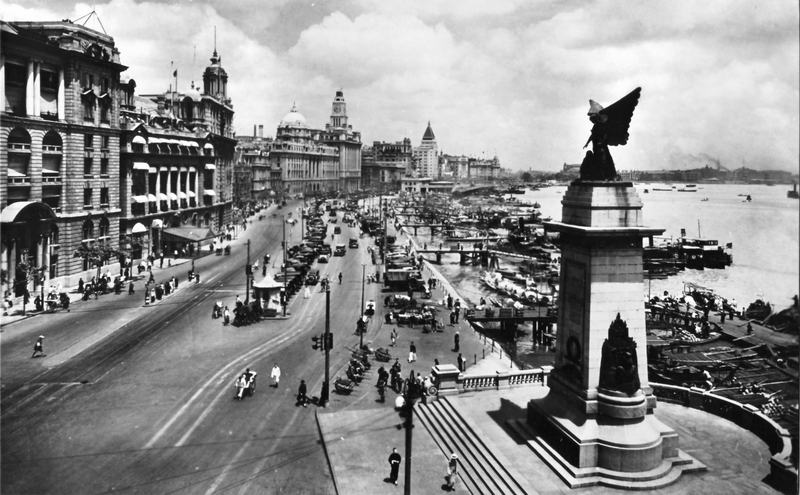
What were after that was history. The destruction of opium in Canton Province sparked Opium War and made Hong Kong enter the world stage since. China lost the war, and had to sign the Treaty of Nanking, an unfair treaty, to give up Hong Kong Island to the British Empire and give the British a huge sum of money.
But it was just the start of the years of shame in China.
Afterwards, there were still a lot of arguments between China and foreign powers, and they fought wars, but China still lost anyway. China could not stop signing unfair treaties and giving up its land to others.
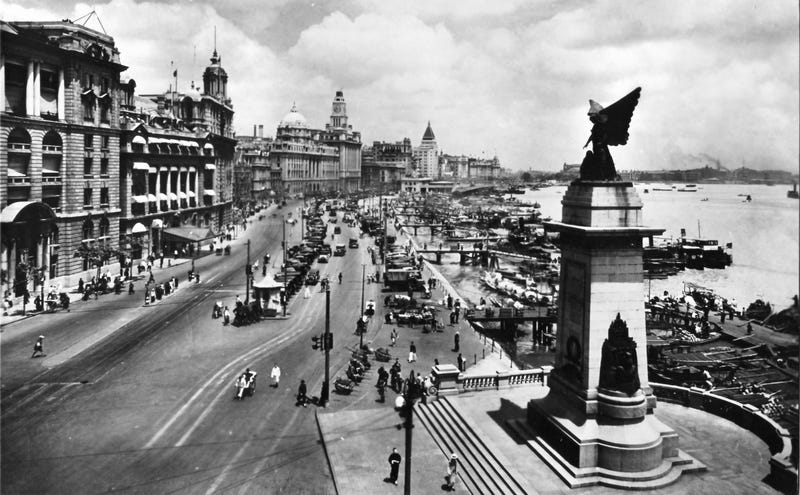
Kowloon south of present-day Boundary Street and Stonecutters Island were given up in Convention of Peking, while the rest of Hong Kong was rented for 99 years in another convention in 1898. Other notable places were also given up or rented, including Shanghai, Tsingtao, and Taiwan.
China had always thought that they were a great power all the time, but then it was a great shame that they were beaten by those nameless countries.
Hey, China wasn’t beaten by Persia or Arabia or Roman Empire. China was just beaten by somewhere called Britain? Where was that? And hey, those Japanese pirates also defeated China? How could they do that? They learnt from China several hundred years ago.At the same time inside China, a man claimed to be Jesus Christ’s younger brother and started to build a “Promised Land for Chinese”. Those people rebelled China but they were eventually defeated. This cost so much for the Chinese government.
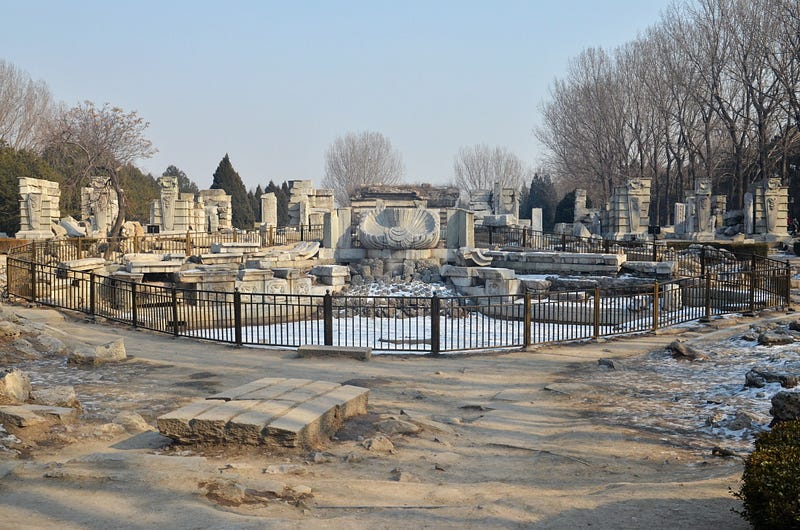
However, China still didn’t know how to use their money wisely. Empress Dowager Tz’u-hsi (慈禧) decided to renovate the summer palace for her birthday. Yet it was burnt in a war against 8 countries altogether. Yes, a royal palace represents a sovereignty. The country should feel ashamed when the palace was set ablaze in a war.
The government decided to change under this shameful moment.
Change?
Yes, China wanted some changes. They realised that western technology was much more advanced, and most of the countries they beat China were absolute monarchy no more. Those countries were mostly democratic.
So China sent some students abroad, let them learn the new technology. Some of the students came back to China to work for the government.
Those students wanted to make some changes in the whole system. However, bureaucracy failed them. Technology looked advanced; China could create new weapons and ships for future wars. Their quality was pretty bad since there were not enough money for those technology. That was why they still could not defeat Japan which undergone thorough advancement after Meiji Reform.
Political system was more disappointing. It was Empress Dowager Tz’u-hsi who was actually ruling the country. The emperor wanted to take back his power, so he asked some ministers who had studied abroad to help him do so by a political reform. Those ministers made a proposal. The emperor agreed the reform and so it went on.
Sadly, 100 days after the reform, the Empress Dowager thought that it did not work out. She, together with some orthodox ministers, took down the reform, called it a fail, killed the ministers who agreed with the reform, and never let the monarch to have real power anymore before she passed away.
So, change? Not really.
The Sun of China
There was a man from Heungshan (香山), Canton Province who studied in Hong Kong. He studied medicine, but after rounds of unfortunate events, he realised that it was the best to save the country which was now in critical condition. Therefore, he gave up being a doctor. He started a party which later became the Nationalist Party (Kuomintang, 國民黨) and started to revolt.
After being wanted in China, he fled to Japan, used a fake name, but was still active in the revolution in China.
His followers attempted many times to pull the empire down but failed. Many died in those failed uprising. However, on 10th October 1911, in a city of Wuchang (武昌), they finally succeeded. The empire agreed to give up their rule later while the last emperor, Pu-yi (溥儀), was still a child.
So the Republic of China (中華民國) was established and the Chinese Empire officially ended after thousands of years. (Let’s forget one Ch’ing minister who took the power in the Republic of China and became an emperor for 100 days.)
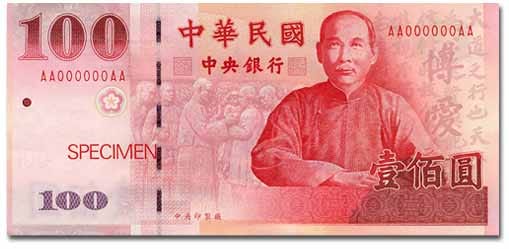
Forgot to mention, that man from Heungshan was Sun Yat-sen.
The whole article is too long to read. Let’s stop here and please click on the link below to continue.