
Hyperinflation is Now Here, So Spend Your Money as Soon as You Earn it
Inflation is not transitory. This will get worse.
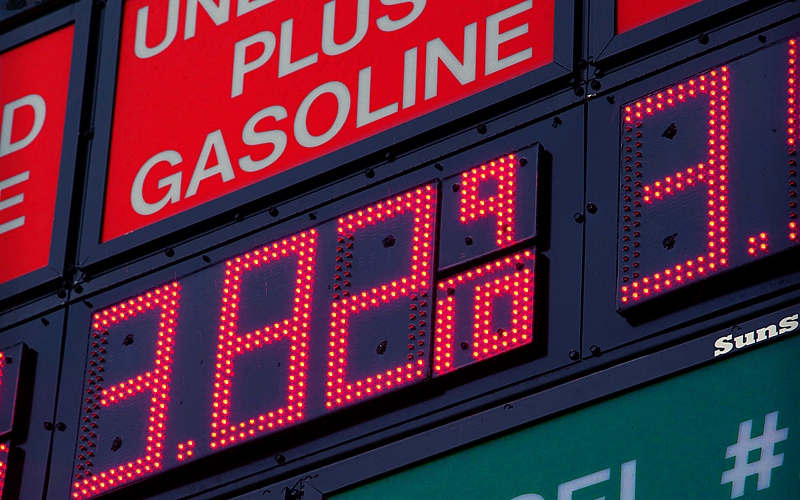
It’s happening.
The Federal Reserve finally admitted that inflation is not a short-lived trend. It’s not transitory. I hate to say I told you so.
Inflation is here to stay for Christmas, Valentine's Day and the foreseeable future. Moreover, according to both Fed Chairman Jerome Powell and Treasury Secretary Janet Yellen, it could get much worse.
“We tend to use [transitory] to mean that it won’t leave a permanent mark in the form of higher inflation,” Fed Chairman Jerome Powell said during a congressional hearing on Tuesday. “I think it’s probably a good time to retire that word and try to explain more clearly what we mean.”
If you ever need a reminder that the Federal Reserve is full of sh*t I recommend highlighting that quote and sharing it with everyone you love.
So why is inflation happening now, and is it going to get worse?
All Aboard the Free Money Train
There is something like $40tn of “money” in circulation right now.
When Covid happened, $10 trillion of that total was released as part of the 2020 federal reserve stimulus package. Do you understand what that means?
It means more than one-fourth of the entire money supply was created in less than a year. Ouch.
However — the bigger issue isn’t from the handouts.
Nobody seems to remember that Japan gave out exponentially more stimulus than we did and isn’t experiencing any great inflation surge.
The bigger problem in America is the supply chain.
Supply Crunches are Primarily to Blame
Inflation is from people being supply-blue balled for two years by COVID-19 lockdowns and now wanting to spend all their hard-earned money.
Let me explain.
People spent less, much less, in 2020 due to the pandemic.
Now that we’re “almost” out of the pandemic everyone is trying to blow their demand-load all at once and spend like there’s no tomorrow.
The problem with spending right now is that while the demand has recovered to a pre-pandemic level, the supply side has not. Thus, we’re all screwed.
Permanent supply shortage IS inflation.
I can’t even find my favorite watered-down beer. Can we even call this place America anymore?
Why Gas Prices are at Record Highs
Interestingly enough, the Saudis and the Russians got into a pissing contest over the oil supply at the start of the pandemic.
If you remember correctly, gas prices fell to record lows just before COVID-19 hit everywhere.
This was due to Saudi Arabia increasing oil production and putting pressure on Russia to lower its prices; otherwise known as a supply shock.
What happened next wasn’t a part of the plan.
The Dow index fell 30% in March 2020. 12 million Americans filed jobless claims. People stopped traveling. Cities went into lockdown. Gasoline consumption fell by nearly 50%.
This was what’s called a Demand Shock. Nobody wanted gasoline anymore, and it caused oil prices to squeeze to record highs. As Forbes writer George Calhoun put it, “The price war was self-inflicted, ill-considered, and ill-timed.”
Don’t Trust the CPI (Inflation is Much Higher)
Roughly speaking, the consumer price index (CPI) is used to calculate inflation and buying power.
It measures the changes in prices of the products an average family buys such as transportation, food, and medical care.
In reality, the CPI is a basket full of lies.
During the 1980s the CPI was changed to obfuscate the true inflation numbers. According to Investopedia, the old method measured a fixed basket of goods and services, while the new method only measured a standard of living.
While inflation is high today, many economists argue that it’s still much lower than the true inflation numbers measured by the old index.
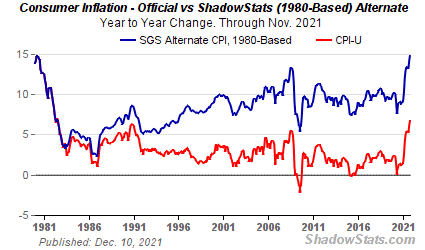
According to financial news outlet Shadow Stats, the true inflation rate is 13%, if using the Bureau for Labor Statistics’ original calculation method.
If I were a betting man, I’d predict that the Fed will change the way they measure inflation again to justify more money printing in the future.
We’re about to get lockdowns with NO stimulus
Inflation is a multi-factorial issue, meaning, money printing, the broken supply chain, and a whole host of other issues are to blame.
Here’s the state of the American economy:
- 10–13% inflation.
- Majority of all US dollars printed in the last year.
- $30 trillion in debt and the debt ceiling quietly raised.
- Government buying its own debt.
- Massive shortages and supply chain disruptions
- Nearly 50% of youth living with parents
- Mass firings and labor shortages due to poor work conditions, the great resignation, vaccine mandates, etc, etc
- Fed is about to raise interest rates three times next year.
Honestly, I’m starting to think those Dogecoin guys are on to something…
Anyway, whether it’s hyperinflation, stagflation, or just an economic rough patch over the next few years, I’d say look for some investments that can beat that 10% inflation rate.
Right now that would be stocks, crypto, and precious metals.
Merry Christmas. Stay safe out there.
Join 1500+ people on my newsletter for a free copy of my eBook “Mind and Muscle.”


