
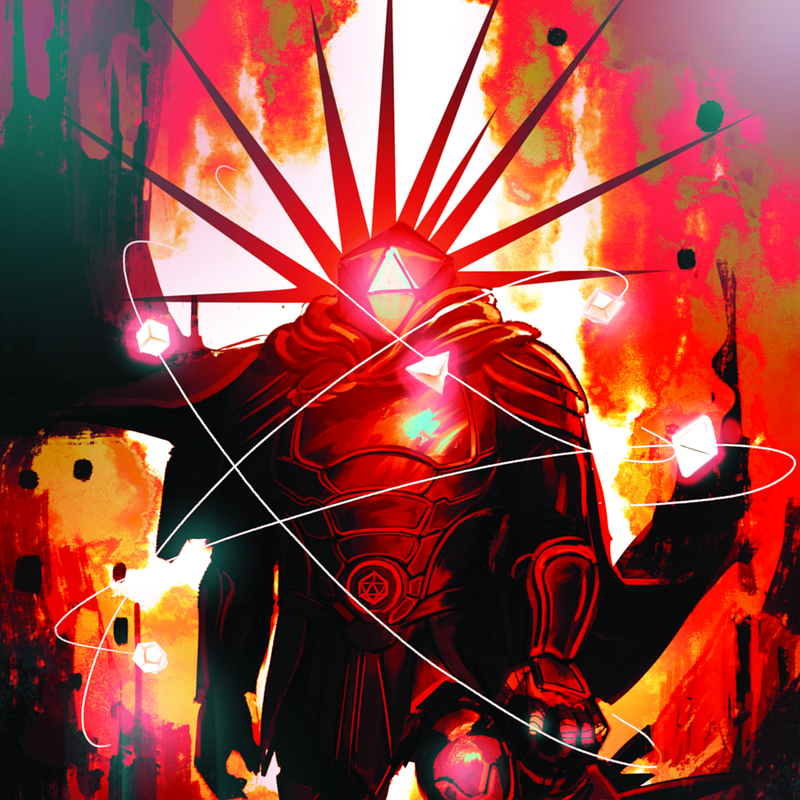
I use the word “cringe” five times in this story
‘DIE’ Eclipses Dungeons & Dragons in Every Way That Matters
‘DIE: The Roleplaying Game’ is the Anti-D&D
“You’re dragged into a treacherous fantasy world made from your own fears, doubts and desires. There’s only one way to escape — but with limitless adventure within your grasp, would you even want to?”
— DIE RPG, back cover
DIE is the 80s D&D cartoon meets Jumanji, with bits of WandaVision and Sword Art Online for flavor. Societal disasters get sucked into a dark mirror of every tabletop RPG ever. Madness and drama and cringe ensue.
DIE RPG is an exceedingly non-traditional game. Some of you will not be able to handle this game even existing. After reading it, I might abandon fiction altogether and embrace my news addiction.
DIE is based on a comic book of the same name, but both were created by the same people at roughly the same time. The comic and the game are both the source material and adaptations.
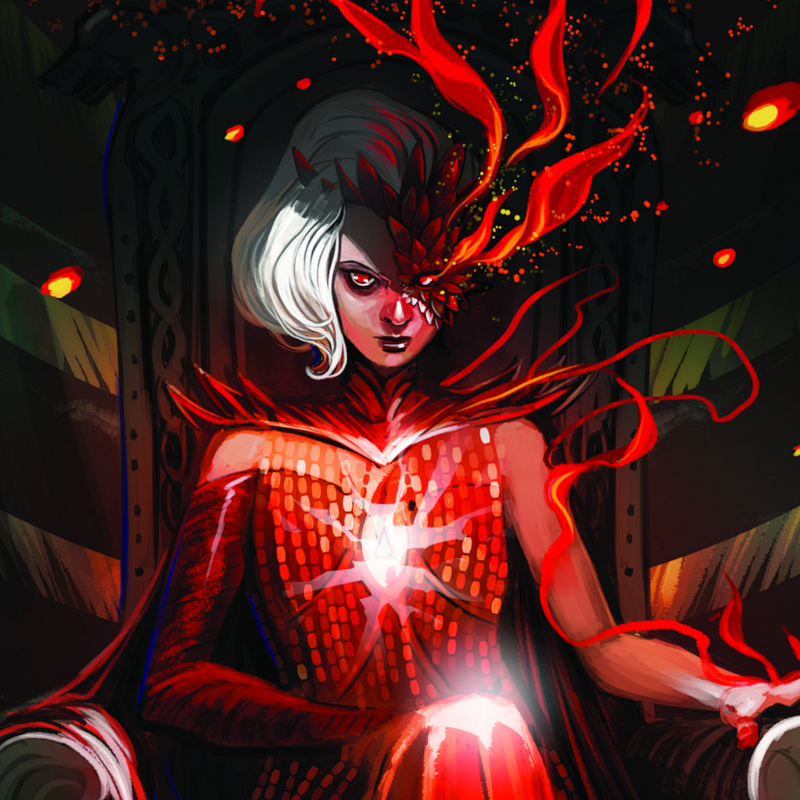
D&D is a power fantasy. DIE is an emotional curbstomp.
In DIE, you create a bunch of real-world people and then drop them into a fantasy world where the recesses of their inner lives are externalised and confronted — or succumbed to. Old school bullies as literal ogres. Distant disapproving parent figures as distant disapproving archmage mentors. That lost love as the elf regent, promising you happiness as long as you abandon reality and stay in this fantasy realm.”
— DIE RPG, page 2
Thanks to the pandemic, everyone has issues and needs tons of therapy and psych meds. That was true before COVID, but back then we could pretend we were fine and it was everyone else that needed help. Considering the mental scars inflicted by the pandemic (which is not over), DIE either came out at the absolute best time or the worst.
DIE is about PERSONAS getting sucked into a psychological hellscape. It’s not about the PLAYERS getting sucked into a psychological hellscape. All the drama is about fictional people. Still, gamers are gamers. You’re going to learn something about why you game, whether you want to or not.
Experienced TTRPG players have to hate themselves a little if they want to play DIE. Remembering old campaigns can be unbearably cringe-inducing. And gamers have more non-gaming cringe memories than normies.
RPG culture warriors would absolutely hate DIE. They wouldn’t be able to live with themselves if they actually gained a modicum of self awareness. The past-cringe would be too much to endure.
D&D is nothing but a power trip. Its mechanics and core philosophies don’t allow for anything even remotely personal. Any gameplay involving deep emotional roleplaying have no mechanical foundation. D&D can have drama, but it’s paper thin. At its core, D&D is about killing monsters and stealing treasure.
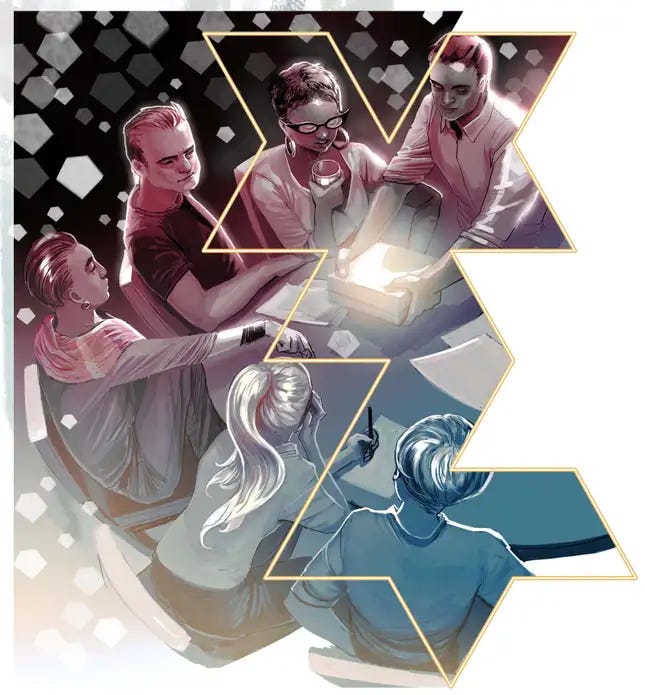
DIE wants you to play it right now. D&D wants you to do homework first.
“Paragon: The six types of adventurers a Persona can be transformed into when they are transported to Die, each of whom is identified with one of the six classic RPG dice.
Persona: The real-world person that each player — including the GM — plays.”
— DIE RPG, page 3
D&D needs a separate Player’s Handbook because character creation is a big hassle. It’s so much of a hassle, you need multiple Handbooks if players are creating characters together. With only one Player’s Handbook, it can take at least two hours for a new group to create characters.
On their own, a player can make a D&D character in about 45 minutes. But that sounds like homework. Games shouldn’t require homework.
In DIE, making Personas is just a matter of answering questions about their lives. That takes less than half an hour. Making Paragons involves allocating a few stat points and filling in the blanks on the playbooks. That takes about 20 minutes. If you’ve got the book to yourself, it’s even quicker.
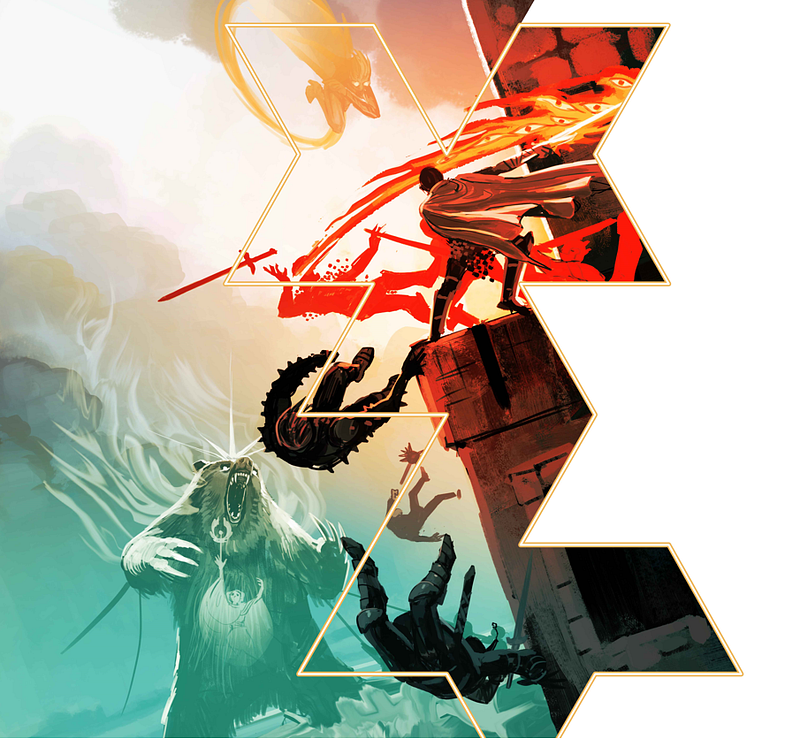
DIE’s action is frantic and fast. D&D’s action is rigid and stifling.
“IN SHORT
⬢ Collect a number of dice equal to the stat most relevant to the task at hand.
⬢ Any advantages? Add a dice for each. Any disadvantages? Remove a dice for each.
⬢ Roll. Each dice showing a 4 or higher is a success.
⬢ If the GM has set a difficulty for the task, remove that number of successes.
⬢ If any successes remain, you succeed.
⬢ If any remaining dice is a 6+, each can also be used to activate any relevant Special ability.”
— DIE RPG, page 9
When you attack something in DIE, you only roll once. Damage is (mostly) determined by how well you succeeded in the roll.
When you attack something in D&D, you roll to hit, then you roll damage separately.
It might sound trivial, but that second roll slows everything to a crawl. D&D basically doubles the time it takes to play out a battle. D&D plays like a one-unit wargame while DIE plays like a campfire story with dice.
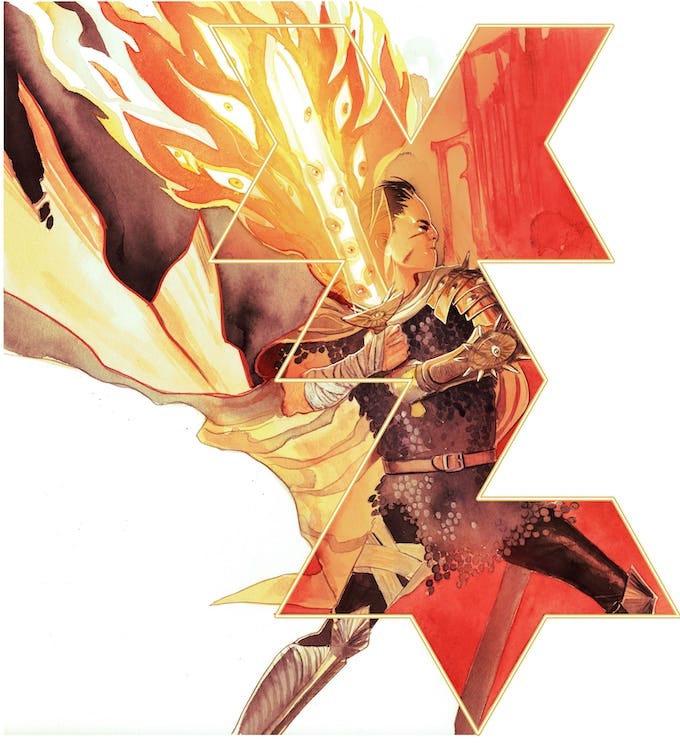
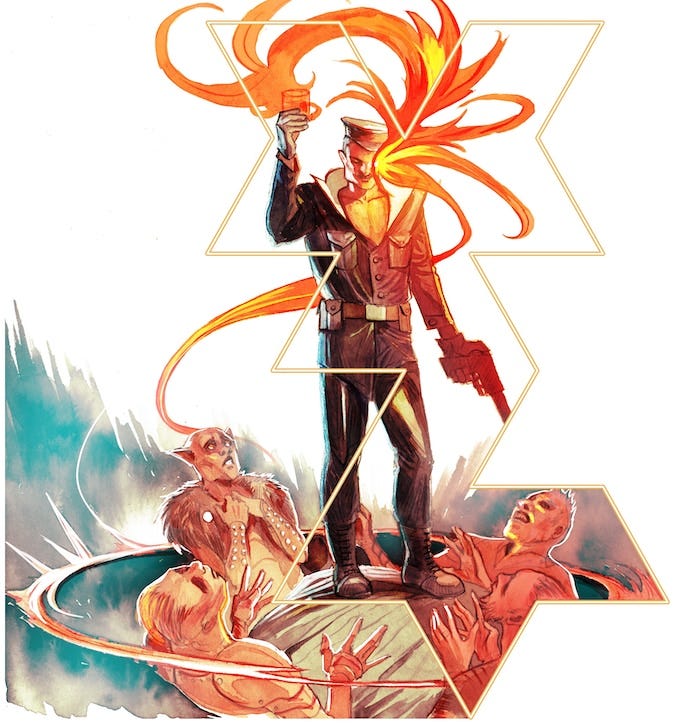
Emotion Knights are the new Paladins, Dictators are the new Bards
“⬢ Dictators are artistic diplomats who manipulate emotions with horrific magical words.
⬢ Fools are swashbucklers, rushing into danger and relying on their supernatural luck to survive.
⬢ Emotion Knights are warriors who feed one sacred emotion into their arcane, sentient weapons to devastating effect.
⬢ Neos are techno-magical rogues, stealing the elusive Fair Gold to power their cybernetic gifts.
⬢ Godbinders are clerics who prefer to make deals with their gods to get miracles.”
— DIE RPG, page 19
DIE‘s Paragons fired D&D’s classes. They are beyond bizarre and have just as much cool shit as D&D characters but without the mechanical load.
Each Paragon has some kind of mechanical dice gimmick. Fools mark up their d6 for added bonuses or penalties. Godbinders add their d12 to their dice pool when using their magic.
Every Paragon is a different mechanical beast. D&D Bards and Fighters share a lot of the same mechanical DNA, but the Dictator and the Fool play nothing alike.
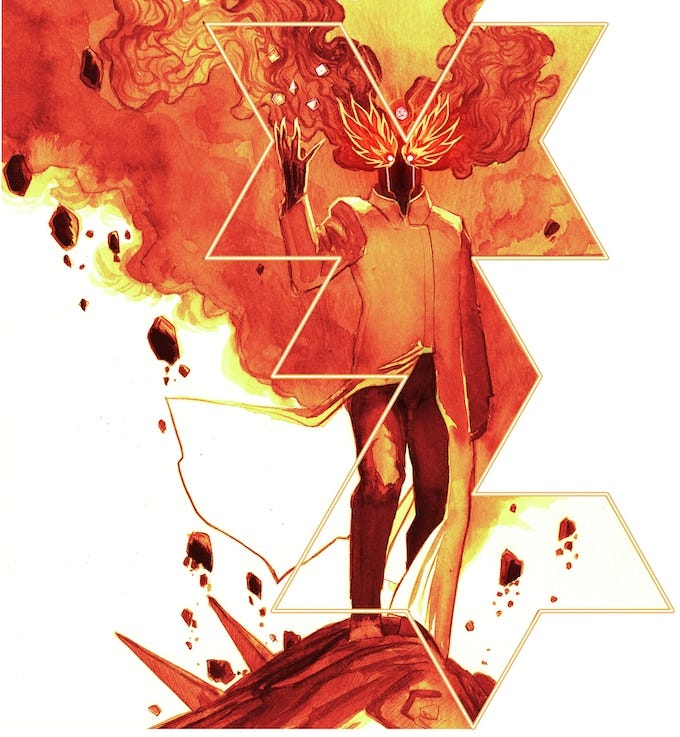
The gamemaster is (or isn’t) a player
“Yes, the GM has an actual character in DIE.”
— DIE RPG, page 103
Traditionally, D&D dungeon masters are primarily adversaries, not facilitators. Some are notoriously petty, spiteful, and beyond anal retentive. The days of the tyrant/auteur DM are mostly over but the adversary mentality is irrevocably baked into D&D.
DIE takes that idea and runs with it. The GM is both the facilitator and an in-game character. Specifically, they play the in-game game’s GM. Their Paragon type is The Master.
This is another call-out to the D&D cartoon. Dungeon Master was the all powerful in-show quest giver. He was so powerful, you have to ask why he needed to kidnap kids from another reality to fight his black sheep sorcerer son.
But if all that is too weird for you, a player can be the Master Paragon. They still play the GM of the in-game game, but they don’t run the actual game.
Yeah, I know.
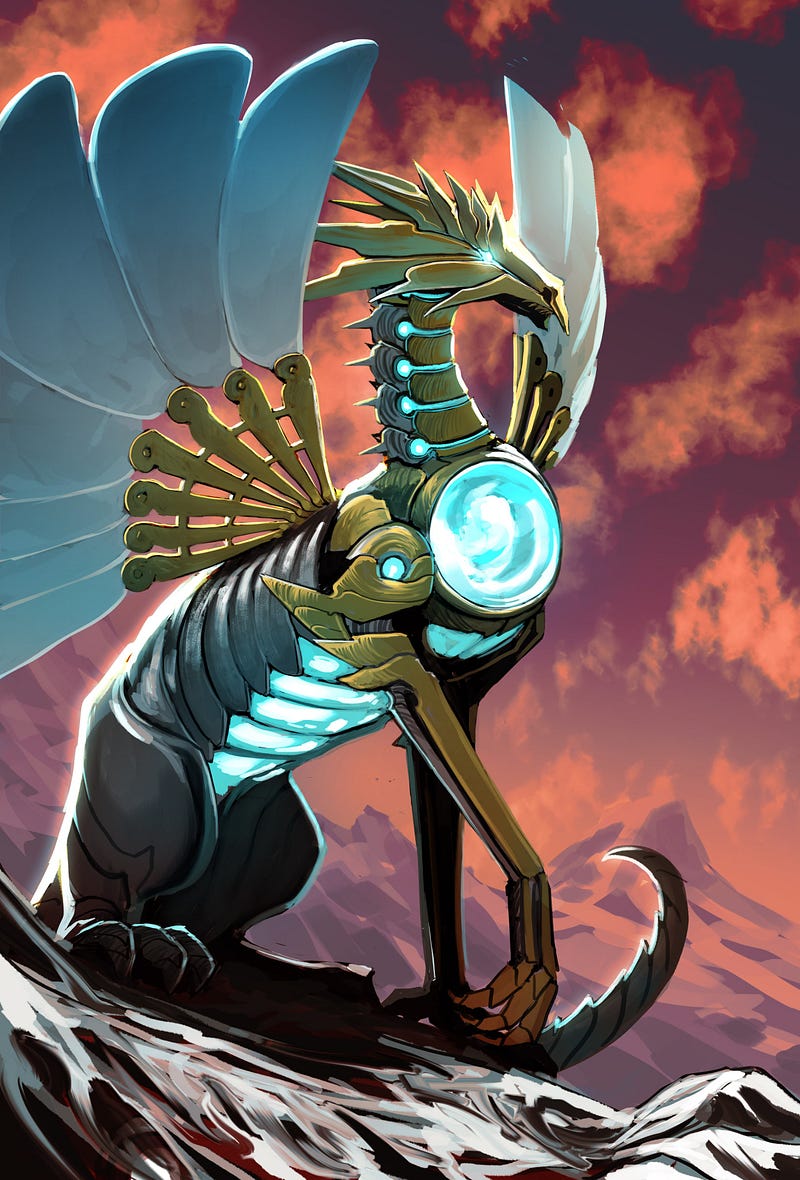
DIE’s monsters ate D&D’s monsters
“What kind of evil overlord chooses to create a mindless mob of undead rather than hire a (let’s be honest, more effective) crew of thinking beings? Do they simply want to avoid such pesky things as “paying wages” and “having to feed their army” or is the mindlessness the point? Is the ability to impose one’s will and hatred on hundreds of other beings more important to them than those beings acting tactically and reacting creatively? What does that say about the hero’s response to them as creatures who can be killed with impunity?”
— DIE RPG, page 238
The NPCs in DIE “echo” things or people or ideas from the Personas’ lives. Dragons echo a persona’s parents. Halflings echo salt-of-the-earth folks. Ghouls echo other gamers. Skeletons echo exploited workers. Monsters mean stuff in DIE.
Monsters don’t mean shit in D&D. The original myths may have been metaphors for something in the past, but D&D was never about anything.
The meaning of DIE’s creatures can also change. All of the mythical facts about those creatures are listed for the Master to either subvert or play straight.
Finally, DIE’s monsters are easier to use during gameplay. Stats and features are way easier to grok at a glance. D&D stat blocks can get ridiculously cluttered.
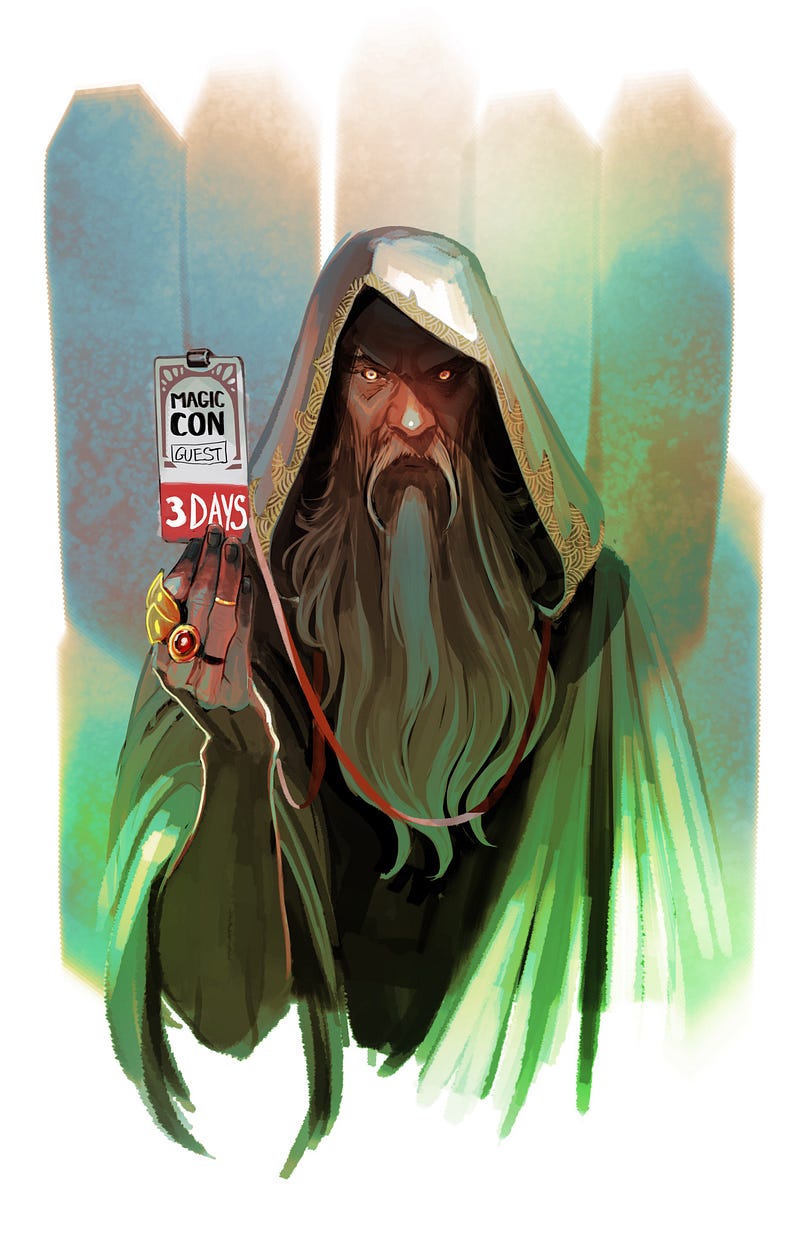
DIE is a primer on the history of TTRPGs
“There’s a region that is inspired by the classic RPG worlds, sure, but there’s also regions inspired by the Brontës’ childhood shared fantasies, the early war-games (called kriegsspiel) of the 19th century Prussian military and the melancholy of Tolkien.” — DIE RPG, page 260
Dungeons & Dragons started off as Lord of the Rings with the serial numbers filed off. DIE was inspired by every RPG or RPG-adjacent thing ever. Obviously it shares DNA with other games.
- Like Spire and Heart, DIE is a giant middle finger to Gygaxian gaming.
- Like the long out of print Dream Park, DIE’s players play gamers who play adventurers and heroes.
- Like Index Card RPG, DIE’s rules are familiar but refined. Also like ICRPG, DIE is an outstanding game for learning how to GM.
- Like Apocalypse World and Night Witches, DIE’s playbooks make character creation and bookkeeping a snap. It doesn’t offload the work on to players.
- Like Ryuutama, DIE puts the GM in the middle of the madness, not above it.
- Like Slayers, DIE’s player characters are wildly asymmetric and distinct.
- Like Mazes, DIE makes the dice a central part of each character.
- Like Vampire: The Masquerade, DIE’s art and design is utterly scrumptious.
- Like Undertale, DIE questions players’ need to steal everything they see and murder everyone they meet.
- Like Labyrinth: The Adventure Game, it has David Bowie in it (page 187).
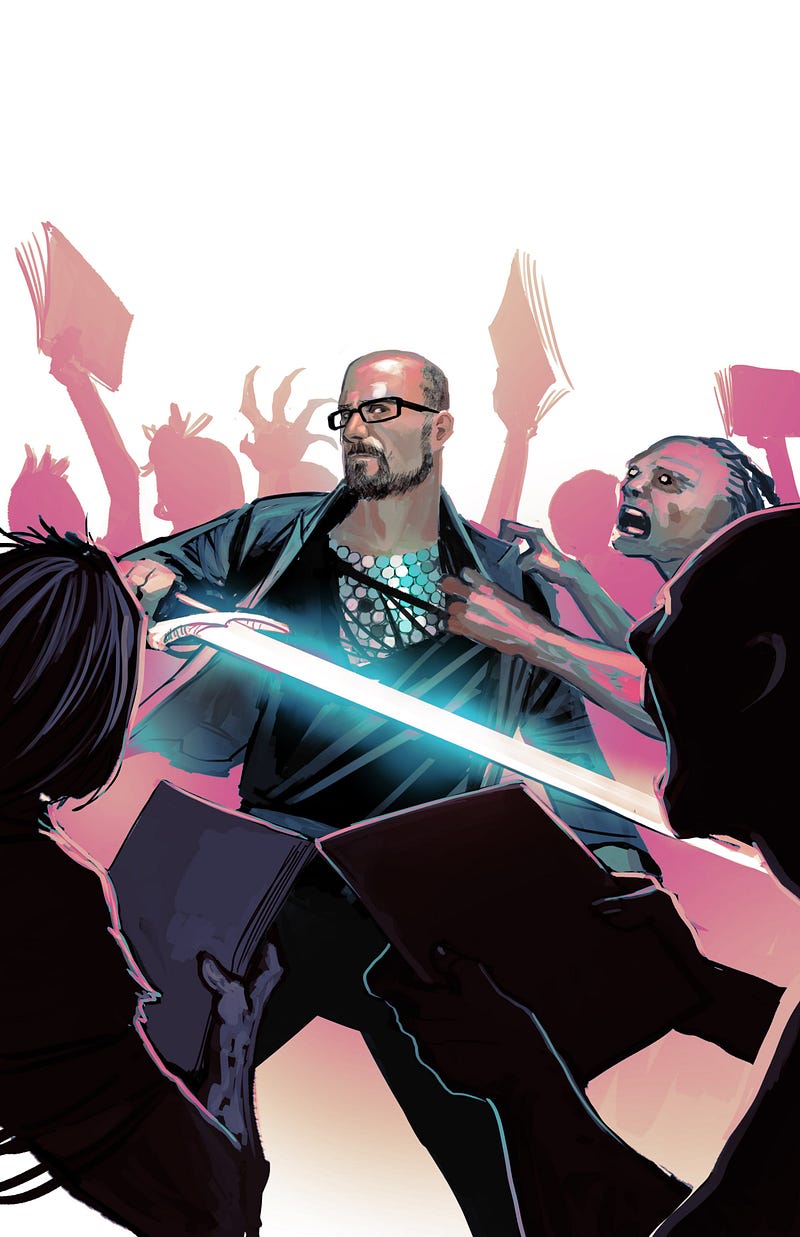
Anti-woke RPG YouTubers love saying that roleplaying games aren’t BDSM. DIE begs to differ. It will emotionally beat you until you start to like it, and then stop. It will make you hate yourself for ever getting involved in this filthy hobby. Sex and drugs are safer vices than an RPG that makes you feel stuff.
But no game is perfect. There are a few odd phrases here and there, which could either be typos or just not-American grammar. Also page 351 looks blurry. Since this is a PDF, and the physical edition has yet to release, these issues might get fixed later on. Finally, playing people playing a game can be a bit much for both new and experienced players.
Still, DIE eats D&D’s lunch. Dungeons & Dragons is touted as “The World’s Greatest Roleplaying Game”. According to Merriam-Webster, “great” mostly means “big”. D&D isn’t “good” or “fun”. It just takes up market share.
DIE: The Roleplaying Game is disgustingly good. Play this game and revel in the cringe.


