
Contax G16 16mm F8 T* Hologon Carl Zeiss ~~~
The Eye of God under the Digital World
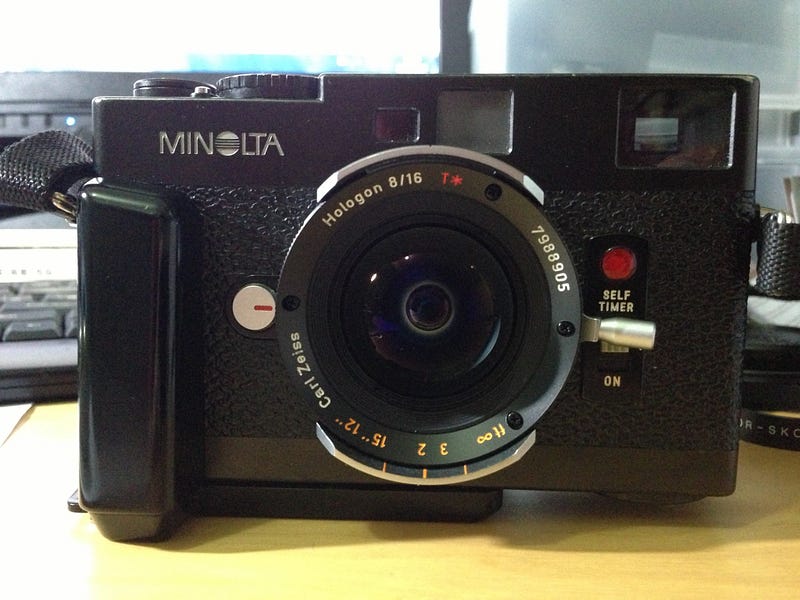
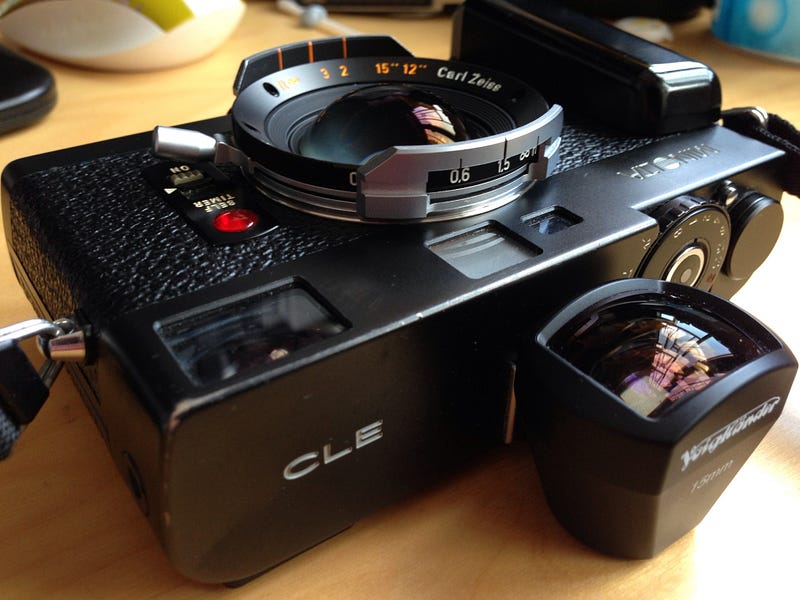
This article is best viewed in IMac 5K or on a computer.
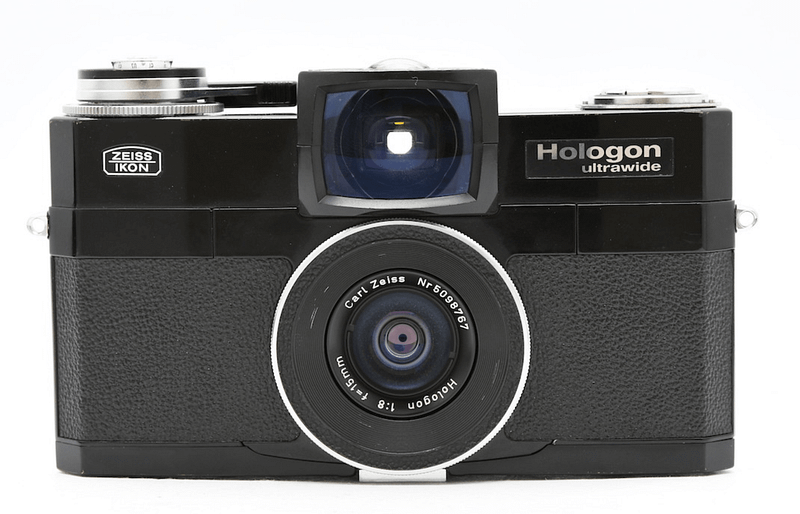
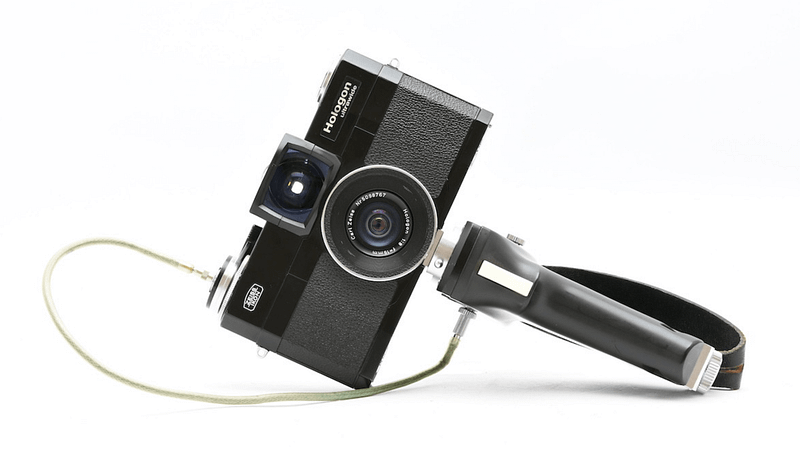
Hologon Ultra wide angle lens
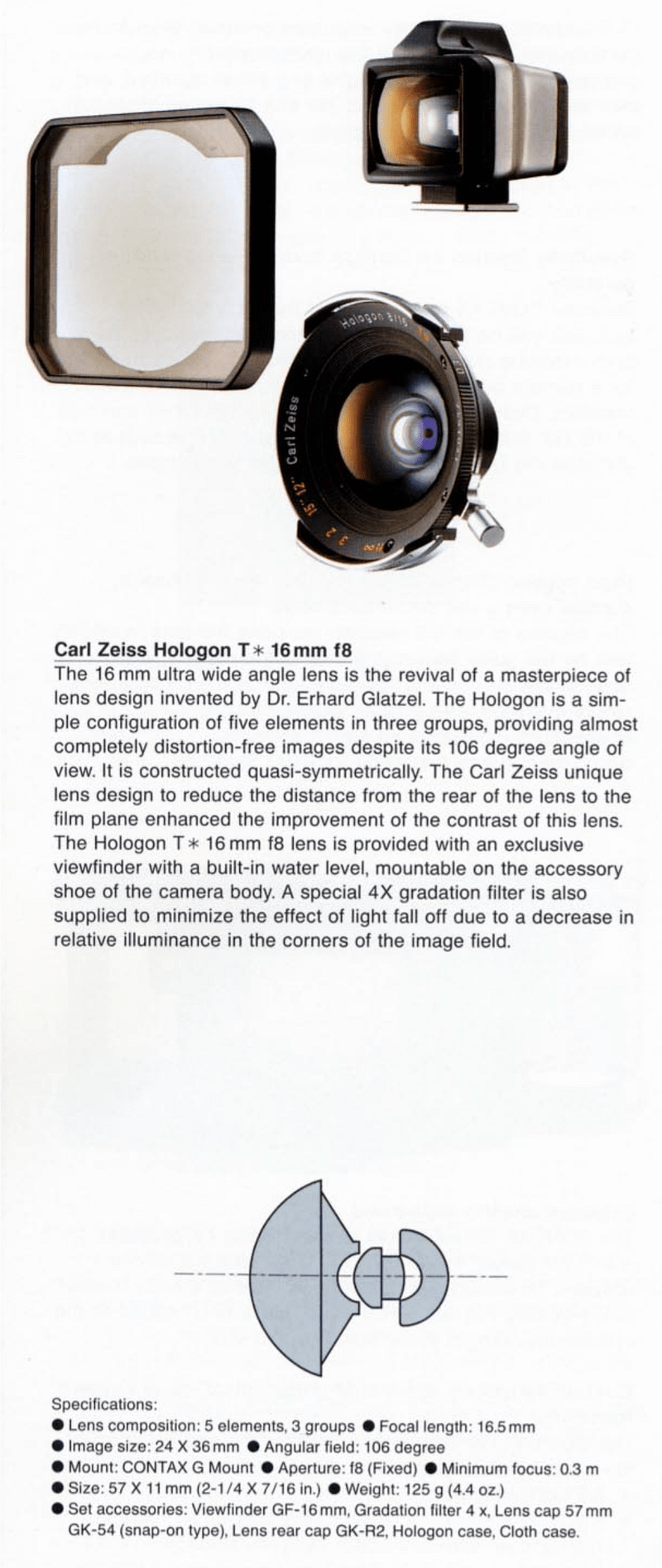
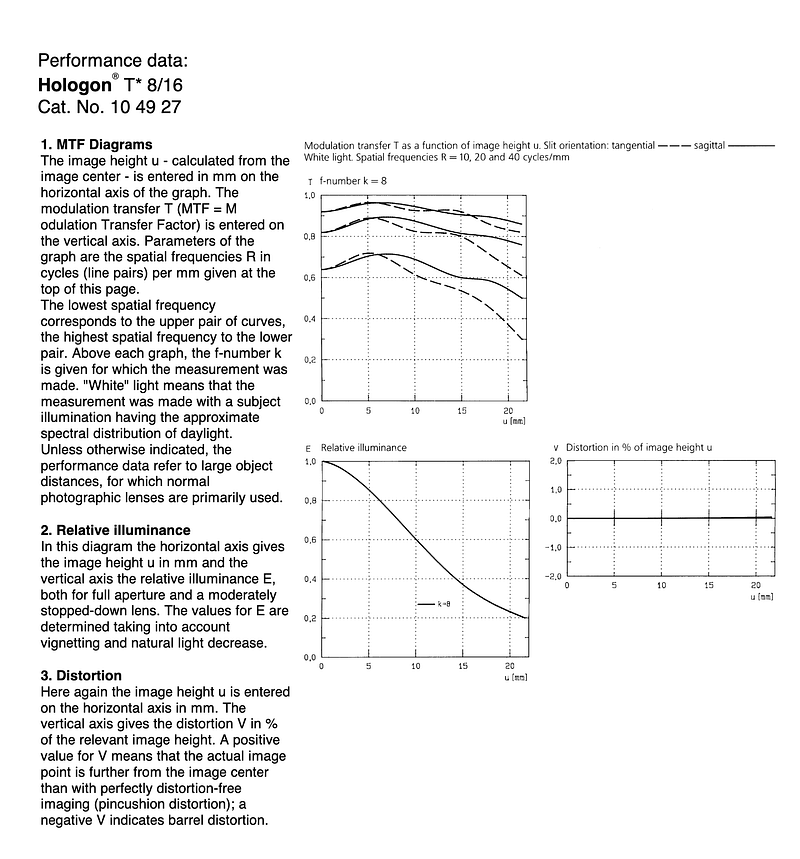
“Hologon lens is the most legendary superlens in the ultra-wide angle lens, but also the most amazing lens that can be bought. It was invented by the legendary Dr. Eehard Glatzel in the early 1960s and can produce images without aberrations within a 106° angle. The word “Hologon” comes from the Greek word “holos”, which means “all”, meaning you can take everything into the lens, so this lens was lovely to landscape and architecture photographers in the early days. Later many fashion photographers also liked it.
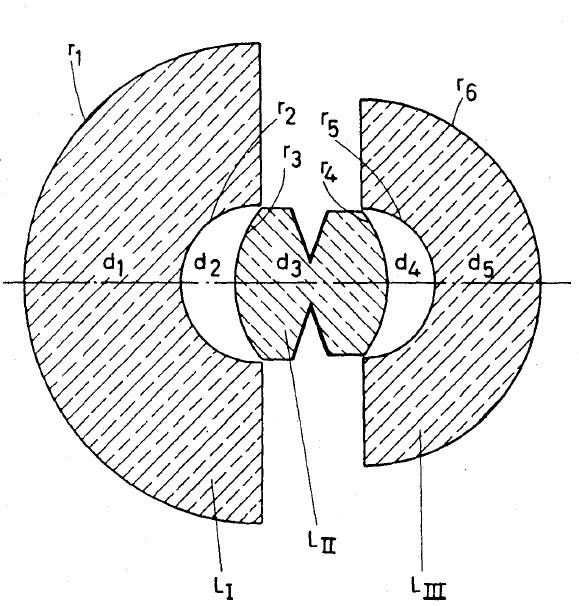
The structure of the Hologon looks very simple. The Hologon 15mm f/8 was first used on a special ultra-wide-angle camera, and then Leica purchased some from Zeiss for use on the M-series cameras, with an optical structure of only three lenses. Don’t underestimate these simple three pieces. The design of the wide-angle lens is much more complex than a standard lens. Ultra-wide-angle is more complicated than wide-angle because a super wide-angle lens will produce severe deformation and need to use lens correction. Usually, under 20mm super-wide-angle lens, more than ten pieces of lens correction is a regular thing. If only three lenses are used to make an ultra-wide-angle lens, only a “genius design” can describe it.
For many Zeiss wide-angle lens enthusiasts, Hologon 15mm / 16mm F8 is almost a god-like existence, with the highest creative power of Zeiss like the fine crystal。
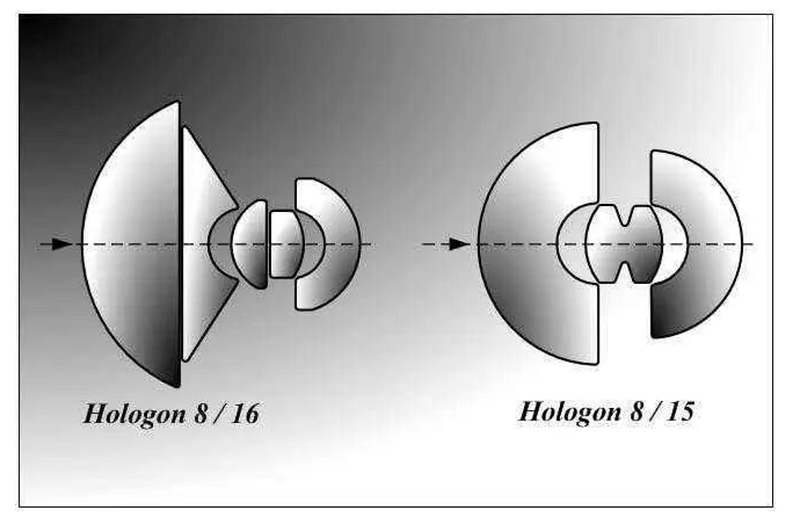
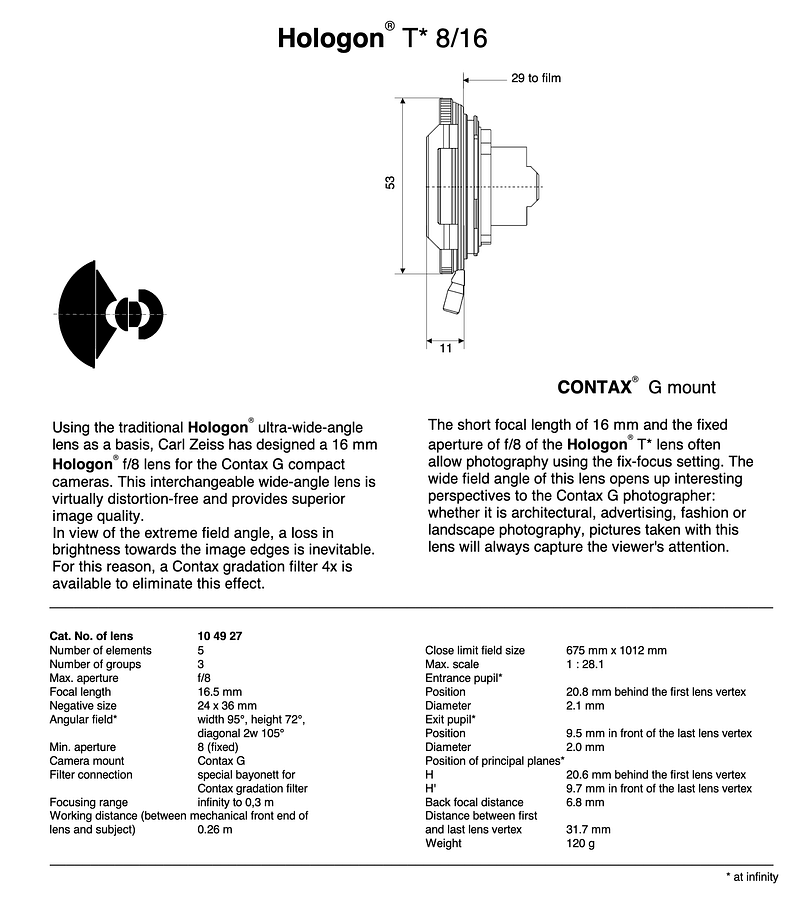
In Atsushi Tetsuo’s book「ツァイス傳說の繼承 」 inheritance”, the lines of the interior of Kyoto Station are perfectly engraved on the film , and to quote Atsushi Tetsuo.
ホロゴンで撮れる寫真はホロゴン以外で撮れることはない The photos taken with Hologon, other lenses can not be completed!
個性的どころか、個性しかない個性? It is not only personalities or personalities
ホロゴンの寫真でもしも直線に歪みを発見したなら、それは被寫體の方が歪んでいる If a straight line is found bent in a photo taken by Hologon, then the subject must have been bent!
その瞳に魅入られた人間が抜け出すのは容易ではない But whoever is caught by Hologon’s pupil, to escape its temptation again is better than heaven!
神の目ならぬ悪魔の目かもしれない Perhaps it is not the eye of God, but the eye of the devil!
Carl Zeiss Contax G16 Hologon 16mm f/8 T*
With the launch of the G1 in the 1990s, Contax revived this Hologon lens, changing the original three-piece, three-group optical structure into a five-piece, three-group, successfully reducing production costs but still maintaining excellent optical resolution, known as zero-distortion control. This change has brought the Hologon optical design into the civilian entry-level market, and today eBay can still buy this lens at 1000–1200 USD, compared to the sky-high Hologon 15/8. The price is probably only 1/10th of the cost of the Hologon 15/8, G16. I suggest that you buy one modified into a Leica M mount to be more convenient for future transfer on different systems.
When using G16 for the first time, it is still necessary to use 400 degree film on a sunny day to ensure that the shutter value is more than 1/125, and of course the ND central reduction lens will be added to the film application XD
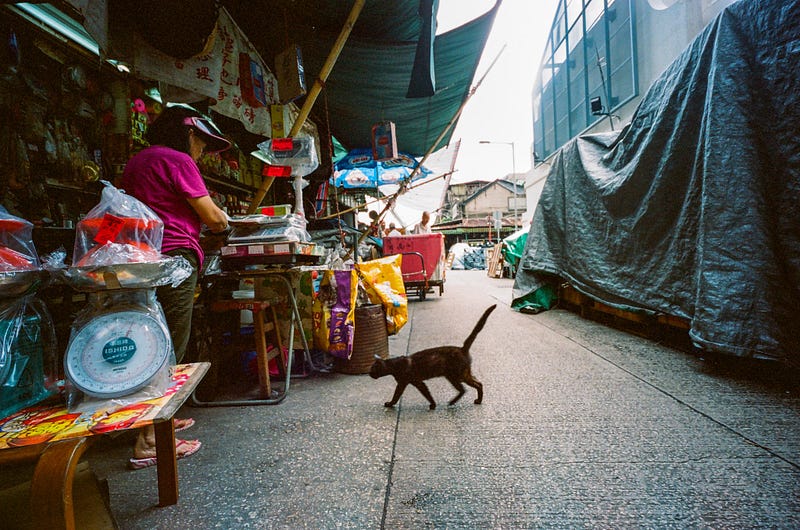
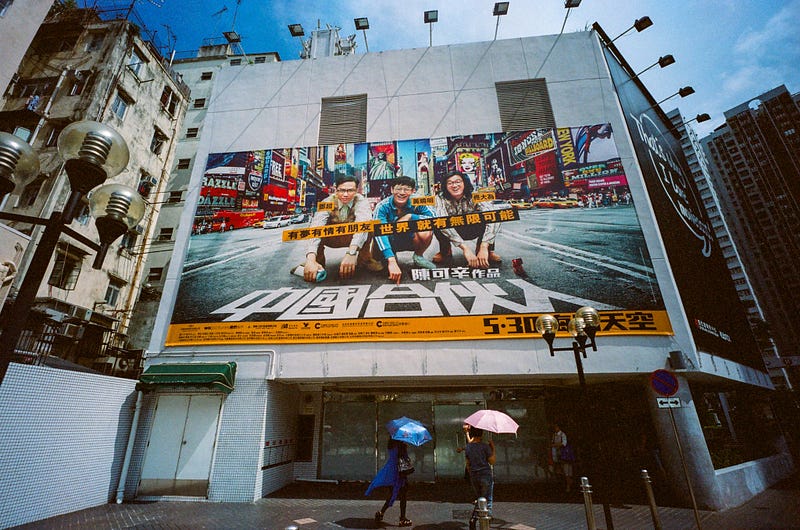

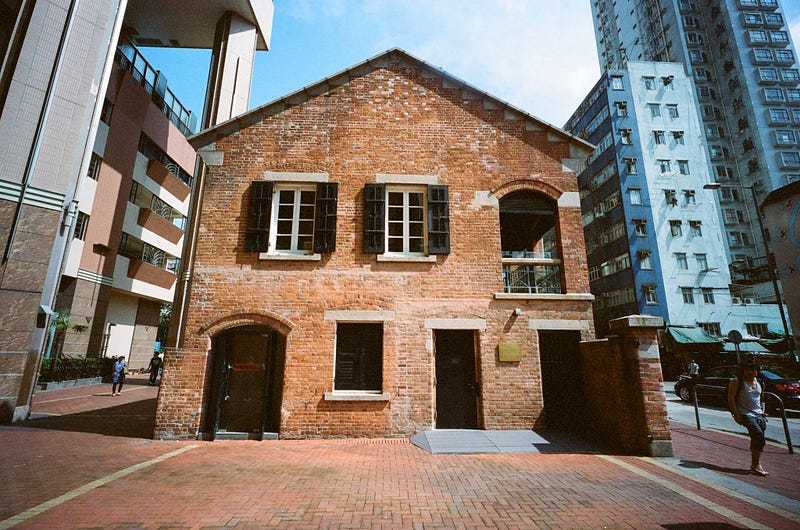
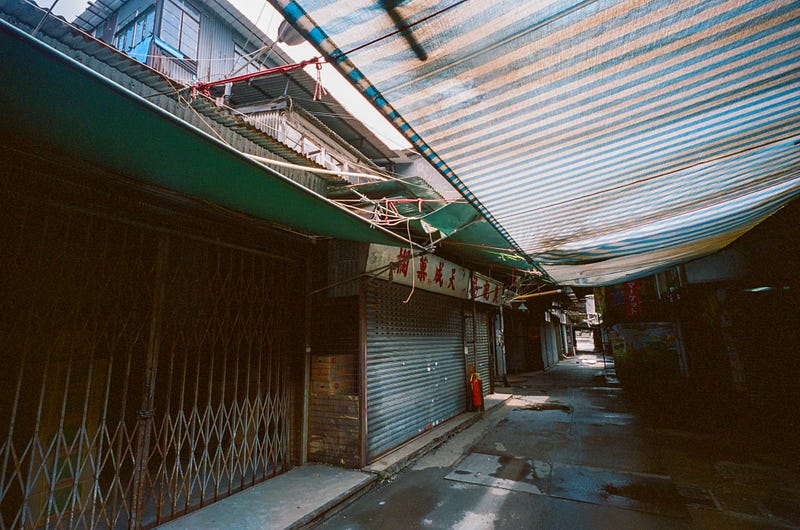
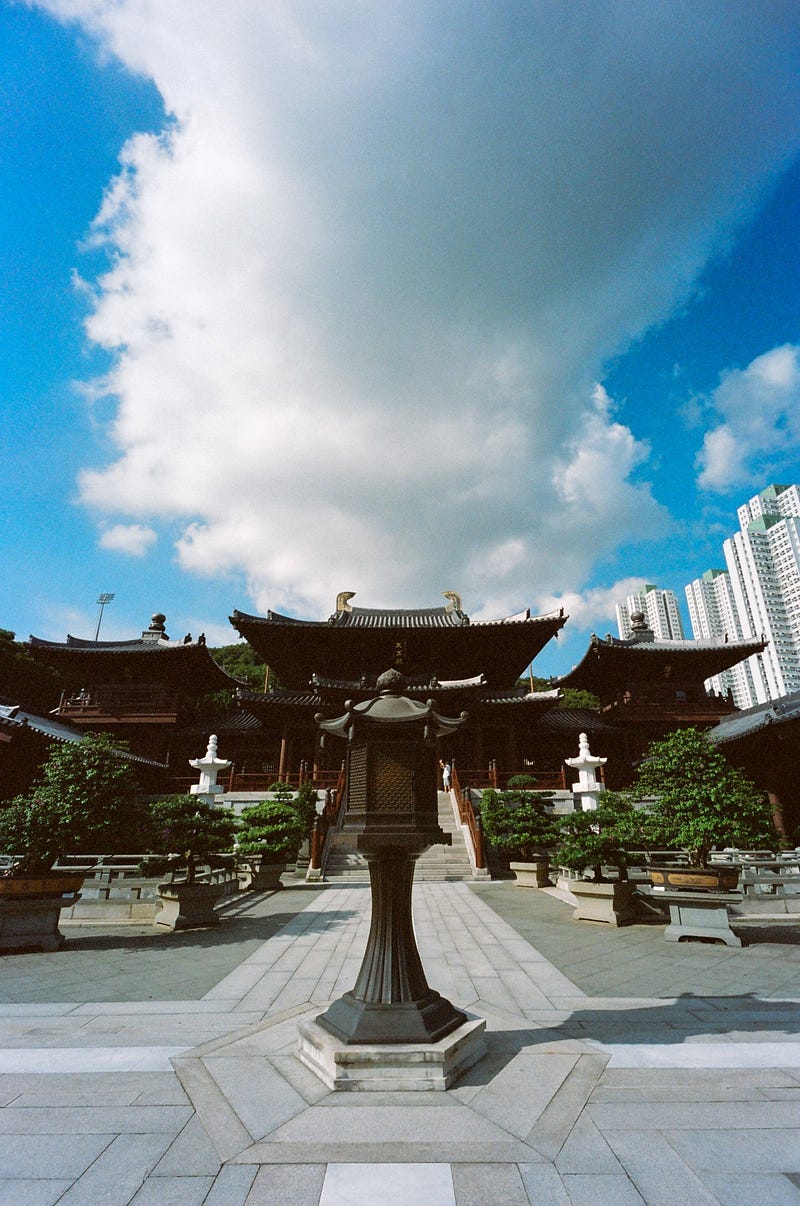
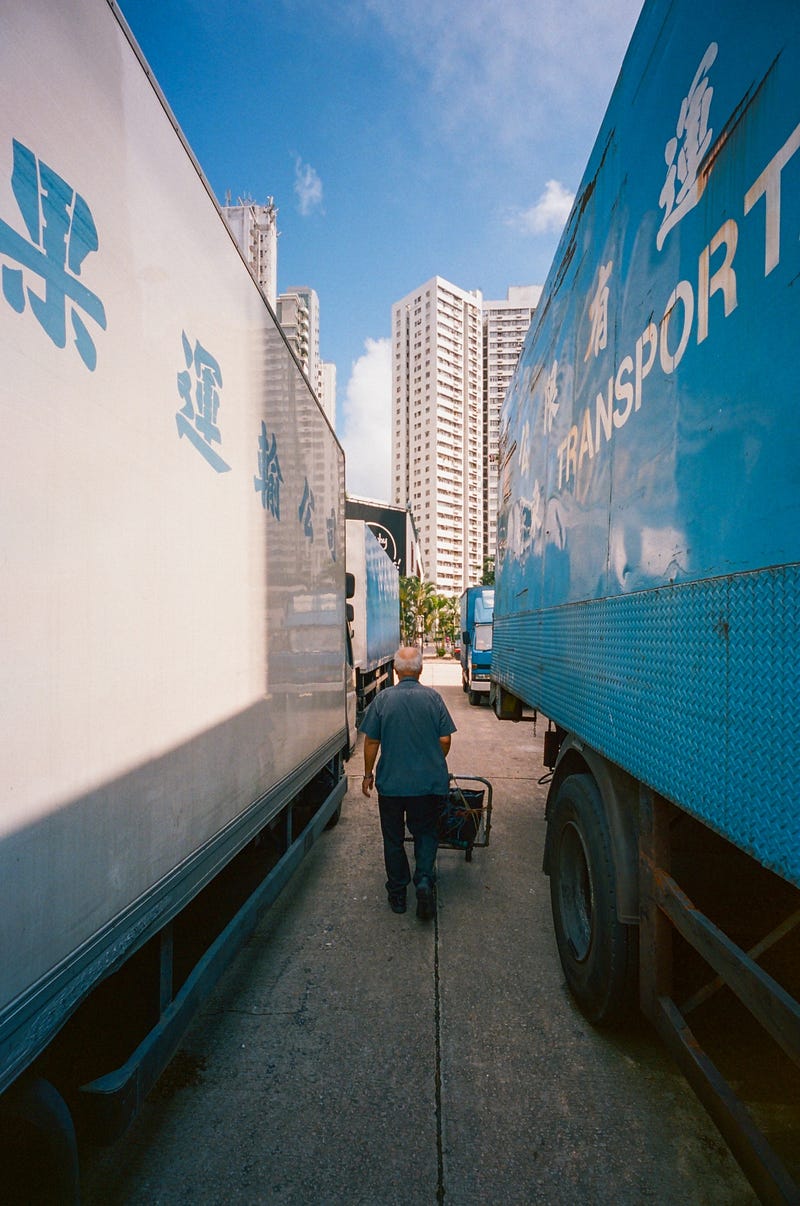
I feel that the G16 is still very much restricted in film, the starting film to use on the 400/800-degree iso. The problem is the environment. The weather sometimes may not control themselves under the weather report before going out to see the day is cloudy, so loaded on the 800-degree film, but to the shooting, the site is a sunny day. The camera’s metering value often breaks the top, long-term underexposure, shutter value is too low, etc.. When shooting can not see whether the photo is at the level, the fun of shooting may exist inaccurately.
Use on Digital Camera
I think the G16 on the Leica Monochrom is the most convenient and the highest level. No need to pay attention to the red gate. Edge sharpness can also be at a functional level, the only wrong place or poor anti-flare. When shooting against the sun, you need to pay attention to the shooting angle and direction. Of course, play Leica MM post-adjustment is actually part of the shooting. G16 can shoot for a good resolution, good micro-contrast for post-processing. This is one of the lenses that I like to use on the mm XD.
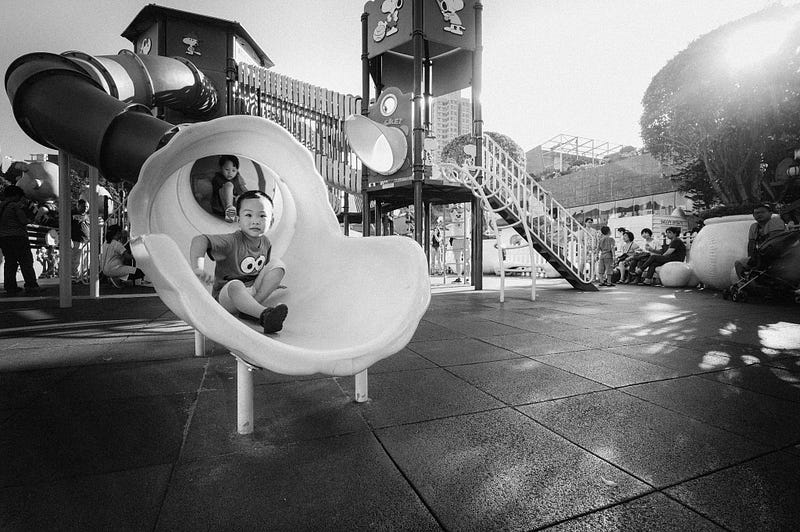
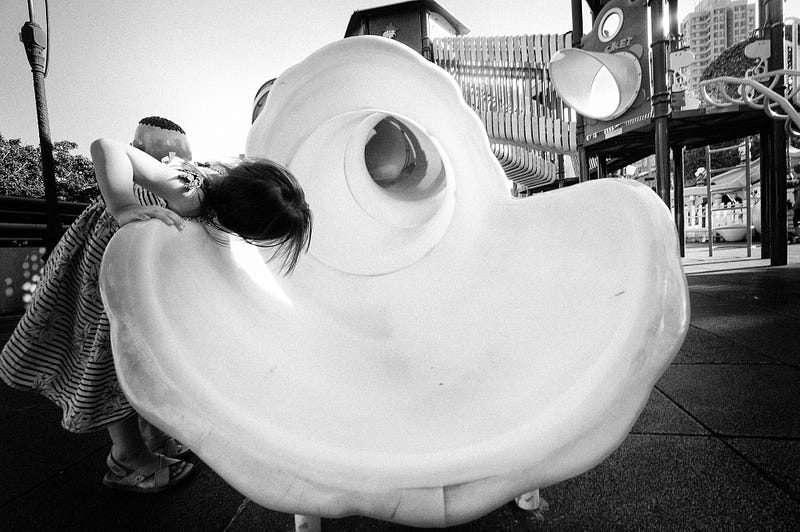
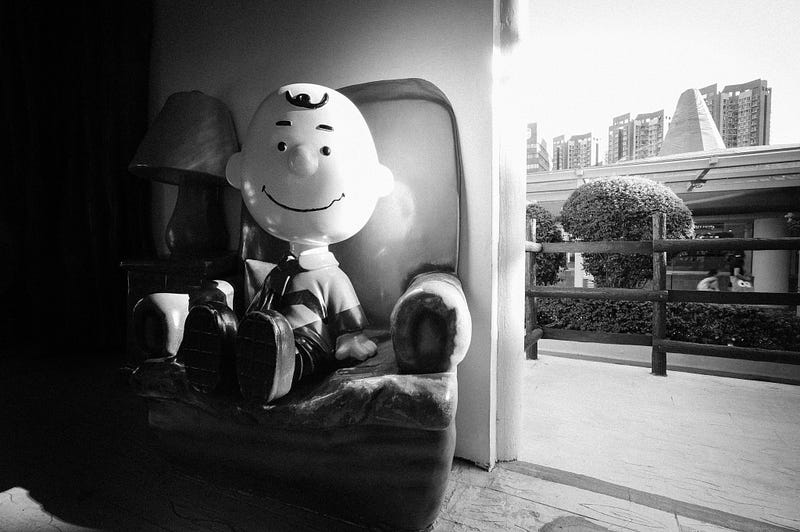
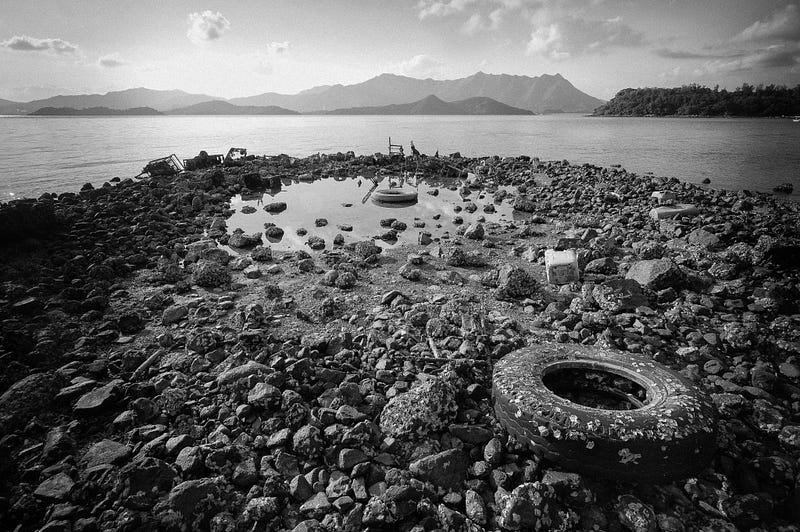
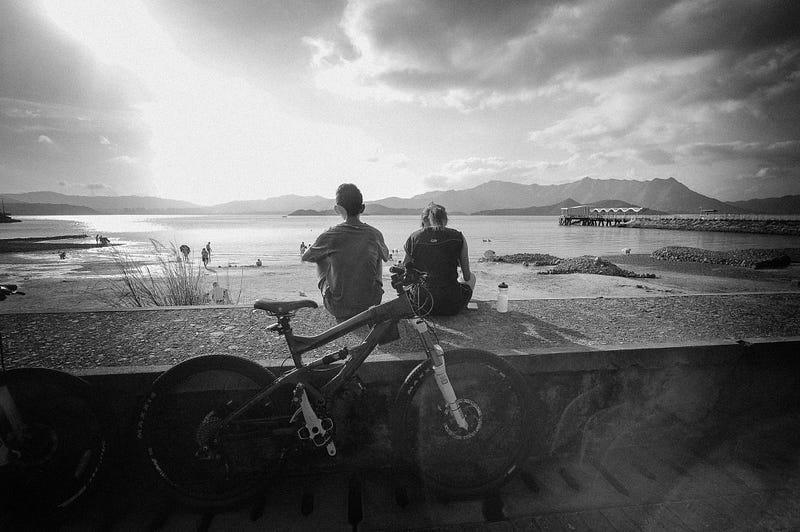
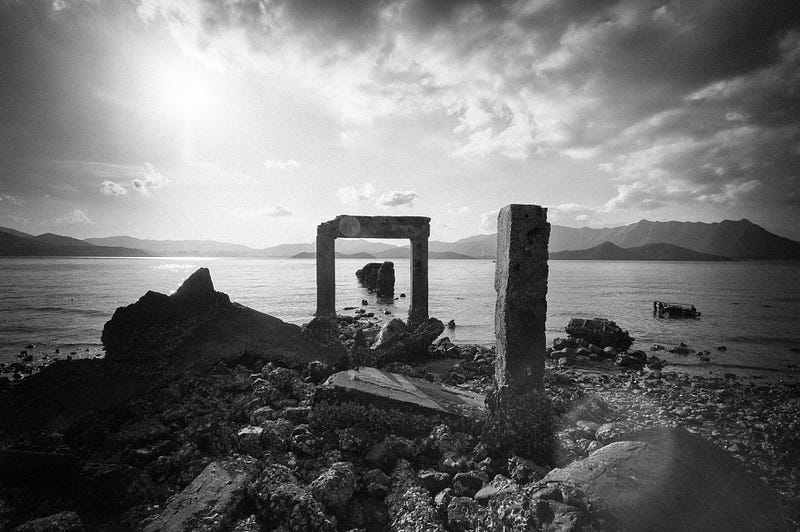
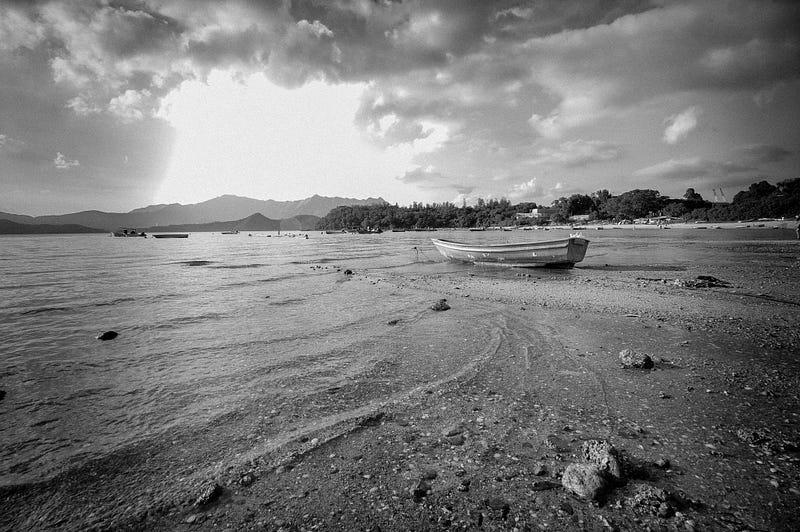
Performance of Sony A7R2 thin mod + G16
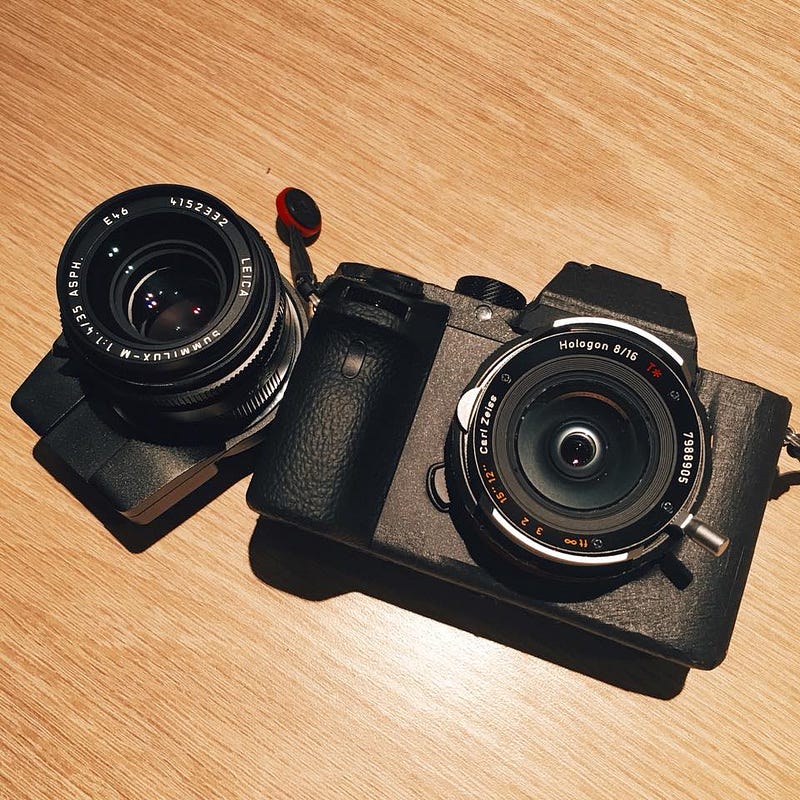
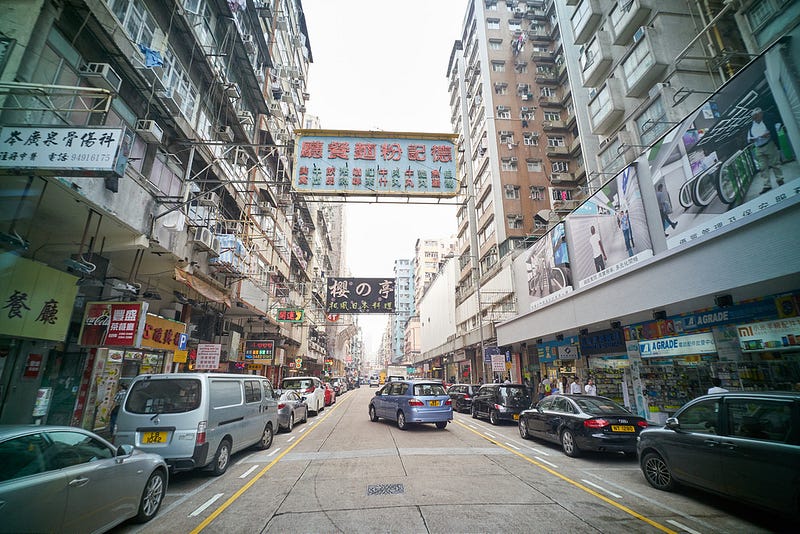
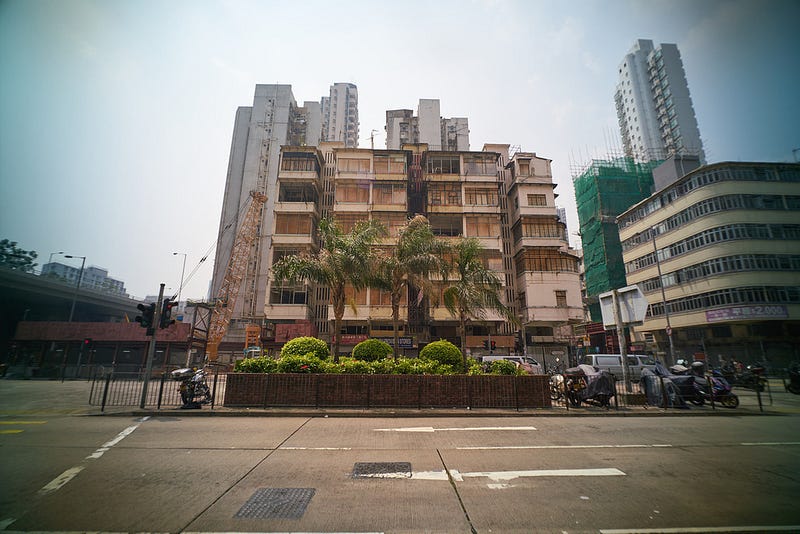
This lens is used on Leica M9, Sony A7, A7R. All have red gate, too much light in the middle and other problems. Relatively only Leica MM or Ricoh GXR A12 M mount have better performance.
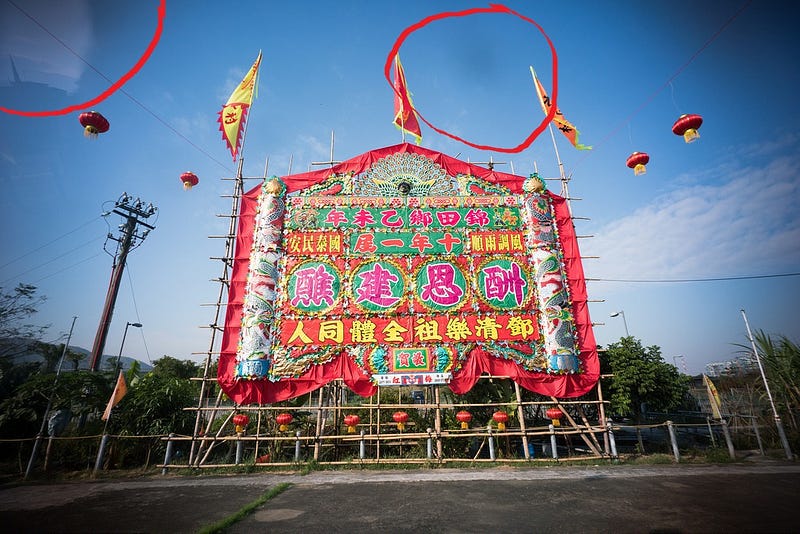
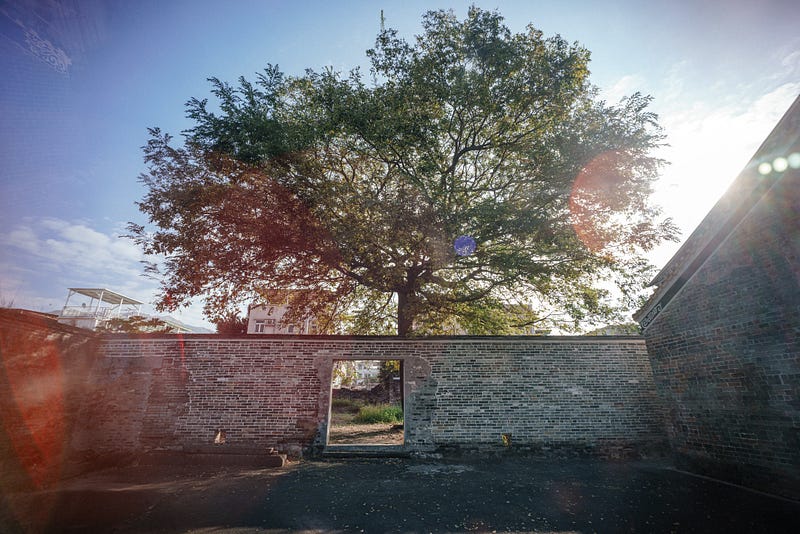
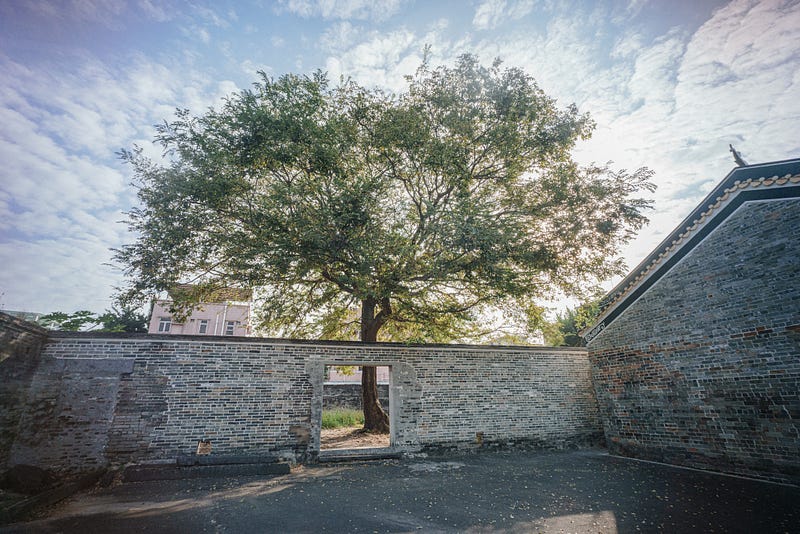
** G16 because the rear lens group is more prominent, you need to use the silent shutter to shoot. The regular operation will touch the shutter Lian, You need to remove the battery and then shut it down. If G16 rear lens protection wing removes, you can shoot without the use of a silent shutter.
The G16 on hand has been changed to M mount, and the A7RII on test has also been a thin mod, so the border image is considered to be at a functional level, but the border image is still a little bit reddish, if you don’t smell or look at it in 100% detail, it can still be used.
All the photos in this article are also taken using G16 + A7R2 thin filter + LR9.0 / TCP 50D / K14 Film Preset, all photos are also pushed by a certain degree of light dark, push light dark angle, etc.. Because I want to show more G16 in different scenes shot effect, so the level of photos may only be in the test lens level only, shot badly, not the lens problem, most of the author’s power is not to the cause, please forgive me.
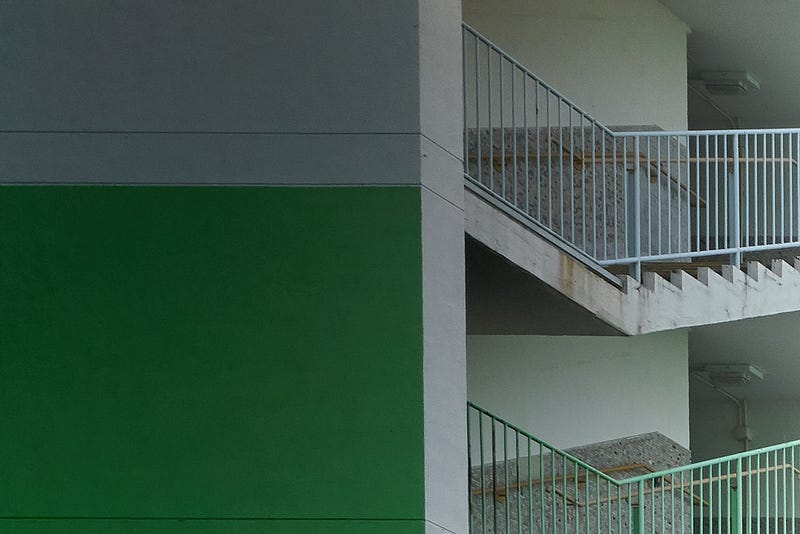
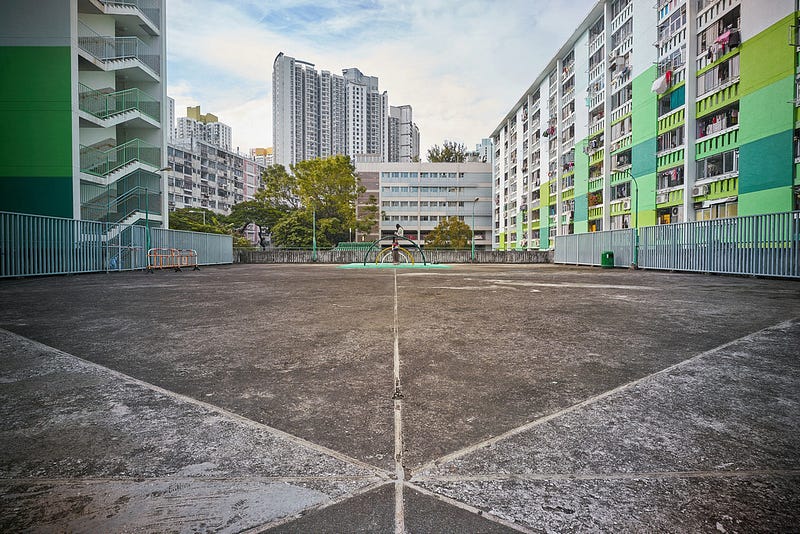
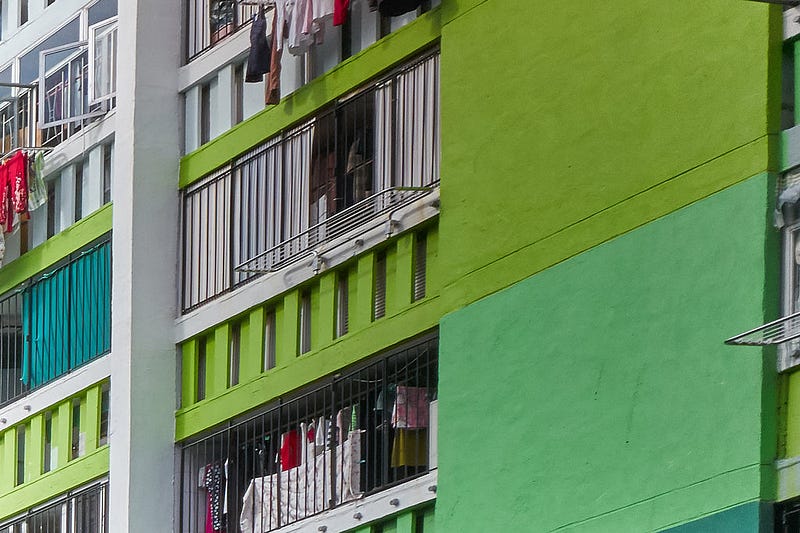
For the time being, combining A7R2/R3/A9/A73 with BSI sensor and G16 may already be considered one of the better performances under digitalization, with no significant red-shrift and moderate contrast. But because of the lens design or the age of the negative, anti-flare is not too ideal, basically can not be directed against the light source, or there will be different degrees of light spots, etc.. There are certain restrictions on the actual application. After shooting, you may have to simply edge push lightly to improve the dark corners / significant light loss.
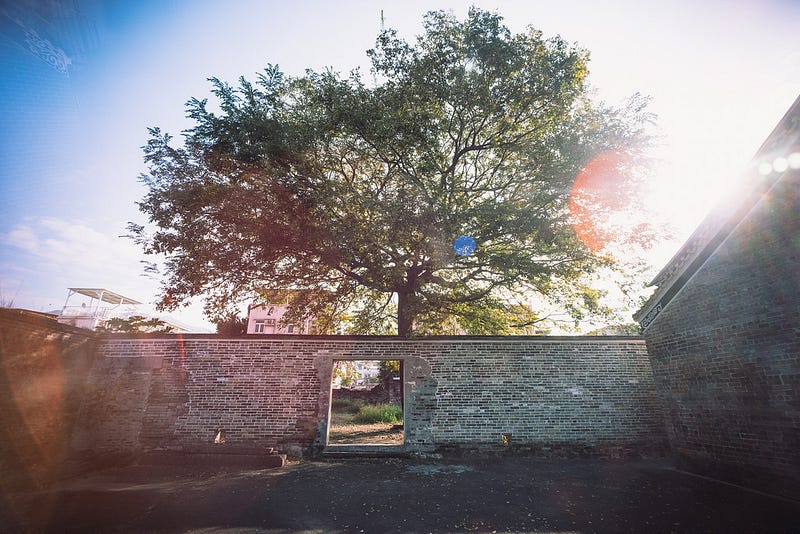
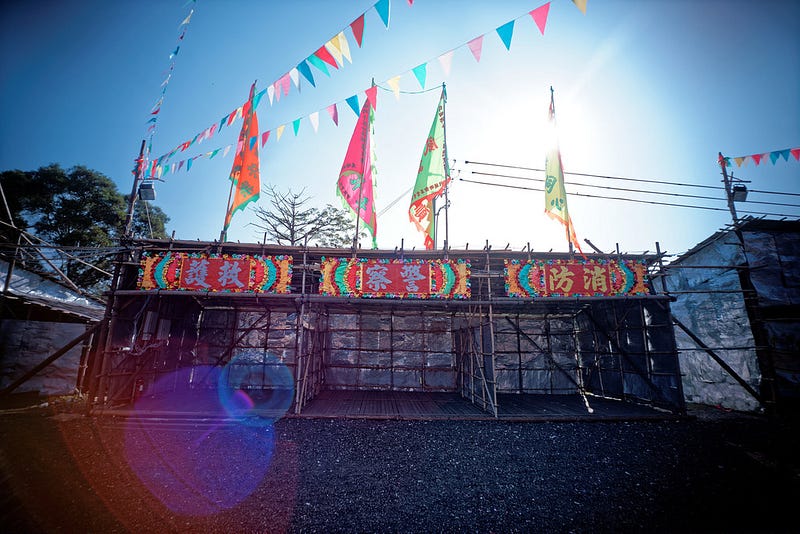

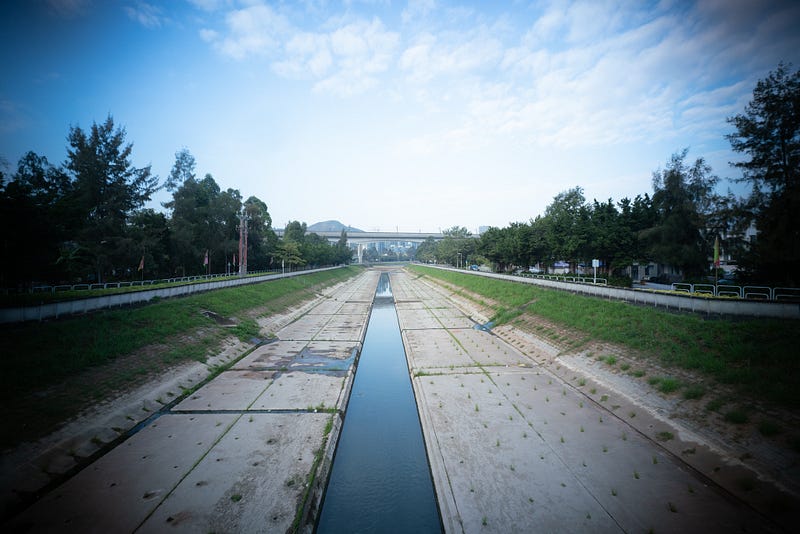
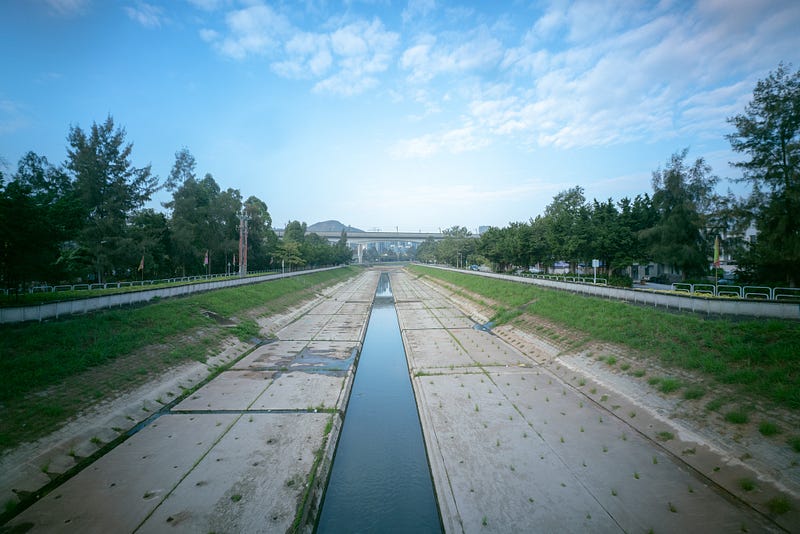
To take a few G16 photos to my satisfaction, for some time, I have this lens with me every time I go out and will only take it out to shoot when I meet a suitable scene. Most of the settings are in the silent shutter, iso 640/1600, the shutter is kept above 1/60s, etc.. However, there are certain shooting restrictions but may have been better than the negative era. You can immediately customize the iso, or The camera can be set to a custom iso or see if the picture is horizontal after shooting. However, its deformation control is still worth a try for all Zeiss wide-angle lens lovers.
Sony A7RII thin mod+ G16
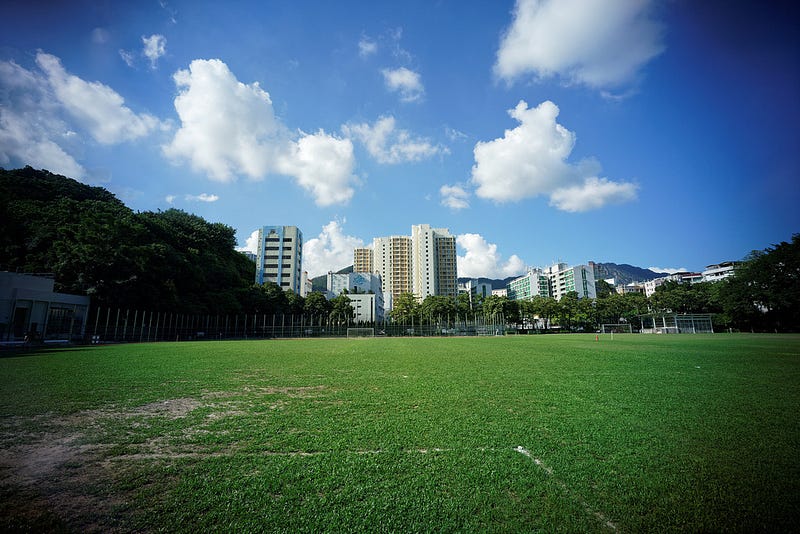
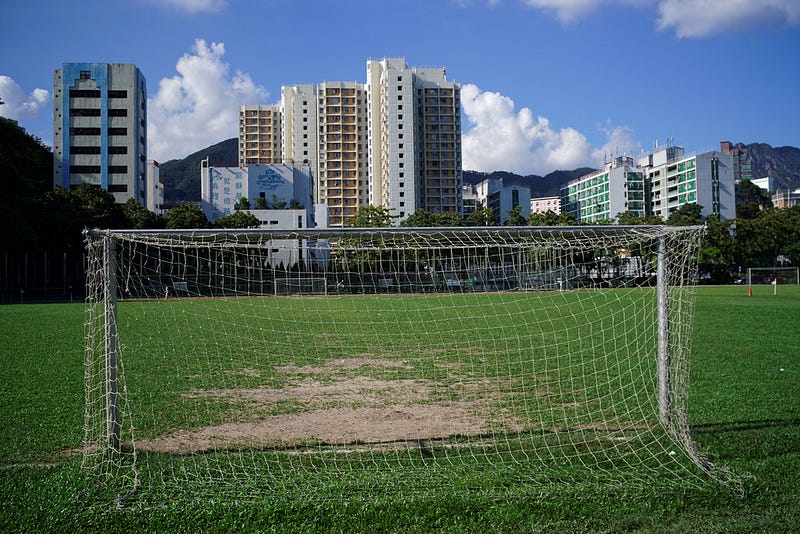
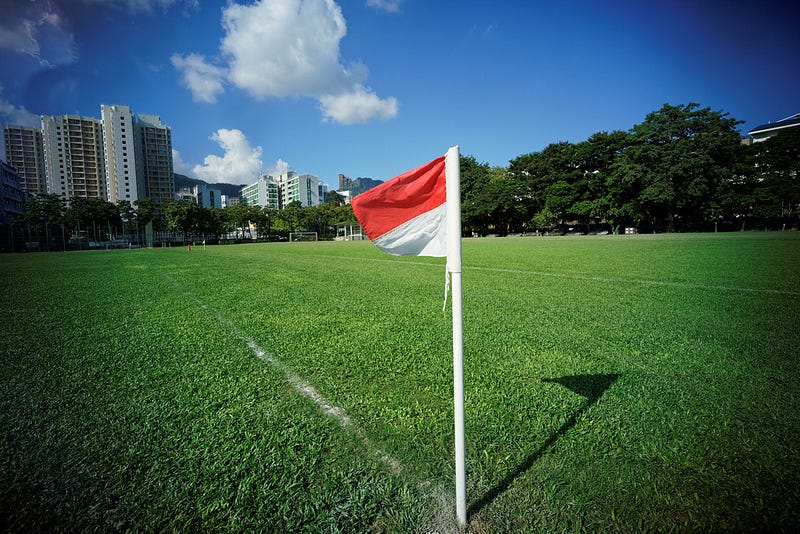
There are a few tips to keep in mind when using G16
Level Level Level
No matter Hologon 15mm f/8 or G16, the original factory will also include a viewfinder with a level to you. Meaning that the first thing you have to pay attention to when shooting is the level issue. You have to put the camera in the centre to have the best performance because if not centred, you will see it will be a slash slash slash.
Watch out for fingers and other debris entering the screen
G16 has 110 angle of view, the first time you use it is actually very easy to put your fingers, camera strap accidentally into the screen, this is also the author’s initial use of G16 often encountered things XD
Make good use of the different metering modes of the camera body
The G16 is often the case. When shooting, you have to consider the distribution of light and dark levels. The author used to keep the most light, dark areas are primarily left in the post-processing or take one or two more photos with different exposure values. Sony’s third-generation camera body has full-frame average metering and eye-catching metering, full-frame average metering. The camera will help you calculate the average of the highlights/darkness in the whole picture. The image will be shot with the highest dr, easy to post-production. The camera will help you calculate the average value of the highlights/darkness in the whole picture, and the image will be the one with the highest dr for post-production. But these two metering modes may not be the final light and dark effects you want. Of course, you can immediately watch EVF for exposure compensation. What you see is what you get. Shoot the impact of light and shadow you want.
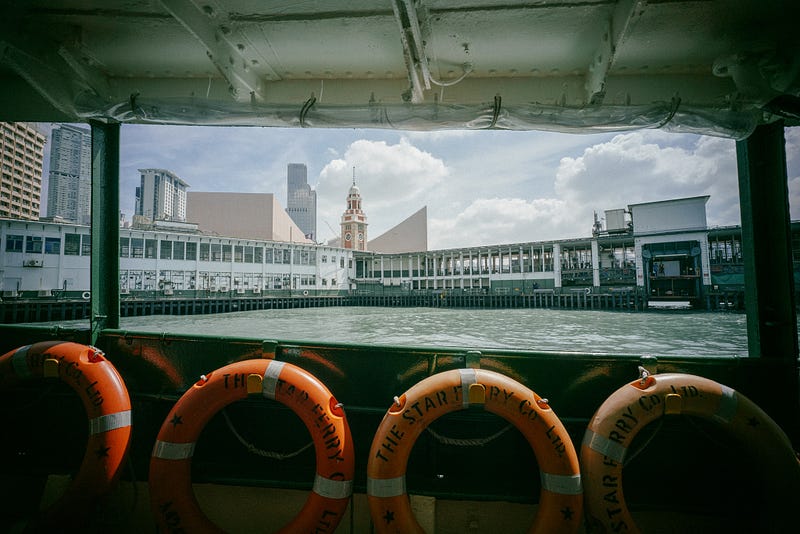
Consider / anticipate post-production actions when shooting
There may be many limitations when using the G16 shooting, 16mm too wide away from the subject too far. A little bit of debris on edge affects the integrity of the composition, the ambient light, and the dark level too much difference. Many times, the shooting site immediately assessed how to adjust the shooting parameters, metering mode, etc. Sometimes to shoot the current fast picture, you may only have 1–2 seconds to think, then you may have to press the shutter before the forethought of the post/post-production direction. I may have reserved a little space for cutting material for secondary composition. The goal of shooting is to retain the most details. Only in the latter stages to pull back the dark details, what film negative style file to use may have been decided at the moment before shooting, and the final post-production completed picture may have already appeared in mind. The more complete the forethought, the eaiser the post-processing will be.
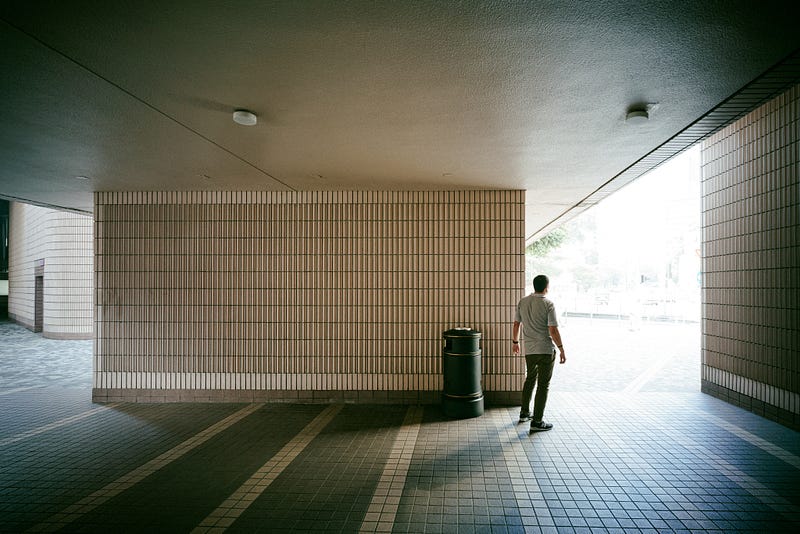
It is best to shoot in a place where the light difference is relatively small
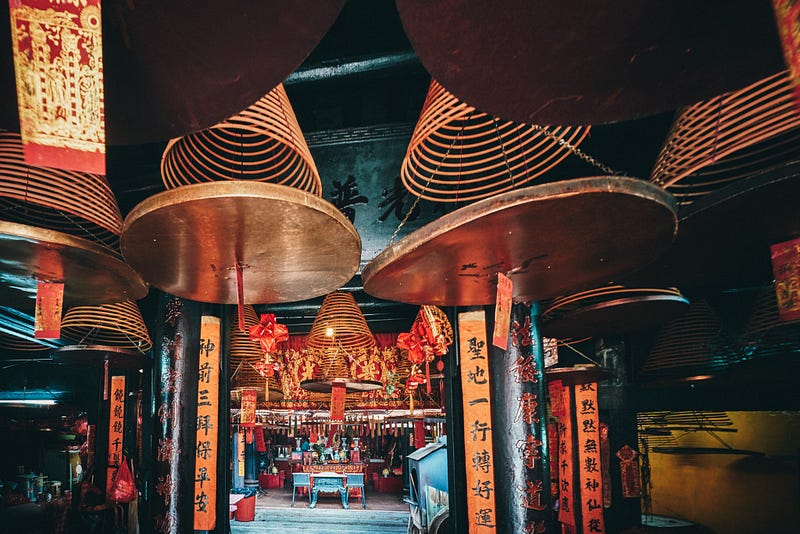
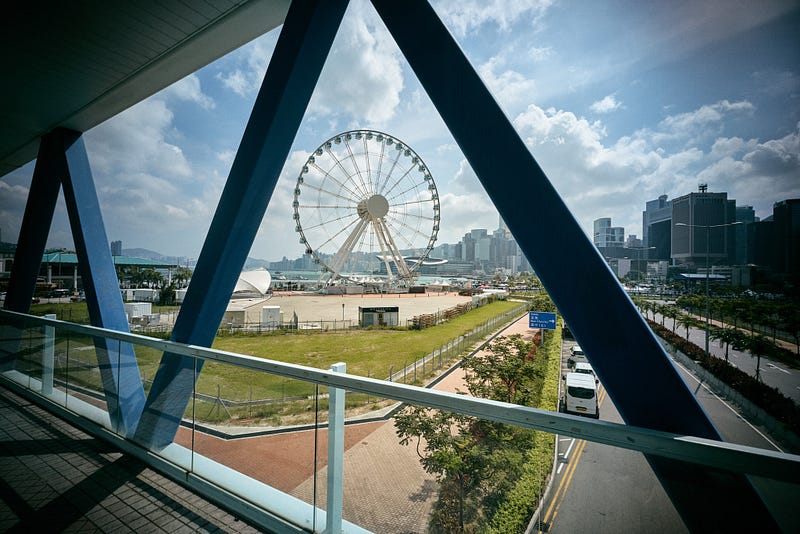
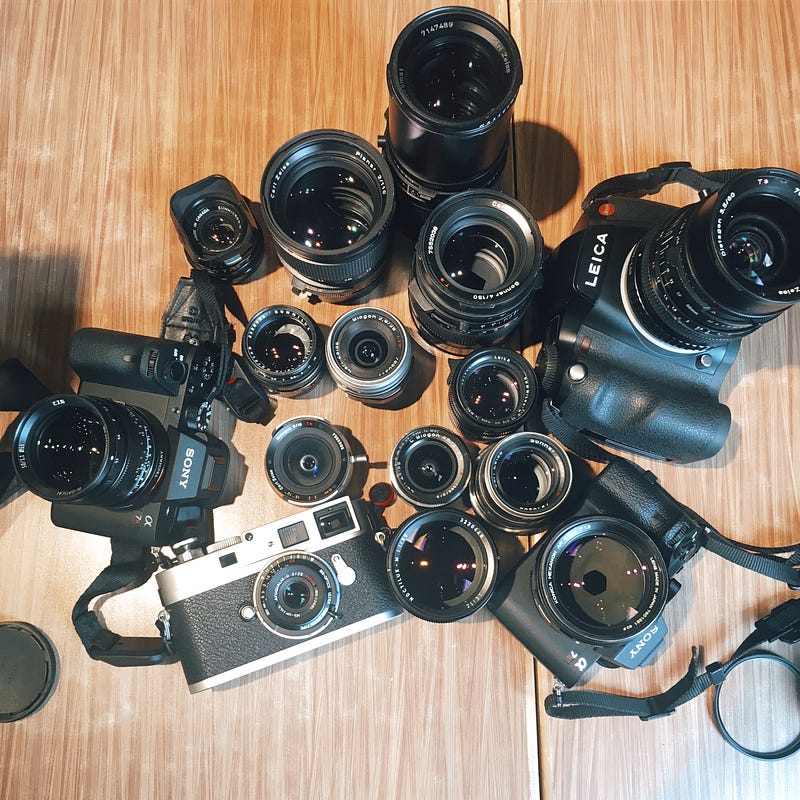
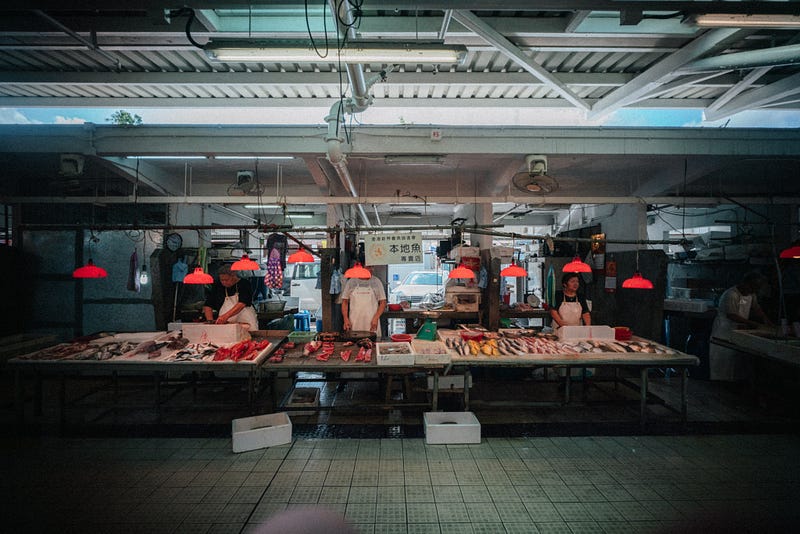
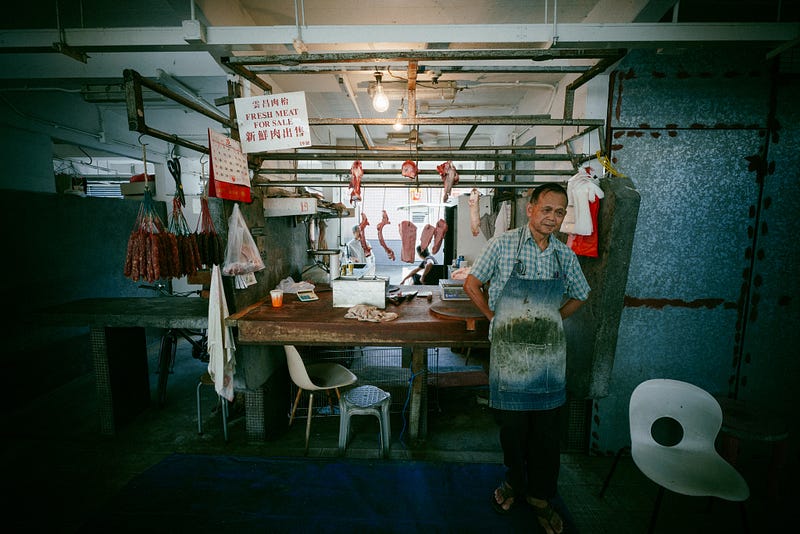
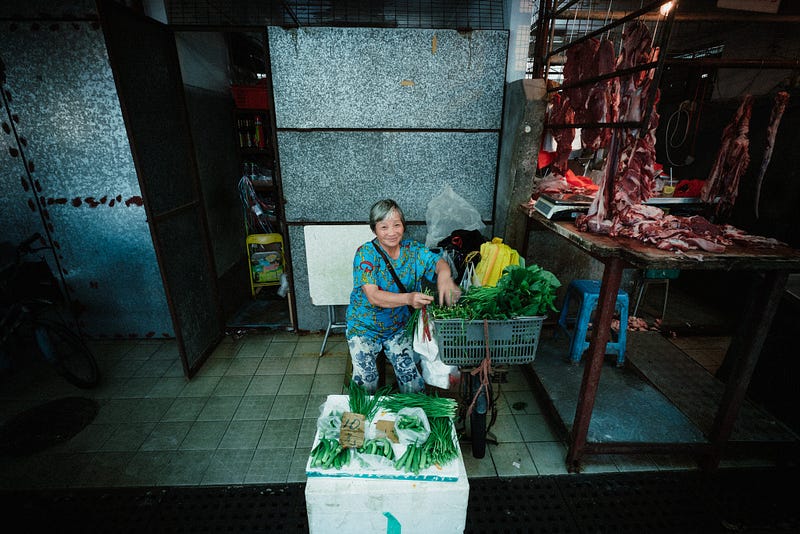
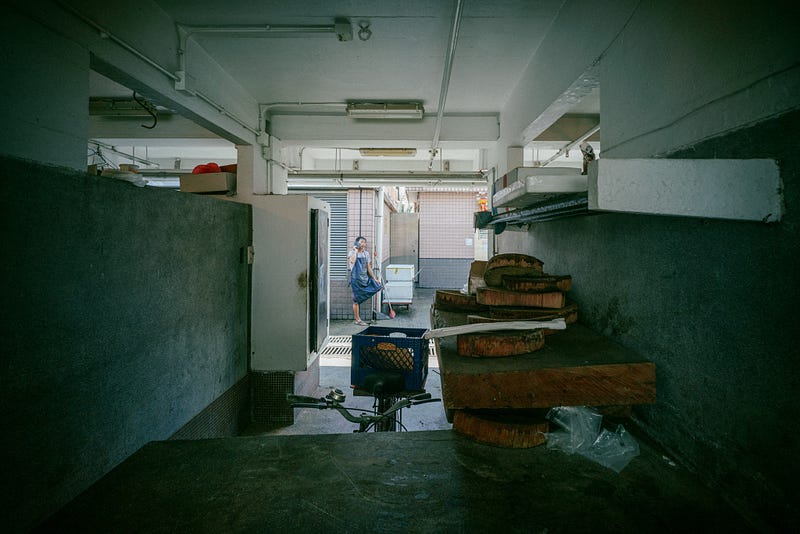
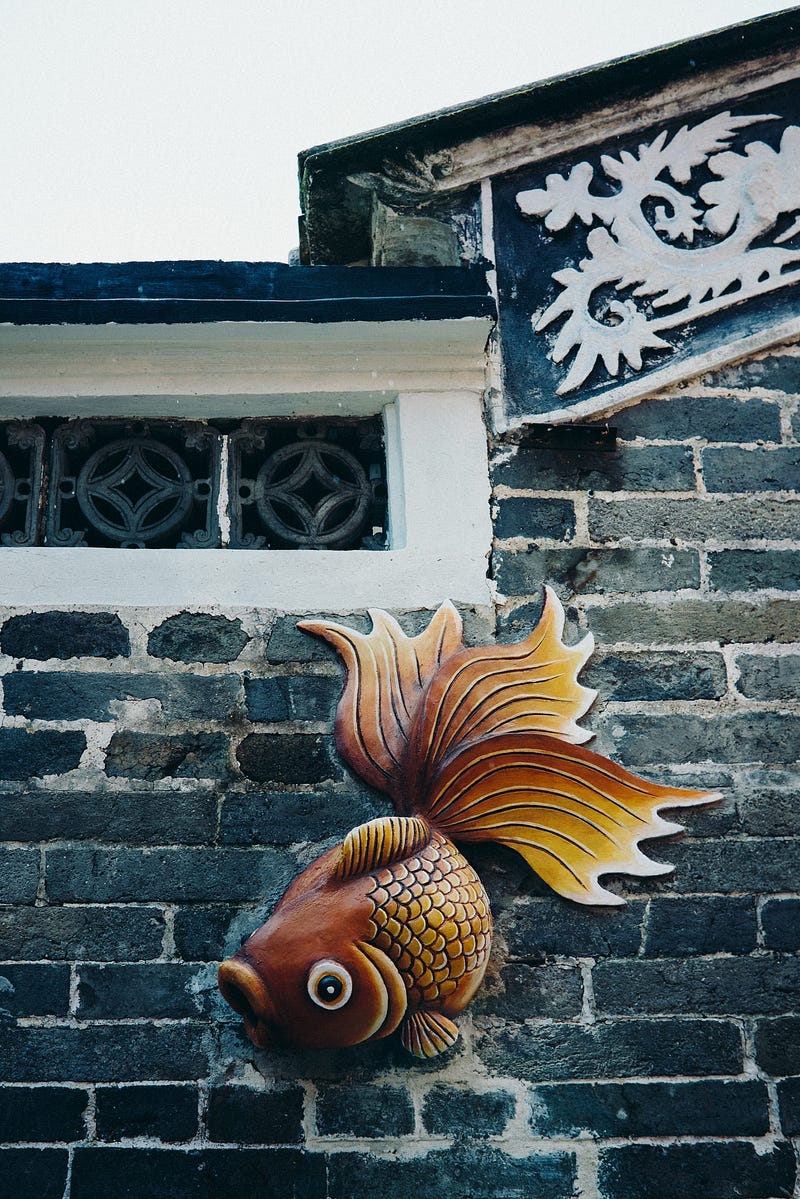
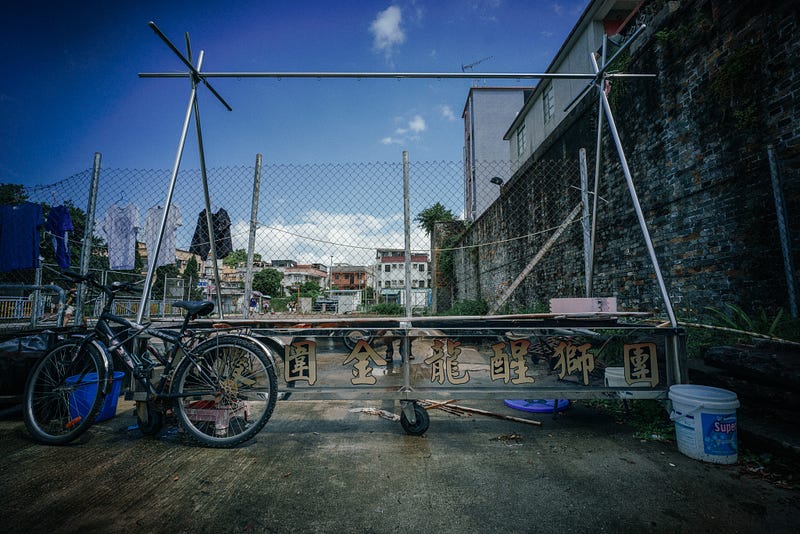
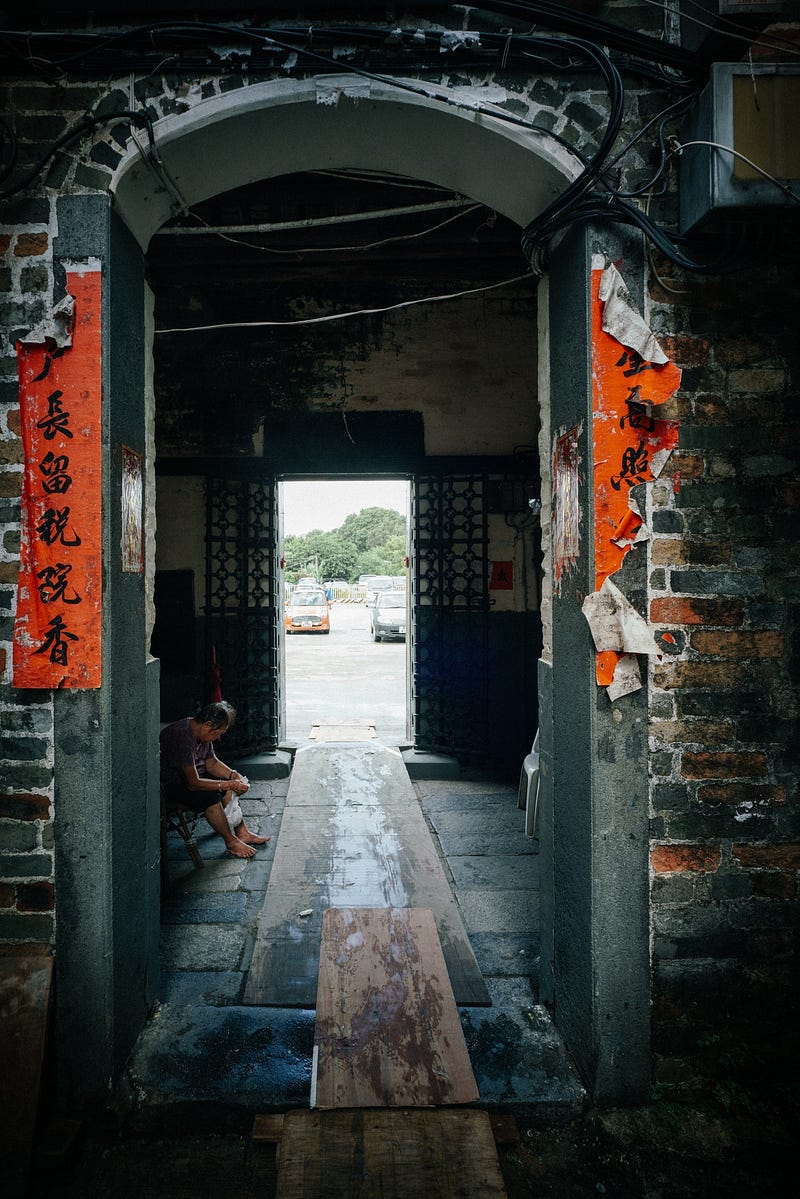
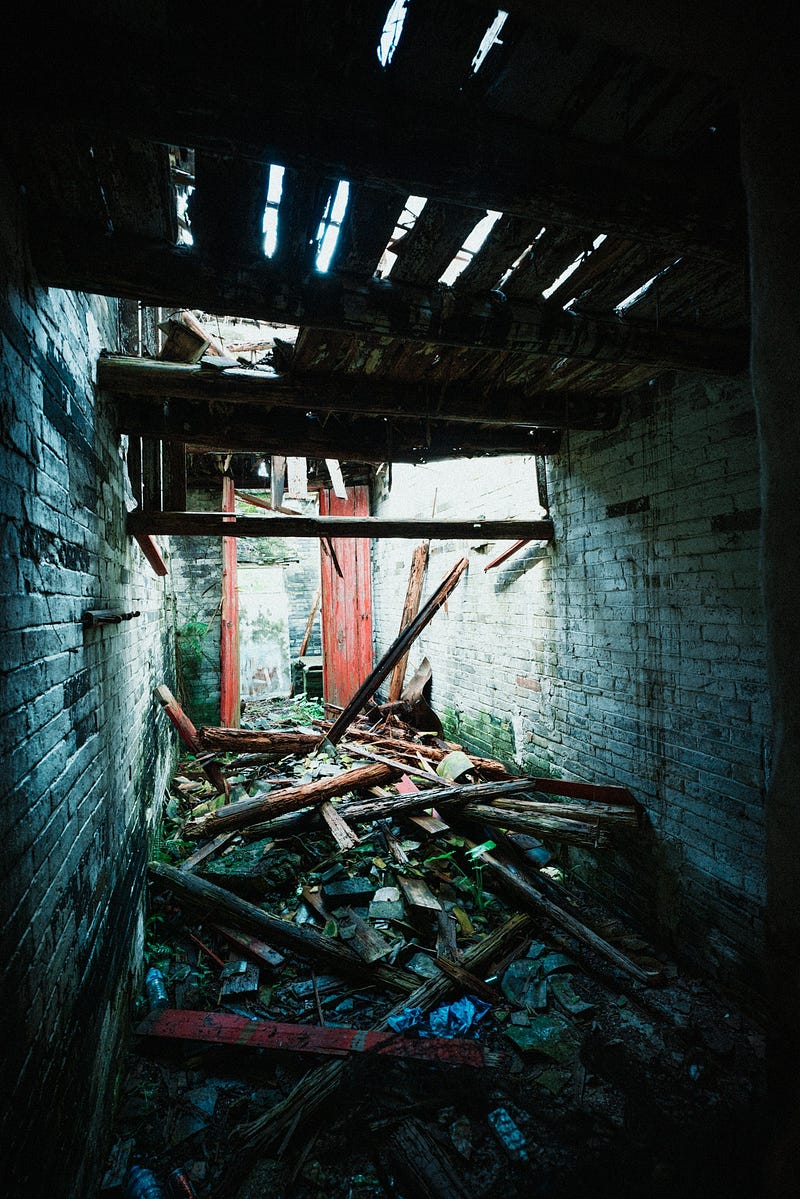
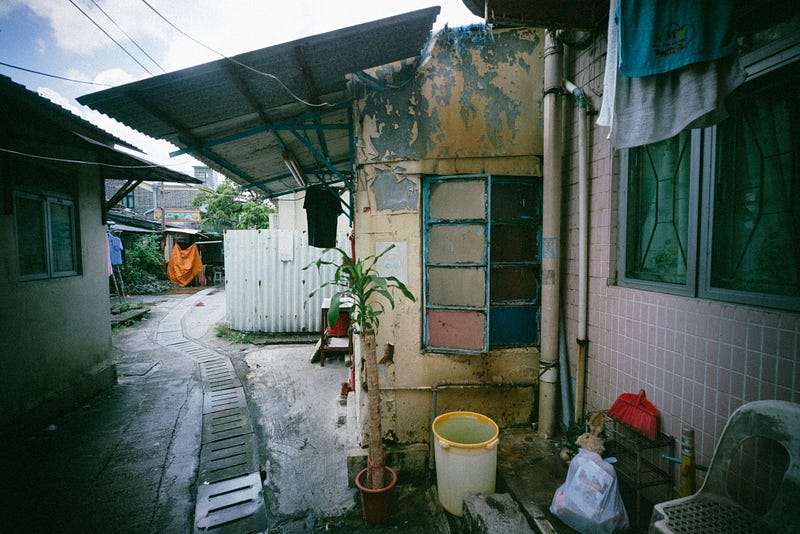
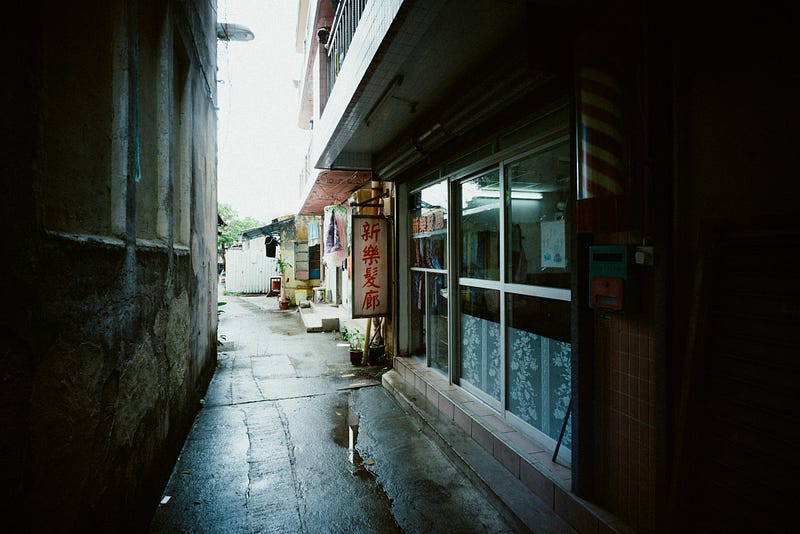
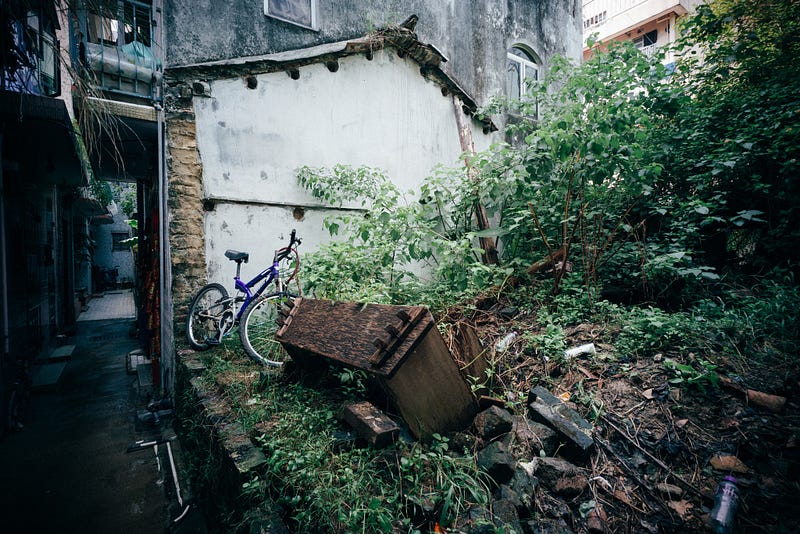
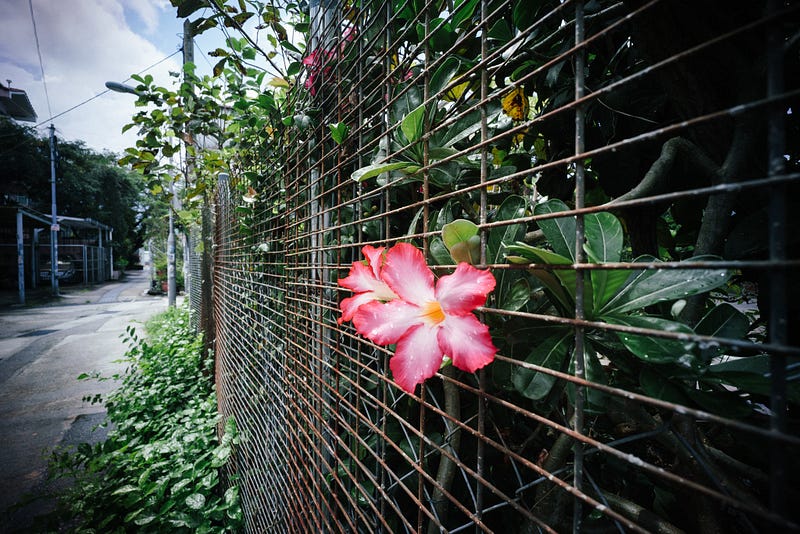

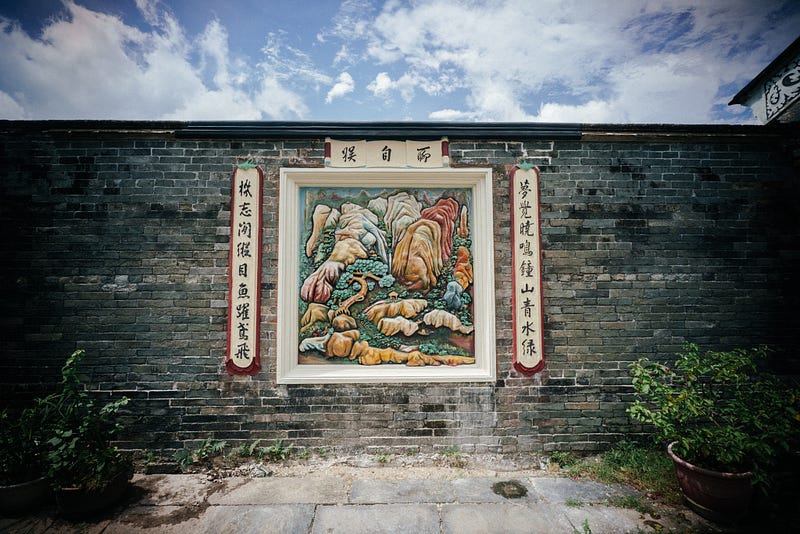
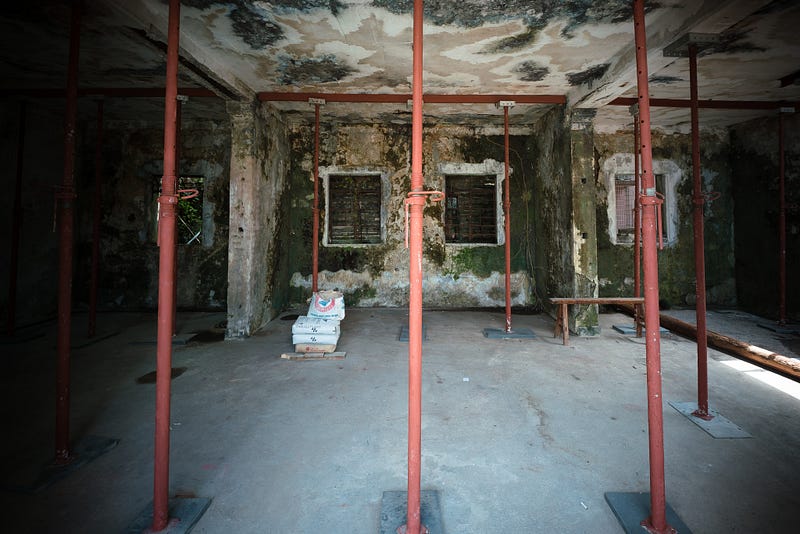
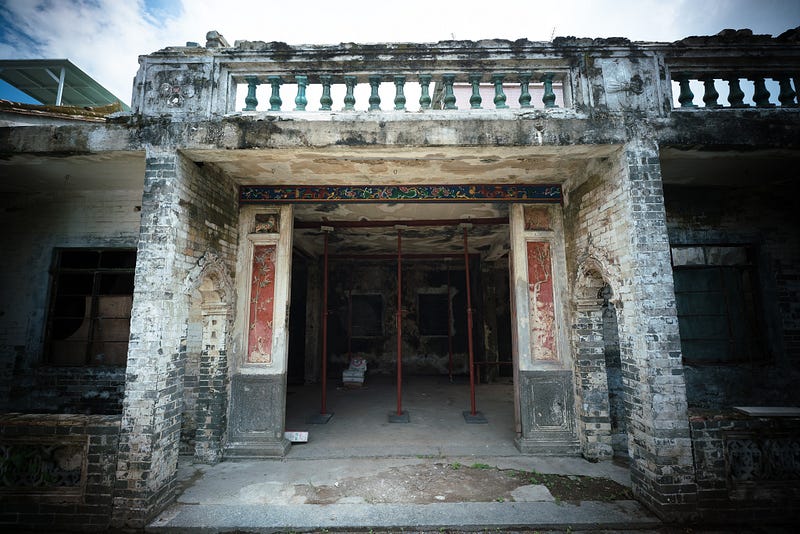
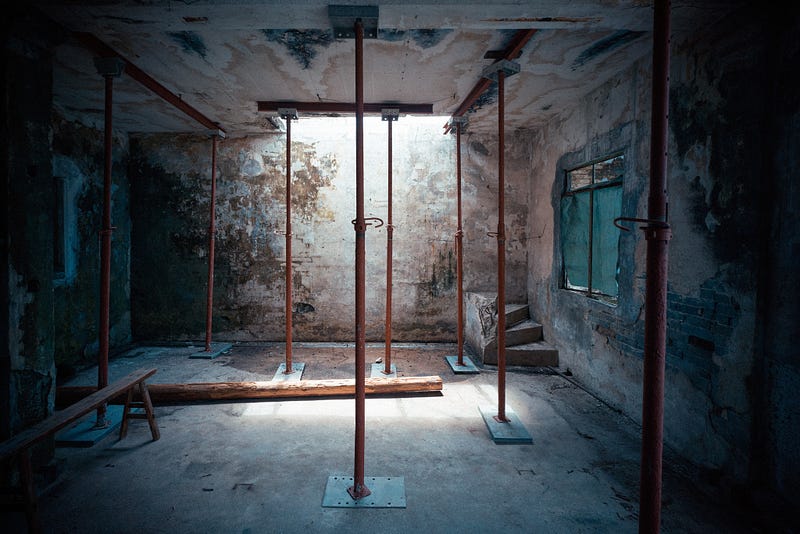
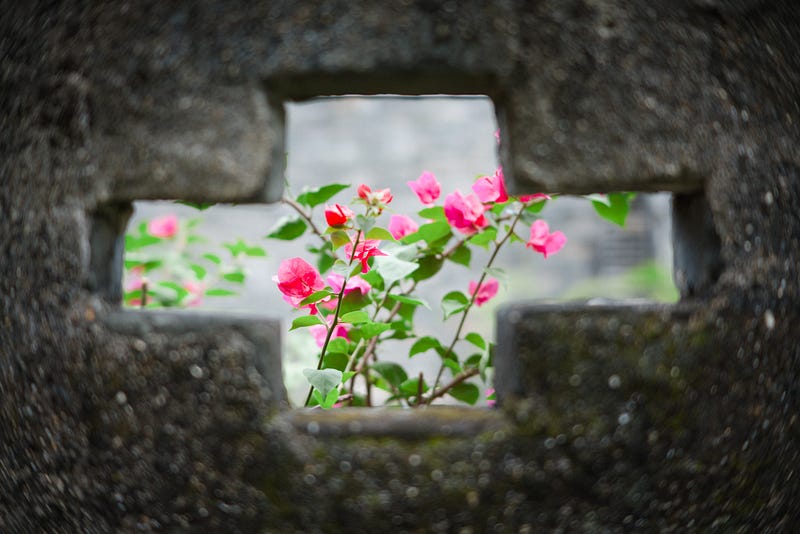
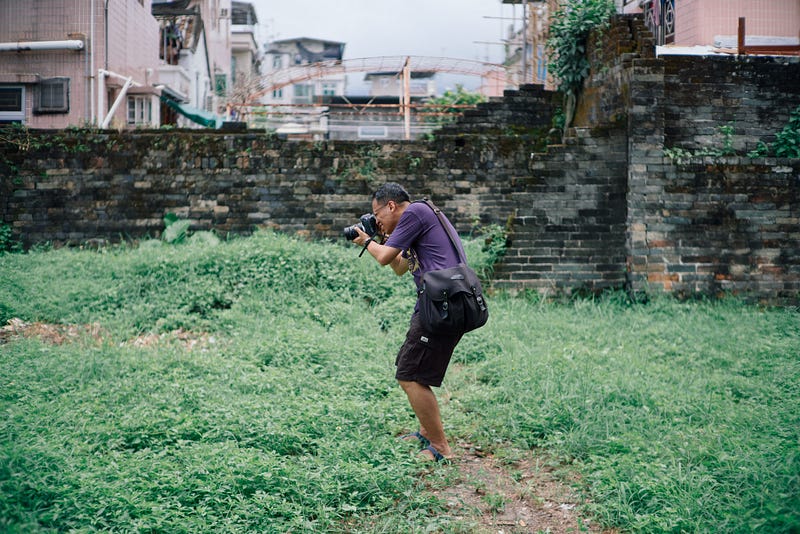
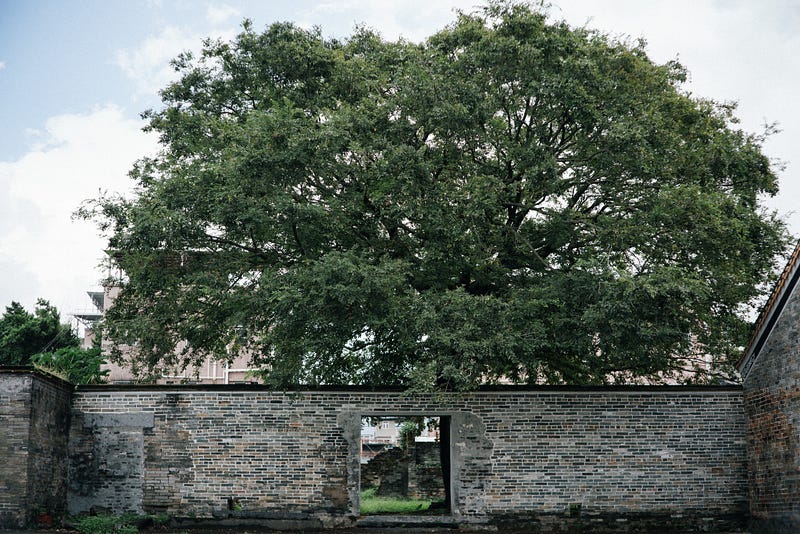
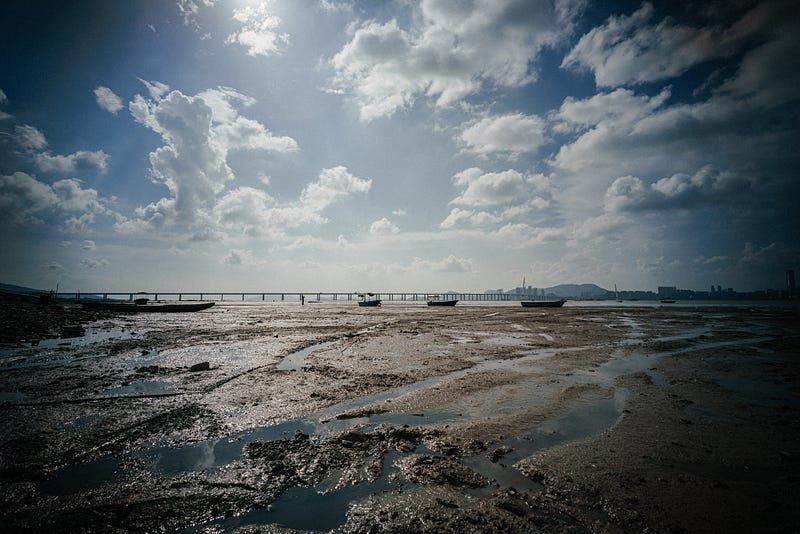
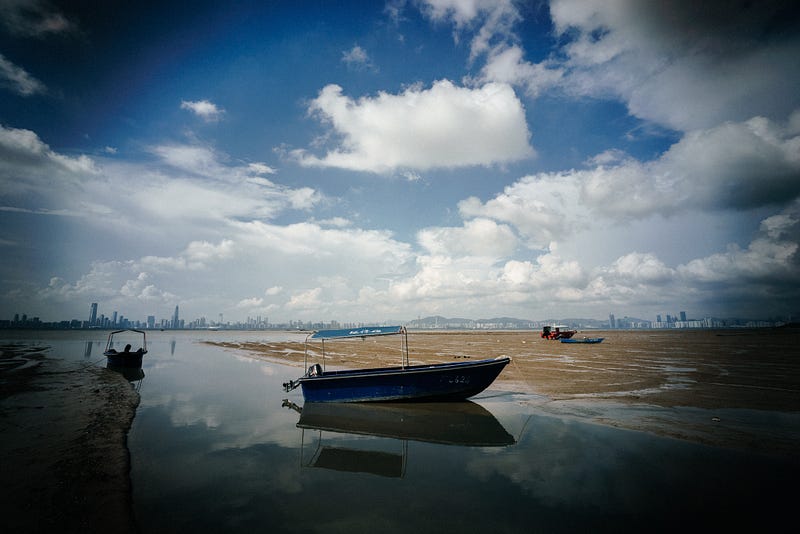
The back beach of Lau Fau Shan on a sunny day

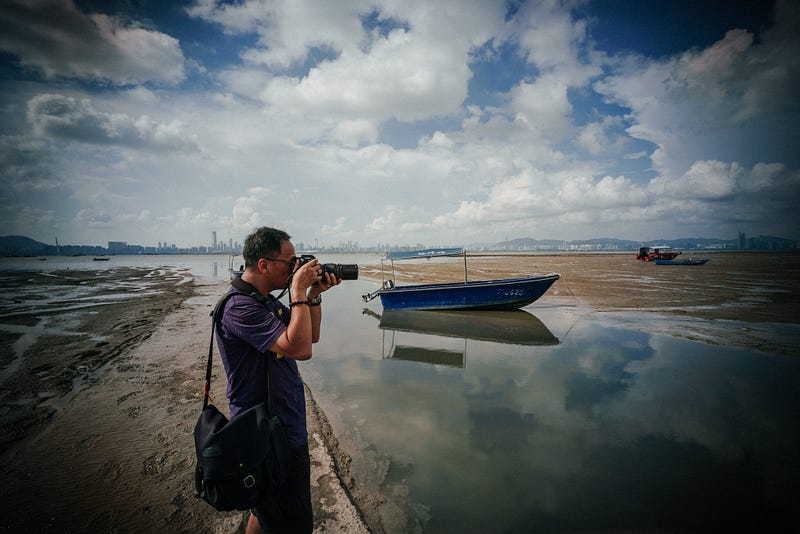
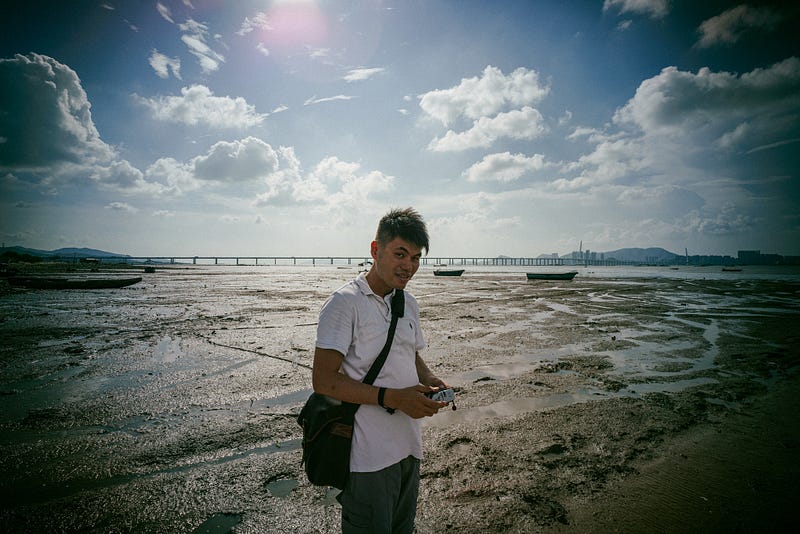
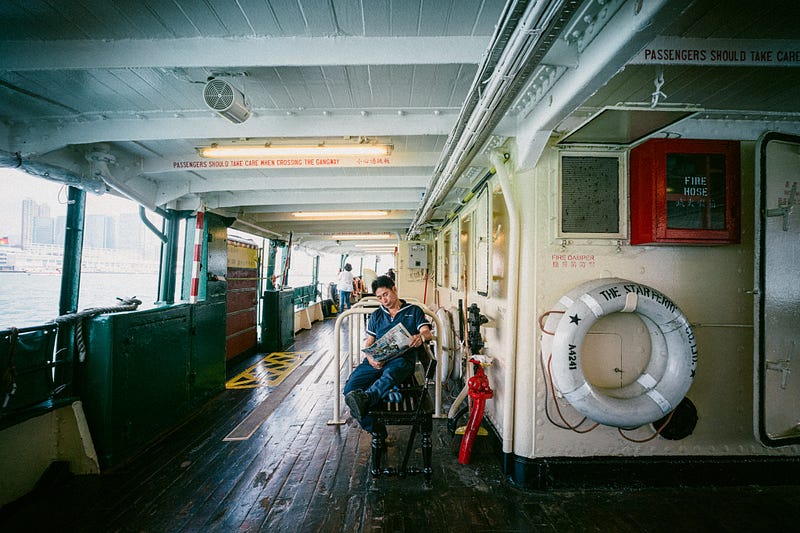
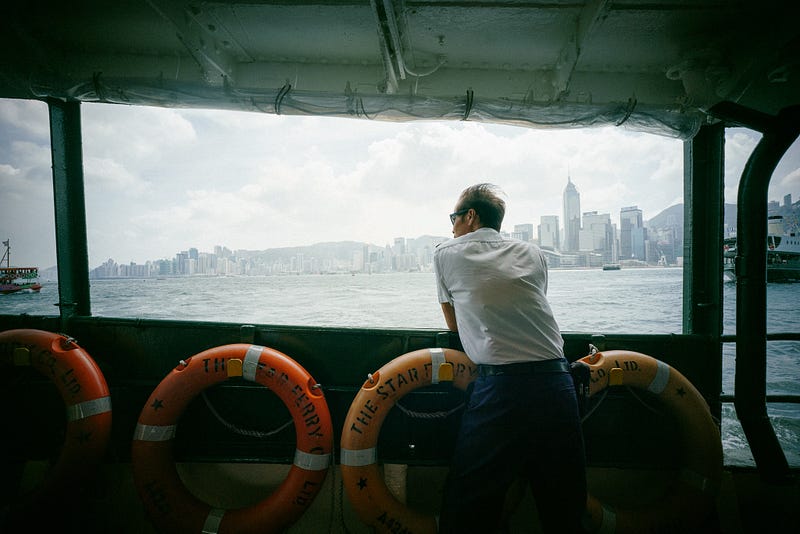
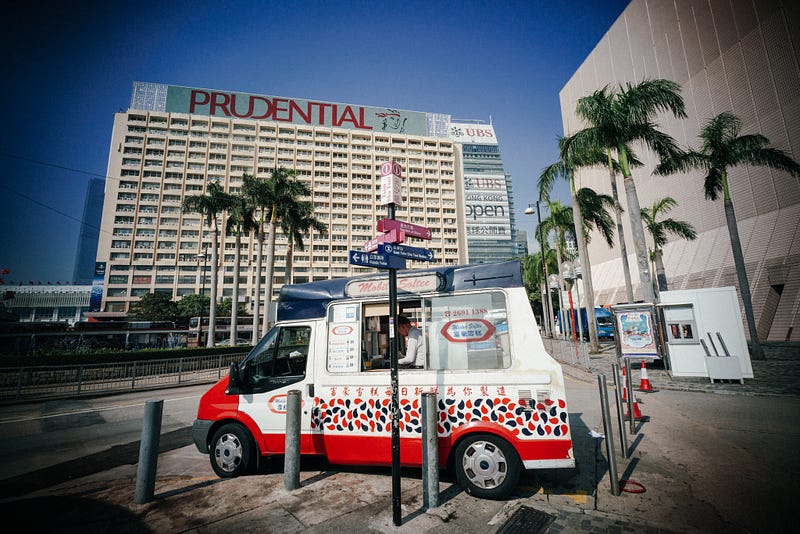
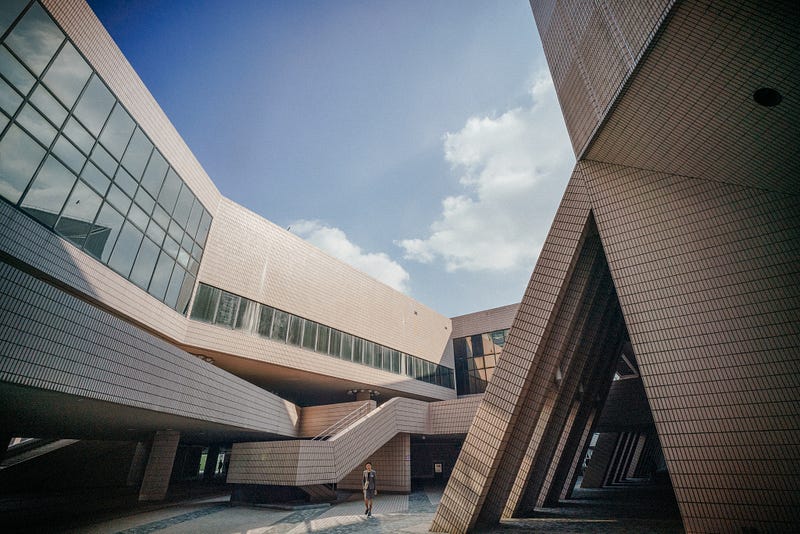
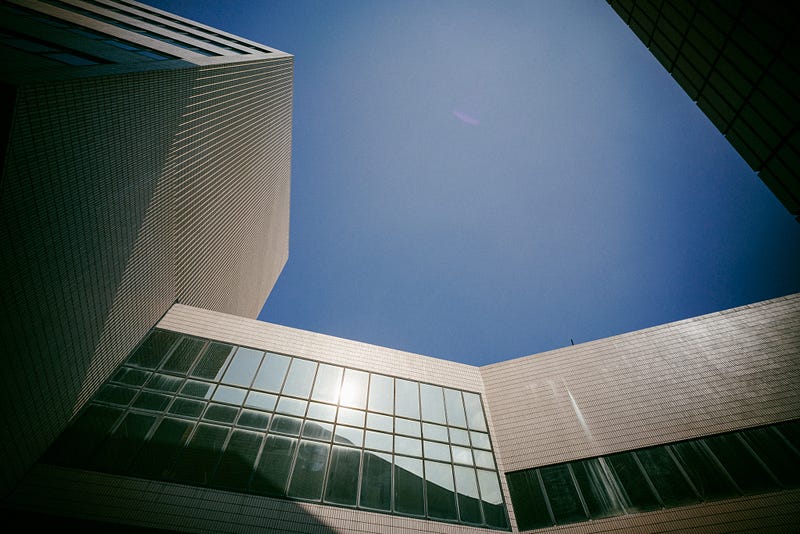
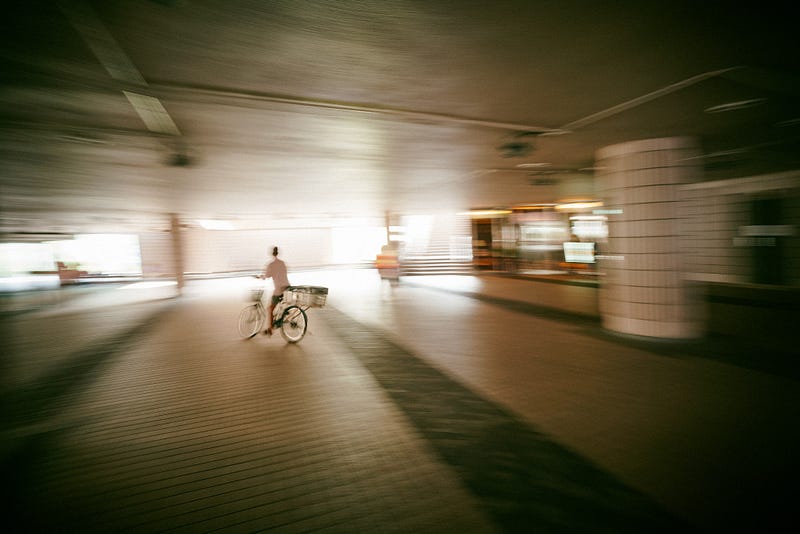
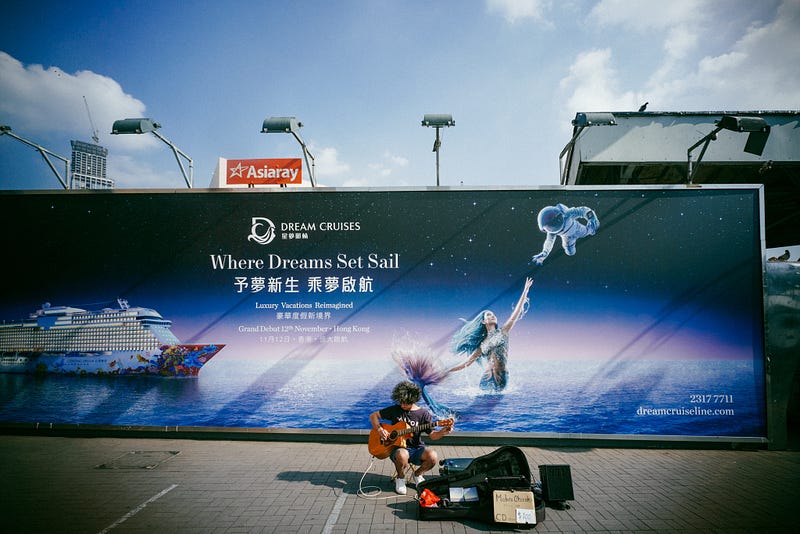
Street Photography
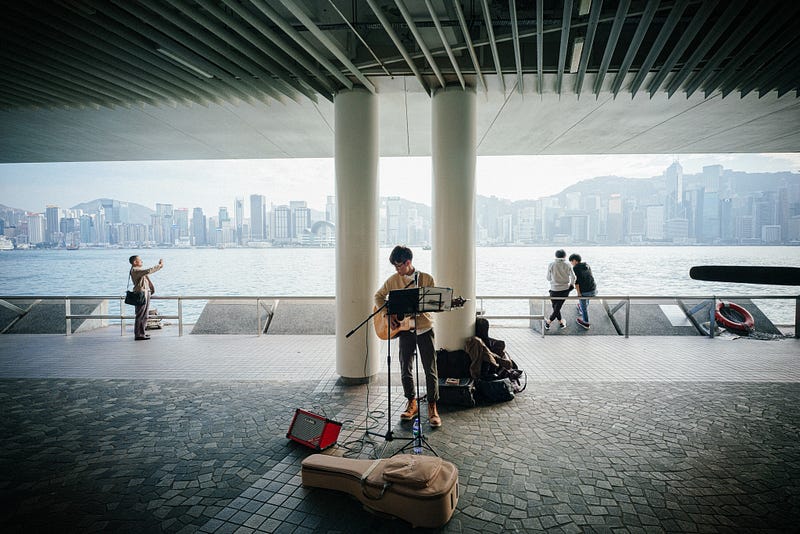
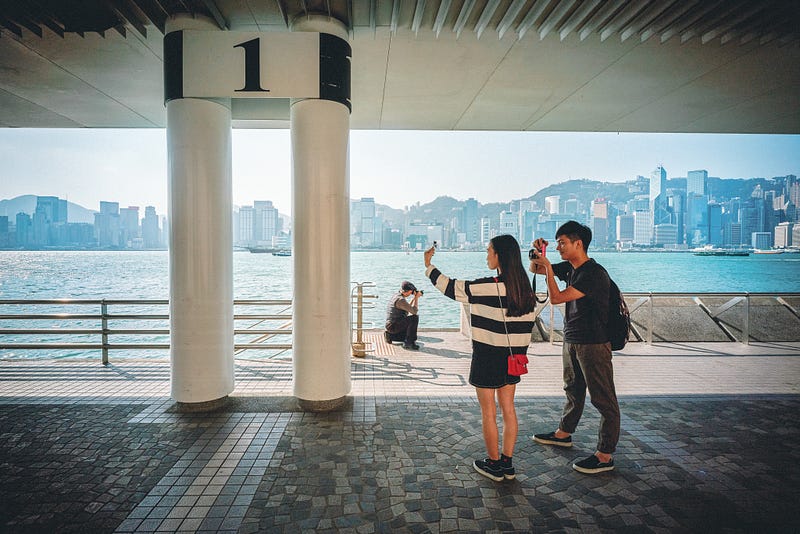
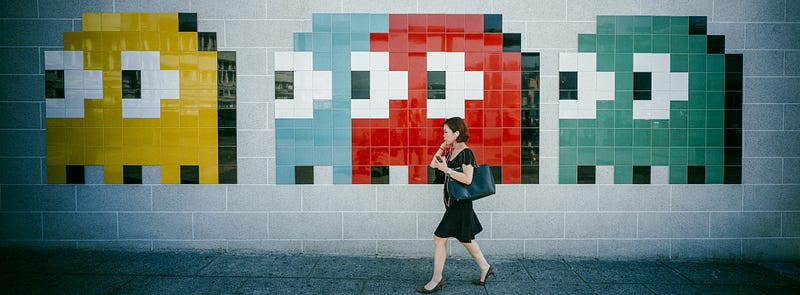
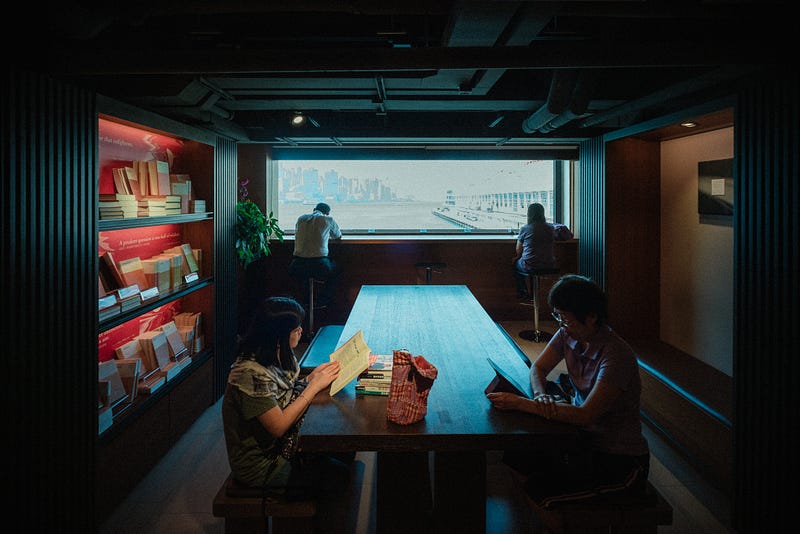
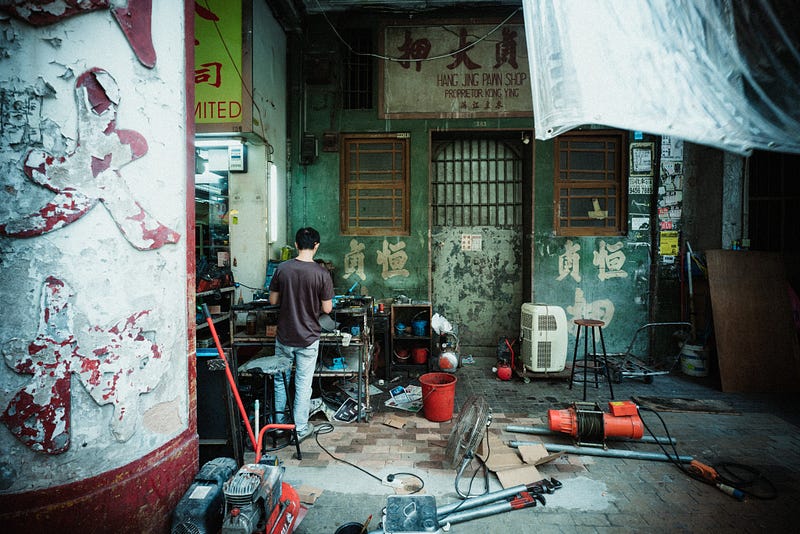
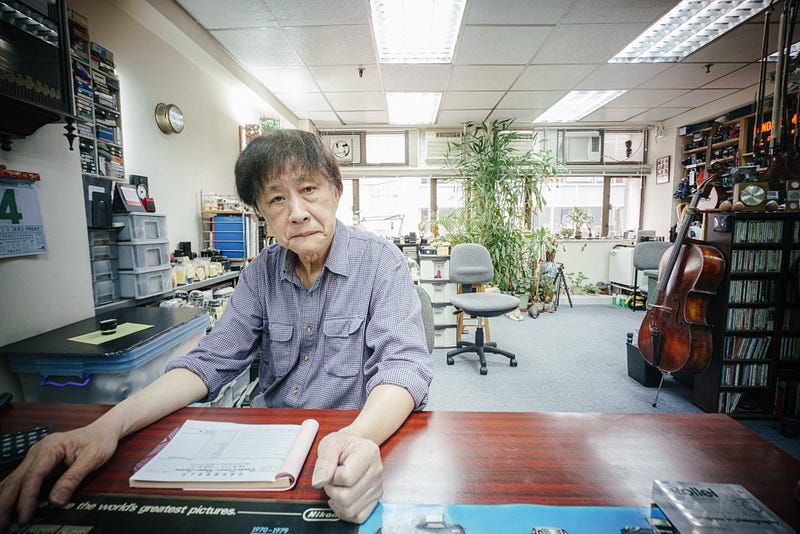
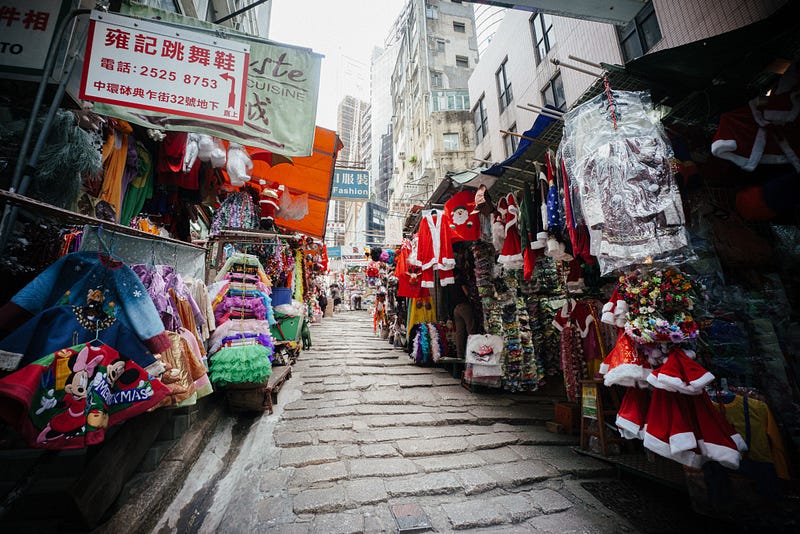
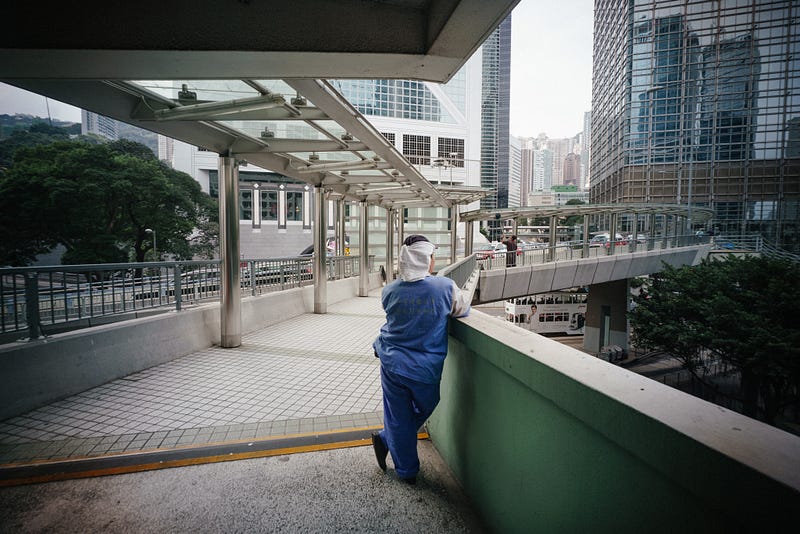
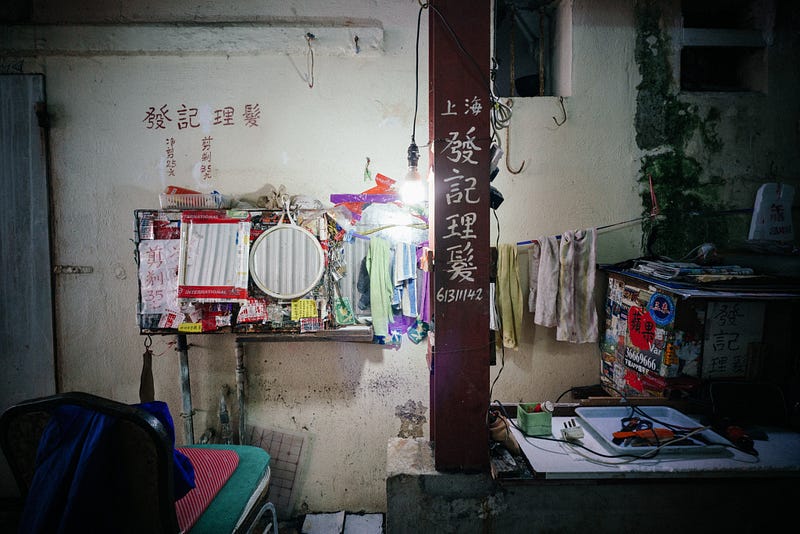
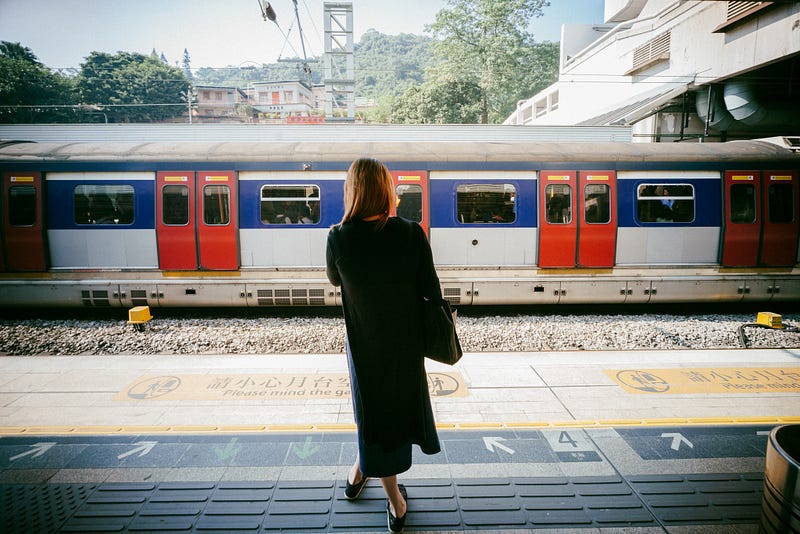
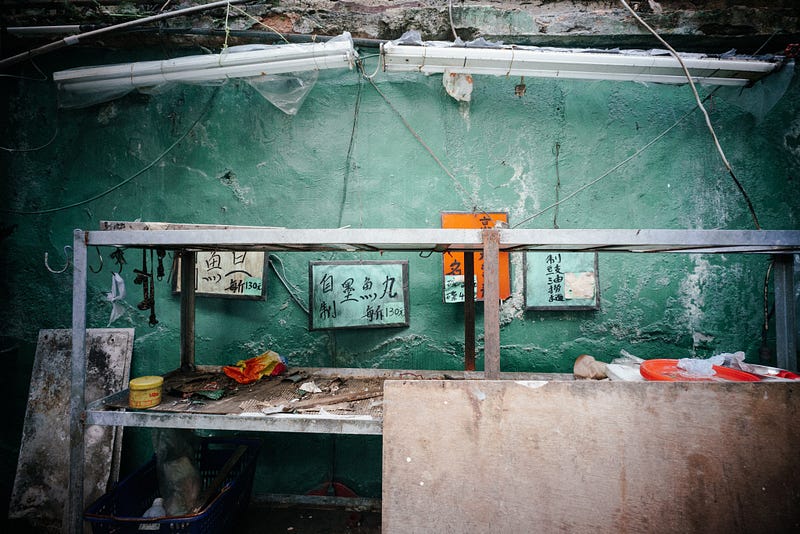
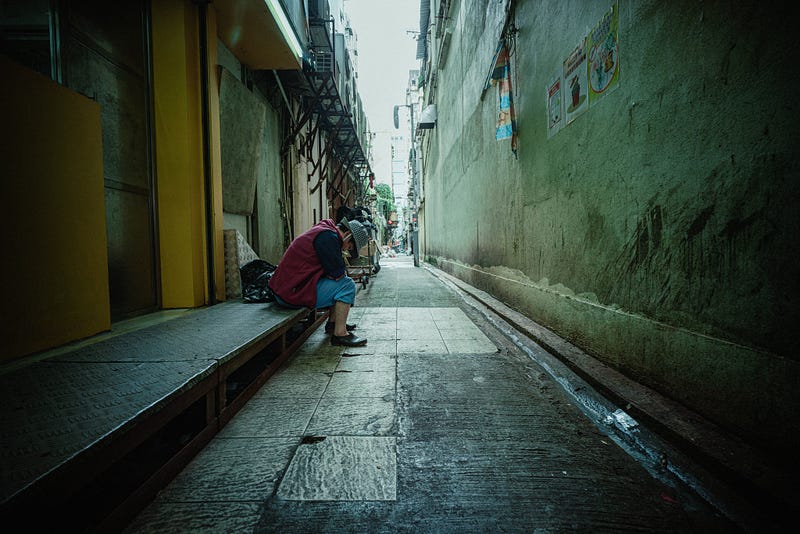
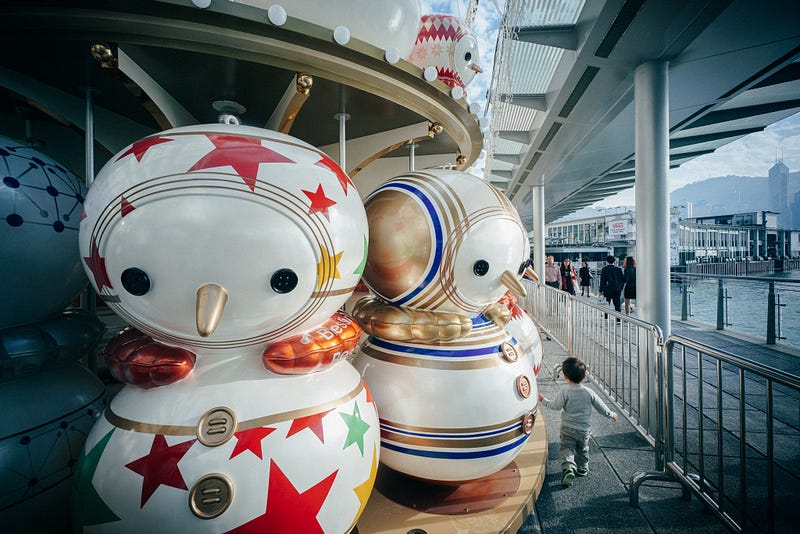
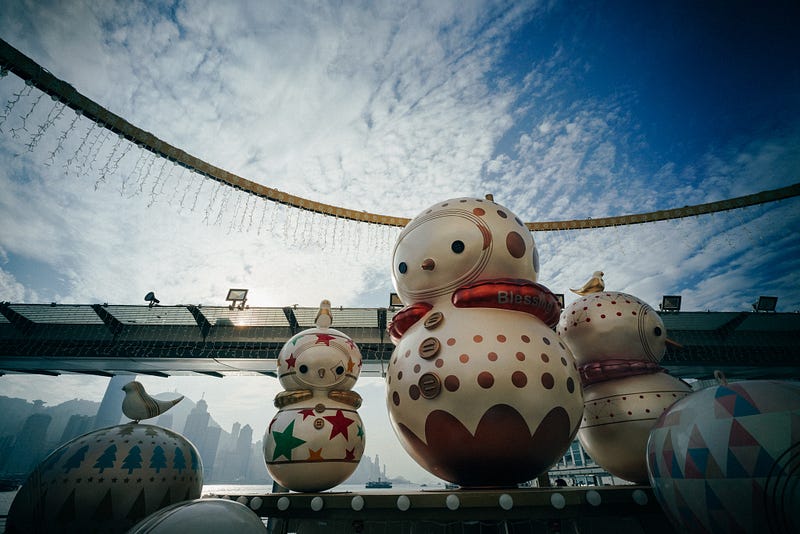
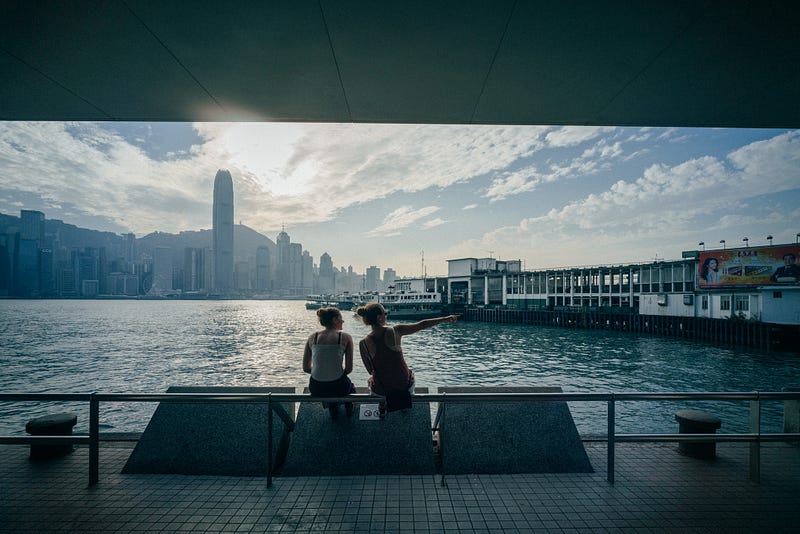
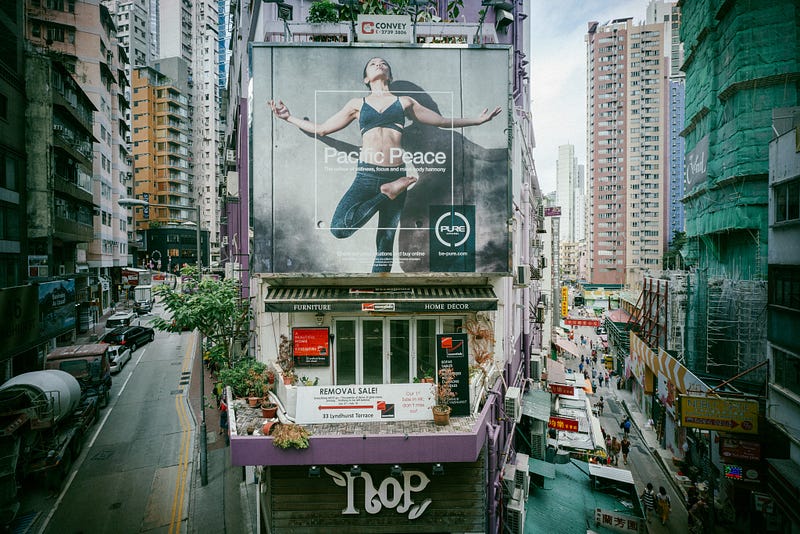
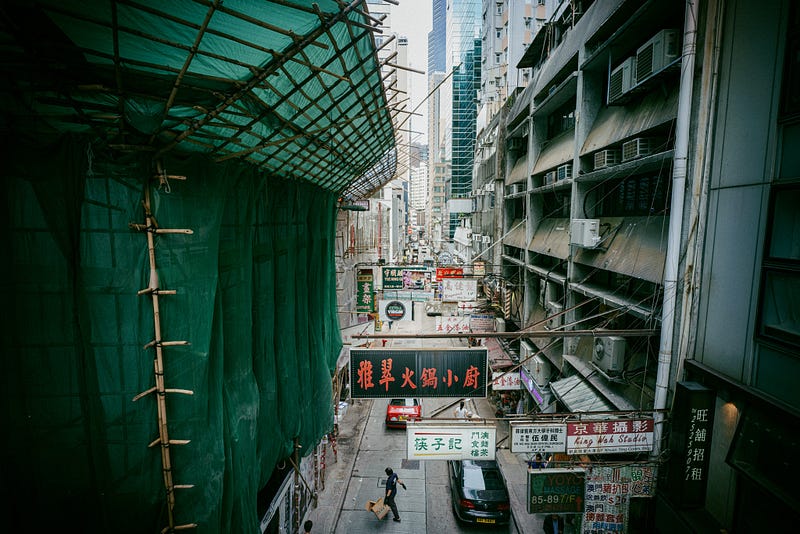
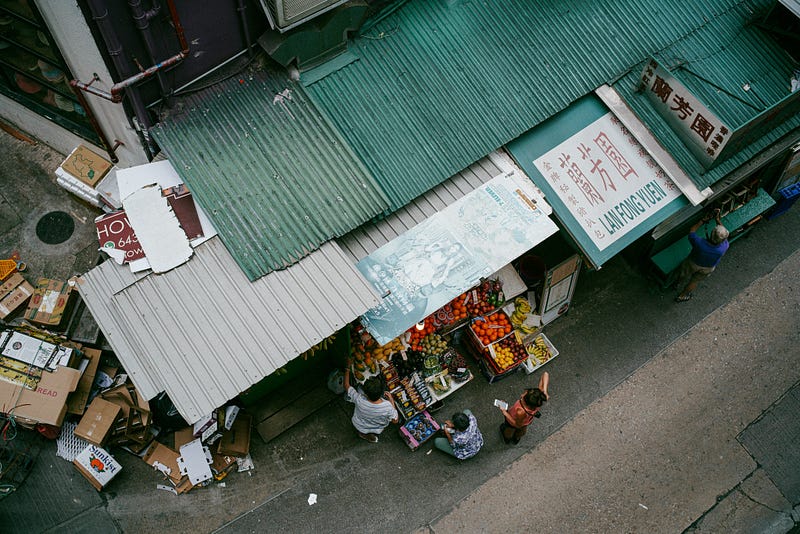
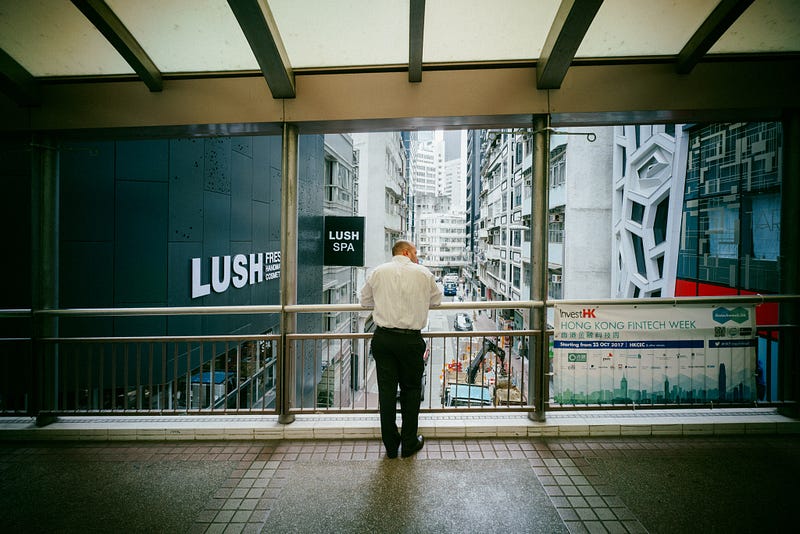
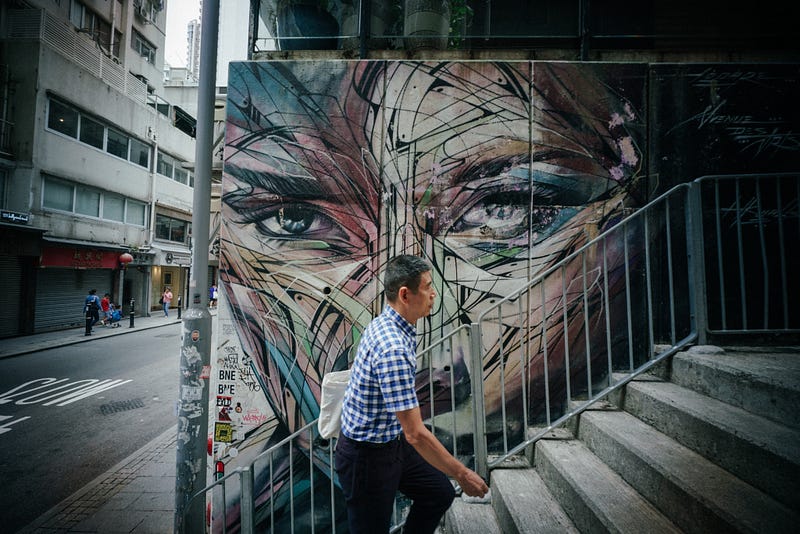
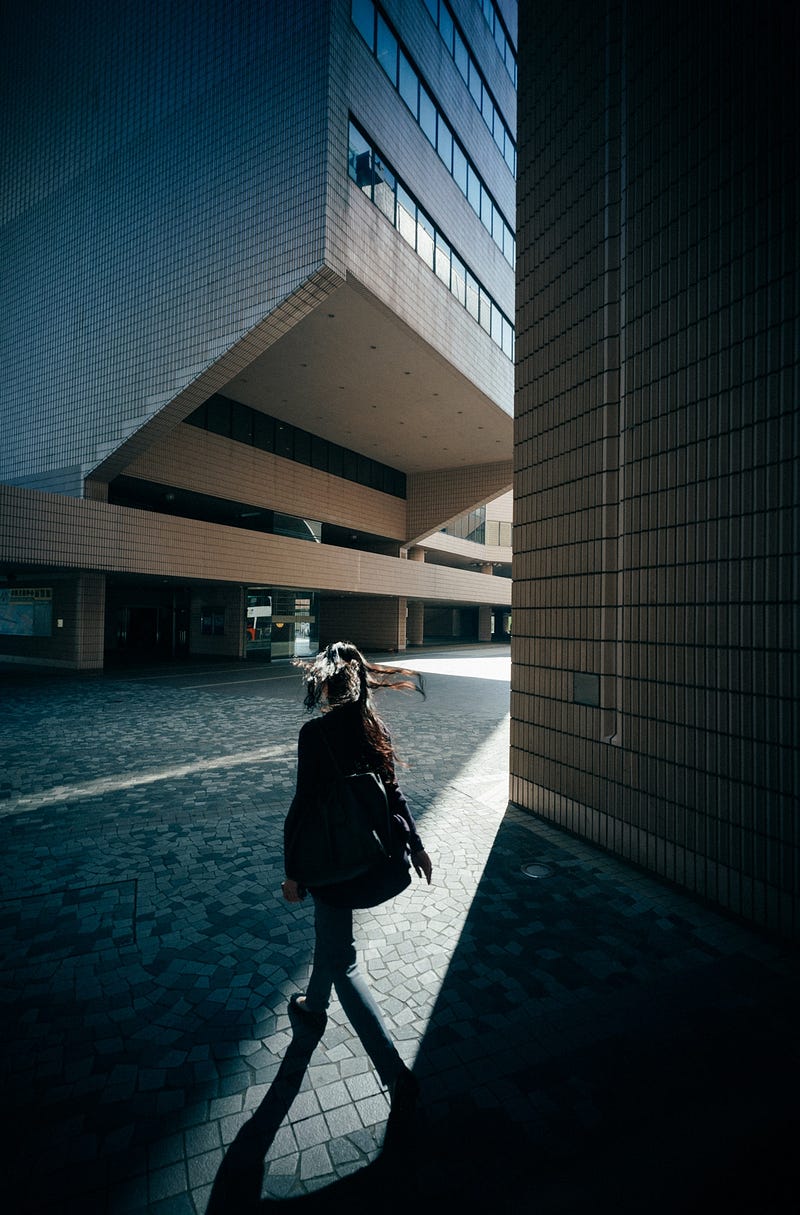
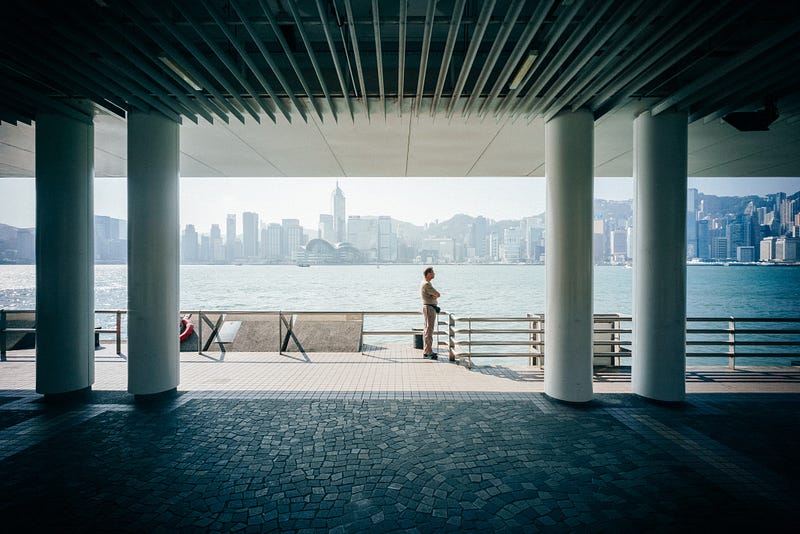
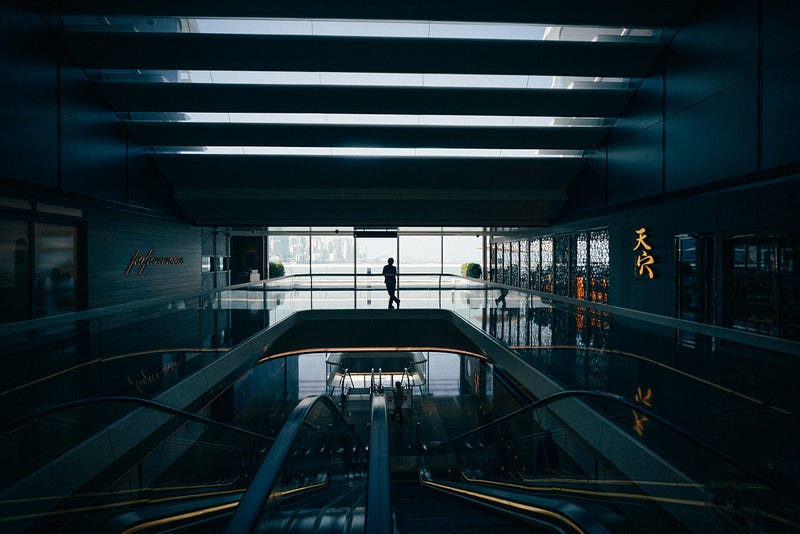
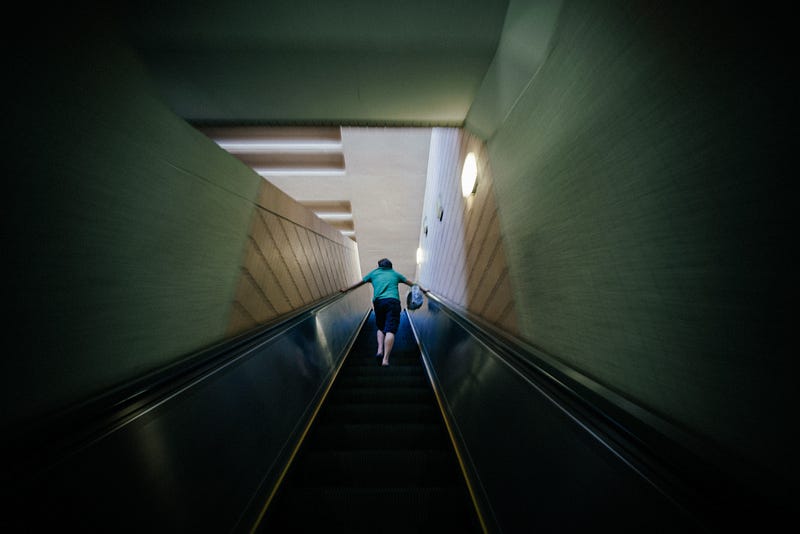
Take the G16 to street photography, in fact, is not as easy as imagined. 16 mm ultra-wide-angle often unnecessary people or objects into the picture, it is difficult to achieve simplicity. At the same time, the use of 16mm closer to the subject or subject, the actual shooting distance may be less than a meter, or close to a meter distance, both for the shooter or the subject will also make a certain sense of fear. When using G16, I used to see a specific scene in advance, and then wait or add people into the picture, can be considered a kind of “additive” photography, the best picture is straightforward, and then add a person or object that has been very good
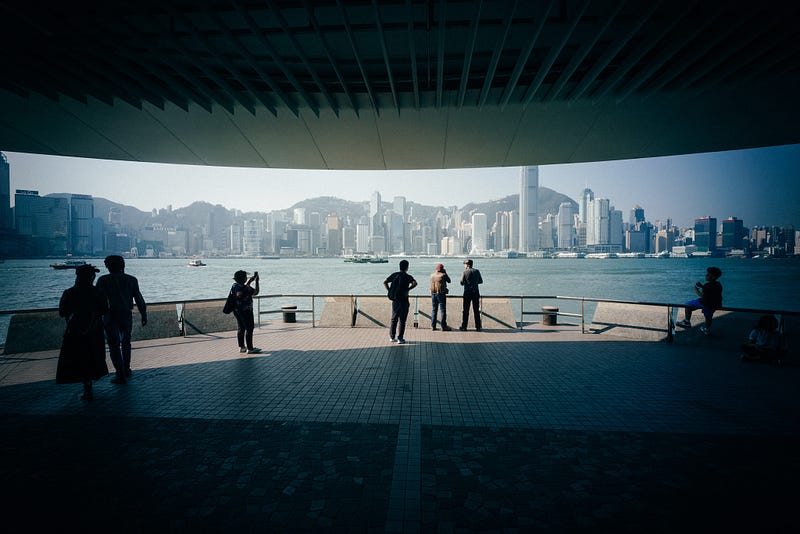
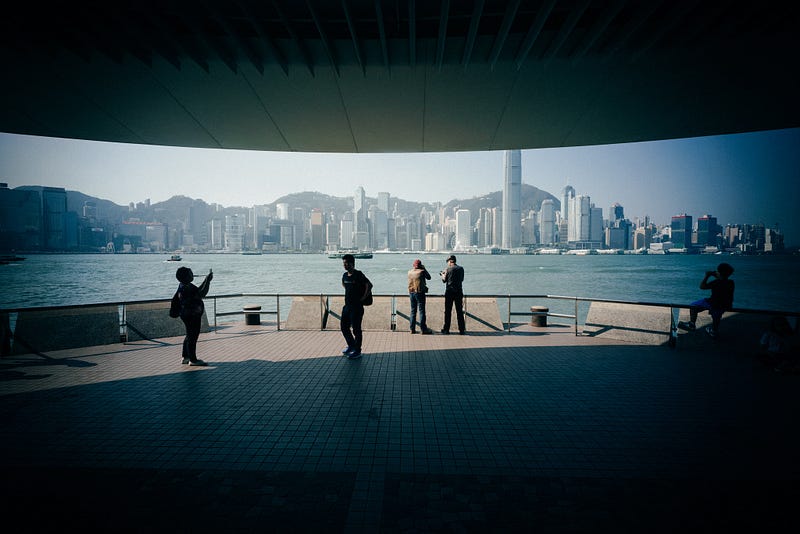
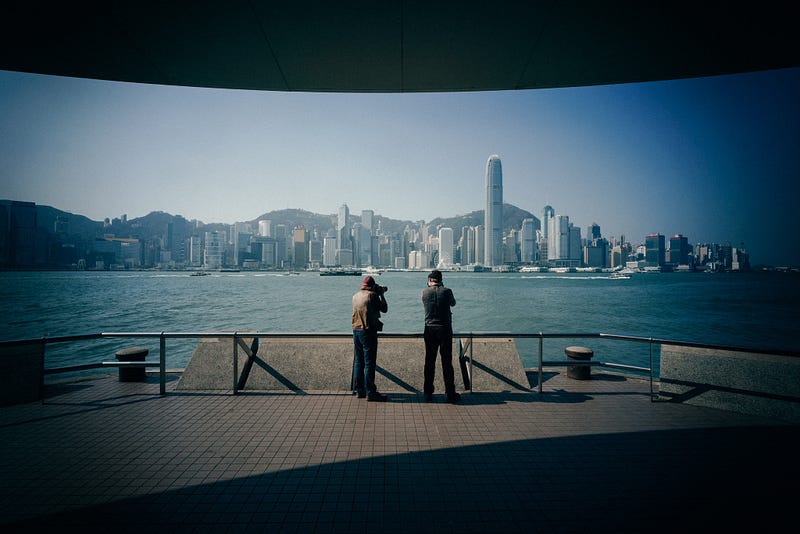

Conclusion:
Most of the people who tried the G16 also have a high affection for Hologon optics. They love its extremely simple five-blade, three-group structure, its high resolution, and its so-called zero-distortion control. This is where Zeiss gave the world the ultimate in optical performance in the last century. I thinks that as a camera equipment enthusiast you will one day get to play with this Hologon. Finally, the optical performance of the Hologon should not only be stored in a moisture-proof box or write in a large pile of historical text. More importantly, you have to take the G16 out on the street to shoot shoot shoot shoot, through continuous shooting, failure, review, repeated shooting to have a more profound experience to the straight line, G16 sense of space. G16’s sense of freedom.
Is the G16 worth owning?
From a collector’s point of view and the history of optical technology, it is well worth getting. The price is also relatively low to try the Zeiss wide-angle lens at its highest performance. The first time I took the G16 impression, the lens is small, but the texture and weight are complete. The front and the rear lens is a hemispherical design, really a bit of craftsmanship.
In terms of practicality, G16 can be considered tasteless, discarded, if you are not pursuing the ultimate in optical deformation control, you do not have to endure with 16mm F8, if the addition of nd filter, the aperture value is only 16mm F16, the overall shooting restrictions can be fully felt. When you can buy LAOWA 15MM F/2 “zero deformation” lens at a price of about five thousand today, the practical aperture is indeed much, much larger, but of course, QC, colour, lens coating is also a gap. But I think the digital wide-angle lens is actually a new buy new is not wrong. Even the Voigtlander 15mm f4.5 III in the case of not changing the thinning, the edge of the image is also far better than the Hologon on a lot. The G16’s zero shape control, five pieces of three sets of classic optical design is other modern lenses or with more than ten sets of lenses to correct optical deformation can not be compared.
Basically, the G16 is a lens designed for film. Most of the friends who bought it have Zeiss wide-angle lenses, Contax G sentimental knot … I think if you are putting the G16 on a negative or digital B&W machine as a mainstay, it is still a good choice. It is also an excellent choice to rent a lens to get close to the optical extreme of zero deformation control. G16 used price is actually relatively stable, buy a good quality G16 complete accessories, play with two or three years, shoot a to some of their own satisfactory photos and then put out, it is not much. The number of used G16, digital can not, shooting restrictions is also to make G16 used price in the long term also at a reasonable level.
The author does not own G16 and no longer interested in long-term ownership. Even if there is not much interest in asking friends to borrow back, G16 put in the A73 / A7R3 shooting, probably because A7R2 has taken some excellent photos and mastered the characteristics and limitations of G16. And then shoot the effect may be similar….. The G16 will still have a severe redshift when placed on the M10. The G16 is also a good choice for the digital M machine when it is fully available one day.
Can G16 photos be produced directly? Is there any post-production?
This question is almost every time I use the G16 will be asked XD. I think that unless you are using the G16 each time it is also placed on the tripod, slowly adjust the shooting value or shoot the landscape can be straight out. Otherwise, the general shooting situation is actually complicated to do straight out. The author is more concerned about whether the shooting has been clearly envisaged before the post-production process. It can be said that the post-production is part of the shooting, but this part you want to hand over to the camera to handle or their own processing, the author is concerned about the final image results. The direct output may be left to the author to use the negative 400x positive film.
Other related articles by the author:
IF you Like my reviews , please support me by buying me a coffee.

Rokkorx’s Blog | Facebook https://www.flickr.com/photos/rokkorx/ https://www.instagram.com/samlee.hk/
Film Preset used in this reviews:
Rokkorx’s Blog | Facebook https://www.flickr.com/photos/rokkorx/ https://www.instagram.com/samlee.hk/


