
ONLINE MISBEHAVIOR
Challenging Hate Speech and Misinformation Saves Lives
Addressing words that lead to suicide and violence

“The only thing necessary for the triumph of evil is for good men to do nothing” — attributed to Edmund Burke in a speech by President John F. Kennedy in 1961.
When I was a child living in a place where change came slowly, my friend’s Grandfather insisted Negros shouldn’t be allowed to compete in sports. He insisted African Americans were biologically different than preferable white people of European descent. Blacks were considered intellectually inferior but had developed extraordinary physical strength and stamina. Great for picking and packing cotton, but nearly impossible to beat in a race, play triangle defense against, or tackle.
Their unfair advantage was supposedly due to evolution and natural selection, not the prescriptions and surgical intervention of transgenders now targeted.
The grandfather’s racist views were quickly proven false.
Most rational people lose their preconceived notions about others when they work, learn, and live with them.
My friend’s cousins were Mennonites who had even more strident views —
“If people are meant to remain Holy Unsullied Vessels created in God’s image, then selecting your baby‘s sex is cheating. Managing your blood pressure or moods through medication isn’t playing by the rules. Live with the disfigurement caused by nature or trauma. The hole in the baby’s heart was intended and shouldn’t be disturbed — he was sent to deliver a message. People are too picky about missing teeth. Surgery and blood transfusions are wrong.” — Cathy’s much older cousin Franklin
Our attitudes have evolved, but not as much as necessary.
Increased isolation following the pandemic
Prior to 2020, the Internet was used sporadically by many adults as an optional convenience for occasional online shopping, messaging, and keeping up with relatives’ Facebook and Instagram photos and posts. When the Coronavirus hit in 2020 life dramatically changed. School, work, and fulfilling our social and spiritual needs were remote.
Users became more engaged in online communities and were exposed to the random anonymous hit-and-run of harsh criticism. Tripping into rabbit holes and getting lost for hours took the place of working out at the gym.
Students and teens without an opportunity to socialize in person were most profoundly affected.
Teen use of social media has been correlated to increased depression and anxiety along with leading to more social isolation and loneliness. Harsh criticism of appearance and behavior has led to increased online bullying, harassment, and increased suicide rates.
Children are expected to make mistakes as they mature. In the past, a permanent record and public shaming didn’t follow them into adulthood. For many, this can be a lethal combination as adequate coping skills are not yet developed.
As many have discovered, new AI Large Language Models (LLMs) were trained on repositories of posts retrieved by web crawlers, so even information that was removed from websites may still be included in AI recaps of a person’s career or past.
Examples include false claims a professor was investigated for a sexual harassment claim, and a white hat hacker was responsible for a notorious virus. Both stories are false and removed from the sites where they originally appeared, but were incorporated into AI training material scraped from Common Crawl. The individuals falsely portrayed as guilty parties have been unsuccessful in removing slanderous misinformation from the OpenAI and Google’s Artificial Intelligence (AI) LLMs.
This is going to be a privacy and security concern as kids become adults and their once-private Facebook, Twitter, and other posted information becomes available as quick AI responses.

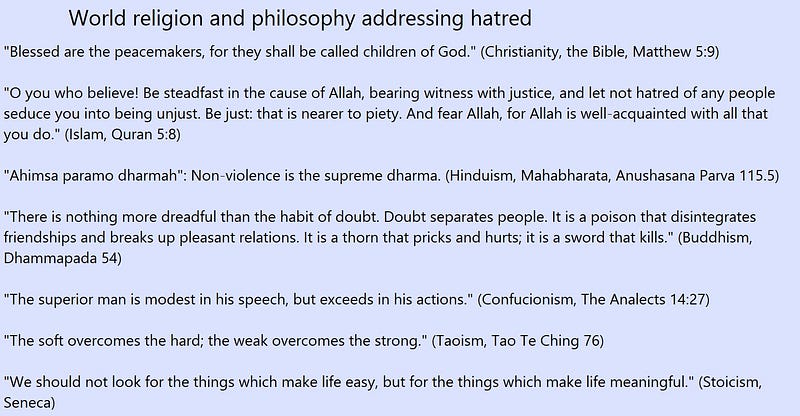
Challenging narrow-mindedness, harassment, & hatred
Could you be guilty of spreading hate speech leading to the potential eradication or oppression of a minority? Are you guilty if you remain silent, but tolerate it? Could a challenge to online shaming or harsh criticism help save someone’s life?
The answer to all three questions is “Probably.”
When normal people promote or tolerate ideas diminishing class, culture, or identity using language to describe others as cockroaches, barely human, or inferior, extremist views are supported and spread.
Self-esteem can be damaged irreparably when support is lacking.
Civil debate and discourse are needed. Deciding when, where, and how we draw the line that needs to be stepped over to get involved can be difficult. We need to be thoughtful and careful, using reason and context. Not quietly, because there needs to be a supportive counterbalance to the proliferation of lies and hatred.
People are reluctant to challenge hatred and negativity not aimed squarely at themselves. But these issues impact all of society. Change happens incrementally as voices are raised and bystanders get involved.
Had there not been a groundswell rejecting the KKK, crosses might still be burning on lawns. Attitudes towards gay men changed when a previously closeted community began to suffer visibly from AIDS and compassionate care was required.
Before we dive into how to challenge attitudes depressing everyone, we need to talk about online safety.
Protect your identity
I’m more familiar than most with cybersecurity and take reasonable precautions to protect myself online. However, as clever as I might be, I recognize being online means being discoverable. There are no foolproof ways to safeguard what you post, including messages and personal details.
A hacker may be smart, but there are large groups of intelligent people working together with better resources and cutting-edge tools.
Recently, I’ve seen tremendous growth in the number of spoofed, cloned, or spamming profiles on Medium. Responding to a post by Barack Obama, a user left a comment urging me to join the new “Barack” team via Snapchat. The same thing happened after replying to a story by another popular writer — Biz Stone. In both cases, the images and names were the same as the original authors.
More often, comments are left on my pieces claiming someone’s neighbor’s aunt is making $99 an hour doing Google searches from home. If I just click their website link, I may soon also be making easy money. So why are these profile users spamming writers for an assumed commission? They’re bots, not human.
In both these scenarios, reporting them to Medium (click on the 3 dots, select Report, and you’re done) takes care of the problem. It’s up to the community to keep their parks and streets clean and safe.
Occasionally a new follower on social media makes me uneasy and I check their profile pic. Almost always I find the same image is used for multiple accounts posting in many different languages.
Don’t assume a friendly profile picture wasn’t stolen or generated using Artificial Intelligence (AI). The location could easily be Iran, not Tulsa.
Because I know how quick and easy it is to have my likeness stolen, I use original artwork in my profile photos and recommend this to my friends. This makes it easy to spot if someone has cloned your account details. It’s upsetting and time-consuming when proving an imposter isn’t you.
This practice is especially useful for people who are targets of cyberbullying, stalking, harassment, and identity theft.
Apps used by sex traffickers seeking underage teens include Holla, Whisper, Askfm, MeetMe, and Calculator%.
Any electronic device with access to the Internet, including video games, provides online access to other websites and apps. TikTok and other apps normally accessed via cellphones are available on the internet.
The sites may promise encryption and anonymity, but in reality just takes a little more time and effort for law enforcement and bad actors to gain access to what many believe are protected messages and locations.
Unless you’re breaking the law or are in a position of being a potentially lucrative mark, chances are no one is going to try to track or identify you.
Just in case, messaging and email phishing are the most common ways bad actors reach out —
Pick your opportunities, not battles
When helping to mitigate online negativity, keep in mind it’s not necessary to share your own private information. Be calm and don’t engage in emotional tit-for-tat when addressing misinformation or hate speech. Dip a toe into warm water rather than cannonballing off a fighter helicopter into the frontlines of a war zone.
- Audit your own publicly available personal information online. Remove sensitive data that may be used in AI training and show up in responses.
- If necessary, create a secondary social media account separate from the one containing personal information.
- Don’t speculate or make statements not supported by evidence. Doing so invalidates the message. Take the high road. Leaving the equivalent of an idiot emoji may be tempting but negates the purpose.
- Cite facts and use positive, simple language. “According to Pew Research, most Americans support restrictions on the sale of automatic weapons to felons previously incarcerated for violent crimes.”
- Link to a neutral, generally accepted study. Using a source branded as extreme or untrustworthy is inviting pushback.
- Move on.
There will be those who discredit the source and make disparaging remarks about your intent, intelligence, and relatives.
Don’t stay for the after party.
How words and attitudes cost lives
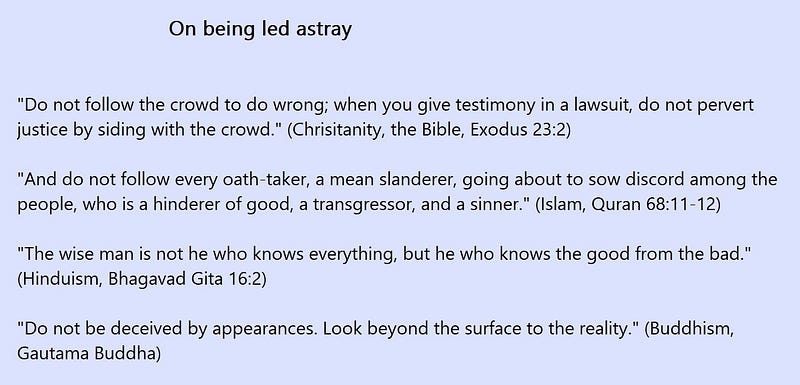
Trump’s words cost lives and billions of dollars on January 6, 2021, in his attempt to hold onto power. Extremists were exploited and manipulated in much the same way other world leaders have weaponized mobs.
The United Nations Global Focus YouTube video, “Hate Speech: Can Words Kill?” says they can. Romans, Germans, Rwandans, and scores of others convinced the majority that the minority was the enemy by denigrating religion, physical appearance, or learned behaviors.
Social media protects and promotes sensational, slanderous misinformation and attacks against vulnerable populations. Teens and marginalized groups are frequently ill-equipped to deal with viral ridicule.
Twitter (X), TikTok, Instagram, and Facebook are not provided as altruistic gifts to lift up and enlighten the masses. The reach and influence of these platforms and their ability to spread slanderous, harassing, and false material are enormous. There’s very little oversight or effort dedicated to protecting users.
Apps known to be exploited by sex traffickers trolling for underage teens include Holla, Whisper, Askfm, MeetMe, and Calculator%.
Conclusion
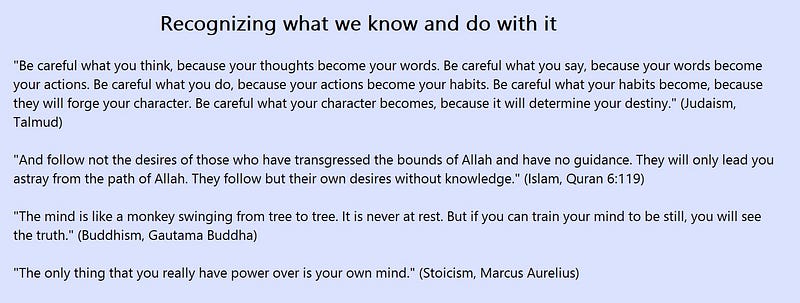
Some of the quotes I used are attributed to more than one religion or philosophy. This isn’t a mistake. Common themes and sentences are shared among popular world beliefs, songs, literature, and individual thoughts.
At the core, the common message is we should treat others with the same respect, compassion, and willingness to tolerate differences we’d like to experience for ourselves, our families, and our community.
The polarization of political, racial, and cultural views are reinforced automatically on the Internet as recommender algorithms play on our emotions and tendencies. If you need convincing, start a YouTube video on a controversial topic and let it run unattended.
After a friend directed me to a video about her Black niece being killed in Miami, I let the videos run while I was away. When I returned a video of a racist Black man attacking white people was playing. Not just a little racist — an alarmingly racist man calling for violence. What was most surprising to me was how quickly a video about one woman killed by an angry stranger went to police shootings of minorities, and then to calls for general violence. This is not representative of the majority views and fed misleading negative stereotypes.
There are many areas of the Internet demanding people take sides and claim your labels — left or right, straight or trans, black or white. The reality is we are all multi-layered and deserve to be treated with respect and protected from hate speech.
For AI and social media privacy and regulation concerns, contact your representative by entering your zip code on House.gov.
Thanks for reading.
Copyright © 2023 Patricia Jeanne
Recent serious pieces —
Satire:
Lizzie Lizard Brain has her own account and is talking trash. The satire here is less likely to offend.


