avatarJillian Enright

Summary

The website content discusses various aspects of the Autistic experience, including hyperlexia, micro-aggressions, and alexithymia, emphasizing the importance of acceptance and understanding during Autism Acceptance Month.

Abstract

The article aims to enhance awareness and acceptance of Autism by delving into common experiences among Autistic individuals, such as hyperlexia, a condition characterized by advanced reading abilities in children, which is often found in Autistic children. It also addresses the concept of micro-aggressions, particularly how they affect neurodivergent people who are part of marginalized groups, and the safety concerns related to their public behavior. Additionally, the article explores alexithymia, a difficulty in recognizing and expressing emotions, which is often misunderstood as Autistic people being unemotional. The piece underscores the intense emotions Autistic individuals may feel and clarifies misconceptions about their emotional capacity. The author encourages readers to join Medium for full access to these and other related stories, and promotes an AI service as a cost-effective alternative to ChatGPT Plus.

Opinions

  • The author suggests that while many Autistic children exhibit hyperlexia, not all do, and the conditions are not mutually inclusive.
  • There is an opinion that masking, or altering one's behavior to fit in, is a survival strategy for many neurodivergent people, especially those facing multiple forms of marginalization.
  • The author criticizes the harmful stereotype that Autistic people are emotionless, emphasizing that they experience emotions intensely, though they may struggle with identifying or expressing them.
  • The article implies that awareness campaigns can be harmful and that the focus should shift to acceptance and appreciation of Autistic individuals.
  • The author appears to endorse an AI service, ZAI.chat, as a recommendation to the readers, indicating a belief in its value and cost-effectiveness compared to other AI services like ChatGPT Plus.

Autism Awareness And Acceptance

April is almost over… do you feel more aware and accepting yet?
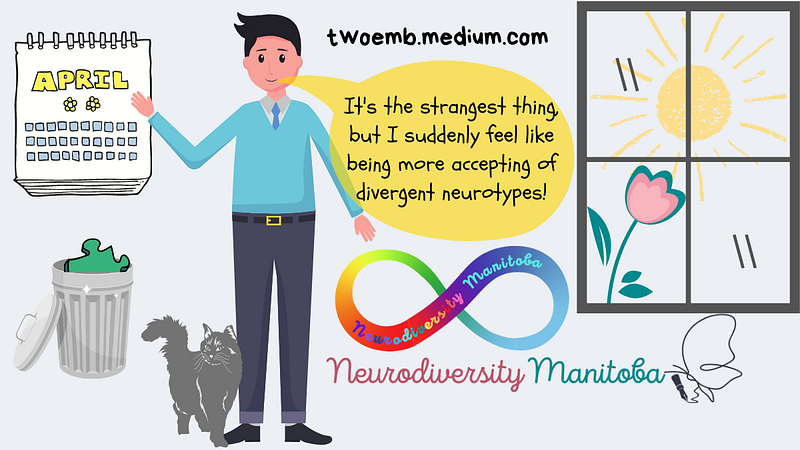
© Jillian Enright (image created by author)

To wind up Autism Acceptance Month, I’d like to share some articles about some common experiences amongst Autistics.

As always, these are common, meaning a lot of Autistic people experience them — this does not mean all Autistics experience them.

Hyperlexia

Hyperlexia is advanced and unexpected reading skills and abilities in children way beyond their chronological age.
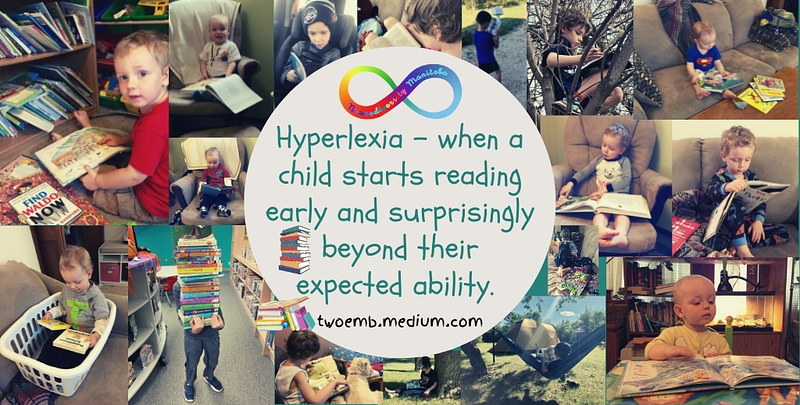
Photos by author

Hyperlexia is most common in, but not exclusive to, Autistic children.

Approximately 84% of hyperlexic kids are also autistic.

A child can be one and not the other, however; approximately 9–14% of autistic children are hyperlexic.

Micro-aggressions

For many neurodivergent people, especially those who are already part of a marginalized racial or ethnic group, marginalized genders, etc., masking is a mater of keeping themselves safe.

This is especially true when under duress. A person who is both visibly disabled and a visible minority can be in great danger if they behave in a way perceived as threatening in public.

Ableism and racism make people assume someone who is neurodivergent, disabled, and a visible minority is threatening simply by existing in the first place.

The disabled person’s actions will be seen through a racist lens, as onlookers’ prejudgements lead them to attribute the worst possible intentions to otherwise neutral behaviours.
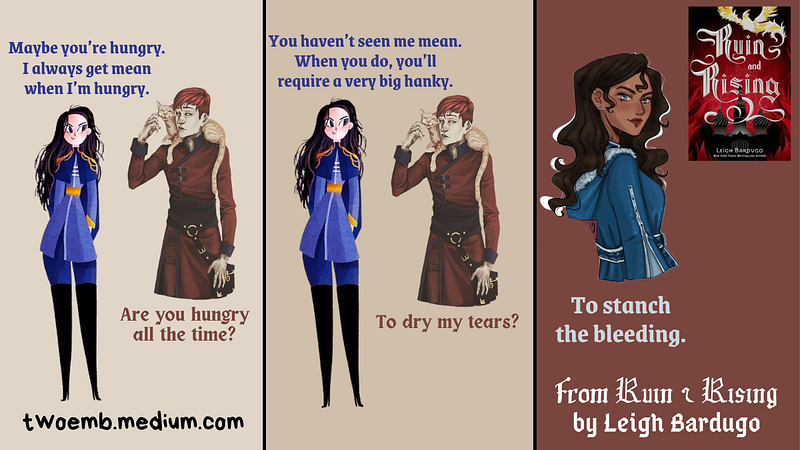
Books by Leigh Bardugo — (image created by author)

Alexithymia

Alexithymia refers to difficulty feeling, identifying, or recognizing emotions in oneself, and accurately identifying emotions in others.

This pathologization has been used to stereotype Autistic people as “unfeeling”, lacking in emotions, and unable to read the emotions of others.

This is a gross oversimplification that is harmful to many Autistic people.

While some Autistics may struggle to experience or identify emotions in the way that allistics (non-autistic people) do, that does not mean we do not feel emotions, not even close.

In fact, a lot of Autistics experience emotions very intensely, and those who do struggle to recognize and name emotions are not always Autistic.
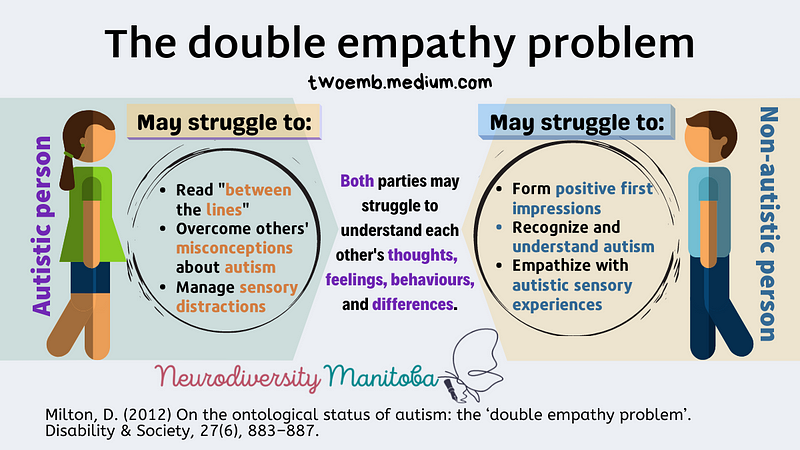
Created by author, based on research by Damian Milton

When you join medium, as a member you’ll have access to unlimited reads for only $5 per month. If you use my referral link, I’ll earn a small commission, and you’ll earn my undying gratitude.
Related Stories

Autism
Hyperlexia
Alexithymia
Microaggressions
Mental Health
Recommended from ReadMedium