avatarAshley

Free AI web copilot to create summaries, insights and extended knowledge, download it at here

4761

Abstract

’re often told that life is short. But sometimes, we really shouldn’t rush things. When things are done hastily, they require double work to get it smoothened over to be done well.</p><p id="4cd6">I started this article by rushing the writing process after having the idea. (It’s a week before my exam week right now) I had the format, how it looks like, and the overall picture. But as I wrote, I felt like I wasn’t serving the writers enough justice to the great articles they’ve written. I then slowed down and wrote with more patience. I went over the parts, then wrote the remainder of this article with a little more care.</p><h1 id="b8c1">12. Useless Things We Tell Young People by Cody Johnson</h1><div id="0204" class="link-block"> <a href="https://readmedium.com/useless-things-we-tell-young-people-952913cfe246"> <div> <div> <h2>Useless Things We Tell Young People</h2> <div><h3>Stop saying these things to children.</h3></div> <div><p>medium.com</p></div> </div> <div> <div style="background-image: url(https://miro.readmedium.com/v2/resize:fit:320/0*QvZ09IgNBTWpX_mY)"></div> </div> </div> </a> </div><p id="22a8">Takeaway: As a teacher, I’ll never tell these to my kids. I did not realise the impact that I had on my kids before I started teaching. I’m currently teaching piano. But as soon as these kids start sharing with me details about their lives, I realised that even though I’m only seeing them once a week, our connection is there. Things that I say beyond the scope of the curriculum holds a greater impact than I’ve ever expected. Certain things listed in the article are things that we’ve heard growing up from our parents, and I’m looking to not apply these to my own in the future. Some of them may seem harmless but can be detrimental to the hearts of young babies. It teaches them things and values that may affect their self-esteem and self-worth as they grow older.</p><p id="9ad0">Some of my highlights:</p><blockquote id="16b0"><p><i>Telling them that they can [be anything they want] sets them up for disappointment as they compare themselves to others who actually achieved their more-reasonable goals. That brings us into the next one…</i></p></blockquote><blockquote id="560e"><p><i>Not everyone is meant to be a doctor, lawyer, engineer, professor, or any other highly-academic professional. Help them make good decisions, but also let them make their own decisions. Let them fail sometimes.</i></p></blockquote><blockquote id="169a"><p><i>While obviously children should enjoy being children, this statement insinuates that they’re going to hate being an adult.</i></p></blockquote><blockquote id="4648"><p><i>This teaches children that their consent doesn’t matter. I would have rather he told me “You’re going to do this” instead of asking if I wanted to first, and then telling me I had to anyway.</i></p></blockquote><h1 id="e9b5">13. What Is Healthy? by Victoria Anteri</h1><div id="1db7" class="link-block"> <a href="https://readmedium.com/what-is-healthy-6c24f1f84f8c"> <div> <div> <h2>What Is Healthy?</h2> <div><h3>The end of self-improvement.</h3></div> <div><p>medium.com</p></div> </div> <div> <div style="background-image: url(https://miro.readmedium.com/v2/resize:fit:320/1*mLLCVEb5rUgs_xtnJw479Q.jpeg)"></div> </div> </div> </a> </div><p id="c46b">My takeaway: This article talks about the potential dangers of reading self-improvement.</p><blockquote id="33e2"><p><i>Was I trying to become a healthy efficient person or just their versions of healthy?</i></p></blockquote><p id="3d6e">I have too many highlights, mostly entire paragraphs. So I would not be sharing all of them here. Do check it out to see those instead! This article discusses what it truly means to be healthy from her perspective. I agree with the writer. To me, these are healthy ways to look at the different aspects of our lives that help us with working towards OUR version of that healthy image, instead of what’s been fed to us. Overall, very insightful read! I think this is very important to note for people who reads and writes self-help often, including myself.</p><p id="904a">14. Your Ideas for Self-Care Are Impacting Others</p><div id="1b65" class="link-block"> <a href="https://readmedium.com/what-is-healthy-6c24f1f84f8c"> <div> <div> <h2>What Is Healthy?</h2> <div><h3>The end of self-improvement.</h3></div

Options

            <div><p>medium.com</p></div>
          </div>
          <div>
            <div style="background-image: url(https://miro.readmedium.com/v2/resize:fit:320/1*mLLCVEb5rUgs_xtnJw479Q.jpeg)"></div>
          </div>
        </div>
      </a>
    </div><p id="5e56">My Takeaway: Self-care isn’t selfish. But in life, it’ll always require a balance for everything. And that also includes the way we view self-care. This is a very insightful read, and I have highlighted many portions from this article as well. Very insightful read. Certain concepts discussed may be counterintuitive or something that we’ve previously known. The thing is — how many of us have actually applied these to ourselves?</p><p id="a233">Some highlights:</p><blockquote id="4b41"><p><i>So, consider this. While you might be aware of steering clear of the negative impact of less-than-healthy behaviours of your peers, how often do you truly assess if you are the problem?</i></p></blockquote><blockquote id="3dbd"><p><i>At the end of the day, you are the easiest person to disappoint because you forgive yourself for it. You brush that injustice under the big old rug in your brain and you move on. But you also deepen your connection to the untruth that you can neglect yourself without consequence.</i></p></blockquote><blockquote id="a727"><p><i>So many people have become accustomed to martyrdom and to “unselfishly” giving all they have to others. Meanwhile, the most important gift they can offer to others is the example of caring for themselves.</i></p></blockquote><blockquote id="a481"><p><i>“If you lose yourself in the needs and wants of others, it’s difficult to keep your word to yourself, and you’ll be left with long-forgotten aspirations, downplayed dreams, and disintegrated goals.”</i></p></blockquote><blockquote id="a706"><p><i>You are important enough to show up for. You’re important enough to take a little time away from someone else. You’re important enough to allocate resources to yourself. And you are important enough to strategize ways to keep yourself well.</i></p></blockquote><h1 id="1814">15. How to Overcome Impostor Syndrome by Sorina Raluca Băbău</h1><div id="689c" class="link-block">
      <a href="https://readmedium.com/how-to-overcome-impostor-syndrome-5e4fc7d2ffe8">
        <div>
          <div>
            <h2>How to Overcome Impostor Syndrome</h2>
            <div><h3>The 5 types of impostors and what to do about them.</h3></div>
            <div><p>medium.com</p></div>
          </div>
          <div>
            <div style="background-image: url(https://miro.readmedium.com/v2/resize:fit:320/1*o9K2g4W-S0edaUf0kzucww.jpeg)"></div>
          </div>
        </div>
      </a>
    </div><p id="7c7c">My takeaway: As someone who struggled with imposter syndrome for years but did not realise it until the past year, this is a valuable read that I’ve curated. This article discusses how imposter syndrome gets triggered and its impacts on the different types of people who suffer from it, as well as how to overcome it — as the title suggests. To me, the interesting part of this article is that it suggests the different types of people who are likely to suffer from imposter syndrome.</p><p id="85ac">Key highlights (too many, just going to select a few to include here):</p><blockquote id="7d05"><p><i>A great way of thinking about the impostor syndrome is that whenever you start experiencing it, it’s </i><b>because you are stepping into something bigger than yourself.</b></p></blockquote><blockquote id="ee3f"><p><i>Impostor syndrome never shows up when you are still in a comfort zone and as we all know, there is no growth in the comfort zone. </i><b>Thus, impostor syndrome can be seen as a good indicator you are getting to the next level in your life.</b></p></blockquote><p id="0a15">A very valuable read for the people suffering from this common syndrome. Do check it out and highlight the points that stood out to you as I did! It’ll be worth it.</p><p id="d4c4">This is a four-part series on 18 Medium articles I’ve curated. For the rest of the parts, do visit <a href="https://readmedium.com/5-18-medium-articles-i-curated-in-a-list-for-me-and-my-takeaways-c8c230d2b5af">Part 1</a>, <a href="https://readmedium.com/10-18-medium-articles-i-curated-in-a-list-for-me-and-my-takeaways-6fcd3421ae73">Part 2</a>, <a href="https://readmedium.com/18-18-medium-articles-i-curated-in-a-list-for-me-and-my-takeaways-bf6b2c689930">Part 4</a>.</p><p id="880b">For more stories from me, <a href="https://ashleywritess.medium.com/subscribe">subscribe to my email notifications</a> to be notified when I share something new.</p></article></body>

Part 3 of 4–18 Medium articles I curated

Part 3: 15/18 Medium Articles I Curated In A List For Me, And My Takeaways

Amazing articles that serve as reminders and others providing insightful food for thoughts
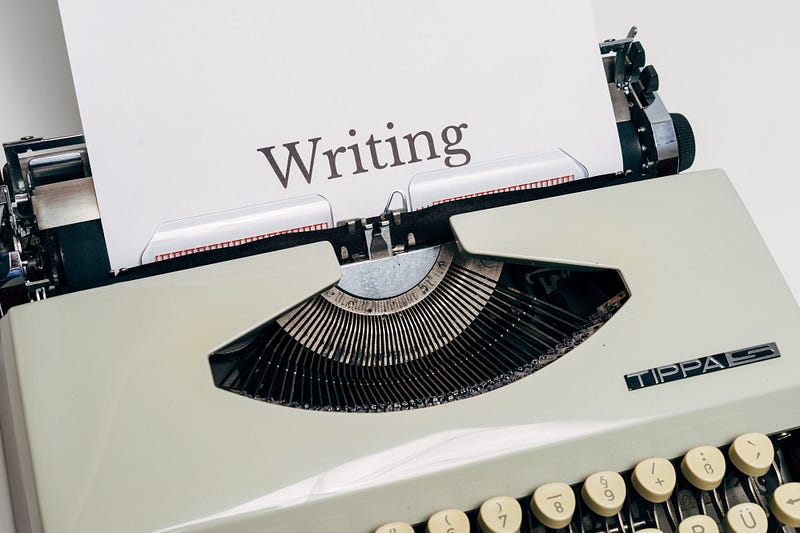
Photo by Markus Winkler on Unsplash

Over the past month on Medium as an avid reader and writer, I’ve been curating articles that I enjoy or want to keep for myself to serve as a reminder of any sort. Here’s a small collection of them, broken into a 4 part series. Each part consists of 5 articles, with the last one containing 3.

Here’s the link to the full list:

And here are the links to the various parts.

Part 1, Part 2, Part 4.

List to this series:

I’ve included some of my highlights from these articles. For those without or with minimal featured highlights, there’s simply just too many that I’ve highlighted within the linked article. For others, it’ll give away the point of the article.

11. You’re Not Good Enough Yet and That’s a Great Thing by Michael Thompson

My takeaway: Thinking back on the what-ifs, and how things happened the way they did. If I had done something the other way, or if I had taken the same opportunity at another time in my life, how much would really change? I’ve never had an answer, and I know that I never will. All I know is, it will definitely be very, very different. Everything happened and happens the way it is, and everything leads us to where we are right now. The writer shares his experience and makes the article a very insightful read and leaves us food for thought.

Some highlights:

Some days, I beat myself up for not advancing the book earlier and easier. But contrary to what I may have thought, I was good enough — I just wasn’t good enough “yet” to write the book I wanted to write.

And it’s this little word — “yet” — that makes all the difference.

But when comparing my work today to two years ago, even though it doesn’t always feel like it, I’m miles ahead.

My favourite one:

After all, sometimes the missing ingredient between who you want to be and what you want to do is time.

If you feel the same way about something you’re passionate about, remind yourself that even though our days can feel short, life is long.

We’re often told that life is short. But sometimes, we really shouldn’t rush things. When things are done hastily, they require double work to get it smoothened over to be done well.

I started this article by rushing the writing process after having the idea. (It’s a week before my exam week right now) I had the format, how it looks like, and the overall picture. But as I wrote, I felt like I wasn’t serving the writers enough justice to the great articles they’ve written. I then slowed down and wrote with more patience. I went over the parts, then wrote the remainder of this article with a little more care.

12. Useless Things We Tell Young People by Cody Johnson

Takeaway: As a teacher, I’ll never tell these to my kids. I did not realise the impact that I had on my kids before I started teaching. I’m currently teaching piano. But as soon as these kids start sharing with me details about their lives, I realised that even though I’m only seeing them once a week, our connection is there. Things that I say beyond the scope of the curriculum holds a greater impact than I’ve ever expected. Certain things listed in the article are things that we’ve heard growing up from our parents, and I’m looking to not apply these to my own in the future. Some of them may seem harmless but can be detrimental to the hearts of young babies. It teaches them things and values that may affect their self-esteem and self-worth as they grow older.

Some of my highlights:

Telling them that they can [be anything they want] sets them up for disappointment as they compare themselves to others who actually achieved their more-reasonable goals. That brings us into the next one…

Not everyone is meant to be a doctor, lawyer, engineer, professor, or any other highly-academic professional. Help them make good decisions, but also let them make their own decisions. Let them fail sometimes.

While obviously children should enjoy being children, this statement insinuates that they’re going to hate being an adult.

This teaches children that their consent doesn’t matter. I would have rather he told me “You’re going to do this” instead of asking if I wanted to first, and then telling me I had to anyway.

13. What Is Healthy? by Victoria Anteri

My takeaway: This article talks about the potential dangers of reading self-improvement.

Was I trying to become a healthy efficient person or just their versions of healthy?

I have too many highlights, mostly entire paragraphs. So I would not be sharing all of them here. Do check it out to see those instead! This article discusses what it truly means to be healthy from her perspective. I agree with the writer. To me, these are healthy ways to look at the different aspects of our lives that help us with working towards OUR version of that healthy image, instead of what’s been fed to us. Overall, very insightful read! I think this is very important to note for people who reads and writes self-help often, including myself.

14. Your Ideas for Self-Care Are Impacting Others

My Takeaway: Self-care isn’t selfish. But in life, it’ll always require a balance for everything. And that also includes the way we view self-care. This is a very insightful read, and I have highlighted many portions from this article as well. Very insightful read. Certain concepts discussed may be counterintuitive or something that we’ve previously known. The thing is — how many of us have actually applied these to ourselves?

Some highlights:

So, consider this. While you might be aware of steering clear of the negative impact of less-than-healthy behaviours of your peers, how often do you truly assess if you are the problem?

At the end of the day, you are the easiest person to disappoint because you forgive yourself for it. You brush that injustice under the big old rug in your brain and you move on. But you also deepen your connection to the untruth that you can neglect yourself without consequence.

So many people have become accustomed to martyrdom and to “unselfishly” giving all they have to others. Meanwhile, the most important gift they can offer to others is the example of caring for themselves.

“If you lose yourself in the needs and wants of others, it’s difficult to keep your word to yourself, and you’ll be left with long-forgotten aspirations, downplayed dreams, and disintegrated goals.”

You are important enough to show up for. You’re important enough to take a little time away from someone else. You’re important enough to allocate resources to yourself. And you are important enough to strategize ways to keep yourself well.

15. How to Overcome Impostor Syndrome by Sorina Raluca Băbău

My takeaway: As someone who struggled with imposter syndrome for years but did not realise it until the past year, this is a valuable read that I’ve curated. This article discusses how imposter syndrome gets triggered and its impacts on the different types of people who suffer from it, as well as how to overcome it — as the title suggests. To me, the interesting part of this article is that it suggests the different types of people who are likely to suffer from imposter syndrome.

Key highlights (too many, just going to select a few to include here):

A great way of thinking about the impostor syndrome is that whenever you start experiencing it, it’s because you are stepping into something bigger than yourself.

Impostor syndrome never shows up when you are still in a comfort zone and as we all know, there is no growth in the comfort zone. Thus, impostor syndrome can be seen as a good indicator you are getting to the next level in your life.

A very valuable read for the people suffering from this common syndrome. Do check it out and highlight the points that stood out to you as I did! It’ll be worth it.

This is a four-part series on 18 Medium articles I’ve curated. For the rest of the parts, do visit Part 1, Part 2, Part 4.

For more stories from me, subscribe to my email notifications to be notified when I share something new.

New Writers Welcome
Writers Community
Read Medium Articles
Series
Writing Community
Recommended from ReadMedium