
β-Hydroxybutyrate: 2 Vital Role of Ketogenesis in the Brain for Dementia Prevention / Treatment
Ketosis can increase mitochondrial bioenergetics activation and brain-derived neurotrophic factor, resulting in the proliferation of neural progenitor and neural stem cells.
Non-members can read this important story via my friend link.
In 2000, when finalizing my doctoral research, I read a fascinating paper in the PNAS journal. During that time, I was studying the role of ketogenesis and gluconeogenesis in cognitive decline and impairment for dementia patients and brain performance for professionals. I also experimented with fasting and using a well-formulated ketogenic diet inspired by mentor Dr Stephen Phinney (MD/PhD). He helped me understand nutritional biochemistry.
Dr Phinney, an emeritus professor of nutrition, did not like me to fast for the long term, but he encouraged me to focus on nutritional ketosis. His concern was that I could lose muscles, which did not happen because well-managed fasting has nothing to do with starvation due to the biochemical effect of abundant growth hormone and the muscle-sparing effects of β-Hydroxybutyrate as an alternative energy source and a signaling molecule.
I have always intellectually and intuitively believed that ketones, especially β-Hydroxybutyrate, as a signaling molecule, are critical for brain health and cognitive function and are among the important research topics for neurodegenerative disorders. I am still passionate and optimistic about the future of β-Hydroxybutyrate; therefore, I wrote this important piece.
PNAS is a highly respected and peer-reviewed journal. It stands for the Proceedings of the National Academy of Sciences in the United States of America. The paper's title was “d-β-Hydroxybutyrate protects neurons in models of Alzheimer’s and Parkinson’s disease.”
The paper attracted my attention because I was passionate about β-Hydroxybutyrate. I saw it as a magical molecule created in our bodies through our millennial evolution, allowing us to survive famines and challenging times. My love relationship with β-Hydroxybutyrate continues as ketosis is a core lifestyle factor that helps me feel younger as I get older.
My confidence in the paper increased because of its scientific rigor and visionary conclusion, citing an opinion paper published in Nature in 1999 titled “Can biotechnology move us toward a sustainable society?” The paper in Nature was also well-received in tech communities and corporate organizations, which I used to support adopting emerging technologies.
I mentioned these exceptional and visionary papers because they inspired neuroscientists and cognitive scientists to understand ketosis's promising role in the brain and as a tool to prevent and treat neurodegeneration. However, clinical trials and refinement of these findings are still needed to make ketosis mainstream. I am unsure whether I will witness this in my lifetime due to little focus and funding on this type of research.
While significant research funding is allocated to various areas, some may argue that certain essential matters receive disproportionately less attention. For instance, there appears to be a disparity in the allocation of resources towards investigating promising molecules inherent to our evolutionary history.
Moreover, the public awareness of these molecules may not be commensurate with their potential societal impact, possibly due to a lack of sensationalism in media coverage.
Nevertheless, positive developments are underway, with caring scientists and clinicians starting courageous and compassionate endeavors. For instance, in 2021, a case study was initiated to explore the potential impact of ketosis on neurogenesis for a patient with dementia, building upon theories formulated two decades ago. I summarize it below.
Moreover, a 2023 Frontiers review titled “Ketone bodies mediate alterations in brain energy metabolism and biomarkers of Alzheimer’s disease” covered the current research on how increasing ketones can support brain energy and discussed their potential effects on Alzheimer’s disease biomarkers, inflammation, oxidative stress, and mitochondrial function.
An Overview of the Old PNAS paper
The 2000 PNAS paper mentioned that their discovery that ketones can protect neurons in Alzheimer’s and Parkinson’s diseases aligns with previous findings suggesting common features between these conditions.
For example, Lewy body dementia, a clinically intermediate form of dementia, shares similarities with both diseases, and Parkinsonism is linked to dementia and characterized by Lewy bodies in the brain.
These Lewy bodies contain proteins like Alpha-Synuclein and Ubiquitin, indicating a shared problem in how cells break down proteins, possibly due to faulty energy production in mitochondria.
Their idea is supported by earlier research showing increased buildup of Amyloid-β peptide, a protein associated with Alzheimer’s, due to energy metabolism problems, reduced cerebral blood flow, or brain injuries.
Findings of a Case Study for a Dementia Patient in 2021
The title of the paper in the Journal of Alzheimer’s Disease Reports (peer-reviewed) is “A Non-Invasive Determination of Ketosis-Induced Elimination of Chronic Daytime Somnolence in a Patient with Late-Stage Dementia (Assessed with Type 3 Diabetes): A Potential Role of Neurogenesis” which is publicly available through IoPress.
The study involved a female patient diagnosed with late-stage dementia, with chronic daytime sleepiness as a prominent symptom. Their goal was to explore whether her dementia resulted from Type 3 diabetes and whether it could be reversed through ketosis therapy.
They used a ketogenic diet to produce low-dose 100 μM blood ketone levels and then enhanced it with a brief Ketone Mono Ester regimen to achieve high-dose 2–4 mM blood ketone levels for 87 days. The patient gained complete wakefulness at 85% in 50 days.
Their findings indicate that ketosis plays a role in eliminating chronic daytime sleepiness by permanently restoring the functioning of awake neural circuits in the Sleep-Wake cycle. They explored whether ketosis-driven energy production alone or other mechanisms contributed to eliminating sleepiness.
Considering the evidence of permanent repair in the patient, they discuss two direct connections between ketosis and the creation of new brain cells:
1 — Ketosis triggers brain-derived neurotrophic factor, encouraging the growth of neural progenitor/stem cells and
2 — Ketosis boosts mitochondrial energy production, promoting the formation of new stem cells
After this historical and contextual background, I want to introduce these two essential concepts in simple language so that you can understand them and consider ketosis safely to lower the risks of neurodegeneration and neuroinflammation through healthy lifestyle choices.
1 — Mitochondrial Bioenergetics Activation
First, I’d like to introduce mitochondria, the cellular powerhouses responsible for producing energy through adenosine triphosphate (ATP) through oxidative phosphorylation.
Ketosis induces changes in metabolism, leading to increased production of ketone bodies, such as beta-hydroxybutyrate, acetoacetate, and acetone. These ketone bodies can serve as alternative energy substrates for cells, particularly in tissues or organs with high energy demands, such as the brain.
Ketones are efficiently metabolized by mitochondria, leading to increased mitochondrial bioenergetics. This enhanced mitochondrial function may improve energy production, cellular resilience, and overall metabolic health.
The concept of “Mitochondrial Bioenergetics Activation” is the process aimed at enhancing mitochondrial function, particularly energy production (bioenergetics).
Mitochondria are tiny organelles within cells responsible for generating energy in the form of adenosine triphosphate, which is crucial for cellular processes improving our cellular health.
The activation of mitochondrial bioenergetics involves various mechanisms explained in scientific theories. These mechanisms optimize mitochondrial function to improve cellular energy production and cellular health.
The mechanisms underlying mitochondrial bioenergetics activation involve pathways that enhance mitochondrial biogenesis (creating new mitochondria), improve mitochondrial membrane potential, and optimize mitochondrial respiratory chain function.
Several theories underlie the concept of mitochondrial bioenergetics activation. One is the mitochondrial theory of aging, which suggests that age-related declines in mitochondrial function contribute to cellular aging and age-related diseases.
Another is the hormesis theory, which proposes that exposure to mild stressors, such as exercise or caloric restriction, can activate cellular stress response pathways, including mitochondrial biogenesis, leading to improved cellular function and resilience.
Mitochondrial dysfunction has been implicated in various neurological disorders, including dementia and other conditions causing cognitive decline. Improving mitochondrial function through bioenergetic activation has the potential to mitigate neuronal dysfunction and support cognitive health.
Ketosis, induced by ketogenic diets or fasting, may enhance mitochondrial bioenergetics by providing an alternative fuel source (ketones) that bypasses the blood-brain barrier, fixes mitochondrial defects, and improves brain energy production. This process may positively affect cognitive function and neuroprotection in dementia.
Activating mitochondrial bioenergetics can have profound implications for cellular health, energy metabolism, and physiological function. Enhancing mitochondrial function may improve energy production, enhance cellular resilience to stress, and support cellular processes critical for optimal health and function.
Mitochondrial bioenergetics activation has implications for various aspects of health and disease. It may affect aging, neurodegenerative diseases such as dementia, metabolic disorders, and cognitive function. Optimizing mitochondrial function through bioenergetics activation strategies may offer potential therapeutic benefits for these conditions.
Practices aimed at activating mitochondrial bioenergetics may include regular exercise, which has been shown to enhance mitochondrial biogenesis and function. Dietary interventions such as caloric restriction, intermittent fasting, or ketogenic diets may promote mitochondrial health. Additionally, certain supplements or pharmacological agents targeting mitochondrial function may be used. I introduce my 10-step routine for mitochondrial health before.
2 — Neural Progenitor and Neural Stem Cell Proliferation
Neural progenitor cells (NPCs) and neural stem cells (NSCs) are essential for neurogenesis, the process of generating new neurons in the brain. They play crucial roles in this process. NPCs are a type of stem cell found in the central nervous system that can differentiate into various types of neural cells, including neurons and glial cells.
The mechanisms underlying neurogenesis involve the proliferation, migration, differentiation, and integration of these cells into existing neural circuits. NPCs can self-renew through symmetric or asymmetric cell division, maintaining a pool of undifferentiated progenitor cells while simultaneously generating differentiated neural cells.
The presence and activity of NPCs and stem cells significantly impact brain function and neural health. Neurogenesis contributes to various cognitive processes, including learning, memory, and mood regulation.
Additionally, NPCs and neural stem cells play critical roles in brain development during embryogenesis and in the adult brain’s response to injury, stress, and environmental stimuli.
Neurogenesis dysregulation has been implicated in neurodevelopmental disorders, neurodegenerative diseases, and psychiatric conditions, illustrating the importance of understanding the mechanisms underlying NPC function.
Understanding NPC and stem cell biology has profound implications for neuroscience, regenerative medicine, and therapeutics. Using the regenerative potential of NPCs and stem cells holds promise for developing novel treatments for neurological disorders and injuries.
Strategies aimed at enhancing neurogenesis or promoting the differentiation and integration of NPCs into damaged brain regions may offer therapeutic avenues for conditions such as Alzheimer’s disease, Parkinson’s disease, stroke, and traumatic brain injury.
Furthermore, understanding the factors and signaling pathways that regulate NPC behavior can inform the development of targeted interventions to modulate neurogenesis for therapeutic purposes.
Several theoretical frameworks have been proposed to explain the regulation of neurogenesis and the function of NPCs in the brain.
One such framework is the neurogenic niche hypothesis, which asserts that specialized microenvironments within the CNS regulate NPC behavior and fate determination through cell-cell interactions, extracellular matrix components, and diffusible signaling molecules.
As documented in Cell, the term ‘neurogenic niche’ refers to the complex microenvironment supporting neural progenitor cells (NPCs), including neural stem cells (NSCs) and their progeny). The niche informs their decision to remain dormant or divide and provides signals that guide early stages of differentiation.
Other theories, such as the activity-dependent regulation of neurogenesis and the role of neurotrophic factors like BDNF and NGF, highlight the influence of environmental stimuli and molecular cues on NPC activity and neuronal differentiation.
Translating theories and research findings on NPCs and stem cells into clinical practice requires interdisciplinary collaboration and the development of innovative therapeutic strategies.
Clinical trials using stem cell-based therapies for neurological disorders are underway. Approaches range from cell replacement therapies to modulating endogenous neurogenesis through pharmacological interventions or neurostimulation techniques.
However, challenges remain, including ensuring the safety and efficacy of neural stem cell-based treatments, optimizing cell delivery methods, and addressing ethical considerations surrounding stem cell research and therapy.
BDNF (Brain-Derived Neurotrophic Factor) promotes the proliferation and differentiation of NPCs and NSCs, generating new neurons in the brain. It supports the survival of newly generated neurons and helps them establish connections with other neurons, a process essential for proper brain function and plasticity. BDNF regulates the migration of NPCs and NSCs to specific brain regions that are needed for cognitve functions. I shared my routine to improve BDNF in a previous story titled Here’s How to Increase BDNF with Five Lifestyle Habits.
Conclusions and Takeaways
As I explained in this story, ketosis has been shown to promote the proliferation of neural progenitor cells and neural stem cells in various brain regions, including the hippocampus, which is critical for learning and memory.
The hippocampus plays a crucial role in memory formation, consolidation, and spatial navigation. In dementia patients, such as those with Alzheimer’s disease, the hippocampus is often one of the first brain regions to be affected by neurodegeneration. The following illustration shows the hippocampus's location in the limbic system.
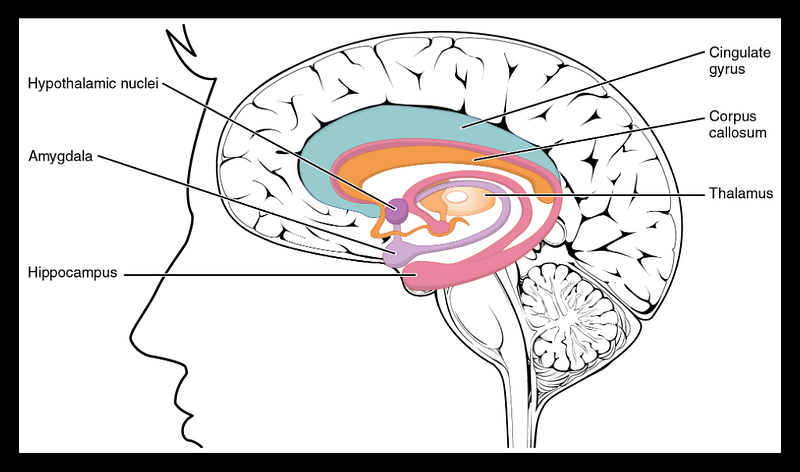
Damage to the hippocampus can lead to significant memory impairments and difficulties in spatial orientation, which are hallmark symptoms of dementia. Therefore, preserving the health and function of the hippocampus is essential for maintaining cognitive abilities and quality of life in dementia patients. I introduced Hippocampal Neurogenesis before.
Ketone bodies, especially β-Hydroxybutyrate, can act as signaling molecules (Molecular and Immunological Barrier Function Regulator), influencing longevity gene expression and cellular processes involved in cell proliferation and differentiation in the hippocampus.
As I cited from various papers, ketosis may support brain repair and regeneration by enhancing neural progenitor and neural stem cell proliferation and exerting multifaceted effects on cellular metabolism and physiology. This could offer therapeutic benefits for neurological disorders, including cognitive decline and impairment.
These effects highlight the potential of ketogenic diets and fasting as strategies to enhance brain health, promote neurogenesis, and potentially mitigate the progression of neurodegenerative diseases causing cognitive decline and impairment.
However, further research is needed to fully explain and clarify the mechanisms underlying these effects and optimize the application of ketosis for neurological health and longevity.
Though ketogenic diets and fasting look promising for metabolic and mental health disorders and are welcomed by many, they might not work for everyone. They may even be harmful for some people with underlying conditions such as unmanaged type I and type II diabetes.
Therefore, obtaining support and endorsement from qualified healthcare professionals is essential before starting these regimens.
Thank you for reading my perspectives. I wish you a healthy and happy life.
To inform my new readers, I wrote numerous articles that might inform and inspire you. Some of my topics include brain, mental health, cognitive function, significant health conditions, longevity, nutrition/food, valuable nutrients, ketogenic lifestyle, self-healing, weight management, writing/reading, and humor, including 100+ Insightful Life Lessons from My Circles for the Last 50+ Years.
I publish my health and wellness stories on EUPHORIA. My posts do not include professional or health advice. I only document my reviews, observations, experiences, and perspectives to provide information and create awareness.
If you are a writer, you are welcome to join my publications by sending a request via this link. I support 27K+ writers who contribute to my publications on this platform. I also have another profile to write and curate tech stories.
Importance and Value of Medium Friendship for Writers and Readers


