avatarDr Mehmet Yildiz

Free AI web copilot to create summaries, insights and extended knowledge, download it at here

8988

Abstract

he Next Level</a>.</i></p></blockquote><blockquote id="967a"><p><i>I also covered short-term memories, particularly working memory, which is essential for our survival. <a href="https://readmedium.com/here-are-12-steps-i-used-to-skyrocket-my-working-memory-cb7aa5f01674">Here is an article</a> introducing 12 steps to improve working memory.</i></p></blockquote><h2 id="9023">Insights from the Literature on the Effects of Fasting on Long-Term Memories: From Fruit Flies to Mice in a Decade</h2><p id="4c69">I read many theoretical studies on the effects of fasting. However, I came across <a href="https://www.science.org/doi/10.1126/science.1227170">the first groundbreaking research</a> published in the peer-reviewed journal Science in 2013. The paper was titled <b>Fasting Launches CRTC to Facilitate Long-Term Memory Formation in Drosophila</b>.</p><p id="ae25">Researchers using fruit flies (Drosophila) informed that forming lasting memories involves different processes for unpleasant experiences (aversive memory) versus pleasant ones (appetitive memory).</p><p id="7eaf">Aversive memory formation needs repeated training sessions, while appetitive memory can form after just one. Interestingly, fasting before training boosts the formation of both types of memories.</p><p id="8912">However, the two types of memories rely on different cellular activities. Aversive memory formation involves a brain protein called <b>CREB (<a href="https://www.frontiersin.org/articles/10.3389/fnmol.2018.00255/full"></a></b><a href="https://www.frontiersin.org/articles/10.3389/fnmol.2018.00255/full">The cAMP-response element binding protein</a>), which is active in specific neuron groups.</p><p id="4528" type="7">In contrast, appetitive memory relies on a different protein, CRTC (CREB-regulated transcriptional coactivators), which operates in different neurons. This shows that hunger influences the memory formation process the flies use.</p><p id="f93c">Fast-forward to 2021, and I came across another groundbreaking study published in Nature, another esteemed journal in the science community. <a href="https://www.nature.com/articles/s41380-021-01102-4">The paper's title</a> was <b>Intermittent fasting enhances long-term memory consolidation, adult hippocampal neurogenesis, and expression of longevity gene Klotho.</b></p><p id="15ec">As the researchers pointed out, both daily calorie restriction and intermittent fasting are known to improve longevity and cognition, but their specific effects and mechanisms remain unclear.</p><p id="7aba">In this unique study, researchers compared fasting, daily 10% caloric intake, and ad libitum (freely feeding conditions) in female mice over three months.</p><p id="cf54">They found that intermittent fasting, in the form of every-other-day feeding, enhanced long-term memory retention and increased the number of <a href="https://www.science.org/doi/10.1126/science.abk2346"><b>neuroblasts</b></a><b> </b>in the hippocampus compared to caloric restriction and freely feeding conditions.</p><p id="7aac">Their microarray analysis revealed that the longevity gene <a href="https://www.jlifestylemed.org/journal/view.html?volume=5&amp;number=1&amp;spage=1&amp;year=2015">Klotho</a> (Kl) was upregulated in the hippocampus only with intermittent fasting. Further experiments with human hippocampal progenitor cells and Kl knockout mice confirmed Kl’s role in adult hippocampal neurogenesis and memory enhancement under IF conditions.</p><p id="04ef" type="7">Their conclusion was “these findings suggest that intermittent fasting is more effective than 10% caloric restriction in improving memory and identify Kl as a key molecule regulating the effects of intermittent fasting on cognition, likely through enhancing hippocampal neurogenesis.</p><h2 id="4d8e">An Overview of Hippocampal Neurogenesis</h2><p id="711e"><a href="https://www.jneurosci.org/content/41/12/2541">Hippocampal neurogenesis</a> refers to generating new neurons in the hippocampus, a brain region associated with learning, memory, and spatial navigation. This process occurs throughout life, particularly in the <a href="https://www.sciencedirect.com/science/article/abs/pii/S0079612307630015?via%3Dihub"><b>dentate gyrus</b></a> region of the hippocampus.</p><p id="2621">The process begins with <a href="https://pathsocjournals.onlinelibrary.wiley.com/doi/10.1002/path.1189"><b>neural stem cells</b></a><b> (NSCs)</b>, precursor cells capable of differentiating into various types of neurons. NSCs divide and proliferate, producing progenitor cells called neuroblasts.</p><p id="a831">As documented <a href="https://link.springer.com/chapter/10.1007/978-3-030-31206-0_4">in this 2020 paper</a>, “Neural stem cell transplantation has provided the basis for the development of potentially powerful new therapeutic cell-based strategies for a broad spectrum of clinical diseases, including stroke, psychiatric illnesses such as fetal alcohol spectrum disorders, and cancer.”</p><p id="1124"><a href="https://www.science.org/doi/10.1126/science.abk2346">Neuroblasts</a> migrate to their target location within the hippocampus. Once in place, neuroblasts mature into functional neurons, integrating into existing neural circuits. Studies on neuroblasts started in the 1990s.</p><p id="4b9d">This 1997 paper <a href="https://www.cell.com/trends/genetics/abstract/S0168-9525(96)10050-0?_returnURL=https%3A%2F%2Flinkinghub.elsevier.com%2Fretrieve%2Fpii%2FS0168952596100500%3Fshowall%3Dtrue">in Cell</a> stated that “Recent studies on neuroblasts, a group of neural stem cells responsible for generating various neurons and glial cells in the central nervous system, have revealed exciting mechanisms that underlie self-renewing asymmetric division.”</p><p id="a8aa">Hippocampal neurogenesis plays a crucial role <a href="https://www.hindawi.com/journals/np/2015/717958/">in learning and memory processes.</a> New neurons contribute to the formation of memories and facilitate the encoding of new information.</p><p id="495f">Studies, as cited <a href="https://www.ncbi.nlm.nih.gov/pmc/articles/PMC9167750/">in this Nature paper</a>, suggest that hippocampal neurogenesis may influence mood regulation and emotional processing, potentially playing a role in conditions like depression and anxiety.</p><p id="1c40">For example, as documented <a href="https://www.nature.com/articles/s41380-022-01520-y">in this paper in Nature</a>, “More recently, there has been a paradigm shift towards a neuroplasticity hypothesis of depression in which downstream effects of antidepressants, such as increased neurogenesis, contribute to improvements in cognition and mood.”</p><p id="a38c">Neuroplasticity refers to the brain’s ability to change in response to outside influences like early life challenges or ongoing stress, as well as internal factors like genetics or chemical effects. These changes can be seen in the brain’s structure (such as cell numbers or synaptic proteins) and function (like how neurons communicate).</p><p id="fae0">Generating new neurons is associated with cognitive flexibility and adapting to changing environments and circumstances. <a href="https://readmedium.com/heres-how-i-activated-neurogenesis-and-transformed-my-depressive-mind-into-a-joyful-one-in-5-steps-36c23979987"><b>Neurogenesis</b></a><b> </b>contributes to neural plasticity, the brain’s ability to reorganize and adapt in response to experience.</p><p id="038d">Neurogenesis, the formation of new neurons, is implicated in various aspects of memory and cognition. It aids in memory consolidation, converting short-term memories into long-term ones.</p><p id="d6f8">Additionally, neurogenesis may support pattern separation, enabling the brain to distinguish between similar memories. Moreover, it could play a role in stress regulation by modulating the brain’s response to stress and the release of stress hormones like <a href="https://readmedium.com/three-tips-to-optimize-cortisol-to-melt-belly-fat-and-keep-lean-muscles-9fba2e12868e">cortisol</a>. These findings highlight the multifaceted role of neurogenesis in memory and other cognitive processes.</p><p id="d4cc">Hippocampal neurogenesis represents a dynamic process with significant implications for brain function, cognition, and mental health. Ongoing research continues to elucidate the mechanisms underlying neurogenesis and explore its potential therapeutic applications.</p><p id="f436">As documented <a href="https://www.nature.com/articles/s41380-018-0036-2">in another Nature paper in 2018</a>, dysregulation of hippocampal neurogenesis has been implicated in various neurological and psychiatric disorders, including Alzheimer’s disease, depression, and epilepsy.</p><p id="0307">Enhancing neurogenesis may offer therapeutic benefits for cognitive decline and mood disorders. Strategies to promote <a href="https://readmedium.com/heres-how-i-activated-neurogenesis-and-transformed-my-depressive-mind-into-a-joyful-one

Options

-in-5-steps-36c23979987">neurogenesis</a> include physical exercise, fasting, restorative sleep, environmental enrichment, and specific pharmacological interventions.</p><h2 id="4ee1">Practical Tips to Start Fasting</h2><p id="4868">Some people easily fast, but it might be very challenging for beginners. As I used to eat three meals and three snacks in my younger years, the easiest way was to stop snacks and cut breakfast as I did not feel hungry in the morning. This approach helped me to make my body insulin-sensitive and <a href="https://readmedium.com/6-reasons-to-shift-from-sugar-to-fat-burning-state-and-6-steps-to-attain-it-54a0c92881ee">fat-adapted</a>.</p><p id="baf8">When the body becomes insulin-sensitive and adapted, fasting can be very easy. Nowadays, I eat <a href="https://readmedium.com/10-stunning-benefits-of-living-with-a-one-meal-a-day-regimen-2e218557e25a">one meal a day</a> and do 2 to 10-day fasts several times a year, depending on my schedule and feelings.</p><p id="5ddc">The most important thing is to be aware of <a href="https://readmedium.com/how-to-reduce-side-effects-of-fasting-with-seven-proven-tips-6d1c999b378a">the side effects of fasting</a>, such as keto flu, which are mainly caused by losing significant fluids and essential minerals like magnesium, sodium, and potassium, which are critical for health.</p><p id="d78c">In addition, fasting can be risky and even dangerous for some people with underlying conditions like type I and type II diabetes, as it might cause <a href="https://www.ncbi.nlm.nih.gov/books/NBK534848/">ketoacidosis</a>. Those people will need medical supervision.</p><h2 id="b014">Conclusions and Takeaways</h2><p id="571e">As I have been fasting intermittently and <a href="https://readmedium.com/my-unusual-celebration-of-new-years-4646ccd78836">long-term occasionally</a> for over 30 years, I know it works for me. Fasting improved my physical health and enhanced my neurological, cognitive, and mental health. However, it might not work for everyone and may require medical supervision for some.</p><p id="7b33">From a physical aspect, <a href="https://readmedium.com/how-ketosis-can-lower-chronic-inflammation-and-improve-metabolic-and-mental-health-in-6-ways-b10e0f0274cc">ketosis through fasting's</a> most important contribution was lowering chronic inflammation and reducing arthritis symptoms while preventing <a href="https://readmedium.com/why-should-we-care-about-fungi-as-much-as-bacteria-or-viruses-b1d988b48db1">fungal</a>, bacterial, or viral <a href="https://readmedium.com/fasting-can-lower-the-risks-of-infections-and-speed-up-recovery-20b42bc2efa7">infections</a>. In addition, fasting helped me reverse <a href="https://readmedium.com/as-a-scientist-former-prediabetic-i-optimistically-believe-type-ii-diabetes-is-preventable-and-8ad237051819">my prediabetes</a> and <a href="https://readmedium.com/understanding-the-nuances-of-4-types-of-obesity-72ec6d2b926b">abdominal obesity</a>.</p><p id="ec7c">From cognitive and mental aspects, it helped me to recover from <a href="https://readmedium.com/heres-how-i-defeated-brain-fog-with-six-lifestyle-habits-decades-ago-f72609bcd6a9">brain fog</a>, mood fluctuations caused by glucose imbalance and <a href="https://readmedium.com/what-is-insulin-resistance-sensitivity-why-should-we-care-about-them-ad0d311f3499">insulin resistance</a>, and mild depression and anxiety, most likely caused by chronic inflammation and chronic stress. Fasting also helped me define my body, <a href="https://readmedium.com/how-to-get-six-pack-abs-without-destroying-our-health-62d684ff776a">giving me six-pack abs after my 50s</a> and eliminating <a href="https://readmedium.com/three-tips-to-eliminate-loose-skin-196ee8c4b65b">loose skin</a>.</p><p id="3f74">Initially starting as a skeptic, my diligent and sensible experimentation convinced me to continue fasting as <a href="https://readmedium.com/heres-what-made-me-healthier-and-younger-after-50-f98efe44771e">the older I get, the younger I feel</a> physically and mentally.</p><p id="ed6f">There are not enough studies about fasting in humans. However, as in many cultures and religions, fasting has been a therapeutic tool for thousands of years. Recent studies show promise in the physical and mental health benefits of well-formulated and customized fasting.</p><p id="b505">Like fasting, I also focus on physical exercise and restorative sleep, as they all have common hormonal impacts on the brain. They all increase <a href="https://readmedium.com/the-brain-must-be-in-growth-mode-with-optimized-bdnf-ngf-to-prevent-neurological-and-mental-4d79eb9c94fc"><b>BDNF, NGF</b></a>, and <a href="https://readmedium.com/how-i-naturally-increased-my-growth-hormone-to-enhance-my-metabolic-health-f651a5b24c7"><b>the human growth hormone</b></a>. My findings indicate that when the cells in the body, especially neurons in the brain, are not fed for a while, they attempt to grow. I see this as the paradox of nature.</p><p id="84bf">Thank you for reading my perspectives. I wish you a healthy and happy life.</p><div id="85e6" class="link-block"> <a href="https://readmedium.com/the-brain-must-be-in-growth-mode-with-optimized-bdnf-ngf-to-prevent-neurological-and-mental-4d79eb9c94fc"> <div> <div> <h2>BDNF & NGF: The Brain Must Be in a Growth Mode to Prevent Neurological & Mental Health Issues</h2> <div><h3>Neurotrophin proteins help neurons form new connections and strengthen existing ones, which is essential for cognitive…</h3></div> <div><p>medium.com</p></div> </div> <div> <div style="background-image: url(https://miro.readmedium.com/v2/resize:fit:320/1*ifAZD7Lo_3_Vad38YpF0kQ.png)"></div> </div> </div> </a> </div><p id="ac88">To inform my new readers, I wrote numerous articles that might inform and inspire you. Some of my topics include <a href="https://dr-mehmet-yildiz.medium.com/list/c8a80b8c613f">brain, mental health, cognitive function</a>, <a href="https://dr-mehmet-yildiz.medium.com/list/aacf56086ae9">significant health conditions</a>, <a href="https://dr-mehmet-yildiz.medium.com/list/372572eaad7d">longevity</a>, <a href="https://dr-mehmet-yildiz.medium.com/list/400b711bb77c">nutrition/food</a>, <a href="https://medium.com/@dr-mehmet-yildiz/list/valuable-nutrients-and-supplements-024e180d87c3">valuable nutrients</a>, <a href="https://medium.com/@dr-mehmet-yildiz/list/ketosis-and-ketogenic-lifestyle-47c6de08a6d0">ketogenic lifestyle</a>, <a href="https://medium.com/@dr-mehmet-yildiz/list/fasting-ketosis-autophagy-mitophagy-0b05abbbc54a">self-healing</a>, <a href="https://medium.com/@dr-mehmet-yildiz/list/weight-loss-muscle-gain-ebd4707b5d08">weight management</a>, <a href="https://medium.com/@dr-mehmet-yildiz/list/writing-content-development-marketing-strategy-guides-fc011f20d2db">writing/reading</a>, and <a href="https://medium.com/@dr-mehmet-yildiz/list/my-hilarious-stories-to-tickle-your-funny-bones-9eeaab8900ae">humor</a>, including <a href="https://readmedium.com/100-insightful-life-lessons-from-my-circles-for-the-last-50-years-92c4e12840b0">100+ Insightful Life Lessons from My Circles for the Last 50+ Years</a>.</p><p id="4e08">I publish my health and wellness stories on <a href="https://medium.com/sensible-biohacking-transhumanism"><b>EUPHORIA</b></a>.<b><i> </i></b>My posts do not include professional or health advice. I only document my reviews, observations, experiences, and perspectives to provide information and create awareness.</p><p id="bc25">If you are a writer, you are welcome to join <a href="https://readmedium.com/master-copy-onboarding-new-writers-d20e5ad97a86">my publications</a> by sending a request <a href="https://digitalmehmet.com/contact">via this link.</a> I support 27K+ writers who contribute to <a href="https://readmedium.com/1d7c52c1f8b6">my publications</a> on this platform. I also have <a href="https://medium.com/@technnology-hits">another profile</a> to <a href="https://readmedium.com/d92894276f92">write and curate tech stories</a>.</p><div id="744a" class="link-block"> <a href="https://dr-mehmet-yildiz.medium.com/subscribe"> <div> <div> <h2>Get an email whenever Dr Mehmet Yildiz publishes. He is a top writer and editor on Medium.</h2> <div><h3>undefined</h3></div> <div><p>undefined</p></div> </div> <div> <div style="background-image: url(https://miro.readmedium.com/v2/resize:fit:320/0*-rT4lxsdP_1ScAO0)"></div> </div> </div> </a> </div><p id="bb6f"><a href="https://readmedium.com/importance-and-value-of-medium-friendship-for-writers-and-readers-bb576ae0bd0a"><b>Importance and Value of Medium Friendship for Writers and Readers</b></a></p></article></body>

Hippocampal Neurogenesis: Can Fasting and Related Practices Improve Long-Term Memory?

Dysregulation of hippocampal neurogenesis has been implicated in various neurological and psychiatric disorders, including Alzheimer’s disease, depression, and epilepsy.

Non-members can read this important story via my friend link.
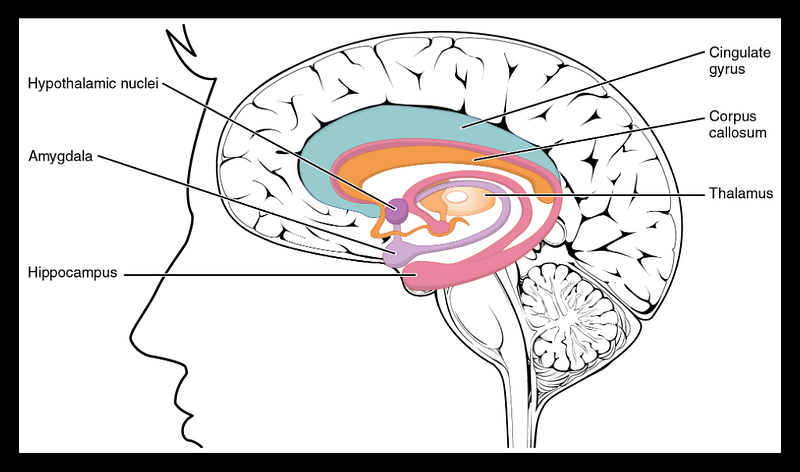
Image courtesy of Wiki Commons

By using a top-down approach, in this story, I first provide an overview of human memories, then introduce two groundbreaking studies published in Science and Nature related to the promising effects of fasting on long-term memories, and explain a concept called Hippocampal Neurogenesis based on my years of research in cognitive science.

I wrote this story because no lifestyle intervention helped me improve my physical and mental health as much as fasting. Therefore, I am passionate about reading research in this field. This does not mean that I blindly accept every claim in papers. I read studies with an open mind but remain critical to enhance my knowledge and understanding and satisfy my intellectual curiosity.

Although fasting is a valuable tool and intervention for health improvement, it goes beyond being a tool for me. I made fasting a lifestyle, like other related ones, such as restorative sleep and customized workouts. They are all related as they have hormonal and caloric deficit effects on the brain, other organs, and systems. Fasting affects us at cellular and genetic levels. Like meditation, fasting can change the brain chemistry and structure. One key biochemical process is ketogenesis and gluconeogenesis, which I explained before.

When we fast, exercise, and sleep, we burn calories, and the body increases some hormones and decreases others. This paradoxical hormonal shift can reduce energy and create growth factors in our cells, particularly neurons. As I mentioned in previous stories, the best way to prevent neurodegeneration like dementia and psychiatric disorders like depression is to put the brain in a growth mode.

What is long-term memory, and why does it matter?

Before defining long-term memory, we first need to understand what memory means. Human memories, unlike electronic machine memories, are intangible. Our memories are abstract constructs that exist as patterns of neuronal activity and synaptic connections within the brain’s complex network of neurons.

Our memories are mental constructs that we cannot physically touch, see, hear, taste, or measure in the same way as physical objects. Like any other cognitive function, such as attention, focus, learning, and decision-making, memories are also mental and non-biological.

Human memories are subjective experiences shaped by various factors, including attention, perception, emotion, and context. They can be influenced by individual differences, cognitive biases, and distortions, leading to variations in how people remember and interpret past events.

Scientists believe that memories are stored in distributed neural networks throughout the brain. For example, when we encode new information or recall existing memories, specific patterns of neuronal activation occur, leading to the retrieval or reconstruction of the stored information.

Human memories are the cognitive representations of past experiences, knowledge, skills, and perceptions stored in the brain. They are the foundation of our ability to learn, adapt, and interact with the world around us.

From a process perspective, human memories involve multiple processes, like encoding (the initial processing of information), storage (the retention of encoded information over time), and retrieval (the process of accessing stored information when needed).

Before explaining long-term memories, I want to touch on short-term memories briefly. Short-term memory (working memory) is a system responsible for temporarily holding and manipulating information needed for cognitive tasks such as reasoning, comprehension, and problem-solving.

Short-term memory is the ability to retain a small amount of information over a short period (from a few seconds to several minutes) without rehearsal. Unlike long-term memory, short-term memory is more transient and has limited capacity.

Long-term memory is the conceptual storage system responsible for retaining information over extended periods, ranging from minutes to years and even a lifetime. Unlike short-term memory, long-term memory stores information in a more enduring and stable manner, allowing us to access and retrieve it when needed later.

Long-term memory is essential for cognitive functioning, learning, adaptation, self-understanding, decision-making, communication, and emotional well-being.

Our long-term memories form the basis of our knowledge, identity, and experiences, shaping every aspect of our lives. Understanding the mechanisms underlying long-term memories and strategies for enhancing their formation and retrieval can have profound implications for many disciplines, such as education, psychology, neuroscience, history, business, and others.

Long-term memory allows us to retain and access vast knowledge accumulated over time, including learning, personal experiences, and cultural information. This stored knowledge forms the foundation for understanding the world and informs our actions and behaviors.

Long-term memory enables us to learn from past experiences and adapt our behavior accordingly. By recalling and reflecting on past events, we can make informed decisions, anticipate future outcomes, and modify our responses to changing circumstances.

Our long-term memories contribute to the formation of our identities and self-concepts. They shape our beliefs, values, preferences, and personality traits, providing a sense of continuity and coherence to our lives. Memories of significant life events and personal achievements contribute to our sense of self and help us understand who we are.

Long-term memory provides a reservoir of information we can draw upon to solve problems and make decisions. By accessing relevant knowledge and past experiences stored in long-term memory, we can evaluate options, anticipate consequences, and make informed choices.

Long-term memory stores our vocabulary, grammar rules, and semantic knowledge, enabling language comprehension and production. It allows us to communicate effectively, express our thoughts and ideas, and understand the messages conveyed by others.

Memories of past experiences, particularly emotional events, affect our emotional regulation and well-being. By recalling past successes, coping strategies, and sources of support, we can regulate our emotions, cope with stress, and maintain mental resilience.

One type of long-term memory is called procedural memory. I explained it in a previous story titled How Mastering Procedural Memory Can Take Your Writing to the Next Level.

I also covered short-term memories, particularly working memory, which is essential for our survival. Here is an article introducing 12 steps to improve working memory.

Insights from the Literature on the Effects of Fasting on Long-Term Memories: From Fruit Flies to Mice in a Decade

I read many theoretical studies on the effects of fasting. However, I came across the first groundbreaking research published in the peer-reviewed journal Science in 2013. The paper was titled Fasting Launches CRTC to Facilitate Long-Term Memory Formation in Drosophila.

Researchers using fruit flies (Drosophila) informed that forming lasting memories involves different processes for unpleasant experiences (aversive memory) versus pleasant ones (appetitive memory).

Aversive memory formation needs repeated training sessions, while appetitive memory can form after just one. Interestingly, fasting before training boosts the formation of both types of memories.

However, the two types of memories rely on different cellular activities. Aversive memory formation involves a brain protein called CREB (The cAMP-response element binding protein), which is active in specific neuron groups.

In contrast, appetitive memory relies on a different protein, CRTC (CREB-regulated transcriptional coactivators), which operates in different neurons. This shows that hunger influences the memory formation process the flies use.

Fast-forward to 2021, and I came across another groundbreaking study published in Nature, another esteemed journal in the science community. The paper's title was Intermittent fasting enhances long-term memory consolidation, adult hippocampal neurogenesis, and expression of longevity gene Klotho.

As the researchers pointed out, both daily calorie restriction and intermittent fasting are known to improve longevity and cognition, but their specific effects and mechanisms remain unclear.

In this unique study, researchers compared fasting, daily 10% caloric intake, and ad libitum (freely feeding conditions) in female mice over three months.

They found that intermittent fasting, in the form of every-other-day feeding, enhanced long-term memory retention and increased the number of neuroblasts in the hippocampus compared to caloric restriction and freely feeding conditions.

Their microarray analysis revealed that the longevity gene Klotho (Kl) was upregulated in the hippocampus only with intermittent fasting. Further experiments with human hippocampal progenitor cells and Kl knockout mice confirmed Kl’s role in adult hippocampal neurogenesis and memory enhancement under IF conditions.

Their conclusion was “these findings suggest that intermittent fasting is more effective than 10% caloric restriction in improving memory and identify Kl as a key molecule regulating the effects of intermittent fasting on cognition, likely through enhancing hippocampal neurogenesis.

An Overview of Hippocampal Neurogenesis

Hippocampal neurogenesis refers to generating new neurons in the hippocampus, a brain region associated with learning, memory, and spatial navigation. This process occurs throughout life, particularly in the dentate gyrus region of the hippocampus.

The process begins with neural stem cells (NSCs), precursor cells capable of differentiating into various types of neurons. NSCs divide and proliferate, producing progenitor cells called neuroblasts.

As documented in this 2020 paper, “Neural stem cell transplantation has provided the basis for the development of potentially powerful new therapeutic cell-based strategies for a broad spectrum of clinical diseases, including stroke, psychiatric illnesses such as fetal alcohol spectrum disorders, and cancer.”

Neuroblasts migrate to their target location within the hippocampus. Once in place, neuroblasts mature into functional neurons, integrating into existing neural circuits. Studies on neuroblasts started in the 1990s.

This 1997 paper in Cell stated that “Recent studies on neuroblasts, a group of neural stem cells responsible for generating various neurons and glial cells in the central nervous system, have revealed exciting mechanisms that underlie self-renewing asymmetric division.”

Hippocampal neurogenesis plays a crucial role in learning and memory processes. New neurons contribute to the formation of memories and facilitate the encoding of new information.

Studies, as cited in this Nature paper, suggest that hippocampal neurogenesis may influence mood regulation and emotional processing, potentially playing a role in conditions like depression and anxiety.

For example, as documented in this paper in Nature, “More recently, there has been a paradigm shift towards a neuroplasticity hypothesis of depression in which downstream effects of antidepressants, such as increased neurogenesis, contribute to improvements in cognition and mood.”

Neuroplasticity refers to the brain’s ability to change in response to outside influences like early life challenges or ongoing stress, as well as internal factors like genetics or chemical effects. These changes can be seen in the brain’s structure (such as cell numbers or synaptic proteins) and function (like how neurons communicate).

Generating new neurons is associated with cognitive flexibility and adapting to changing environments and circumstances. Neurogenesis contributes to neural plasticity, the brain’s ability to reorganize and adapt in response to experience.

Neurogenesis, the formation of new neurons, is implicated in various aspects of memory and cognition. It aids in memory consolidation, converting short-term memories into long-term ones.

Additionally, neurogenesis may support pattern separation, enabling the brain to distinguish between similar memories. Moreover, it could play a role in stress regulation by modulating the brain’s response to stress and the release of stress hormones like cortisol. These findings highlight the multifaceted role of neurogenesis in memory and other cognitive processes.

Hippocampal neurogenesis represents a dynamic process with significant implications for brain function, cognition, and mental health. Ongoing research continues to elucidate the mechanisms underlying neurogenesis and explore its potential therapeutic applications.

As documented in another Nature paper in 2018, dysregulation of hippocampal neurogenesis has been implicated in various neurological and psychiatric disorders, including Alzheimer’s disease, depression, and epilepsy.

Enhancing neurogenesis may offer therapeutic benefits for cognitive decline and mood disorders. Strategies to promote neurogenesis include physical exercise, fasting, restorative sleep, environmental enrichment, and specific pharmacological interventions.

Practical Tips to Start Fasting

Some people easily fast, but it might be very challenging for beginners. As I used to eat three meals and three snacks in my younger years, the easiest way was to stop snacks and cut breakfast as I did not feel hungry in the morning. This approach helped me to make my body insulin-sensitive and fat-adapted.

When the body becomes insulin-sensitive and adapted, fasting can be very easy. Nowadays, I eat one meal a day and do 2 to 10-day fasts several times a year, depending on my schedule and feelings.

The most important thing is to be aware of the side effects of fasting, such as keto flu, which are mainly caused by losing significant fluids and essential minerals like magnesium, sodium, and potassium, which are critical for health.

In addition, fasting can be risky and even dangerous for some people with underlying conditions like type I and type II diabetes, as it might cause ketoacidosis. Those people will need medical supervision.

Conclusions and Takeaways

As I have been fasting intermittently and long-term occasionally for over 30 years, I know it works for me. Fasting improved my physical health and enhanced my neurological, cognitive, and mental health. However, it might not work for everyone and may require medical supervision for some.

From a physical aspect, ketosis through fasting's most important contribution was lowering chronic inflammation and reducing arthritis symptoms while preventing fungal, bacterial, or viral infections. In addition, fasting helped me reverse my prediabetes and abdominal obesity.

From cognitive and mental aspects, it helped me to recover from brain fog, mood fluctuations caused by glucose imbalance and insulin resistance, and mild depression and anxiety, most likely caused by chronic inflammation and chronic stress. Fasting also helped me define my body, giving me six-pack abs after my 50s and eliminating loose skin.

Initially starting as a skeptic, my diligent and sensible experimentation convinced me to continue fasting as the older I get, the younger I feel physically and mentally.

There are not enough studies about fasting in humans. However, as in many cultures and religions, fasting has been a therapeutic tool for thousands of years. Recent studies show promise in the physical and mental health benefits of well-formulated and customized fasting.

Like fasting, I also focus on physical exercise and restorative sleep, as they all have common hormonal impacts on the brain. They all increase BDNF, NGF, and the human growth hormone. My findings indicate that when the cells in the body, especially neurons in the brain, are not fed for a while, they attempt to grow. I see this as the paradox of nature.

Thank you for reading my perspectives. I wish you a healthy and happy life.

To inform my new readers, I wrote numerous articles that might inform and inspire you. Some of my topics include brain, mental health, cognitive function, significant health conditions, longevity, nutrition/food, valuable nutrients, ketogenic lifestyle, self-healing, weight management, writing/reading, and humor, including 100+ Insightful Life Lessons from My Circles for the Last 50+ Years.

I publish my health and wellness stories on EUPHORIA. My posts do not include professional or health advice. I only document my reviews, observations, experiences, and perspectives to provide information and create awareness.

If you are a writer, you are welcome to join my publications by sending a request via this link. I support 27K+ writers who contribute to my publications on this platform. I also have another profile to write and curate tech stories.

Importance and Value of Medium Friendship for Writers and Readers

Mental Health
Health
Science
Lifestyle
Healthcare
Recommended from ReadMedium