Why Your Co-Workers Aren’t Your Friends
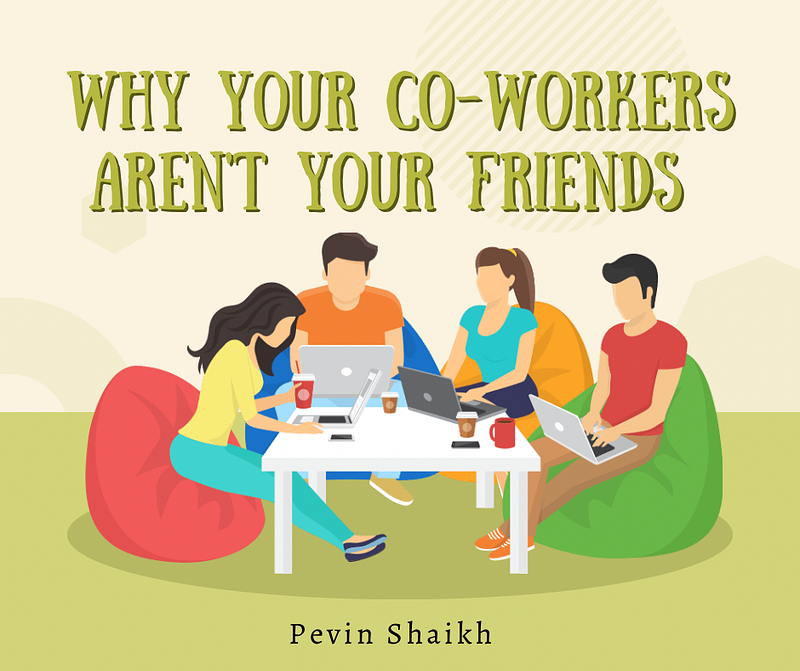
Please don’t shoot me down..yet. Hear me out. We meet some people at work, and we get with them. We all know someone; having people like that cover your back is nice. Some feel like kindred spirits, and I’m sure they are.
If you asked the Boomers, Gen X and Gen Y, they’d tell you they met lifelong friends at work. They attended personal functions and kept in touch after leaving work. I know what my work pals meant to me, and the benefits were immeasurable.
Having ‘allies’ at work fosters camaraderie, belonging, and heightened well-being. Yes. I 100% agree. However, things can go against you if you’re too ‘pally’ with your work chums. Why? The workplace has changed significantly since the pandemic.
The dynamics are different, especially with hybrid and flexible working arrangements. Different work arrangements lead to different expectations, and it’s important to know what you want and from whom and why. However, you can still be friendly with others at work, but I’d advocate exercising a bit of caution.
Why Your Co-Workers Aren’t Your Friends
- They’ll throw you under the bus to save themselves
- You are their competition
- Intentions vs Action
- Allies can turn into frenemies
- They’ll throw you under the bus to save themselves
Don’t get mad at me right away, but sometimes people at work will choose to protect themselves over you if things get tough. It’s not about not liking you; it’s just how things can be at work.
People often think about their safety first. This doesn’t mean everyone at work will do this, but it’s good to remember that it could happen. Being careful about who you trust at work is a smart idea.
2. You Are Their Competition
At work, everyone is trying to do well and sometimes, people want the same things you do, like a promotion. This means that even if you get along with someone, you’re also competing with them. It’s like being in a race where you’re running alongside your friends. Knowing this can help you understand your work relationships better and keep things in perspective.
3. Intentions Vs Actions
Sometimes, people at work might say they’ll do something for you or with you, but then they don’t. This might not always be because they meant to disappoint you; sometimes, they can’t do it. But it shows that you can’t always expect people to do what they say they will. It’s good to hope for the best but prepare for the possibility that things might not go as planned.
4. Allies Become Frenemies
It’s strange, but sometimes people you get along with at work can become less friendly over time, significantly if your job situation changes. If you or they get a new role or responsibilities, it can change how you interact. It’s a reminder that work friendships can change, and it’s okay to be careful about how much you rely on them.
Sam’s Story
Sam has started a new job at a busy office in Central London. Sam was friendly and got along with everyone. Sam quickly made friends with a group of colleagues who liked to have lunch together and share jokes. They all seemed to have a great time, and Sam felt lucky to have such lovely friends at work.
But one day, there was a big project, and everyone wanted to lead it because it was a chance to show off their skills. Sam noticed that the lunchtime jokes were fewer and the talks turned more about work and who was doing better. Then Sam realised that these work friends were competing for the same opportunities to shine. Sam felt sad but understood that work was different from just hanging out.
Sam decided to be smart about it. Instead of sharing everything like before, Sam became more careful about what to discuss with these friends. Sam still had lunch with them and shared laughs but kept their personal thoughts and big work ideas more private. Sam also made sure to be kind and helpful to everyone, not just the lunch group, making new friends along the way.
In the end, Sam managed to keep a good balance. The office remained a friendly place for Sam, but now there was a clearer line between work and personal life.
Sam learned that having friends at work is possible, but knowing where to draw the line is essential. This way, Sam kept the friendships light and fun without letting the competition get in the way. And whenever there was a tough choice at work, Sam felt okay, knowing that the friendships were still there, just with a bit of wise management.
Top Tips
- Set Boundaries and know where to draw the line between personal and professional life.
- Always be clear and direct in your communication (both email and verbal) to avoid misunderstandings.
- Keep interactions respectful and focused on work, especially during disagreements.
- Don’t pry into colleagues’ personal lives unless they share willingly. Don’t gossip about their news behind their back, either.
- Include everyone and avoid forming cliques that can lead to office politics.
- Be willing to help colleagues with their work, showing you’re a team player.
- Embrace diversity and understand that people have different working styles.
- Address disagreements calmly and professionally to find a solution.
- Use feedback as a tool for growth, not criticism.
- Trust is earned over time through consistent and reliable actions.
Parting Comments
Work has changed significantly, especially with some people working from home or having flexible schedules. This means the way we make friends at work has changed, too.
Being friendly with people you work with is still nice, but being cautious is wise. You can be friendly without sharing everything about yourself. This way, you can keep your work life and personal life in a good balance.
Thank you for your attention.
Follow me for more valuable tips.
Pervin
linktr.ee/AimHighLtd