How To Make Peace With A Company Decision You Don’t Like

Let’s face it: there will be times when we don’t like a company decision. These decisions might impact you directly or indirectly. I believe some decisions can derail you unnecessarily if you let them get to you.
I know people who think about these decisions even when not in the office. What do you think is going to happen? Many take the baggage home with them and replay the whole situation. They unintentionally pass the stress onto family members, and the ramifications prevail when they least expect it.
Therefore, the way you handle yourself at the time will determine how you deal with the aftereffects. To deal with certain situations, there are things you can do to help yourself. Remember, you have more control than you think. The first one is managing your emotions.
Office Survival
Managing your emotions in the office is critical for survival, especially when up against it. How? Emotions can cloud judgment and impact effective decision-making, potentially leading to unfavourable outcomes. It pays to be composed so you can think, asses the situation objectively, and feel your next steps to achieve the best possible results.
Imagine The Following
Stephen had a high-profile position in Business Strategy at a mid-cap-sized company in London’s West End. Over the last five years, he’d undergone three rounds of transformation in his department. However, the recent one in late 2022 ruffled his feathers.
Stephen found his remit had changed, which involved losing his team and drastically evolving his responsibilities. Initially, he was shocked but knew the business was positioning for new clients. Stephen had been promoted to Deputy Head of Operations.
The new job title came with a nice pay rise. He managed a team of six people, and four were being moved to another department, whilst the other two would now be working in a matrix team. He would miss some direct reports but was happy he didn’t have to deal with the firefighting, which happened often, especially as the team started working remotely after the Pandemic.
Stephen was more concerned about his responsibilities. He would now be involved with more internal strategic affairs and report directly to Kevin, the COO. Stephen didn’t know Kevin very well, but Kevin was a corporate stalwart who liked things done in a particular way. Stephen would hand over his client portfolio to Jacob, a new external hire.
Stephen had built an excellent relationship with his clients and was sad that he’d no longer be in touch with them regularly. However, he was flattered when one of his clients offered him a position at his own company. Stephen said he’d think about it to keep his options open in case things didn’t work out with the new working arrangements.
What Should Stephen Do?
Stephen faced a tough choice: should he stick it out or jump ship? He’d already been with the company for over six years, and maybe it was time to rethink his options. However, before doing that, he decided to do self-awareness work on himself.
Stephen was following Pervin Shaikh on Medium and came across an article on Self Awareness and how to use it to help you. She suggested taking ten minutes each day to reflect. Stephen decided that now was a good time to do the exercise. He shut his office door and paused.
Make Self Awareness Your Secret Weapon
Stephen read that self-awareness is your competitive advantage during challenging times and conversations. It was important not to brush your emotions under the carpet. Why? They would manifest when you least expected. Plus, if you carry the baggage, it will overwhelm you somewhere along the line.
10 minutes Is All It Takes
Call To Action
Reflection — answer the following: a. What beliefs or behaviours do/did you hold at the time? b. Are/Were these beliefs beneficial or detrimental? c. How have these beliefs or behaviours changed since then?
Challenge and Evolve For each circled belief or behaviour, ask: a. What would happen if I changed this belief or behaviour? b. How would changing it benefit me or those around me? c. What small step can I take to challenge or shift this?
Action Plan For at least three beliefs or behaviours you’ve identified as needing changing, write down the following: a. A specific action to challenge or change it. b. A deadline or timeframe to achieve this. c. Possible obstacles and how you might overcome them.
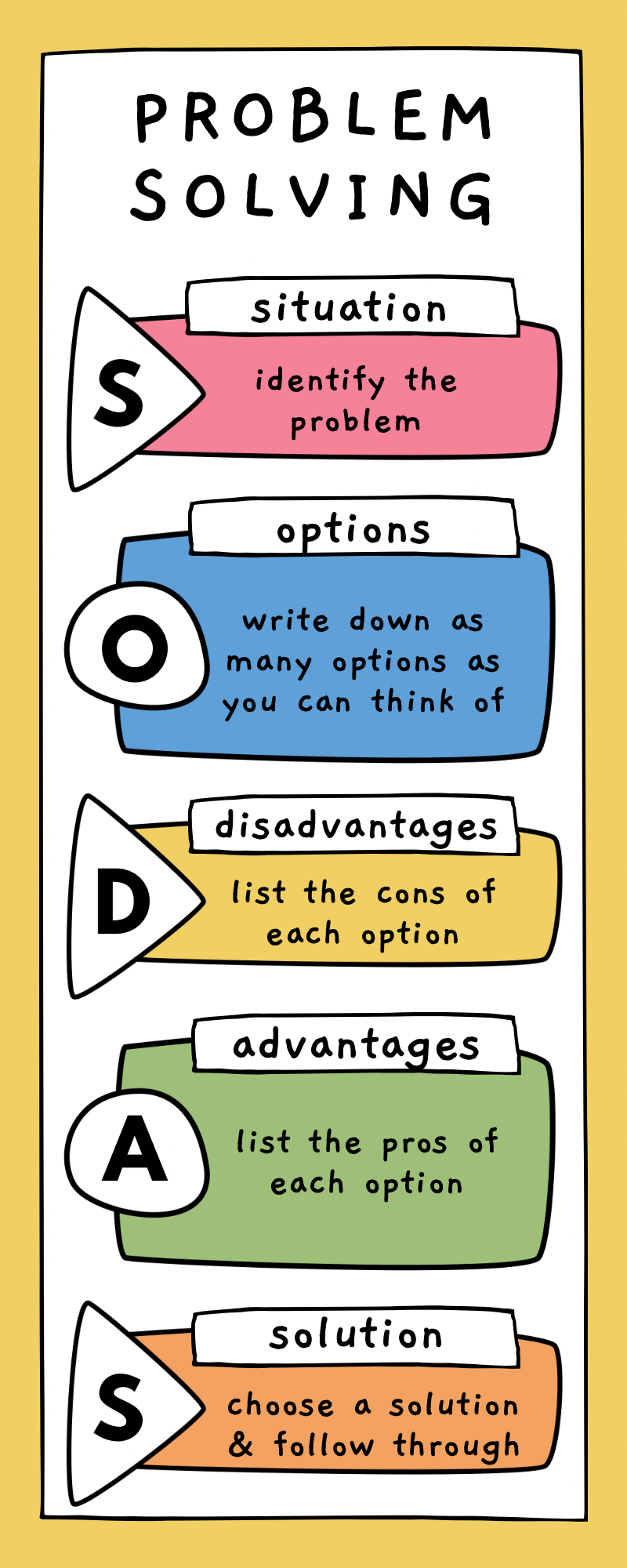
Pervin said self-reflection can help you make better decisions:
1. Understand yourself better, especially when you’re up against it. This includes your strengths, weaknesses and potential opportunities. 2. Work out your following best steps 3. Help you build inner resilience by asking better questions 4. Enhance your self-talk by choosing better words 5. Seek help in advance
Parting Comments
What did Stephen end up doing? The old Stephen would have thrown the towel in and jumped ship at the earliest opportunity, especially when offered a role at the client company. Instead, he decided to stay and work with Kevin.
Stephen made his decision after thinking through his options and decided he wanted to turn an unpopular decision around to his advantage. He found Pervin’s articles very helpful, especially around Self-awareness.
He knew Self-reflection wasn’t about having all the answers — it was about knowing the right questions to ask. This leads to greater Self-awareness, which leads to better choices and outcomes. It’s about knowing yourself better to thrive instead of being swayed by external influences.
Stephen decided he would use the insights to his advantage and learn to position for the right opportunities instead of any chance.
Thank you for your attention.
Follow me for more valuable tips.
Pervin
linktr.ee/AimHighLtd


