Why Disagreeing at Work Can Lead to Success
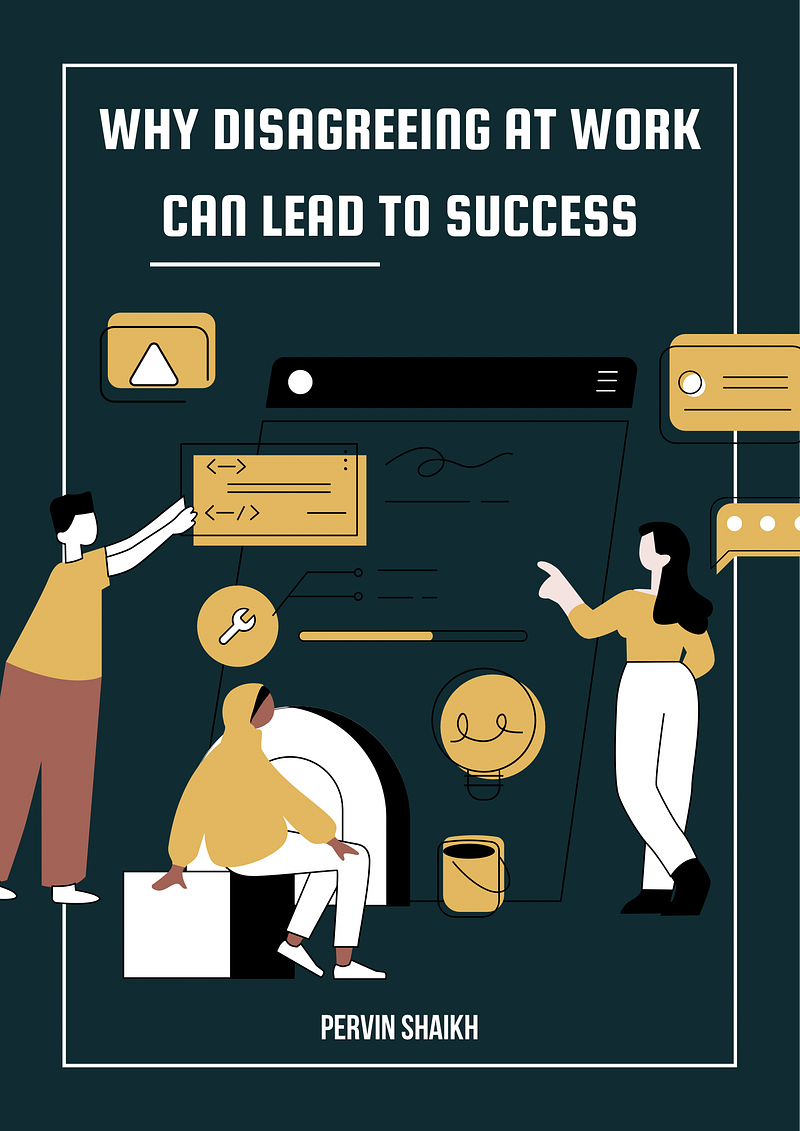
Hold your horses. Don’t bring out the boxing gloves…yet 🤓.
I had a very interesting meeting with a senior executive last week. One of the first things he said in his intro was that he enjoys being vocal about many things. I could see how he would ruffle some feathers in his office, but I liked him very much. Why? He had the ability and diplomacy to challenge the status quo.
We’re taught not to ‘rock the boat’, especially during important meetings. Why? We don’t want to be seen as the ‘troublemakers’. I believe it’s nothing about being a troublemaker but more about our fears of other people’s opinions of us.
Operating From An Outside-In Perspective
What’s FOPO? Fear of People’s Opinion. People who experience FOPO usually tend to operate from an outside perspective. What do I mean by that? They worry about what others will think regarding projects and goals. Thus, they end up not pushing themselves further and by doing so, they don’t shine brightly.
The Yes Brigade Sucks
People don’t like challenging the status quo, team members, or management. Why? They don’t want me to stand out too much or be known as a ‘troublemaker’.
There’s a big difference between candour and being a troublemaker. The latter adds no value to discussions and potentially risks causing friction within the team or on a project.
On the other hand, honesty is constructive because it gives a stakeholder a different perspective. The information could be potentially valuable in moving an idea forward.
The yes brigade usually ends up ‘blending in’ and can almost be forgotten by senior management.
Imagine The Following:
Kevin was hired by the CEO of an IT Solutions company in the early days, where Jeremy could count the number of employees on his one hand. Kevin’s ‘no nonsense’ attitude got the CEO’s respect. They worked very well together as the company grew from strength to strength.
Kevin could get straight to the point during meetings and thrived when dealing with challenging clients. He came from a financial services background and relished getting his teeth stuck into the meatier strategic projects.
Antoine joined the team after the pandemic and enjoyed the camaraderie between the team. However, he found Kevin a bit more challenging to deal with. Antoine wasn’t used to being challenged directly, especially in front of others. He always felt ‘on the spot’ when Kevin attended the meeting.
Antoine decided he couldn’t carry on like this because it was affecting his mood and his mental health. Sam, his girlfriend, suggested that he work with an executive coach. He chose someone accredited by the International Coaching Federation (ICF) and lived in London, too.
Antoine’s decision to work with an executive coach marked a turning point in his career. With a wealth of experience in guiding professionals to find their voice, his coach helped Antoine understand the importance of being vocal in the workplace, not just for personal growth but for the betterment of the team and projects at hand.
Embracing Honest Feedback Constructively
Antoine learned that his fear of being perceived negatively for speaking up — what he identified as FOPO — was holding him back from contributing valuable insights. His coach equipped him with strategies to express his thoughts constructively, emphasising the difference between honesty and causing trouble. Antoine practised framing his contributions in a way that added value, showing how his ideas could help move a project forward or solve a problem.
Finding His Voice
With guidance, Antoine began to see opportunities to be more vocal in meetings and discussions. He started small by asking questions or offering suggestions on less contentious issues to build his confidence. Over time, he became more comfortable sharing his thoughts on more significant matters, always respectful and constructive.

Diplomacy and Assertiveness
One key lesson Antoine learned was the balance between being assertive and maintaining diplomacy. He understood that it wasn’t about challenging for the sake of it but rather about providing a different perspective that could benefit everyone involved. Antoine worked on his communication skills, focusing on active listening and ensuring he fully understood others’ points before responding. This approach helped him gain respect from his colleagues, including Kevin, who began to see him in a new light.

Changing For The Better
As Antoine became more vocal, he noticed a shift in team dynamics. His willingness to speak up encouraged others to share their ideas, leading to more vibrant and productive discussions. The team moved away from the “yes brigade” mentality, embracing a culture where diverse opinions were valued and considered.

Tips for Being More Vocal at Work
❇️Start Small. Begin by contributing to discussions on topics you’re comfortable with, then gradually tackle more complex issues as you gain confidence.
❇️Prepare. If you’re nervous about speaking up, prepare your points beforehand. This can help you articulate your thoughts more clearly and confidently.
❇️Seek Feedback. Ask for feedback from trusted colleagues or mentors on how you’re presenting your ideas. This can help you refine your approach.
❇️Focus on Constructive Contributions. Ensure that your input aims to add value, solve problems, or offer a new perspective.
❇️Practice Active Listening. Being a good listener earns you respect and helps you understand the full context of discussions, making your contributions more relevant and impactful.
Call to Action
The ‘Yes brigade’ might have its place in some organisations, but your ideas and perspectives are valuable.
If you are hesitating to speak up at work, consider seeking guidance from a mentor, coach, or online resources on effective communication and assertiveness.
By being vocal in a constructive manner, you enhance your professional growth and contribute significantly to your team and organisation’s success.
Antoine’s journey helped him to find and use his voice in the workplace. Even though Antoine is a fictional character, I hope it will inspire you to express yourself and be heard for all the right reasons.
Thank you for your attention.
Follow me for more valuable tips.
Pervin
linktr.ee/AimHighLtd


