How To Bounce Back From Rock Bottom
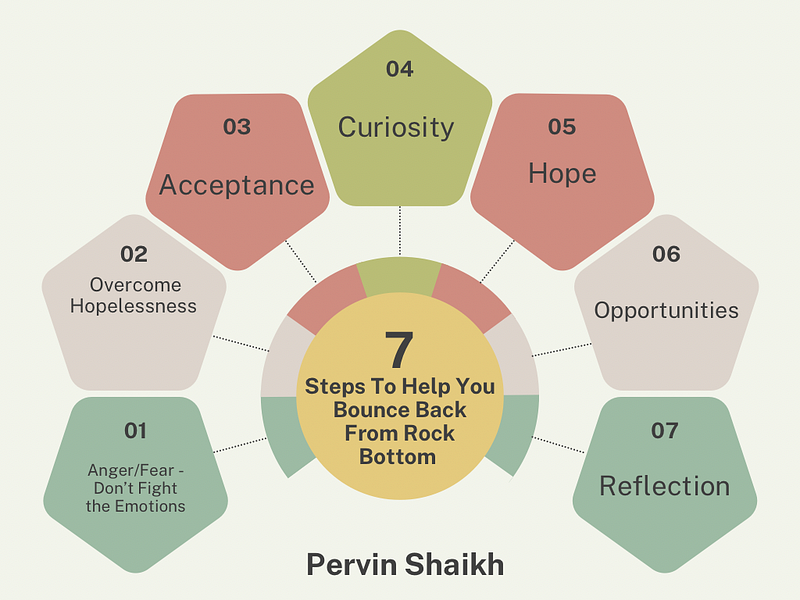
If you’ve ever hit rock bottom, you’ll know how much it sucks at the time. Nothing feels right, and the dark cloud doesn’t want to shift. Albeit feeling bleak and stormy, you have more control than you think.
How Can You Take Back Control?
The Cycle of Change is a powerful way to recover from rock bottom. How? The seven stages will help you understand what you are going through. It will also help you help yourself when it comes to the next steps.
Let me talk you through each so you can manage your situation and ensure you understand what you need and how you can help yourself.
Stage 1: Anger/Fear/Frustration
In the initial phase, it’s normal to experience a whirlpool of negative emotions such as anger, fear, and frustration. Whatever you do, don’t brush the feelings away under the carpet.
Call to Action: Journal or note each emotion you experience.
Purpose — It will help you give a reference point and allow your powerhouse to process it. Without acknowledgement, you won’t be able to heal.
Stage 2: Overcoming State of Hopelessness
This stage sucks the most because of the never-ending tunnel of despair, but remember; this is just a phase.
Call to Action: Get positive affirmations and seek support from friends, family, or professional help to overcome this stage gradually.

Stage 3: Acceptance
Without stages one and two, you’ll struggle to get here. Sometimes, it takes longer to get to acceptance, but don’t skip the steps; otherwise, you will continue experiencing Stages 1 and 2.
In this phase, you start accepting your situation without resentment or denial. Embrace reality with an open heart and prepare yourself to embark on a path of self-discovery and renewal.
Call to Action: Keep journaling and writing your thoughts and feelings. It’s good to start writing about your learning in more detail now. You may notice some patterns emerging, especially with your thoughts.
Purpose: Healing hastens when you take control of your insights.
Stage 4: Curiosity
With acceptance comes curiosity — a renewed interest in life and its potential. This is the phase where you start asking questions and seeking answers.
Nurture your curiosity by exploring new hobbies, learning new skills, or building deeper connections with the people around you. Your newfound curiosity will act as a catalyst for positive change.
Call to Action: Use your journal to generate new opportunities and ideas. Think of 10 new things you could do.
Purpose: Your Powerhouse likes the challenge of finding the best solution for you.
Stage 5: Hope
As the darkness slowly fades away, a glimmer of hope shines. In this phase, you envision a brighter and more prosperous future.
Your perspective shifts from despair to optimism. Fuel this hope with actionable steps to rebuild your life, setting realistic and attainable goals for yourself.
Call to Action: Set big goals, build new bridges, and increase your self-care routine.
Purpose: Your newfound energy will help you see more hope around you.

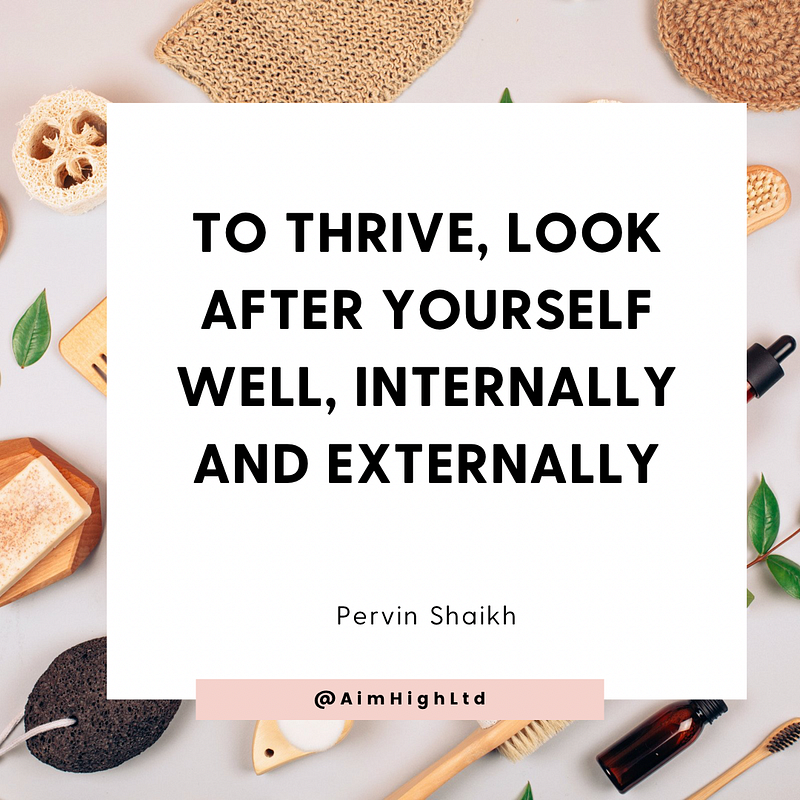
Stage 6: Thrive
Finally, you reach a stage where you not only recover but thrive. You find joy in living and discover a newfound purpose in life.
This stage is characterised by growth, resilience, and a robust zest for life. Continue to nurture your spirit, fostering growth and embracing the vibrant life cycle.
Call to Action: Set a big scary goal and start working towards making it a reality.
Stage 7: Reflection
Take a moment to reflect on how far you’ve come.
Call to Action- Make a note of the following
- What insights have you gained?
- What have you learned?
- What would you do differently next time?
- What next?
Parting Comments
The Cycle of Change is not just a method to recover from rock bottom but a powerful tool to rediscover yourself and lead a fulfilling life.
Embrace each stage with courage and openness; every phase brings invaluable lessons and growth opportunities.
Remember, your journey through the Cycle of Change is a testament to your strength and resilience. You’ll appreciate the learning you took away from being in the thick of it all.
You’re not just surviving; you’re thriving, and that’s a journey worth celebrating.
Thank you for your attention.
Follow me for more valuable tips.
Pervin
linktr.ee/AimHighLtd


