Master The Power Of Resilience
Resilience isn’t about enduring difficulties and suffering. It’s about being imaginative when it comes to learning. More often than not, you benefit from pausing, reflecting and learning.
Resilience is not just about bouncing back from trauma or failure. It’s about building the mental strength to overcome challenges every day. Start by programming your mind with positive thoughts, choosing your words wisely, and cultivating a can-do attitude. You can develop the resilience you need to thrive in any situation with practice.
Resilience — The Key to Thriving in Any Situation
The first step to building resilience is recognising that it starts in the mind. Just like a computer program, our minds can be programmed with positive thoughts that shape our outlook on life. By consciously focusing on the good rather than the negative, we create a foundation for resilience.
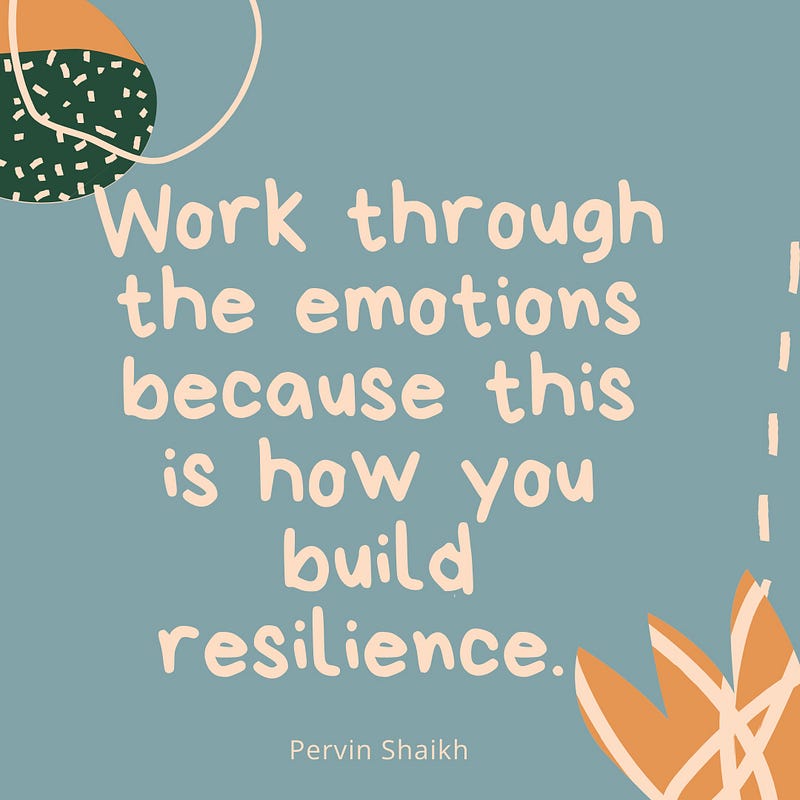
Embracing A Positive Mindset
Embracing a positive mindset doesn’t mean we ignore difficulties or pretend they don’t exist; instead, it equips us with the mental strength to confront and conquer them.
Choosing our words wisely is another crucial aspect of developing resilience. Language has a profound impact on our emotions and actions.
Negative self-talk can create self-doubt and diminish our ability to face challenges head-on. On the other hand, employing empowering language can instil confidence and determination.
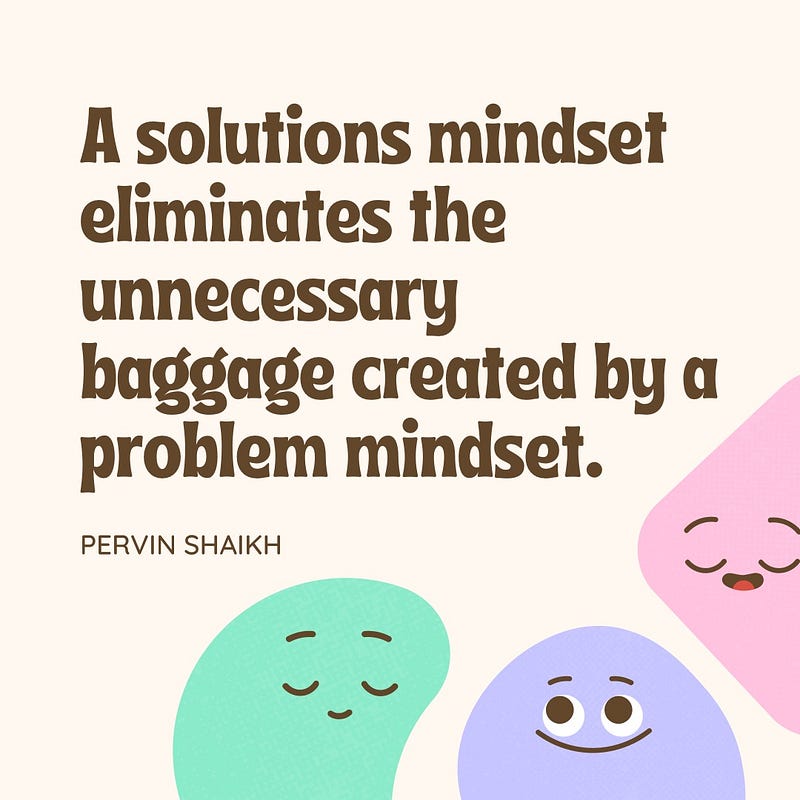
Affirmations
Practice using affirmations and words that uplift and motivate you. Doing so builds a shield of mental fortitude that can withstand even the most daunting obstacles. But resilience isn’t just about thinking and speaking positively but cultivating a can-do attitude.
Embracing the belief that you can handle whatever comes your way opens the door to new opportunities and growth. When faced with a difficult task or an uncertain situation, approach it with the mindset of, “I can figure this out,” rather than, “This is impossible.” This shift in attitude can be transformative, as it sets the stage for creative problem-solving and resourcefulness.
Just like any skill, developing resilience requires consistent practice. It’s not something that happens overnight, but with dedication and commitment, you can nurture this mental strength and make it a natural part of your being.

Alex’s Story
Alex thrived when he first started as a marketing graduate at a top Investment Bank in the City of London. Over time, the shine of working for a prestigious institution began to wear thin. After the COVID-19 pandemic, as businesses tried to return to normalcy, so did multiple professional challenges.
Behind the towering glass, fast-paced, exclusive world, Alex’s journey of mastering the power of resilience began. From the outside, Alex’s life seemed perfect. He had a promising career, a buzzing social circle, and the joys of living in one of the most vibrant cities in the world.
However, beneath the surface, Alex grappled with the pressures of work, the fear of failure, and the constant comparison to more successful peers.
One crisp winter morning in February, as he made his commute from West London into the office, Alex’s mind raced with the day’s impending tasks. The recent project failure weighed heavily, casting a shadow of doubt and fear. During this moment of turmoil, Alex stumbled upon an article by Pervin Shaikh titled “Master The Power Of Resilience.” He was very intrigued as he began to read and unaware that this moment would mark the beginning of a transformative journey.
The article introduced resilience not as enduring hardship but as embracing learning through reflection. It spoke of programming the mind with positive thoughts, the power of language, and cultivating a can-do attitude. Each word resonated with Alex, illuminating a path out of the darkness of self-doubt.
Inspired, Alex started to apply the principles of resilience to daily life. Mornings began with affirmations, replacing the autopilot scrolling through social media with positive statements about personal strength and capability. Challenges at work were no longer dreaded but seen as opportunities to grow and learn. The language used to describe these challenges shifted from words of defeat to phrases of empowerment.
Adopting a positive mindset did not erase Alex’s difficulties but transformed their approach to them. Failures became lessons, and the fear of comparison gave way to a focus on personal progress. Alex learned to seek out challenges, understanding that each was a stepping stone to greater resilience.
Support played a crucial role in this journey. Alex leaned on friends, family, and mentors, drawing strength from their encouragement and advice. Mindfulness practices helped maintain a grounded perspective, allowing more effective responses to setbacks.
As resilience grew, so did adaptability. Alex embraced the uncertainty of the market and the unpredictability of client demands with a new-found strength. Small achievements were celebrated, reinforcing the positive mindset and building momentum.
The transformation was not overnight, nor was it easy. It required consistent practice, dedication, and a commitment to change. But Alex noticed a shift as days turned into weeks and weeks into months. Challenges that once seemed daunting were now manageable. While not entirely gone, the fear of failure no longer controlled Alex’s life.
Alex’s story is a testament to the power of resilience. It is a skill that can be developed by anyone willing to invest time and effort into honing their mental strength. Through perseverance and practice, Alex thrived in the face of challenges, proving that resilience is indeed the key to thriving in any situation — especially in the demanding environment of London.
Practical Tips
Here are some practical tips to help you build resilience in your daily life:
❇️Embrace challenges. Rather than avoiding difficult situations, seek them out. Each challenge you overcome becomes a stepping stone to greater resilience. ❇️Seek support. Surround yourself with a network of supportive friends, family, or mentors who can provide encouragement and advice during tough times. ❇️Learn from setbacks. Instead of dwelling on failure, extract valuable lessons from each setback to improve your approach in the future. ❇️Practice mindfulness. Engage in mindfulness exercises to stay grounded and present, enabling you to respond to challenges more effectively. ❇️Set achievable goals. Breaking big tasks into smaller, manageable goals allows you to celebrate progress, boosting your resilience. ❇️ Adaptability is vital. Life is full of unexpected changes. Embrace Adaptability as a strength, allowing you to navigate uncertain times easily. ❇️Celebrate successes. Acknowledge and celebrate your achievements, no matter how small they may seem. It reinforces a positive mindset and builds momentum.
Parting Comments
Remember, resilience is not a quality reserved for a select few. It is a skill that can be developed by anyone willing to invest time and effort into developing their mental strength.
So, take charge of your mindset, choose your words wisely, and embrace a can-do attitude. With perseverance and practice, you’ll find yourself thriving in the face of any challenge that comes your way.
Thank you for your attention.
Follow me for more valuable tips.
Pervin
linktr.ee/AimHighLtd