
INTERSECTIONAL FEMINISM SERIES
Why The Women of The Caribbean Are Devalued
Where culture and gender roles meet
How would you feel if you were less likely to have access to something as valuable as a pension scheme because of your gender? Imagine if this was the case, and you lived longer than the opposite sex; would you feel valued?
What if your country failed to sign a protocol to commit to reducing the gender based discrimination that you faced; this might suggest that your existence is not of much importance.
The intersection where a woman of colour’s oppression meets feminism, looks different on the Caribbean islands when compared to Latin America, which is discussed in my essay The Intersection Where Class Meets Feminism: Are The Women of Latin America Class-less?, or South Korea, which is discussed in When Feminism Meets Culture: How Patriarchy Oppresses Korean Women. And certainly when we de-centre oppression from the traditional, white, feminist point of view we see something unique, shocking, and eye-opening. The question is, are you prepared to see it? And not make excuses for it?
On the Caribbean islands of Trinidad and Tobago and Jamaica, what we see is not class-less women like in Honduras or Guatemala, written about previously. We see women not engaged in work at high rates and oppression rooted in cultural aspects like we see for South Korean women, also written about previously. What’s unique for the women of the Caribbean is they aren’t responding to oppression with a “birth-strike” like the Korean women are.
Women of the Caribbean are giving birth and being subject to:
- Some of the most severe and highest rates of violence/femicide against women, referred to as gender based violence (GBV)
- Women entering partnerships before the legal age of consent, an experience shared with Latin American women
- Cultural dominance by men
- Low participation in the labour market, resulting in long term instability and/or poverty due to lack of access to a pension
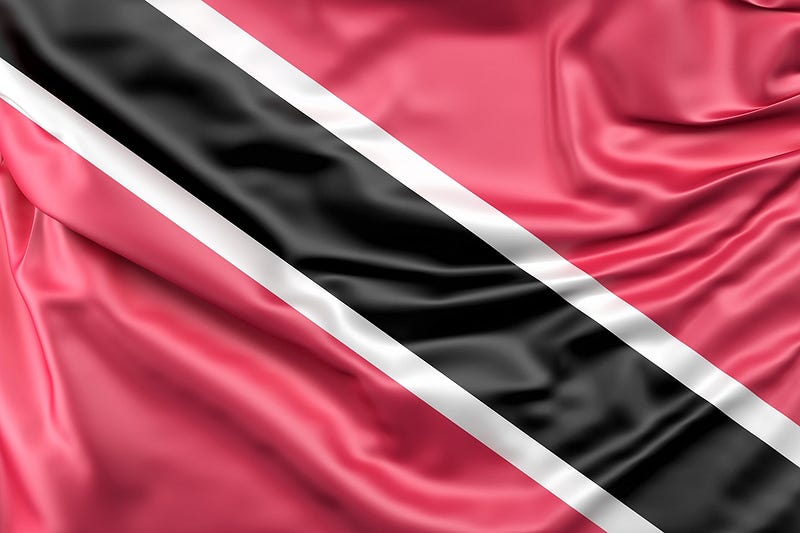
Lack of women in the workforce in Trinidad and Tobago
On International Women’s Day (2023), The Loop Trinidad and Tobago News reported comments from the president of the Human Resource Management Association of Trinidad and Tobago. The president noted that within the Caribbean island:
“The gender gap in Trinidad and Tobago is reflected at 21 percent. Women in the labour force is 46.7 percent versus men in the labour force registering at 68 percent.”
The president also said:
“There’s a significant gap when we look at men versus women.”
Not much seems to have changed in the past decade. A Trading Economics report showed that in 2013 women made up 42.5% of the workforce and as of December 2022 they made up 43.5%, on the island.
The data confirms that over the ten years between 2013 - 2023, there was less than a 5% increase of women in the labour market. Trinidad and Tobago currently at the time of this writing have a population of 1,423,772, of which roughly 52% are women and 48% are men. Women dominate in numbers, but are not making significant progress in being part of the work force.
Why can’t Caribbean women work?
One could speculate that misogyny, sexism, and as we now understand via the experiences of South Korean women: the role of a woman and how she is viewed or valued culturally, may all play a part in why the data around women and work look so poor in Caribbean culture.
The data confirms that over the ten years between 2013 - 2023, there was less than a 5% increase of women in the labour market
Being the daughter of immigrants from another Caribbean island, I would personally agree that the cultural system devalues women. While I didn’t see this in my parent’s marriage, the music, male celebrities expressing Caribbean attitudes, and visiting the Caribbean myself have led me to feel this way at times. But my word is not enough.
A recent report from UN Women on gender based violence in Trinidad and Tobago investigated how attitudes about gender harm women, in particular.
“The specific concerns investigated during the qualitative component of the study were: the impact of beliefs about womanhood and manhood.”
Their study found that sadly, violence against women is normalised due to belief systems about the low value of women and their low status in the community. Zooming in on the data and looking at the impact this has for women who are not participating in the workforce long term, once a woman is past working age, she may face serious challenges.

Women have difficulty accessing a pension
The country has a pension system that is accessible.
- From the age of sixty for both men and women, but
- There must be a minimum of seven hundred and fifty week’s worth of tax contributions made via work.
On the face of it, seven hundred and fifty week’s may not sound like a lot to those of us who are not as excluded from work at such high rates, as Trinidadian women. But for the Trinidadian woman, the criteria to receive a pension poses a problem — there’s a high risk that she may not gain access to a pension in old age. This is due to her exclusion rate statistic and cultural norms around her role as a woman.
The data suggests life-long challenges for Caribbean women
The under 5% increase in women working over the past ten years, does not support an argument that cultural norms are changing or women are becoming more active.
Even though women are more present than men on the island, with a higher ratio of them in the population as showed earlier, they are still not included in the workforce as much as men, based on the data.
The domino impact of this is: if they are not in the workforce, they can’t access a pension — which is created via contributions by the employer (which they don’t have) and the employee (which data shows that generally Trinidad women are not).
They don’t have pensions, but…women live longer!
To add to the Trinidadian woman’s difficultly, the life expectancy for women is longer than men on the island, rounded up to roughly six years difference as of 2021, as reported by Statistica.
Gender based violence is heavily linked to male oppression and views on “masculinity” in the Caribbean
The rate of gender based violence (GBV) across the Caribbean is insane; it could be argued this stems from women moving into relationships for support with lack of work and being unable to support themselves. It can also be linked to what was found in the UN Women’s report: cultural and “economic stresses.” Their study into “economic stresses” found that:
“The significance of economic stress on relationships was a main theme of the study, particularly given the precarity of the Trinidad and Tobago economy. Economic stress, a key factor that increases risk of IPV ( Intimate Partner Violence), can include economic insecurity and economic or financial abuse. Employment or unemployment of one of the partners is another risk factor for violence. Women’s employment can also be considered a threat to gender norms. Among other areas of women’s lives, male partners’ controlling behaviours seek to limit women’s economic autonomy.”
The study also found that:
“When the man is the main breadwinner, women experience challenges in affording the basic items that they need, such as toiletries and menstrual pads for themselves and food for them and their children. One survivor related standing in the road to look out for her child’s father to bring money. Being on maternity leave meant she wasn’t getting enough money, so she would mix flour and sugar for her son to eat. Such a case highlights the implications of violence and economic insecurity for children’s nutrition, wellbeing and academic achievement.”
Women’s employment can also be considered a threat to gender norms
The full UN Women’s report is heartbreaking, eye opening, and a real reality check for those in the fourth wave of feminism, concerned about the treatment of women from an intersectional viewpoint.
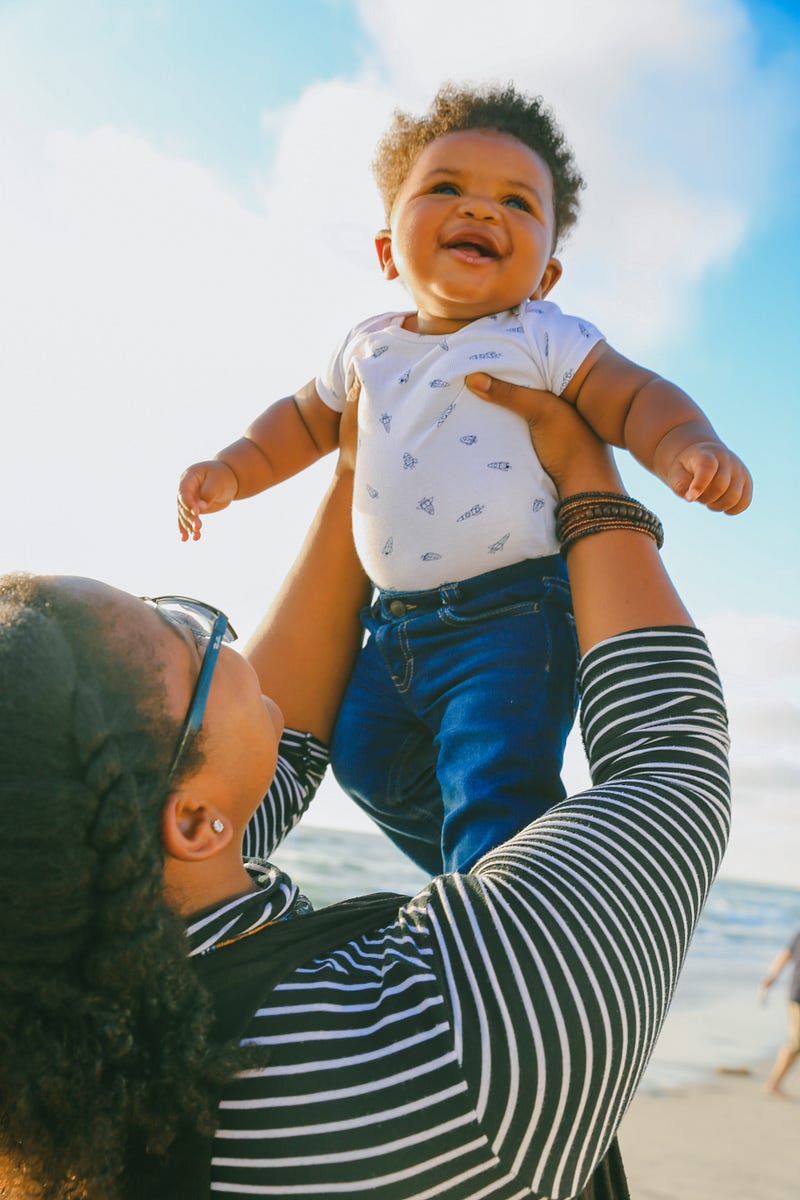
Women and motherhood
The age of consent for sex in Trinidad and Tobago as of 2021, when laws around sexual engagement with younger women were updated, is now eighteen. The age of consent for marriage is the same.
UN Women found that:
- 11.2% of women aged twenty-twenty four were married or in a union before the legal age of consent eighteen.
- Thirty two women, per one thousand gave birth between the age of fifteen - nineteen.
- Trinidad and Tobago has the second highest statistic for women aged over fifteen being killed by a partner or ex-partner as of 2022.
They also reported in their summary of findings within the country that:
“At the level of the family and relationship, the man controls wealth and decision-making within the family and marital conflict is frequent.”
Also:
“At the community level, women were isolated with reduced mobility and lack of social support.”
Regarding men and masculine roles, they found that:
“At the community level, men’s peer groups condone and legitimize IPV” (IPV= Intimate Partner Violence)
“At the societal level, gender roles are rigidly defined and enforced and the concept of masculinity is linked to toughness, male honour or dominance.”
The above data is from page fifteen of the summary of findings in the UN Women’s report on gender based violence in Trinidad and Tobago.
How cultural and gender oppression intersect in the Trinidadian Caribbean women’s experience is: women are devalued; the men see their role as dominance over women in a physical way. We see violence, exclusion from work, and slow progress towards improvement over the last decade, plus lack of financial stability later in life with limited access to a pension due to low work participation, and the second highest rate of femicide (female murders) across the Caribbean — on this island in particular. As women, or advocates for women’s safety, treatment, and equality (world-wide), fourth wave feminists need to be conscious of this.
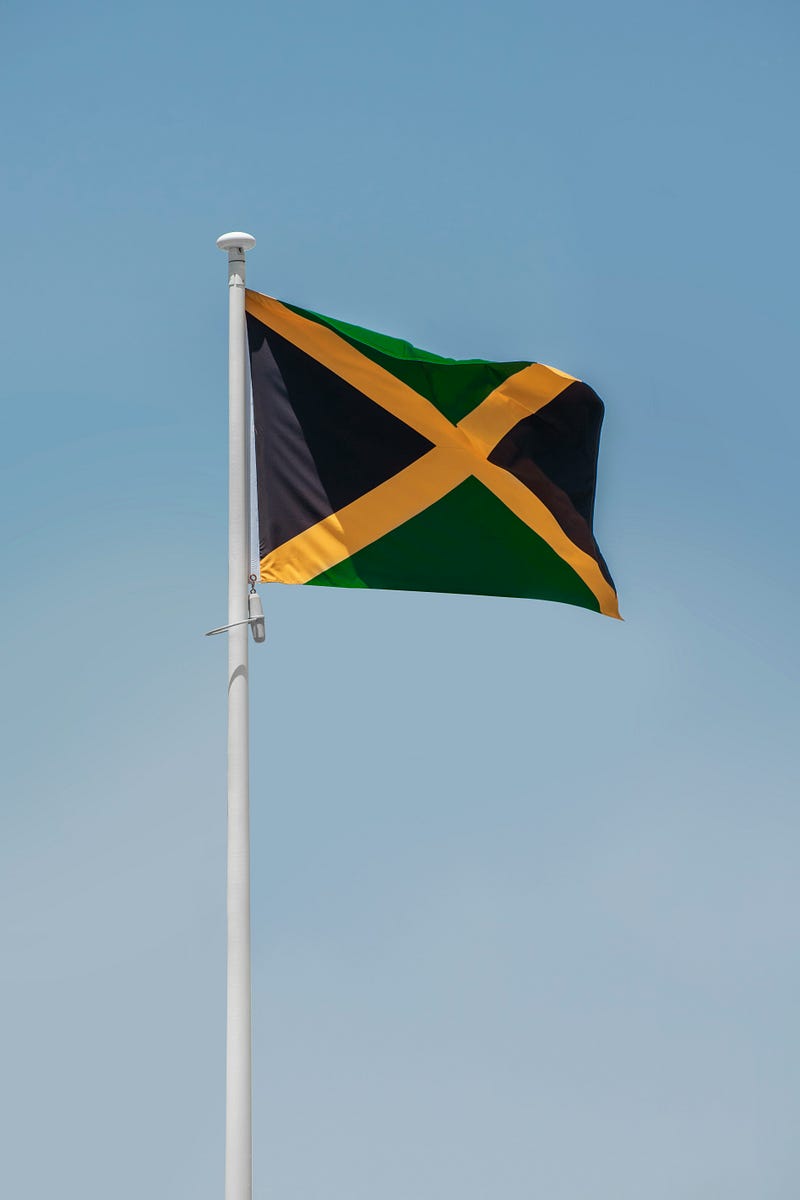
Gender based violence heavily linked to male oppression and views on “masculinity” in Jamaica
On the island of Jamaica, the experience for women is similar to the Trinidadian women’s. The age of consent for sex in Jamaica is sixteen at the time of writing this. There has been talk of increasing this. The newspaper the Jamaican Observer reported on the “negative consequences” of raising this to eighteen in July this year.
The UN Women’s report on the country found that:
- 7.9% of twenty - twenty-four year olds were married or in a union before the age of eighteen
- 55.1 of 1,000 girls gave birth between the ages of fifteen - nineteen in 2017
- 7.3% of women and young girls aged fifteen to forty-nine had experienced sexual or physical assault in the last year
The World Bank cited in their findings in July 2023 that:
“Gender-based violence remains pervasive in Jamaica, with four in ten women experiencing some form of intimate partner violence. Despite progress towards gender equality, women still face challenges in the workforce and are underrepresented in leadership positions.”
Their findings also found,
“It is driven by complex political, economic, and social factors, including beliefs about the roles of men and women. The phenomenon threatens women’s safety and productivity, and there is some evidence suggesting that it has increased during the pandemic. Gaps remain in critical areas, and traditional approaches to addressing it treat the issue in isolation. A comprehensive and intersectional approach is needed.”
They go on to say that:
- 63% of women who experienced sexual or physical partner violence did not seek any form of help.
Their research concludes that gender based violence on the island is most likely to occur to in women with these characteristics:
- Lower education
- Early co-habitation
- Engaging in non-consensual parenting
- Affected by controlling partner behaviour
- Aged twenty- thirty-nine at most risk
When it comes to “traditional roles and masculinity,” as was found on the island of Trinidad and Tobago, the report cited the high rate of gender based violence is down to:
“Traditional society expectations of gender roles.”
What we can take from this data and research on the island of Jamaica are the same things we took from Trinidad and Tobago. Caribbean women are at an intersection of gender oppression that is likely to see them treated according to cultural attitudes that devalue them, in favour of very different or distorted (depending on your view point) views on what “masculinity” is. The idea of masculinity translates to violence, not to being able to care for a woman, protect her from violence, or financially care for the women and children in the community.
Instead, the Caribbean idea of masculinity asks men to dominate and control women, and see a woman’s ability to work as a threat to a man’s masculinity, which leads to her being excluded from the workforce, as we will now see.
The world of work, or lack of it for Jamaican women
The unemployment rate of women across the island has had and up and down pattern from 2018–2020 based on a government review published in Voluntary National Review, in 2022.
- 11.3% of women wee unemployed in 2018
- 8.6 % of women were unemployed in 2019
- 13.2% of women were unemployed in 2020
The Voluntary National Review also stated that in Jamaica:
“Over the years, female unemployment has consistently been higher than that of males. Although females generally have higher levels of educational attainment compared with males, females accounted for 59.9 and 55.1 per cent of the unemployed labour force in 2018 and 2019.”
They also mention:
“Practices such as early, child and forced marriage is harmful to the development of girls and are often linked to poverty and low labour force participation. The Jamaica Multiple Indicator Cluster Survey conducted in 2011 (this survey is the most recent conducted in Jamaica), showed that in 2011, 7.9 per cent of women aged 20 to 24 years were married or in a union before the age of 18 years and 1.4 per cent before the age of 15. The Women’s Health Survey 2016 also noted that young girls who entered into relationships with much older men are more likely to be exposed to violence.”
Looking at the data across these two pieces, it could be argued that the role of a man is similar in Korean culture and Trinidadian culture. This is a major way that oppression looks different for women from black, brown, or minority cultures. The result of this is physical violence towards women.
The legal implications
Legally, the country possibly is not doing all that it can to close the work gaps, change cultural oppression for women, or see them as valued.
The Gender Equality Observatory of Latin America and the Caribbean have a list of Latin American and Caribbean counties who have signed a protocol to commit to ending all forms of discrimination against women. Jamaica has not signed, nor has Trinidad and Tobago at the time of writing this. The protocol was announced in 1999.
A lack of access to pensions for Jamaican women
Pensions in the country are available once a man is sixty-five and a woman is sixty. As with many state or public pensions, employers’ and employees’ contributions are needed. For the Jamaican women, if they are not participating in work, the chances of this are low.
Yet as with the women in Trinidad and Tobago, they too outlive men on the island generally, with a higher life expectancy age, according to Statstica’s recording over a decade from 2011–2021. Women on the island outlive men by roughly seven years, as of 2021.
The implications for this are just as we saw in Trinidad and Tobago: low work participation leads to difficulty later in life, especially if the man depended on financially is to pass before them.
For fourth wave, intersectional women’s advocates, this part of the world — the Caribbean — could be an area to watch to see how women’s rights progress. Also if/when cultures change.
But what do you think about all this?
What would you say needs to change to assist the women of the Caribbean?
Thanks for your readership, I hope my writing gave you something to think about. If I’ve caught you in a good mood or you’re feeling kind, you can buy me a coffee here: https://www.buymeacoffee.com/MeAndMyMuse. Why not follow me for more of my thought-provoking muse?
For more of the good stuff, follow Fourth Wave. Have you got a story, essay, or poem that focuses on women or other disempowered groups? Submit to the Wave!
For further reading:
- The Intersection Where Race Meets Feminism: The Unfinished Conversation
- Where Culture Meets Feminism: How Patriarchy Oppresses Korean Women
- Where Class Meets Feminism: Are the Women of Latin America Class-less?
- Celebrity Men Accused of Sexual Assault: Why Do Women Identify With the Men?
- How We Take Back Control of Black Women’s Femininity