
Why Do the Vietnamese Sit on Tiny Plastic Seats?
Vietnam’s symbol of defiance.
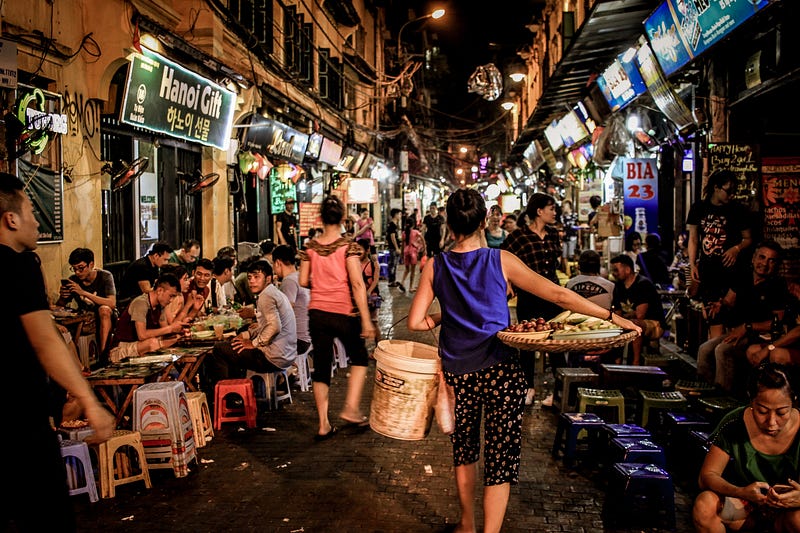
Vietnam is iconic for many things. Whether that be the stunning limestone karsts of Halong Bay or the mighty waters of the Mekong River Delta. However, lurking down almost every side street, the truest symbol of Vietnam can be found.
Yes, I am talking about the humble plastic stool.
What the hell is he talking about? you may be wondering. All will be revealed:
A Rickety Ride to Cu Chi Tunnels
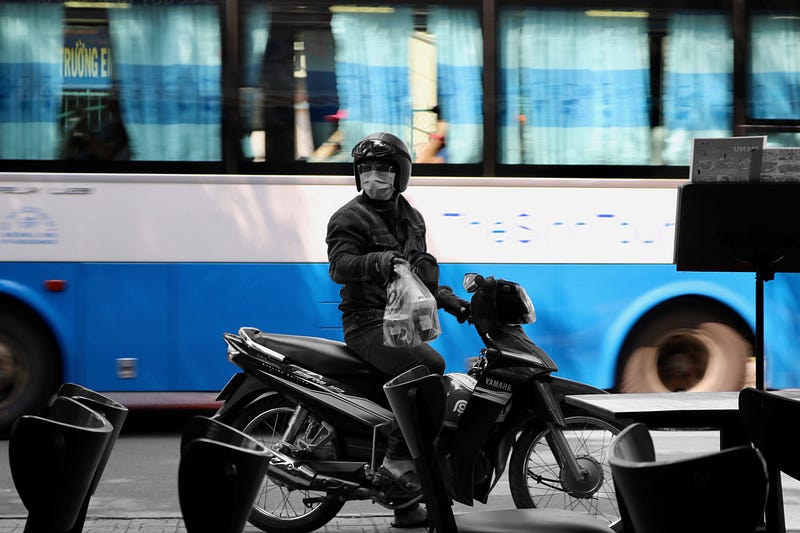
We were four days into our trip to Vietnam and we had learned a lot about the country. From how to cross the seemingly impossible roads, as well as some basic Vietnamese phrases and customs. Most importantly, we learned that our Western stomachs were no match for Vietnam.
Despite a dodgy gut, we decided to go through with the day’s plan and visit the famous Cu Chi Tunnels. A labyrinth of tunnels that were used during the Vietnam war by the crafty Viet Cong insurgents, situated near the Cambodian border.
After boarding the well-air-conditioned mini bus (a God-send in Southern Vietnam), we slowly trickled out of the city. Our bus was like a slow-moving boat in a sea of scooters and motorbikes. Our guide, a knowledgeable local from Ho Chi Minh City, taught us a lot of interesting facts about modern Vietnamese culture, on the drive to Cu Chi.
He first told us why many Vietnamese desire to be pale (explaining the shocking ‘whitening’ cream that some Vietnamese use), and why there are so few cars in the country. He then delved briefly into the communist takeover and the reunification of North and South Vietnam. However, it was this topic that led him to answer a burning question of mine.
The Subsidy Era
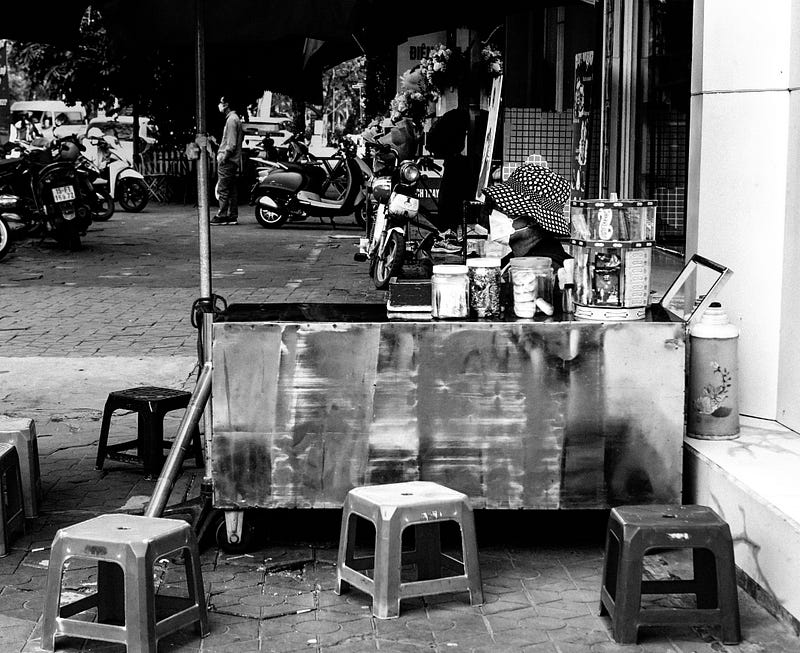
“Selling street food was illegal in Vietnam, it was much cheaper to buy plastic stools”
Our guide said bluntly, alluding to the fact that not so long ago, your business could be confiscated at a moment’s notice. This was the stark reality for many Vietnamese at the time.
During the Reunification era in 1976, Vietnam went through a “subsidy era”, in which economics and property became centrally planned. During this era, the accumulation of personal gain was outlawed, and so were private businesses.
Everything was shared under a nationwide communist grip, from factories to farmland. This anti-capitalist Vietnam stripped many aspects of normal Vietnamese life, most notably their street food culture.
This led to an influx of “criminals”, guilty of the seemingly innocent act of selling food. The black market was no longer ruled by street gangs peddling illegal contraband, but rather by hard-working street chefs hoping to make a living.
The Need for a Quick Getaway
As street food was now illegal, the vendors needed to adapt their businesses to these stricter, more oppressive times. They needed something nimble, easy to carry and light. That is where the plastic stool fits in.
At the slightest sign of the police, these lightweight plastic stools could be stacked and carried away in record time. Even if the equipment was seized, the stools were so cheap and easy to acquire that it wasn’t that much of a setback if caught.
This rough and ready approach was a logical way to conduct business. Allowing a largely impoverished population the opportunity to make a supplementary income.
Vietnamese Street Food Today
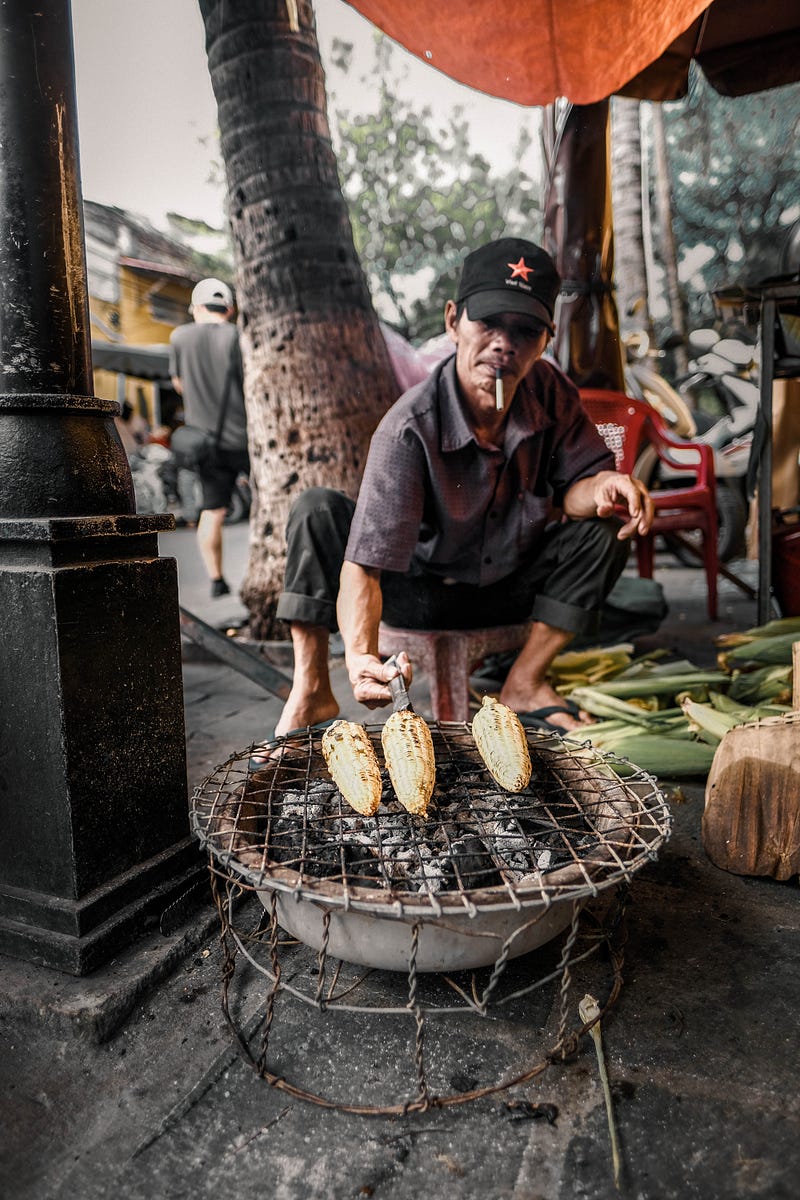
This era of street food has lingered into the present day, despite the Doi Moi Economic Liberalisations of 1986 (which legalised privately owned businesses and personally accumulated wealth).
This adhesion to the past was partially due to skepticism over the longevity of the Doi Moi reforms, along with the economic benefits of being cheap and easy to establish. As all you need is a scattering of furniture, a make-do cooking appliance and some skill to spark a business. Enforcing a ‘do what I can with what I have’ mentality among the hard-working Vietnamese population.
Today, these small plastic stools and tiny plastic tables are an enduring reminder of difficult times. A sign of defiance and ingenuity in an era that stifled such freedoms.
A symbol of Vietnam’s entrepreneurial spirit and will to prosper.
Thank you for reading. If you enjoyed this article check out my other stories on Vietnam:


