
South to North: My Journey Through Vietnam Part 1
Our Visit to the Land of the Ascending Dragon.
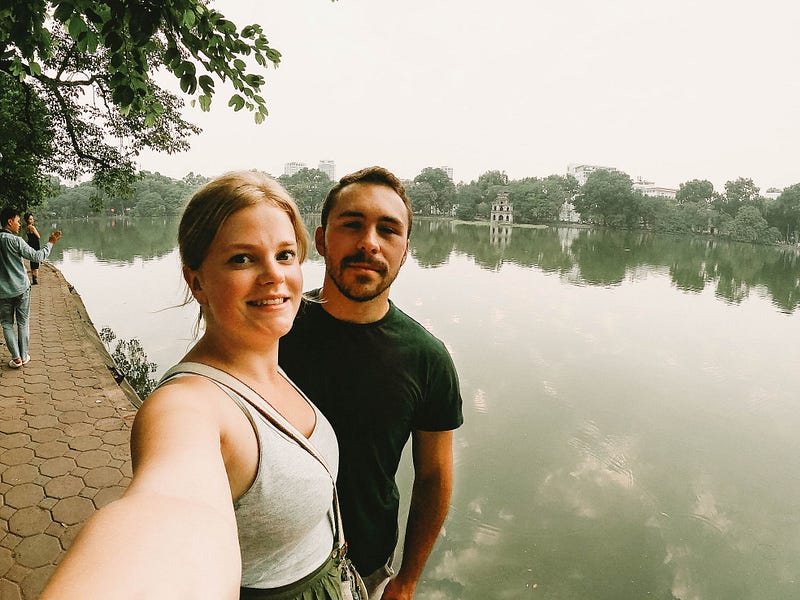
Vietnam is awesome…case closed. Our month-long trip from South to North was an adventure that I will forever keep close to my heart, as it was our first ‘big’ travel experience together. From the busy streets of Saigon to the misty Northern Highlands, here are my honest thoughts on the places we visited.
The Lead-Up
Since watching Luke Nguyen’s Vietnam I have been enthralled with all things Vietnamese. In early 2019, I decided that this was the year I would visit Vietnam, a country which had captured my imagination for the better part of a decade.
To achieve this goal I put my terrible barman skills (and patience) to the test, enduring one of the worst jobs I have ever done just to afford the trip. However, after 6 months of working at a dodgy caravan park in England (spent mostly avoiding conflicts with drunk *chavs), my hard work had finally paid off.
We were on the plane in no time and our touch-down in Saigon was both utterly exciting and surreal at the same time.
British Slang Breakdown*- A Chav is a term for Britain’s tracksuit-clad, bling-wearing, make-up-caked nuisances.
Ho Chi Minh City (Saigon)
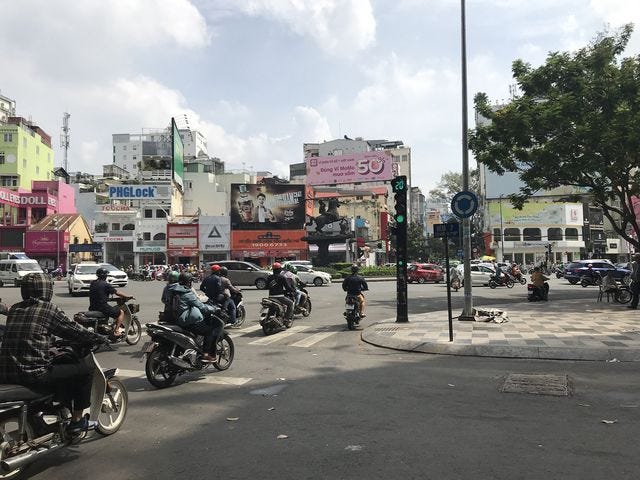
Ho Chi Minh City (or Saigon) is Vietnam’s economic capital. The brash, buzzing South East Asian powerhouse acts as the country’s beating heart, with an energy that never rests. The contrast from sleepy Dorset, England to the fast-paced, dizzying energy of HCMC was jarring, to say the least.
HCMC is modernising at a break-neck speed, looking to become a major player in the very near future. However, despite rapid modernisation, HCMC stubbornly clings to its identity.
Scooters and motorbikes rule the roads, expertly weaving between obstacles in a sea of two-wheeled vehicles. Friends and family sit upon tiny plastic chairs and chat whilst indulging in food and drink. Wet markets dot the city, with exotic goods of all kinds on full display. All this life is framed beautifully by the well-kept French colonial architecture and the expected modern skyrise buildings. This contrast of sleek skyscrapers built around layers of history and everyday life added to the authenticity of the city.
Exploring HCMC’s lesser-known districts and getting lost in the maze-like network of alleys is the perfect way to get a feel for the city from a local’s point of view. Though still technically communist, this Vietnamese city has benefitted greatly from the economic boom and is firmly capitalist in nature.
Street food and local hole-in-the-wall style eateries still dominate the food scene of HCMC. However, world-class restaurants have become a mainstay in this increasingly popular destination. HCMC is the perfect place to try southern-style phở and other southern delicacies.
Pro-Tip: Vietnamese food seemingly gets 10–20% better when eaten on a little plastic stool. Fancy is fine, but the best Vietnamese food is found on the street or in those tiny hole-in-the-wall style places.
Would I go back? - We spent a lot of time in HCMC, but I would go again. It’s kind of the jumping-off point when exploring the south and I would love to re-visit for nostalgia’s sake. About 2–3 days are enough to see the city, while 4–5 days are necessary to explore multiple districts whilst including day trips to other locations in the south.
Hoi An
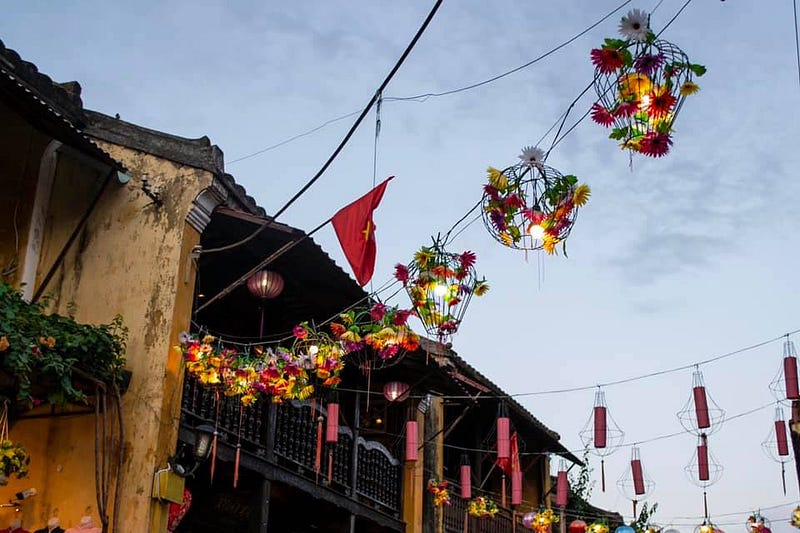
I’m going to likely get some flack for this, but Hoi An was disappointing. Don’t get me wrong, it’s stunning with its antiquated yellow houses, whimsical lanterns and unique history. However, it left me with a bad taste in my mouth.
When talking with other travellers I was met with puzzled, almost annoyed expressions whenever I dared diss Hoi An. However, after you’ve spent an entire 3-days dodging selfie sticks, side-stepping photos and being begged to death to go on a boat trip, I personally found the place exhausting.
What made the rest of the places I visited special was how authentically Vietnamese they felt, whereas Hoi An almost felt like a weird tourist theme park (a beautiful one mind you). Locals were severely outnumbered amongst the hoard of selfie sticks, banana print shirts and vacant expressions. Which was a shame as locals should be able to enjoy their own town, without being pushed to the fringes.
The mass of tourists (pain in the arse ones at that), aggressive salespeople, repetitive tourist shops and the overall lack of authenticity made for an uncomfortable experience. I understand completely that tourism has helped Vietnam greatly, but other highly visited places within the country did it much better, without sacrificing the soul of the place. It seems to be a recent phenomenon.
After talking to some seasoned travellers who have revisited Hoi An multiple times we found out that the town was once an amazing place to visit 10–15 years ago, but over a short space of time, Hoi An ultimately lost its soul to over-tourism.
Controversial opinion out the way, Hoi An is beautiful. The yellow-washed buildings are iconic, the dark-wood interiors transport you to another time and the lanterns adorn the streets to create a truly unique setting. Hoi An’s food scene is great, with many dishes like Cau Lau seldom found elsewhere in Vietnam, with strong ties to the local culture.
Foodie Find: Don’t skip on trying Hoi An’s Cau Lau. Cau Lau even down to its rawest ingredients is Hoi An to the bone. The water is gathered from ancient Cham wells (supposedly), where the ash of the La Gai leaf is mixed with the well water overnight and left to rest. This results in the rice noodle’s typical brownish colour. The dish is composed of rice noodles and thinly sliced pork (with a ladle of umami pork broth on top for good measure), garnished with herbs and peanuts.
This central Vietnamese port town was once used to house Chinese, Japanese and Vietnamese merchants, using it as a place of respite during the region’s chaotic typhoon season. The relics of this period are very well preserved and I was glad I got to visit.
Would I go back?- Maybe, but only for a couple of days. I would like to see whether I just had a bad experience here or if it just isn’t for me. I would recommend people to visit Hoi An and make up their own mind as most travellers do enjoy the place, with many even stating that it’s their favourite destination in Vietnam. Despite my frustrations with Hoi An, I did find a lot to enjoy and overall had a good, albeit irritable time.
Hue
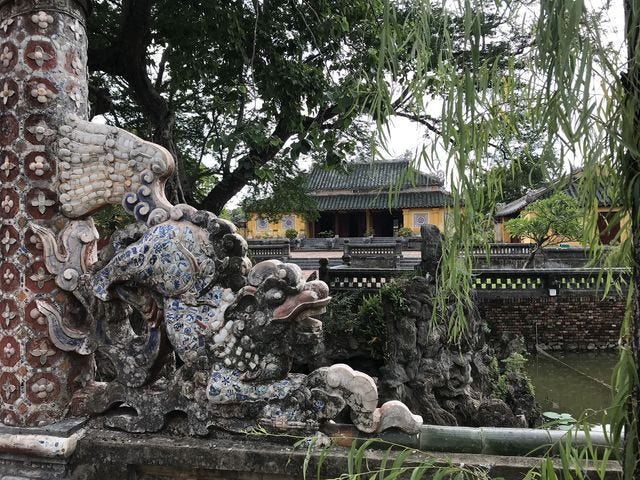
Hue, the city of ghosts. A city both mythical and haunting, where vicious battles had been fought and a dynasty was laid to rest. Hue was one of my favourite destinations in Vietnam.
We travelled from Hoi An to Da Nang, to board the famous train line that takes you to the former capital of Hue. The 4-hour journey treats you to lush jungle-covered mountains, swaying palm trees and the South China Sea.
On arrival, a sepia haze washed over the serene Perfume River, guiding us from the train station to our accommodation as we made our way on foot. During our hour-long trek there we were met by some of the friendliest people. Patrons drinking at local street bars literally rose from their seats to say hello, passing scooter riders smiled and greeted us, and children ran entire blocks to meet us. Hue’s hospitality is second to none!
Hue itself is a very relaxing place to visit, but the city does have an almost haunting feel to it. Whether that be down the famed Battle of Hue that took place during the Tet Offensive in 1968 or the many tombs dedicated to Vietnam’s last royal dynasty, the place has an eerie vibe to it.
History Time: The Battle of Hue (also known as The Siege of Hue) is considered the bloodiest battle of the Tet Offensive (a series of attacks carried out by North Vietnam against South Vietnam, aimed to break the south and spark rebellions against the corrupt South Vietnamese Government). The NVA and Viet Cong successfully captured Hue in 1968, resulting in brutal house-to-house fighting between the communist north and the US-allied forces. Eventually, the allies recaptured the city in a month-long battle of attrition, at the cost of massive losses on both sides and large-scale damage to the city.
The Citadel is the centrepiece of Hue and was once used to house the last dynasty of Vietnam, the Nguyen Dynasty. The Nguyen Dynasty was considered an unpopular puppet power, used by the French in the 1800s. Their lavish lifestyle is on full display within the citadel and is well worth exploring for the day. The surrounding area is dotted with the various tombs of the former kings, with each tomb seemingly more elaborate than the last.
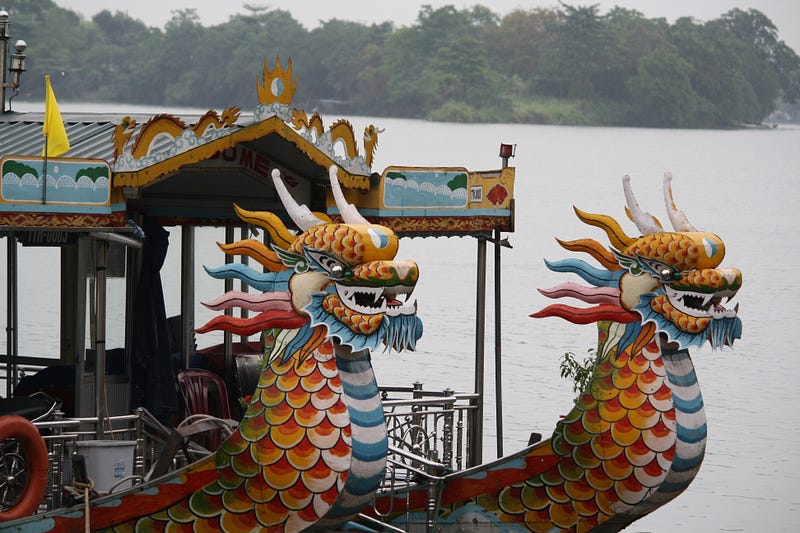
Famous for its royal cuisine, Hue allows you to dine like a king with over 1000 unique royal dishes to choose from. Pho’s biggest soup noodle rival hails from this city, the famed Bún bò Huế(definitely try this dish out).
Foodie Find: Bún bò Huế is a must try in Hue. This popular dish is found throughout Vietnam, especially in the central and southern regions (the dish is also picking up steam outside of Vietnam too). This rich, spicy soup noodle dish is often served with beef and pork slices, with a pig trotter and congealed blood being common accompaniments (don’t worry either try it or just ask the server to omit the blood part). Like almost all dishes in Vietnam, Bún bò Huế uses a full arsenal of herbs to max out the flavour of this dish, creating a rich, but surprisingly refreshing taste profile. Add lime and chillies to make it your own!
Would I go back?- Definitely! Visiting Hue is an ideal way to break up the hectic nature of the two major cities, alongside being a great destination in its own right. With plenty to do, I suggest hiring a scooter, cycling or using the local taxi service to see more sites. The city is near the DMZ (demilitarized zone) and has plenty of sites left over from the Vietnam War. I would say 2–4 days is enough time to relax and see the various sites Hue has to offer.
Part 2: From Central to North Vietnam
In part two we depart from Hue to visit Northern Vietnam. Part two will cover our time in the capital city of Hanoi, Halong Bay and the Northern Highlands. If you have been to Vietnam or are planning to go in the future, comment where you are most looking forward to visiting. 😀
Thanks for reading!


