
Why I love Vietnam
And why you should too.
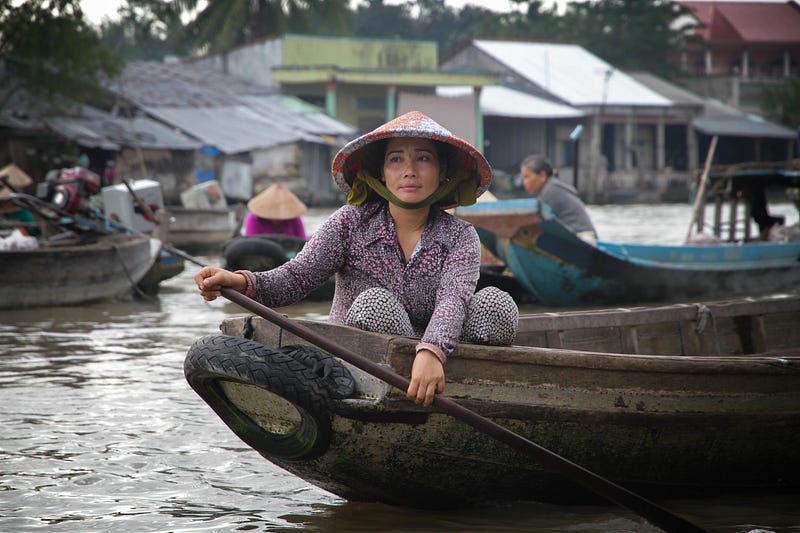
Vietnam is electric, a true assault on the senses…but in a good way. This country is both challenging and relaxing, enlightening and harrowing, a country of extreme contrasts. Vietnam changed me for the better, and I believe it could do the same for you too.
Atmosphere
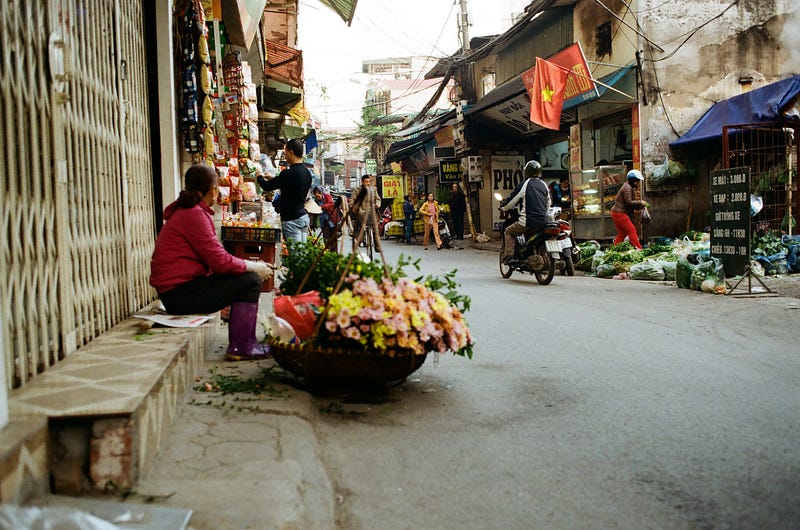
As I said Vietnam is electric. The addictive buzz from the country’s jam-packed cities is a high I reminisce about daily. The symphony of scooters and market hawkers dominates the streets. The smell of grilled pork and strong coffee (paired with a slight hint of sun-ripened garbage) invades your nostrils. The fun to be had in the country’s main cities is more than worth indulging in, even if you aren’t a city person.
Down almost every street you will see locals perched upon tiny plastic stools, boisterously conversing in their native tongue with a 70p beer at hand (about 90 cents). Scooters aren’t just the main mode of transport, but a cultural identity used to transport themselves and practically anything they can manage. Whether that be live pigs, door frames or whole families there isn’t much you won’t see being transported upon two wheels (the most impressive thing I saw was a man transporting a full bowl of Phở on a tray…without spilling a drop!)
Kicking back with a coffee at a local owned café and watching the world go by is one of the cheapest and most interesting ways to spend some downtime in this magnificent country.
If you wish to remove yourself from the hectic controlled chaos of the country’s many cities, then rural/small town life is definitely worth exploring. With endless rice paddy fields, dense jungles, relaxing seaside towns and domineering limestone casts; Vietnam truly has something for everyone.
Vietnamese Culture is Diverse
When integrating into a new culture, the possibilities for learning are endless. As you travel throughout this long country you will see exactly how diverse and interesting Vietnam is. The great thing about Vietnamese people is their willingness to share their culture with outsiders, making this country one of the most rewarding places to visit.
Family is everything in Vietnam, with these ties by blood and marriage taking priority over the individual; for better or for worse. Today’s Vietnam is a lot less strict, especially in the cities. However, rural communities still operate much the same as they have done since the turn of the last century. All stages of life are celebrated as elaborate lengthy affairs, from birth to death.
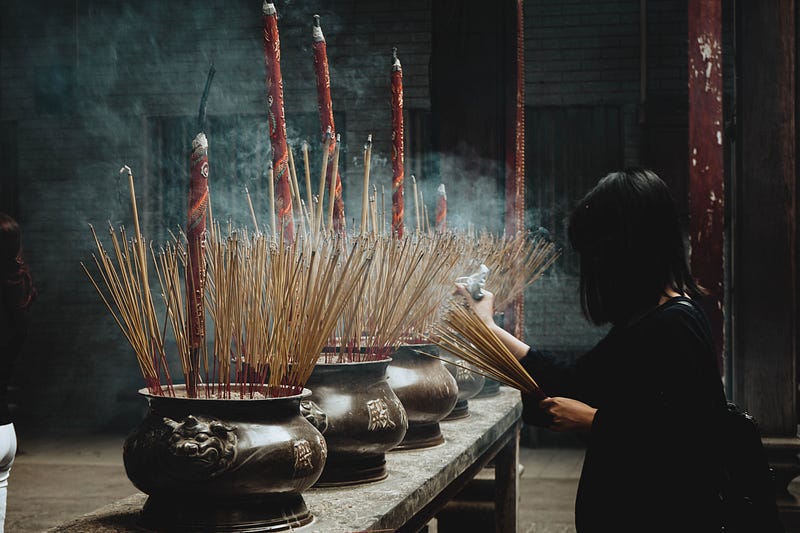
Religion is a complicated affair in Vietnam, with borrowed beliefs from foreign lands merging with time-old traditions and beliefs. For the most part, people follow Tam Giao or the triple religion. This consists of Buddhism, Taoism and Confucianism, with smaller communities following Christianity and Islam (some ethnic groups are more inclined to follow a specific religion, with the ethnic Cham people following a unique blend of Islam with hints of Hinduism)
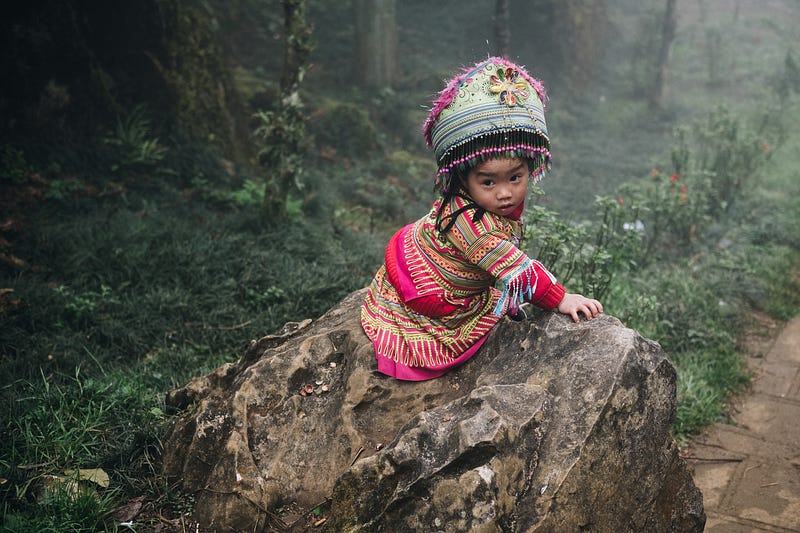
There are about 54 ethnic groups in Vietnam with the Kinh being the most populous in the country. The Kinh reside mostly in the country’s cities and coastal areas such as the Red River and Mekong River deltas. The Cham (who used to be a major power during ancient times) inhabit parts of the Mekong River Delta. The Northern Highlands are home to the Hmong Tribes, Red Dao (I believe pronounced Zhao), The Black Lo Lo and many others. They are all distinguished by their beautiful, intricate outfits, used to proudly identify their heritage. The Central Highlands (the country’s main coffee and chocolate growing region) are home to people often called Montagnards, a term used by French colonials in reference to the mountains in which they reside.
Getting to know people from these various ethnic groups is something I would always suggest doing. I would also suggest using a local guide when visiting these regions to get the most out of your trip. During our brief stay in the Northern Highlands, we stayed with a Black Hmong family and loved getting to know their unique culture.
The Vietnamese People
Following on from the rich cultural experiences to be had in Vietnam, engaging with people is one of my favourite things to do when exploring another country.
It was our second night in Ho Chi Minh City (Saigon) and after a busy day of exploring my girlfriend and I sat at the main park in District 1 trying to decide what to eat. As the sun made its slow retreat we were approached by a man in a green motorbike taxi jacket. Thinking he was touting for business I sat in anticipation for his sales pitch, but to my surprise, he actually wanted to practice his English with us. We spoke for all of ten minutes until we were approached by a student asking to join us. Two became ten as we accrued a sizable group in the middle of the park.
I was blown away by this simple experience, as in the UK I never really speak at length with people I don’t know, and here I was holding a group seminar on how to speak English. It wasn’t one-sided however, they taught us a lot about Vietnam, from local eats to language tips. Besides their bewilderment that my girlfriend and I had been together for so long and hadn’t yet married, I realised that despite us living such different lives, we were very much the same.
However, despite our similarities, there are some quirks that I found interesting. First is how non-confrontational the Vietnamese truly are, you will rarely see an argument, road rage doesn’t exist and people seem to avoid acts of aggression. It stems from how they view confrontation, or more so how their peers and family view confrontation. Vietnamese generally try to avoid losing face and the best way to do so is to avoid the situation altogether. This doesn’t mean they are pushovers though, they will act if provoked and have been successfully defending their land for centuries.
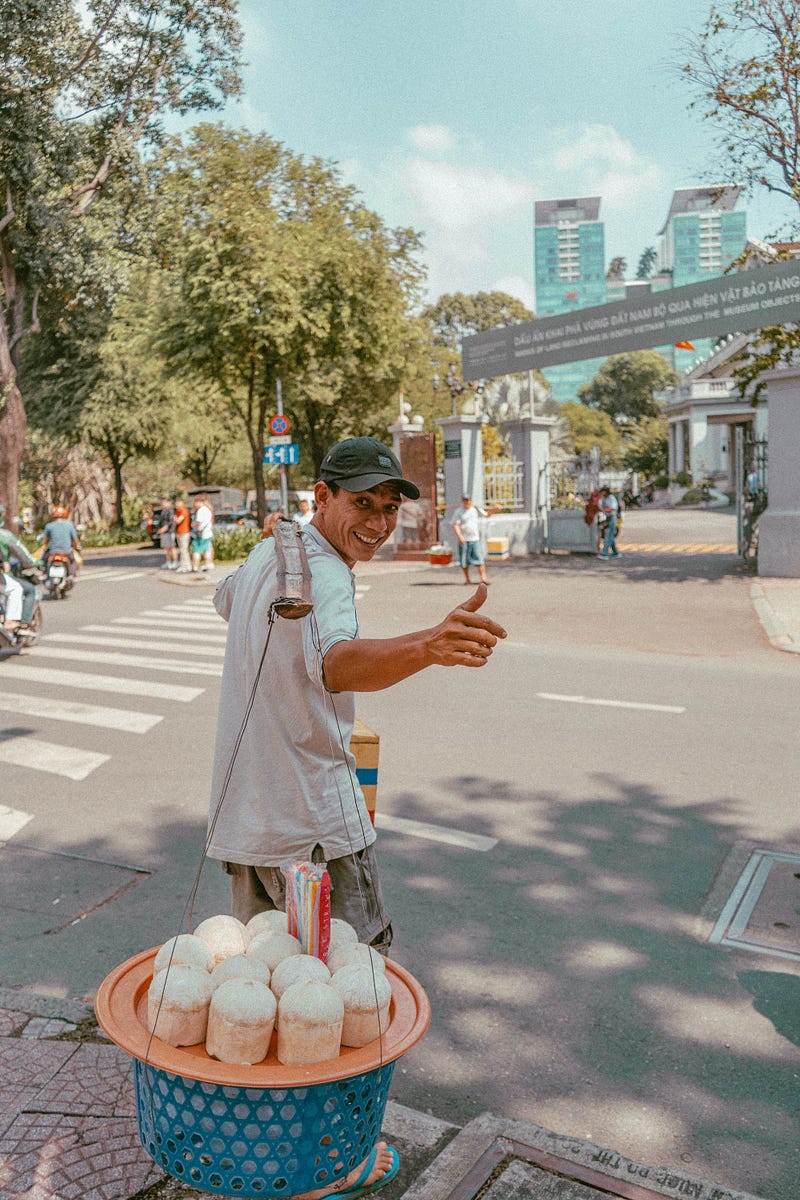
Bartering is the way of life in Vietnam, this is both fun and frustrating! At first, I kind of resented having to battle it out for everything I wished to purchase and was mildly offended by how high they started (I didn’t actually understand how to barter back then). I longed for the days when I could go into a shop, know the exact price and leave without having these oftentimes lengthy sparring matches on the streets of Vietnam. However, I started to get the gist and even started to enjoy the experience a lot. Price tags exist, but only in modern-style stores like convenience shops.
Tipping isn’t a country-wide custom and is only openly accepted in the cities or places that tourists frequent. The Vietnamese are very proud people and don’t like receiving money for free, they may even prefer you to buy a product or accept a service instead of what they may see as a donation. This led to a few awkward interactions, with people flat-out refusing and in some cases running off to avoid being tipped. They are very thankful for tips despite their quirky response to it, so if the service is good then feel free to leave a tip discreetly.
Like many traditional societies, elderly people are very well respected. Vietnam’s Confucian-based culture values wisdom, and with age comes wisdom (sometimes). Unlike in many Western societies, the elderly aren’t cast aside as near worthless citizens but rather revered as the foundation of the country. Younger members of the family system listen with great care when an elder speaks, with their words often forming the backbone of the family unit.
Vietnam’s Unique Cuisine
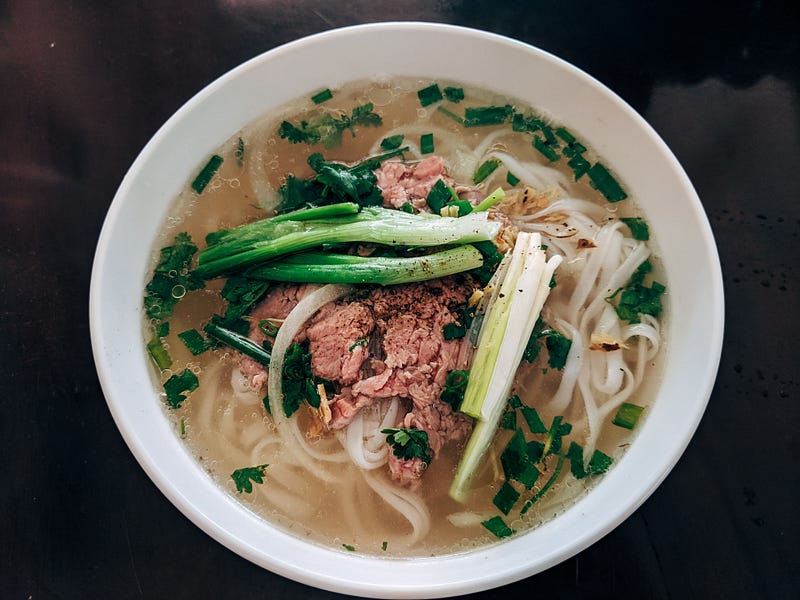
South East Asia in general is a foodie paradise and Vietnam is no exception. With heavyweights like the famed Phở and Banh Mi being the most recognisable dishes, there are still many more great dishes for your taste buds to explore. As this is a topic that I could write forever on, I will keep it short and sweet so I can cover it in more detail in later stories.
The overall character of Vietnamese food is clean, healthy and flavourful. With aromatic herbs taking centre stage in most dishes, creating a meal that is refreshing and delicious at the same time. Like all countries, each region has its own specialities and takes on well-known dishes. It isn’t uncommon that most regional specialities aren’t found outside the region it was created in.
Vietnamese food isn’t overly spicy either compared to neighbouring countries like Thailand where dishes are brought to inferno-level heat. Vietnamese cooking also takes inspiration from other cuisines, namely Chinese and French cuisines. Western-style bread is often eaten in Vietnam, along with stewing techniques left-over by French colonials.
Coffee, beer, sugar cane/fruit juices and coconut water are the drinks of choice in Vietnam, with coffee taking the number one spot. Coffee in Vietnam is unique, with the Vietnamese opting for the stronger Robusta bean over the more commonly used Arabica variety. Whilst not to everyone’s taste, I enjoyed Vietnamese coffee a lot, especially with sweetened condensed milk or iced.
Vietnam’s Dark Past
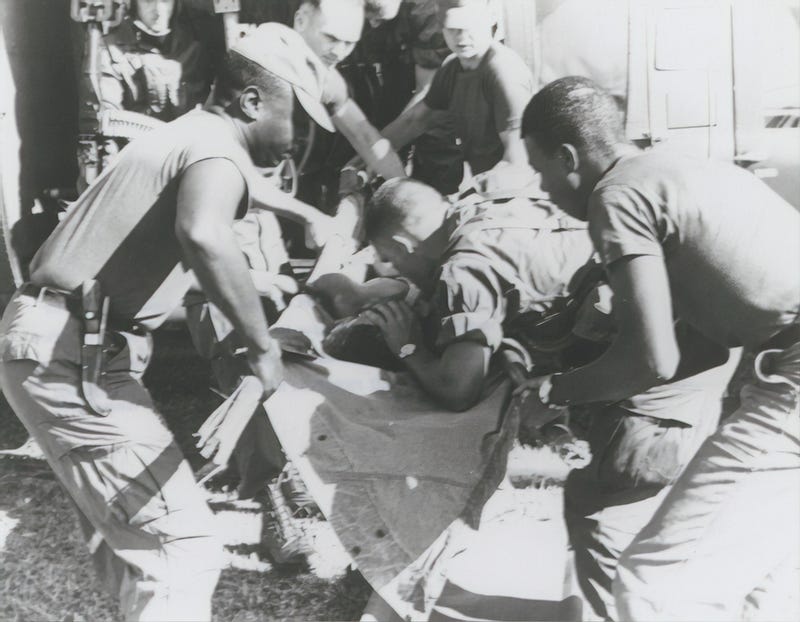
Vietnam’s dark, harrowing past is vital to understanding the country that it is today. The plague of war had seeped into every aspect of this country, with its blackened-tar residue forever staining the fabric of Vietnam.
War is hell for everyone involved, but the people of Vietnam have managed to escape the furnace of war to create something beautiful. Vietnam’s people are durable, not only surviving the hardships of decades past but prospering in the modern world. My conversations with post-war generations filled me with the hope that Vietnam’s past will stay the past.
Travel to me isn’t just stunning locations and relaxation, but an opportunity to peel back the layers and uncover what makes a country or people unique. Oftentimes those layers are rotten.
Why I love Vietnam
Vietnam will hold a special place in my heart. It was my first sense of complete adventure, my first time in Asia and my first sign of the direction I want to take my life. It was a place I felt connected to, a place I felt both immense happiness and sorrow, a place that pushed me out of my comfort zone and a place that I will be back to soon. Thank you, Vietnam.


