
What is Executive Function? And How Does Stress Effect it?
Executive function refers to a set of cognitive processes that are responsible for planning, organizing, initiating, and completing tasks. These processes are important for goal-directed behavior and decision making. They allow individuals to think flexibly, manage their time, set priorities, and inhibit impulses.

The main processes that fall under the umbrella of executive function include:
- Working memory: The ability to hold and manipulate information in your mind for a short period of time.
- Inhibition: The ability to inhibit impulses, distractions, and inappropriate behavior.
- Mental flexibility: The ability to switch between tasks or adapt to changing situations.
- Planning and organization: The ability to plan and organize information, tasks, and materials.
- Self-regulation: The ability to regulate emotions, behavior, and attention to achieve goals.
- Decision-making: The ability to weigh options and make choices.
- Initiating and completing tasks: The ability to start and finish tasks, and to persist in the face of obstacles.
These processes are closely interrelated and work together to help individuals achieve their goals. Difficulty with executive function can lead to problems with attention, organization, time management, and impulse control.
There are a lot of factors that can impact executive function, such as stress, lack of sleep, or certain medical conditions like ADHD, depression or anxiety.
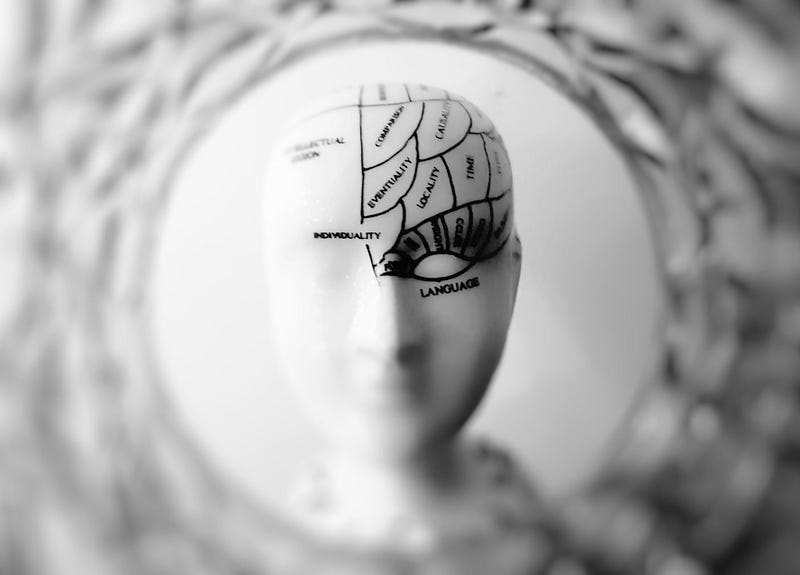
Impact of Stress
Fight or Flight
Stress activates the body’s “fight or flight” response, which diverts resources away from higher-level cognitive processes and towards more immediate survival needs.
“Fight or flight” is important for survival, it helps us to quickly respond to potentially dangerous situations. It is triggered by the release of hormones such as adrenaline and cortisol, which help to prepare the body for physical action.
When the fight or flight response is activated, blood is diverted away from the prefrontal cortex, which is the part of the brain responsible for higher thinking, and towards the muscles, which allows for increased strength, speed and reaction time. This is why it can diminish higher thinking in the short term.
The “fight or flight” response is important for survival because it allows us to quickly react to potentially dangerous situations, and to have the physical abilities to fight or flee, even though it diminishes higher thinking in the short term.
Long Term Stress
Chronic stress can lead to changes in the brain that affect executive function. Stress can also disrupt the balance of neurotransmitters, the chemical messengers in the brain that help to regulate mood and cognitive processes.
or as Meghna Ravi , Andrew H Miller , and Vasiliki Michopoulos say in their article The Immunology of Stress and the Impact of Inflammation on the Brain and Behavior
Increased inflammation in the periphery and in the brain arising from chronic stress exposure can alter neurotransmitter metabolism and impact activation of brain regions to increase adverse behavioral health symptoms (e.g. anhedonia, anxiety, fatigue) and emotion dysregulation.
Additionally, chronic stress can also lead to other problems that further weaken executive function such as difficulty sleeping and even depression and anxiety. For example, depression can cause problems with attention and concentration, and anxiety can make it difficult to plan and organize tasks.
While short bursts of stress are a good thing, that help us survive and build resilience, chronic stress is incredibly bad, for our executive function, our behavior and our overall health.
Children
One Study (Cortisol across preschool day relates to teacher ratings of executive functioning for children facing economic hardship) found a direct link to preschool children's executive functioning and their cortisol levels.
The study highlights the importance of stress and its effects on cognitive development in children, especially those facing economic hardship. This means that teachers and child development professionals need to be aware of the potential negative impact of stress on children’s cognitive development, and take steps to reduce stress and promote healthy development.
Some ideas for this may be creating a positive and nurturing classroom environment that minimizes stress are:
- providing opportunities for children to express themselves and be heard,
- incorporating activities that promote relaxation and mindfulness,
- encouraging positive relationships between children and their peers,
- and being a safe place and trusted adult to the children in their care.
In fact, one of the most important things teachers can do to help sculpt children into the best adults they can be, as well as put them in a position to pursue their education, may be to provide them with a safe and stable environment that can minimize chronic stress.
