
Developing Empathy
Empathy is the ability to understand and share the feelings of others, and it is an essential component of healthy relationships, social interactions, and emotional well-being.

Attentive and Attached Caregivers
In infancy, the foundations of empathy are laid through the development of attachment bonds with caregivers. These bonds are formed through consistent and responsive caregiving, which helps infants feel safe, secure, and understood.
When caregivers consistently respond to an infant’s needs, the infant develops a sense of trust and safety, which allows them to explore and learn about their environment. As they grow and develop, they begin to understand the feelings of others through their interactions with their caregivers. For example, when a caregiver responds with warmth and empathy to a crying infant, the infant learns that their feelings are important and that they can expect to receive comfort and support when they are upset.
It is important to note that caregivers do not need to respond immediately to every single need or request of the infant. A reasonable delay, such as attending to an older child or taking an important phone call, is unlikely to have a negative impact on the infant’s overall development.
Consistency in responsiveness refers to the overall pattern of interactions between the caregiver and the infant. It means that the caregiver should generally respond promptly to the infant’s needs, and the infant should feel that their needs are being met on a regular basis. Consistency in responsiveness helps the infant to feel safe, secure, and understood.
It is important to note that caregivers cannot always be perfect, and there may be times when they are unable to respond to the infant’s needs immediately. This is normal and should not be a cause for concern as long as the caregiver is generally responsive and attuned to the infant’s needs. Additionally, the times that caregivers are unable to respond promptly or correctly, as long as they are not constant enough to become the expectation, can also teach infants about coping with frustration and delayed gratification.

Recognizing Emotions in Others
Infants begin to recognize emotions in others in the first few months of life, typically by around 2 to 3 months of age. At this stage, they are able to distinguish between positive emotions like happiness and negative emotions like sadness or anger. They are able to do this through the use of visual cues such as facial expressions, body language, and tone of voice.
One way that infants begin to learn about emotions is through social referencing, which is the process of looking to their caregivers to help them interpret and respond to new situations. For example, if an infant sees a new toy, they may look to their caregiver to see if they should be excited or wary. By observing their caregiver’s facial expressions and body language, they can learn about different emotional responses and begin to associate them with different situations.
As infants grow and develop, they become better at recognizing emotions in others based on more subtle cues such as tone of voice, facial expressions, and body language. This is an important skill for developing empathy and social skills, as it allows infants to understand and respond to the emotions of those around them.
The process of infants beginning to recognize emotions in others is a gradual one that begins with social referencing and continues as infants grow and develop. Caregivers play a crucial role in this process by providing consistent and responsive care, which helps infants feel safe and secure and supports their emotional development.
Preschoolers and Play
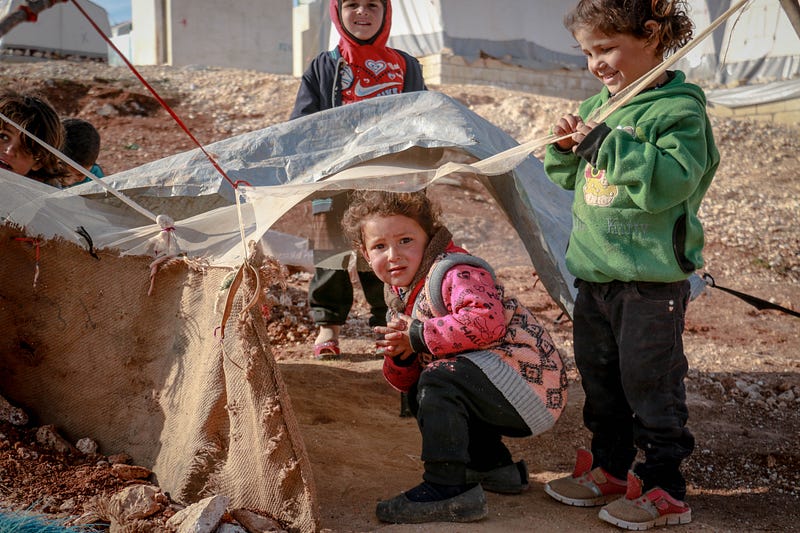
As children enter the preschool years, they begin to show signs of more complex empathy, such as the ability to recognize and respond to the emotions of peers. This is a critical period for the development of social-emotional skills, as children learn to navigate complex social situations and form relationships with others. Through play and social interactions, children learn to recognize and respond to the emotional states of others, building a foundation of empathy that will serve them well throughout their lives.
Play is a critical component of this process, as it allows children to experiment with different emotions and social situations in a safe and supportive environment. For example, a preschooler might engage in pretend play, acting out different scenarios with dolls or action figures. Through this play, the child is able to explore different emotional experiences and practice responding to the emotions of others.
Social interactions are also important for the development of empathy in preschoolers. When children interact with others, they are exposed to a wide range of emotional experiences and are able to observe and respond to the emotions of those around them. For example, a preschooler might observe a friend who is upset and offer comfort or support.
As preschoolers develop their social-emotional skills, they become better equipped to navigate the complexities of social interactions and relationships. They learn to take the perspectives of others into account, and to adjust their behavior in response to the emotions of those around them. These skills are critical for building positive relationships with others and for developing a sense of empathy and compassion.
Middle Childhood friends fairness and practice
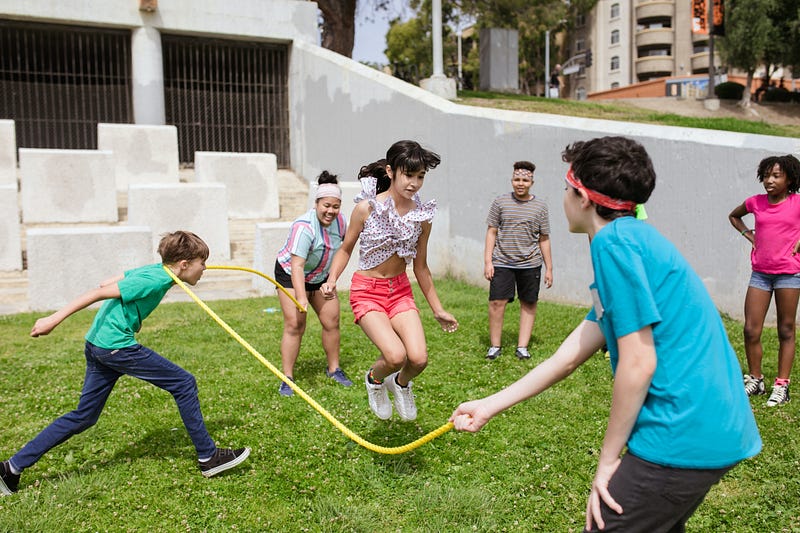
As children enter middle childhood, they continue to develop their empathic abilities, becoming more skilled at perspective-taking and emotional regulation. They begin to recognize that others may have different perspectives and experiences, and they work to understand and validate these differences. Additionally, they begin to develop a sense of morality and fairness, which further enhances their empathic abilities and encourages prosocial behavior.
This awareness and understanding of moral and ethical principles further enhances their empathic abilities and encourages prosocial behavior. Children are more likely to engage in prosocial behavior, such as helping others or showing concern for their well-being, when they have a strong sense of empathy and moral development.
During this stage of development, children also begin to regulate their own emotions more effectively. They learn to identify and manage their feelings, as well as recognize and respond appropriately to the emotions of others. This emotional regulation skill is critical for developing healthy relationships with others and is a crucial component of empathy.
Play and social interactions continue to be essential for the development of empathy during middle childhood. Children engage in cooperative play, negotiate and resolve conflicts with their peers, and learn to understand and respect the feelings and needs of others. These experiences promote social and emotional learning, helping children develop empathy, emotional regulation, and social skills.
The development of empathy during middle childhood is critical for promoting prosocial behavior, building healthy relationships, and overall well-being. Parents, teachers, and caregivers can play an essential role in fostering empathy in children by modeling empathy, teaching social and emotional skills, and creating opportunities for children to practice empathy.

Adolescence independence and new opportunities
During adolescence, empathy development is influenced by the ongoing physical, cognitive, and emotional changes that occur during this period. As adolescents begin to navigate the complex social world of their peers, they are exposed to a wider range of experiences, including more diverse perspectives and emotions.
One of the key challenges adolescents face is balancing their own desires and needs with the needs and feelings of others. This can be particularly challenging as they begin to assert their independence and explore new relationships and social roles. However, these challenges also provide opportunities for growth and development in empathy.
Adolescents who have developed strong empathic abilities are more likely to have positive relationships with peers, be viewed as leaders, and engage in prosocial behaviors. On the other hand, those who struggle with empathy may be more prone to conflicts and social isolation.
To continue developing empathy during adolescence, it is important for individuals to practice perspective-taking, emotional regulation, and communication skills. This can involve seeking out diverse perspectives, actively listening to others, and expressing oneself in constructive ways. It may also involve participating in volunteer or service activities that provide opportunities to connect with and help others.

Adulthood development continues
Throughout adulthood, empathy development is influenced by a range of factors, including life experiences, culture, and social context. Research has shown that empathy is a complex and multifaceted construct that can be influenced by both internal and external factors.
One of the key factors that influences empathy development in adulthood is life experience.
Culture may also influence empathy development. Some cultures may place a greater emphasis on empathy and compassion, while others may value independence and self-reliance over emotional connectedness.
Social context is another important factor that can influence empathy development in adulthood. For example, individuals who are part of a close-knit community or social group or people who work in fields that require frequent interactions with others may have experiences that influence their empathy development.
Adults who have strong empathic abilities are better able to form and maintain positive relationships, navigate social and professional situations effectively, and cope with the stresses and challenges of daily life.
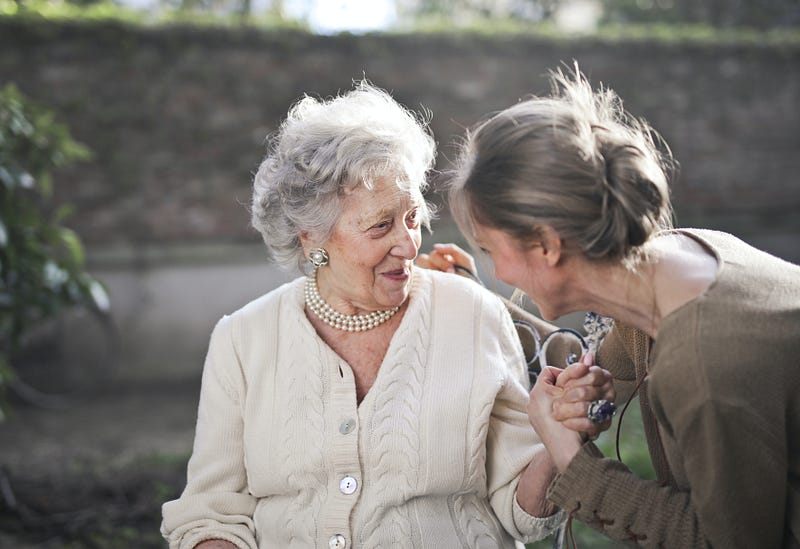
In conclusion, the development of empathy is a complex and lifelong process that is influenced by a wide range of factors. Beginning in infancy with the development of attachment bonds, and continuing throughout childhood, adolescence, and adulthood, empathy is a critical component of healthy relationships and emotional well-being. By fostering the development of empathy in ourselves and others, we can create a more compassionate and understanding world.



