
What I Loved the Most About My Life in Bretagne, France
It might differ from the “food” and “culture” thing. (I loved the bread, though)
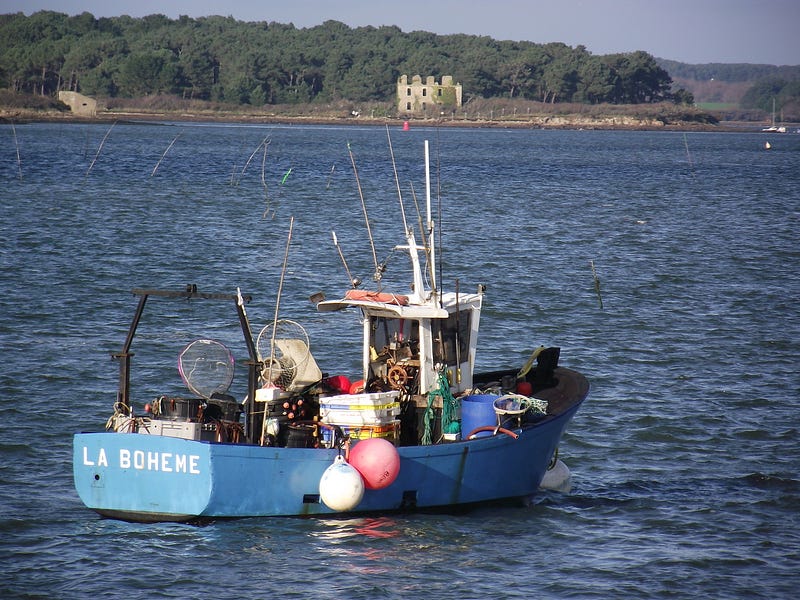
The three measly months I spent in Bretagne, northern France, almost go unnoticed even to me, seeming only a tiny and irrelevant fragment of time in the history of my life.
So sudden, fleeting, and extraordinary in the broad sense of the word, those nine weeks now seem, from the distance of ten years, just like a deep dream I had and from which I awoke to return to my reality.
I landed in Nantes in 2013, and a family’s car took me to a remote village, lost somewhere in the infinities of those green meadows covered by a mostly rainy and gray sky.
The name sounded quite comical to me: Pluvigner. It sounded very similar to the French word for rain, “Pluie.”, and good God, and it rained almost every day.
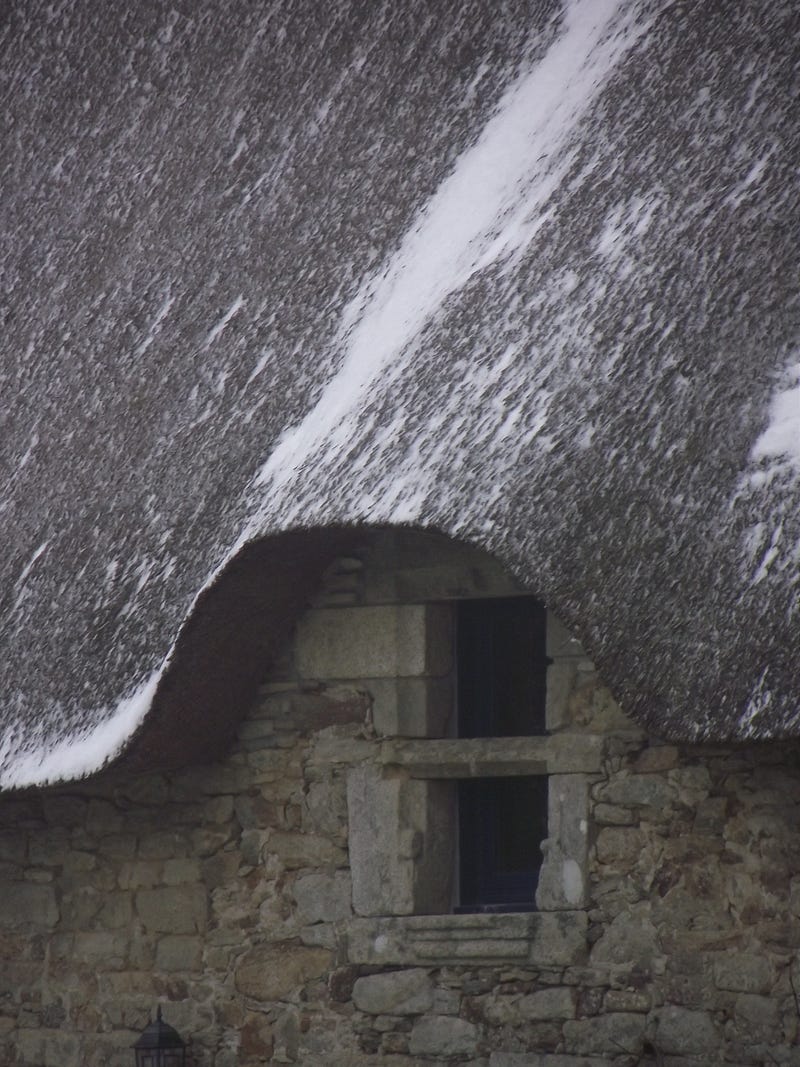
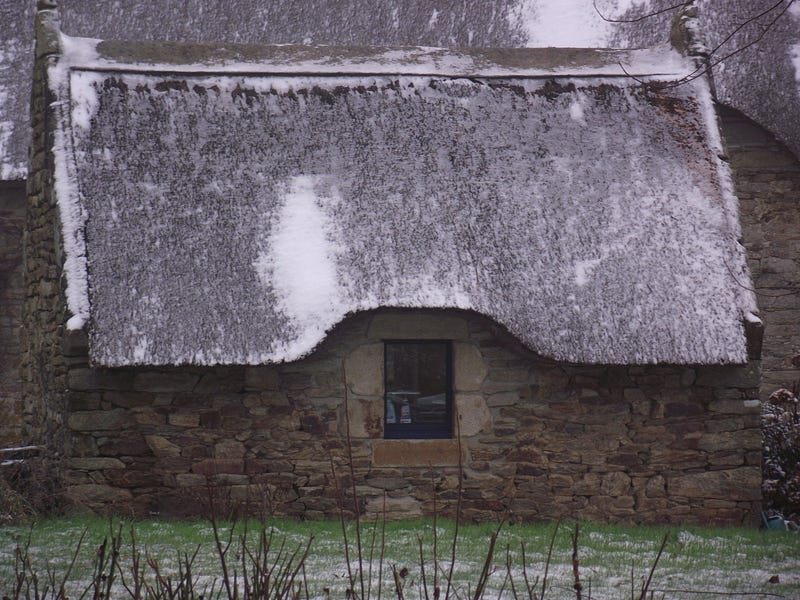
The house I lived in was old, but quite different from what old means in Portugal. My grandparents also live in an old house, with the amenities—or, in this case, the lack of them— that an old house can ill-fortune us with.
But there, the old structure hid the comfort of the inside. Even though the stones and the roof that looked thatched to me gave it a rustic look, the interior clamorously displayed the niceties of the modern world.
Those three months would be tough though. As a Portuguese woman, I never felt as much a part of the southern European culture as I did in those days.
For example, my use of olive oil in food was seen as quite obscene, dirty, and inferior-like by that family. As well were my perhaps heavier meals, those that we commonly call “tacho” food here (pot food) and that many now like to associate with poor people’s meals.
But it wasn’t these differences that were the most problematic. Still, the abuse I felt was being done to me simply because I was Portuguese, and who knows why I was immediately seen as subordinate in the eyes of those northern Europeans.
My position didn’t favor me either.
The 2012 economic crisis had driven me, and I agreed to go to that place at a meager exchange of 300 euros a month, house, bed, and food. But neither was Portuguese nationality in that country favorable to me.
Immigrants for decades, the Portuguese who fled to France in the sixties and who built, let’s say, modern Paris (there are about two million in its area), were people with a deficient level of education, and therefore, although humble and hard workers, with manners seen as rude, without class or “finesse” to the status of the French culture.
This label of nationality betrayed me once again.
Even though I had recently completed my degree, it was totally unnoticed in their eyes. I believe that not even a Ph.D. or anything else would change their view of me or even make them slightly curious about me, just seeing the superficial cover that the word “Portuguese” gave me.
I was supposed to be just a nanny for the family children, but soon I became more: a cook, maid, school homework helper, driver, errand girl, and alternative mother.
I can hardly believe I went through that and accepted such a thing in exchange for so little — desperation makes you desperate, and when that happens, you are the primary bait of profiteers.
However, in my rare free time, having a car that was meant for me, I took the opportunity to try to be a little free and get to know that place that didn’t seem to want me there.
The constant fog made the atmosphere immersed in a feeling of melancholy with which I could identify, and that deep down, the word “saudade,” which they say is so untranslatable, was felt in the middle of those misty mornings submerged in sentimentality.
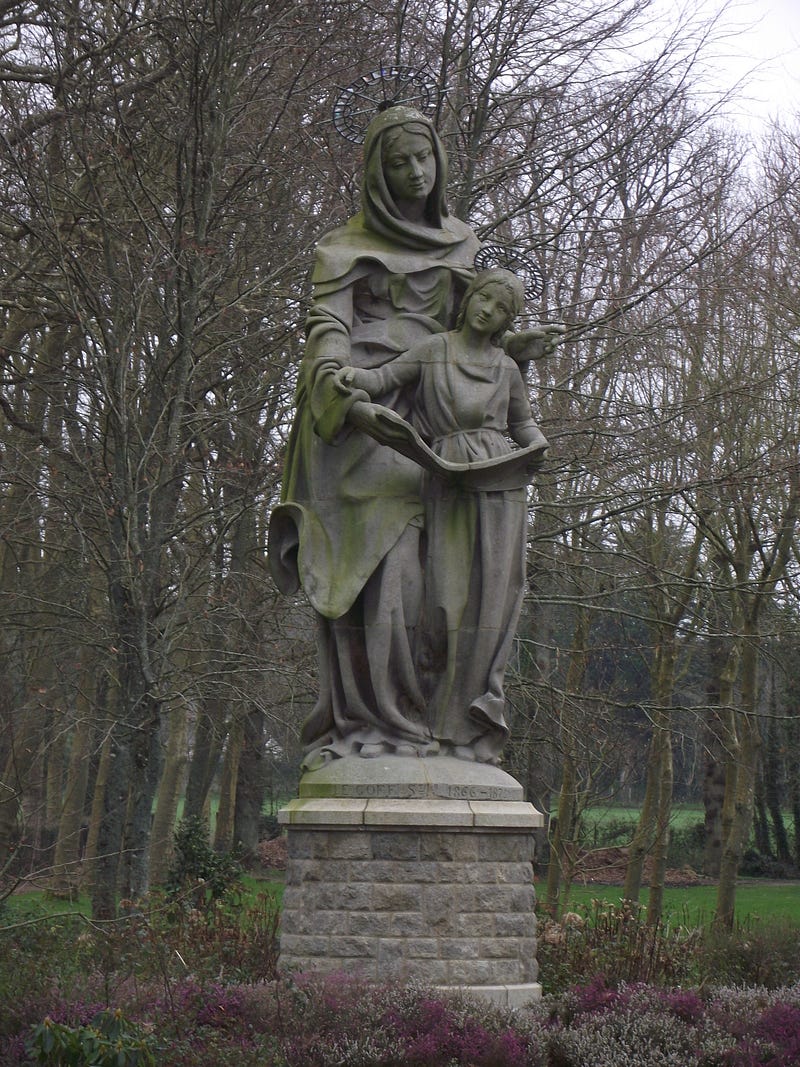
The biggest differences, however, were the flat fields, the endless straight roads, and the horizon that seemed never to be reachable. I missed the mountains of my home. My inner compass, always so well-oriented at home, felt lost, with its uncontrollable hands searching for some inner magnetic field.
It was easy and, at the same time, challenging to manage to love that land. But despite the tribulations of daily life in that house, the good memories are exactly outside of it. They are in those solitary road trips through that Bretagne that always seemed to me wrapped in a medieval mysticism that took me to extremely distant times but so unusually close to my soul.
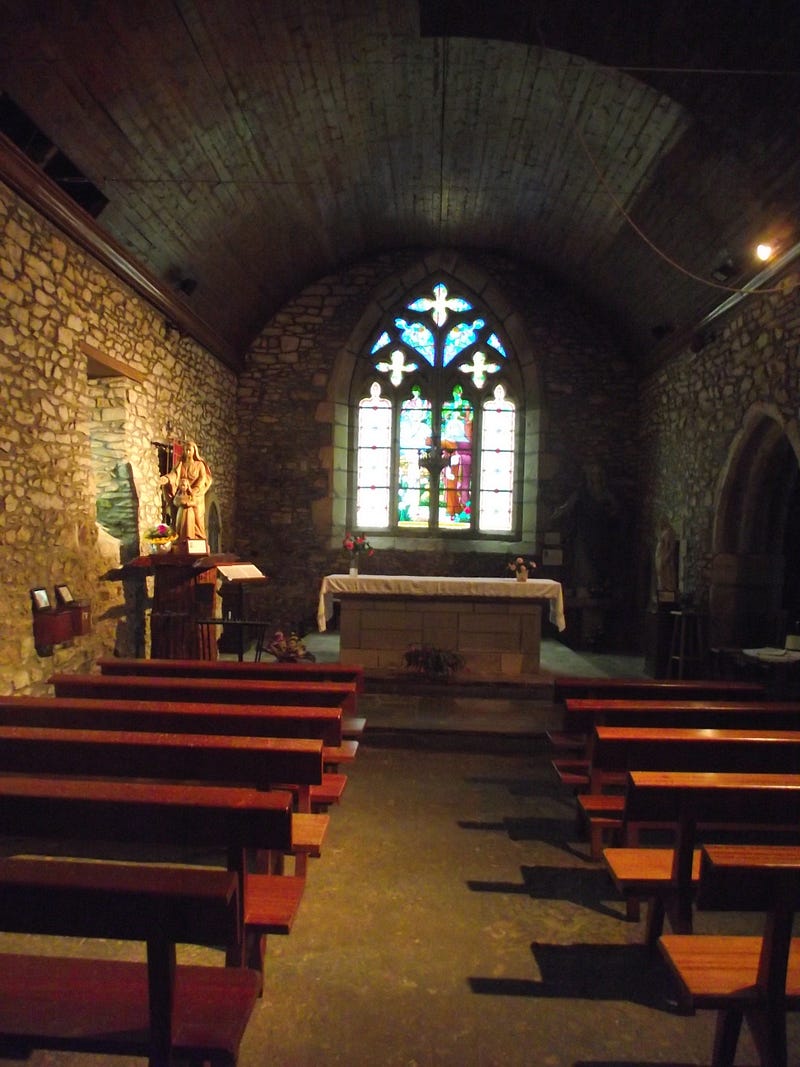
In Portugal, in rural areas, churches or chapels are locked under lock and key and only open for the Sunday homily. But there, even the smallest chapel, built on centuries-old stones, had its doors open, candles lit by someone, and even a statue that would be a gluttonous relic for unscrupulous thieves.
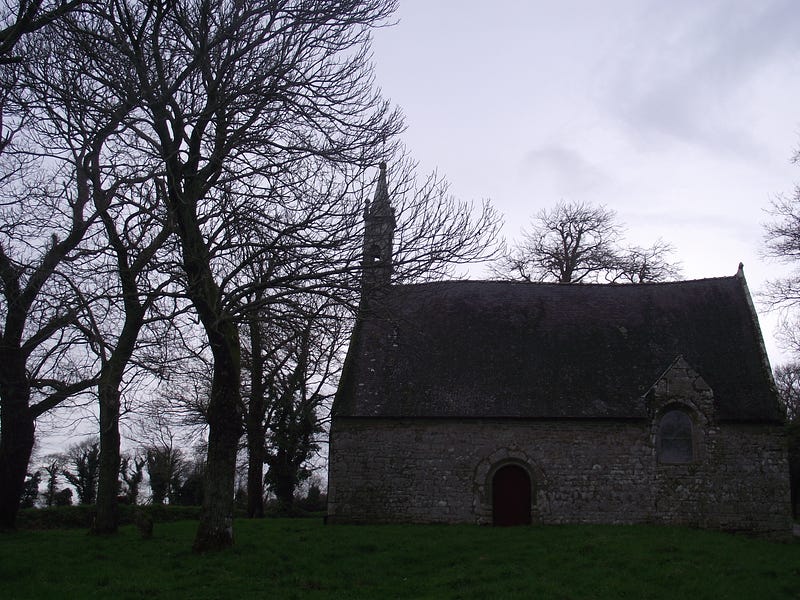
Even the smallest shrine had ancient stained glass windows, through which a gleam of light that appeared among those closed clouds would illuminate the divine altar with the whole spectrum of colors.
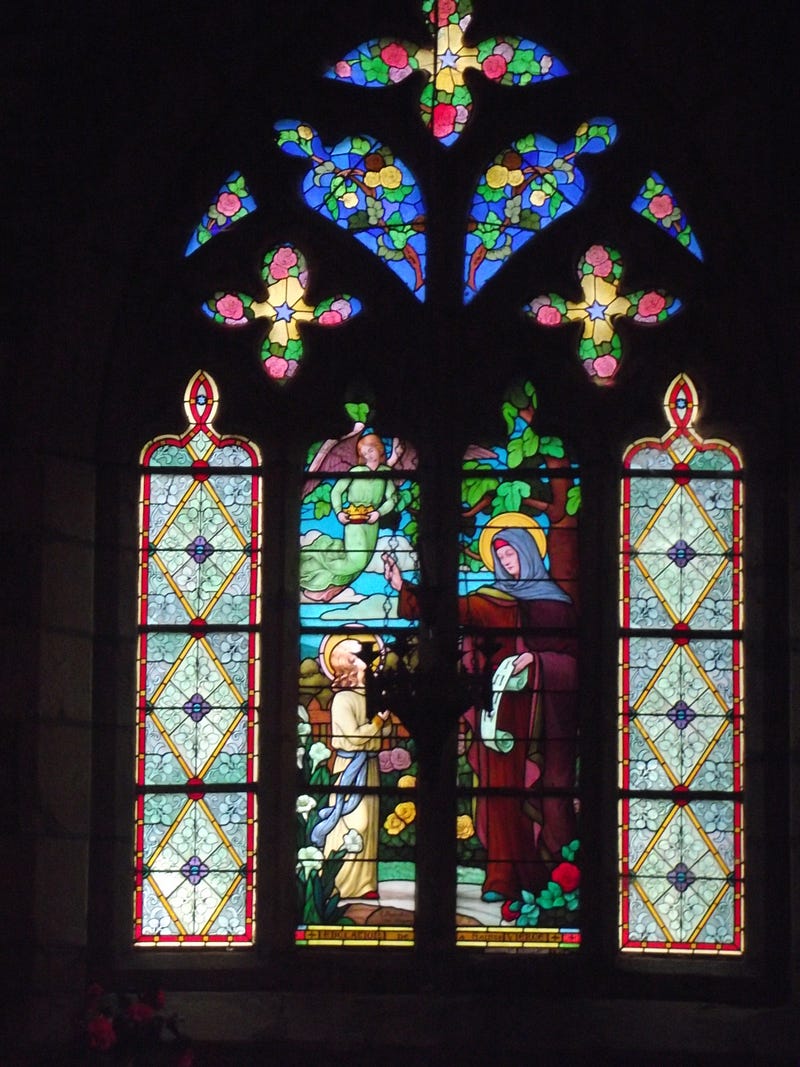
I am not religious, but I have always been fascinated by the construction of these prayer places and how human art directed to the divine has shown for so long the maximum ingenuity of men’s artistic capacity.
Being able to freely enter and leave such places, to see it all at my leisure, was one of the factors that made me fall in love with a place where freedom simultaneously invited an enormous respect for the existence of such a society.
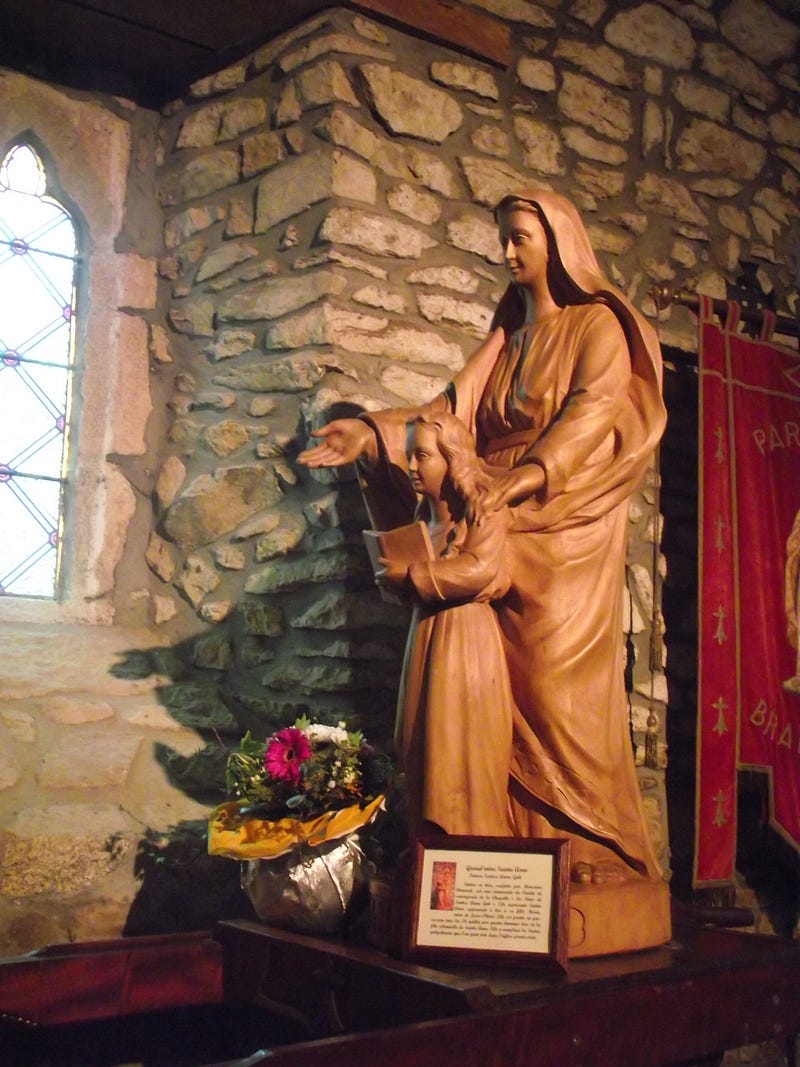
Before the definite feud with that family, the beautiful things that Northern European cultures have and that I could enjoy were the walks among nature.
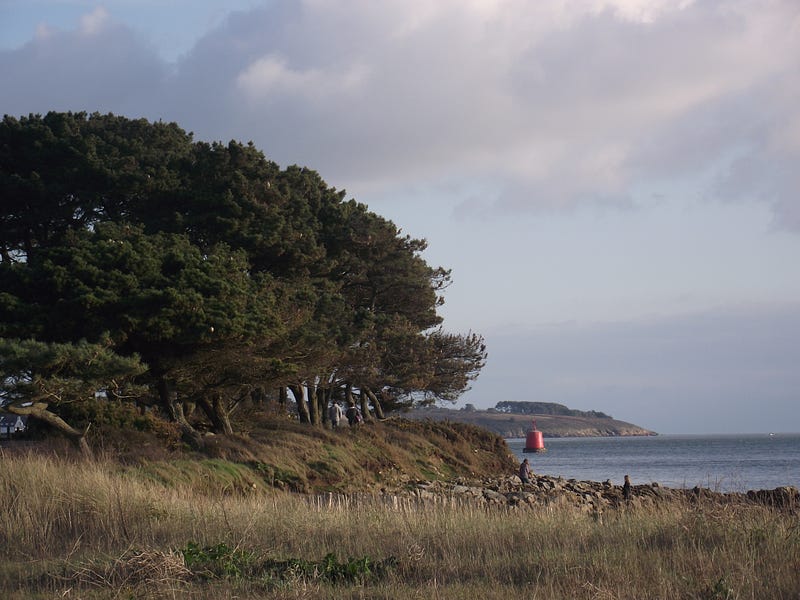
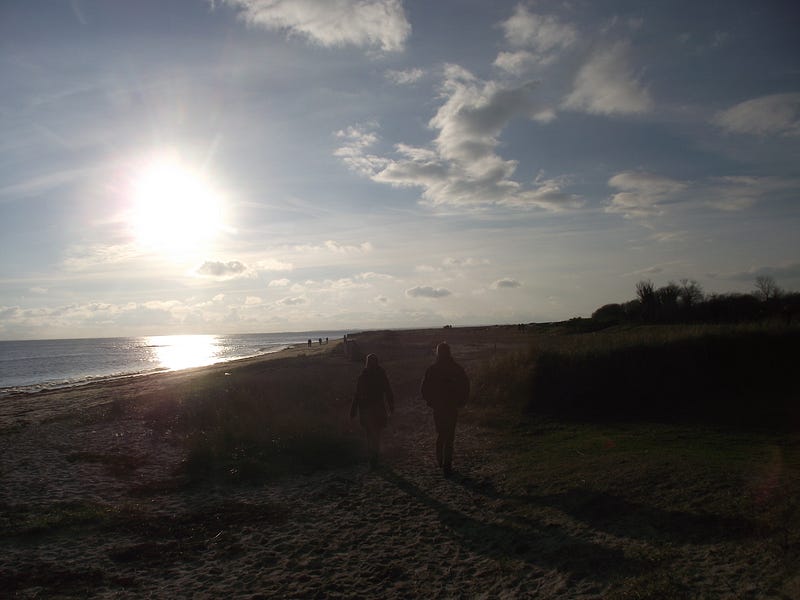
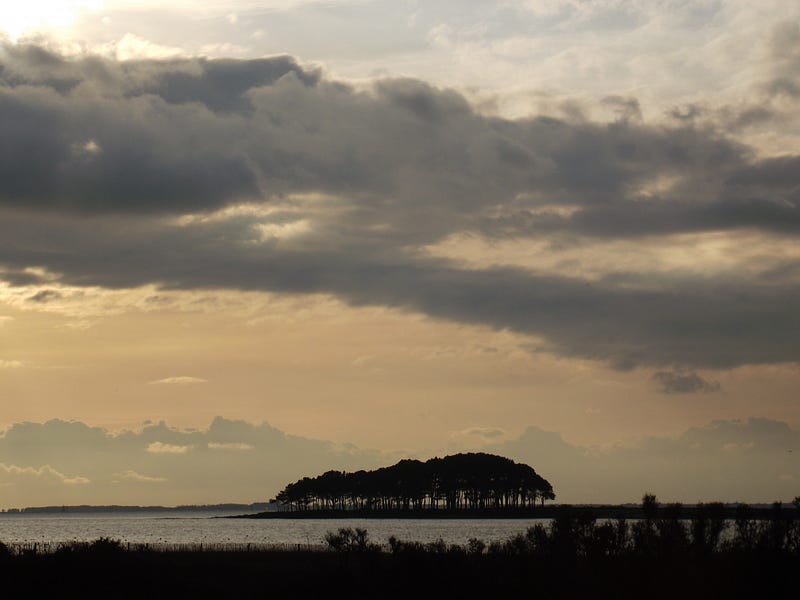
I wish there were such a culture in my country!
I almost gave them every right to make fun of our crude and narrow-minded ways, of the fact that we think it’s animalistic to enjoy nature, and that evolution is putting cement on everything that is earth.
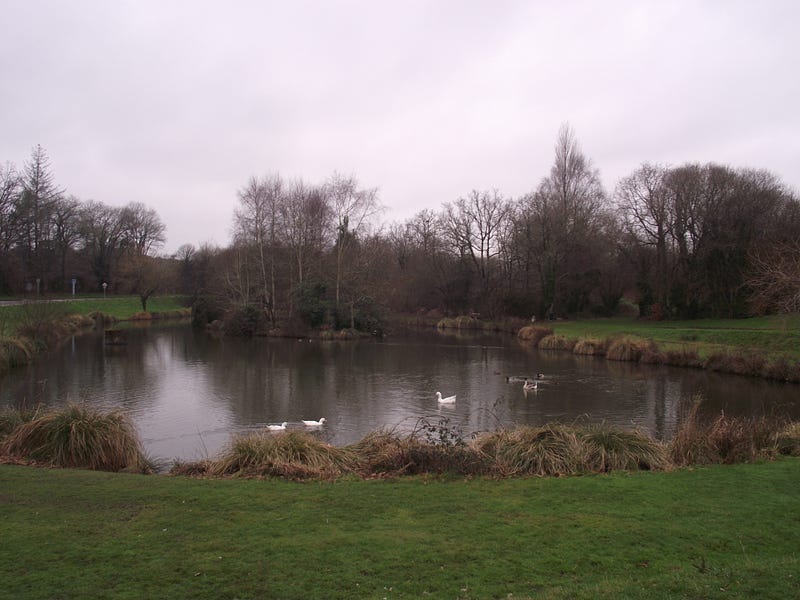
After Sunday lunches, more open to more food and family time, unlike the lunch that lasts all afternoon in Portugal or in Italy, the family would take their sneakers and go for a long walk by the lakes, through the forests, or, if the opportunity arose, through a more historic village.
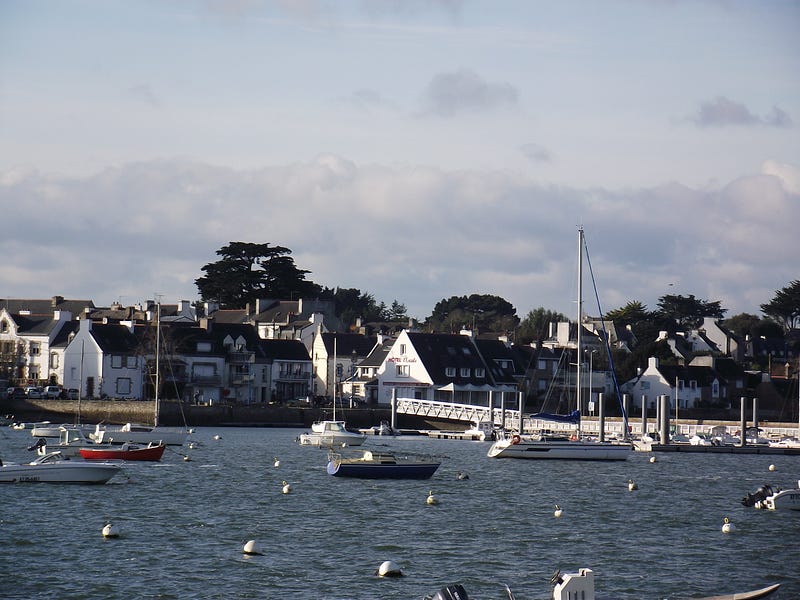
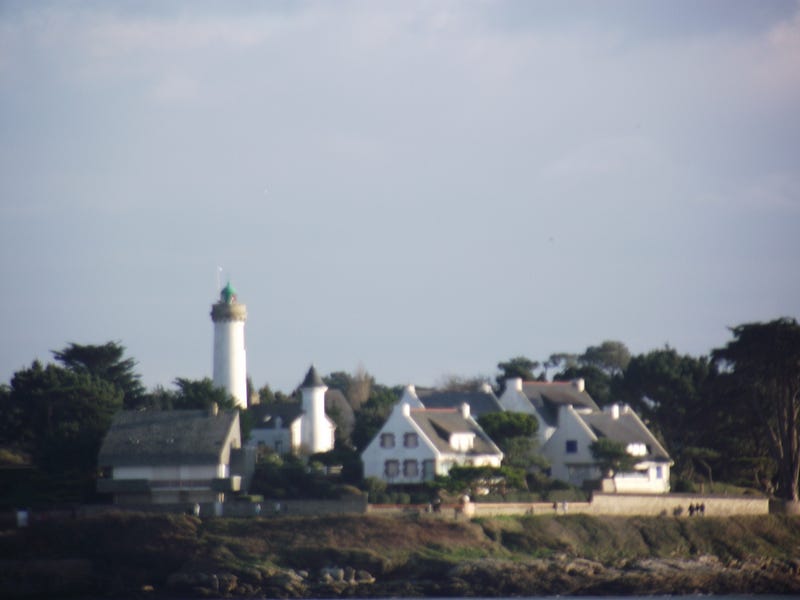
Sundays were always like this.
There was not this Portuguese “hillbilly” thing of spending them in shopping centers, where they are always overflowing with people, or reserving the whole Sunday for God and spending half of it in mass and what’s left of its time, gossiping about other people’s lives right in the churchyard.
If there is a God, they were undoubtedly much more in touch with him on those long walks by the lakeside, where other people passed us by in silence.
And the most incredible thing that would never happen in Portugal was the relationship with the weather, as it didn’t matter if it was rainy or sunny. The weather was never a reason to have to stay at home.
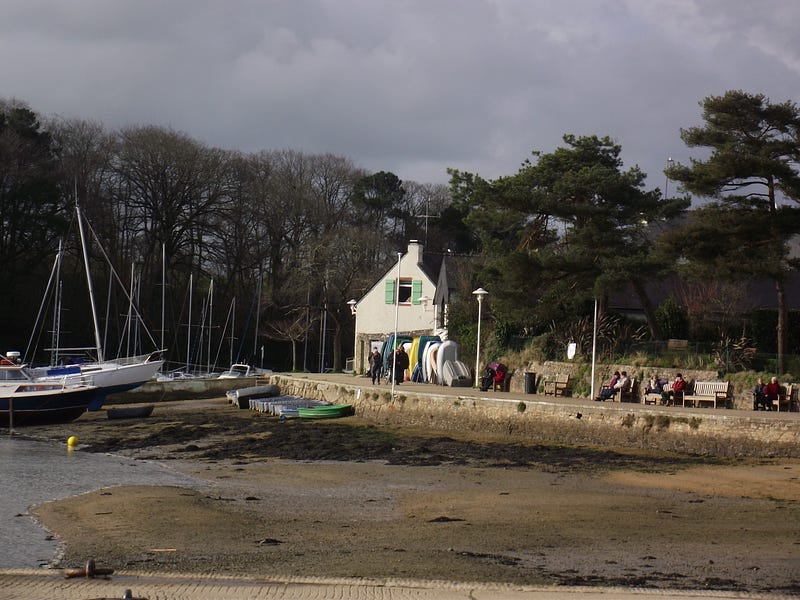
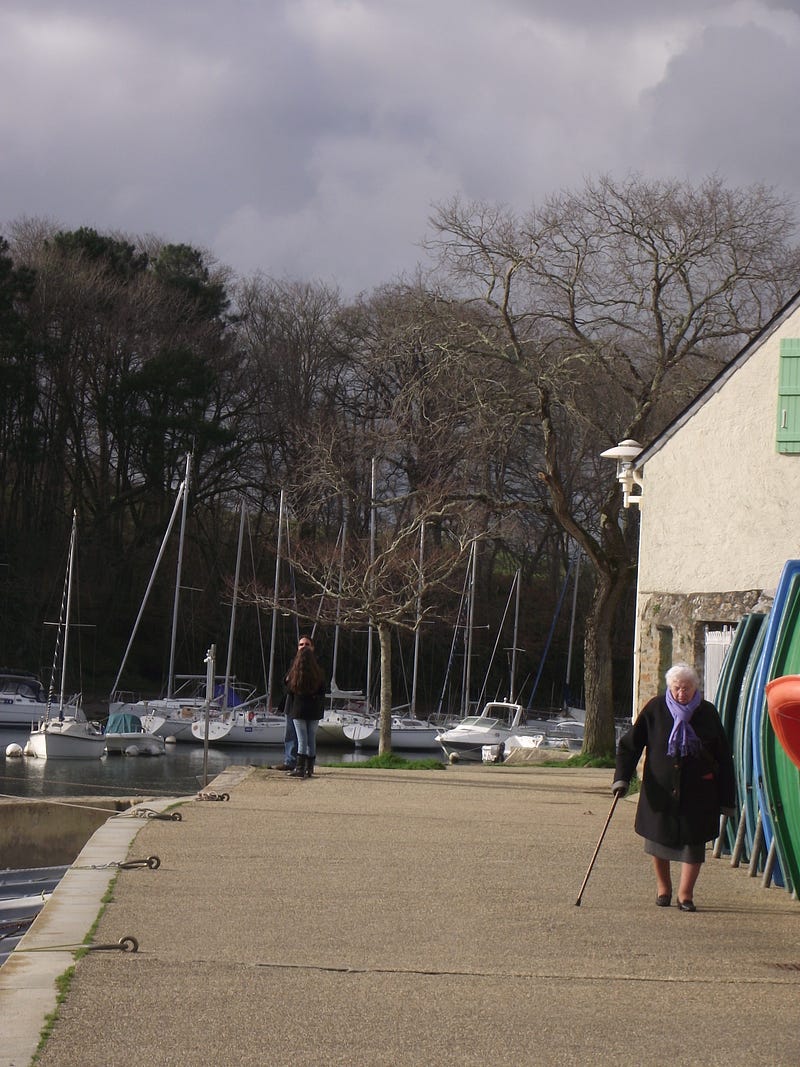
We always went for walks around lakes and trails where there were always people. Strangely enough, I liked the silence; I found it beautiful and civilized.
In Portugal, those who visit us and don’t know us will always think that we are in an eternal loud discussion, that we don’t talk, but rather that we shout.
In a typical Portuguese restaurant, we can’t hear our thoughts. People talk loudly — men mostly — there is exaggerated laughter at things that are not merely funny; there are plates and forks touching each other, coffees being taken out, machines making steam, and disturbing noise. Every little thing is a cacophony! Everything in Portugal seemed to me comparatively about ten volumes up.
And in the street, maybe because of the laziness of moving around, sometimes we call our neighbor from our house in a massive scream for her to hear us — how we still have a voice is sometimes a mystery.
But there, how wonderful it was to speak in a normal voice, to hear the birds singing among themselves, to feel the footsteps our feet were making as we walked along those paths, or even the sound of the rain dripping down into a pool of water that had just formed. Our senses were sharper, and that was beautiful.
The salty crepe from Bretagne, with that leek, cheese, and fried egg in the middle, if it was strange at first, soon after it made my taste buds rejoice with joy.
And it is all these beautiful things that make me miss those days in that strange and remote village called Pluvigner, where I once lived, if only for a brief period of time.
Ps.
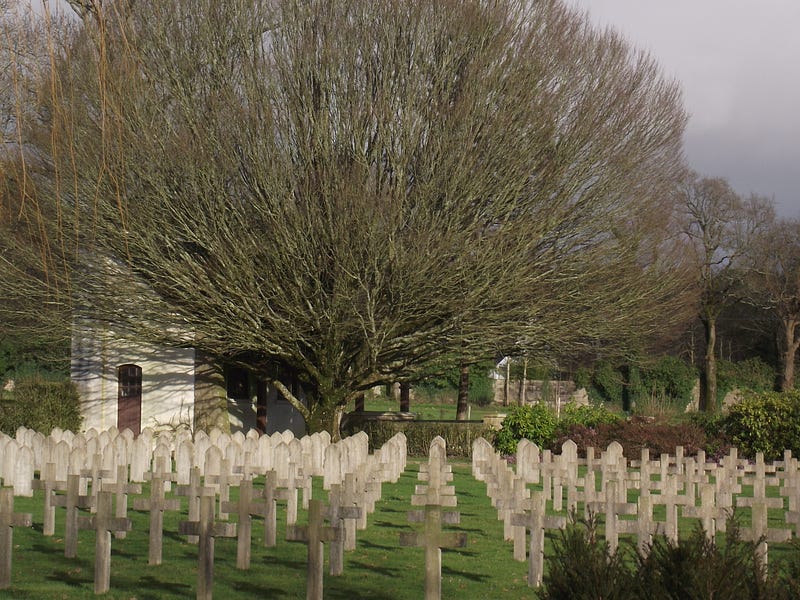
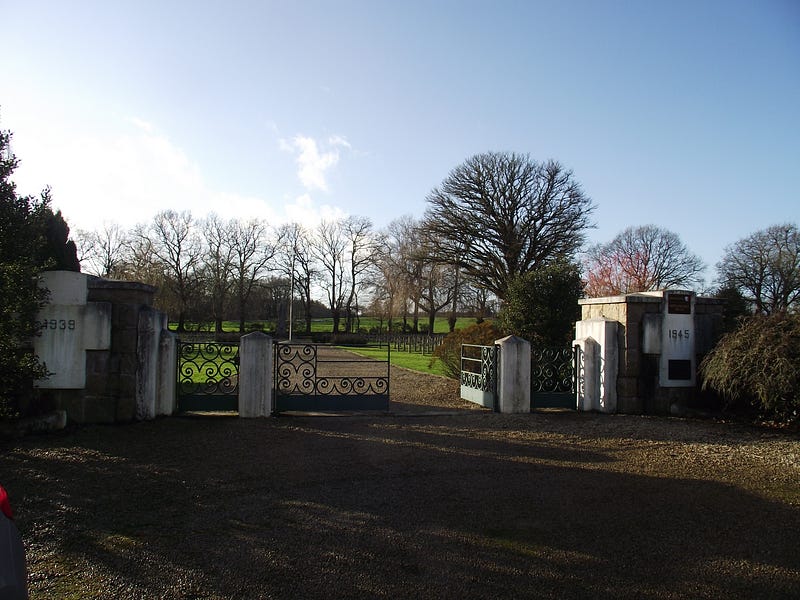
1- As a Portuguese, I found oddly different /disturbing and fascinating the cemeteries of soldiers who died in the second world war. Fortunately, Portugal didn’t enter (we would fight other wars, though)
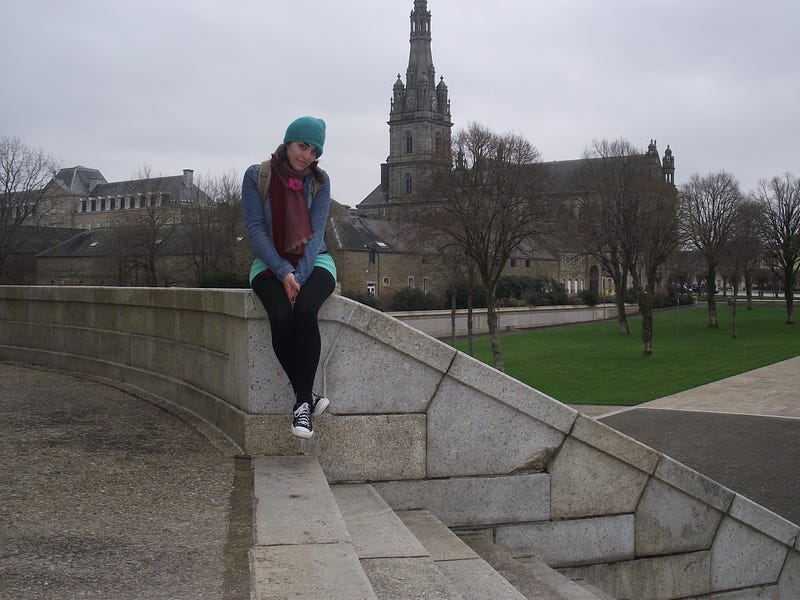
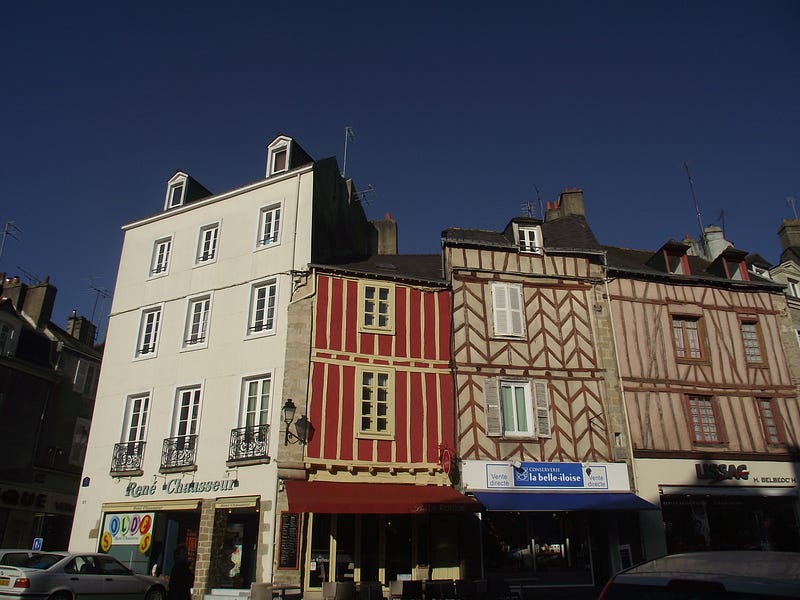
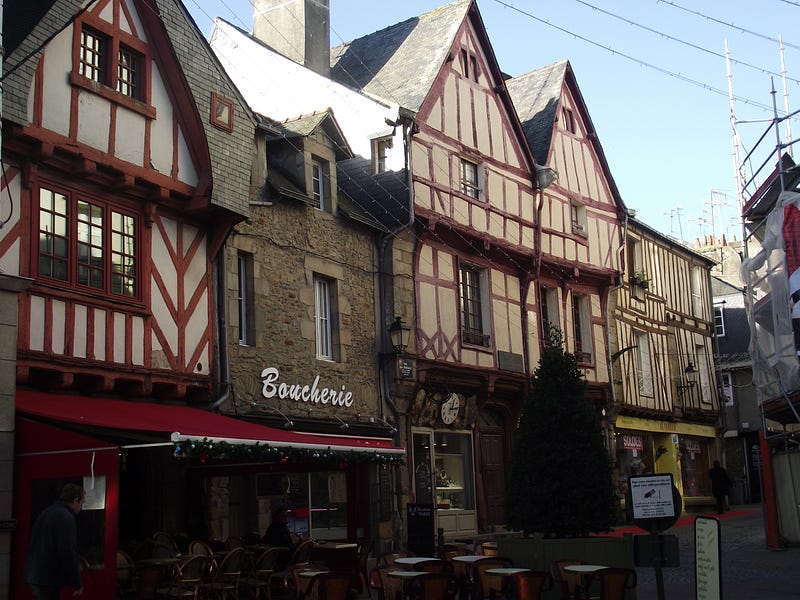
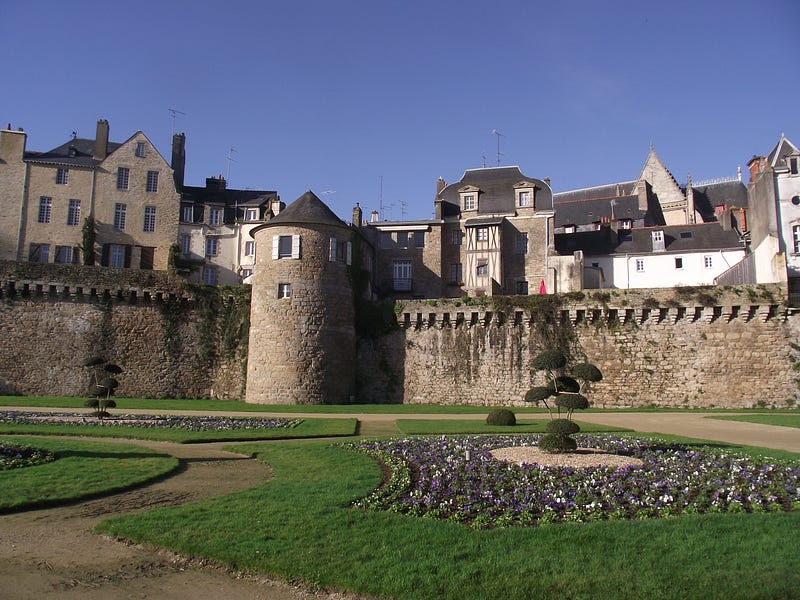
2- I recommend you to visit places like Sant Auray; and the city of Vannes:
Hello, I’m Araci, a female writer from Portugal. I like to write about my country, Portugal. But I also enjoy politics, economics, and issues concerning the climate crisis I’m witnessing in my life and where I live.
If you have enjoyed this article, maybe you would like to buy me a “coffee” here https://ko-fi.com/joanaaraci. You can also join Medium now for only 5$ a month! This gives you access to thousands of articles!
If you do it through my referral link, part of your membership fee directly supports me. Here it is:
You can also find more about me here:
And you also find me now on Substack and subscribe to my newsletter, “Letters from Portugal.”
Here’s a list of my most successful articles on Medium. I hope you enjoy them.
1- About the Housing crisis in Portugal
2- Have you been in a public place and had to put up with other’s people noise coming from their phones? Did that upset you? You may relate to this then:
3- My take on the climate crisis, the changes all over the years, and the real effects happening where I live
4- Inflation is causing damage to people all over the world, and Portugal isn’t an exception:
5- My experience while being a student abroad in Brazil
6- Portugal isn’t Spain, of course. These are the main differences between both countries:
Thank you for reading me


