avatarDesiree Driesenaar

Free AI web copilot to create summaries, insights and extended knowledge, download it at here

5533

Abstract

          <div>
            <div style="background-image: url(https://miro.readmedium.com/v2/resize:fit:320/0*qo2biOvgMtHyjAe0)"></div>
          </div>
        </div>
      </a>
    </div><p id="8238">The Dycle team has developed a fully compostable diaper that can be made locally inside a community. The parents will bring the diapers to a central collection point to be made into <a href="https://en.wikipedia.org/wiki/Terra_preta">terra preta</a>, a very fertile black soil.</p><p id="f84f">Fruit trees will be grown on the soil and land will be regenerated with it. The fruit will feed the children who pooped into the diapers a few years earlier. That’s circular economy for real! A diaper cycle.</p><p id="a202">Some of the benefits are no diaper waste anymore (every baby produces 500 kg diaper waste in their first 2,5 years of living. This translates into 1,400 liters of crude oil needed for plastics), regeneration of barren land with terra preta, healthy fruit for children and community forming among the parents and supporters.</p><p id="57c0">Many European cities are already interested to copy the model, but that has to wait a bit longer. Dycle is a startup with limited time and energy which is now still needed in Berlin.</p><p id="5a36">You can imagine that the multiple income streams in the business model are a challenge. The business model works best as soon as the income stream from the terra preta kicks in.</p><p id="2221">However, it takes time between the collection of the diapers and composting the soil. Impact investors who understand these challenges are scarce, but also here I remain optimistic and see some change for the better.</p><p id="5e9e">And of course, I would love to talk to impact investors who do understand and want to see the new business models thrive without risking the debt trap. Perhaps there are ways I do not know about yet…</p><h2 id="7e15">Abundantly Available Materials</h2><p id="fe7d">Another category of startups I admire is focussing on abundantly available materials, such as e.g. industrial hemp, thistles, bamboo, nettles, and seaweed.</p><p id="75f5">For an abundant future, we really need to change our materials. We need to be able to create resources that grow without chemicals or fertilizers in a biodiverse way. Only then can we regenerate our planet and produce the products that fulfill our basic needs.</p><p id="593f">Let me name some of the startups in this field that inspire me and might inspire you. <b>Dutch Harvest</b> is a startup founded by Esther Molenwijk who is focusing on bringing industrial hemp back to its former glory.</p><div id="16f8" class="link-block">
      <a href="https://dutchharvest.org/en/">
        <div>
          <div>
            <h2>Home | Dutch Harvest | Heavenly Hemp tea from Holland</h2>
            <div><h3>The hemp plant has been an important raw material for many societies for thousands of years. Especially in this day and…</h3></div>
            <div><p>dutchharvest.org</p></div>
          </div>
          <div>
            <div style="background-image: url(https://miro.readmedium.com/v2/resize:fit:320/0*Z4UwpNA5cqkf1kt1)"></div>
          </div>
        </div>
      </a>
    </div><p id="f5f1">Dutch Harvest produces hemp tea and is already operational in seven European countries. Hemp is used as a material in buildings, automotive, textiles, food and much more. And don’t be afraid, the industrial variety doesn’t make you high…</p><p id="5bfb" type="7">“Seaweed is one of the few truly scalable solutions for addressing the CO2 problem”</p><p id="c091" type="7">Professor Tim Flannery, writer of The Weathermakers</p><h2 id="f059">Biodiversity in the Sea</h2><p id="d568">Seaweed is another material that deserves attention. Two companies that I follow in this respect are Seatech Energy and The Seaweed Company.</p><p id="bfd5"><b>Seatech Energy</b> makes platforms in the sea where seaweed may grow in a biodiverse way, regenerating the sea. A highly efficient biodigester makes sure that the seaweed, once harvested, will be turned into energy.</p><p id="0d3c">You can imagine that this solution might be a blessing for island governments, such as Indonesia. This way they can produce energy with what they have locally available in abundance: the sea.</p><p id="c0f0"><b>The Seaweed Company</b> is a startup that innovates with seaweed on many levels. They started a commercial seaweed site in Ireland and now develop all kinds of products with seaweed with the intent to scale them.</p><div id="0c61" class="link-block">
      <a href="https://www.theseaweedcompany.com/">
        <div>
          <div>
            <h2>The Seaweed Company - Capturing the value of seaweed</h2>
            <div><h3>Swedish energy producer Vattenfall asked us if they could use our story for their launch in The Netherlands. They…</h3></div>
            <div><p>www.theseaweedcompany.com</p></div>
          </div>
          <div>
            <div style="background-image: url(https://miro.readmedium.com/v2/resize:fit:320/0*2g3z1D0UZ6dHnDq_)"></div>
          </div>
        </div>
      </a>
    </div><h2 id="b66a">Quick Prototyping</h2><p id="d757">Another start-up that inspires me is <b>Straw by Straw</b>. The founder, Everlyn, shows a great example of quick prototyping. She was not really involved in sustainability, but more into exploring the world, diving, and all thes

Options

e kinds of activities that Millenials inspire.</p><div id="d0bc" class="link-block"> <a href="https://strawbystraw.com/?campaignid=2065297671&amp;adgroupid=78911817569&amp;adid=417599794066&amp;gclid=Cj0KCQjwmdzzBRC7ARIsANdqRRkGAZrl-_RVs8pY5dzhAvEWgk_pLyT0_S-GMNYS1TisZr9Ik_df2mQaAoesEALw_wcB"> <div> <div> <h2>Straw by Straw | 100% Natural Straws. Biodegradable. Eco-friendly.</h2> <div><h3>The Most Eco Friendly Alternative For Plastic Straws. Made From The Bottom Of Cereal Plants, Our Straws are 100%…</h3></div> <div><p>strawbystraw.com</p></div> </div> <div> <div style="background-image: url(https://miro.readmedium.com/v2/resize:fit:320/0*sFQeYeQwicGfyZCU)"></div> </div> </div> </a> </div><p id="b9d7">And then she encountered plastic pollution while diving. She became dedicated to doing something about it and invented a straw that people could eat after using it. However, the bartenders she involved in the product development were critical: people do not want to eat their straw. It’s a gimmick, yes, but short-lived.</p><p id="6b61">So she invented another solution. Why is a straw called a straw? Because it is what it is: straw, a rest product from agricultural harvest. So now she gives organic farmers an extra income stream and she supplies bars and restaurants with biodegradable, natural straws. And it is just the beginning, her ambition to tackle plastic waste reaches far.</p><p id="6f22">Applause from me! <b>And a tip for start-ups: involve your target group early in the development of your product</b>. If you have spent many years developing a product in your attic, you will not be open to constructive criticism anymore. And just that is vital for success…</p><h2 id="104b">Be a Rockstar</h2><p id="8d92">One more start-up and then I rest my case. If you want more examples, just tell me in the comments and I will write the next article featuring others. <b>Paper on the Rocks </b>is a start-up changing the story of paper. Check it out and next time you make notes (about this article perhaps, or other) be a rockstar and use rock paper.</p><div id="98e7" class="link-block"> <a href="https://paperontherocks.com/"> <div> <div> <h2>Home - Paper on the Rocks</h2> <div><h3>Paper on the Rocks create beautifully sustainable notebooks from stone & plant waste. Making eco-friendly, durable and…</h3></div> <div><p>paperontherocks.com</p></div> </div> <div> <div style="background-image: url(https://miro.readmedium.com/v2/resize:fit:320/0*uupi4AIeXxkFwQ8Z)"></div> </div> </div> </a> </div><p id="89c3">This paper is made of waste stone from mining combined with PET plastic. It doesn’t need any water or chemicals to be produced and it can be recycled forever. Those are the benefits we need.</p><p id="7336">And talk about innovation: along the way, they started using completely biodegradable plastics from <a href="https://www.novamont.com/"><b>Novamont</b></a> instead of PET plastics and they injected air into the paper to make it lighter…</p><p id="f812">And of course, when you want to reach out, find me on <a href="https://www.linkedin.com/in/desireedriesenaar/">LinkedIn</a>. I would love to hear your purposeful entrepreneurial story…</p><h2 id="c3f5">Further reading</h2><div id="eefc" class="link-block"> <a href="https://readmedium.com/books-and-study-on-a-healthy-economy-for-people-and-planet-227401a07daf"> <div> <div> <h2>Books and Study on a Healthy Economy for People and Planet</h2> <div><h3>Top 7 books and schools for a shining future.</h3></div> <div><p>medium.com</p></div> </div> <div> <div style="background-image: url(https://miro.readmedium.com/v2/resize:fit:320/1*s1SlnyJuUeyhNYPHbOvj8Q.jpeg)"></div> </div> </div> </a> </div><div id="a2cc" class="link-block"> <a href="https://readmedium.com/how-to-scale-a-regenerative-business-model-601a4d972cc8"> <div> <div> <h2>How to Scale a Regenerative Business Model</h2> <div><h3>To scale or not to scale. Whatever you choose, ask the right questions…</h3></div> <div><p>medium.com</p></div> </div> <div> <div style="background-image: url(https://miro.readmedium.com/v2/resize:fit:320/1*1S9qwM8dElt83Bp3IOYC0A.jpeg)"></div> </div> </div> </a> </div><div id="bc80" class="link-block"> <a href="https://readmedium.com/are-electric-cars-sustainable-please-think-in-systems-b4fd9a834aff"> <div> <div> <h2>Are Electric Cars Sustainable? Please, Think in Systems!</h2> <div><h3>Systemic thinking gives direction for the new, regenerative business models</h3></div> <div><p>medium.com</p></div> </div> <div> <div style="background-image: url(https://miro.readmedium.com/v2/resize:fit:320/1*kOwfoGdUl5l0bydrO3qTzw.jpeg)"></div> </div> </div> </a> </div></article></body>

Wanted: Start-ups with a Purpose

Entrepreneurship can really make a difference…
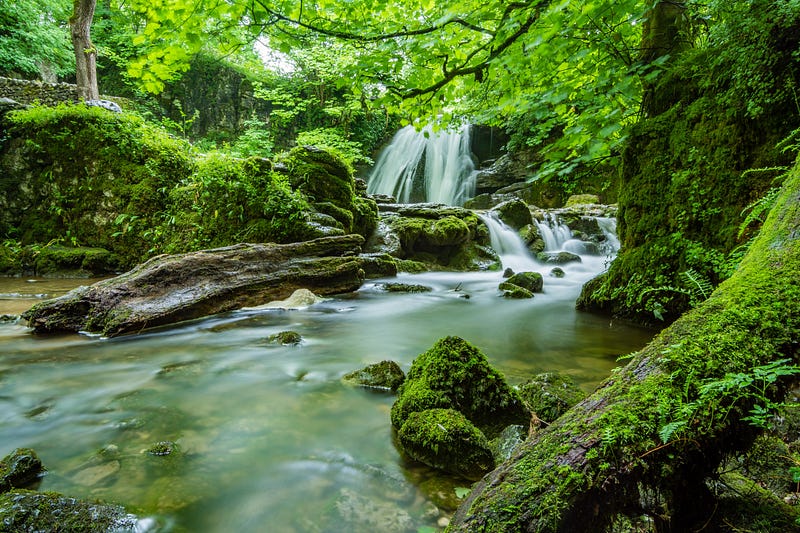
Cascade and abundance — credit: Pixabay, Pexels

The world is changing fast. And although most people will think of robots, cryptocurrency or space tourism when I say this, I see a trend that warms my heart. More and more start-ups have a purpose.

I see so many young people on the entrepreneurial ladder now who want to solve real problems with their inventions. And that is what we need. Idealism with ambition and the new, regenerative business models to go with it.

Use Stranded Assets for Financing

Some months ago I wrote the article “Business Models: from Linear to Circular to Regenerative” and it struck a note with many of my readers.

I’m convinced it’s what we need: entrepreneurs who will solve several problems at the same time with their newly founded company.

We need regenerative businesses in many fields. We need start-ups that process, design and work with abundantly available materials to produce fully compostable products.

We need start-ups that re-invent our production processes in such a way that a minimum of energy is needed. We need start-ups that use stranded assets in a smart way to finance regeneration.

In short, we need you: ambitious, creative, idealistic, driven and dedicated entrepreneurs…

Biodiverse Collection of Solutions

Start-ups in this category might re-invent our food system in such a way that it consumes fewer calories than it produces. Start-ups might be organic farmers who regenerate the soil, create abundance by collaborating with nature ánd who sell directly to their consumers.

They will earn a living by ecological intensification and by creating extra income streams using all their waste streams in a smart way. We also need cooperatives working together to create extra value in local economies, as has been done in El Hierro, the smallest Canary Island, Spain.

The cooperatives in El Hierro make sure everyone earns an honest living. There is not just one way of entering into this transition, we will need a biodiverse collection of solutions. And we need to be very mindful and not judge each other too harshly.

We are all trying to find new ways of living within the boundaries of our planet. And sadly, we need to do this within the restrictions of our current economic system that only values money and disregards other values.

It doesn’t make it any easier for purposeful entrepreneurs. Trying comes with failing, standing up again and trying another road…

Big Transition

Well, if you have read so far, you have an idea of what I think we need. In the rest of the article, I’ll show you why I’m optimistic. I’ll show you examples of start-ups that are doing it.

And I really hope it will inspire you to take your role in the big transition. Because that’s what we are doing: transitioning into a fair economy of passionate people who are not afraid to work alongside nature towards a happy future for all.

Diaper Cycle

The first start-up that really inspires me is Dycle in Berlin. The founder of this company, conceptual artist Ayumi Matsuzaka, has invented a systemic business model for diapers.

The Dycle team has developed a fully compostable diaper that can be made locally inside a community. The parents will bring the diapers to a central collection point to be made into terra preta, a very fertile black soil.

Fruit trees will be grown on the soil and land will be regenerated with it. The fruit will feed the children who pooped into the diapers a few years earlier. That’s circular economy for real! A diaper cycle.

Some of the benefits are no diaper waste anymore (every baby produces 500 kg diaper waste in their first 2,5 years of living. This translates into 1,400 liters of crude oil needed for plastics), regeneration of barren land with terra preta, healthy fruit for children and community forming among the parents and supporters.

Many European cities are already interested to copy the model, but that has to wait a bit longer. Dycle is a startup with limited time and energy which is now still needed in Berlin.

You can imagine that the multiple income streams in the business model are a challenge. The business model works best as soon as the income stream from the terra preta kicks in.

However, it takes time between the collection of the diapers and composting the soil. Impact investors who understand these challenges are scarce, but also here I remain optimistic and see some change for the better.

And of course, I would love to talk to impact investors who do understand and want to see the new business models thrive without risking the debt trap. Perhaps there are ways I do not know about yet…

Abundantly Available Materials

Another category of startups I admire is focussing on abundantly available materials, such as e.g. industrial hemp, thistles, bamboo, nettles, and seaweed.

For an abundant future, we really need to change our materials. We need to be able to create resources that grow without chemicals or fertilizers in a biodiverse way. Only then can we regenerate our planet and produce the products that fulfill our basic needs.

Let me name some of the startups in this field that inspire me and might inspire you. Dutch Harvest is a startup founded by Esther Molenwijk who is focusing on bringing industrial hemp back to its former glory.

Dutch Harvest produces hemp tea and is already operational in seven European countries. Hemp is used as a material in buildings, automotive, textiles, food and much more. And don’t be afraid, the industrial variety doesn’t make you high…

“Seaweed is one of the few truly scalable solutions for addressing the CO2 problem”

Professor Tim Flannery, writer of The Weathermakers

Biodiversity in the Sea

Seaweed is another material that deserves attention. Two companies that I follow in this respect are Seatech Energy and The Seaweed Company.

Seatech Energy makes platforms in the sea where seaweed may grow in a biodiverse way, regenerating the sea. A highly efficient biodigester makes sure that the seaweed, once harvested, will be turned into energy.

You can imagine that this solution might be a blessing for island governments, such as Indonesia. This way they can produce energy with what they have locally available in abundance: the sea.

The Seaweed Company is a startup that innovates with seaweed on many levels. They started a commercial seaweed site in Ireland and now develop all kinds of products with seaweed with the intent to scale them.

Quick Prototyping

Another start-up that inspires me is Straw by Straw. The founder, Everlyn, shows a great example of quick prototyping. She was not really involved in sustainability, but more into exploring the world, diving, and all these kinds of activities that Millenials inspire.

And then she encountered plastic pollution while diving. She became dedicated to doing something about it and invented a straw that people could eat after using it. However, the bartenders she involved in the product development were critical: people do not want to eat their straw. It’s a gimmick, yes, but short-lived.

So she invented another solution. Why is a straw called a straw? Because it is what it is: straw, a rest product from agricultural harvest. So now she gives organic farmers an extra income stream and she supplies bars and restaurants with biodegradable, natural straws. And it is just the beginning, her ambition to tackle plastic waste reaches far.

Applause from me! And a tip for start-ups: involve your target group early in the development of your product. If you have spent many years developing a product in your attic, you will not be open to constructive criticism anymore. And just that is vital for success…

Be a Rockstar

One more start-up and then I rest my case. If you want more examples, just tell me in the comments and I will write the next article featuring others. Paper on the Rocks is a start-up changing the story of paper. Check it out and next time you make notes (about this article perhaps, or other) be a rockstar and use rock paper.

This paper is made of waste stone from mining combined with PET plastic. It doesn’t need any water or chemicals to be produced and it can be recycled forever. Those are the benefits we need.

And talk about innovation: along the way, they started using completely biodegradable plastics from Novamont instead of PET plastics and they injected air into the paper to make it lighter…

And of course, when you want to reach out, find me on LinkedIn. I would love to hear your purposeful entrepreneurial story…

Further reading

Sustainability
Startup
Business
Innovation
Climate Action
Recommended from ReadMedium