
GLOBETROTTERS WRITING PROMPT
Traveling Through Time With Ruins of the Past
From Europe over Asia to Africa
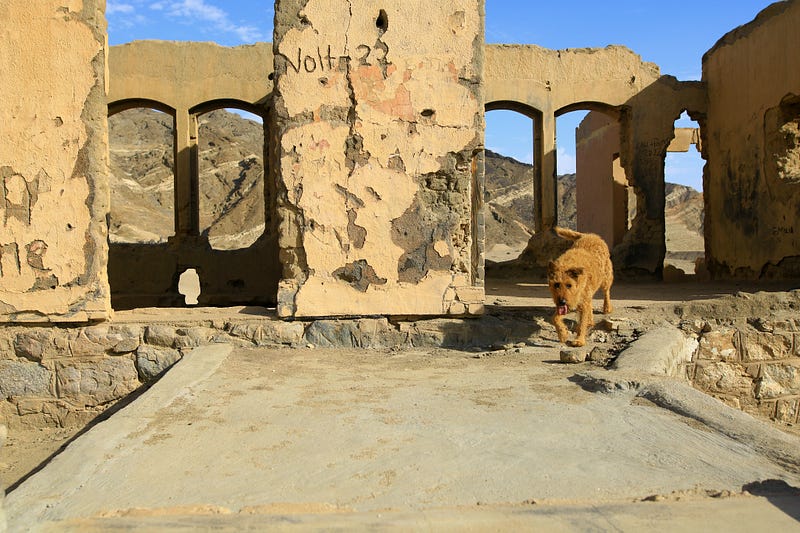
Going through folders of photos and traveling in the memories, I must say I haven’t been such a culture-avoiding traveler as my mom used to call me. I visited countless castles and ruins of fallen societies all over the world.
While sure, I’m a nature lover and I’ll always choose a hard-core hiking adventure over a city trip but I have visited numerous historical places in the past as well.
Lake Garda, Italy
It was 2010 when I went on a short trip to Lago di Garda together with my ex-boyfriend. We spend a few days down by the lake and did a hike in the surrounding mountains even though back then, I was in that phase where I hated hiking.
We stayed in an old apartment not far from the lake in the town of Malcesine. We drank cocktails in the evening, tasted the local ‘Limoncello’, a liquor, and walked through narrow alleyways.
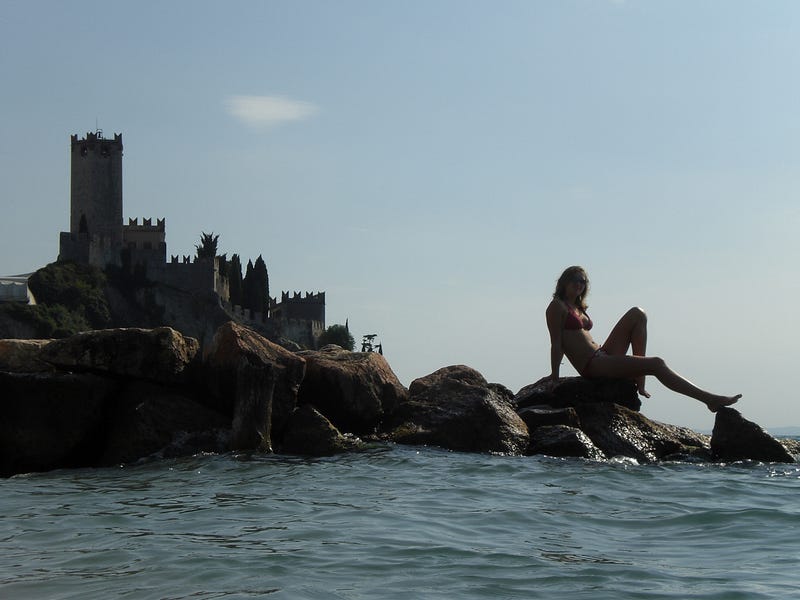
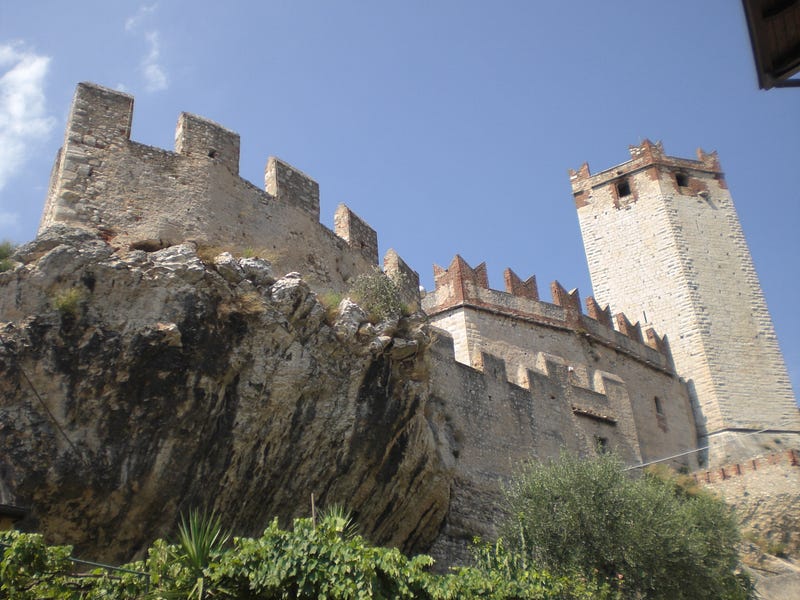
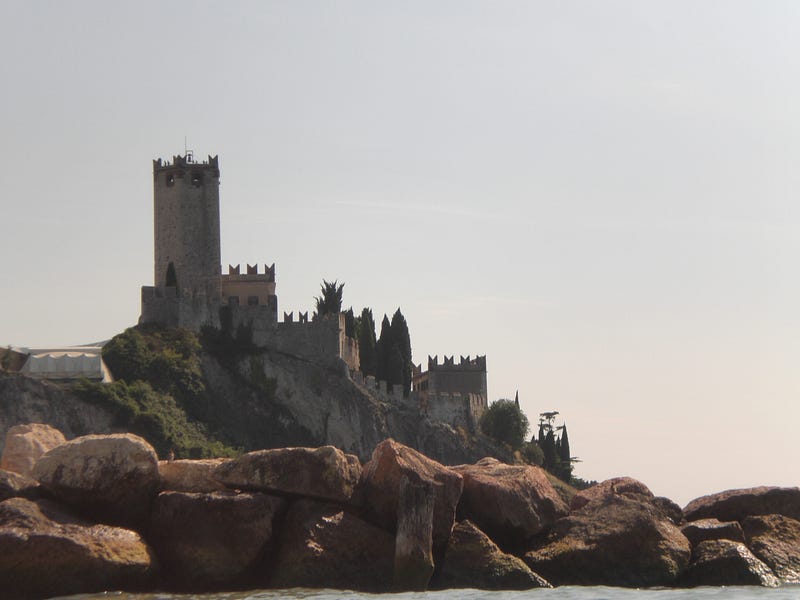
Scrolling through the pictures of that visit, I now stumbled upon the Castle of Malcesine (Castello Scaligero di Malcesine). I can’t say for sure I was inside but I got a few pictures from the outside.
“The fortress of Malcesine dates back to the last centuries of the first millenium B.C. even if some other well-founded sources maintain that the first to build the castle were the Longobards around the half of the first millenium A.D. The castle was destroyed by the Franks in 590 A.D. and then rebuilt.” — visitmalcesine
Algarve, Portugal
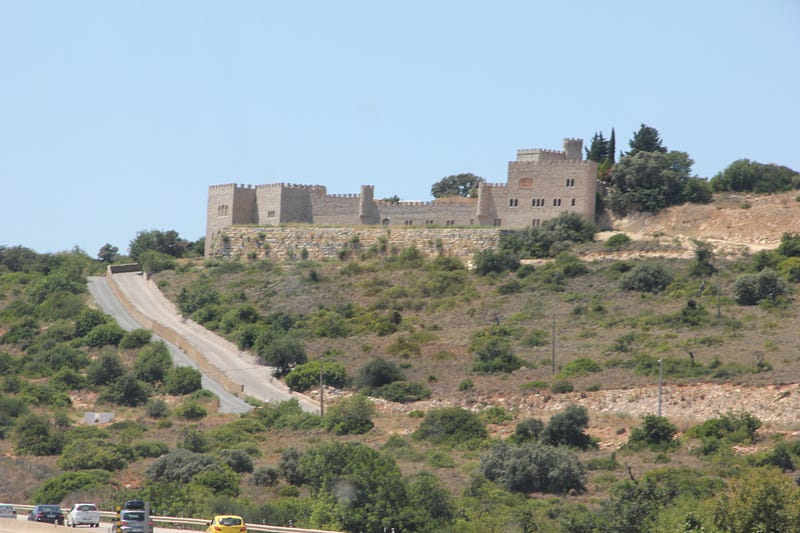
One year later, we flew to Algarve. While we spent most of our days in the resort and on the beach, I do remember renting a scooter one day and heading out to explore the spectacular coastline.
However, as I do not remember the town we stayed in or where we drove to, I have no idea where the castle below is located.
Saschiz, Romania
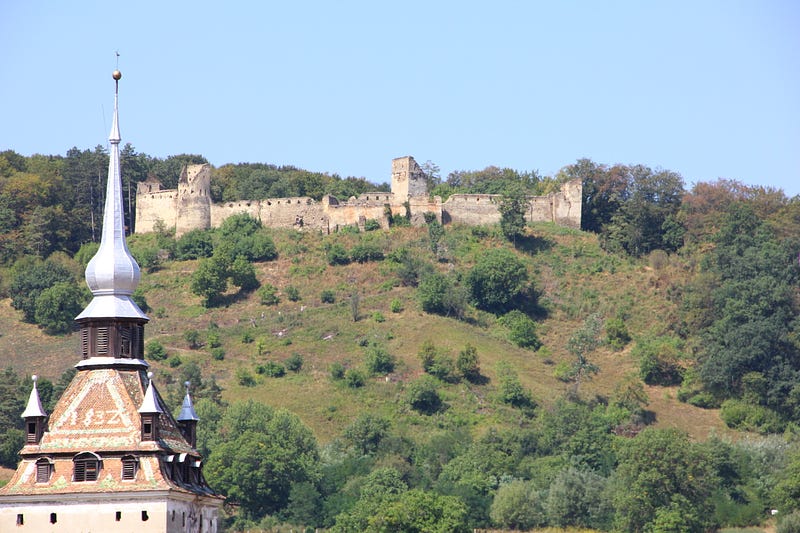
Talking about ruins, castles and fortified walls in Romania, I wouldn’t just fill an entire article but a book with it. Just on my latest trip to the home country of my parents, I visited up to three castles a day.
The history of Transylvania can’t be understood without those fortified churches and castles but I am not going into depth with them in this post.
“The reason there are so many castles in Romania is due to the country’s opulent medieval culture. Romanian castles, created from the 14th century and 18th century, have served as fortresses for armies to defend the country against intruders.” — thebalkanstravelbeauty.com
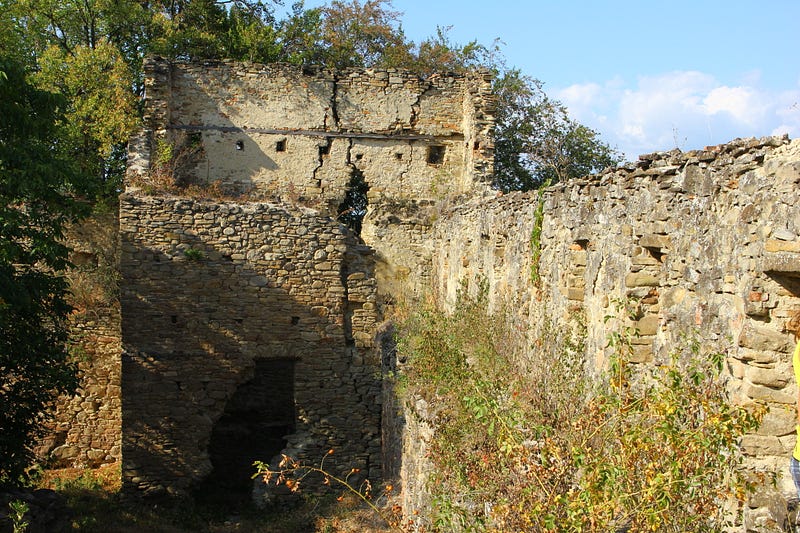
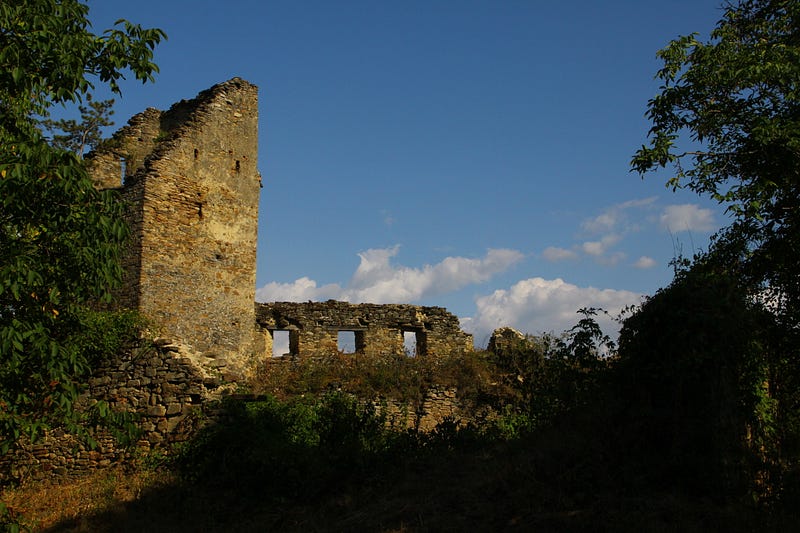
And the one I am featuring below is up on the hill in my mother’s birth village. While it was closed due to restoration works last fall, I have been up on it on previous visits.
Many castles in Romania get these days ‘fixed up’ with European funds to attract more visitors. I’m not particularly happy about it as it destroys their old appearance and transforms them into new buildings but who am I to judge? At least these places of important history are being looked after.
Mallorca, Spain
In 2014, together with a friend of mine, I flew to the island of Mallorca. They call it also the 17th German state as there might be more German than Spanish people on the island. But yes, officially, it is a Spanish island.
While we spent our days mostly tanning on the beach, swimming in the ocean and sipping cocktails in the evening, we did rent a car one day and drove through the countryside.
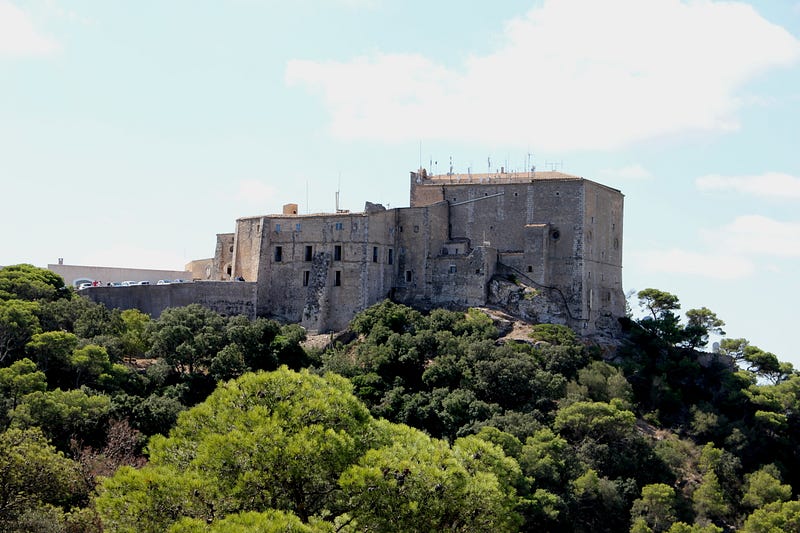
That was when I stumbled upon the picture below. I do remember us driving up a hill and doing a photo shoot with a grand view of the island behind us but I don’t remember those ruins.
Zooming in and out of Googlemaps, I came to the conclusion we must have visited Sant Salvador. I could be wrong though.
“The Sanctuary of la Mare de Déu de Sant Salvador is a monastery dating back to the mid-14th century. It was built around the time of the black death when it was believed altitude would keep the disease at bay. It’s located in the municipality of Felanitx on the top of Puig de Salvador, 509 metres above sea level.” — ABC Mallorca
Gold Coast, Ghana
Leaving the continent now, during my time volunteering in Ghana in 2014/2015, I did countless weekend trips across the country exploring nature parks, tropical beaches, rain forests and ruins of an ancient and dark past.
Fort Metal Cross in Dixcove was one of them. During the Christmas holidays, I did a week-long backpacking trip along the coast and the day after my birthday I stumbled upon the old and poor fishing village of Dixcove.
The one thing that stayed in my mind about this place was how covered in plastic it was. There were carpets of plastic trash swimming in the ocean. The smell was so bad, I could barely breathe.
I quickly walked through the village and then sat down on a boulder on the coastline just outside of the settlement. This was when I had a very disturbing conversation with a local who asked me why I was so sad. After explaining to him why I was worried about the pollution of the village and the ocean, he explained to me,
"Let me tell you one thing, it is very easy. Every night, the waves come and take all the plastic away. The trash goes out onto the ocean and never comes back. It’s great.”
I didn’t know if I should laugh or cry. This man had never left his village and this is the education he has received. This is what he was taught to believe.
I never felt so helpless and ashamed in my life. We brought them the plastic but did not educate them about it or explained the recycling process. This was everyone else’s but not his fault.
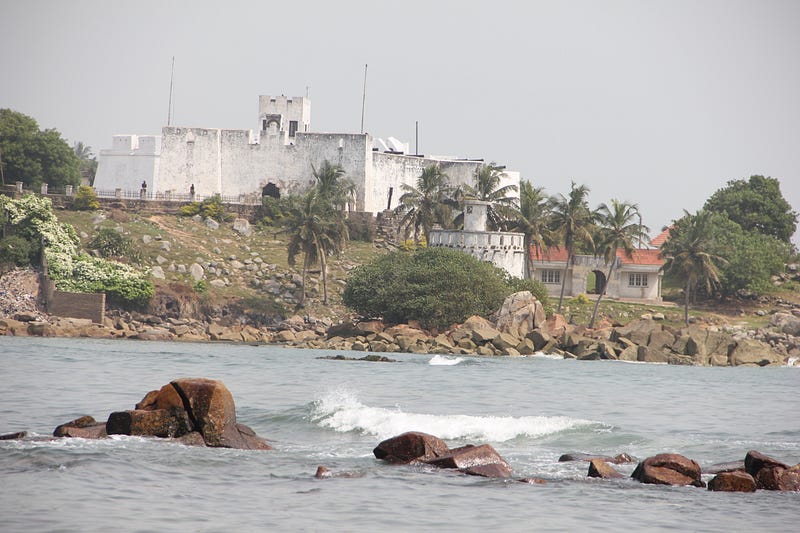
On that said backpacking trip, after a day where I was hiking through a coastal rain forest and along tropical beaches where I was handed over from one local to another who did that to protect me from thieves, I reached Prinzesstown.
Not having booked or researched if the village had a guesthouse, the last group of men who accompanied me, brought me to Fort Gross Frederiksburg.
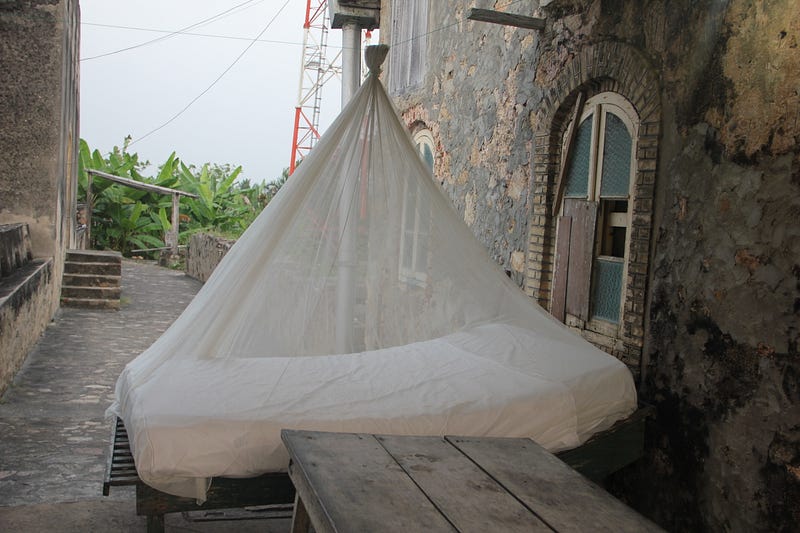
The fort wasn’t officially a guesthouse but an older German guy who stayed there in an attempt to buy some land along the coast told me to sleep on a mattress outside on the fort’s balcony. Yes, this was one of the more unique places I have ever slept in.
This said man, was also the first one putting the idea of writing a book into my head. He simply introduced me to his friends as an author. He said I was backpacking along the coast to write a book. He just met me but might have known me better than I did myself.
“The history of the Brandenburg fort, Fort Gross Fredericksburg, still reverberates in the Caribbean, via the John Canoe festivals. On Manfro Hill, in Princestown, in the Western Region of Ghana, the Brandenburg Africa Company, led by Benjamin Raule, under the patronage of the Frederick William of Brandenburg, built the luxurious Fort Gross Fredericksburg as their headquarters, between 1683 and 1684, desiring also ‘a place in the sun’ and the riches of the Gold Coast. It is the only fort in Ghana with Germanic authors.” — Ghana Museums
Fraser’s Hill, Malaysia
It was in 2019 when I did a short visa run to Malaysia and instead of just staying in the capital, my husband and I escaped to the mountains. Locally known as Bukit Fraser, the town in the jungle was the retreat we were looking for.
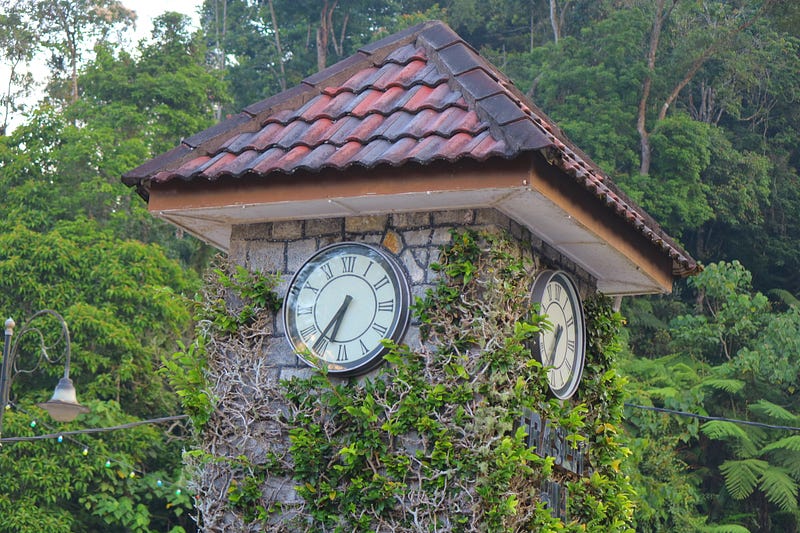
While we had planned on a long hike through the rainforest, we were surprised when we stumbled upon the old clock tower in town the evening we arrived.
Before Fraser’s Hill became a holiday resort, a community grew around a small tin mining company. But all mining works stopped when the tin deposits were depleted in early 1900.
Évora, Portugal
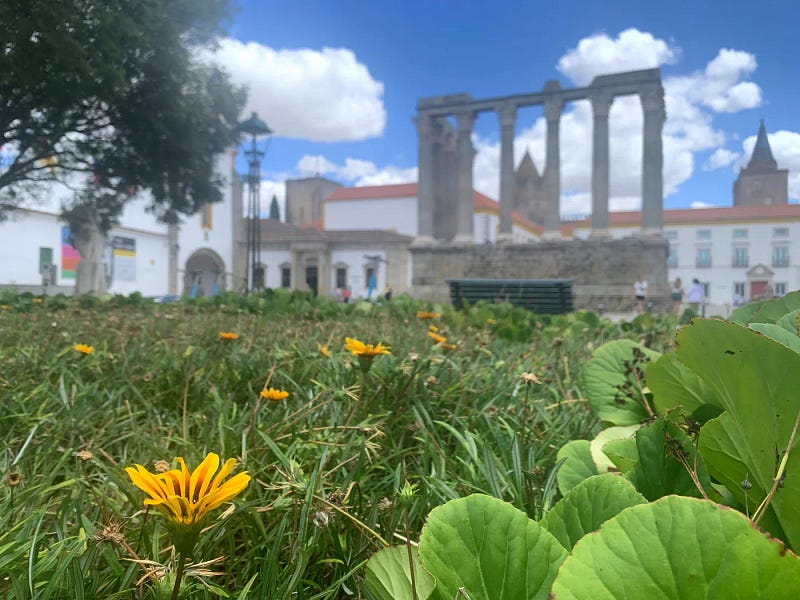
Fast forward a couple of years, it was in 2022 when my husband and I did a business trip to Portugal and ended up in Évora. When the weather wasn’t playing along and we couldn’t skydive that day, we went into the city to explore some of what it had to offer.
While there were many fascinating points of interest, the one thing that stood out to me was an ancient temple of Roman times. Located right next to a large Cathedral with significant historical value, this temple made everything else appear so young.
“The Roman Temple of Évora, also referred to as the Templo de Diana is an ancient temple in the Portuguese city of Évora. The temple is part of the historical centre of the city, which was included in the classification by UNESCO as a World Heritage Site. It represents one of the most significant landmarks relating to the Roman and Lusitanian civilizations of Évora and in Portuguese territory.” — Wikipedia
Budapest, Hungary
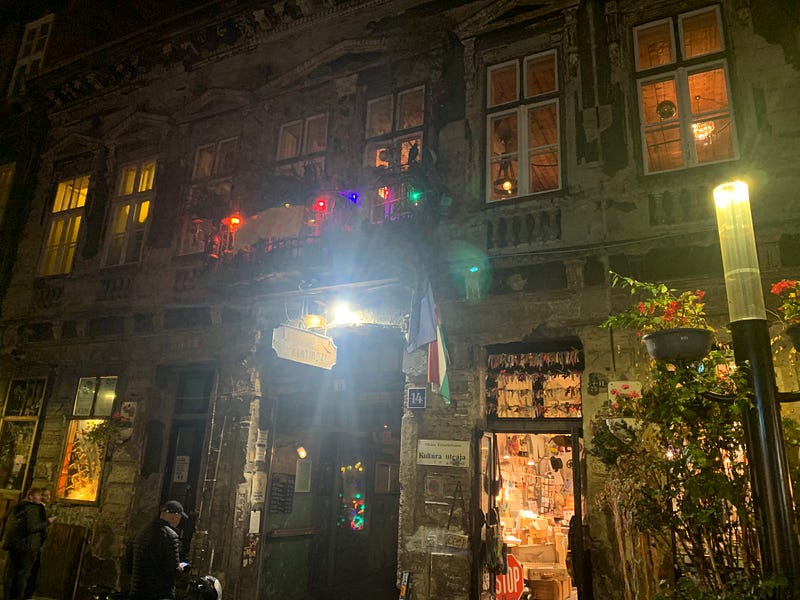
While Budapest is packed with historical buildings, I am only going to mention the ruin bars as they have a very different appearance and are certainly unique.
During a short visit in November 2022, I went bar hopping in one of the most fascinating bar scenes in the world.
“After World War 2 and the cold war years, many buildings in the old Jewish Quarter of Budapest had been left to rack and ruin. In the early nineties, a number of enterprising individuals began to transform these dilapidated buildings and courtyards into the perfect character-filled underground bars and pubs - earning them the title of ruin bars.” — thecommonwanderer.com
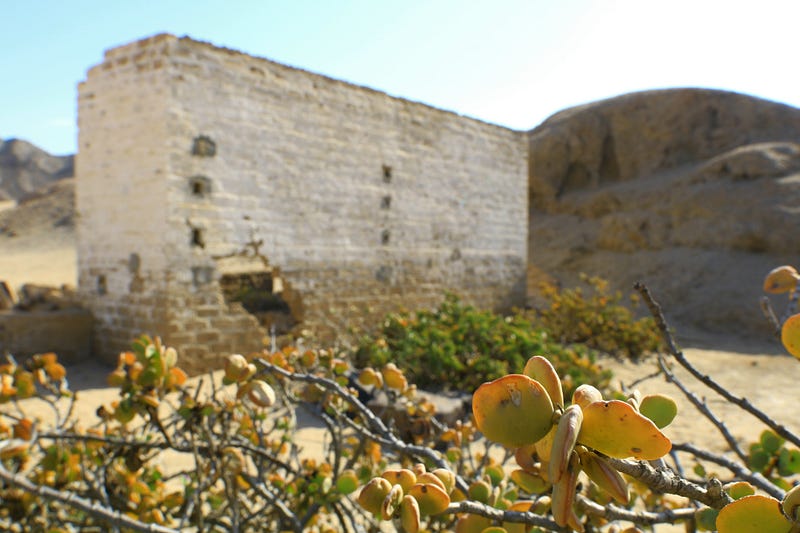
Farm Weitzenberg, Namibia
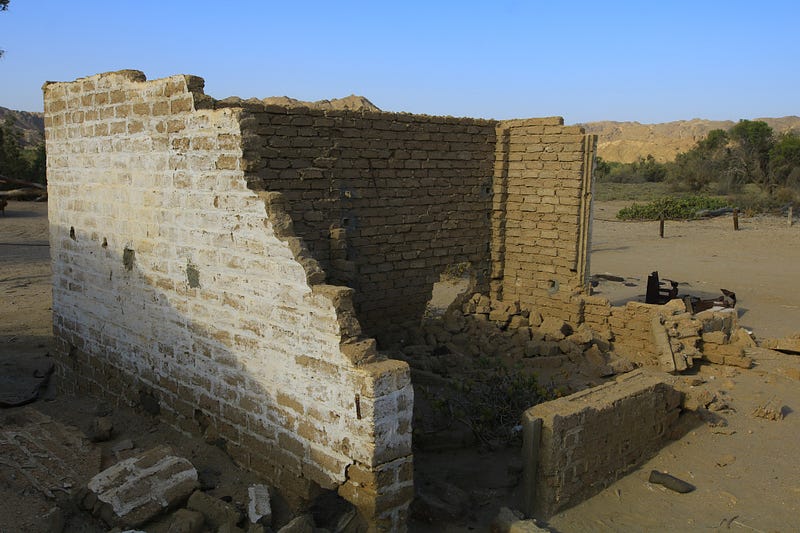
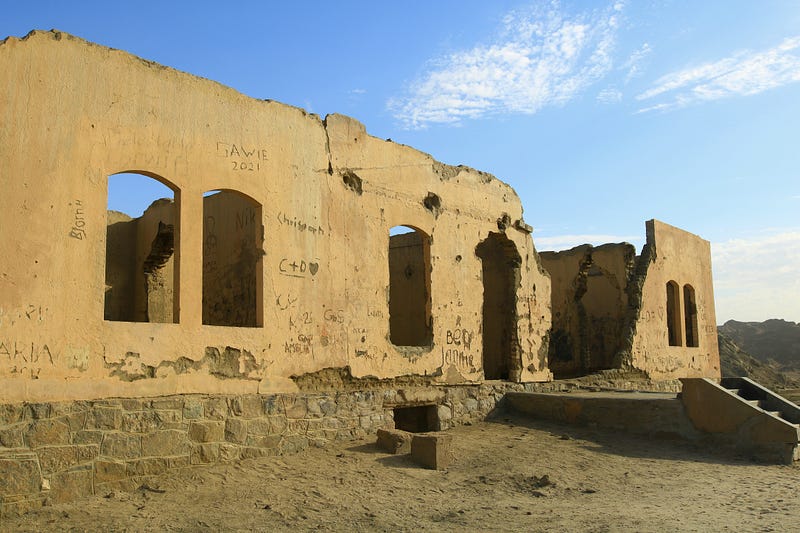
While I visited the ruins below years ago the first time, the pictures are from my most recent visit earlier this year. The ruined buildings in the Swakop River in Namibia are the only ones from all places in my list that cannot be found on Googlemaps or any maps by all means.
Farm Weitzenberg near Goanikontes was established in the late 1800 and was used to farm ostriches in the dry riverbed of the Swakop. While research on this place is nearly impossible, it is said the farm was destroyed during floods on Easter weekend in 1918.
Today the fallen buildings, ruins, or what is left of them are sometimes used as a movie set or by locals as a location to celebrate parties.
Valetta, Malta
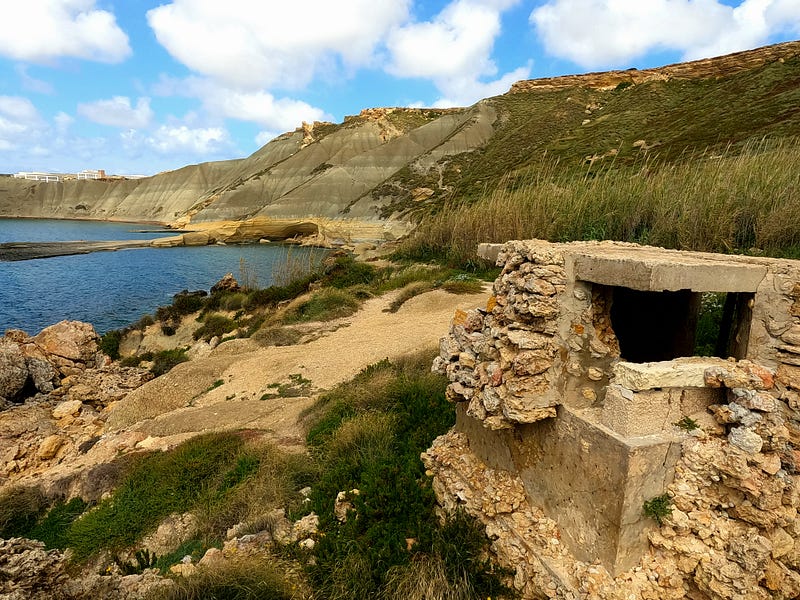
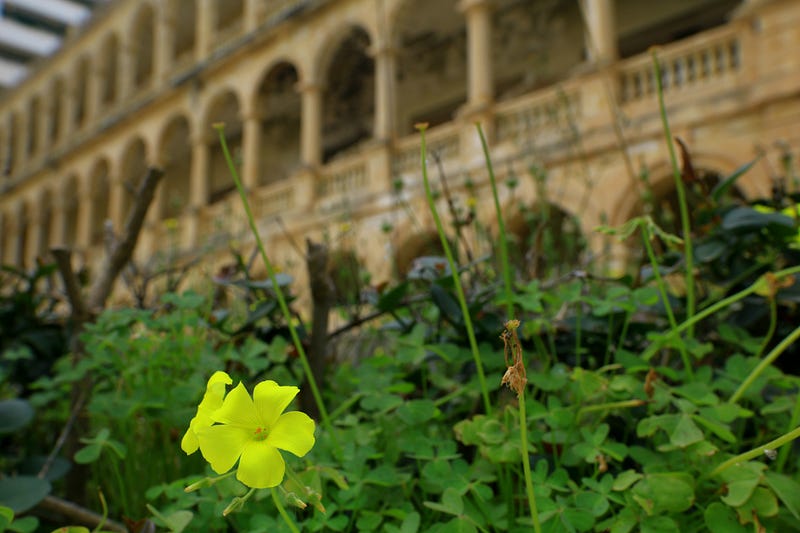
Just a few weeks ago when we jumped onto a last-minute adventure, we landed on the archipelago of Malta and were surprised by the ancient history this country has to show.
Not the castles, churches or temples but entire fortified cities were waiting for us all around the island.
Final words
And while I thought this was going to be a short essay displaying a few ruins I have encountered in the past few years, this project got expanded and I was surprised about how much history I did take with me on all those travels.
This is a writing prompt response to Globetrotter’s monthly challenge: Ruins of the World
Others have shared their own stories on ruins as well. Adrienne Beaumont is leading this month’s challenge in numbers but that is no surprise as she certainly has visited countless exciting historical sites. This one I liked in particular:
Simon Whaley went on a mission to see how many castles he could visit together with his nephew. In one day. Guess how many they managed…
The Great Welsh Border Castle Challenge
How many ruined castles can you visit in one day?
medium.com
Join my email list here if you would like to read more travel essays or sign up for the Medium membership to receive unlimited access to my and other writers’ stories out here (I will receive a commission fee in return).
WordPress | Shutterstock | Instagram | YouTube | Mailchimp | Amazon


