
TRAVEL. ROMANIA.
Three Castles in One Day — This is Transylvania
Another day of exploring the culture of my ancestors
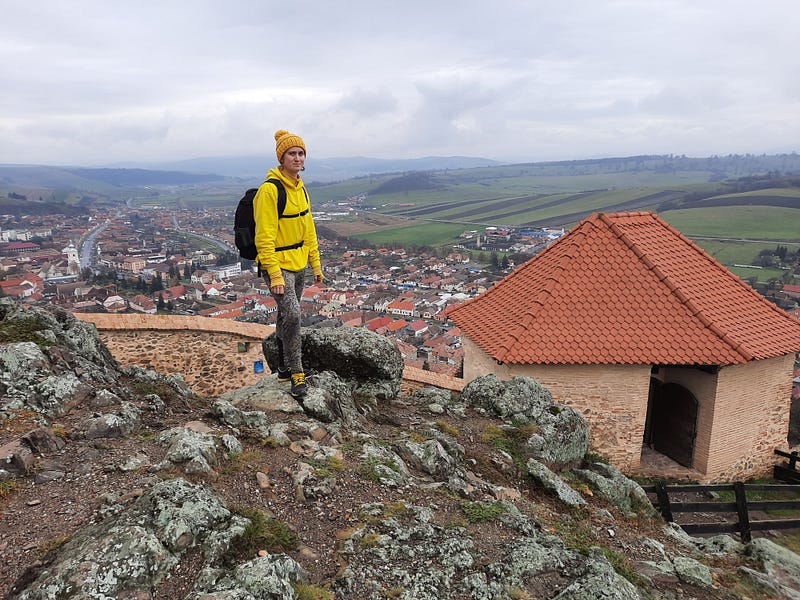
When our journey through Transylvania was to be described with one word, it would be castles. Known for its rich culture and historical buildings, this part of the country certainly has many castles and forts to visit.
Talking about which. What is actually the difference between a castle and a fort?
“The main difference between castle and fort is that a castle is a fortified residence of a nobleman or a king while a fort is a fortified building.” — Pediaa
While both are fortified constructions, the fort serves a military purpose while a castle is where noblemen and royalty live (or lived).
And on today’s journey through the rich history of Transylvania, we are going to see three of them out of three different categories.
Leaving the town my mom grew up in behind, we headed south and drove to Viscri. The tar stopped as soon as we passed the village’s sign board.
Yes, we were stepping back in time. Cobblestone streets, houses with old facades and historical water wells are in the center of this quaint village.
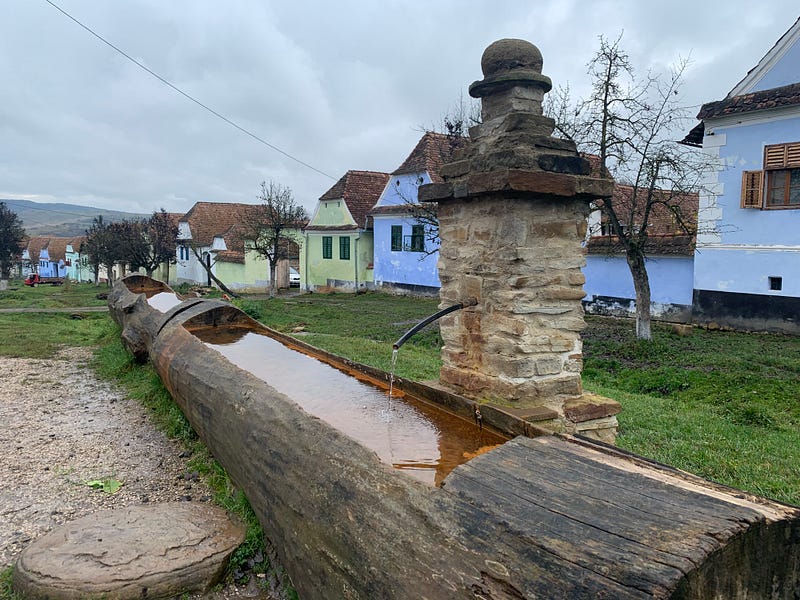
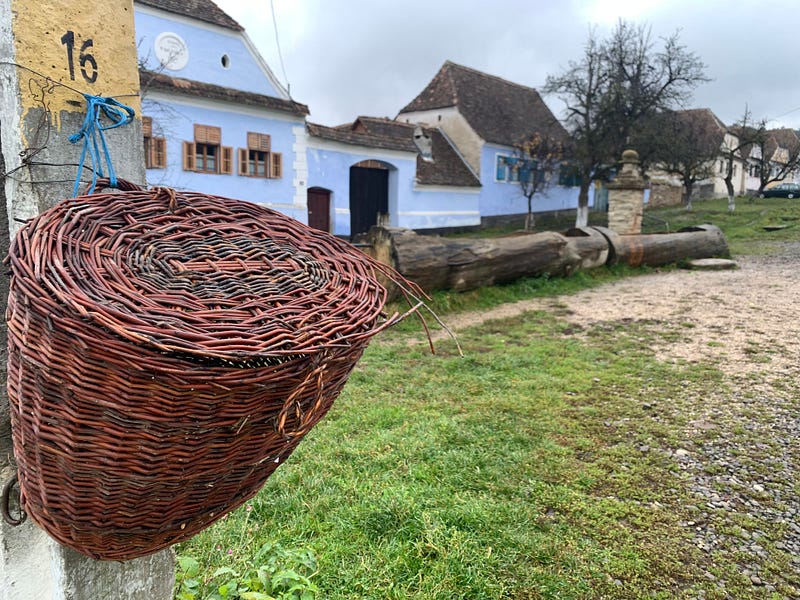
Even the trash bins aren’t an eyesore in the streets of this small village.
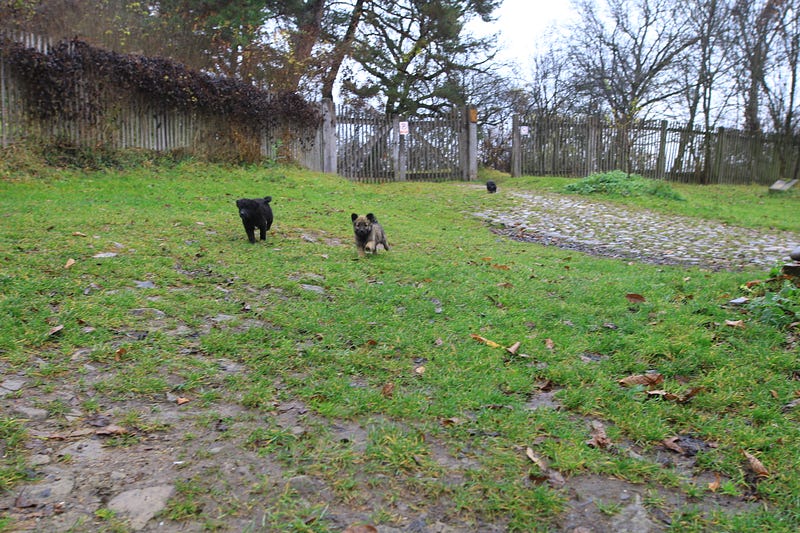
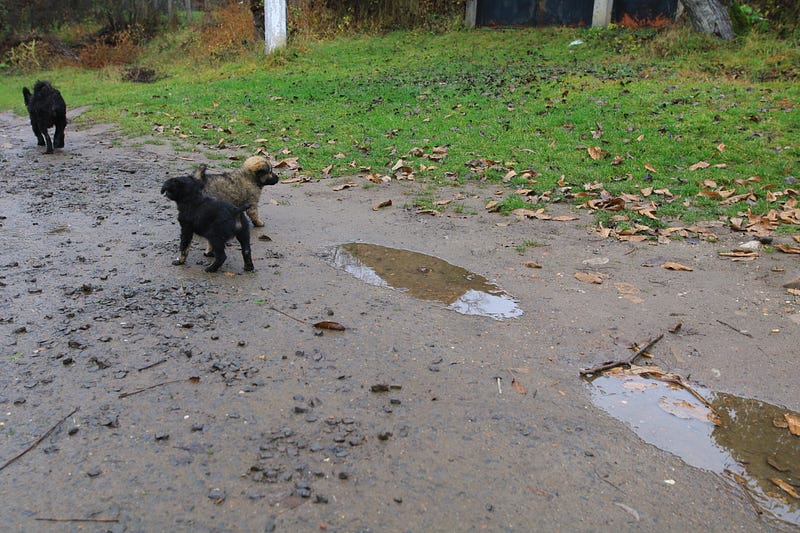
As we arrived at the edge of the fortified walls, a herd of dogs was running toward us. Nothing concerning. It was a mom with her young puppies. Like all stray dogs we had encountered so far, they were just curious.
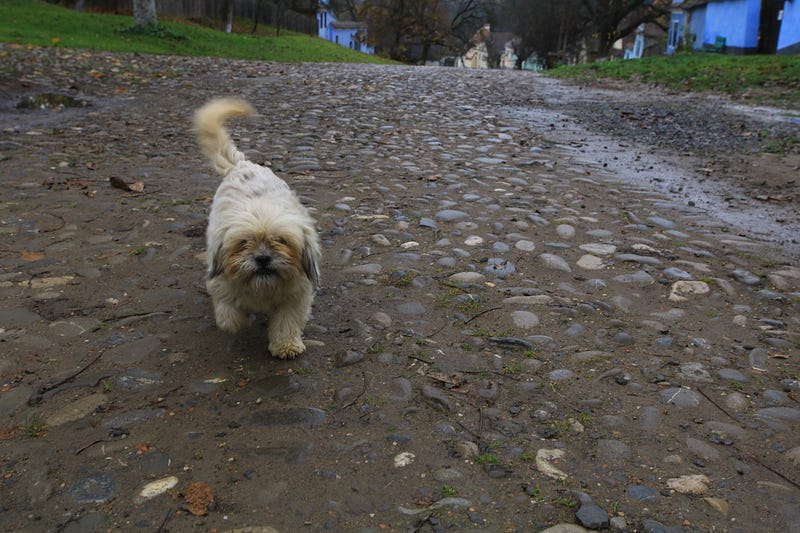
And then another dog came. With long hair over his face barely leaving him space for the eyes to see through that furriness.
We knew we were too early for the winter opening hours but had started our day since we had a long drive ahead of us.
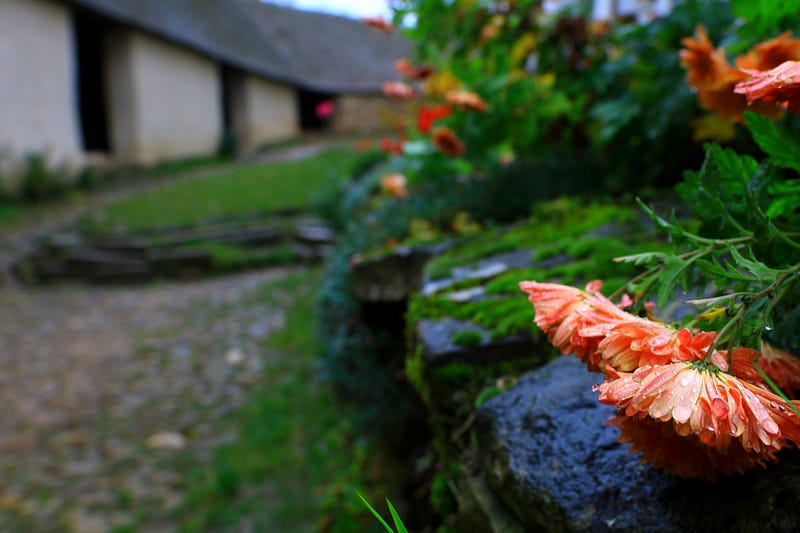
And if you might have expected it the least in this village far off the beaten track, this is where the most friendly and welcoming hosts are to be found.
A lady opened the gate for us and we were welcomed almost an hour before opening times. We were told we could enter every room that had an open door.
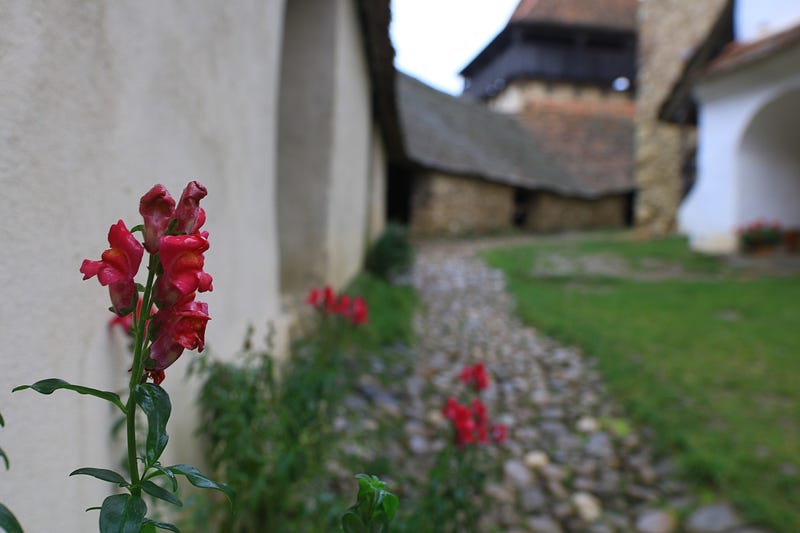
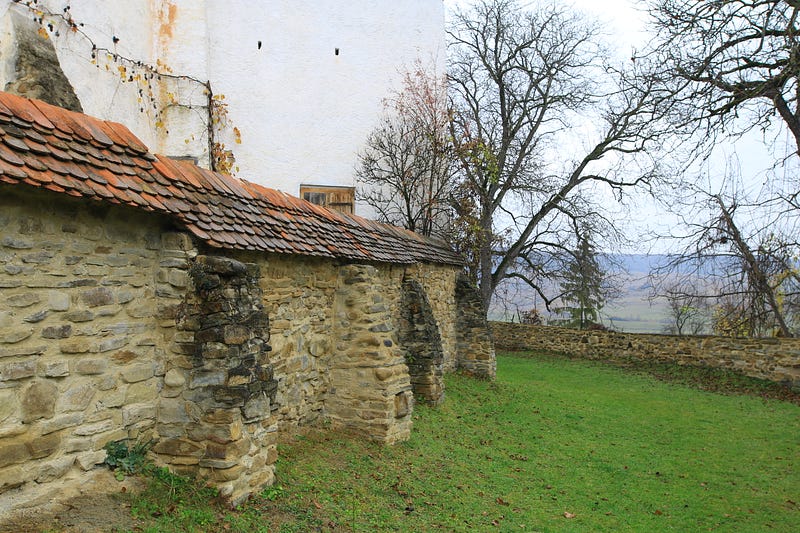
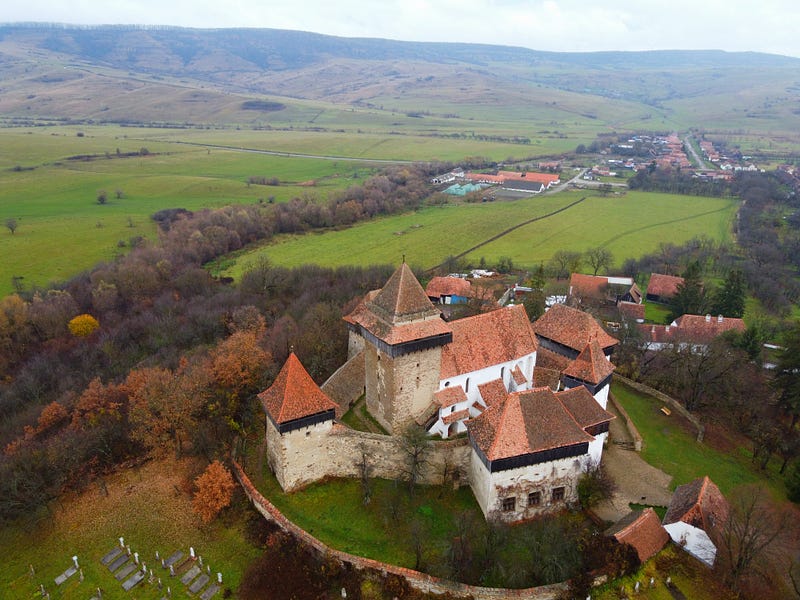
Do you want to know what we were visiting? The fortified church of Viscri. One of many in a country where every tiny village had converted its religious building into a place of refuge in case intruders were arriving.
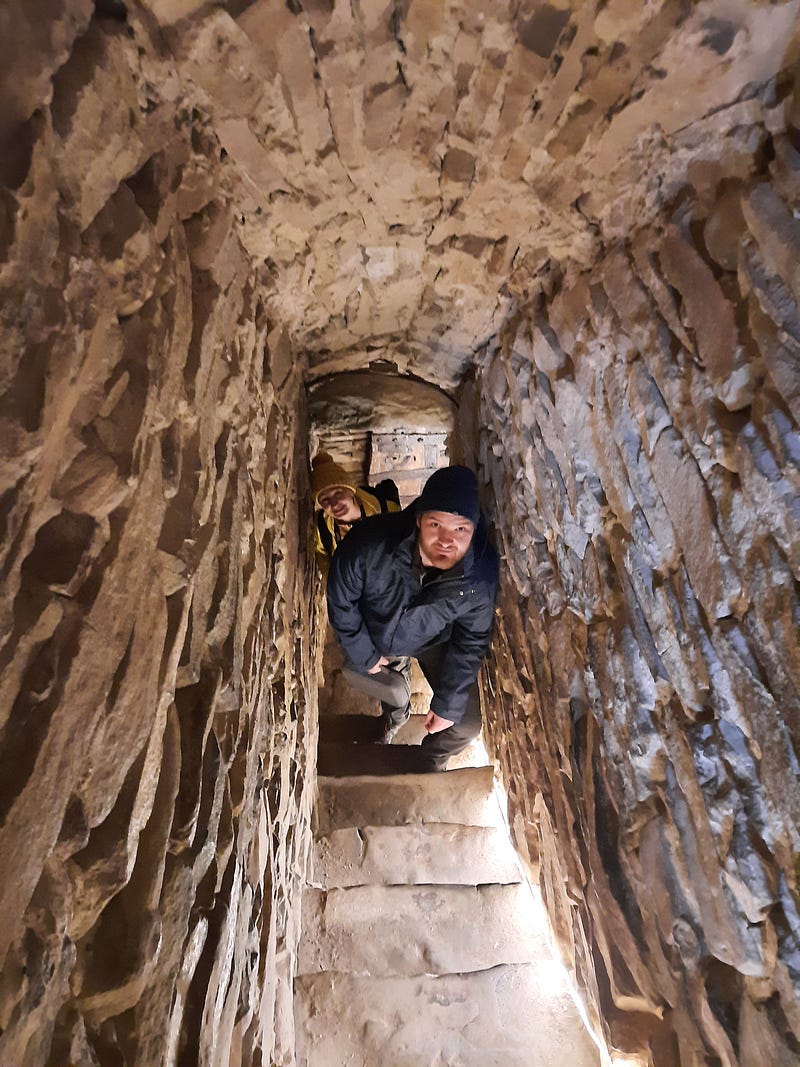
We entered all kinds of different rooms and stumbled upon traditional clothing and old working machines. We walked up stairs, ducked down for low-ceiling entrances and embraced the solitude in this sacred place.
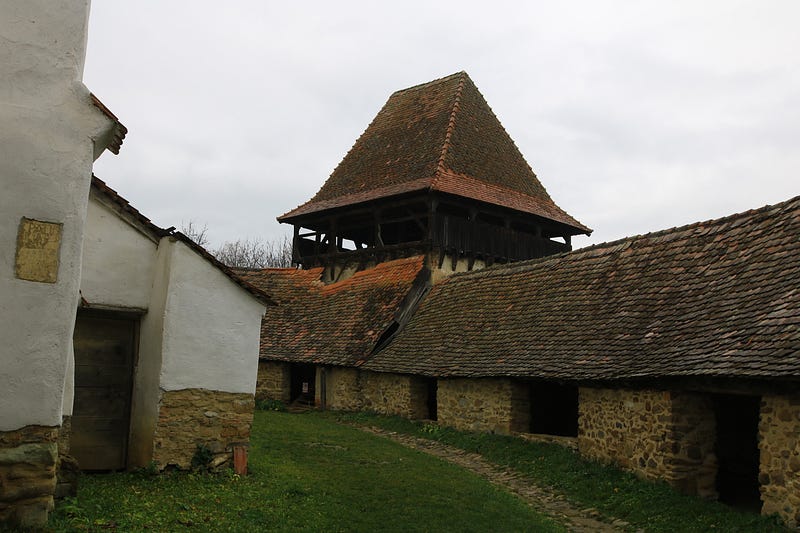
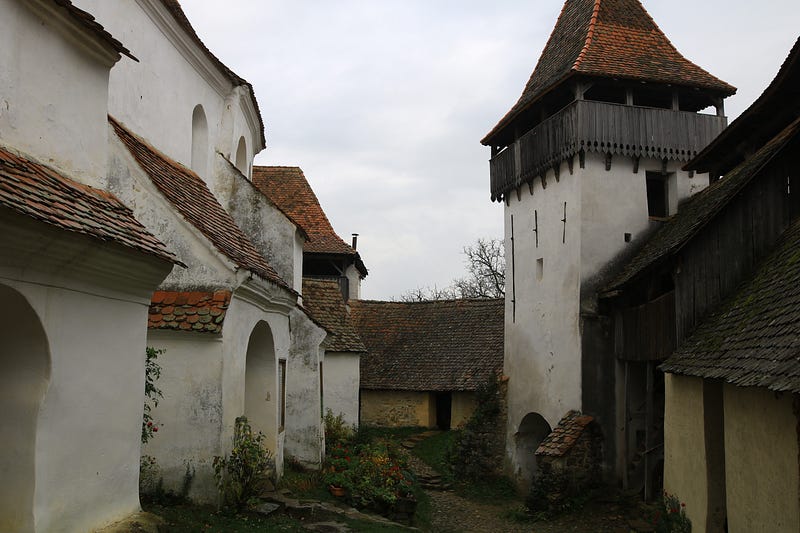
The views from the walls were spectacular. I do understand why they chose this place. You can spot the intruders from afar.
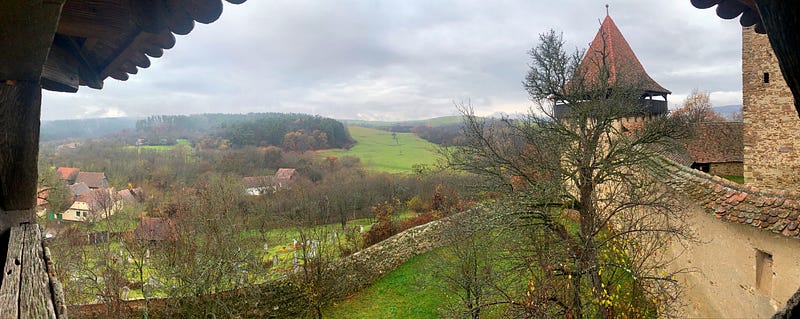
The quaint village behind the church lines up in almost only one main street with the houses standing all right next to each other.
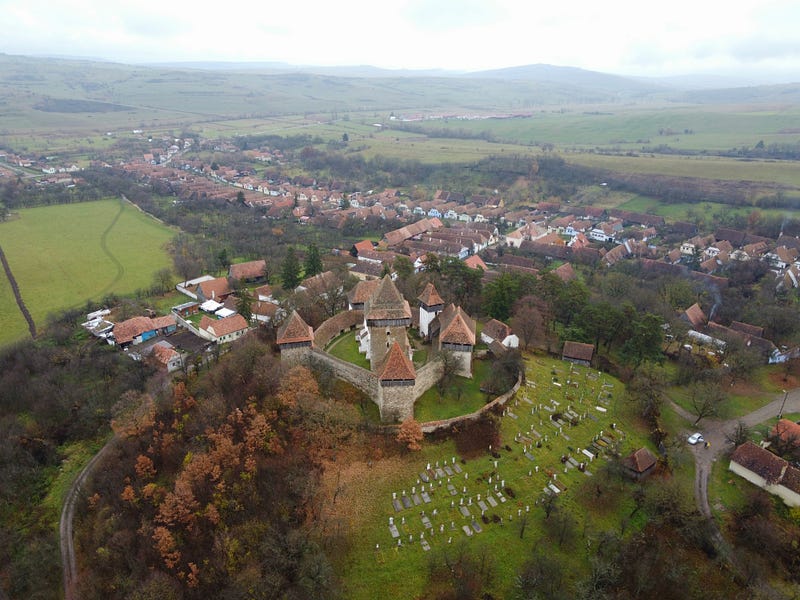
Before leaving the village, we took out our drone and flew high above the village outside of the fortified walls.
We then hit the road to get to our next destination. An old, traditional fort.
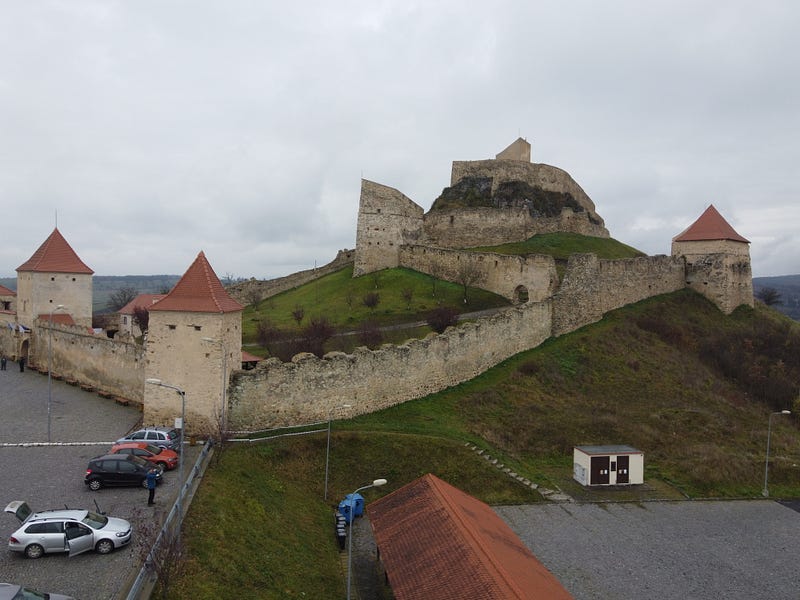
“Rupea Fortress (Romanian: Cetatea Rupea, German: Burg Reps, Hungarian: Kőhalmi vár) is a medieval fortress built by Transylvanian Saxons and first mentioned by a 1324 document. It is situated on a 120 m high basalt cliff, to the west of the Transylvanian town of Rupea in Romania.” — Wikipedia
This fortified building stands on one of the oldest archeological sites in Romania with the first signs of human settlement dating back to the Paleolithic times (5500–3500BC).
Over the years the fort had been destroyed and overrun by intruders a handful of times but in the end, it was a severe storm that only left ruins behind.
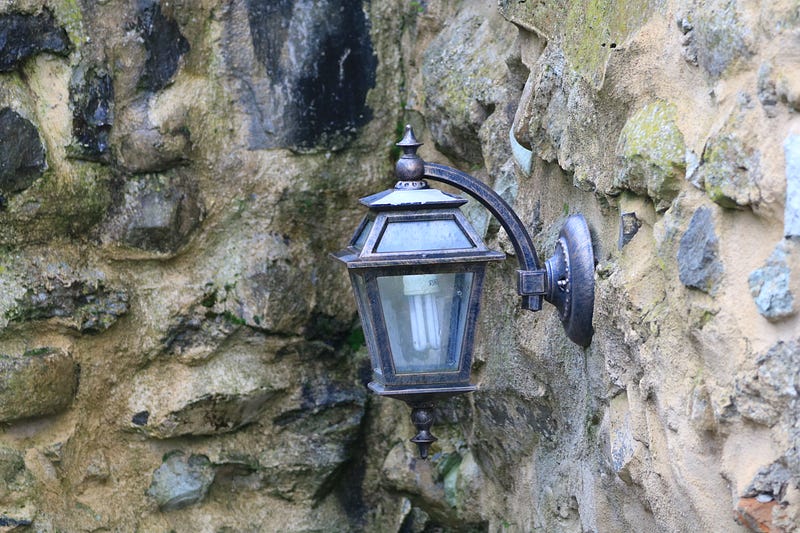
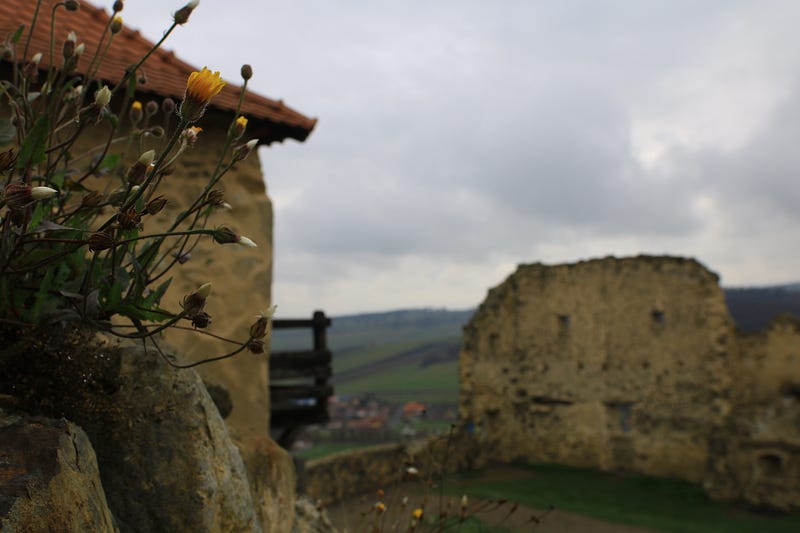
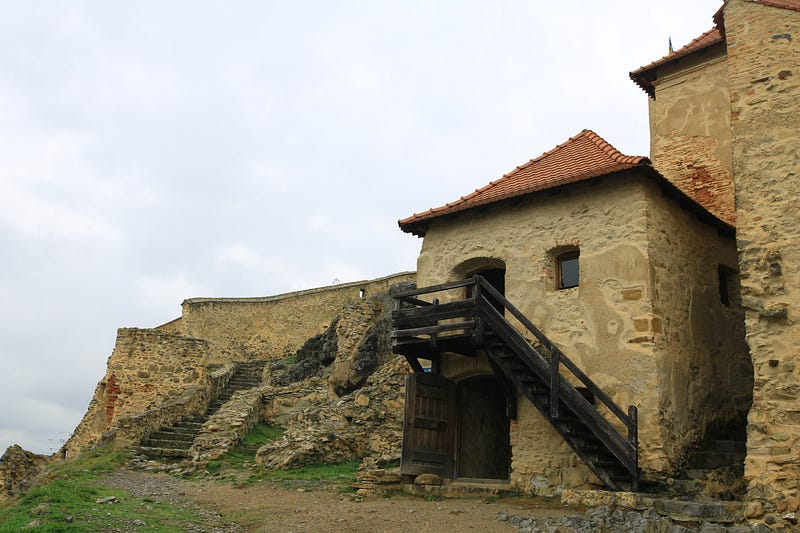
The medieval seat of Rupea used to be an important administrative unit in Transylvania.
“By the early 17th century, the fortress was inhabited by hundreds of people from the local Saxon community, life in the fortress having all the prerequisites of the time: a chapel, a parish, a local market, a fountain, a place for carriages, military towers, and even a bacon tower.” — Uncover-Romania.com
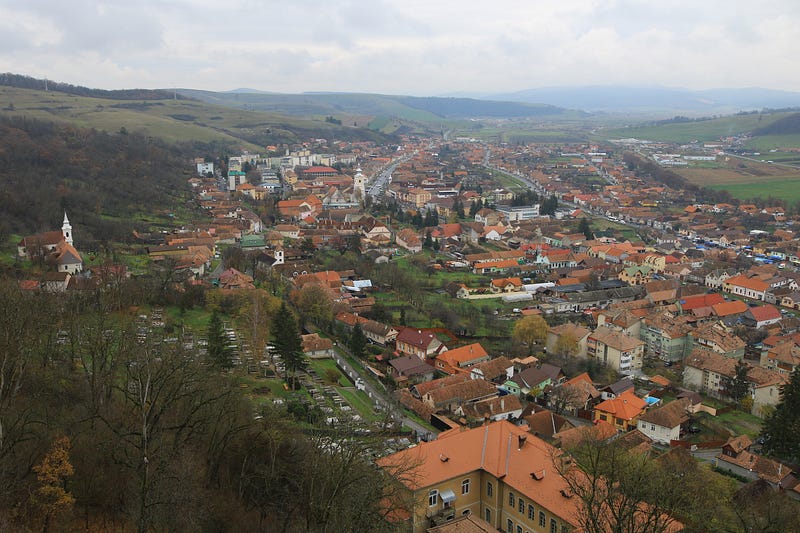
I did like the ruined look of this place many restored buildings and historical sites are lacking. These broken walls and leftover stone buildings talk of a rough history and make me travel back in time.
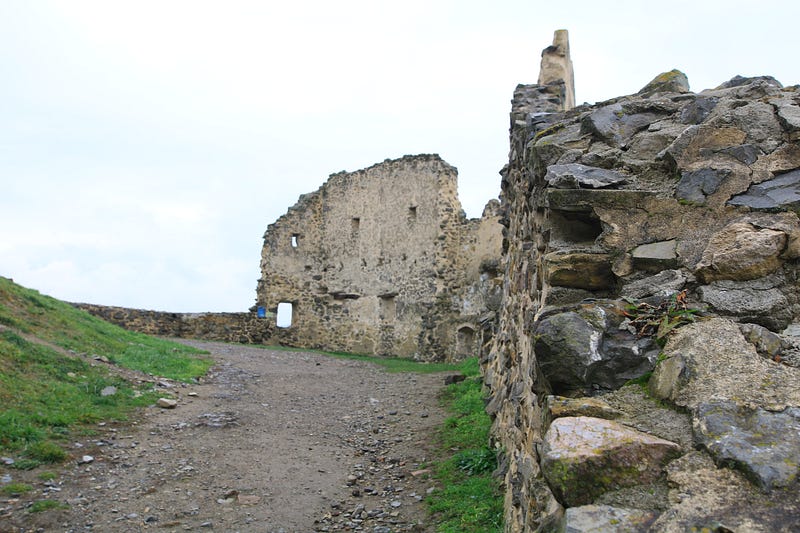
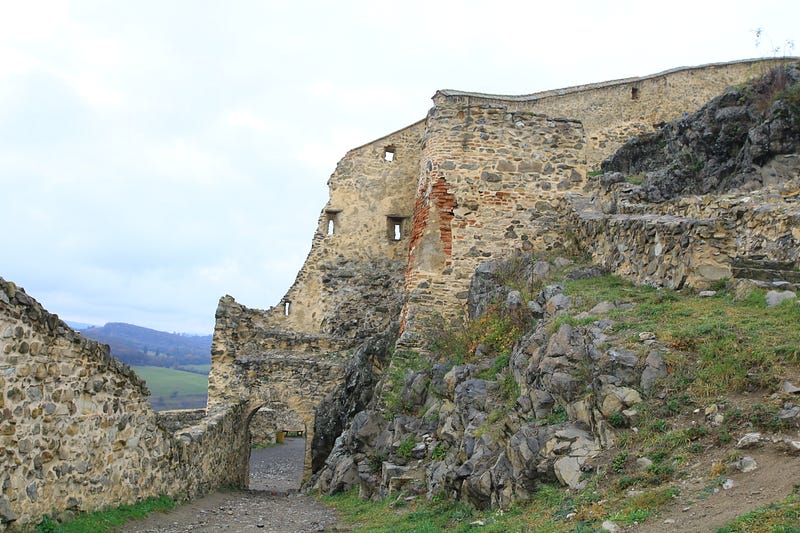
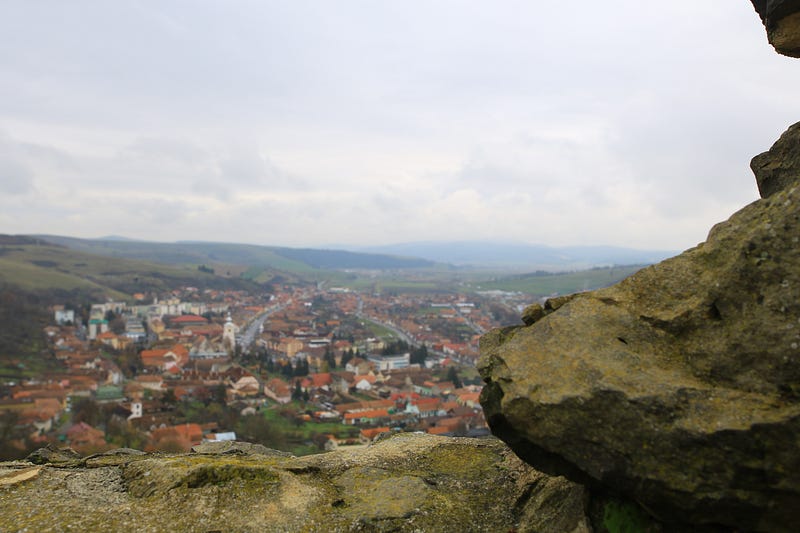
This fort had no exhibitions inside the towers or few rooms left on the site leaving it up to your imagination how people used to live in there.
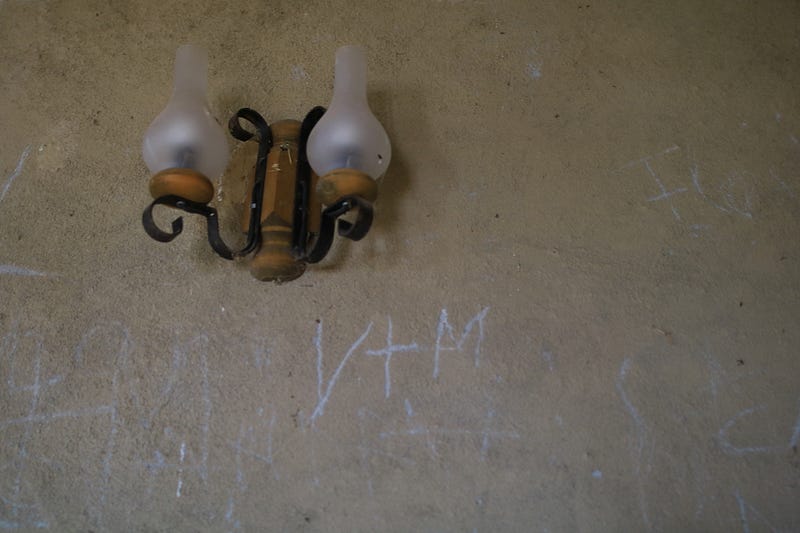
Only our humankind once again had to destroy the rich history of places like this one practicing vandalism inside the rooms. Scribbled walls were to be seen everywhere.
It’s sad to see this happening and makes me wonder if my generation or the one after me doesn’t care about their own history.
After visiting the fortress and enjoying the views from atop the building we went back to the parking lot starting up the drone for some aerial shots of the fort and the massive town Rupea grew into.
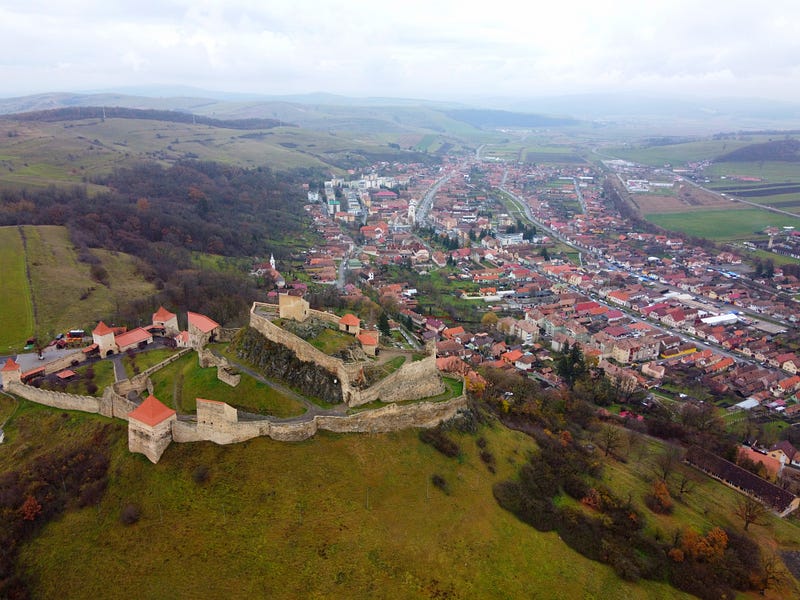
This wasn’t it for the day, we still had one more stop to do. It wasn’t getting dark yet but the opening times of attraction sites during winter are much shorter and therefore leave us with less time.
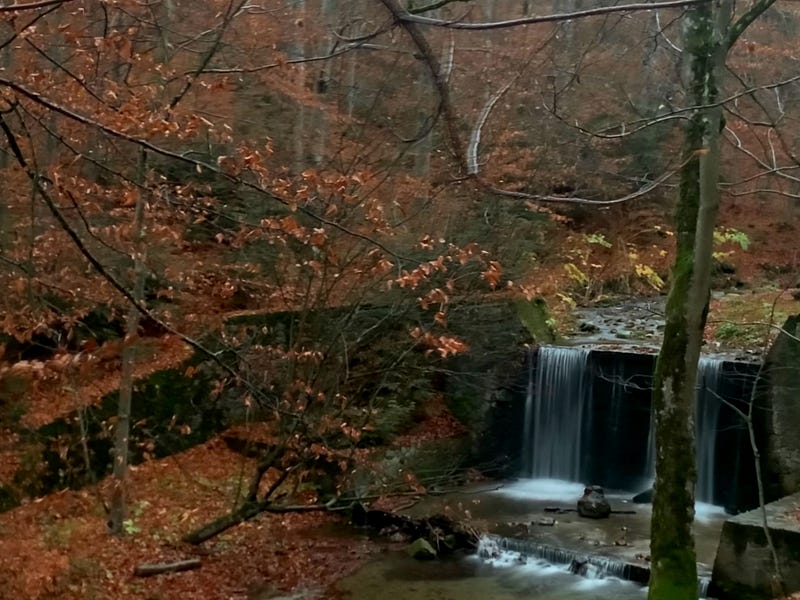
We had to enter the Carpathian Mountains for the next stop and after parking the car we walked up in the forest.
With the first glimpse of the castle, a light rainbow appeared on the horizon. It was only drizzling with a few drops of rain falling from the sky but this was all it needed to produce those colors in the sky.
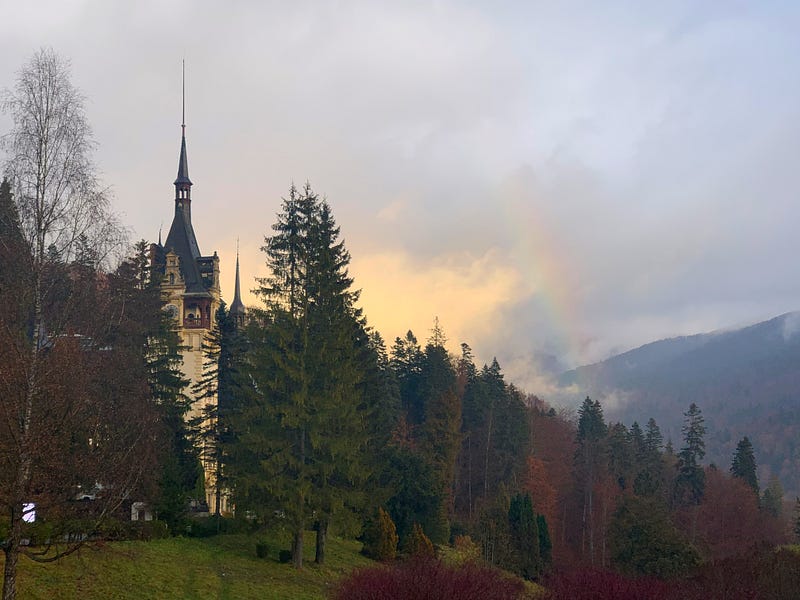
After visiting a fortified church and then an ancient fortress, this castle was again another category of buildings. It became the first king of Romania’s summer residence after he fell in love with the scenery of this region.
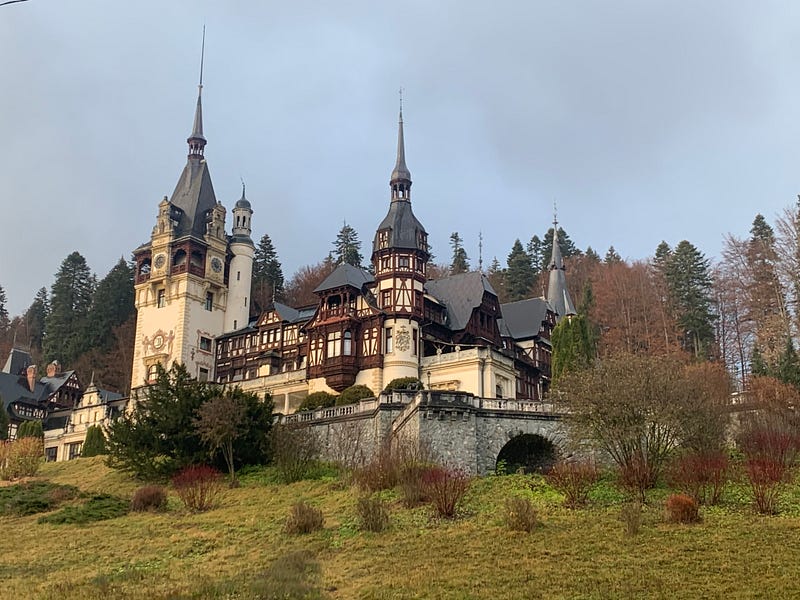
We arrived an hour before closing time and about 5 minutes before the last entry allowed but I don’t recommend anyone arriving that late. Not because 45 minutes aren’t enough time to visit the lower level of the castle but because the staff rushed us through this building in anticipation of the end of their working day.
The castle is offering exhibitions on three levels and only the lower one was available for us since the others closed their doors even earlier.
We were only in our second room when David was left speechless in the armory room. He wished he had spent more time inside this room but the workers were standing right behind him trying to push him to the next room.
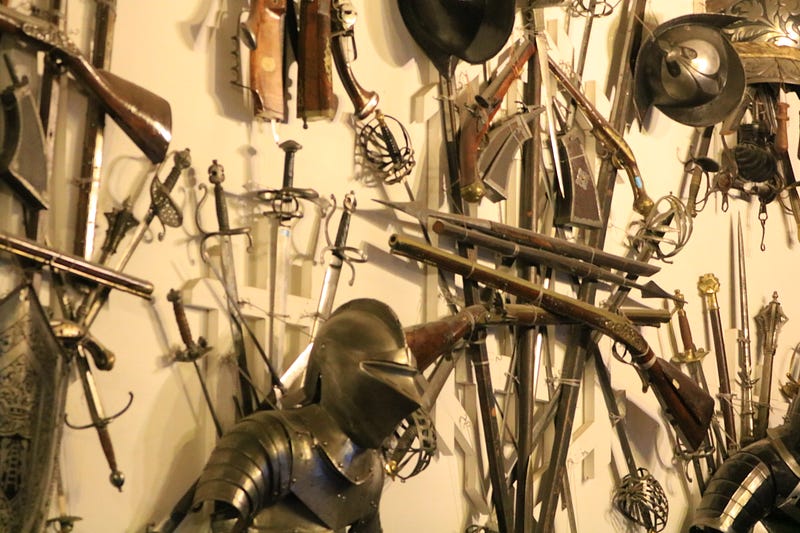
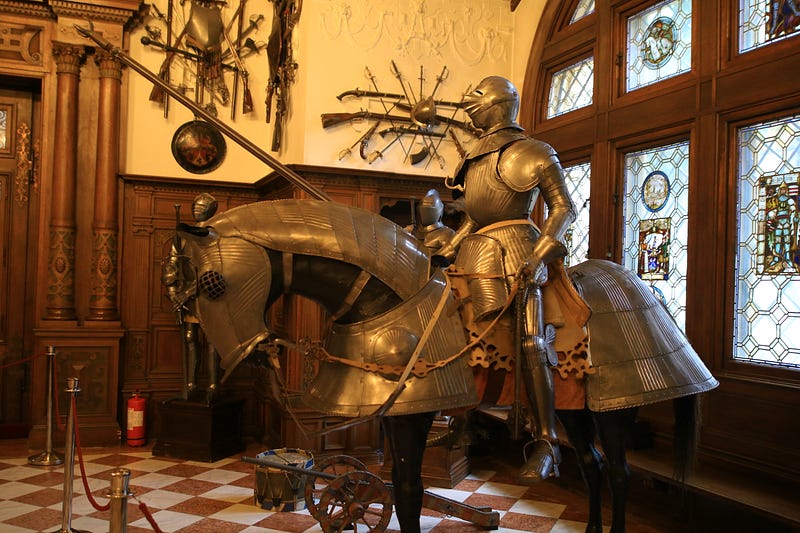
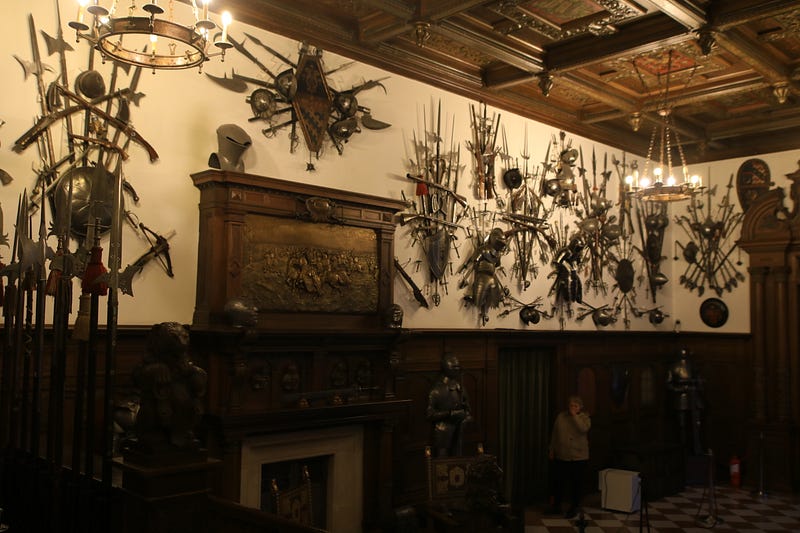
There was more than enough time for all ten rooms to visit in the 45 minutes we had but the team rushed us through in less than half an hour which was a bummer since we actually paid a lot of money for this visit.
Once again, it’s not the big castles that leave me speechless, the small ones come with more kindness and friendly hosts which is much more welcoming than this commercialized castle.
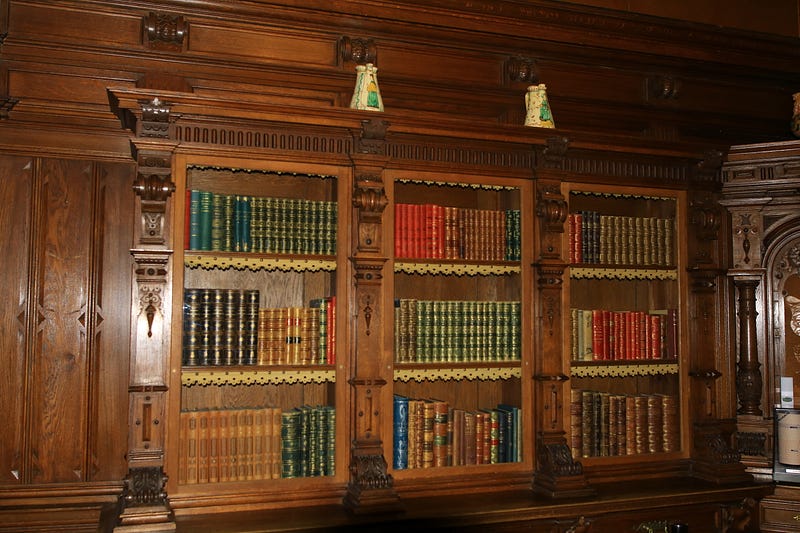
However, we tried not to get annoyed by the staff switching off the lights in the rooms right behind us and stopped whenever we wanted to admire the lights above our heads, the ancient library and many details all around the rooms.
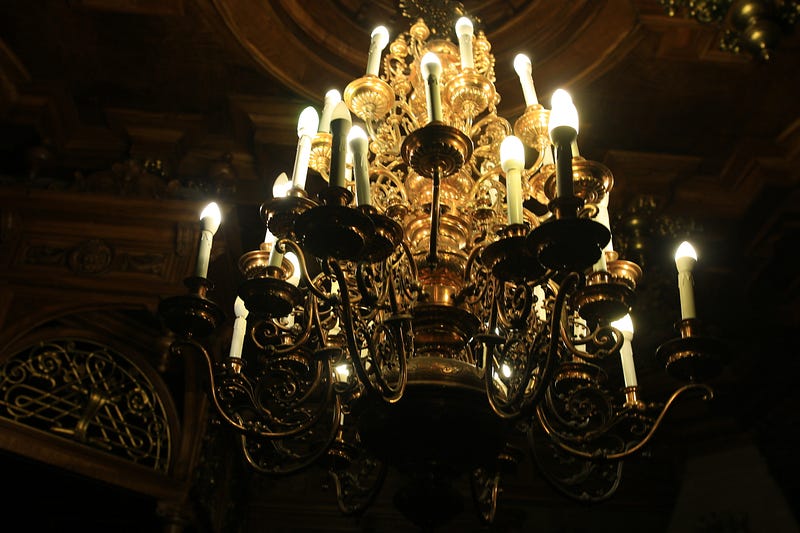
There was so much gold and expensive decorations in every corner of the spaces we visited.
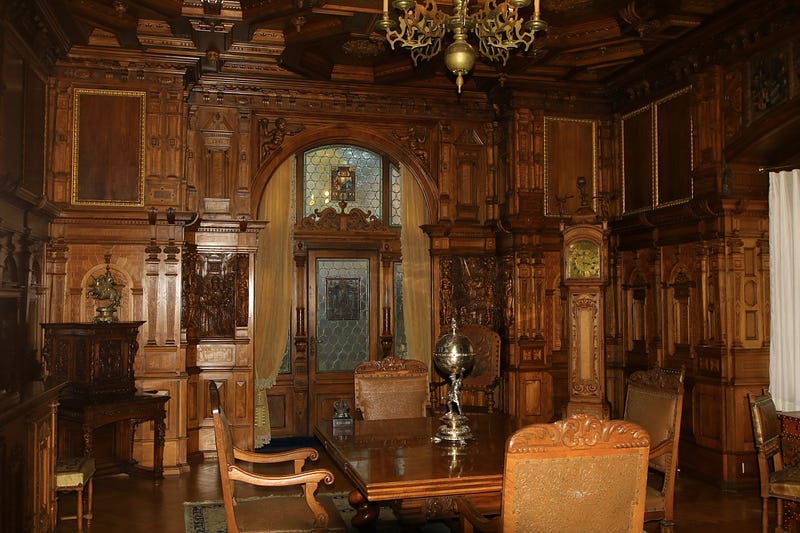
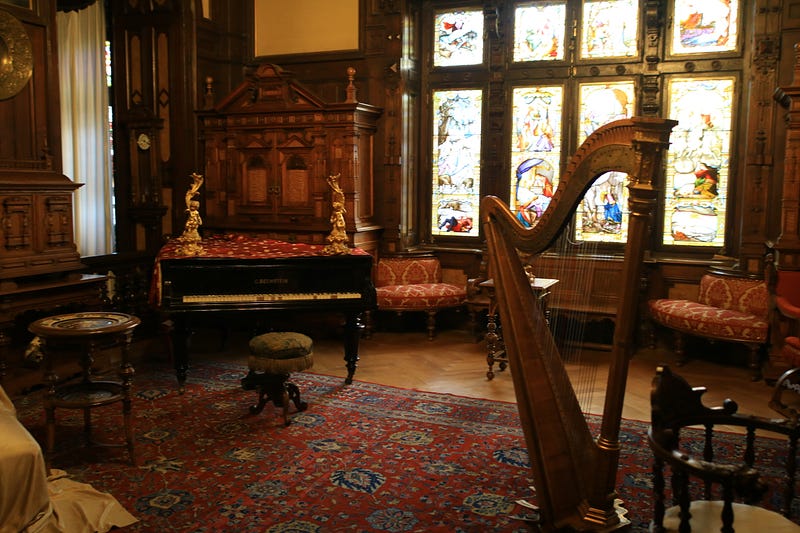
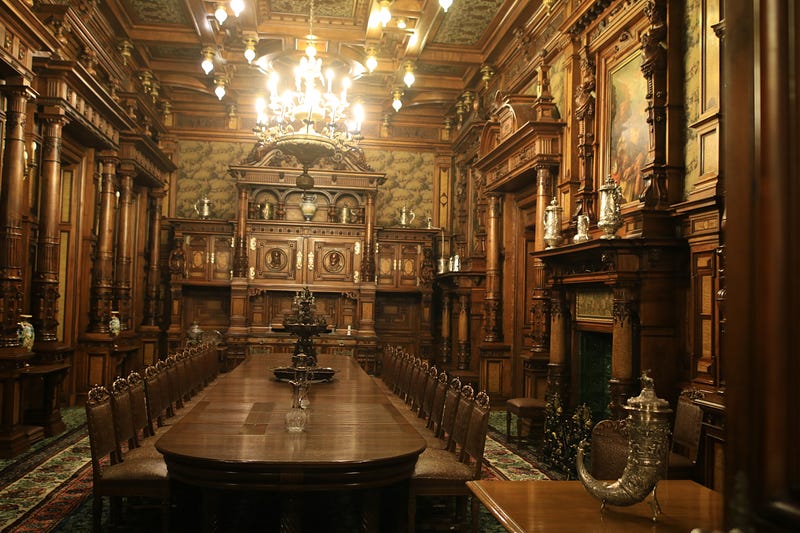
The ceilings were also mostly intact and surely impressive pieces of artwork.
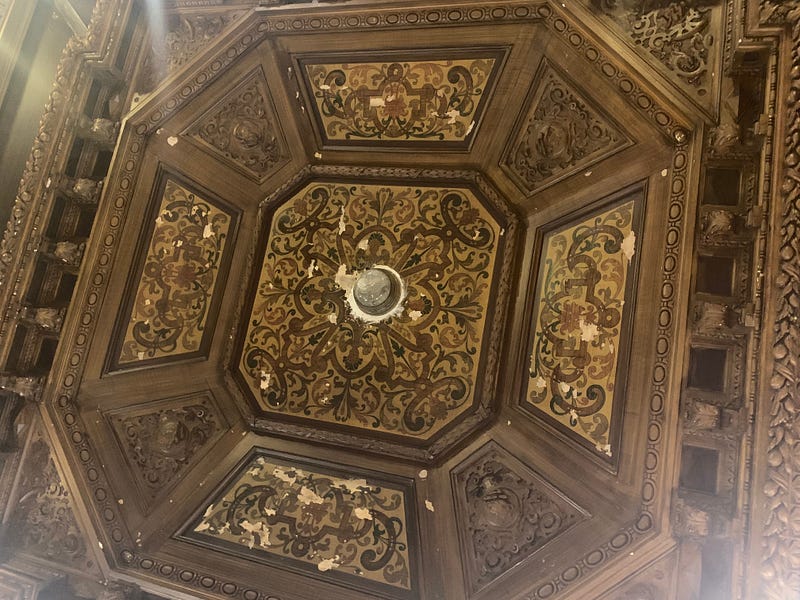
We only took a deep breath once we felt we were pushed out of the castle now standing in front of the impressive building looking up at King Carol I of Romania and his residence. It was under his reign that Romania gained its independence.
King Carol I (1866–1914) rejected the first plans of the castle which were copies of other residences in Europe and in the end a German architect won the project.
Peleș became the world’s first castle fully powered by locally produced electricity. — Wikipedia
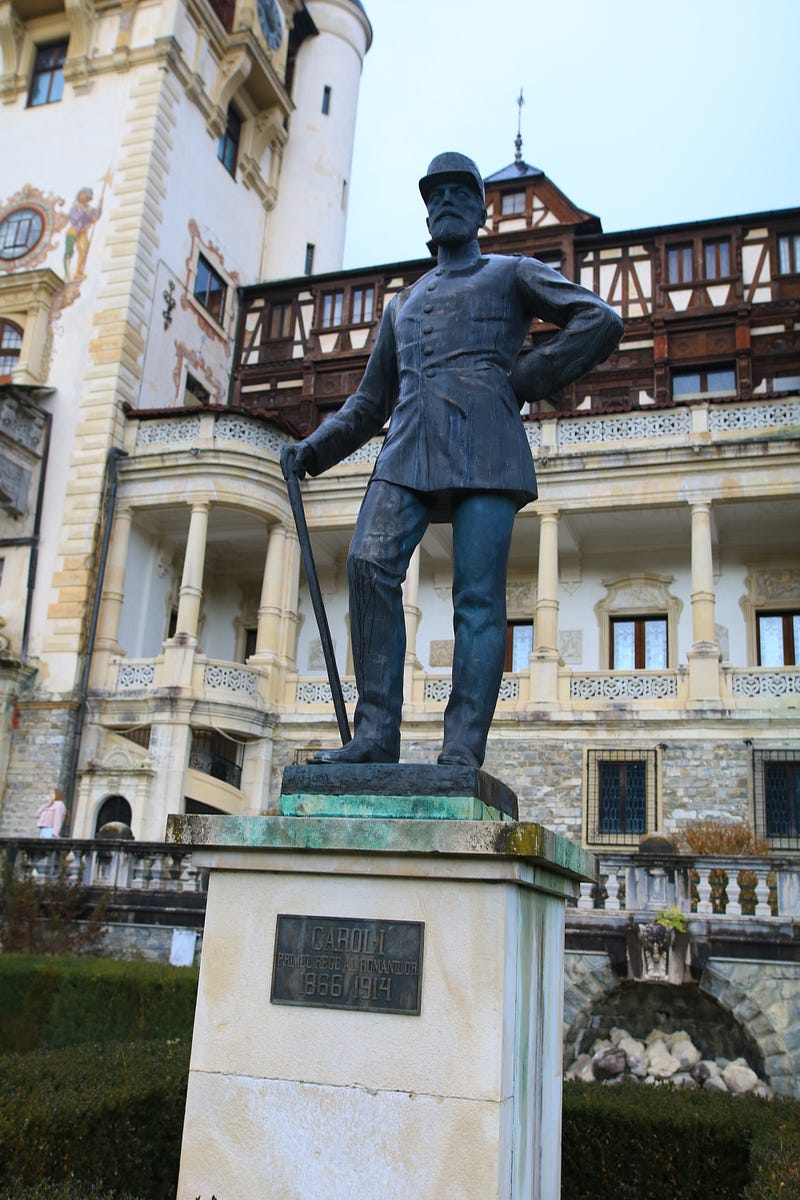
So here we go. Three castles in a day. All of them were unique and different in their own way. I think I enjoyed most the ruined Fortress of Rupea since I had seen many fortified churches prior and after this visit and since the staff of Castle Peles didn’t let us enjoy the full beauty of this majestic building.
Which one would have been your favorite?
More about castles and our journey through Transylvania:
Join my email list here if you would like to read more photo essays or sign up for the Medium membership to receive unlimited access to my and other writers’ stories out here (I will receive a commission fee in return).
WordPress | Shutterstock | Instagram | YouTube | Mailchimp | Amazon