
Trans Voices Matter in the Conversation About Drag
The LGBTQ community has a responsibility to listen
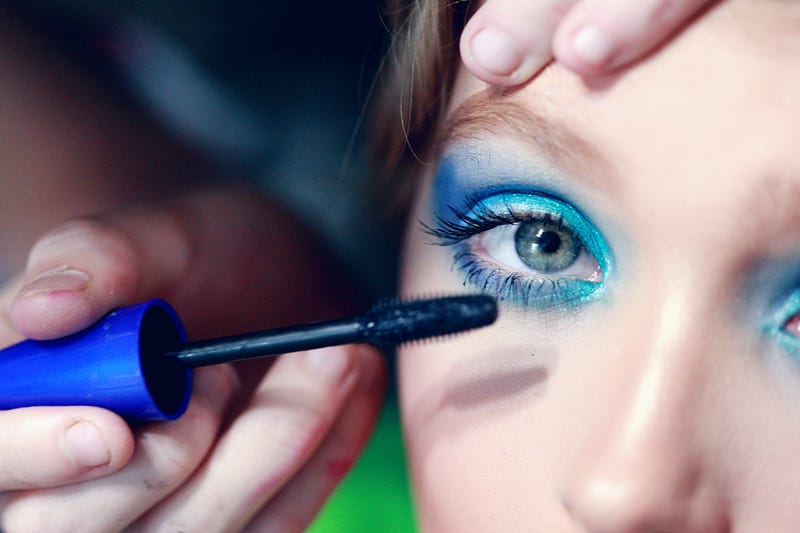
The performance of Drag is not something I’ve had a strong opinion about for the most part. Living in a city like Sydney Australia, it’s pretty ubiquitous, whether it’s the annual Mardi Gras festival or the Drag shows at the local pub. I once lived around the corner from where the opening scene of Priscilla Queen of the Desert was filmed.
As a cisgender lesbian woman, Drag has been part of the landscape of the LGBTQ community. I’ve equated criticism of Drag with the kind of knee-jerk moral panic that pops up from time to time in less reputable media outlets. Rigid ideas about gender and the willingness to vilify those who don’t conform is not something I have much time for.
But there are others who have a lot more at stake in the conversation about Drag. A while back, I witnessed an exchange on a local LGBTQ community Facebook page that brought it home.
Where I live, Drag performers donate their time to read stories to kids in local libraries or community fundraising events. For the kids it’s a fun flourish of colour, movement and glitter. But it’s not fun for many trans and gender diverse (TGD) people.
A while back, one of these performers posted a promotion of an upcoming event they were involved in. I’m guessing they were expecting a largely supportive reception. And so they were quite taken aback when someone posted the following response to their post.
Drag sucks
The comment was from a trans woman. We’ll call her J.
The original poster admonished her for her ‘bad attitude’. J went on to explain that she saw drag as inherently misogynistic and transphobic and directly harmful to the trans community.
‘Well I’m sorry you feel that way but no harm was intended’, said the original poster. ‘Sure’ said J, ‘but you need to think about who it might hurt and take into account the potential for harm.’
It’s not surprising that years of having to defend themselves from bigotry might make Drag performers sensitive to criticism. But there was a shift in the conversation as they took on board J’s experiences. It seemed that the two had arrived at an understanding of sorts by the end of the exchange.
So what happened next was a surprise to me.
The page was monitored by an LGBTQ community group that I was part of. The exchange gave rise to another conversation in another Facebook group as they deliberated on what was to be done. What ensued was a bigger pile-on than the subject post and I was dismayed by what I heard from people I thought I knew.
The majority of the group were on their high horse about J not playing nice. She should have expressed her views more diplomatically. We just can’t have this sort of behaviour. She needed to be educated about the appropriate way to express her opinions. This most startling display of pearl-clutching culminated in a declaration that her initial two word comment should be deleted. They had disregarded the reasonable exchange that followed in which she explained her feelings.
One of the group members, a cis gay man who I’ll call M, had accused J of shutting down views that she didn’t like, overlooking the fact that he was doing exactly that to her. Who is really being silenced here, I wondered. I weighed in with this:
“Her comments appear to be based on lived experience and provide a genuine perspective. I don’t think lack of diplomacy should be the yardstick for deleting comments.”
She was in the wrong, regardless of her personal experience, said M. But her personal experience was the point. The group had let their preoccupation with how people conduct themselves on a Facebook Page overshadow the hurt that was being expressed. Some might describe it as tone-policing, where someone takes it upon themselves to decide the right and wrong way for others to talk about their experiences. The discomfort of members of the group in bearing witness to someone else’s distress became the story instead of the source of distress.
Here’s the thing. The group also included a trans woman who I will refer to as S. Unexpectedly cast as a spokesperson for the TGD community, she said that she too had issues with Drag and the way the LGBTQ community promotes it. The effect on people’s perceptions of TGD identities can cause harm if care is not taken. She cited the example of the ‘Tranny Bingo’ events that were a feature of neighbourhood pubs for a while. Adopting a name that continues to be experienced as a term of abuse for trans people just reinforces stereotypes and fuels bigotry.
Yet she also acknowledged that for some trans folk, Drag offers a means of exploring gender identity and is largely a positive experience. Making the point that views of the TGD community around Drag were by no means uniform, she directed us to individual stories online. One view that was consistent was that the problem is less with the Drag performers themselves and more with ignorance in the broader community that conflates Drag with being trans.
The dexterity with which S trod a line between defending her dignity and not upsetting others in the LGBTQ community was awe-inspiring. Cognisant of the enjoyment many LGBTQ folks derived from Drag, she didn’t want to spoil it. Not knowing how to discuss it without upsetting others in the community meant that she tended to bite her tongue, she said. Drag culture is a celebrated part of LGBTQ culture and criticising it openly comes with a cost.
But then so does being silenced.
There is no doubt the ascendency of this group was a core of alpha cis lesbians and gay men who were in many ways very conventional. They carry the legacy of community traditions and practices, organise events and rally the troops. They talk about our community as though we are uniform in our needs and don’t stop to think that it might be otherwise. It’s okay to bring diversity but just make sure you know your place and toe the party line.
It’s a contradiction I feel like an itch under my skin: those who position themselves as being outside the mainstream world but stubbornly conformist once safely inside the walls of their own. It’s as though any challenge to their comfortable experience is a betrayal of community solidarity. And so questioning something as closely held as Drag culture brings a swift reaction.
The group made an effort to speak to S in a way that was respectful. Yet there was something hollow and insufficient about it. The discussion was framed as an interplay of competing opinions, an agree to disagree approach which assumed a level playing field. As a result, the majority of the group left their ardent support of Drag unchecked despite the hurt they could see it was causing.
‘I am not a transgender person and I don’t share your opinion’, said M. Reducing the lived experience of TGD people to an opinion seemed to preclude genuine effort to empathise and understand their lived experience. Instead of just positioning her as the sole representative of a contrary view, S suggested that they needed to really listen and be open to evolving.
It was as though in the absence of a trans person providing their input, the issue would just go away and the group would be relieved of having to give it any further thought. There’s no compulsion to change your view when you’re safe in the knowledge that it’s supported by the orthodoxy of group norms.
The majority of the group saw their role as enforcing group norms and they were sending a message that the trans person in the group stood outside of them. Blindness to privilege and the power dynamics at play had resulted in an act of exclusion by a group supposedly championing diversity and inclusion. Instead of reducing inequality, they were entrenching it.
Inclusion tends to be bandied around a lot without really thinking about what it means. As another person in the minority of the group explained:
“It’s a checklist point that we need to mark off. Are we inclusive? check. Yes. Done. Let’s move on. But are we listening to people are we allowing all a seat at the table? Are we recognising minorities and giving them a platform? Are we acknowledging our own privileges and personal biases?”
What I was observing was the silencing of minorities who don’t fit the imperatives of the dominant group. There are many ways to silence someone but it has more impact if it’s done by those who hold the most power. Going back to J, it just doesn’t make sense to accuse someone of shutting someone down when they are crying out with the pain of exclusion. The person doing the shutting down is the one who refuses to acknowledge and hold space for that pain.
It was a thudding echo of the mainstream world where the powerful shape the agenda and the powerless and vulnerable are left behind. Trans and gender diverse people continue to be marginalised within the LGBTQ community. What must it feel like to be excluded by a community that is meant to provide a safe haven from the toxic discrimination of wider society? Sometimes it doesn’t seem like a community at all. We have a long way to go in making it genuinely inclusive.
There is nothing inherently wrong with Drag. But if the LGBTQ community continues to promote it without regard to the impact on the TGD community or the willingness to truly listen, that is a problem.
This exchange said a lot about how different perspectives are treated and which voices are given priority within the LGBTQ community. An outsider’s perspective that comes with being neurodivergent gives me a natural skepticism of group norms. It makes me uneasy when I see that they are operating in an oppressive way.
I can’t speak on behalf of TGD people but what I can do is be alert to when they are being silenced within the LGBTQ community. I can acknowledge my privilege and take responsibility for my response as a bystander and ally. And I can listen and hold space for someone’s experience that is different to mine.
Thank you for reading! Did you know you can sign up to become a Medium member and enjoy unlimited stories and support writers like me for $5 per month?

This story is a response to the Prism & Pen writing prompt, Let’s Talk About Drag! Pro, Con, in Between.


