Three Ways To Manage Resentieesm
Jack had a spring in his step as he walked down Bond Street. He was a Social Media Manager for a mid-size Hospitality company in London. Jack was returning to the office after interviewing with a competitor company. He felt the first interview went well.
Jack had worked for the company for over two years and enjoyed working. However, things changed last year, after his manager left. Bob, Jack’s manager wasn’t just his boss, but also his friend. They worked very well together and exceeded many department goals.
A new manager was recruited externally and took over Bob’s hot seat. That’s when Jack’s career headaches started. Jessica had a different working style from Bob. She was a workaholic and thought nothing about sending email messages outside working hours.
She even sent messages over the weekend, too. Jessica didn’t need to work so hard, but it was her choice. However, Jack didn’t want to mirror Jessica’s working style. No matter how hard Jack tried to accommodate Jessica’s demands, things deteriorated within six months.
He also believed Jessica paid lip service to his career development and didn’t care about Jack’s career growth. She was focused on one thing, which was hitting the monthly and quarterly targets.
Jack had other ideas about spending his time. He wanted to focus on his side hustle and spend his free time working on the project, which was growing well.
Jessica pulled Jack aside a few months ago and wanted to know if anything bothered him because he didn’t seem like his usual self. He didn’t want to tell Jessica that she was the cause of his woes.
Moreover, Jack felt he was always connected to work and started feeling resentment and getting stressed. Jack resented working under such intense pressure and scrutiny and found it impacted his creativity. He began feeling professionally suffocated and tired of the daily Work Theatre.
The Work Theatre
Jack equated the workplace to a Theatre, which puts on a big daily performance. It had the main characters (Jessica in the lead role), Jack and his team, the set (the department), and the customary Act, which changed depending on Jessica’s mood.
Jack felt like an actor who changed backstage attire to suit the ‘scene’ onstage. One minute, he’d be fire fighting, the next charming his clients at their offices or wearing regular clothes when dealing with the day-to-day team dynamics.
Jessica dictated the daily ‘script’ she’d either prepared or improvised depending on her mood. Jack was tired of the numerous rituals and nonverbal gestures accompanying being an ‘actor’ in the work theatre.
Who is the audience? The clients, internal and external stakeholders and colleagues. The drama in the workplace led Jack to experience Resenteeism.
What Is Resenteeism?
Resenteeism in the workplace is having negative feelings of bitterness, anger, or hostility that employees may harbour toward their employers, coworkers, or the organisation as a whole.
Resentment can stem from various sources, including unfair treatment, lack of recognition, micromanagement, unrealistic expectations, lack of development or general toxicity.
What should Jack do?
There are Three Ways To Manage Resenteeism
- Don’t Play The Blame Game
It’s easy to point fingers when things don’t go our way, but it’s important not to personalise anything, especially in the heat of the moment.
By blaming external factors, we give up control, thus making ourselves powerless in the face of adversity.
Instead, it pays to adopt an internal locus of control. This means believing that you have the power to influence events and their outcomes. When faced with setbacks, instead of placing blame, ask, “What could I have done differently?” This proactive mindset not only boosts self-accountability but also fosters resilience.

2. Don’t Take Your Work Baggage Home With You
It’s tempting to regurgitate the day’s events when you return home, but don’t underestimate second-hand stress, which is real.
It’s not fair on your loved ones, but if you take the mental work baggage home with you, not only will you get frustrated by your emotions as you relive the moment, but you’ll offload your baggage onto them to carry. Please don’t underestimate the power of second stress because it’s real.
Learn to leave work issues at the workplace to prevent a spillover of negative emotions into your home, safeguarding your relationships and fostering a healthier mental space.
3. Assess Your Options
Life constantly evolves, and if you drift from one day to the next, it all becomes a blur on the weekends. So, ask yourself this: How much are you actively choosing to change every single day?
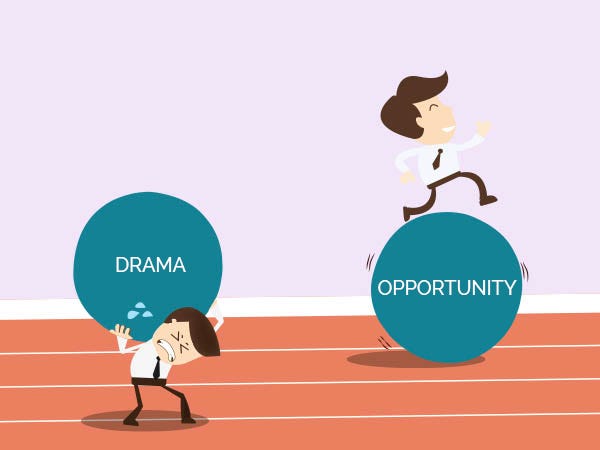
Nowadays, it would help if you did your bit to create opportunities instead of waiting for them. Start thinking about what you want if things aren’t going how you want. Do you want to stay and continue, or are you open to looking at different opportunities outside?
Consider the projects you’re working on or the fresh ideas you generate. Maybe you find yourself collaborating across departments or engaging with different stakeholders. Each presents an excellent opportunity to tap into and showcase your strengths in every interaction.
What Did Jack Do?
Jack didn’t fancy hanging around for too long and started putting the feelers out in the New Year. He interviewed at a couple of places and felt confident in his performance. However, he was aware that feeling great about an interview is good, but that doesn’t mean the outcome would be too good.
Jack needed to manage his expectations over the coming weeks and wanted to leave by April. He knew it was a tight deadline but was willing to put himself out there. Until he found a new job, he would stop blaming Jessica and thinking about work when he wasn’t working.
Hopefully, he’d free up some much-needed mind space to focus on his short and long-term goals.
Parting Comments
We spend 1/3 of our time at work, so it makes sense that we enjoy what we do. Like Jack, things can change very fast, especially when there’s a change in the immediate work environment.
You’d be surprised how many people are unhappy in their current roles. I should know. I used to be one until I found my dream job. As an Executive Coach, I see quite a few people who thrive once they learn how to work their work resentment /challenges to their advantage.
Thank you for your attention.
Follow me for more valuable tips.
Pervin
linktr.ee/AimHighLtd